

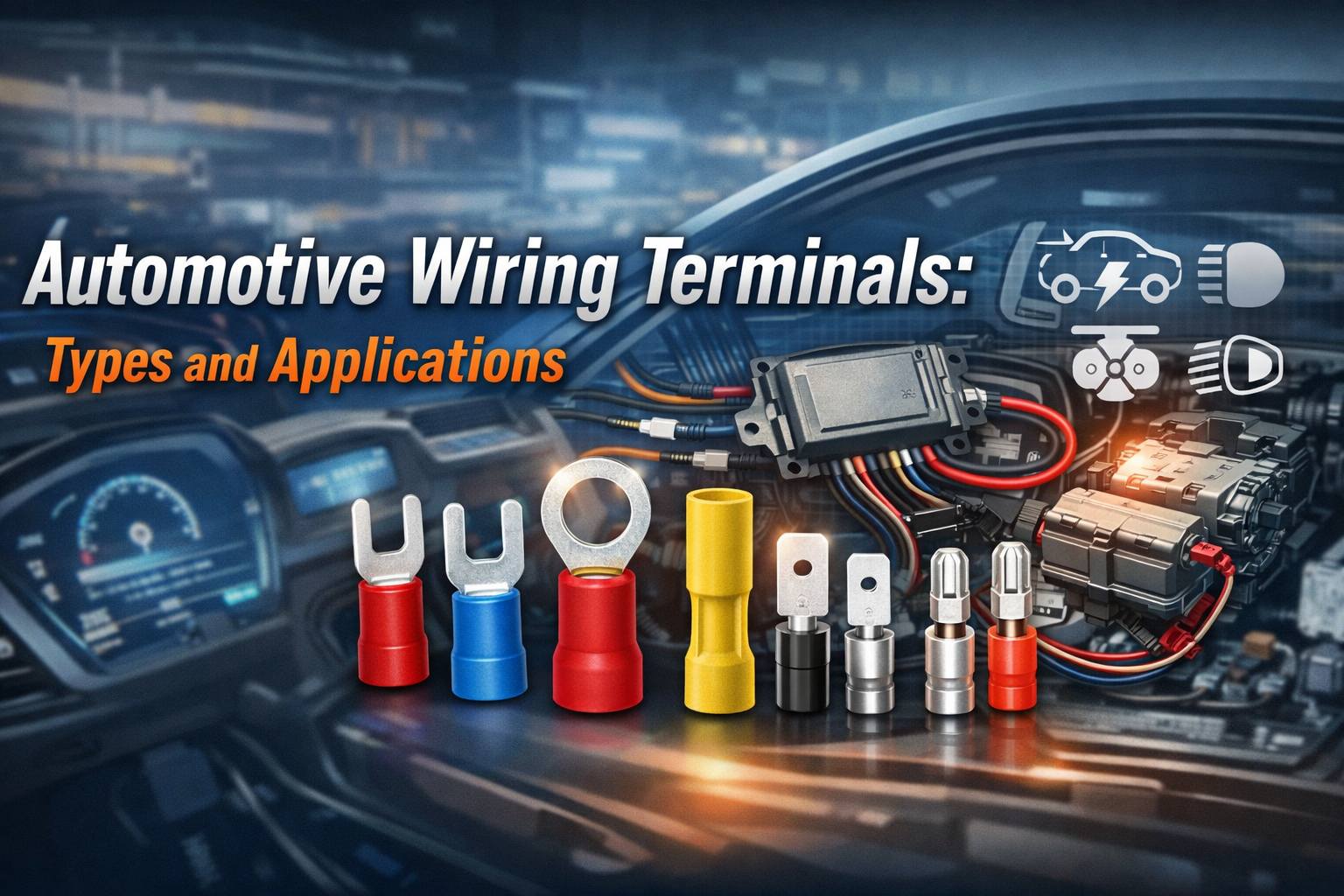
Introduction
Modern vehicles rely heavily on complex electrical systems to power everything from engine control units to advanced driver-assistance systems (ADAS). At the core of these systems are automotive wiring terminals, which ensure stable and efficient electrical connections.
جدول المحتويات
تبديلAs vehicles become more electrified—especially with the rise of المركبات الكهربائية (المركبات الكهربائية)—the demand for high-performance, دائم, and reliable terminals continues to grow. Choosing the right terminals is essential for vehicle safety, electrical efficiency, والموثوقية على المدى الطويل.
What Are Automotive Wiring Terminals?
Automotive wiring terminals are conductive components used to connect electrical wires to devices, الدوائر, or other wires within a vehicle.
Key Functions:
- Establish secure electrical connections
- Ensure consistent current flow
- Enable easy assembly and maintenance
المحطات مقابل. موصلات:
- المحطات: Individual conductive ends (على سبيل المثال, جرس, دبوس)
- موصلات: Housings that hold multiple terminals for plug-in connections
Key Applications in Vehicles
Automotive terminals are used across nearly every electrical subsystem:
- محرك & Powertrain Systems – sensors, ignition, fuel systems
- بطارية & Charging Systems – battery terminals, EV high-voltage connections
- Lighting Systems – headlights, brake lights, interior lighting
- Infotainment Systems – audio, navigation, يعرض
- Safety Systems – airbags, ABS, radar sensors
- Wiring Harness Assemblies – structured cable routing throughout the vehicle
Types of Automotive Wiring Terminals
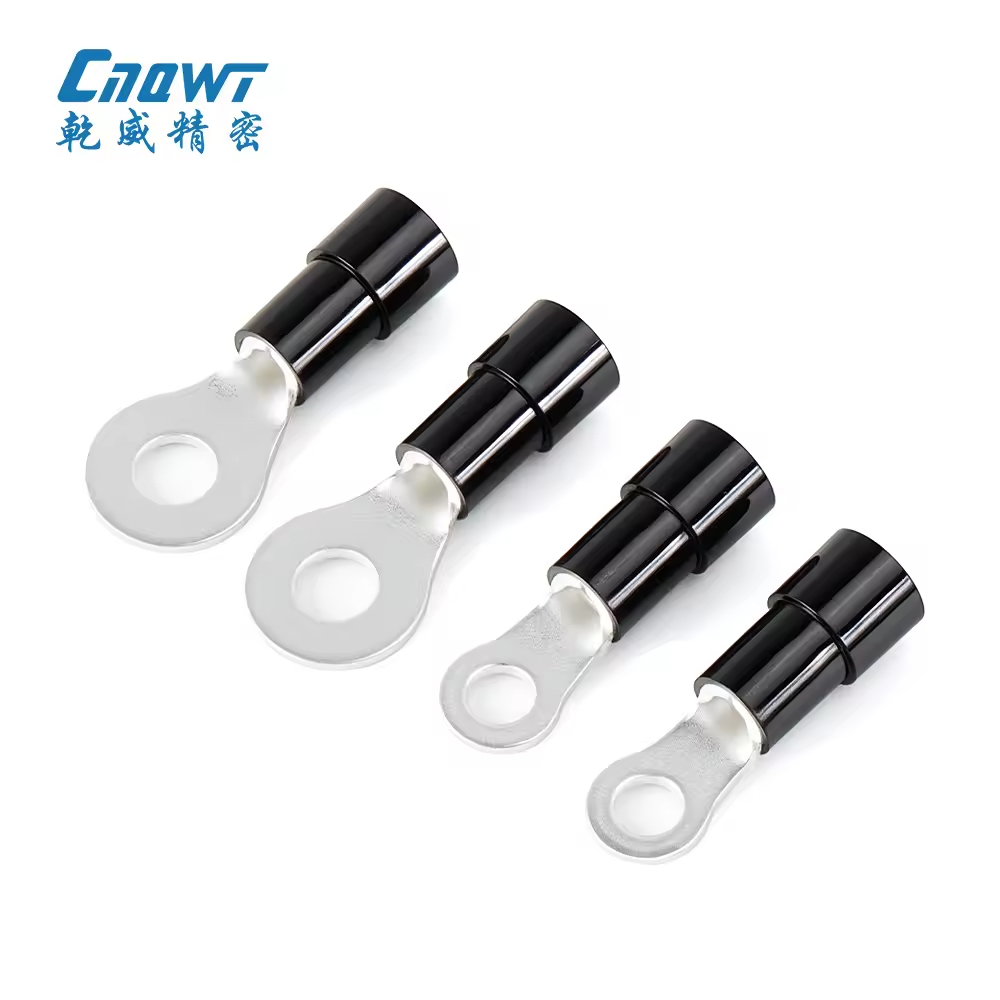
1. محطات الحلقة
- Circular design for bolt-secured connections
- Widely used in grounding and battery applications
- Highly resistant to vibration
 2. الأشياء بأسمائها الحقيقية (شوكة) المحطات
- Open-ended design for quick installation
- Common in relays and fuse blocks
- Easier to remove than ring terminals
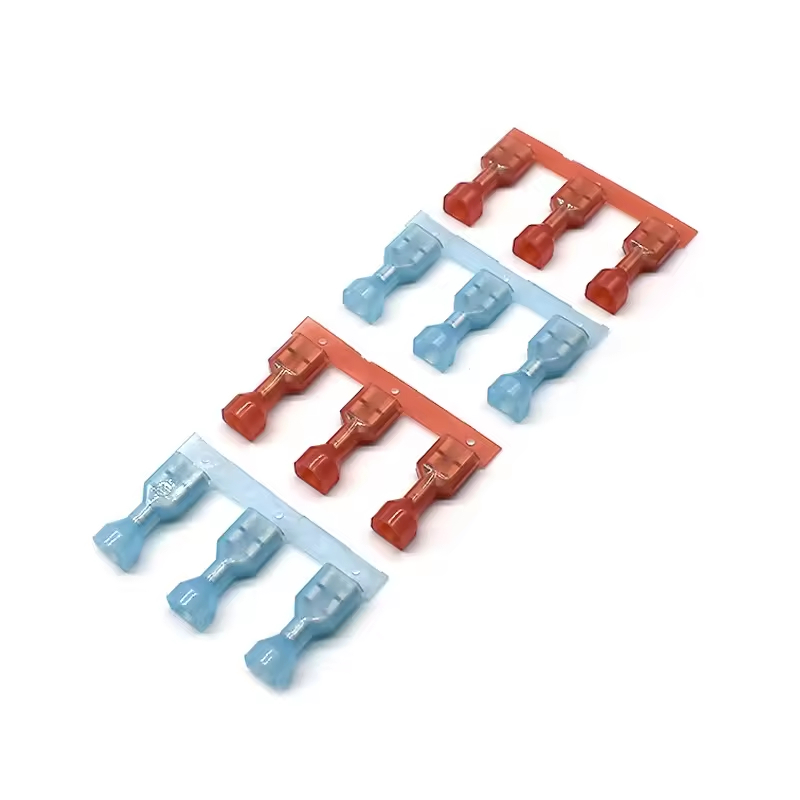
3. Blade Terminals (ذكر & أنثى)
- Flat, quick-disconnect terminals
- Frequently used in automotive electrical systems
- Ideal for modular components
4. Pin Terminals
- Used in multi-pin connectors and control modules
- Essential for ECU and signal transmission
- Compact and precise
5. موصلات بعقب
- Used for joining two wires inline
- Heat shrink types provide waterproof sealing
- Common in repairs and retrofits
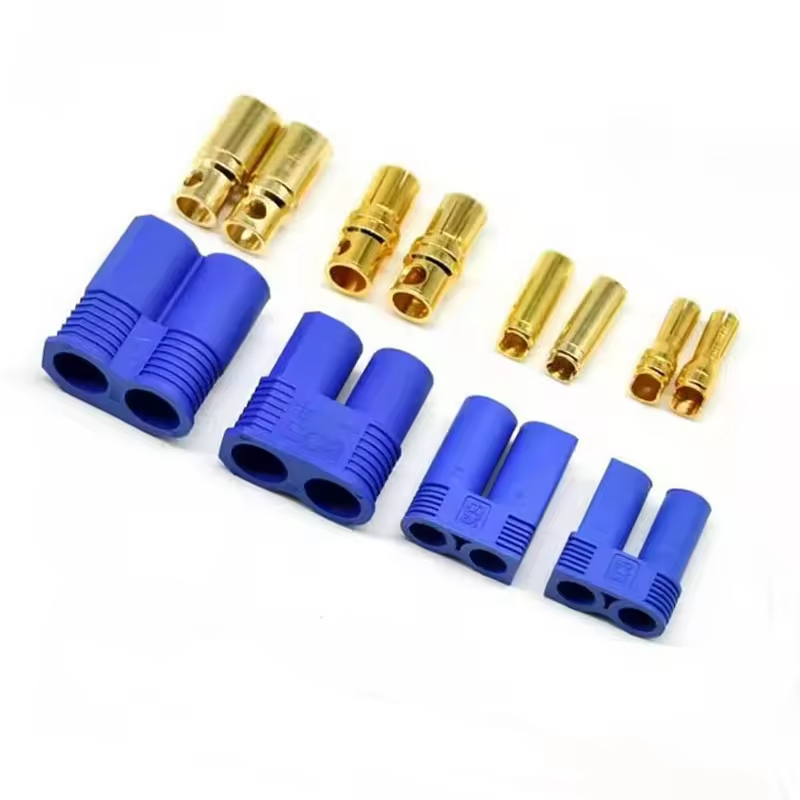
6. Bullet Connectors
- Cylindrical plug-and-socket design
- Common in motorcycles and older vehicle systems
7. Open Barrel Terminals
- Used in OEM wiring harness manufacturing
- Require precision crimping tools
- Provide high reliability in mass production
8. Closed Barrel Terminals
- Fully enclosed crimp section
- Stronger mechanical connection
- Better suited for high-current applications
 Materials Used in Automotive Terminals
Material selection directly impacts conductivity and durability.
Common Materials:
- نحاس – excellent electrical conductivity
- النحاس – good strength and corrosion resistance
- Tinned Copper – superior protection against oxidation
خيارات الطلاء:
- طلاء القصدير (معيار)
- طلاء النيكل (high temperature resistance)
- طلاء الذهب (for sensitive signal applications)
Insulation Types:
- بولي كلوريد الفينيل (فعالة من حيث التكلفة)
- نايلون (durable and heat-resistant)
- Heat shrink (sealed and waterproof)
 Performance Requirements for Automotive Terminals
Automotive environments are demanding. Terminals must meet strict criteria:
- High conductivity for efficient power transfer
- Vibration resistance for moving vehicles
- Temperature tolerance (especially in engine compartments)
- Corrosion resistance (رُطُوبَة, salt, المواد الكيميائية)
- آليات قفل آمنة for safety-critical systems
Automotive Standards and Certifications
To ensure safety and quality, terminals must comply with industry standards:
- ايزو 6722 – automotive cables
- ايزو 8092 – connector systems
- SAE standards – performance and testing
- RoHS compliance – environmental safety
How to Choose the Right Automotive Terminal
Key Factors to Consider:
1. Wire Size Compatibility
Match terminal size to cable gauge.
2. القدرة الحالية
Ensure it handles required load.
3. بيئة
Consider heat, رُطُوبَة, والاهتزاز.
4. Application Type
Power vs. نقل الإشارة.
5. Connection Type
Permanent (crimped) vs. removable (plug-in).
Installation Best Practices
Proper installation is critical to performance.
Recommended Practices:
- Use professional-grade crimping tools
- Strip wires accurately (no damage to conductors)
- Avoid over- or under-crimping
- Perform pull tests
- Inspect insulation and connection quality
Common Problems and Failure Modes
1. Loose Connections
- Caused by improper crimping
- Leads to intermittent faults
2. تآكل
- Due to moisture and environmental exposure
- Causes increased resistance
3. Overheating
- Result of poor contact or undersized terminals
4. Insulation Damage
- Leads to short circuits or safety risks
Prevention Tips:
- Use high-quality materials
- Apply proper sealing
- Conduct regular inspections
Automotive Wiring Harness Integration
Terminals are essential in wiring harness assemblies:
- Enable modular design
- تبسيط التثبيت والصيانة
- Improve reliability in OEM manufacturing
Well-designed harness systems depend on precision-engineered terminals.
Trends in Automotive Terminal Technology
The automotive industry is rapidly evolving:
- التصغير for compact electronics
- High-voltage terminals for EV systems
- Smart connectors with diagnostic capabilities
- Improved waterproof designs (IP67/IP68)
Choosing a Reliable Supplier
Selecting the right supplier like دقة تشيانوي ensures product quality and consistency.
Look for:
- Advanced manufacturing capabilities
- Strict quality control
- Compliance with automotive standards
- Customization options
- Proven OEM experience
خاتمة
Automotive wiring terminals are fundamental to the performance, أمان, and reliability of modern vehicles. From powering critical systems to enabling advanced technologies, the right terminal selection ensures consistent electrical performance under demanding conditions.
Partnering with an experienced manufacturer is equally important. دقة تشيانوي provides high-quality automotive terminals and customized wiring solutions designed to meet global standards. With strong engineering support, رقابة صارمة على الجودة, and flexible production capabilities, Qianwei Precision helps ensure every connection is secure, فعال, and built for long-term durability.
الأسئلة الشائعة
1. What is an automotive wiring terminal?
An automotive wiring terminal is a small metal part attached to the end of a wire. It helps connect the wire to a component or another wire safely and securely.
2. What are the most common types of automotive terminals?
The most common types include ring terminals, محطات الأشياء بأسمائها الحقيقية, محطات شفرة, محطات دبوس, and butt connectors. Each type is designed for different connection needs.
3. How do I choose the right terminal for my wire?
You should choose a terminal based on your wire size (AWG/mm²), التصنيف الحالي, and where it will be used (حرارة, رُطُوبَة, اهتزاز).
4. ما هو الفرق بين المحطة الحلقية والمحطة بأسمائها الحقيقية?
A ring terminal is fully closed and secured with a bolt, making it more stable. A spade terminal is open-ended, which makes it easier to install and remove.
5. Are crimped terminals better than soldered ones?
نعم, crimped terminals are usually better for automotive use because they are stronger and can handle vibration more effectively.
6. Why do automotive terminals fail?
Terminals usually fail due to poor crimping, loose connections, تآكل, or using the wrong size for the application.
7. Can I reuse automotive wiring terminals?
It is not recommended to reuse terminals, as removing them can weaken the connection and affect reliability.
8. Do I need special tools to install terminals?
نعم, a proper crimping tool is important to ensure a strong and secure connection.
9. What material is best for automotive terminals?
Tinned copper is commonly the best choice because it offers good conductivity and strong resistance to corrosion.
10. Are waterproof terminals necessary in cars?
نعم, especially in areas exposed to moisture, such as the engine bay or under the vehicle.
11. What happens if a terminal is loose?
A loose terminal can cause overheating, فشل كهربائي, or even damage to the vehicle’s system.
12. How can I make my terminal connections last longer?
Use high-quality terminals, install them properly with the right tools, and check them regularly for wear or corrosion.
