

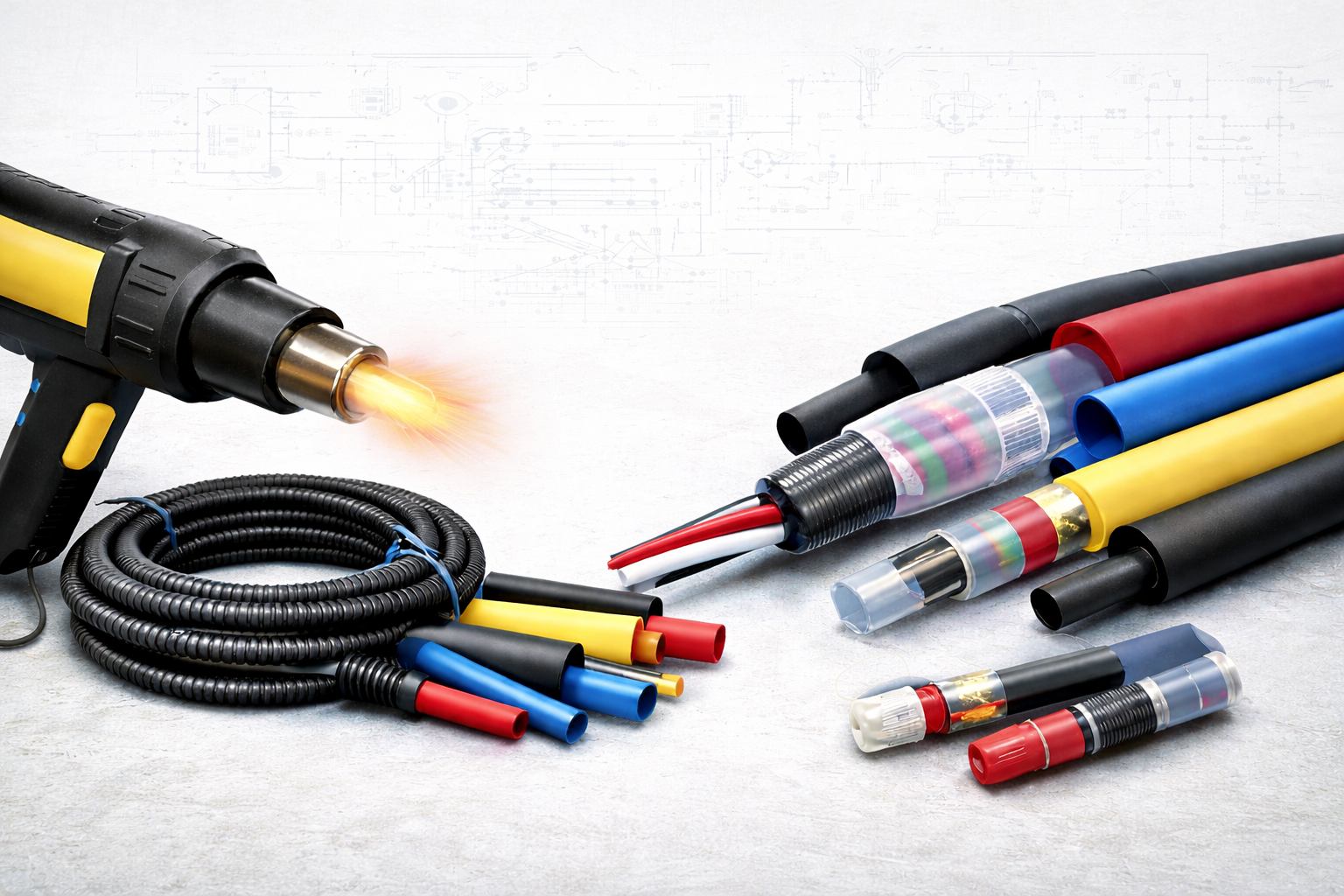
قد تكون أنابيب الانكماش الحراري مكونًا صغيرًا في تطبيقات تجميع الكابلات والكهرباء, لكنها تلعب دورا هاما جدا. يستخدم على نطاق واسع للحماية, عزل, ختم, وتعزيز الاتصالات السلكية في بيئات العمل اليومية. من عزل الأسلاك البسيط إلى الحماية طويلة الأمد في السيارات, صناعي, أو التطبيقات في الهواء الطلق, تساعد أنابيب الانكماش الحراري على تحسين السلامة, مصداقية, وعمر الخدمة الشامل. في هذا الدليل, سنشرح ما هي أنابيب الانكماش الحراري, كيف يعمل, المواد المشتركة المتاحة, وكيفية اختيار الخيار المناسب لتطبيقك المحدد.
What Is أنابيب الانكماش الحراري?
أنابيب الانكماش الحراري عبارة عن أنبوب مرن من البلاستيك الحراري الذي ينكمش عند تطبيق الحرارة. بمجرد تسخينها, فهو ينكمش بإحكام حول الأسلاك, الكابلات, محطات, أو مكونات أخرى, تشكيل طبقة واقية وعازلة. في مجالس الكابلات, غالبًا ما يشار إليه باسم غلاف الانكماش الحراري لأنه "يغطي" الكابل بطبقة خارجية آمنة.
يتم تصنيع أنابيب الانكماش الحراري في حالة موسعة وتظل على هذا النحو حتى تتعرض لمصدر حرارة يتم التحكم فيه. بعد تقلص, تصبح الأنابيب جامدة أو شبه صلبة, اعتمادا على المواد, توفير الدعم الميكانيكي وحماية البيئة.
تتوفر أنابيب الانكماش الحراري في مجموعة واسعة من المواد, سمك الجدار, الألوان, وأقطار. تشتمل بعض الإصدارات على بطانة داخلية لاصقة تذوب أثناء التسخين, إنشاء ختم مقاوم للرطوبة أو مانع للماء.
المواصفات الرئيسية التي يجب مراعاتها هي نسبة الانكماش, الذي يصف مقدار انكماش الأنبوب مقارنة بحجمه الأصلي. وتشمل النسب المشتركة 2:1 و 3:1. على سبيل المثال, أ 2:1 يتقلص الأنبوب إلى نصف قطره الموسع, بينما أ 3:1 يتقلص الأنبوب إلى الثلث, مما يسمح لها بتغطية الأشكال غير المنتظمة بشكل أكثر فعالية.

ما هو استخدام أنابيب الانكماش الحراري؟?
يتم استخدام أنابيب الانكماش الحراري عبر الكهرباء, السيارات, صناعي, الفضاء الجوي, والصناعات الطبية بسبب قدرتها على التكيف والمتانة.
العزل الكهربائي
أحد التطبيقات الأكثر شيوعًا هو العزل الكهربائي. يتم استخدام أنابيب الانكماش الحراري لتغطية الموصلات المكشوفة, إصلاح عزل الأسلاك التالفة, وتقليل مخاطر الدوائر القصيرة. عن طريق إنشاء ختم محكم حول الموصل, فهو يضيف طبقة إضافية من الحماية التي تعزز سلامة النظام وموثوقيته.
حماية البيئة
تعمل أنابيب الانكماش الحراري كحاجز ضد الرطوبة, تراب, المواد الكيميائية, والتآكل. وهذا يجعلها ذات قيمة خاصة في الهواء الطلق, صناعي, أو بيئات السيارات حيث تتعرض الكابلات للاهتزاز, السوائل, أو الملوثات. يمكن للأنابيب المطبقة بشكل صحيح أن تطيل عمر خدمة التوصيلات الكهربائية بشكل كبير.
التعزيز وتخفيف التوتر
عند نقاط النهاية حيث يتم ثني الكابلات أو سحبها بشكل متكرر, توفر أنابيب الانكماش الحراري التعزيز وتخفيف الضغط. يساعد هذا الدعم الإضافي على منع تعب الموصل, مرض جلدي, والعطل الميكانيكي مع مرور الوقت.
تجميع الأسلاك وإدارة الكابلات
غالبًا ما يتم استخدام أنابيب الانكماش الحراري لتجميع أسلاك متعددة في سلك واحد, حزمة منظمة. وهذا يحسن إدارة الكابلات, يقلل من الفوضى, ويخلق نظافة, تركيب أكثر احترافية.
تحديد الهوية والترميز اللوني
متوفر في مجموعة واسعة من الألوان والخيارات القابلة للطباعة, تُستخدم أنابيب الانكماش الحراري أيضًا لتحديد الهوية وترميز الألوان. وضع العلامات الواضحة يبسط عملية التثبيت, استكشاف الأخطاء وإصلاحها, والصيانة, وخاصة في الأنظمة الكهربائية المعقدة.
كيف تعمل أنابيب الانكماش الحراري?
أنابيب الانكماش الحراري مصنوعة من بوليمرات لدنة بالحرارة لها "ذاكرة". أثناء التصنيع, يتم توسيع الأنبوب ثم تبريده حتى يحتفظ بشكله الموسع. عند تطبيق الحرارة - عادةً باستخدام مسدس حراري - تصبح المادة طرية وتتقلص لتعود إلى أصلها, قطر أصغر.
كما يتقلص الأنابيب, يتوافق بإحكام مع الشكل الموجود تحته. في أنابيب مزدوجة الجدار, تذوب الطبقة اللاصقة الداخلية وتتدفق, ملء الفجوات وإنشاء رابطة قوية تمنع الرطوبة والملوثات.
كيفية استخدام أنابيب الانكماش الحراري بأمان
التطبيق السليم ضروري للأداء والسلامة.
ابدأ باختيار الأنابيب ذات القطر الصحيح ونسبة الانكماش. يجب أن ينزلق الأنبوب بسهولة فوق المكون قبل أن يتقلص, بينما لا يزال صغيرًا بما يكفي ليشكل مقاسًا محكمًا بعد التسخين.
قطع الأنابيب إلى الطول المطلوب, السماح بانكماش طولي طفيف - عادة بين 5% و 10%. ضعه فوق المنطقة المستهدفة, ضمان التغطية الكاملة.
قم بتطبيق الحرارة بالتساوي باستخدام مسدس حراري أو فرن تقليص الحرارة. عند استخدام المسدس الحراري, حركه باستمرار على طول الأنبوب لتجنب ارتفاع درجة حرارة المادة أو حرقها. استمر في التسخين حتى يتعافى الأنبوب تمامًا ويمسك السطح بشكل آمن.
اتبع دائمًا نطاق درجة الحرارة الموصى به من قبل الشركة المصنعة لمنع الانكماش غير المتساوي, تكسير, أو ذوبان.

المواد والتطبيقات المشتركة لأنابيب الانكماش الحراري
يعتمد أداء أنابيب الانكماش الحراري إلى حد كبير على المواد المستخدمة. كل مادة تقدم مزايا مميزة.
أنابيب البولي أوليفين المنكمشة بالحرارة
مادة البولي أوليفين هي المادة الأكثر استخدامًا للانكماش الحراري. يوفر عزلًا كهربائيًا ممتازًا, مقاومة التآكل, والاستقرار الكيميائي. تستخدم أنابيب البولي أوليفين بشكل شائع في الأسلاك الكهربائية, يسخر السيارات, والأجهزة الطبية.
أنابيب الانكماش الحراري PVC
توفر أنابيب الانكماش الحراري PVC عزلًا جيدًا وحماية ميكانيكية بتكلفة أقل. وهي متوفرة في العديد من الألوان, مما يجعلها مثالية لتحديد الأسلاك, الالكترونيات الاستهلاكية, وعزل حزمة البطارية.
أنابيب الانكماش الحراري PTFE
بتف, المعروف باسم Teflon®, يوفر مقاومة كيميائية استثنائية واحتكاكًا منخفضًا للغاية. إنه يعمل بشكل جيد في درجات الحرارة المرتفعة ويستخدم على نطاق واسع في الفضاء الجوي, المعدات الطبية, وبيئات المعالجة الكيميائية.
أنابيب الانكماش الحراري FEP
توفر أنابيب FEP مقاومة كيميائية قوية وتنكمش عند درجة حرارة أقل من PTFE. يستخدم عادة في الأنابيب الطبية, معدات المختبرات, الألياف الضوئية, والتجمعات الإلكترونية الحساسة.
أنابيب الانكماش الحراري المرنة
الأنابيب المرنة مرنة للغاية ومقاومة للتآكل, الوقود, والسوائل الهيدروليكية. إنها مناسبة تمامًا لأسلاك السيارات, الآلات الثقيلة, والبيئات الصناعية حيث الحركة والاهتزاز شائعة.
أنابيب الانكماش الحراري PVDF
توفر أنابيب الانكماش الحراري PVDF مقاومة ممتازة للهب ومتانة ضد المواد الكيميائية المسببة للتآكل. صلابتها تجعلها مناسبة للتطبيقات الصناعية والكهربائية الصعبة التي تتطلب موثوقية عالية.
أنابيب الانكماش الحراري المصنوعة من السيليكون
تظل أنابيب السيليكون مرنة عبر نطاق واسع من درجات الحرارة وتتحمل التعقيم المتكرر. وكثيرا ما يستخدم في الأجهزة الطبية, معدات تجهيز الأغذية, وعزل درجات الحرارة العالية.
أنابيب الانكماش الحراري فيتون
أنابيب فيتون مصنوعة من المطاط المطاطي الفلوري وتوفر مقاومة قوية للزيوت, الوقود, ومواد التشحيم. يحافظ على المرونة في درجات الحرارة العالية والمنخفضة, مما يجعلها مثالية لختم التطبيقات في الظروف القاسية.
Types of أنابيب الانكماش الحراري
يتم تصنيف أنابيب الانكماش الحراري بشكل عام إلى إنشاءات ذات جدار واحد وجدار مزدوج.
أنابيب ذات جدار واحد, تُعرف أيضًا باسم الأنابيب ذات الجدار الرقيق, يوفر عزلًا كهربائيًا موثوقًا وحماية من التآكل. يتم استخدامه عادة لتطبيقات الأغراض العامة.
تشتمل الأنابيب ذات الجدار المزدوج على بطانة داخلية لاصقة. عند تسخينه, يذوب اللاصق ويشكل ختمًا مقاومًا للرطوبة, مما يجعل هذا النوع مثاليًا للحماية من التآكل والاستخدام الخارجي.
ملحقات الانكماش الحراري
العديد من المنتجات ذات الصلة تكمل أنابيب الانكماش الحراري.
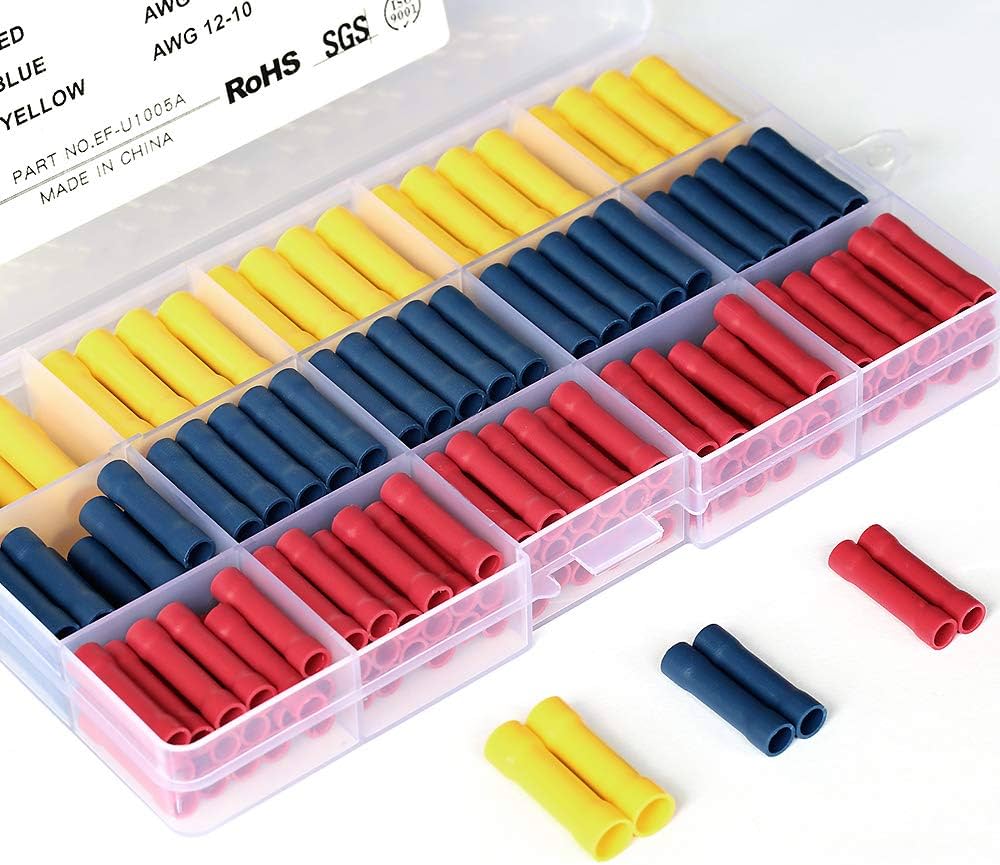
تُستخدم موصلات الانكماش الحراري لربط الأسلاك أو إنهائها. تتميز عادةً بتصميم مزدوج الجدار يوفر عزلًا كهربائيًا وختمًا مانعًا لتسرب الماء.
تم تصميم غلاف الانكماش الحراري لإصلاح أو تقوية سترات الكابلات وعادةً ما يتميز بنسبة انكماش أعلى للأشكال غير المنتظمة.
غالبًا ما يتم استخدام شريط الانكماش الحراري جنبًا إلى جنب مع الأنابيب لتعزيز العزل والختم في التجميعات المعقدة.
المسدسات الحرارية هي الأدوات الأساسية المستخدمة لتطبيق الحرارة. أنها توفر السيطرة عليها, حتى التدفئة ومتوفرة في مستويات الطاقة والتكوينات المختلفة.
كيفية اختيار الحجم المناسب لأنابيب الانكماش الحراري
يبدأ اختيار الحجم الصحيح بقياس القطر الأوسع للكابل أو المكون. يجب أن يكون القطر الداخلي الموسع للأنبوب أكبر بنسبة 20-30% تقريبًا من هذا القياس.
ضع في اعتبارك نسبة الانكماش لضمان تعافي الأنابيب بالكامل وتشكيل ختم محكم. سمك الجدار, القطر المستعاد, ويجب أيضًا مراجعة العرض المسطح, خاصة للأشكال المسطحة أو غير المنتظمة.
تذكر أن تأخذ في الاعتبار تقليل الطول أثناء الانكماش لضمان التغطية الكاملة.
أحجام أنابيب الانكماش الحراري الشائعة الموصى بها
كمبدأ توجيهي عام:
-
5 يتم استخدام أنابيب مم بشكل شائع 12 و 14 سلك AWG
-
3 أنابيب مم مع 2:1 نسبة الانكماش مناسبة ل 16 و 18 سلك AWG
قد تختلف هذه التوصيات حسب سمك العزل ومتطلبات التطبيق.
معايير وشهادات الانكماش الحراري
غالبًا ما تتوافق أنابيب الانكماش الحراري المستخدمة في التطبيقات المهنية مع المعايير المعترف بها, بما في ذلك UL224, ساي AS23053, أستم D2671, و ASTM D3150. الامتثال يضمن الأداء المتسق, أمان, والجودة.
كيفية اختيار أنابيب الانكماش الحراري المناسبة
عند اختيار أنابيب الانكماش الحراري, النظر في خصائص المواد, نسبة الانكماش, سمك الجدار, ودرجة حرارة التشغيل. يجب أن تتحمل الأنابيب المتطلبات البيئية والميكانيكية للتطبيق دون أن تتحلل بمرور الوقت.
يؤدي اختيار أنابيب الانكماش الحراري الصحيحة إلى تحسين الموثوقية الكهربائية, يحمي المكونات القيمة, ويعزز الجودة الشاملة لتجميعات الكابلات والأنظمة الكهربائية.
التعليمات
1. ما هي نسبة الانكماش الأكثر شيوعًا لأنابيب الانكماش الحراري؟?
نسب الانكماش الأكثر استخدامًا هي 2:1 و 3:1. أ 2:1 النسبة مناسبة لعزل الأسلاك القياسية وحمايتها, بينما أ 3:1 يفضل استخدام النسبة عند تغطية الأشكال غير المنتظمة, الموصلات, أو الوصلات التي تتطلب ملاءمة أكثر إحكامًا وأمانًا.
2. كيف أختار الحجم الصحيح لأنابيب الانكماش الحراري؟?
لتحديد الحجم الصحيح, قياس أكبر قطر من الكابل أو المكون. اختر الأنابيب ذات القطر الموسع 20– 30% أكبر من ذلك القياس, وتأكد من أن القطر المستعاد بعد الانكماش سيناسب التطبيق بإحكام.
3. ما هو الفرق بين أنابيب الانكماش الحراري ذات الجدار الواحد والجدار المزدوج؟?
توفر أنابيب الانكماش الحراري أحادية الجدار العزل الكهربائي والحماية الميكانيكية. تشتمل أنابيب الانكماش الحراري مزدوجة الجدار على طبقة لاصقة داخلية تذوب أثناء التسخين, إنشاء أ ختم مقاوم للرطوبة أو مقاوم للماء, مما يجعلها مثالية للبيئات الخارجية والقاسية.
4. ما هي مادة أنابيب الانكماش الحراري الأفضل لتطبيقات درجات الحرارة المرتفعة?
للبيئات ذات درجات الحرارة العالية, بتف, محطة إثراء الوقود, وأنابيب الانكماش الحراري فيتون يوصى بها. توفر هذه المواد ثباتًا حراريًا ممتازًا, المقاومة الكيميائية, والمتانة طويلة الأمد في ظل الظروف القاسية.
5. يمكن استخدام أنابيب الانكماش الحراري في الهواء الطلق?
نعم. عندما يتم اختيارها وتطبيقها بشكل صحيح, أنابيب الانكماش الحراري - خاصة أنواع مبطنة بمادة لاصقة أو مقاومة للأشعة فوق البنفسجية- مناسب للاستخدام الخارجي. يساعد على حماية التوصيلات الكهربائية من الرطوبة, تراب, تآكل, وتقلبات درجات الحرارة.
6. هل توفر أنابيب الانكماش الحراري تخفيف الضغط؟?
يمكن أن توفر أنابيب الانكماش الحراري تخفيف الضغط الأساسي, خاصة عند نهايات الأسلاك ونقاط الاتصال. للتطبيقات التي تنطوي على حركة متكررة أو اهتزاز, توفر أنابيب الانكماش الحراري ذات الجدار السميك أو المطاطي دعمًا ميكانيكيًا محسنًا.
7. ما الأداة التي يجب استخدامها لتطبيق أنابيب الانكماش الحراري؟?
أ بندقية الحرارة هي الأداة الأكثر استخدامًا لتطبيق أنابيب الانكماش الحراري. يوفر التحكم, حتى التدفئة. للتطبيقات ذات الحجم الكبير أو الدقة, يمكن استخدام أفران الانكماش الحراري لضمان نتائج متسقة.
8. هل أنابيب الانكماش الحراري متوافقة مع معايير الصناعة?
يتم تصنيع العديد من منتجات أنابيب الانكماش الحراري وفقًا للمعايير المعترف بها مثل UL224, ساي AS23053, أستم D2671, و ASTM D3150, ضمان جودة متسقة, أمان, والأداء في التطبيقات الصناعية والكهربائية.
