

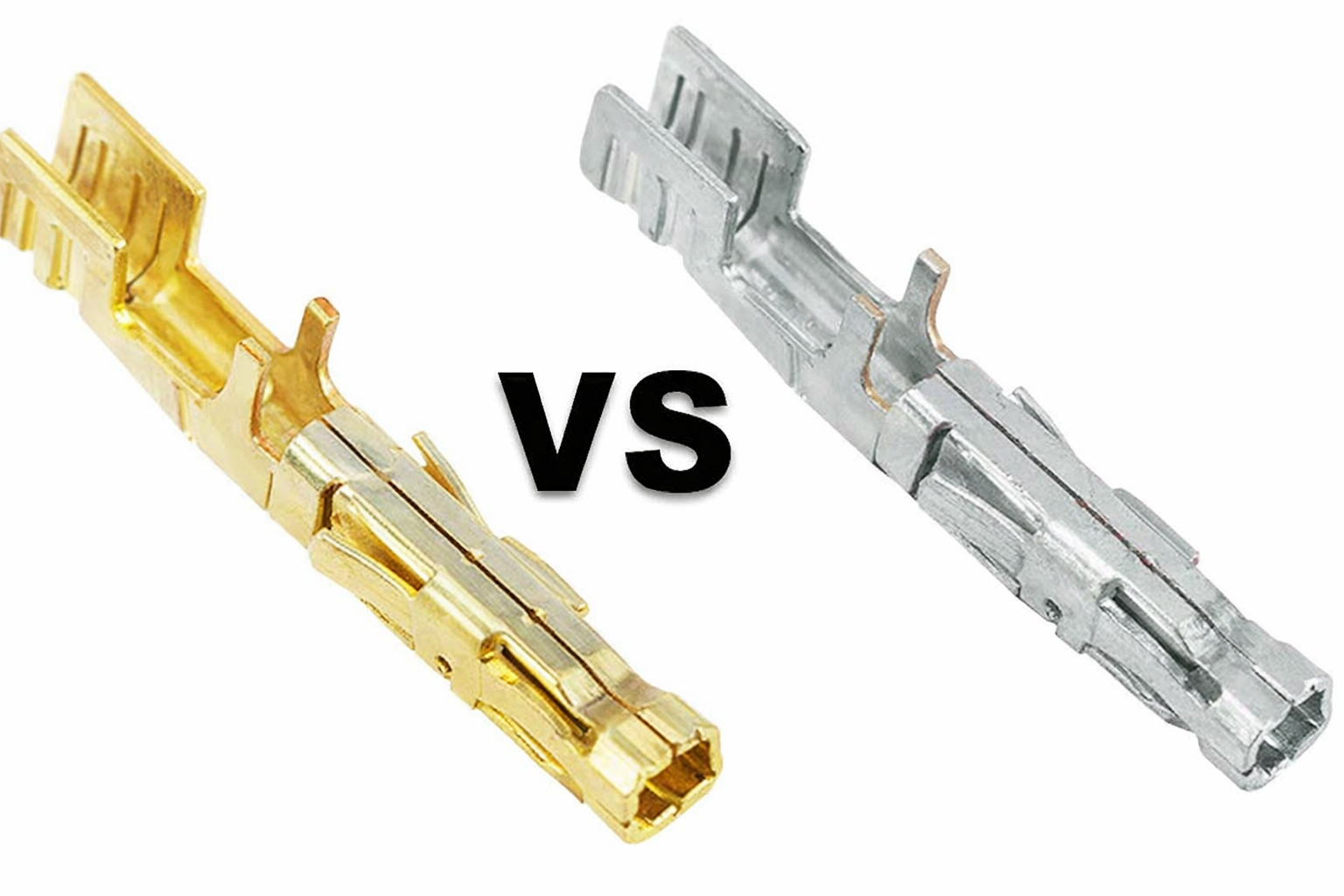
Choosing the right plating for electrical terminals is not just a material decision—it directly impacts الأداء الكهربائي, product reliability, and total cost.
Among the most commonly used options, tin plated and gold plated terminals are widely applied across industries. لكن, selecting the wrong one can lead to corrosion, signal failure, or unnecessary cost increases.
This guide provides a clear, engineering-level comparison to help you make the best decision for your application.
Quick Answer: Tin Plated vs Gold Plated Terminals
Key Differences at a Glance
| ميزة | Tin Plated Terminals | محطات مطلية بالذهب |
| يكلف | قليل | عالي |
| الموصلية | Good | ممتاز |
| مقاومة التآكل | معتدل | ممتاز |
| Oxidation | نعم | لا |
| Wear Resistance | معتدل | عالي |
| Contact Reliability | واسطة | عالية جدًا |
| أفضل استخدام | قوة & general applications | إشارة & high-reliability systems |
Bottom Line
Choose tin plated terminals for cost-effective, high-current, general electrical applications
Choose gold plated terminals for low-voltage signal transmission, high reliability, and harsh environments
What Are Tin Plated Terminals?
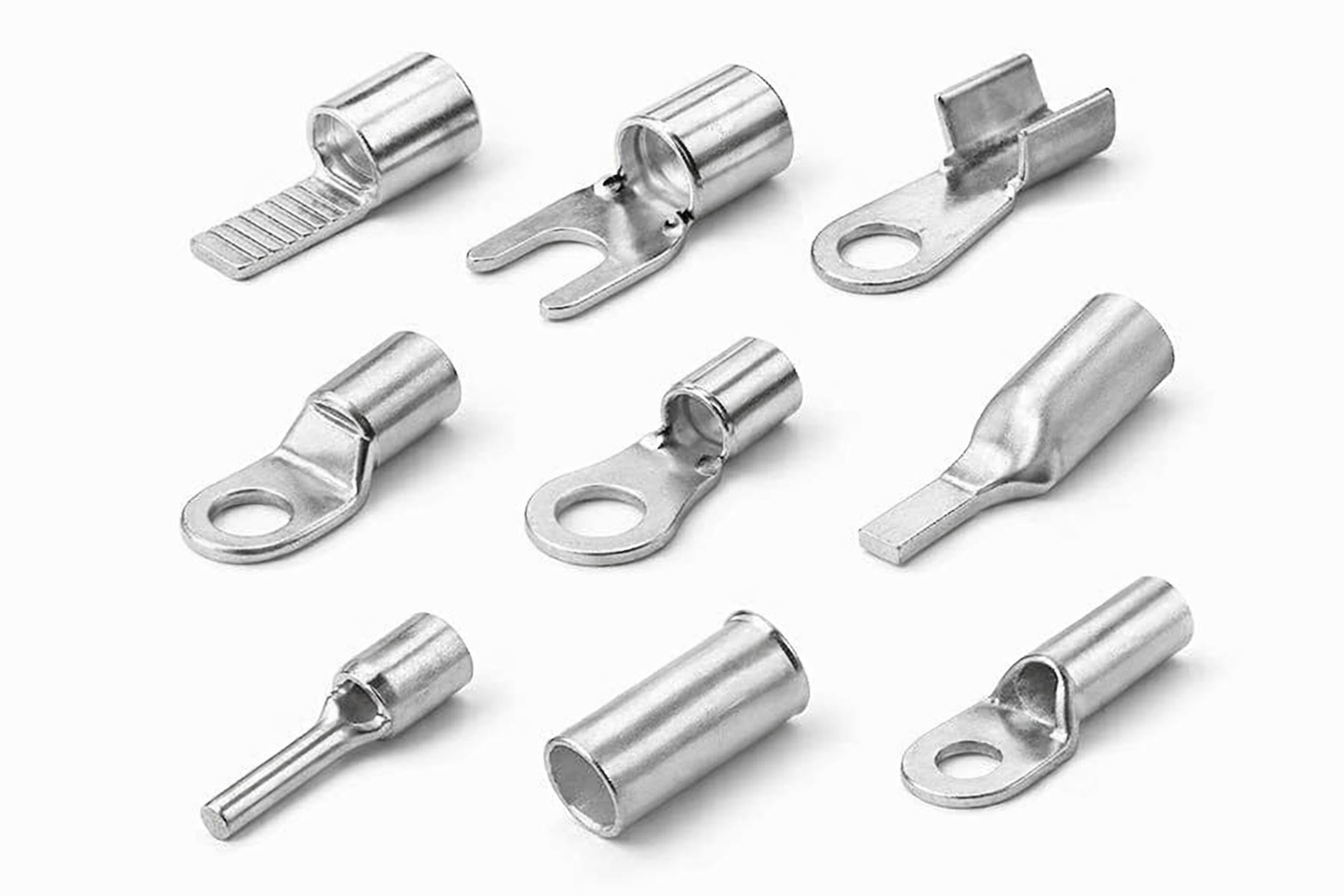
Tin plated terminals are electrical connectors coated with a thin layer of tin over a base metal, typically copper or brass.
الخصائص الرئيسية
Economical and widely available
Good electrical conductivity
Easy to solder
Suitable for mass production
المزايا
تكلفة منخفضة
Good performance in standard environments
Ideal for high-current applications
القيود
Susceptible to oxidation
Higher contact resistance over time
Not ideal for low-signal applications
What Are Gold Plated Terminals?
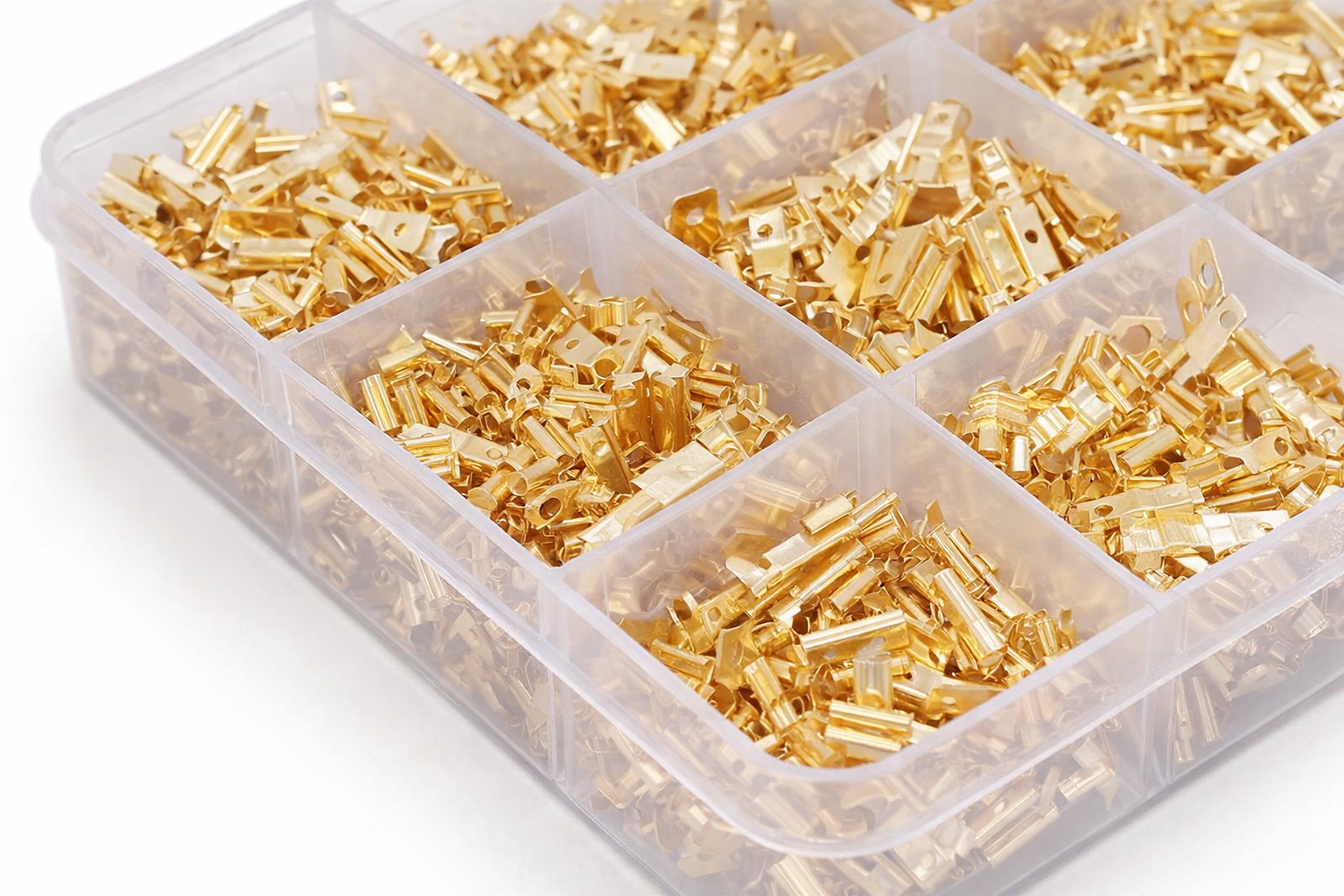
Gold plated terminals are connectors coated with a thin layer of gold, often over a nickel underlayer.
الخصائص الرئيسية
Excellent conductivity
Extremely low contact resistance
Non-reactive (no oxidation)
المزايا
Superior corrosion resistance
Stable electrical performance over time
Excellent for repeated mating cycles
القيود
High material cost
Not necessary for all applications
Key Differences Between Tin and Gold Plating
الموصلية الكهربائية
Gold offers better conductivity stability, especially in:
Low-voltage systems
Signal transmission
Tin performs well in:
Power applications
Non-critical circuits
مقاومة التآكل
ذهب: Does not oxidize → maintains stable contact
القصدير: Forms oxide layer → increases resistance
👉 This is one of the biggest differences.
Wear Resistance & Durability
Gold plating:
Withstands repeated insertion cycles
Maintains contact quality
طلاء القصدير:
Wears faster
Less suitable for connectors with frequent mating
Contact Resistance Stability
Gold provides:
Consistent low resistance over time
Tin may:
Increase resistance due to oxidation
Cost Comparison
Tin plating = low-cost solution
Gold plating = premium solution
👉 In large-scale production, this difference is significant.
Application-Based Comparison (Where Each Works Best)
السيارات & Wiring Harness Systems
Preferred: Tin plated terminals
Reason:
Cost efficiency
High current handling
Acceptable durability
الالكترونيات الاستهلاكية
Mixed usage:
Tin for power circuits
Gold for signal connectors
High-Frequency & Signal Applications
Preferred: Gold plated terminals
Used in:
Communication equipment
PCB connectors
Data transmission systems
Industrial Equipment
Depends on:
Environment
Maintenance cycle
Harsh environments → Gold preferred
New Energy & EV Systems
Tin plating for:
Battery connections
Gold plating for:
Signal control systems
How to Choose the Right Plating (Decision Guide)
When selecting between tin and gold plating, النظر في ما يلي:
1. Electrical Function
Power transmission → Tin
Signal transmission → Gold
2. Environmental Conditions
Humidity / corrosion → Gold
Standard conditions → Tin
3. دورات التزاوج
Frequent connection/disconnection → Gold
Fixed connections → Tin
4. Budget Constraints
Cost-sensitive projects → Tin
High-reliability systems → Gold
5. Product Lifecycle Requirements
Long-term stability needed → Gold
Short/medium lifecycle → Tin
8. Common Mistakes to Avoid
❌ Using tin plating for sensitive signal applications
→ Leads to unstable signals
❌ Overusing gold plating
→ Unnecessary cost increase
❌ Ignoring environmental factors
→ Premature failure
❌ Poor plating thickness control
→ Reduced durability
Cost vs Performance Analysis
When Tin Plating Is Enough
Automotive harness
Industrial power systems
Cost-driven projects
When Gold Plating Is Worth It
High-end electronics
أنظمة الاتصالات
Critical signal applications
Lifecycle Cost Insight
Gold plating may:
Cost more upfront
Reduce failure rates
Lower maintenance costs
👉 Important for long-term ROI
Custom Terminal Solutions
Choosing the right plating is only part of the solution. ال manufacturer’s capability also matters.
What a Reliable Supplier Should Offer
Custom plating thickness
Material selection support
Precision stamping and forming
Consistent quality control
Our Capabilities
Custom tin plated and gold plated terminals
OEM/ODM support
High-precision manufacturing
Fast sampling and mass production
👉 We help you select the most cost-effective and reliable solution based on your application.
خاتمة
Both tin plated and gold plated terminals have their place in modern electrical systems.
طلاء القصدير offers cost efficiency and solid performance for general applications
Gold plating delivers unmatched reliability for sensitive and high-performance systems
Choosing the right option depends on your application, بيئة, and budget.
التعليماتق
1. Is gold plating always better than tin?
لا. Gold is better for signal reliability, but tin is more cost-effective for power applications.
2. Does tin plating corrode easily?
Tin forms oxide layers over time, which can affect performance in sensitive applications.
3. How thick should gold plating be?
It depends on application requirements, especially mating cycles and environment.
4. Can tin replace gold plating?
In many power applications, yes. But not in high-reliability signal systems.
5. Which is better for automotive applications?
Tin plating is generally preferred due to cost and performance balance.
