

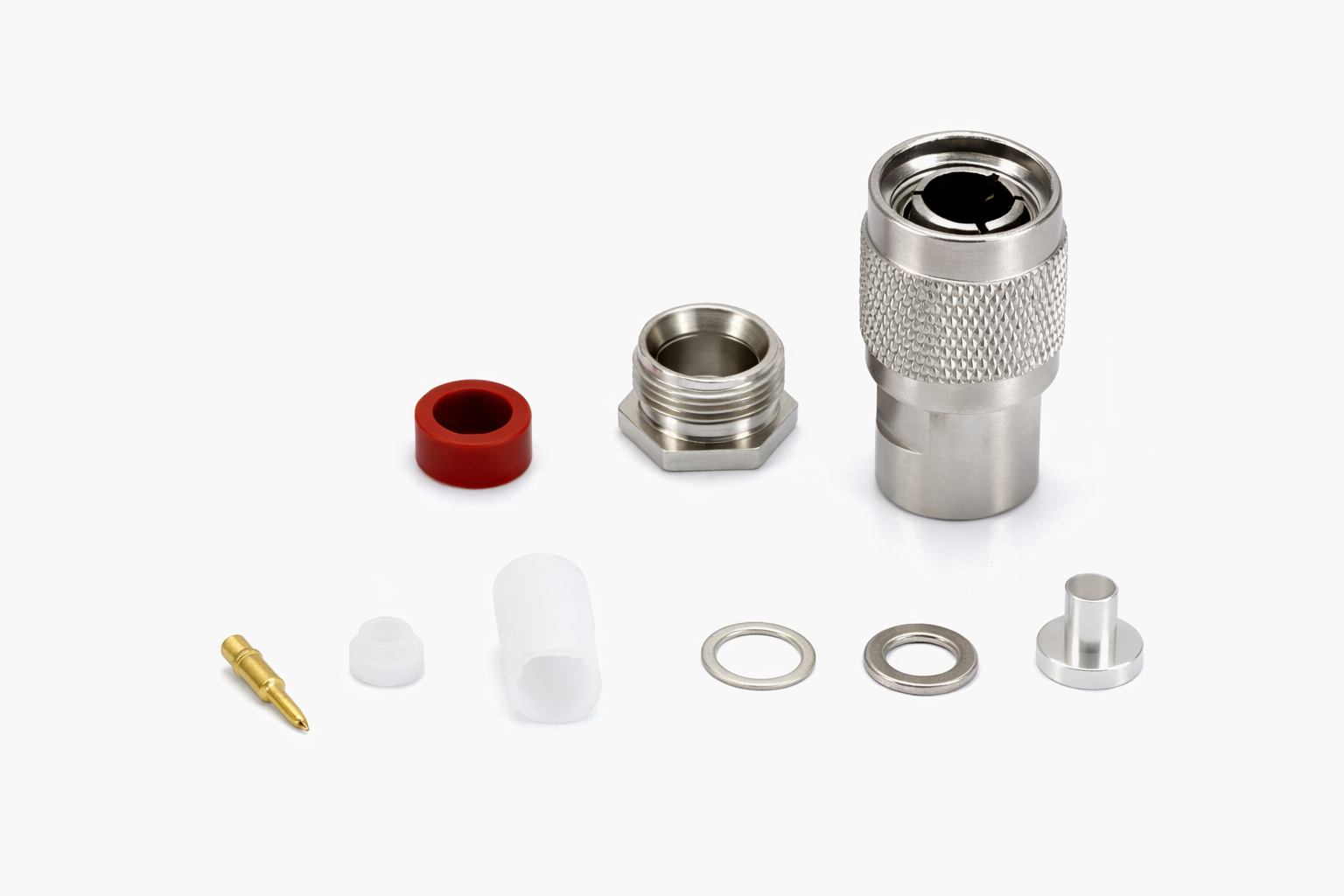
In modern RF (radio frequency) systems, connectors play a critical role in maintaining signal integrity, الاستقرار الميكانيكي, والموثوقية على المدى الطويل. Among the many RF connector types available today, TNC connectors stand out for their rugged construction, threaded coupling mechanism, and dependable performance at higher frequencies.
TNC connectors are widely used in telecommunications, الفضاء الجوي, دفاع, المعدات الطبية, and broadcasting—especially in environments where vibration, حركة, or harsh conditions are present. This article provides an in-depth look at what a TNC connector is, كيف يعمل, its أنواع, specifications, التطبيقات, and how it compares to other popular RF connectors.
What Is a TNC Connector?
تعريف
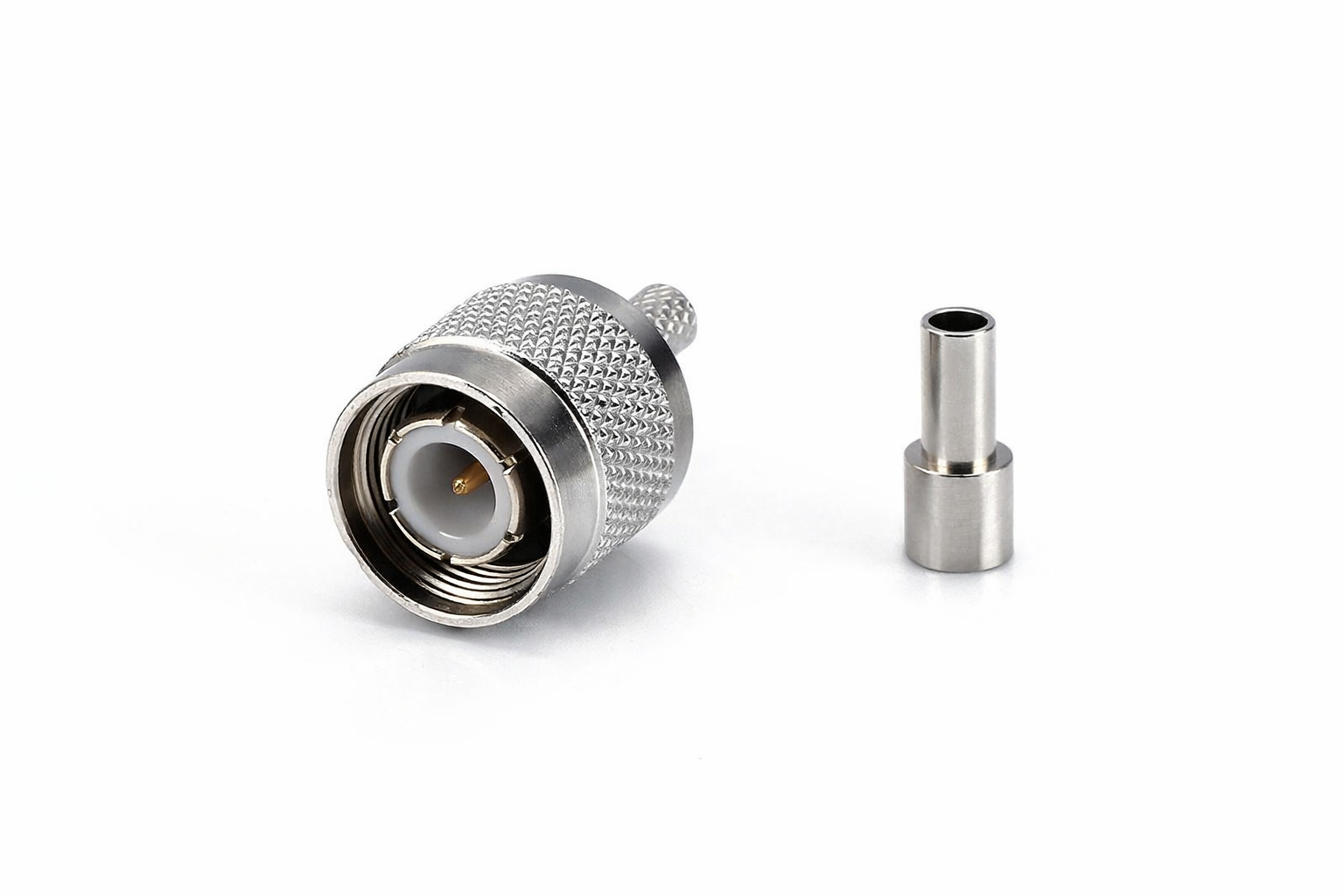
أ TNC connector, short for Threaded Neill–Concelman, is a type of RF coaxial connector that uses a threaded coupling mechanism to provide a secure and vibration-resistant connection. It is designed to transmit high-frequency signals with low loss and minimal interference.
TNC connectors are commonly used with coaxial cables and are typically designed for 50-ohm impedance, making them suitable for a wide range of RF and microwave applications.
History and Development
TNC connectors were developed in the late 1950s by Paul Neill and Carl Concelman, the same engineers who created the BNC connector. The TNC was designed as an improved version of the BNC connector, replacing the bayonet-style locking system with a threaded interface.
This change significantly increased resistance to vibration and accidental disconnection, which made TNC connectors more suitable for military, الفضاء الجوي, and industrial environments. Over time, they became a standard solution for applications requiring higher reliability.
Standards and Compliance
TNC connectors follow internationally recognized standards to ensure compatibility and consistent performance:
اللجنة الانتخابية المستقلة 61169-17
Defines interface dimensions, electrical characteristics, and environmental performance.
MIL-STD-348
A U.S. military standard specifying RF connector interfaces, ensuring interchangeability across manufacturers.
Compliance with these standards ensures that TNC connectors from different suppliers can mate properly and perform reliably in demanding systems.
Design Mechanism and Materials
Threaded Coupling Mechanism
Unlike push-and-twist connectors, TNC connectors use a 7/16-28 UNEF threaded interface. This screw-on design:
يمنع انقطاع عرضي
Improves resistance to vibration
Maintains stable electrical contact
This makes TNC connectors ideal for mobile, outdoor, and high-vibration environments.
Materials Used in TNC Connectors
| Component | Typical Material |
| Shell / Body | النحاس |
| Center Contact | النحاس |
| عازل | بتف (Teflon) |
Nickel plating improves corrosion resistance
Gold plating on contacts reduces signal loss and contact resistance
PTFE insulation offers excellent dielectric properties and thermal stability
Key Benefits of TNC Connectors
Stable and Secure Connection
The threaded coupling ensures a tight, reliable connection even under mechanical stress.
High-Frequency Performance
Most TNC connectors support frequencies up to 6 GHz, with some precision versions exceeding this range.
Durability
Brass construction and robust plating allow TNC connectors to perform reliably in harsh environments.
Versatility
Available in many styles, mounting options, and orientations, TNC connectors can be adapted to almost any RF system.
Common Types of TNC Connectors
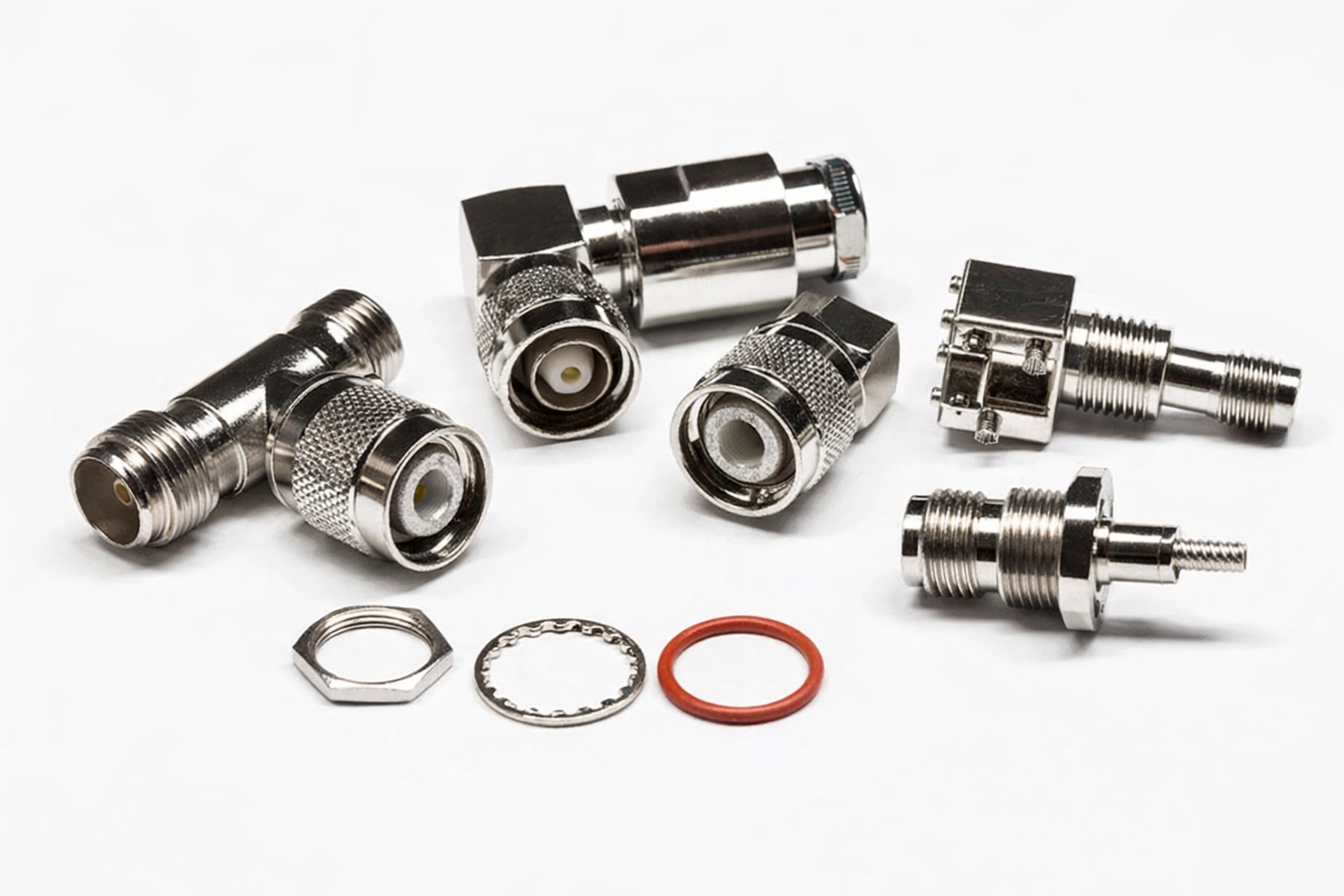
By Polarity and Gender
Standard Polarity TNC
TNC Male: Internal threads, center pin
TNC Female: External threads, center socket
Reverse Polarity TNC (RP-TNC)
Used mainly in Wi-Fi and wireless networking equipment.
RP-TNC Male: Internal threads, center socket
RP-TNC Female: External threads, center pin
By Mounting Method
Cable-Type TNC Connectors
جندى
تجعيد
Clamp
Twist-on
Panel-Mount TNC Connectors
Bulkhead
4-hole flange
PCB-Mount TNC Connectors
Through-hole PCB types
By Orientation
Straight TNC Connectors
Used where space allows direct cable routing.
Right-Angle TNC Connectors
Ideal for compact layouts or tight enclosures.
TNC Connector Dimensions
TNC connectors use standardized dimensions to ensure compatibility:
Thread size: 7/16-28 UNEF
Outer conductor inner diameter: 6.5 مم (0.256 في)
Both male and female connectors follow precise interface dimensions defined by MIL-STD-348, ensuring reliable mating and consistent performance.
TNC Connector Specifications
Electrical Performance
| Parameter | Value |
| Impedance | 50 Ohm |
| Frequency Range | DC to 6 GHz |
| VSWR | ≤ 1.3 (straight), ≤ 1.5 (right-angle) |
| Dielectric Withstanding Voltage | 1500 V RMS |
| Working Voltage | 500 V RMS |
| Center Contact Resistance | ≤ 3 mΩ |
| Insulation Resistance | ≥ 5 × 10³ MΩ |
Mechanical Performance
| Parameter | Value |
| Coupling | Threaded |
| Contact Retention | ≥ 6 lbs |
| Durability | ≥ 500 دورات التزاوج |
Environmental Performance
| Parameter | Value |
| Temperature Range | -55°C to +165°C |
| Vibration | MIL-STD-202 |
| مقاومة التآكل | Salt spray tested |
| Nut Locking Retention | ≥ 100 lbs |
Applications of TNC Connectors
Telecommunications and Wireless Networks
TNC connectors are widely used in communication systems where a stable RF signal is critical. You’ll often find them in:
Cellular base stations
Radio transmitters and receivers
Antenna connections
Because they screw on tightly, TNC connectors stay connected even when equipment is mounted on towers or exposed to wind and vibration.
Aerospace and Defense Systems
In aircraft and military equipment, failure is not an option. TNC connectors are chosen because they:
Stay locked during vibration and shock
Handle temperature changes well
Offer stable signal performance
They are commonly used in radar systems, avionics, navigation equipment, and secure communication devices.
Industrial and Automation Equipment
Factories and industrial machines can be rough on electronics. TNC connectors are often used in:
Industrial radios
Control systems
Monitoring and sensor equipment
Their tough construction helps them survive dust, heat, and constant movement on the factory floor.
Medical and Diagnostic Devices
Many medical systems rely on clean and stable RF signals. TNC connectors are found in:
MRI and imaging equipment
RF diagnostic tools
Medical monitoring systems
Their secure connection helps prevent signal drops that could affect measurements or image quality.
Broadcasting and Audio-Visual Systems
In broadcasting, signal quality matters. TNC connectors are used in:
Microwave links
TV and radio transmitters
RF distribution systems
They help keep signals stable over long periods, even in outdoor or mobile broadcast setups.
Outdoor and Mobile RF Installations
TNC connectors are a good choice for outdoor use when paired with weather-sealed designs. They are often used in:
Outdoor antennas
Mobile communication vehicles
Temporary field installations
The threaded connection helps protect against loosening caused by wind, rain, or movement.
امتحان, Measurement, and Lab Equipment
In labs and test setups, engineers need connections that are both reliable and repeatable. TNC connectors are used on:
Signal generators
Spectrum analyzers
RF test cables
They offer a good balance between performance, متانة, and ease of use.
Comparison with Other RF Connectors
BNC vs TNC
| ميزة | BNC | TNC |
| Coupling | Bayonet | Threaded |
| Frequency | Up to 4 GHz | Up to 6 GHz |
| Vibration Resistance | معتدل | عالي |
| يكلف | أدنى | أعلى |
TNC vs RP-TNC
| ميزة | TNC | RP-TNC |
| قطبية | معيار | Reverse |
| Center Contact | Normal | Reversed |
| Availability | Common | محدود |
| Typical Use | RF systems | Wi-Fi equipment |
How to Choose the Right TNC Connector
1. Know Your Frequency Range
First, ask yourself: What frequency will my system run at?
Most TNC connectors work well from DC up to about 6 GHz. For many RF and wireless systems, this is more than enough.
If your application runs close to the upper limit, choose a high-quality TNC connector with low VSWR to keep signal loss small.
Simple tip:
Higher frequency = better connector quality matters more.
2. Check the Impedance (50 Ohm or 75 Ohm)
TNC connectors usually come in 50 ohm و 75 ohm versions.
50 ohm: Common for RF, wireless, antennas, and test equipment
75 ohm: Often used in video and broadcasting systems
Mixing impedance types can cause signal reflection and performance issues.
Simple tip:
Always match the connector impedance to your cable and equipment.
3. Think About the Environment
Where will the connector be used?
Indoor, clean environment: Standard TNC connectors are usually fine
Outdoor, high vibration, or harsh conditions: Look for connectors with strong plating, tight threading, and good sealing
TNC connectors are great for vibration, but corrosion resistance also matters if moisture or salt air is present.
Simple tip:
Harsh environment = stronger materials and better plating.
4. Choose the Right Connector Type
TNC connectors come in many styles. Pick the one that fits your setup:
Male or Female: Match the mating connector
Straight or Right Angle: Depends on cable routing and space
Cable mount, panel mount, or PCB mount: Depends on how the connector is installed
For tight spaces, right-angle connectors can make cable routing much easier.
Simple tip:
Choose the shape and mount style that makes installation clean and stress-free.
5. Select the Correct Cable Compatibility
Not all TNC connectors fit all cables.
Make sure the connector is designed for:
ال cable type (RG58, RG174, LMR, etc.)
ال cable diameter
Using the wrong connector can lead to poor contact, high loss, or cable damage.
Simple tip:
Always check the cable size before ordering connectors.
6. Standard Polarity or Reverse Polarity?
This step is often overlooked.
Standard TNC: Used in most RF systems
RP-TNC (Reverse Polarity): Common in Wi-Fi and some wireless devices
They look similar but will not mate correctly.
Simple tip:
If you’re working with Wi-Fi equipment, double-check if RP-TNC is required.
7. Look at Quality, Standards, and Certifications
A good TNC connector should meet recognized standards such as:
IEC standards
MIL standards (for military or aerospace use)
Certified connectors usually have better consistency, longer life, and more stable performance.
Simple tip:
Standards mean fewer surprises in real-world use.
8. Balance Price and Long-Term Value
Cheaper connectors may save money upfront, but they can cause:
Signal loss
Loose connections
Shorter service life
For critical systems, it’s often better to pay a little more for reliability and durability.
Simple tip:
If the system is important, don’t cut corners on connectors.
Quick Checklist Before You Buy
Before ordering a TNC connector, ask yourself:
Is the frequency range suitable?
Is the impedance correct?
Does it match the cable and mating connector?
Can it handle the environment?
Is it standard TNC or RP-TNC?
If all answers line up, you’re on the right track.
Major TNC Connector Manufacturers
Amphenol
TE Connectivity
Reliable manufacturers ensure quality, compliance, and long-term supply stability.
TNC Adapters and Cable Assemblies
TNC adapters allow interconnection between different connector types, بينما TNC cable assemblies provide ready-to-use RF solutions with optimized performance and reliability.
خاتمة
TNC connectors are a robust, high-performance solution for RF systems requiring secure connections and dependable signal transmission. With their threaded design, excellent electrical characteristics, and wide range of configurations, they remain a trusted choice across multiple industries.
By understanding their types, specifications, and applications, engineers and buyers can confidently select the right TNC connector for any RF project. اتصل بنا لمزيد من المعلومات.
الأسئلة الشائعة
1. Why are TNC connectors more stable than BNC connectors in high-vibration environments?
TNC connectors use a threaded coupling instead of a bayonet lock. This threaded design prevents micro-movement between mating parts, which:
Reduces contact wear
Maintains constant impedance
Prevents accidental disconnects
In environments like vehicles, aircraft, or outdoor base stations, vibration can loosen bayonet connectors over time, while TNC connectors remain mechanically secure.
2. What limits the maximum operating frequency of a TNC connector?
The frequency limit (typically 6 GHz) is mainly affected by:
Connector geometry accuracy
Dielectric material (usually PTFE)
Interface discontinuities at the mating plane
At higher frequencies, even small dimensional errors increase return loss and insertion loss, which is why precision-grade TNC connectors are required for applications above 3–4 GHz.
3. How does VSWR impact system performance when using TNC connectors?
VSWR reflects how well the connector maintains impedance matching. High VSWR can cause:
Signal reflections
Reduced power transfer
Increased noise and heating
Well-designed TNC connectors typically achieve VSWR ≤ 1.3, which is suitable for most RF and microwave systems up to 6 GHz.
4. Can TNC connectors be used in outdoor or harsh environments?
نعم. When properly specified, TNC connectors perform well outdoors. Engineers should select:
Nickel-plated or stainless-steel bodies for corrosion resistance
Weather-sealed versions with O-rings
Proper torque values to maintain sealing
These features allow TNC connectors to withstand moisture, تراب, temperature extremes, and salt spray.
5. What is the difference between reverse-polarity TNC (RP-TNC) and standard TNC from an engineering standpoint?
Electrically, RP-TNC and standard TNC connectors are identical. The only difference is the center contact gender, which is reversed.
RP-TNC was introduced mainly for regulatory compliance, especially in Wi-Fi systems, to prevent users from connecting unauthorized high-gain antennas.
6. How does connector torque affect TNC performance and reliability?
Correct torque is critical:
Under-torque can cause poor grounding and higher VSWR
Over-torque can damage threads or deform the dielectric
Typical recommended torque ranges from 7 ل 10 in-lb, depending on the manufacturer. Using a calibrated torque wrench improves consistency and connector life.
7. What are common failure modes of TNC connectors in long-term use?
Common issues include:
Thread wear from repeated mating
Center contact fatigue
Corrosion due to poor plating or environmental exposure
These failures can increase insertion loss and cause intermittent signal issues. Regular inspection and proper material selection reduce these risks.
8. How many mating cycles can a TNC connector reliably support?
Most standard TNC connectors are rated for 500 دورات التزاوج. High-quality or precision versions may exceed this, especially when:
Gold-plated contacts are used
Proper torque and alignment are maintained
Frequent connect-disconnect applications should consider connector durability during design.
9. Is cable selection as important as the TNC connector itself?
قطعاً. Even the best TNC connector cannot compensate for poor cable quality. Engineers must ensure:
Correct cable impedance (50 Ω)
Proper cable diameter for the connector
High-quality termination (crimp or solder)
Mismatch between cable and connector leads to increased loss and reflection.
10. Are TNC connectors suitable for high-power RF applications?
TNC connectors can handle moderate RF power levels, but power handling depends on:
Frequency
Cable size
Cooling conditions
At higher frequencies, power handling decreases due to dielectric heating. For very high-power systems, larger connectors like N-type may be more suitable.
11. What role does plating play in TNC connector performance?
Plating affects both electrical and mechanical performance:
Gold plating lowers contact resistance and improves signal stability
Nickel plating improves corrosion resistance and durability
Choosing the right plating is critical for long-term reliability, especially in outdoor or high-humidity environments.
12. How do TNC connectors compare to SMA connectors in precision RF systems?
| ميزة | TNC | SMA |
| Coupling | Threaded | Threaded |
| Frequency Range | Up to 6 GHz | Up to 18 GHz |
| Mechanical Robustness | أعلى | أدنى |
| Size | Larger | Smaller |
TNC connectors are preferred for rugged systems, while SMA connectors are used for higher-frequency, compact designs.
