


In modern OEM product development, electrical interconnects play a critical role in system reliability, бяспекі, і доўгатэрміновая прадукцыйнасць. Whether in automotive platforms, прамысловае абсталяванне, медыцынскія вырабы, or power systems, the choice between a cable assembly і а джгут правадоў directly impacts durability, manufacturability, and total cost of ownership.
Although these two solutions are often discussed interchangeably, they serve fundamentally different purposes. From a manufacturer’s perspective, understanding these differences allows OEMs to make smarter design decisions, reduce field failures, and optimize production efficiency.
This guide provides a clear, engineering-driven comparison of cable assemblies and wire harnesses—helping OEM teams select the right interconnect solution for their specific application.
Why the Difference Matters for OEMs
Для OEM-вытворцаў, interconnect failures can lead to warranty claims, production delays, або прастою сістэмы. Selecting the wrong wiring solution may result in:
-
Premature wear or signal degradation
-
Increased maintenance costs
-
Poor environmental resistance
-
Difficult assembly or rework
Cable assemblies and wire harnesses address different operational challenges. Choosing correctly at the design stage ensures long-term system reliability and manufacturing efficiency.
What Is a Cable Assembly?
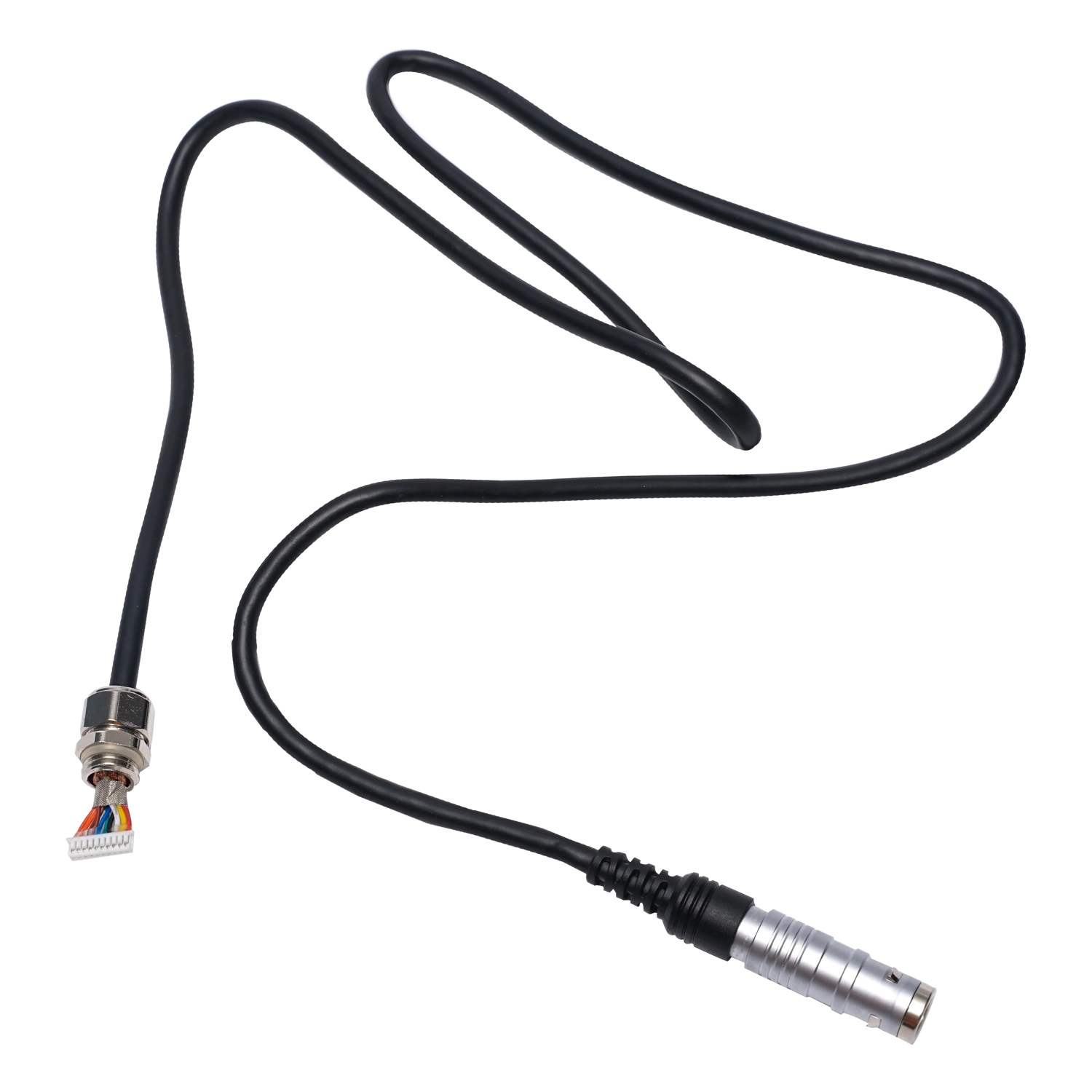
А cable assembly is a group of insulated conductors fully enclosed within a single protective outer jacket. This unified structure is engineered to transmit power, data, or signals while shielding internal conductors from environmental and mechanical stress.
Key Components of a Cable Assembly
-
Multi-conductor cable or individual wires
-
Outer jacket (ПВХ, PUR, TPE, rubber, or specialty polymers)
-
Terminated connectors or molded interfaces
-
Integrated strain relief and shielding (if required)
Core Functions
Cable assemblies are designed to deliver:
-
Environmental protection against moisture, хімічныя рэчывы, UV exposure, and abrasion
-
Mechanical durability in high-vibration or mobile applications
-
Stable signal integrity, including EMI/RFI shielding where necessary
From a manufacturing standpoint, cable assemblies are typically custom-engineered to meet exact length, раз'ём, and performance specifications—making them ideal for demanding or mission-critical systems.
What Is a Wire Harness?
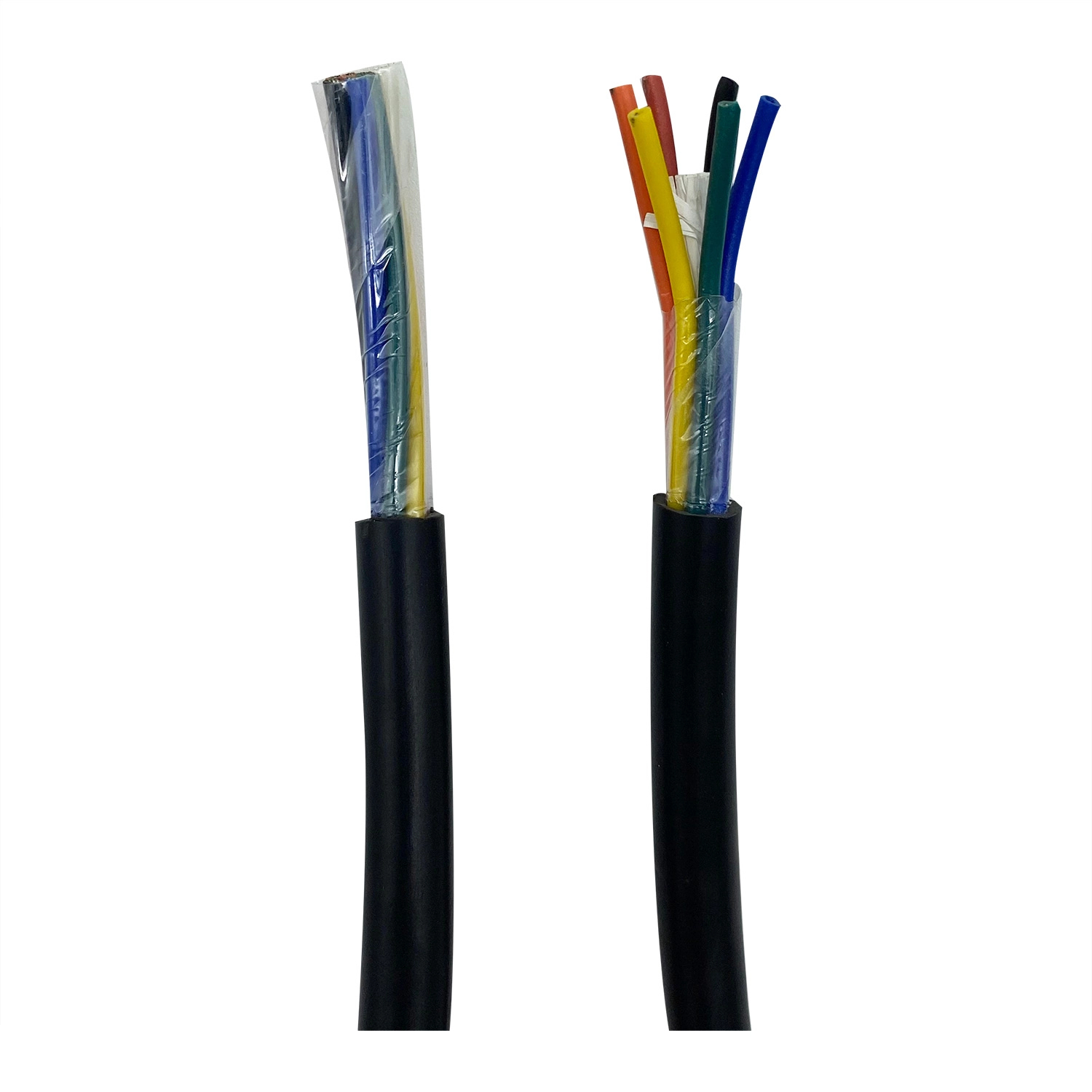
А джгут правадоў is an organized grouping of individual wires or cables bundled together using ties, lacing, sleeving, conduit, or tape. Unlike cable assemblies, wire harnesses do not fully enclose conductors within a single jacket.
Construction Characteristics
-
Individual insulated wires routed according to system layout
-
Bundled using clamps, ties, or protective sleeves
-
Exposed breakouts for easy termination and servicing
Primary Advantages
Wire harnesses are valued for:
-
Lightweight and flexible design
-
Ease of installation and routing
-
Cost efficiency for high-volume production
They are most commonly used in controlled environments, such as inside enclosures, dashboards, or panels where exposure to harsh conditions is minimal.
Cable Assembly vs Wire Harness: Key Differences Explained
Application Scenarios
Cable assemblies excel in environments where cables are exposed to vibration, рух, вільгаць, or chemicals—such as industrial machinery, outdoor equipment, or mobile platforms.
Wire harnesses are better suited for internal wiring where space efficiency, organization, and accessibility are priorities, such as automotive interiors or electrical cabinets.
Environmental Protection
Cable assemblies provide full environmental shielding through an outer jacket, protecting conductors from abrasion, liquids, and contaminants.
Wire harnesses offer limited protection and rely on the surrounding enclosure for environmental shielding, making them unsuitable for harsh or exposed conditions.
Cost and Total Cost of Ownership
Wire harnesses generally have lower upfront costs due to simpler materials and faster assembly. They are ideal for stable environments where long-term exposure risks are low.
Cable assemblies typically involve higher initial costs but offer superior durability. In demanding applications, this translates to lower maintenance, fewer failures, and longer service life, reducing total cost of ownership.
Design Complexity and Customization
Cable assemblies support advanced design features such as:
-
Overmolded connectors
-
Integrated shielding
-
Multi-conductor and hybrid power/signal layouts
Wire harnesses are simpler by design and prioritize routing efficiency rather than environmental sealing or signal isolation.


Performance Considerations for OEM System Design
From a manufacturer’s engineering perspective, the following factors are critical when selecting an interconnect solution:
-
Mechanical stress and vibration resistance
-
Signal integrity and EMI protection
-
Space constraints and routing complexity
-
Installation efficiency and repeatability
Cable assemblies deliver superior performance in high-stress or precision-driven systems, while wire harnesses provide flexibility and efficiency in low-risk environments.
When Should OEMs Choose a Cable Assembly?
A cable assembly is the preferred solution when:
-
The application involves moisture, хімічныя рэчывы, or temperature extremes
-
Cables are subject to continuous movement or vibration
-
EMI/RFI shielding is required
-
A compact, sealed, and integrated solution is necessary
Typical applications include industrial automation, energy systems, медыцынскае абсталяванне, marine electronics, and outdoor machinery.
When Is a Wire Harness the Better Choice?
Wire harnesses are ideal when:
-
Wiring is installed in a protected, enclosed environment
-
Weight reduction and flexibility are priorities
-
Easy access for maintenance or future modifications is required
-
Cost efficiency is critical for high-volume production
Common use cases include vehicle interiors, прыборы, control panels, and internal equipment wiring.
Manufacturing Perspective: How OEMs Should Evaluate Suppliers
Selecting the right interconnect manufacturer is just as important as choosing the right product type. OEMs should prioritize suppliers that offer:
-
Strong engineering and design-for-manufacturing (DFM) support
-
Customization capabilities and scalable production
-
Comprehensive quality control and electrical testing
-
Compliance with relevant industry standards
-
Long-term supply stability and technical support
A capable manufacturer acts as a development partner—helping OEMs reduce risk, optimize designs, and improve system reliability.
Заключэнне: Making the Right Interconnect Decision
Cable assemblies and wire harnesses are both essential to modern electrical systems, but they are not interchangeable. Для OEM-вытворцаў, the correct choice depends on environmental exposure, performance requirements, cost targets, and lifecycle expectations.
By aligning interconnect selection with real-world operating conditions and partnering with an experienced manufacturer, OEMs can achieve higher reliability, improved manufacturability, and long-term success across their product platforms. Звяжыцеся з намі для атрымання дадатковай інфармацыі.
FAQ
1. Can a single system utilize both cable assemblies and wire harnesses?
Безумоўна. In fact, most complex OEM products do. Напрыклад, a piece of industrial machinery may use a ruggedized cable assembly to connect external sensors or motors exposed to oil and vibration, while using a джгут правадоў inside the main control cabinet to organize the complex routing between internal components.
2. Is a cable assembly always more expensive than a wire harness?
Generally, yes, in terms of initial unit cost. This is because cable assemblies require additional materials (outer jackets, fillers, shielding) and often involve more intensive labor processes like overmolding. Аднак, for harsh environments, a cable assembly is more cost-effective over time because it prevents expensive field failures and downtime.
3. Does a cable assembly provide better EMI/RFI protection?
так. Because a cable assembly is enclosed in a continuous jacket, it is much easier to incorporate 360-degree shielding (foil or braid) and grounded drain wires. While wire harnesses can use shielded wires, the “breakouts” often leave small sections of wire exposed to interference, making the cable assembly superior for high-speed data or sensitive signals.
4. How does the “bend radius” differ between the two?
А джгут правадоў typically offers a tighter bend radius and more flexibility because the individual wires can slide against each other. А cable assembly is stiffer due to the outer jacket and internal fillers. Engineers must account for this when designing tight enclosures to ensure the cable does not suffer from “outer jacket cracking” or internal conductor fatigue.
5. What is “Overmolding,” and why is it common in cable assemblies?
Overmolding is a manufacturing process where the connector and the cable are injection-molded into a single piece. This is common in cable assemblies because it provides IP-rated sealing against moisture and superior strain relief, making the connection point virtually indestructible compared to the mechanical backshells often used in wire harnesses.
6. Can I use a wire harness outdoors if I put it in a conduit?
While possible, it is not recommended for high-reliability OEM products. Conduit can trap moisture (condensation) inside, which leads to corrosion of the wire harness over time. А cable assembly with a UV-resistant and moisture-proof jacket (like PUR or TPE) is the professional standard for outdoor or wet environments.
7. Which option is easier to repair in the field?
А джгут правадоў is generally easier to repair or modify. Because the wires are bundled with ties or loom, a technician can easily “break out” a single damaged wire and replace it. In a cable assembly, once the outer jacket or overmolded connector is damaged, the entire assembly usually needs to be replaced.
8. What are the most common jacket materials for OEM cable assemblies?
-
ПВХ: Cost-effective and versatile for general use.
- PUR (Polyurethane): Highly resistant to abrasion, хімічныя рэчывы, and constant flexing (ideal for robotics).
-
TPE/TPU: Excellent for extreme low temperatures and high flexibility.
-
PTFE/Teflon: Best for extreme heat and chemical resistance.
