

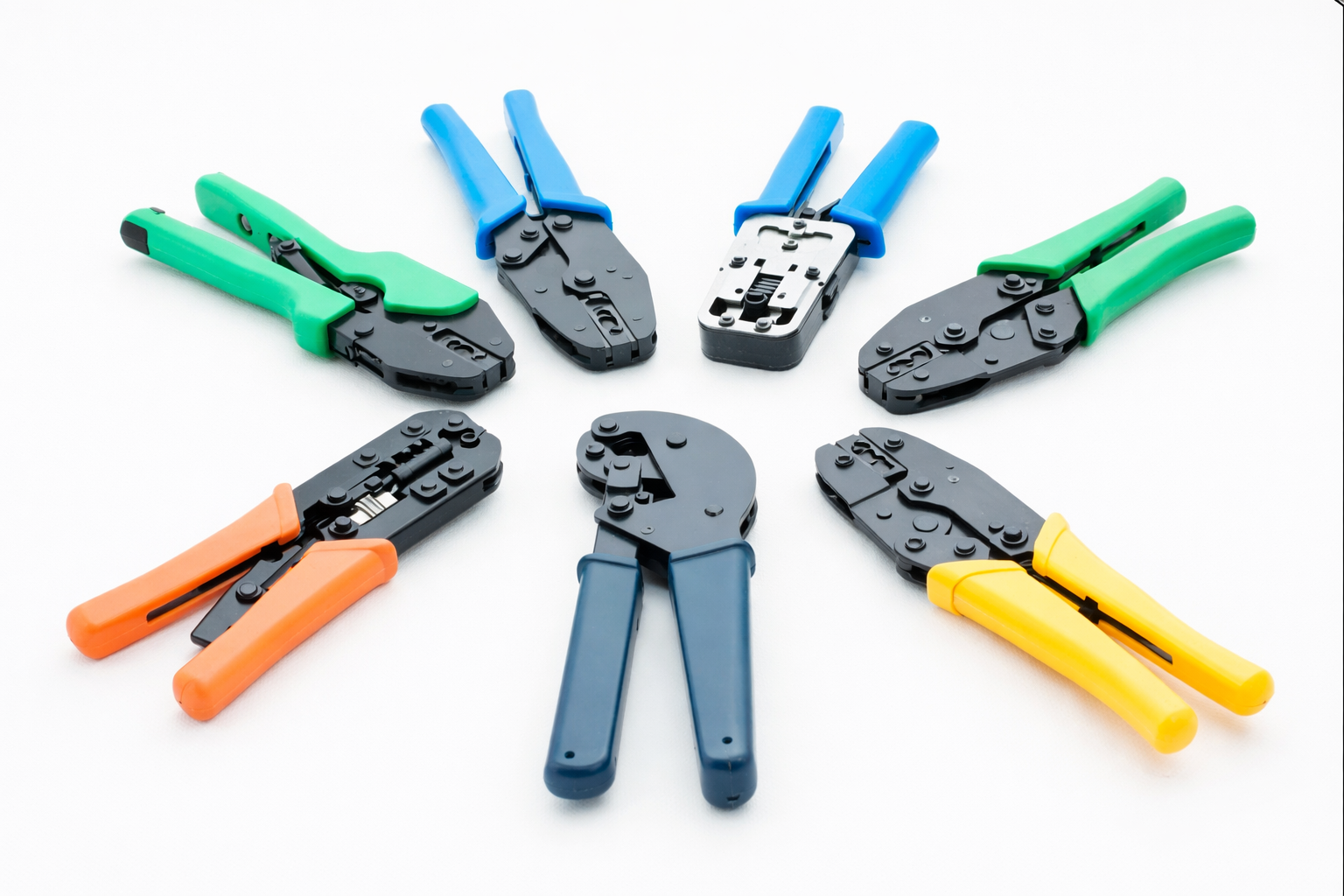
Selecting the right crimping tool is very important decisions in electrical assembly, wire harness manufacturing, cableado automotriz, and industrial cable production. A properly executed crimp creates a secure mechanical bond and low-resistance electrical connection between a wire and terminal. A poor crimp, sin embargo, can lead to loose connections, caídas de voltaje, calentamiento excesivo, falla del equipo, and costly field repairs.
With so many options on the market—from basic hand crimpers to ratcheting tools, hydraulic presses, and fully automatic crimping systems—how do you determine which one is right for your application?
This comprehensive guide explains everything you need to know about choosing the best crimping tools based on production volume, calibre de alambre, terminal type, crimp profile, certification requirements, and inspection standards.
Evaluate Your Production Volume First
The first step in selecting a crimping tool is understanding how often the tool will be used.
Low-Volume Applications: Repairs and Field Service
For maintenance work, creación de prototipos, or occasional repairs, manual hand crimpers are usually sufficient.
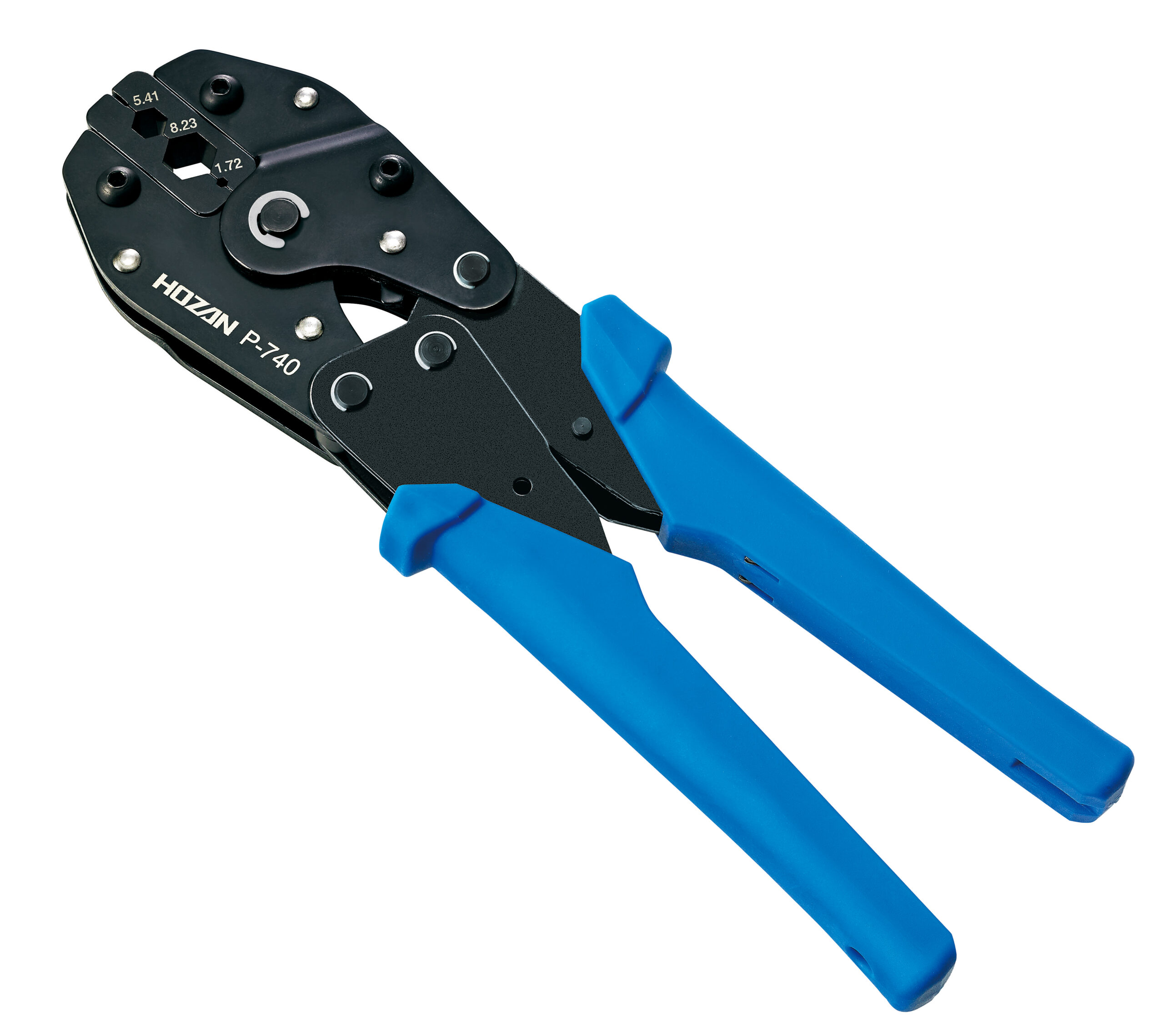
manual hand crimpers
Best Features for Low-Volume Use
Portable and lightweight
Lower initial investment
Easy to use onsite
Suitable for confined spaces
Ideal for electricians and field technicians
Recommended Tool Types
Multi-purpose hand crimpers
Swappable die crimp kits
Combination stripper/cutter/crimper tools
These tools offer flexibility when working with multiple terminal styles.
Medium-Volume Production: Workshop Assembly
For regular production environments, ergonomics and consistency become more important.
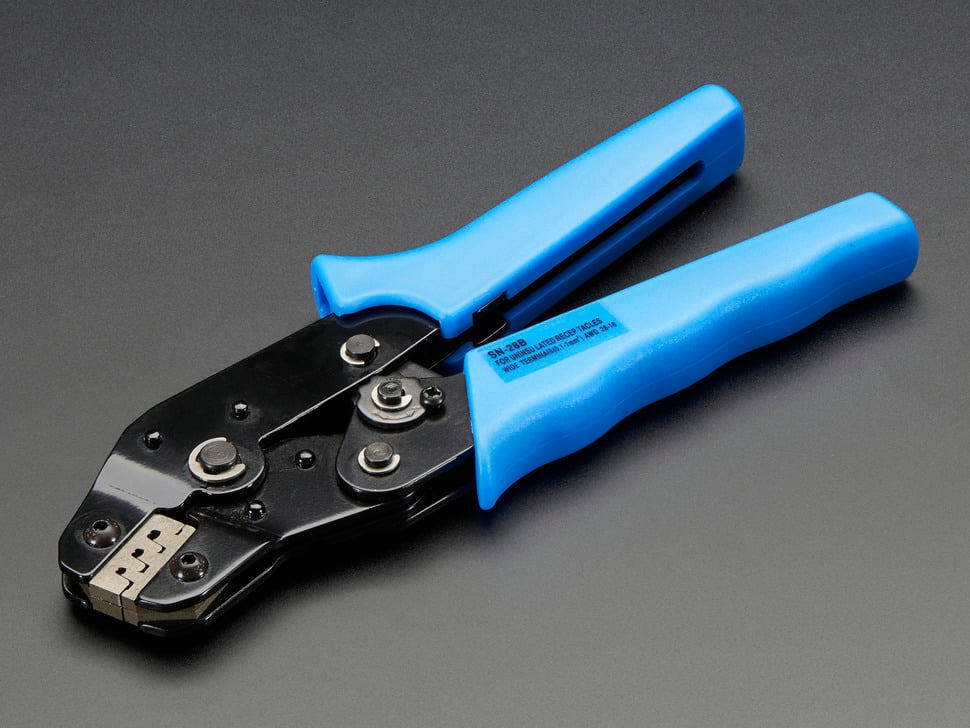
Ratcheting crimpers
Recommended Features
Mecanismos de trinquete
Longer handles for leverage
Precision terminal positioning
Reduced operator fatigue
Consistent compression force
Why Ratcheting Matters
Ratcheting crimpers prevent incomplete crimps by forcing the full crimp cycle before release.
This improves:
Control de calidad
Repeatability
Operator consistency
Pull-out strength
High-Volume Manufacturing: Producción automatizada
For mass production lines, manual tools may limit productivity.
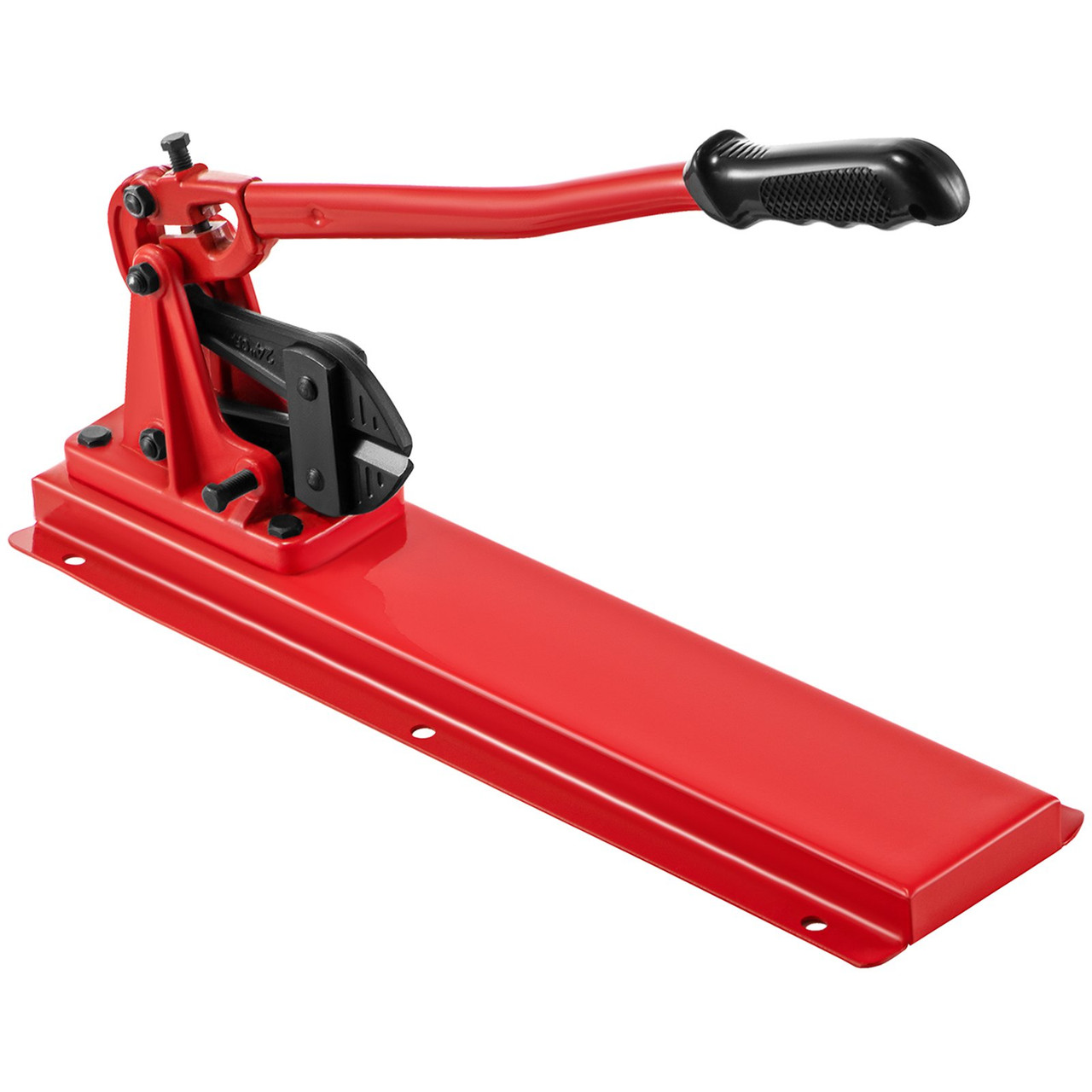
Bench-mounted crimp machines
Better Solutions Include
Hydraulic crimping systems
Pneumatic presses
Bench-mounted crimp machines
Fully automatic wire processing equipment
Beneficios
Higher throughput
Reduced labor cost
Better consistency
Lower defect rates
Integration with automated assembly lines
Ideal for wire harness factories and OEM manufacturing facilities.
Match the Tool to Wire Gauge (AWG)
Wire size is critical when choosing a crimping tool.
Entendiendo el AWG
AWG significa calibre de alambre americano.
It defines conductor diameter.
Common examples include:
22 AWG: small signal wires
16 AWG: cableado automotriz
10 AWG: circuitos de potencia
4 AWG: cables de bateria
Each crimping tool is designed for specific AWG ranges.
Risks of Incorrect Sizing
If Tool Is Too Large
Weak compression
Loose terminal fit
Poor conductivity
If Tool Is Too Small
Damaged wire strands
Terminal deformation
Reduced current capacity
Always verify AWG compatibility before purchasing.
Choose Based on Terminal Type
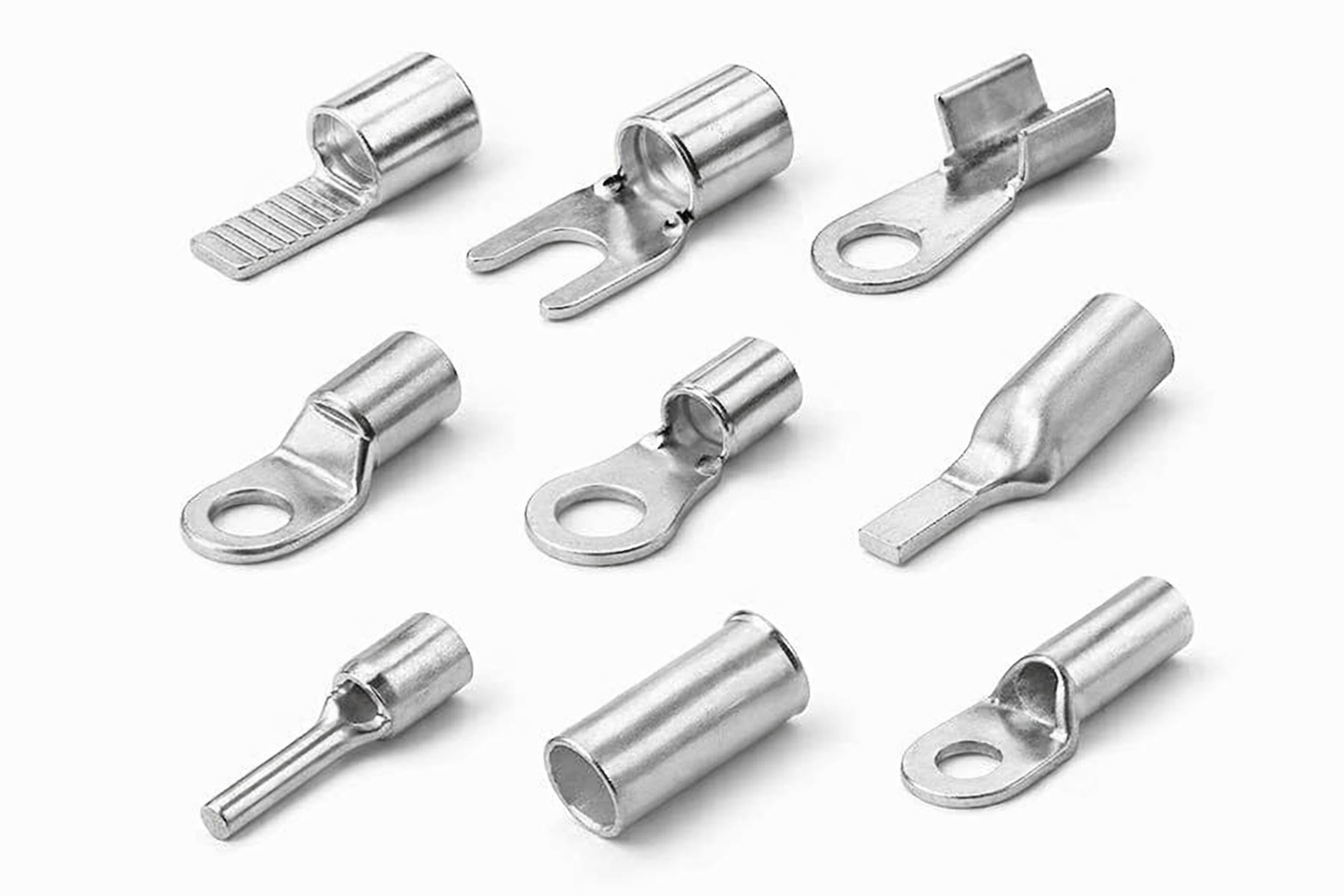
Different terminals require different crimping jaw designs.
Crimping Tools for Insulated Terminals
Insulated terminals include protective sleeves around the metal barrel.
Tool Requirements
Rounded jaws
Controlled pressure
Protection against insulation damage
Aplicaciones comunes
Desconexiones rápidas
Terminales de anillo
Terminales de horquilla
Conectores a tope
Key Advantage
Preserves insulation integrity while securing conductor.
Crimping Tools for Non-Insulated Terminals
Non-insulated terminals expose bare metal.
Tool Requirements
Precision indent crimping
Strong metal compression
Accurate deformation profile
Aplicaciones comunes
Industrial panels
Sistemas de puesta a tierra
High-temperature environments
Identify Open Barrel vs Closed Barrel Terminals
Terminal barrel style strongly influences tool selection.
Terminales de barril cerradas
These are the most common in general electrical work.
Características
Cylindrical barrel
Available insulated/non-insulated
Used in many connector styles
Common Crimp Shapes
Oval crimp
Engarzado hexagonal
Engarce de sangría
Usos típicos
Electrónica de consumo
Cableado de electrodomésticos
Equipos industriales
Terminales de barril abierto
Widely used in automotive and wire harness manufacturing.
Características
Open seam design
Excelente resistencia a las vibraciones
Better strain relief
Improved corrosion performance
Standard Crimp Style
engarzado F
B-engarzado
Usos comunes
Conectores automotrices
ECU harnesses
Sensor wiring
OEM cable assemblies
Understand Crimp Profiles
Crimp profile refers to the final compressed shape created by the tool.
Choosing the correct profile ensures proper mechanical retention and conductivity.
Symmetric Crimp
Mejor para:
Terminales aislados
Beneficios:
Even pressure distribution
Protects insulation
Single Indent Crimp
Mejor para:
Terminales no aislados
Beneficios:
Strong metal compression
Reliable electrical path
Engarzado F / B-Crimp
Mejor para:
Terminales de barril abierto
Beneficios:
Excellent pull strength
Resistencia superior a las vibraciones
Engarce hexagonal
Mejor para:
Terminales de cobre
Cables de batería
Heavy-duty conductors
Beneficios:
Uniform compression
High current capacity
Follow Manufacturer Specifications
One of the most overlooked factors is terminal manufacturer compatibility.
Many connector brands design terminals for very specific crimp geometries.
Examples of Terminal Manufacturers
Molex
Conectividad TE
Aptiv
Yazaki
anfenol
Why This Matters
Using non-approved tools may:
Void warranties
Fail compliance audits
Reduce connection reliability
Cause fitment issues
Always review technical datasheets.
Inspect Crimp Quality After Assembly
Even with the correct tool, quality inspection is essential.
Visual Inspection Checklist
comprobar si:
Proper wire insertion depth
Correct crimp shape
No cracked insulation
No exposed conductor damage
Centered compression
Pull Testing
Mechanical pull tests verify retention strength.
A quality crimp should withstand specified tensile force without wire pull-out.
Common Crimp Defects
Watch for:
Sub-engarzado
Sobre-engarzado
Bellmouth distortion
Wire strand cut-off
Terminal cracking
Quality assurance prevents field failures.
Consider Certifications and Compliance
In regulated industries, proper tooling supports certification requirements.
Important Standards Include
Certificación UL
SAE automotive standards
MIL aerospace standards
IPC workmanship guidelines
Using approved crimping methods helps maintain:
Product qualification
Audit compliance
Customer acceptance
Warranty eligibility
Practical Buying Tips for Buyers and Engineers
When sourcing crimping tools, consider more than price.
Prioritize:
1. Application Compatibility
Match tool to terminal type.
2. Ergonomics
Important for operator productivity.
3. Durabilidad
Industrial-grade tools last longer.
4. Replaceable Dies
Increase flexibility.
5. Calibration Support
Critical for quality systems.
6. Supplier Technical Support
Helpful for custom applications.
Why OEMs and Manufacturers Need Professional Crimping Solutions
For OEM production, choosing professional-grade crimping tools improves:
Assembly consistency
Product reliability
Customer satisfaction
Warranty performance
Manufacturing efficiency
If your business handles wire harnesses, terminal assemblies, or custom cable production, investing in the right tooling directly supports long-term profitability.
Pensamientos finales: Select the Right Tool for Long-Term Reliability
Choosing the right crimping tool is not simply about squeezing a terminal onto a wire.
It is about engineering a dependable electrical connection that performs safely under vibration, calor, current load, and long-term service conditions.
The best crimping tool for your application depends on:
Production volume
Calibre del cable
Terminal design
Barrel style
Crimp profile
Certification requirements
Quality standards
By carefully matching your tooling to your terminals and application requirements, you can achieve:
Stronger connections
Mejor conductividad
Lower failure rates
Higher manufacturing quality
Looking for High-Quality Terminals and Crimping Solutions?
En Precisión de Qianwei, we specialize in precision terminal manufacturing, custom electrical connectors, wire harness components, and OEM interconnection solutions.
Our engineering team helps customers choose compatible terminals for reliable crimp performance across automotive, industrial, electrónica, and custom wiring applications.
Póngase en contacto con Qianwei Precision hoy for expert support on terminals, conectores, and custom electrical component manufacturing.

