

Introduction
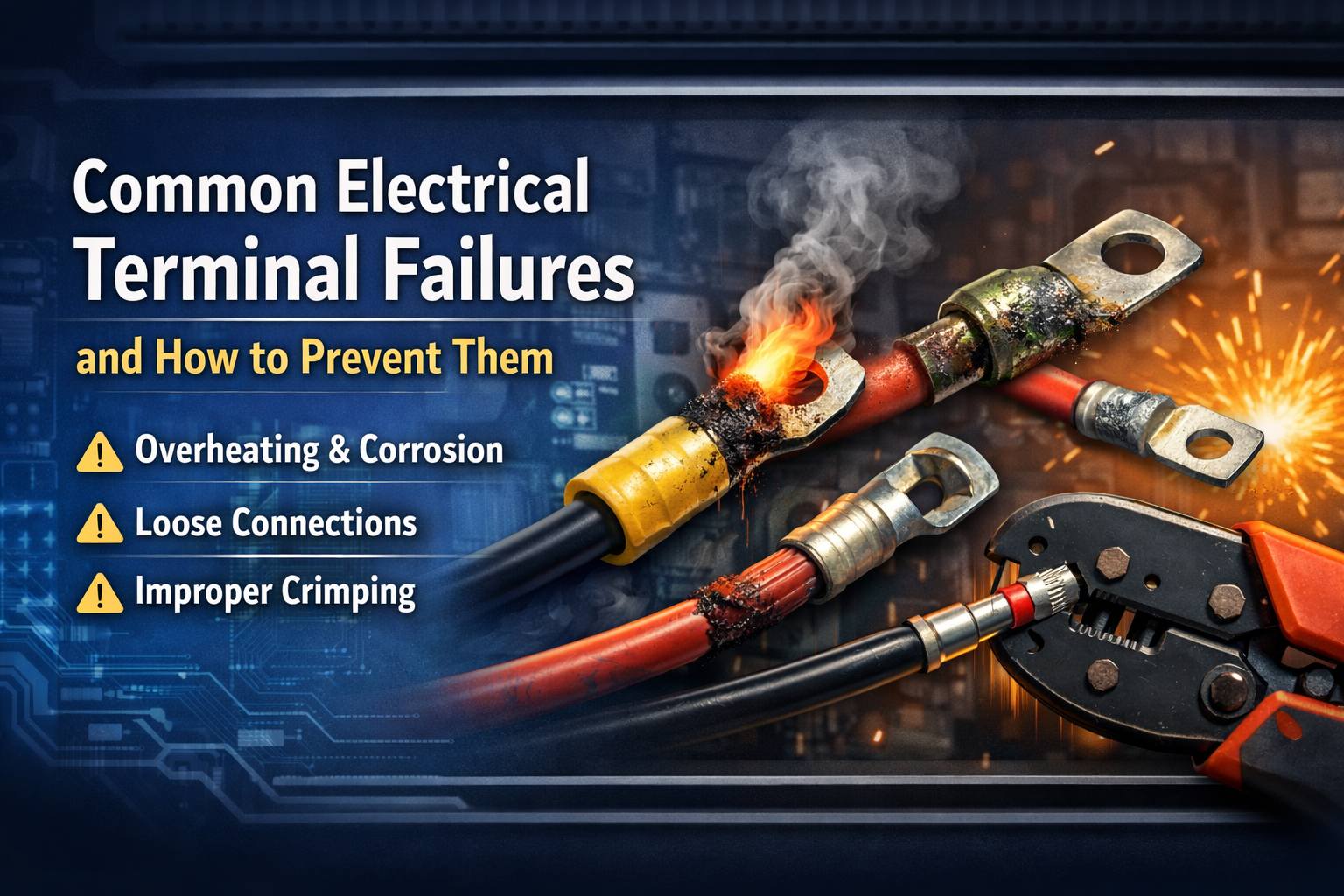
Electrical terminals might look like small components, but they play a huge role in system reliability.
When a terminal fails, the consequences can be serious:
- Overheating
- Power loss
- Equipment damage
- Even fire hazards
And here’s the key point—most terminal failures are completely preventable.
In real-world applications like EV charging systems, connexions de la batterie, et équipements industriels, failures usually don’t happen randomly. They are the result of poor material choices, incorrect installation, or lack of maintenance.
Dans ce guide, we’ll break down:
- The most common types of terminal failures
- What causes them
- And most importantly, how to prevent them
So you can build safer, longer-lasting, and more reliable electrical systems.
What Are Electrical Terminal Failures?
An electrical terminal failure occurs when a connection no longer performs as expected—either electrically, mechanically, or both.
There are two main categories:
Electrical Failure
This happens when the connection develops high resistance, conduisant à:
- Voltage drops
- Heat buildup
- Reduced efficiency
Mechanical Failure
This occurs when the physical connection weakens or breaks due to:
- Vibration
- Stress
- Mauvais sertissage
Most failures are not sudden. They develop gradually—starting as a small issue and getting worse over time.
Why Terminal Failures Matter
Terminal failures are not just minor inconveniences—they can have major consequences.
In Industrial Systems
- Unexpected downtime
- Expensive repairs
- Reduced productivity
Dans High-Current Applications
Such as EV charging or battery systems:
- Overheating risks
- Fire hazards
- Safety compliance issues
In Long-Term Operations
- Increased maintenance costs
- Shorter equipment lifespan
Simply put, a single weak connection can compromise an entire system.
Most Common Types of Electrical Terminal Failures
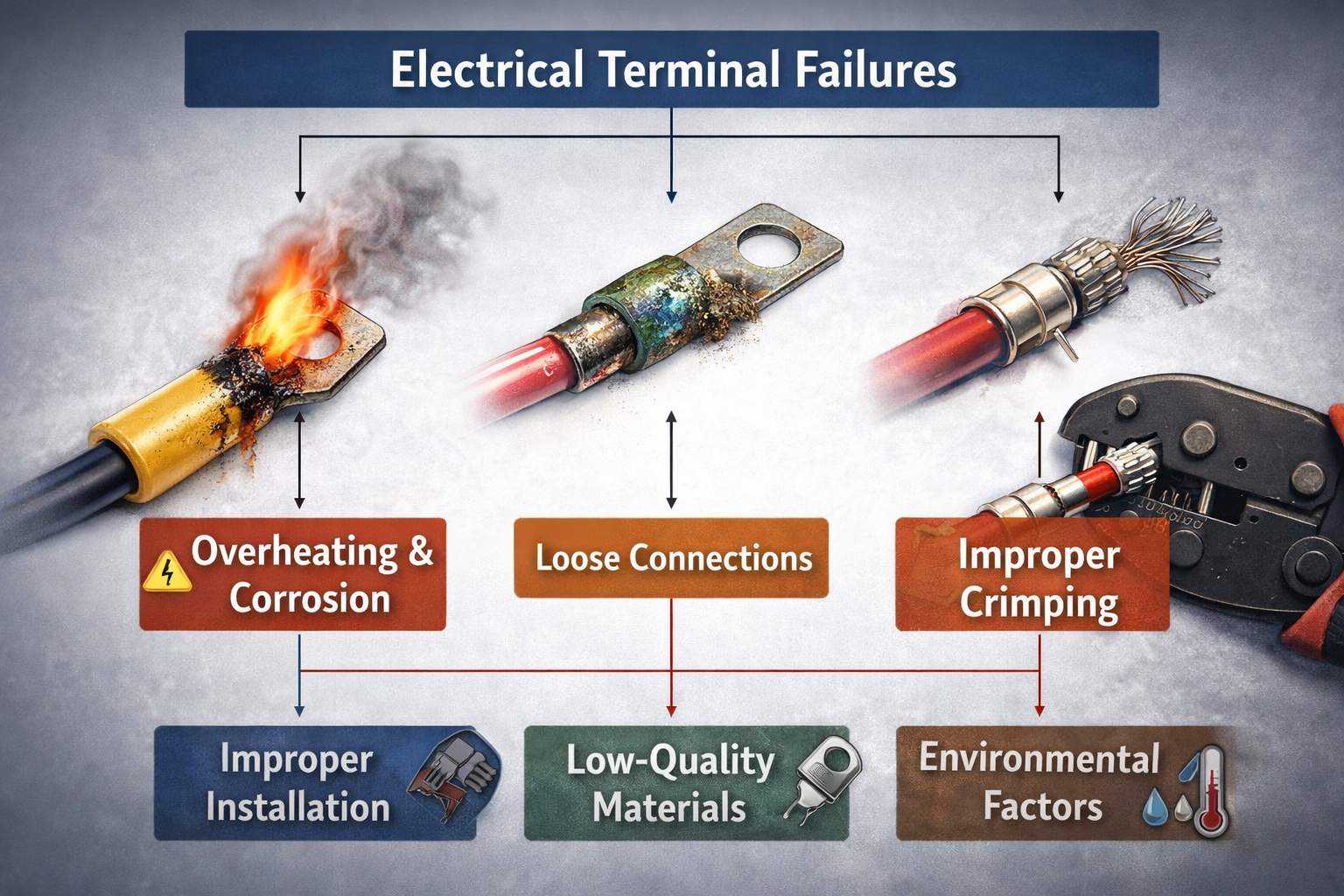
Overheating
This is one of the most common and dangerous problems.
It usually happens when:
- The connection is loose
- The terminal is undersized
- Resistance increases over time
Corrosion and Oxidation
Exposure to air, humidité, or chemicals leads to degradation.
Results include:
- Increased resistance
- Weak electrical contact
- Long-term damage
Loose Connections
Caused by:
- Improper crimping
- Vibration
- Cyclisme thermique
Mechanical Damage
Includes:
- Cracking
- Deformation
- Installation stress
Improper Crimping
Common issues:
- Under-crimping
- Over-crimping
- Wrong tools
Incorrect Terminal Selection
Mismatches in:
- Taille du fil
- Current rating
- Matériel
Root Causes Behind Terminal Failures
Poor Installation Practices
Incorrect stripping, alignment, or tooling reduces reliability.
Low-Quality Materials
Inferior copper or plating leads to early failure.
Environmental Factors
Humidity, température, and chemicals accelerate degradation.
Overloading and Electrical Stress
Exceeding ratings causes heat buildup and damage.
Lack of Maintenance
Unnoticed wear leads to sudden failure.
How to Identify Terminal Failures Early
Watch for these warning signs:
- Discoloration
- Melted insulation
- Connexions lâches
- Excessive heat
- Voltage drops
Regular inspection helps catch problems before they escalate.
How to Prevent Electrical Terminal Failures
Choose the Right Terminal Material
Use copper for conductivity and tinned copper for corrosion resistance.
Use Proper Crimping Techniques
Correct tools and consistent pressure are essential.
Select the Correct Size and Type
Match terminals precisely to the application.
Protect Against Environmental Exposure
Use insulation, sealing, and coatings when needed.
Follow Industry Best Practices
Consistency ensures reliability.
Perform Regular Maintenance
Routine checks prevent long-term issues.
Best Practices for High-Current Applications
Focus on:
- High-quality materials
- Secure connections
- Heat management
Why Terminal Quality Matters
High-quality terminals ensure:
- Stable conductivity
- Long lifespan
- Reliable performance
Low-quality ones increase failure risk.
Pourquoi choisir la précision Qianwei
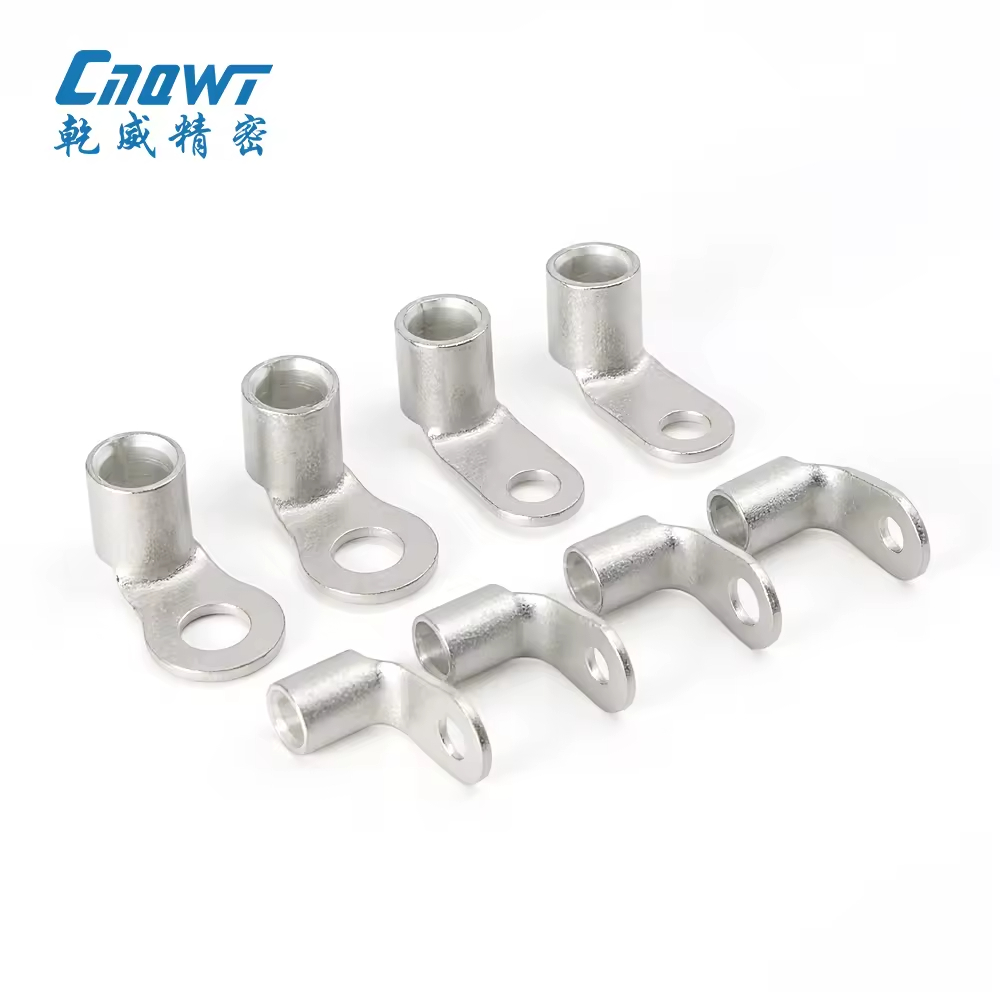
Chez Qianwei Précision, we provide:
- High-purity copper and tinned copper terminals
- Advanced plating technology
- Strict quality control
- Custom solutions
- Reliable global supply
👉 Contact us today for expert support and fast quotes.
Conclusion
Electrical terminal failures are common—but preventable.
By focusing on:
- Proper materials
- Correct installation
- Regular maintenance
You can significantly improve safety and reliability.
👉 For high-performance terminal solutions, contact Précision Qianwei today.
FAQ
What is the most common electrical terminal failure?
Overheating due to poor connections.
How can I prevent overheating?
Use proper sizing and crimping techniques.
Are tinned copper terminals better?
Oui, surtout dans les environnements difficiles.
How do I detect a bad connection?
Look for heat, discoloration, or looseness.
Can poor crimping cause failure?
Oui, it is one of the main causes.
How often should terminals be inspected?
Regularly, especially in high-load systems.
