


Connectors are a fundamental element of every electronic system—from compact consumer devices to advanced manufacturing robots and aircraft. In industrial and robotics applications, connectors must withstand harsh operating environments while maintaining reliable signal and power transmission. As Industry 4.0, automation, and the Industrial Internet of Things (IIoT) accelerate, understanding connector types and performance requirements becomes essential for engineers, integrators, and manufacturing professionals.
This comprehensive guide explores the role of industrial connectors, key technical specifications, environmental challenges, and the most widely used connector families in robotics, automation, and general industrial machinery.
The Role of Connectors in Electronic Systems
Connectors serve as the critical interface for routing power and signals between components, modules, and external equipment. In industrial systems, they support two main functions:
Internal PCB-to-Module Connections
Inside machinery, connectors allow circuit boards and internal units to be assembled, tested, and replaced individually—reducing manufacturing time, modularizing design, and simplifying maintenance.
Equipment-to-Environment Interfaces
Externally mounted connectors act as the gateway between sensitive internal circuits and the harsh industrial environment. In addition to transferring signals and power, they must protect against:
-
Liquid intrusion
-
Dust and debris
-
Chemical exposure
-
Vibration and impact
Industrial connectors therefore combine electrical performance with environmental sealing and mechanical durability.
Industriel & Robotics Connectors: Growing Demands in the IIoT Era
Automation and IIoT technologies are transforming industrial environments. Machines are becoming more intelligent, compact, and interconnected. These new requirements are driving demand for connectors that offer:
-
Increased data throughput
-
Smaller footprint and greater power density
-
Lower weight
-
Higher reliability
-
Combined power + signal capabilities
Connectors in Industrial Robots
Modern industrial robots include motors, sensors, hydraulics, embedded computers, and network systems—all integrated through complex wiring harnesses. Connectors must:
-
Withstand continuous flexing and torsion
-
Resist shock, vibration, huile, and temperature extremes
-
Support quick changeovers of end-of-arm tools
-
Accommodate high-speed data and power delivery
-
Operate reliably over long service lifetimes
End-of-arm (EOA) tools—such as vision systems, grippers, and inspection modules—require miniature, lightweight connectors that support high bandwidth and small pitch spacing.
Human-machine interfaces, including handheld pendants, tablets, and maintenance tools, also rely on rugged industrial-grade connectors such as USB, Ethernet, M12, and push-pull interfaces.

Key Design Features of Industrial-Grade Connectors
To survive harsh environments, industrial connectors incorporate advanced design features:
Locking & Coupling Mechanisms
Strong locking systems (threaded, bayonet, push-pull, latch) ensure stable connections under shock and vibration.
Housing & Insulation Materials
-
Metal housings (stainless steel, zinc alloy): résistance à la corrosion, EMI shielding, high durability
-
High-temperature thermoplastics: lightweight, flexible, economical
Connector Geometry
Circular connectors offer excellent sealing, easy mating, and high mechanical strength—making them preferred for automation and robotics.
EMI/RFI Shielding
Devices near welders, furnaces, and motors require 360° shielding via metal housings, shielded backshells, or braiding.
Rugged Environment Certification (REC)
Ensures connectors meet stringent vibration, shock, and moisture resistance standards.
Connector Construction & Contact Technologies
Every industrial connector consists of:
-
Protective outer shell
-
Insulator (dielectric)
-
Contacts (pins/sockets)
-
Locking or mating mechanism
Stamped vs. Machined Contacts
| Contact Type | Benefits | Best Use |
|---|---|---|
| Timbré & Formed | Low cost, high-volume automation | Cost-sensitive applications |
| Machined Contacts | Higher power density, lower resistance, superior durability | Harsh environments, robotique, aérospatial |
Termination Types
-
Crimp Terminations – Most reliable for industrial wiring; excellent vibration resistance
-
Solder Terminations – Common for PCB mounting and static wiring
-
IDC Terminations – Fast assembly for ribbon cables
-
Screw Terminations – Convenient for field wiring and maintenance
Each termination type affects assembly time, performance, et fiabilité.
Key Connector Specifications Engineers Must Evaluate
Operating Temperature
Industrial connectors must operate from –40°C to +200°C depending on the application.
Number of Contacts
Pin count affects:
-
Connector size
-
Current capacity
-
Contact resistance
-
Working voltage
Mating Cycles
-
Standard connectors: 200–750 cycles
-
Push-pull connectors: 5,000+ cycles
-
Field-replaceable designs require higher durability
Contact Ratings
Critical ratings include:
-
Wire gauge capability
-
Maximum current
-
Contact resistance
-
Insulation resistance
-
Dielectric withstand voltage
Insertion Force
High pin-count connectors can require significant force. ZIF (Zero Insertion Force) models solve this for large arrays.
Contact Pitch
Common pitches: 1.27 mm, 2.00 mm, 2.54 mm, and specialty industrial layouts.
IP Rating
Defines protection against dust (0–6) and liquids (0–9K).
Industrial connectors often require IP67 or IP68 sealing.
Environmental Challenges for Industrial Connectors
Industrial connectors are exposed to:
-
Extreme temperatures and thermal cycling
-
Shock and vibration leading to mechanical fatigue
-
Explosion hazards in oil, gas, mining, and wood processing
-
Rough handling during daily maintenance
-
Corrosion from chemicals, salt fog, humidity
Different applications require tailored sealing, matériels, and design features.
Recommended Connector Families for Robotics & Industrial Applications
Metric Circular Connectors (M5, M8, M12)
The most widely used connectors in automation and robotics.
M12 Connectors
-
Support Ethernet, PROFINET, power delivery
-
Available in A, B, D, L, S, X coding
-
IP67/68 sealing
-
Stainless steel versions for extreme conditions
M8 Connectors
-
Compact alternative to M12
-
Ideal for sensors, actuators, robotique
M5 Connectors
-
Ultra-compact for tight spaces (transportation systems, sensors)
Push-Pull Connectors (QUIK-LOQ™)
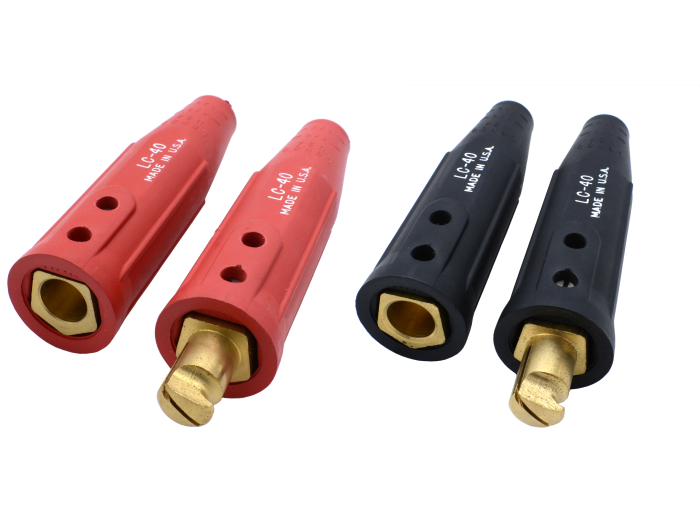
Key advantages:
-
Fast and secure latching
-
360° EMI shielding
-
5,000+ mating cycles
-
Available in metal or plastic shells
Suitable for modular robotic cells, dispositifs médicaux, and instrumentation.
D-Sub Connectors
Still widely used in industrial equipment:
-
Standard, High-Density, Mixed Layout (Pouvoir + Signal)
-
Options: Crimp, Souder, IDC
-
Rugged metal-shell designs for EMI-sensitive environments
IP67 Waterproof D-Sub (SEAL-D®)
-
Drop-in IP67 replacement for standard D-Sub
-
Used in outdoor devices, wash-down machinery, and rugged data loggers
Micro-D Connectors
-
One-third the size of standard D-Sub
-
Excellent for compact robotics, EOA tools, handheld equipment
-
High strength and EMI shielding
Power-D and Combo-D Connectors
-
Mixed signal + high-current contacts
-
Ideal for robots, satellite communications, instrumentation
Custom Connector Solutions
When standard connectors cannot meet unique requirements, custom solutions include:
-
Unique pin combinations
-
Special housings or plating
-
Custom cable assemblies
-
Modified production flows
Choosing the Right Connector for Industrial & Robotics Applications
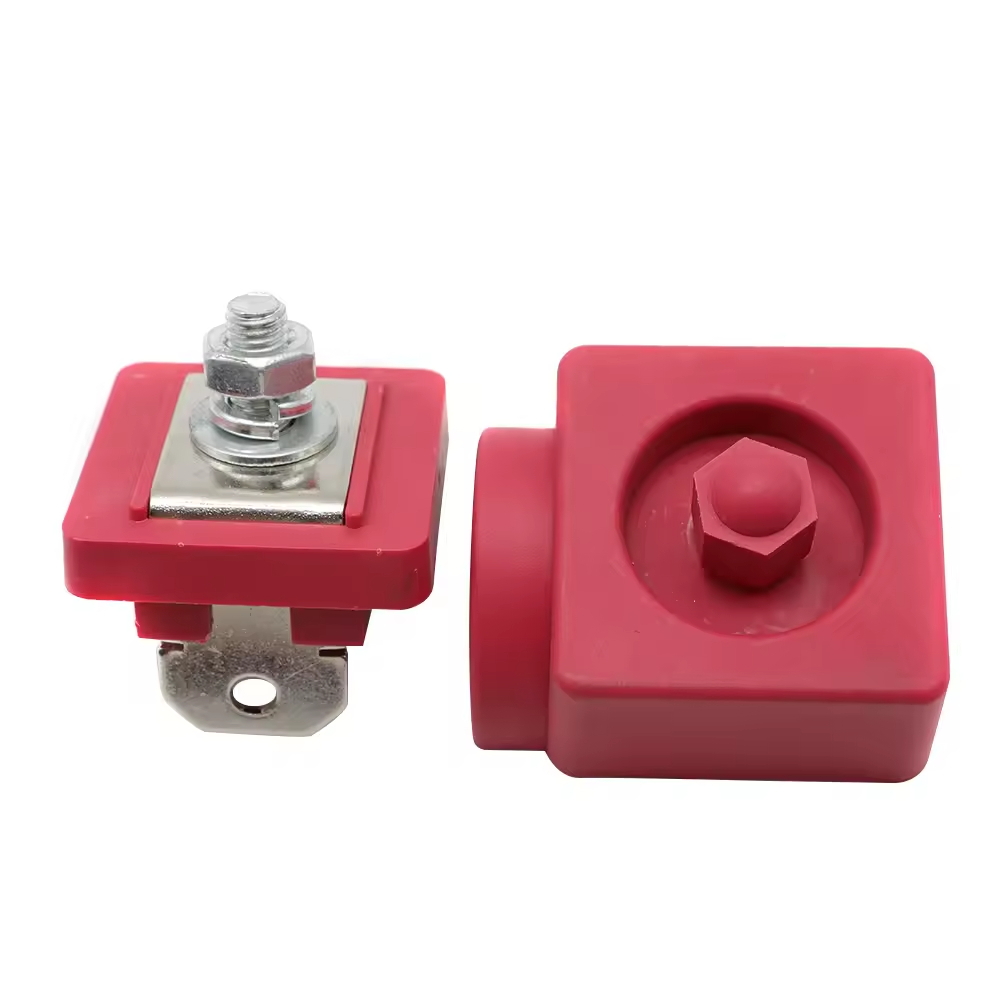
To select the correct connector, engineers should evaluate:
-
Mechanical stress levels
-
Environmental sealing needs
-
Voltage and current requirements
-
Number of contacts
-
Mating frequency
-
Space constraints
-
EMI susceptibility
-
Application-specific standards (IP, REC, UL, IEC)
Selecting the right connector ensures:
-
Longer equipment lifespan
-
Higher reliability
-
Reduced maintenance downtime
-
Better overall performance
Conclusion
Connectors are the backbone of industrial and robotic systems, ensuring safe and reliable transfer of power, signals, and data. With rising demand for automation and IIoT capabilities, connectors must deliver greater durability, miniaturization, and performance than ever before.
Whether you need circular connectors for harsh environments, high-density data connectors for compact robotics, or custom-engineered solutions, choosing the right connector is essential for maximizing system efficiency and uptime.
Industrial and robotics applications rely on connectors not only for electrical performance but also for environmental protection, mechanical stability, and long-term reliability—making them one of the most crucial components in modern automation.
