


Crimp terminals are essential components in electrical engineering, widely used to create safe, reliable, and long-lasting connections between wires and electrical devices. Whether you are a professional electrician, an industrial technician, or a DIY enthusiast working on home wiring, crimp terminals offer a simple yet highly effective way to terminate cables. Understanding what they are, how they work, and how to choose them is crucial for any electrical installation.
What Is a Crimp Terminal?
A crimp terminal is a type of electrical connector designed to join a wire to an electrical component, terminal block, or another wire. The terminal is mechanically pressed onto a stripped wire using a crimping tool, forming a secure electrical and mechanical bond. This method eliminates the need for soldering while still ensuring excellent conductivity and stability.
Crimp terminals are widely used in household wiring, machinery, automotive applications, industrial control systems, and many low-voltage installations.
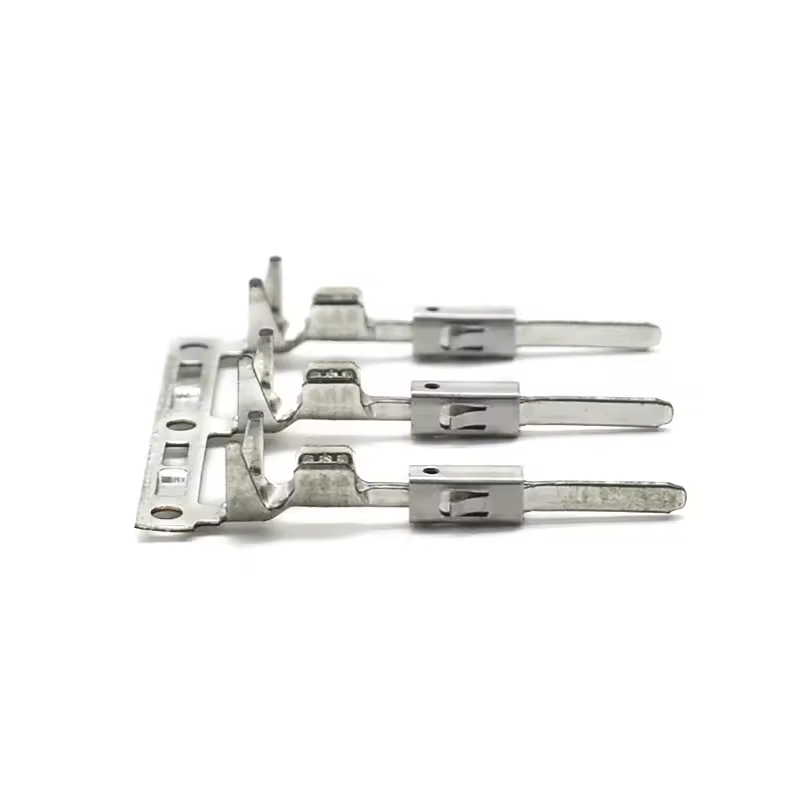
Structure of a Crimp Terminal
A standard crimp terminal consists of two primary components:
Metal Connector
-
Typically made of brass or copper, chosen for high conductivity.
-
Provides the physical and electrical connection point.
Insulation Sleeve (for insulated types)
-
Made of PVC in red, blue, or yellow.
-
Acts as protection to prevent accidental contact or short circuits.
-
Color coding usually indicates compatible wire size.
This simple yet effective design ensures both safety and performance in various wiring environments.
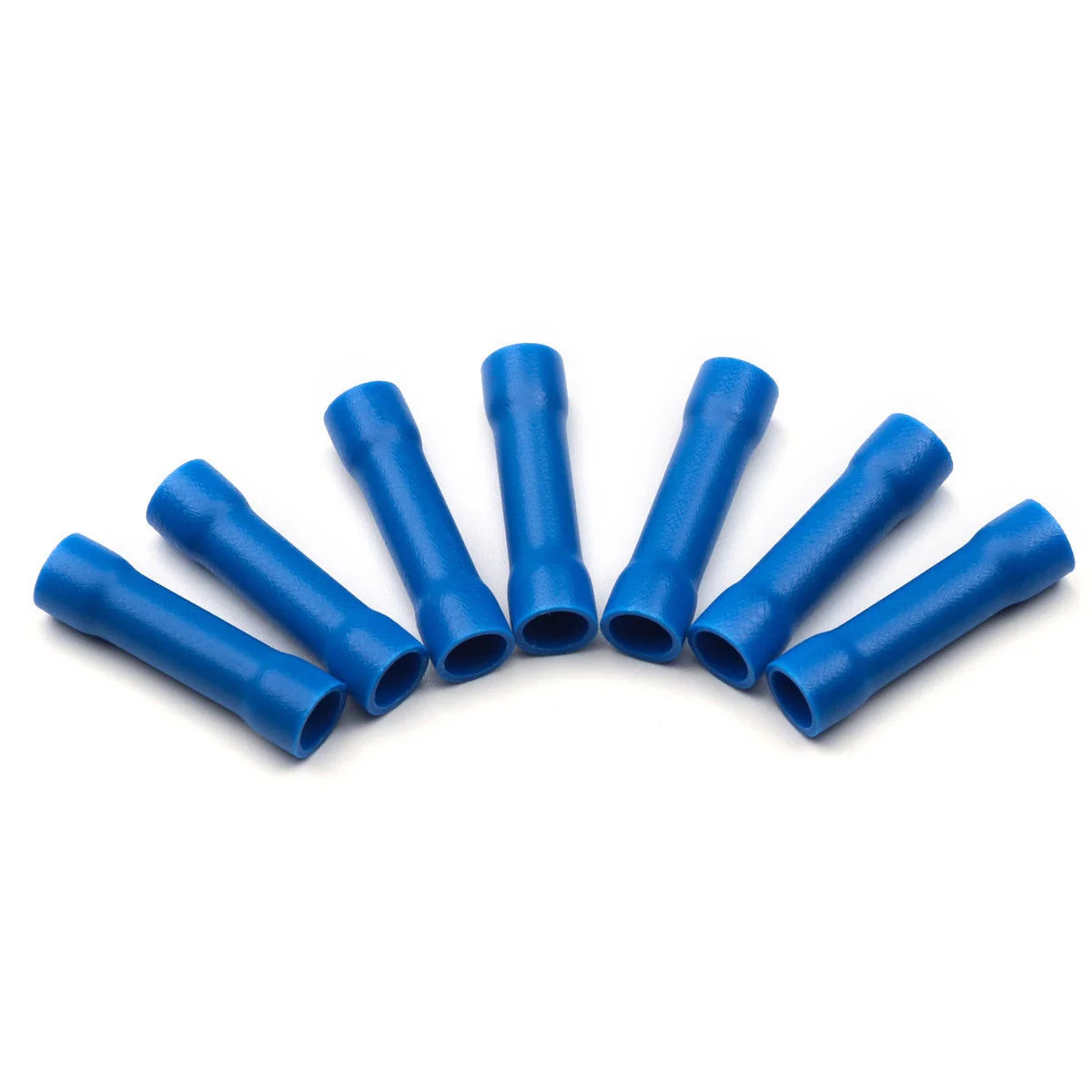
How Crimp Terminals Work
Using a crimp terminal involves two connection points:
Wire-to-Terminal Connection
The stripped wire end is inserted into the cylindrical barrel of the terminal. A crimping tool compresses the metal barrel tightly around the conductor, creating:
-
A firm mechanical bond
-
A low-resistance electrical connection
Terminal-to-Device Connection
The opposite end of the terminal (fork, ring, blade, etc.) attaches to:
-
Commutateurs
-
Distribution blocks
-
Circuit boards
-
Motor terminals
-
Automotive components
For insulated crimp terminals, the PVC sleeve prevents accidental contact and reduces short-circuit risks, making them ideal for exposed wiring applications.
Types of Crimp Terminals
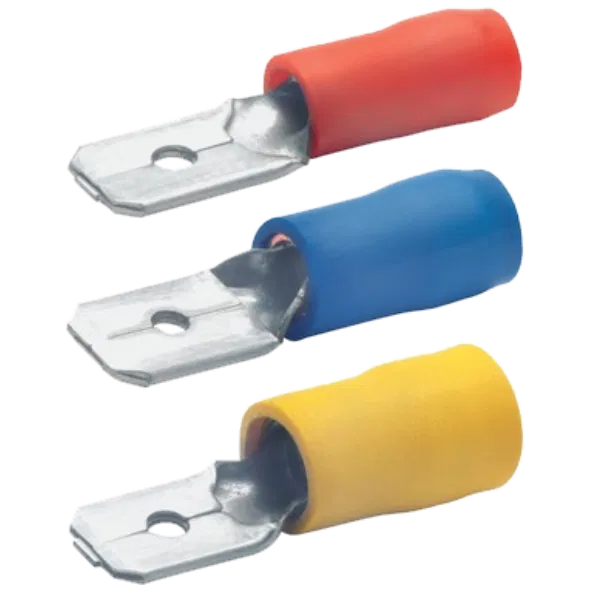
Insulated Crimp Terminals
These terminals include a colored PVC sleeve for added safety and ease of identification.
Common types include:
-
Ring terminals
-
Fork terminals
-
Spade terminals
-
Butt connectors
-
Pin terminals
-
Blade terminals
Benefits:
-
Prevent short circuits
-
Provide strain relief
-
Suitable for multi-strand wires and general electrical installations
Uninsulated Crimp Terminals
These terminals do not have a plastic sleeve.
Key Characteristics:
-
Mostly available in ring terminal form
-
Suitable for high-temperature conditions
-
Used inside enclosures where insulation is not needed
Uninsulated crimp terminals are preferred when maximum conductivity and compact size are required.
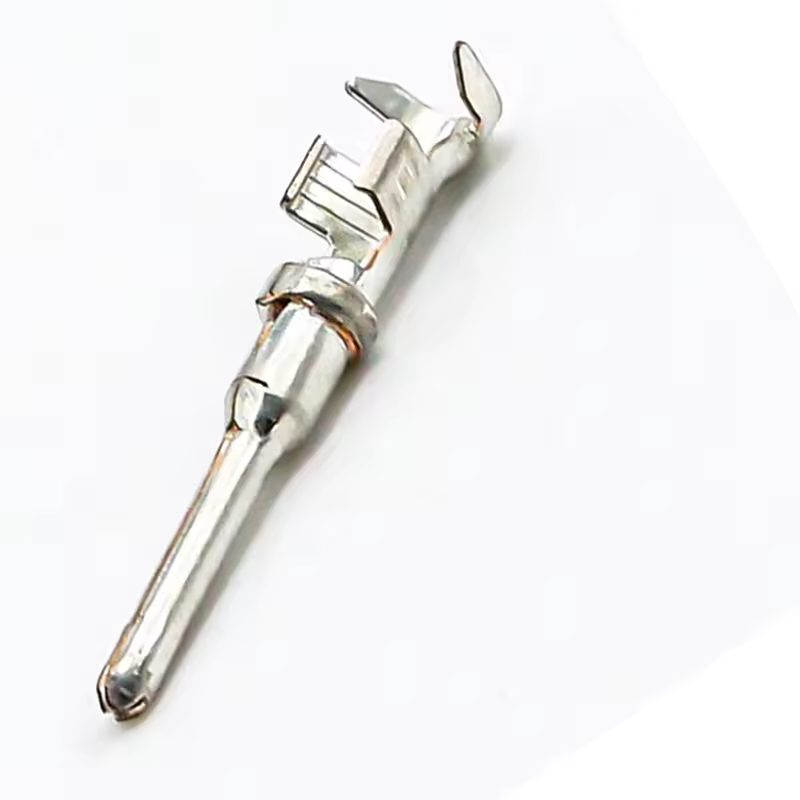
Applications of Crimp Terminals
Crimp terminals are used across a wide range of industries, y compris:
-
Automotive wiring harnesses
-
Home electrical installations
-
Consumer electronics
-
Industrial machinery
-
Marine and aviation equipment
-
Renewable energy systems
-
Low-voltage signals and control circuits
They are especially valued in environments with vibration, such as automobiles and heavy machinery, where soldered joints may fail over time.
Advantages of Using Crimp Terminals
Crimp terminals offer multiple benefits that make them the preferred choice in modern electrical engineering:
-
Fast and Easy Installation
No soldering required—ideal for fieldwork and mass production. -
Strong Mechanical Strength
A properly crimped terminal withstands pull forces and vibration. -
Excellent Electrical Conductivity
Tight metal-to-metal compression ensures low resistance. -
Reliable and Long-Lasting
Corrosion-resistant materials maintain stable performance. -
Safe and Professional Appearance
Insulated versions provide a clean, organized wiring finish.
Tips for Choosing and Using Crimp Terminals
To ensure optimal performance, keep the following best practices in mind:
-
Select the correct terminal size based on wire gauge.
-
Use a proper crimping tool instead of pliers.
-
Strip the wire cleanly without damaging strands.
-
Check the crimp for tightness and pull-test the connection.
-
Choose insulated terminals for exposed wiring.
-
Pick uninsulated terminals for high-heat or enclosed environments.
Correct installation ensures long-lasting electrical safety and reliability.
Conclusion
Crimp terminals are simple yet indispensable components in electrical systems. They provide secure, efficient, and durable wire terminations in everything from home wiring to industrial machinery and automotive applications. By understanding how they work, the different types available, and best practices for installation, you can ensure safer and more reliable electrical connections.
If you need high-quality crimp terminals, connecteurs, or wiring solutions, feel free to ask!
