

導入
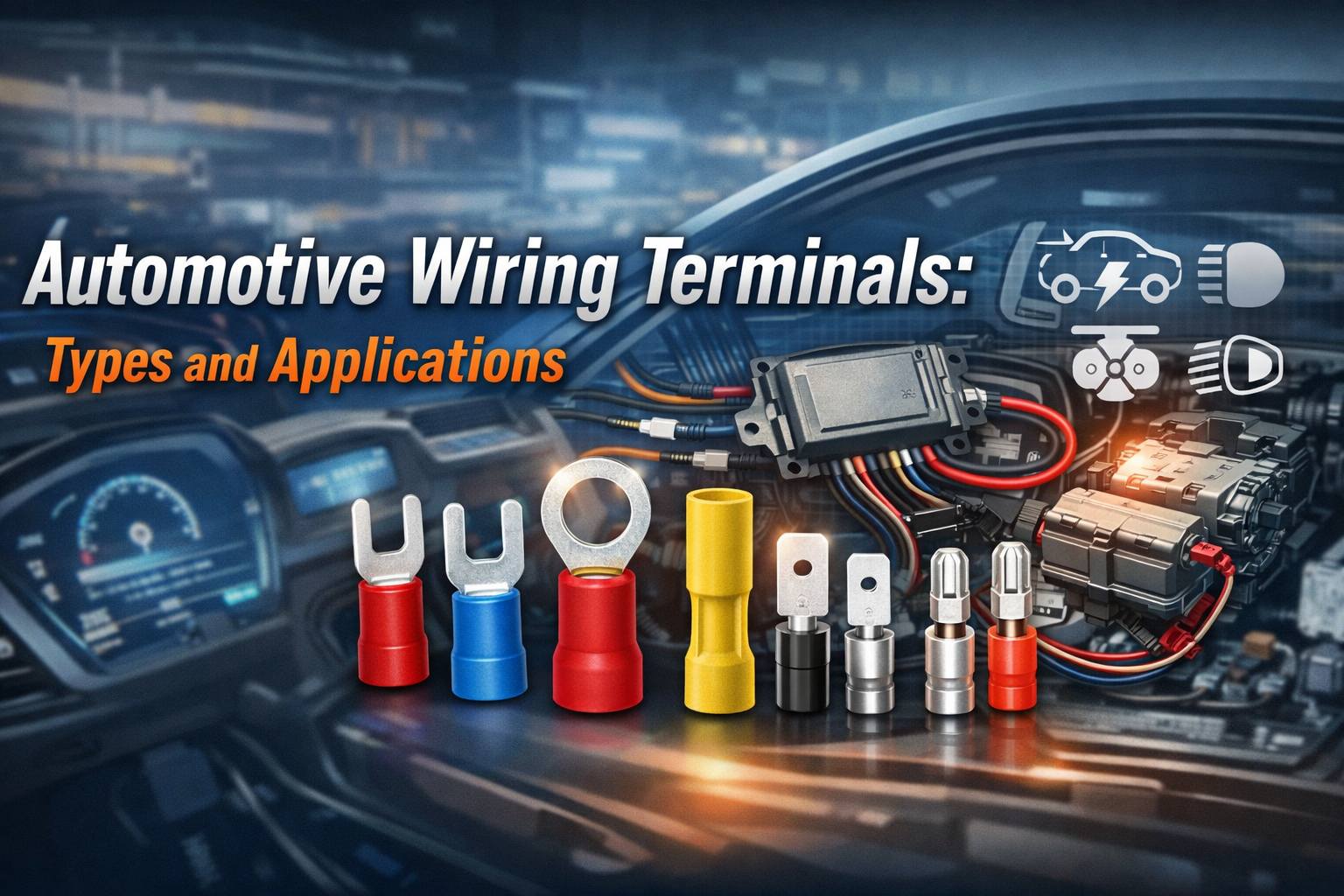
Modern vehicles rely heavily on complex electrical systems to power everything from engine control units to advanced driver-assistance systems (ADAS). At the core of these systems are automotive wiring terminals, which ensure stable and efficient electrical connections.
目次
トグルAs vehicles become more electrified—especially with the rise of 電気自動車 (EV)—the demand for high-performance, 耐久性のある, and reliable terminals continues to grow. Choosing the right terminals is essential for vehicle safety, electrical efficiency, そして長期的な信頼性.
What Are Automotive Wiring Terminals?
Automotive wiring terminals are conductive components used to connect electrical wires to devices, 回路, or other wires within a vehicle.
Key Functions:
- Establish secure electrical connections
- Ensure consistent current flow
- Enable easy assembly and maintenance
端子対. コネクタ:
- 端子: Individual conductive ends (例えば, 指輪, ピン)
- コネクタ: Housings that hold multiple terminals for plug-in connections
Key Applications in Vehicles
Automotive terminals are used across nearly every electrical subsystem:
- Engine & Powertrain Systems – sensors, 点火, fuel systems
- バッテリー & Charging Systems – battery terminals, EV high-voltage connections
- Lighting Systems – headlights, brake lights, interior lighting
- Infotainment Systems – audio, navigation, ディスプレイ
- Safety Systems – airbags, ABS, radar sensors
- Wiring Harness Assemblies – structured cable routing throughout the vehicle
Types of Automotive Wiring Terminals
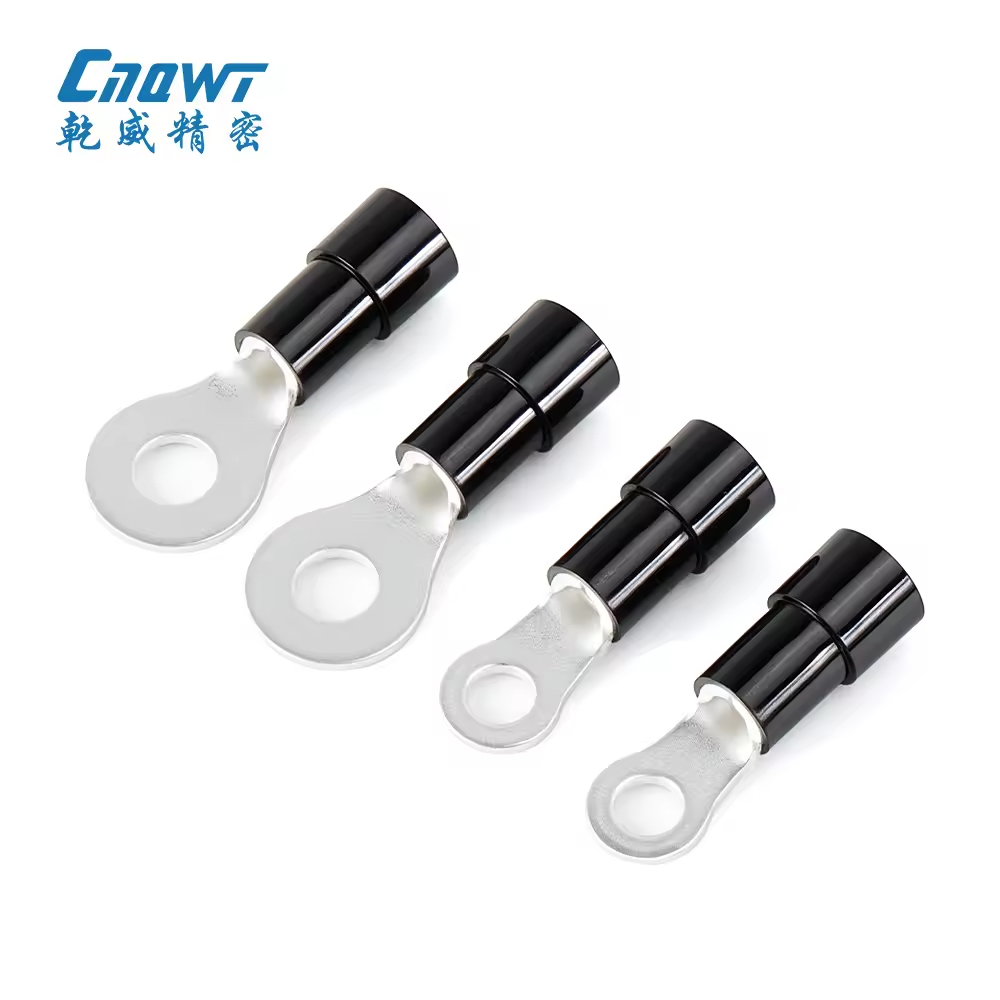
1. リング端子
- Circular design for bolt-secured connections
- Widely used in grounding and battery applications
- Highly resistant to vibration
 2. スペード (フォーク) 端子
- Open-ended design for quick installation
- Common in relays and fuse blocks
- Easier to remove than ring terminals
3. ブレード端子 (男 & Female)
- Flat, quick-disconnect terminals
- Frequently used in automotive electrical systems
- Ideal for modular components
4. ピン端子
- Used in multi-pin connectors and control modules
- Essential for ECU and signal transmission
- Compact and precise
5. 突合せコネクタ
- Used for joining two wires inline
- Heat shrink types provide waterproof sealing
- Common in repairs and retrofits
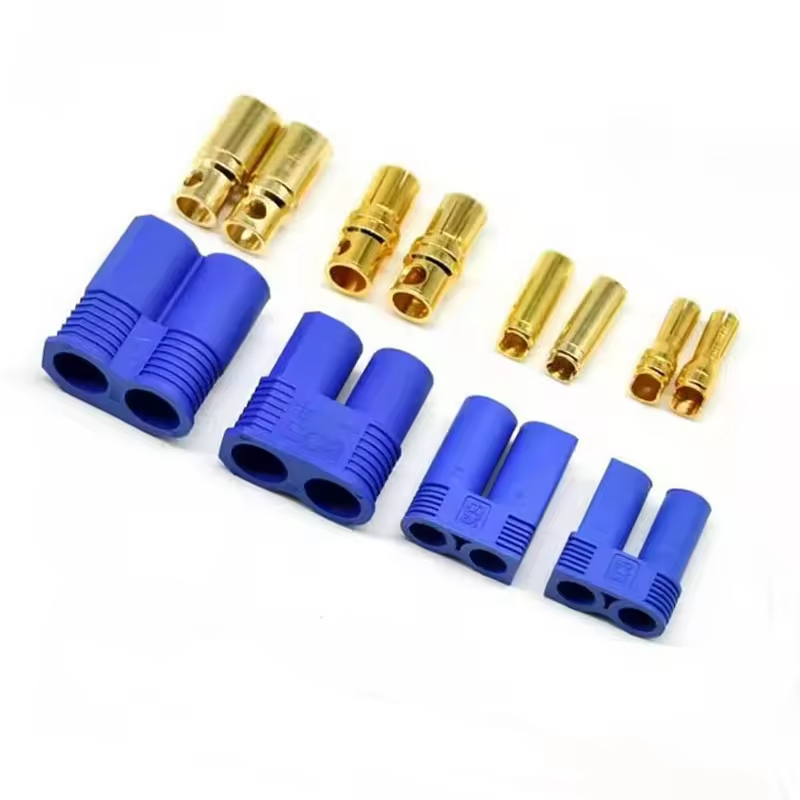
6. Bullet Connectors
- Cylindrical plug-and-socket design
- Common in motorcycles and older vehicle systems
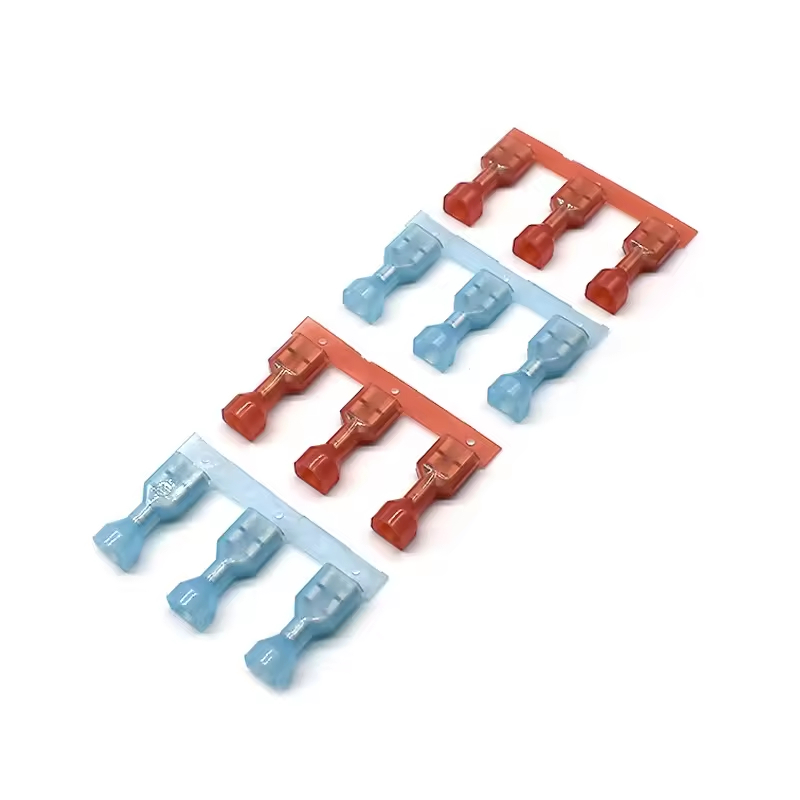
7. Open Barrel Terminals
- Used in OEM wiring harness manufacturing
- Require precision crimping tools
- Provide high reliability in mass production
8. Closed Barrel Terminals
- Fully enclosed crimp section
- Stronger mechanical connection
- Better suited for high-current applications
 Materials Used in Automotive Terminals
Material selection directly impacts conductivity and durability.
Common Materials:
- 銅 – excellent electrical conductivity
- 真鍮 – good strength and corrosion resistance
- 錫メッキ銅 – superior protection against oxidation
メッキオプション:
Insulation Types:
- PVC (費用対効果の高い)
- ナイロン (durable and heat-resistant)
- 熱収縮 (sealed and waterproof)
 Performance Requirements for Automotive Terminals
Automotive environments are demanding. Terminals must meet strict criteria:
- 高い導電性 for efficient power transfer
- Vibration resistance for moving vehicles
- Temperature tolerance (especially in engine compartments)
- 耐食性 (水分, 塩, 化学薬品)
- Secure locking mechanisms for safety-critical systems
Automotive Standards and Certifications
To ensure safety and quality, terminals must comply with industry standards:
- ISO 6722 – automotive cables
- ISO 8092 – connector systems
- SAE規格 – performance and testing
- RoHS compliance – environmental safety
How to Choose the Right Automotive Terminal
Key Factors to Consider:
1. ワイヤーサイズの互換性
Match terminal size to cable gauge.
2. Current Capacity
Ensure it handles required load.
3. 環境
Consider heat, 水分, と振動.
4. Application Type
Power vs. 信号伝送.
5. Connection Type
Permanent (crimped) vs. removable (プラグイン).
Installation Best Practices
Proper installation is critical to performance.
Recommended Practices:
- Use professional-grade crimping tools
- Strip wires accurately (no damage to conductors)
- Avoid over- or under-crimping
- Perform pull tests
- Inspect insulation and connection quality
Common Problems and Failure Modes
1. Loose Connections
- Caused by improper crimping
- Leads to intermittent faults
2. 腐食
- Due to moisture and environmental exposure
- Causes increased resistance
3. 過熱
- Result of poor contact or undersized terminals
4. Insulation Damage
- Leads to short circuits or safety risks
Prevention Tips:
- Use high-quality materials
- Apply proper sealing
- Conduct regular inspections
Automotive Wiring Harness Integration
Terminals are essential in wiring harness assemblies:
- Enable modular design
- Simplify installation and maintenance
- Improve reliability in OEM manufacturing
Well-designed harness systems depend on precision-engineered terminals.
Trends in Automotive Terminal Technology
The automotive industry is rapidly evolving:
- Miniaturization for compact electronics
- High-voltage terminals for EV systems
- Smart connectors with diagnostic capabilities
- Improved waterproof designs (IP67/IP68)
Choosing a Reliable Supplier
Selecting the right supplier like 銭威精密 ensures product quality and consistency.
Look for:
- Advanced manufacturing capabilities
- 厳格な品質管理
- Compliance with automotive standards
- Customization options
- Proven OEM experience
結論
Automotive wiring terminals are fundamental to the performance, 安全性, and reliability of modern vehicles. From powering critical systems to enabling advanced technologies, the right terminal selection ensures consistent electrical performance under demanding conditions.
Partnering with an experienced manufacturer is equally important. 銭威精密 provides high-quality automotive terminals and customized wiring solutions designed to meet global standards. With strong engineering support, 厳格な品質管理, and flexible production capabilities, Qianwei Precision helps ensure every connection is secure, 効率的, and built for long-term durability.
よくある質問
1. What is an automotive wiring terminal?
An automotive wiring terminal is a small metal part attached to the end of a wire. It helps connect the wire to a component or another wire safely and securely.
2. What are the most common types of automotive terminals?
The most common types include ring terminals, spade terminals, blade terminals, ピン端子, and butt connectors. Each type is designed for different connection needs.
3. How do I choose the right terminal for my wire?
You should choose a terminal based on your wire size (AWG/mm²), current rating, and where it will be used (熱, 水分, 振動).
4. リング端子とスペード端子の違いは何ですか?
A ring terminal is fully closed and secured with a bolt, making it more stable. A spade terminal is open-ended, which makes it easier to install and remove.
5. 圧着端子ははんだ付け端子より優れていますか?
はい, crimped terminals are usually better for automotive use because they are stronger and can handle vibration more effectively.
6. Why do automotive terminals fail?
Terminals usually fail due to poor crimping, 接続が緩んでいる, 腐食, or using the wrong size for the application.
7. Can I reuse automotive wiring terminals?
It is not recommended to reuse terminals, as removing them can weaken the connection and affect reliability.
8. Do I need special tools to install terminals?
はい, a proper crimping tool is important to ensure a strong and secure connection.
9. What material is best for automotive terminals?
Tinned copper is commonly the best choice because it offers good conductivity and strong resistance to corrosion.
10. Are waterproof terminals necessary in cars?
はい, especially in areas exposed to moisture, such as the engine bay or under the vehicle.
11. What happens if a terminal is loose?
A loose terminal can cause overheating, electrical failure, or even damage to the vehicle’s system.
12. How can I make my terminal connections last longer?
Use high-quality terminals, install them properly with the right tools, and check them regularly for wear or corrosion.
