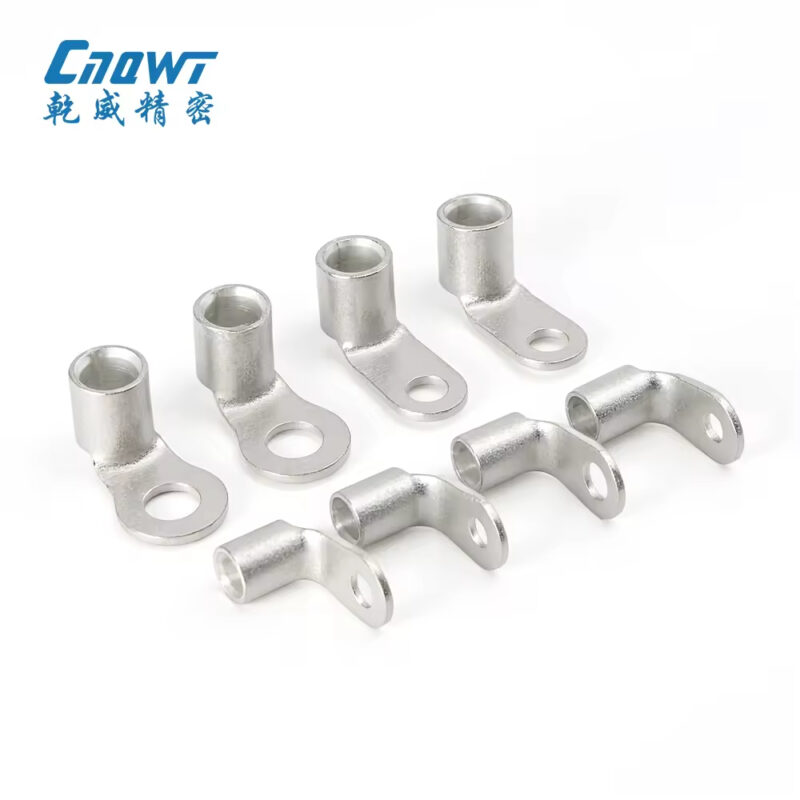
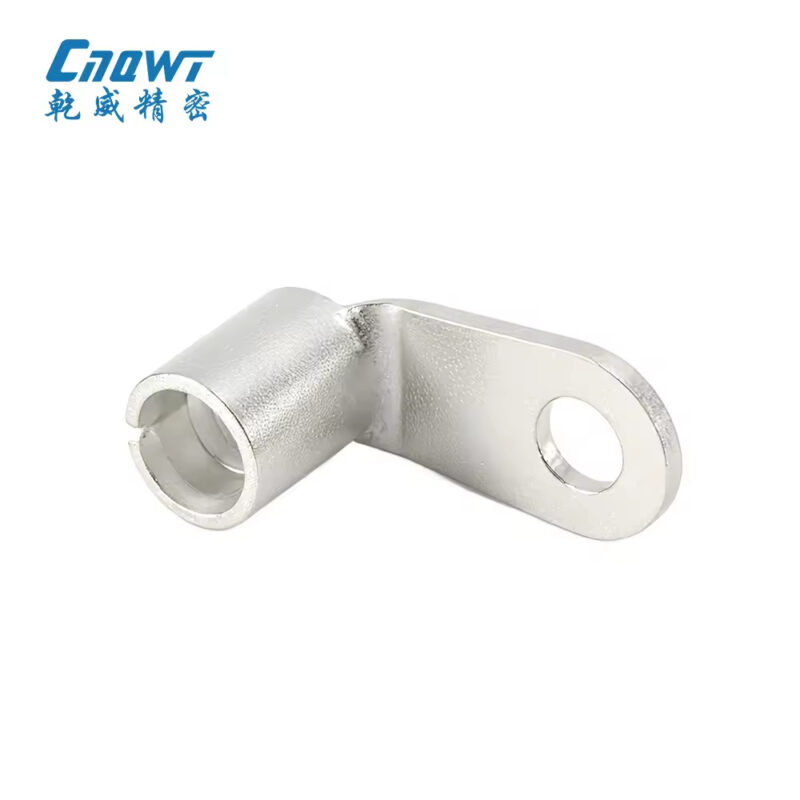
What Is Uninsulated Terminals
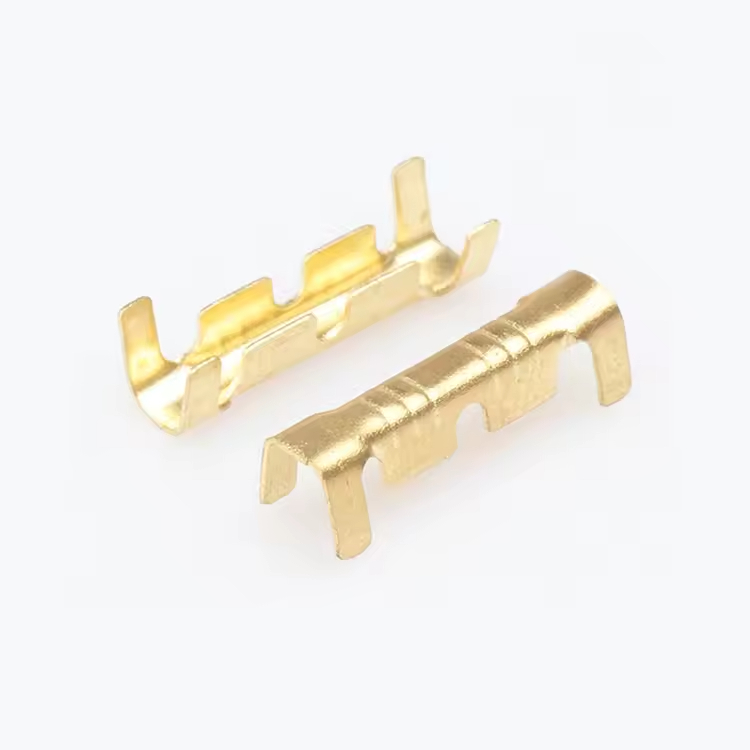
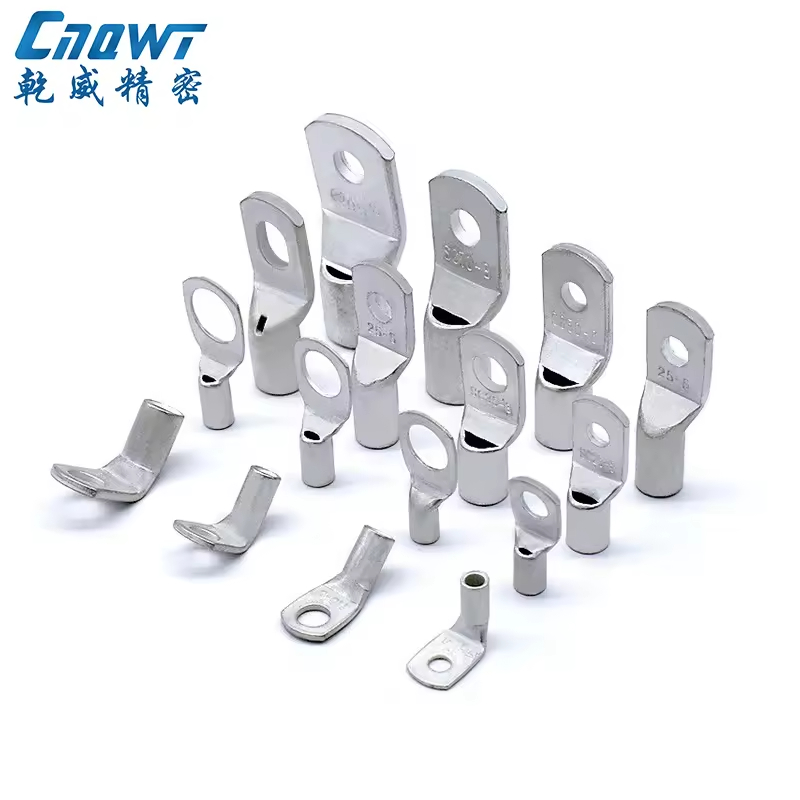
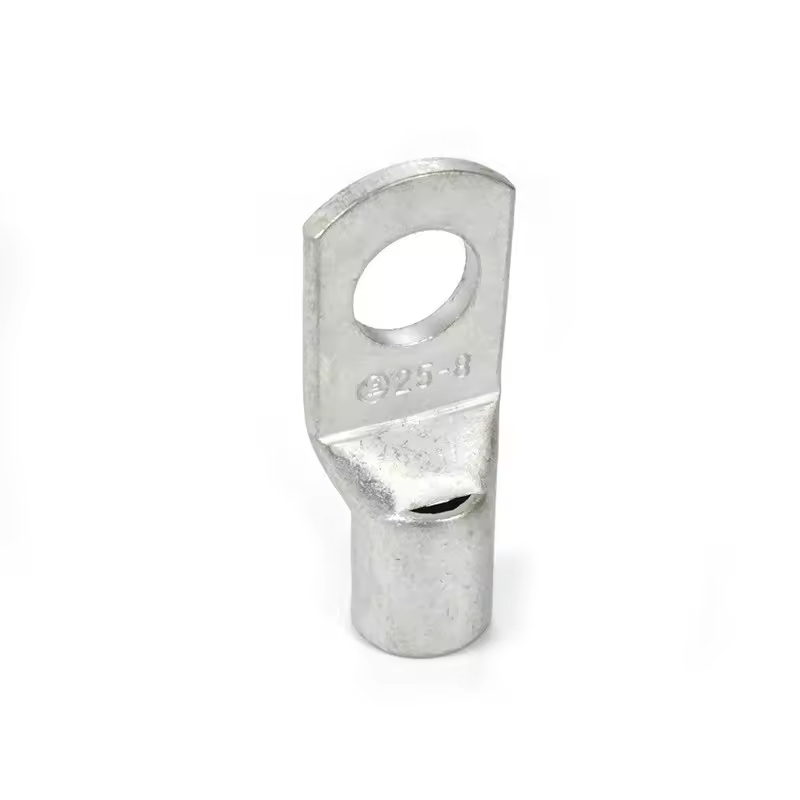
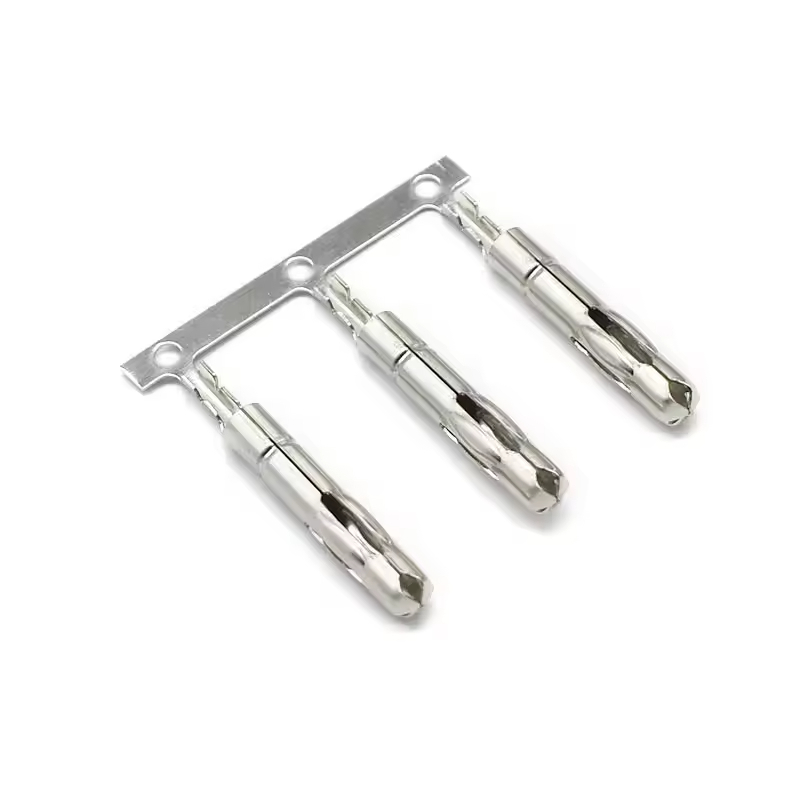
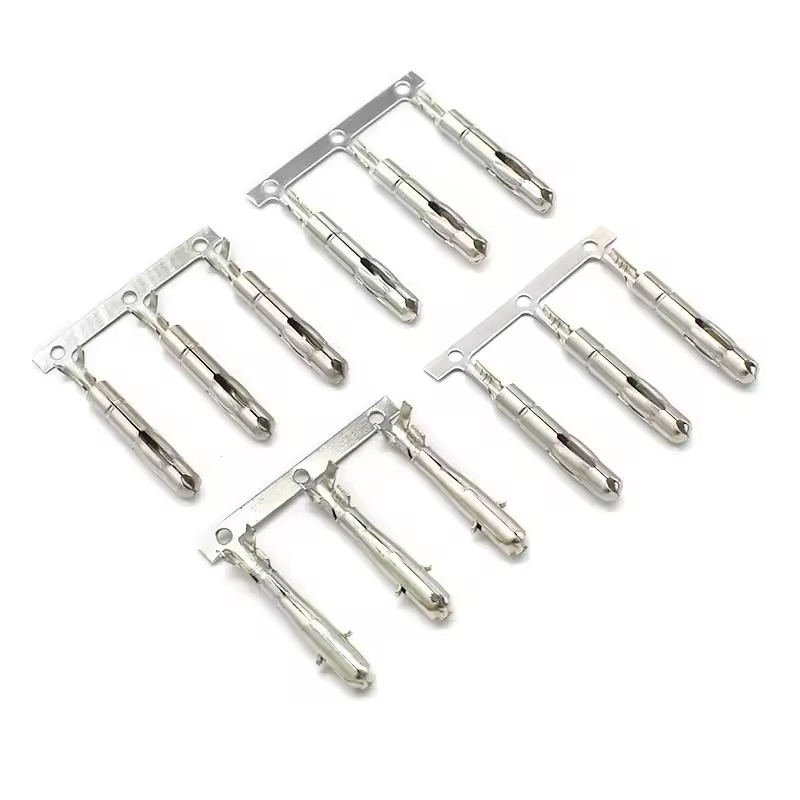
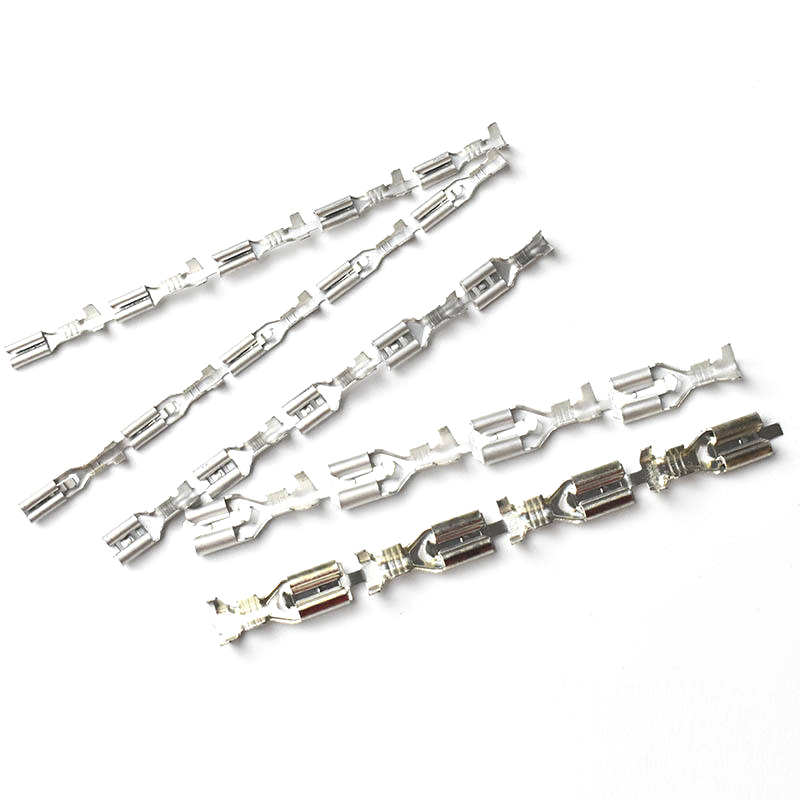
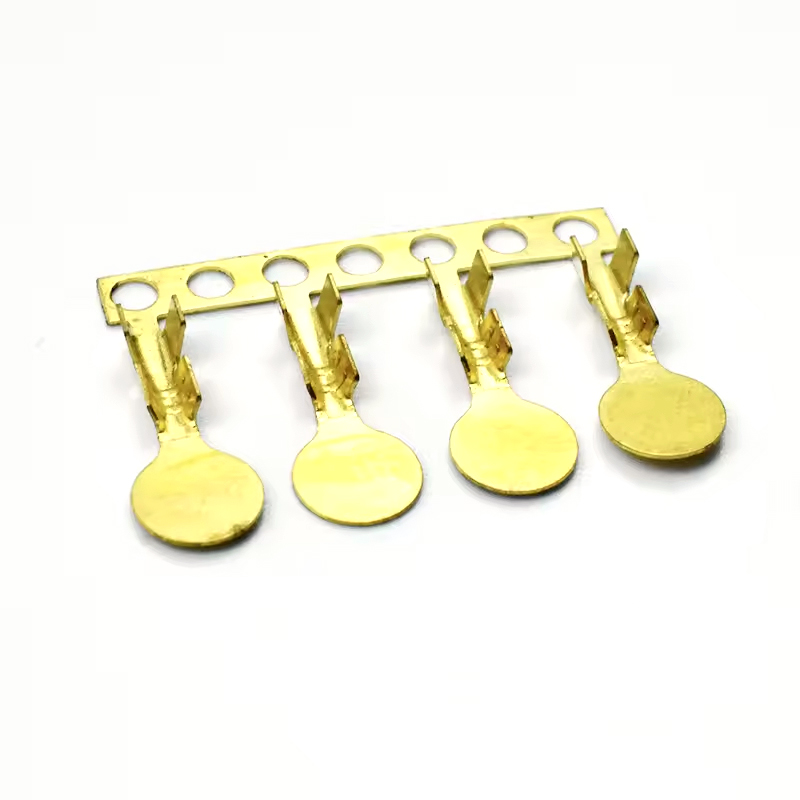
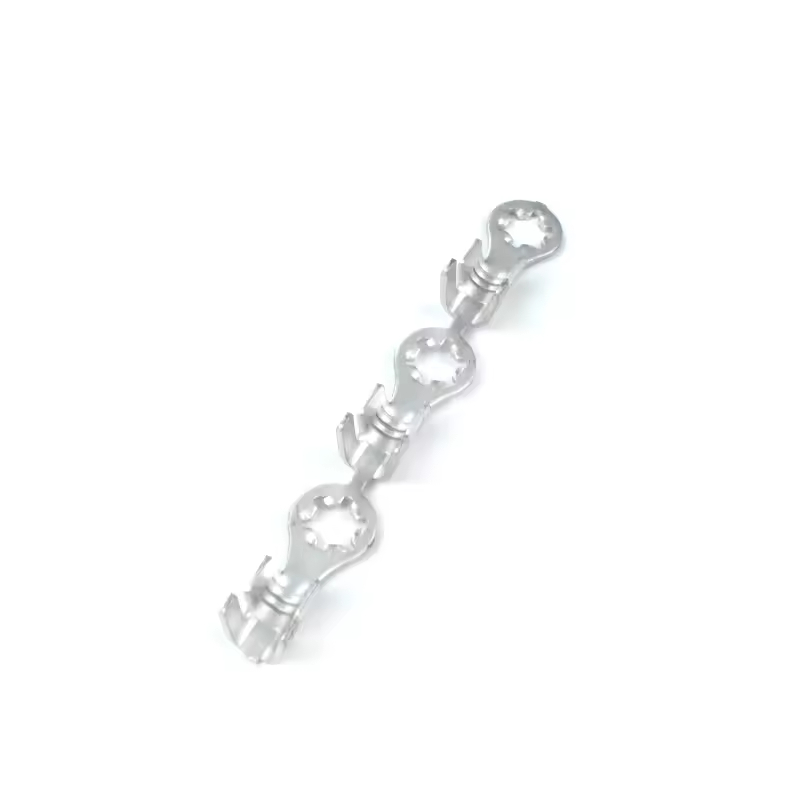
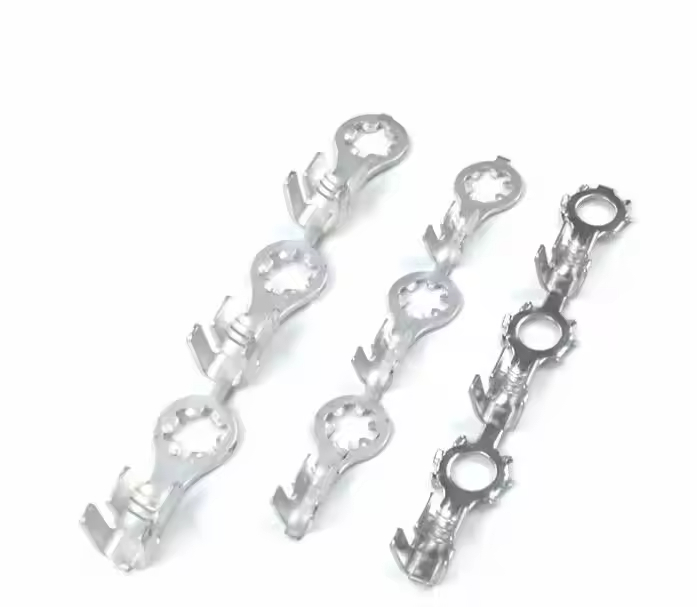
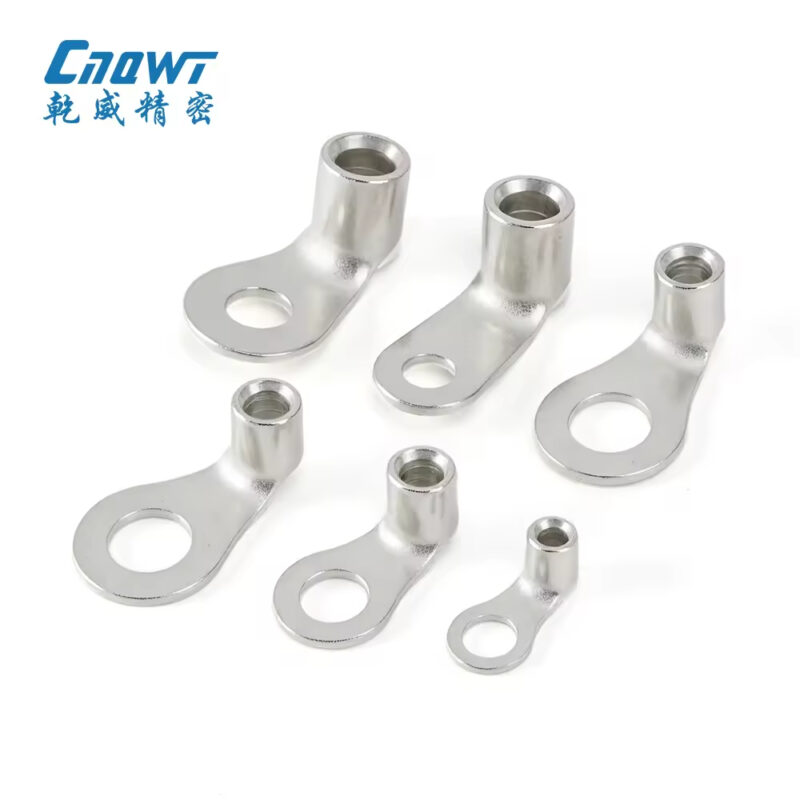
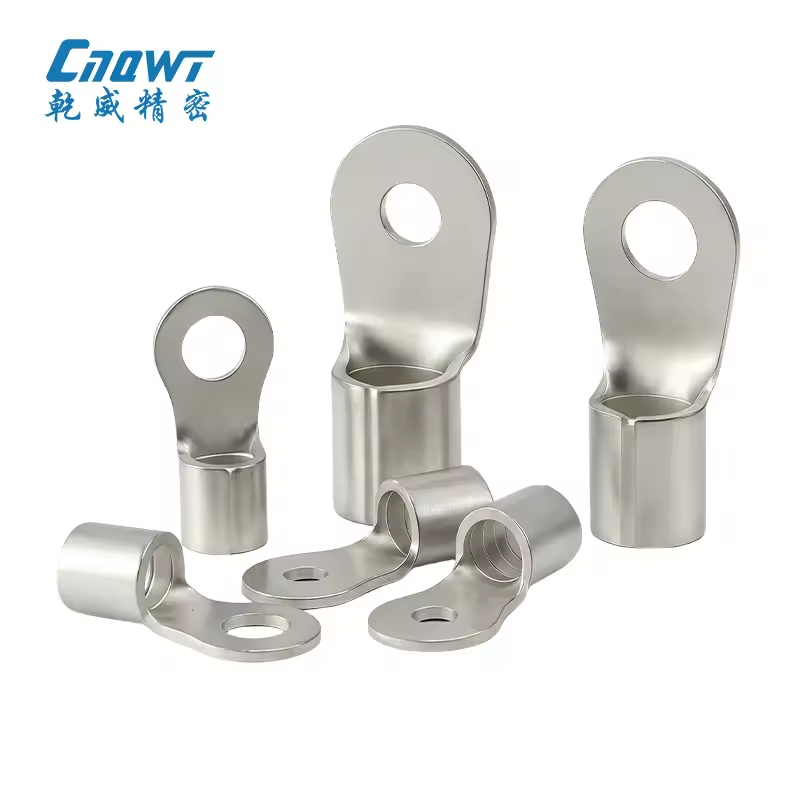
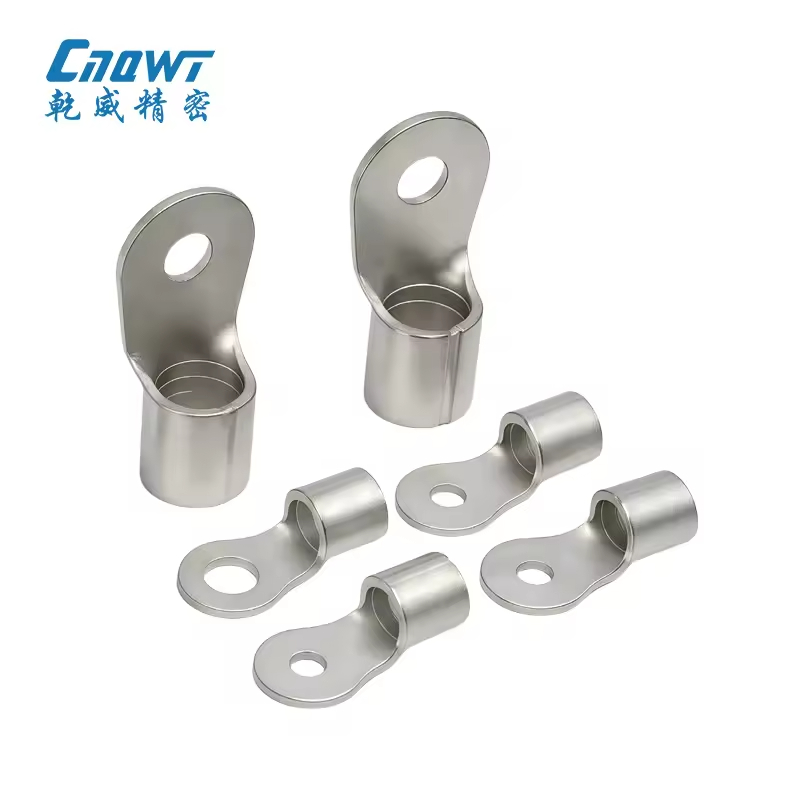
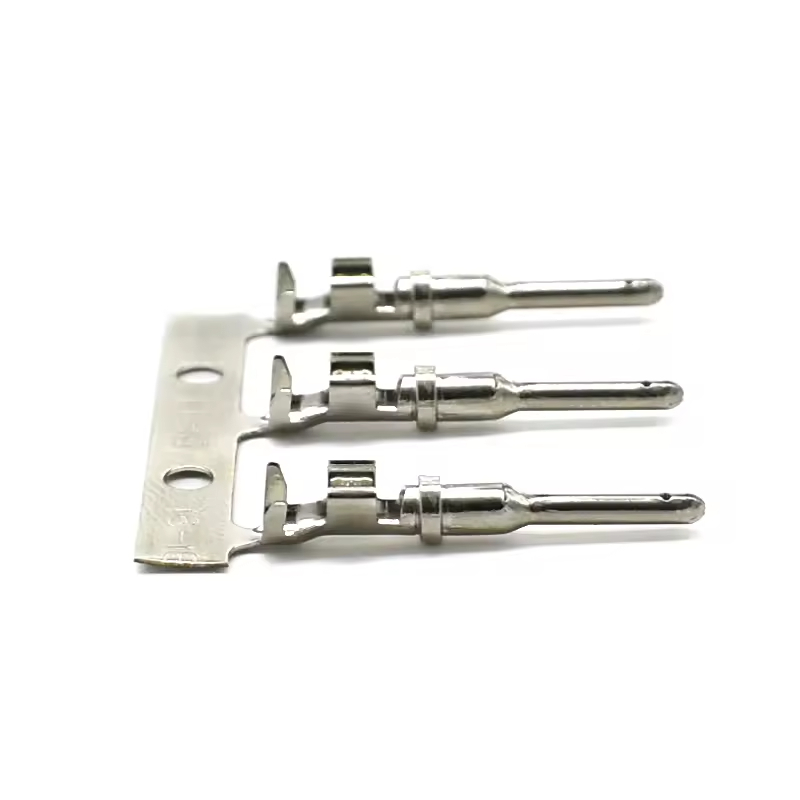
Uninsulated terminals—also known as bare terminals—are essential electrical connectors designed without an insulating sleeve, offering maximum conductivity, compact size, and superior crimping reliability. They are widely used in applications where secondary insulation such as 熱収縮チューブ, overmolding, or taping is required.
プロフェッショナルとして uninsulated terminal manufacturer, Qianwei Precision supplies high-quality terminals engineered for 自動車, 工業用, 力, and OEM electrical systems, supporting both standard models and fully customized solutions.
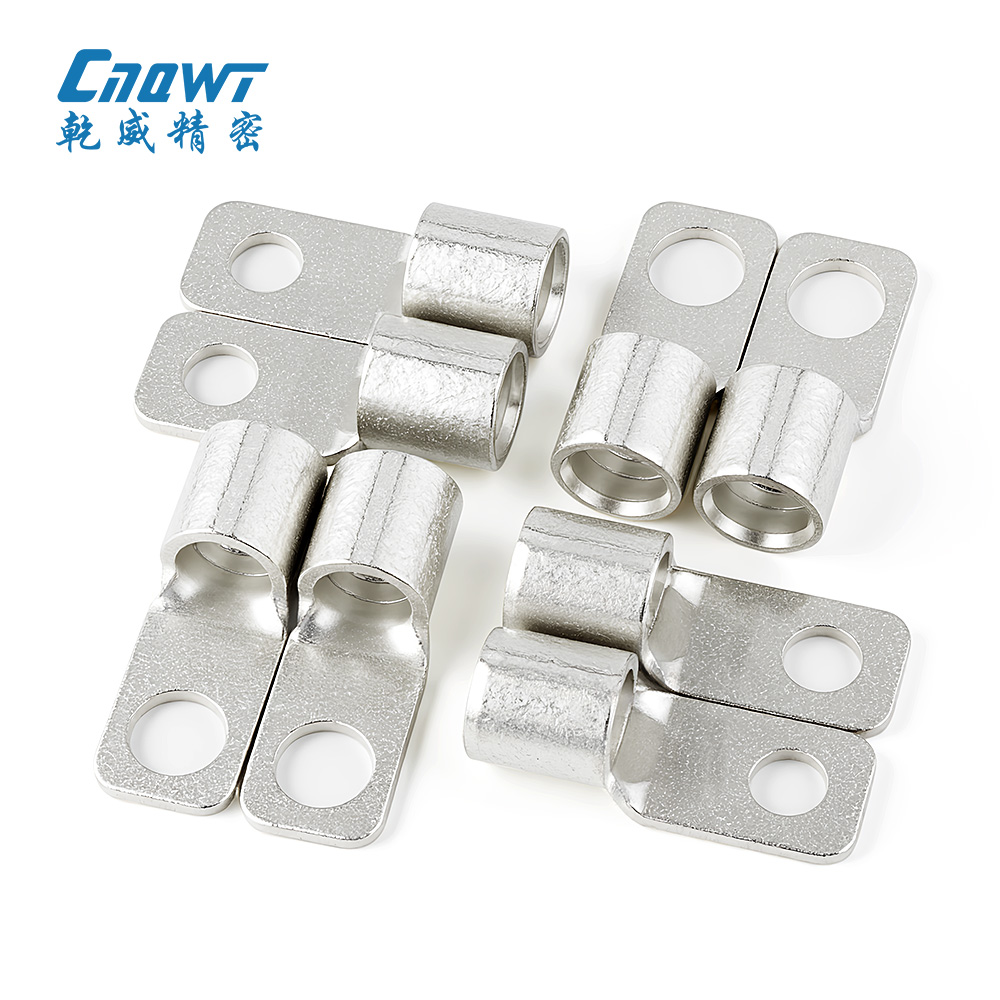
Key Advantages of Uninsulated Terminals
-
優れた導電性
Direct metal-to-metal contact minimizes resistance and ensures stable current transmission. -
コンパクト & Space-Saving Design
Ideal for high-density wiring and confined installation environments. -
Reliable Crimp Performance
Precision-stamped structure ensures consistent crimp quality and strong mechanical retention. -
Automation-Friendly
Designed for manual, 半自動, and fully automatic terminal crimping machines. -
Flexible Secondary Insulation
Compatible with heat shrink tubing, PVC sleeves, 射出成形, and other insulation methods.
材料 & メッキオプション
To meet diverse electrical and environmental requirements, Qianwei uninsulated terminals are available in multiple material and plating combinations:
基材
-
銅 – Excellent conductivity for power transmission
-
真鍮 – Balanced strength and electrical performance
-
リン青銅 – Enhanced spring properties and durability
Surface Plating
-
Tin Plated – Cost-effective corrosion resistance
-
Nickel Plated – Superior durability and high-temperature performance
-
Silver Plated (オプション) – Low contact resistance for high-end applications
All materials comply with RoHS および REACH 要件.
Technical Specifications
-
ワイヤー範囲: AWG 22 – AWG 4 (customizable)
-
定格電流 & 電圧: According to terminal type and application
-
Operating Temperature: −40°C to +150°C (depending on material & メッキ)
-
Crimping Methods:
-
Hand tools
-
Semi-automatic crimping machines
-
Fully automatic terminal machines
-
-
コンプライアンス: RoHS / 到着 / UL (select models)
Custom specifications are available upon request.

代表的な用途
Uninsulated terminals are widely used across industries where performance and flexibility are critical:
-
自動車用ワイヤーハーネス
-
Industrial Control Panels
-
Power Distribution & Electrical Equipment
-
Home Appliances
-
Renewable Energy Systems (太陽, エネルギー貯蔵)
-
OEM / ODM Custom Projects
Customization Capabilities of Qianwei
Qianwei Precision specializes in non-standard and application-specific terminals, offering:
-
端子サイズ, thickness, 構造のカスタマイズ
-
Special materials or plating requirements
-
Progressive die design and in-house tooling
-
Prototyping, small-batch trials, そして大量生産
-
Long-term supply support for series projects
Our engineering team works closely with your drawings, サンプル, or application requirements to deliver cost-effective and production-ready solutions.
Qianweiを選ぶ理由
-
In-House Manufacturing
Stamping, ツーリング, and quality control under one roof. -
Stable Quality & Consistency
Strict process control ensures repeatable performance. -
Automation Expertise
Terminals optimized for high-speed crimping and assembly. -
B2B-Focused Service
Fast quotation, technical support, and export experience. -
Trusted by Global Customers
Serving automotive, 工業用, and electrical manufacturers worldwide.
よくある質問
What is the main advantage of uninsulated terminals?
Uninsulated terminals offer higher conductivity and a more compact design, making them ideal for applications requiring secondary insulation.
Can these terminals be used in automatic crimping machines?
はい. Our terminals are designed for compatibility with manual, 半自動, and fully automatic crimping equipment.
How do I choose the right material and plating?
Selection depends on current load, 環境, and application. Our engineers can recommend the optimal solution.
Do you support custom designs?
絶対に. We provide full customization from tooling development to mass production.