

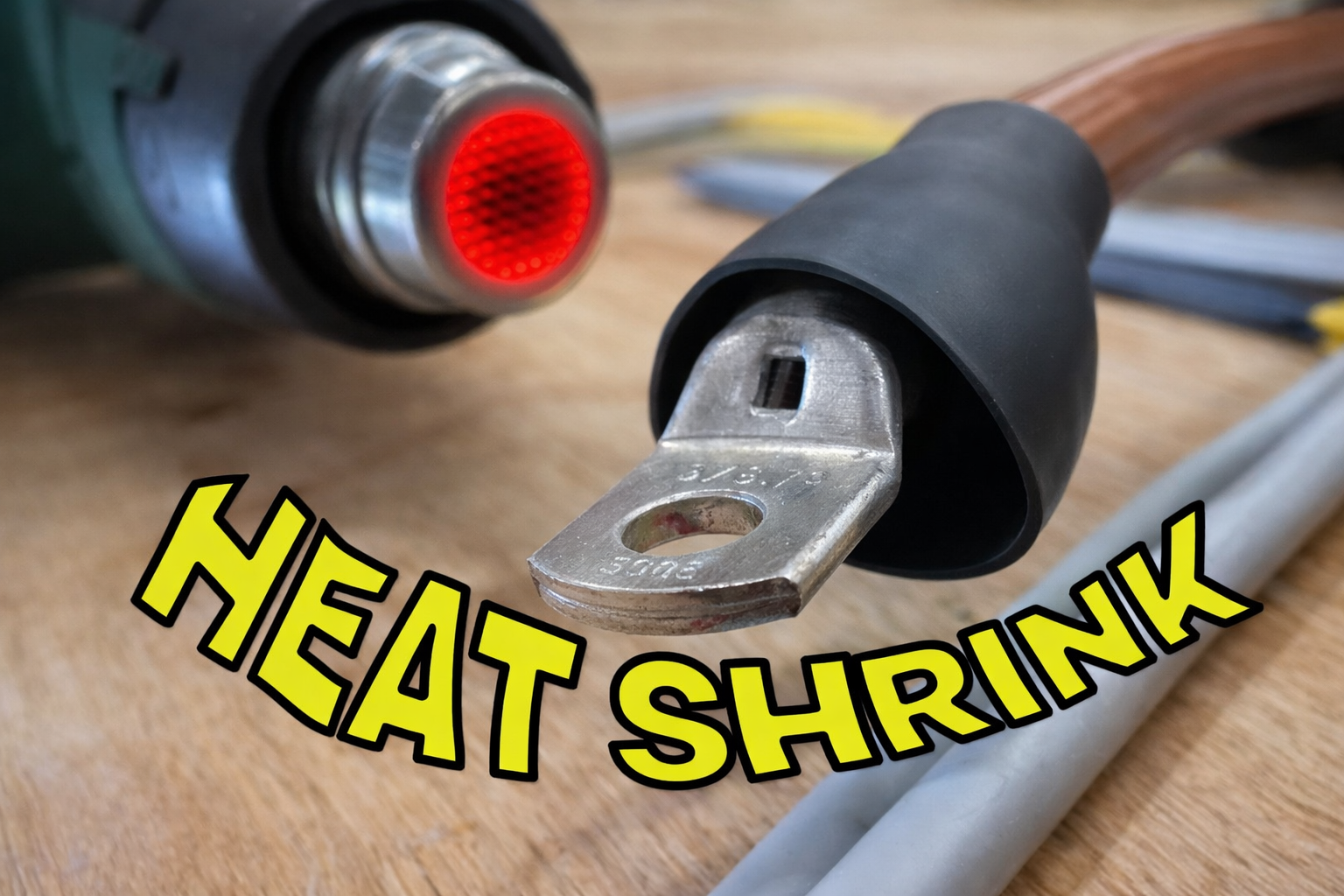
Heat shrink tubing is a critical component in electrical, elektronisch, and industrial systems. It is widely used to insulate, protect, seal, and organize wires, kabels, terminals, and connectors across industries such as automotive, ruimtevaart, industriële automatisering, consumentenelektronica, and wire harness manufacturing.
Compared to traditional insulation methods like electrical tape or plastic sleeves, heat shrink tubing provides superior mechanical strength, environmental resistance, en betrouwbaarheid op lange termijn. Its ability to tightly conform to the shape of components makes it an indispensable solution for both small-scale DIY projects and large-scale industrial applications.
This article provides a comprehensive overview of heat shrink tubing, including its definition, typen, working principle, voordelen, toepassingen, selection criteria, installation tools, and best practices.
What Is Heat Shrink Tubing?
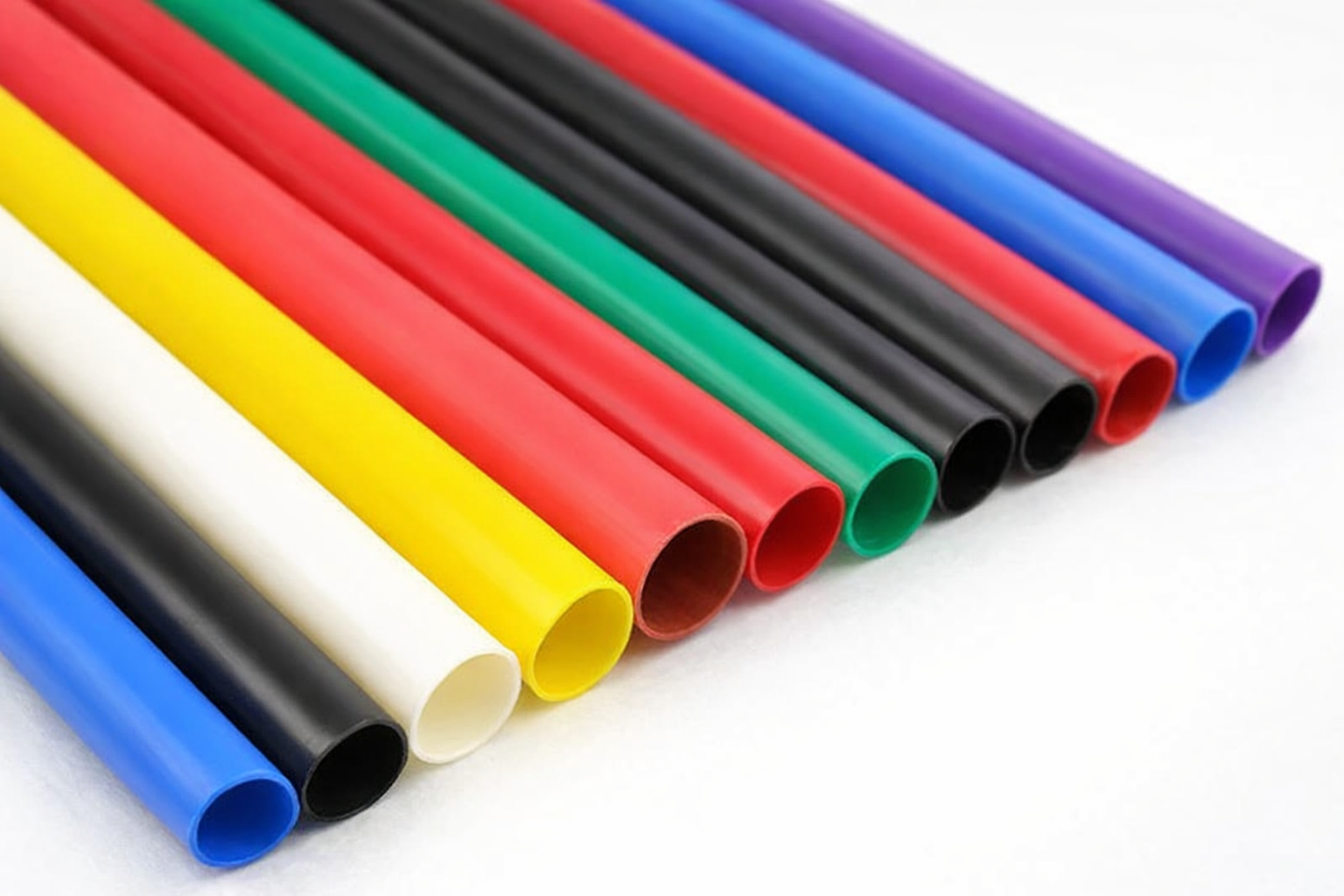
Heat shrink tubing is a specially engineered plastic tube that contracts in diameter when exposed to controlled heat. Once shrunk, it forms a tight, durable covering around wires, kabels, or components, offering electrical insulation and mechanical protection.
Heat shrink tubing is manufactured from polymer materials that are expanded during production. When reheated, the tubing returns to its original, smaller diameter. This unique property allows it to securely wrap irregular shapes, joints, and splices that are difficult to protect using conventional insulation methods.
Belangrijkste kenmerken
Electrical insulation
Mechanical reinforcement
Milieuafdichting
Flexibility and adaptability
Long service life
Unlike electrical tape, heat shrink tubing does not loosen over time, making it a more reliable and professional solution.
Types of Heat Shrink Tubing
Heat shrink tubing can be classified based on structure, materiaal, and shrink ratio to meet different performance requirements.
Classification by Structure
Single-Wall Heat Shrink Tubing
Single-wall tubing provides basic electrical insulation and light mechanical protection. It does not contain adhesive and is commonly used for:
Draad isolatie
Cable bundling
Color coding
General-purpose electrical protection
Dual-Wall (Adhesive-Lined) Krimpkous
Dual-wall tubing includes an inner adhesive layer that melts during heating and flows around the substrate. Eenmaal afgekoeld, it forms a strong, waterproof seal. This type is ideal for:
Moisture-prone environments
Automotive and marine applications
Outdoor installations
Cable splices and terminations
Classification by Material
Polyolefin Heat Shrink Tubing
Most widely used material
Flexible and durable
Excellent electrical insulation
Resistant to abrasion and mild chemicals
Suitable for general-purpose and industrial use
PVC Heat Shrink Tubing
Cost-effective
Good flame resistance
Lower heat resistance compared to polyolefin
Common in consumer electronics and low-temperature applications
Fluoropolymer Heat Shrink Tubing
High temperature resistance
Excellent chemical and solvent resistance
Low friction surface
Used in aerospace, medisch, and high-performance industrial environments
Classification by Shrink Ratio
The shrink ratio defines how much the tubing contracts when heated.
2:1 shrink ratio – Standard applications with uniform diameters
3:1 shrink ratio – Moderate irregularities and connectors
4:1 naar 6:1 shrink ratio – Large variations in diameter, complex shapes, or repairs
Higher shrink ratios provide greater flexibility in installation and accommodate a wider range of component sizes.
How Heat Shrink Tubing Works
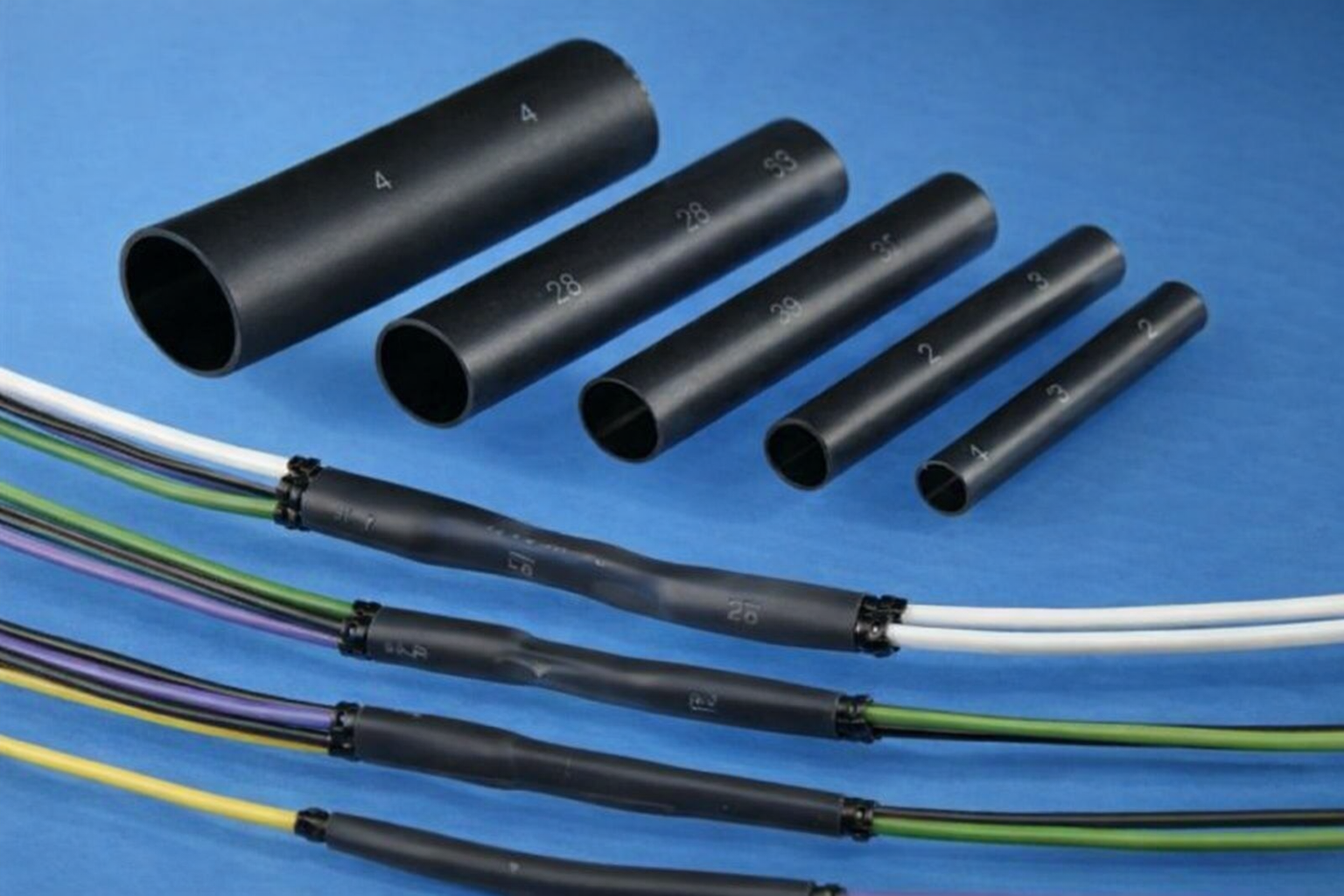
Heat shrink tubing works based on thermal recovery of polymer materials.
During manufacturing, the tubing is:
Extruded at its original diameter
Heated and mechanically expanded
Cooled in the expanded state
When heat is applied during installation, the polymer “remembers” its original shape and contracts uniformly.
Installation Process
Select tubing with a diameter larger than the component
Cut tubing to the required length
Slide tubing over the wire or joint
Apply heat evenly using a heat gun or hot air tool
Allow tubing to cool and fully set
This process results in a tight, duurzaam, and professional finish.
Benefits of Using Heat Shrink Tubing
Heat shrink tubing offers multiple advantages over alternative insulation methods.
Elektrische bescherming
Prevents short circuits
Insulates exposed conductors
Enhances system safety
Mechanische sterkte
Protects against abrasion and vibration
Provides strain relief at terminations
Reinforces weak or repaired cables
Milieubestendigheid
Shields components from moisture, stof, chemicaliën, en corrosie
Adhesive-lined tubing provides waterproof sealing
Durability and Longevity
Maintains performance over time
Resists cracking, peeling, or loosening
Gebruiksgemak
Simple installation process
Minimal tools required
Suitable for professionals and DIY users
Common Applications of Heat Shrink Tubing
Electrical and Electronic
Insulating wire splices and terminals
Protecting solder joints
Bundling cables in control panels
Automotive and Transportation
Wire harness protection
Under-hood insulation
Resistance to heat, trillingen, and fluids
Industrial and Marine Applications
Waterproof sealing in harsh environments
Bescherming tegen corrosie
Chemical-resistant insulation
Repair, Reinforcement, and Identification
Cable repair and reinforcement
Color coding and labeling
Identification of circuits and connections
How to Choose the Right Heat Shrink Tubing
Selecting the correct heat shrink tubing requires evaluating several technical factors.
Material Selection
Choose based on temperature resistance, flexibility, en chemische blootstelling.
Size and Diameter
The tubing’s expanded diameter must fit over the component, while the recovered diameter must shrink tightly.
Shrink Ratio
Higher ratios are preferred for irregular shapes or connector-heavy assemblies.
Temperatuurclassificatie
Ensure the tubing can withstand both installation heat and operating temperatures.
Wall Thickness
Thicker walls provide better mechanical and environmental protection.
Special Requirements
Adhesive lining for waterproofing
Flame-retardant properties
UV resistance for outdoor use
Tools and Equipment for Applying Heat Shrink Tubing
Common tools include:
Heat guns
Hot air hand tools
Industrial hot air blowers
Controlled ovens for mass production
Safety Considerations
Avoid open flames
Maintain proper distance
Use heat-resistant gloves when necessary
Best Practices and Installation Tips
Apply heat evenly to avoid bubbles or scorching
Start heating from the center and move outward
Do not overheat the tubing
Allow full cooling before handling
Inspect for complete sealing and adhesion
Proper installation ensures maximum performance and longevity.
Conclusie
Heat shrink tubing is an essential solution for insulation, protection, and organization in electrical and industrial systems. Its versatility, duurzaamheid, and ease of installation make it superior to many traditional insulation methods.
By understanding the types, materialen, shrink ratios, and application requirements, users can select the right heat shrink tubing to ensure reliable, veilig, and professional results across a wide range of applications.
Whether used in wire harness manufacturing, autosystemen, industriële apparatuur, or electronic assemblies, heat shrink tubing remains a fundamental component in modern engineering and fabrication. Neem contact met ons op voor meer informatie.
Veelgestelde vragen
1. What shrink ratio should I choose for my application?
The shrink ratio depends on the size variation of the components being covered. A 2:1 ratio is suitable for uniform wires and cables, terwijl 3:1 or higher ratios are recommended for connectors, splices, or irregular shapes. For complex assemblies or repairs, 4:1 naar 6:1 tubing offers greater flexibility and coverage.
2. Can heat shrink tubing be reused after shrinking?
Nee. Once heat shrink tubing has been heated and recovered to its original diameter, it cannot be expanded and reused. Attempting to remove and reuse it will compromise its mechanical strength and insulation properties.
3. What temperature is required to shrink heat shrink tubing?
The required shrink temperature depends on the material. Most polyolefin tubing begins shrinking at approximately 90–120°C and fully recovers around 120–135°C. Fluoropolymer tubing requires higher temperatures, while PVC typically shrinks at lower temperatures. Always consult the manufacturer’s datasheet.
4. Is adhesive-lined heat shrink tubing waterproof?
Ja. Dual-wall or adhesive-lined heat shrink tubing provides excellent waterproofing. When heated, the internal adhesive melts and fills gaps, creating a moisture-tight seal that protects against water ingress, corrosie, and environmental contamination.
5. Can heat shrink tubing be used outdoors?
Ja, provided the correct material is selected. For outdoor use, tubing with UV resistance, moisture protection, and appropriate temperature ratings should be chosen. Polyolefin and adhesive-lined tubing are commonly used for outdoor and automotive applications.
6. Does heat shrink tubing provide strain relief?
Ja. Heat shrink tubing can significantly improve strain relief at cable terminations, splices, and connectors. Thicker wall or adhesive-lined tubing offers better mechanical support, reducing stress from bending, trillingen, and pulling forces.
7. Is heat shrink tubing flame retardant?
Many heat shrink tubing products are flame retardant, particularly those made from polyolefin or PVC. Flame-retardant tubing is often rated to standards such as UL224. Echter, not all tubing is flame resistant, so certification should be verified before use.
8. Can heat shrink tubing be used with soldered connections?
Ja. Heat shrink tubing is commonly used to insulate and protect soldered joints. It provides electrical insulation and mechanical reinforcement, helping to prevent fatigue and failure at the solder connection.
9. How do I prevent uneven shrinking or bubbling during installation?
Uneven shrinking is usually caused by excessive or uneven heat application. To prevent this, apply heat gradually and evenly, starting from the center of the tubing and moving toward the ends. Avoid overheating and maintain proper distance between the heat source and the tubing.
10. What standards or certifications should I look for in heat shrink tubing?
Afhankelijk van de toepassing, look for tubing that complies with recognized standards such as UL, CSA, RoHS, and REACH. For automotive or aerospace use, additional industry-specific specifications may apply. Compliance ensures safety, prestatie, and regulatory acceptance.
