

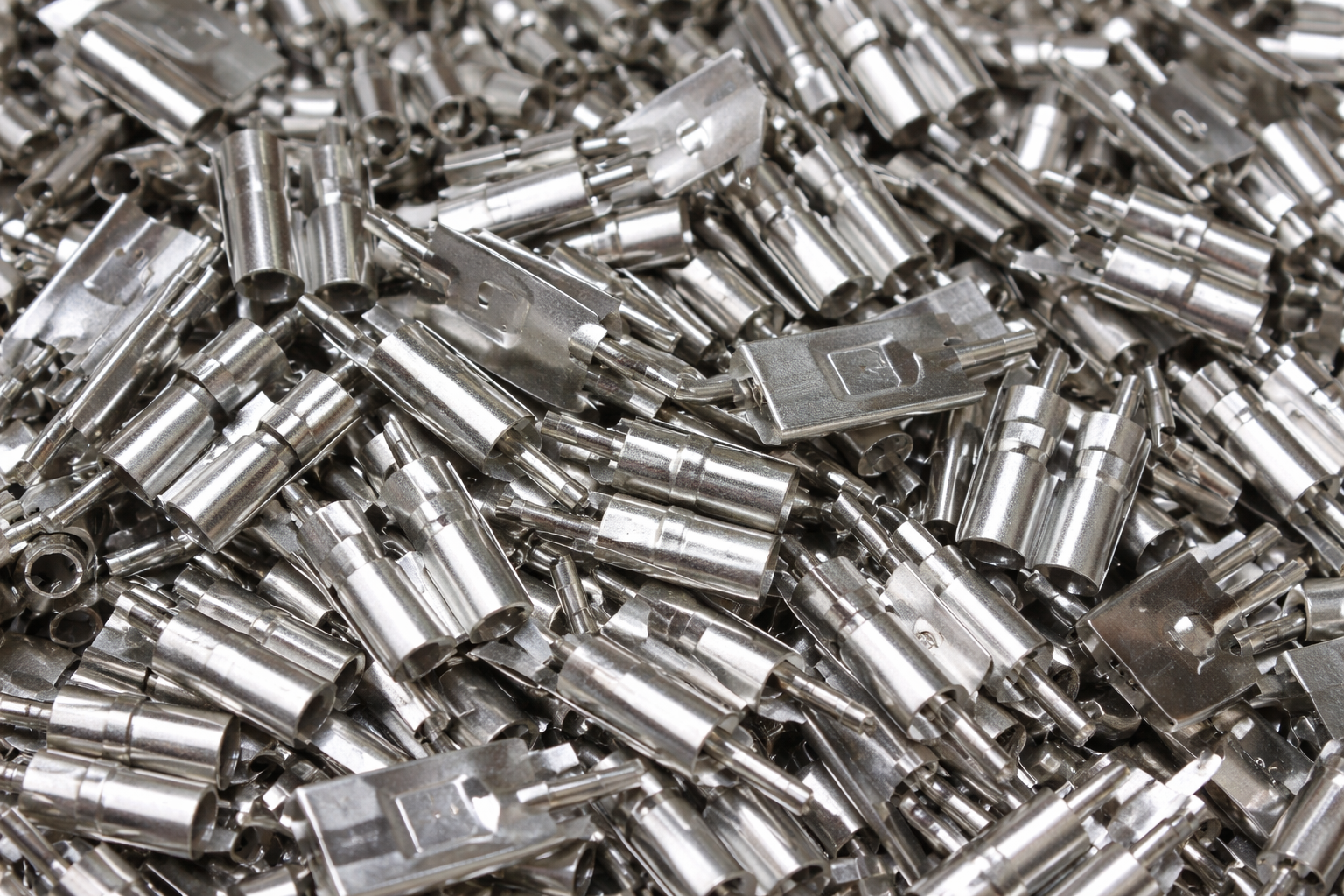
Silver plating is a widely used surface finish for elektrische aansluitingen, offering unmatched electrical conductivity, corrosiebestendigheid, en duurzaamheid. Whether in automotive connectors, aerospace electronics, or industrial equipment, silver-plated terminals provide reliable performance for high-demand applications.
In dit artikel, wij leggen het uit what silver plating is, how it’s applied, the key benefits, and its common applications. If you are sourcing high-quality terminals or evaluating plating options, deze gids helpt u weloverwogen beslissingen te nemen.
What is Silver Plating in Electrical Terminals?
Silver plating is the process of coating a base metal, typically copper or brass, with a thin layer of silver. This improves the terminal’s electrical and mechanical properties, making it suitable for demanding environments.
Key Points
Base Materials: Koper, messing, or nickel alloys.
Plating Thickness: Typically 1–10 µm, depending on application.
Soorten: Bright silver plating, matte silver plating, and nickel undercoat silver plating for added durability.
Silver plating ensures consistent conductivity, corrosiebestendigheid, and solderability, making it a preferred choice for many high-performance terminals.
Why Silver Plating is Used in Electrical Terminals
Silver plating is applied to electrical terminals for several critical advantages:
1. Enhanced Electrical Conductivity
Silver is the best conductive metal after copper. A silver-plated terminal reduces resistance, minimizes power loss, and improves signal integrity in high-frequency applications.
2. Corrosion and Oxidation Resistance
Silver plating prevents oxidation of the underlying metal, ensuring long-term performance in harsh environments. Unlike copper or tin alone, silver maintains a clean conductive surface over time.
3. Durability and Wear Resistance
Silver plating increases terminal hardness and resistance to abrasion, repeated insertion, and mechanical wear, ensuring long-lasting performance in connectors.
4. Compatibility with Soldering and Crimping
Silver-plated terminals are easy to solder and crimp, making assembly faster and more reliable in manufacturing.
Vergelijkingstabel: Common Terminal Plating Options
| Plating Type | Conductivity | Corrosiebestendigheid | Duurzaamheid | Kosten |
| Silver | Uitstekend | Hoog | Hoog | Medium–High |
| Tin | Goed | Medium | Medium | Laag |
| Nickel | Goed | Zeer hoog | Hoog | Medium |
| Goud | Uitstekend | Zeer hoog | Medium | Hoog |
Silver Plating Process Explained
Silver plating involves a series of precise steps to ensure high quality and consistent performance.
1. Surface Preparation
The base terminal is cleaned to remove oxides, grease, and impurities, ensuring optimal adhesion.
2. Nickel Undercoat (Optioneel)
Some terminals use a nickel undercoat to improve corrosion resistance and prevent diffusion between copper and silver.
3. Silver Electroplating
The terminal is submerged in a silver plating solution. Electrical current deposits silver ions onto the terminal surface evenly.
4. Inspection and Quality Control
Finished terminals undergo thickness measurement, visual inspection, and electrical testing to ensure compliance with standards.
Pro Tip: Using consistent thickness (1–5 µm for standard terminals, 10 µm for high-reliability applications) ensures optimal performance and cost efficiency.
Applications of Silver-Plated Terminals
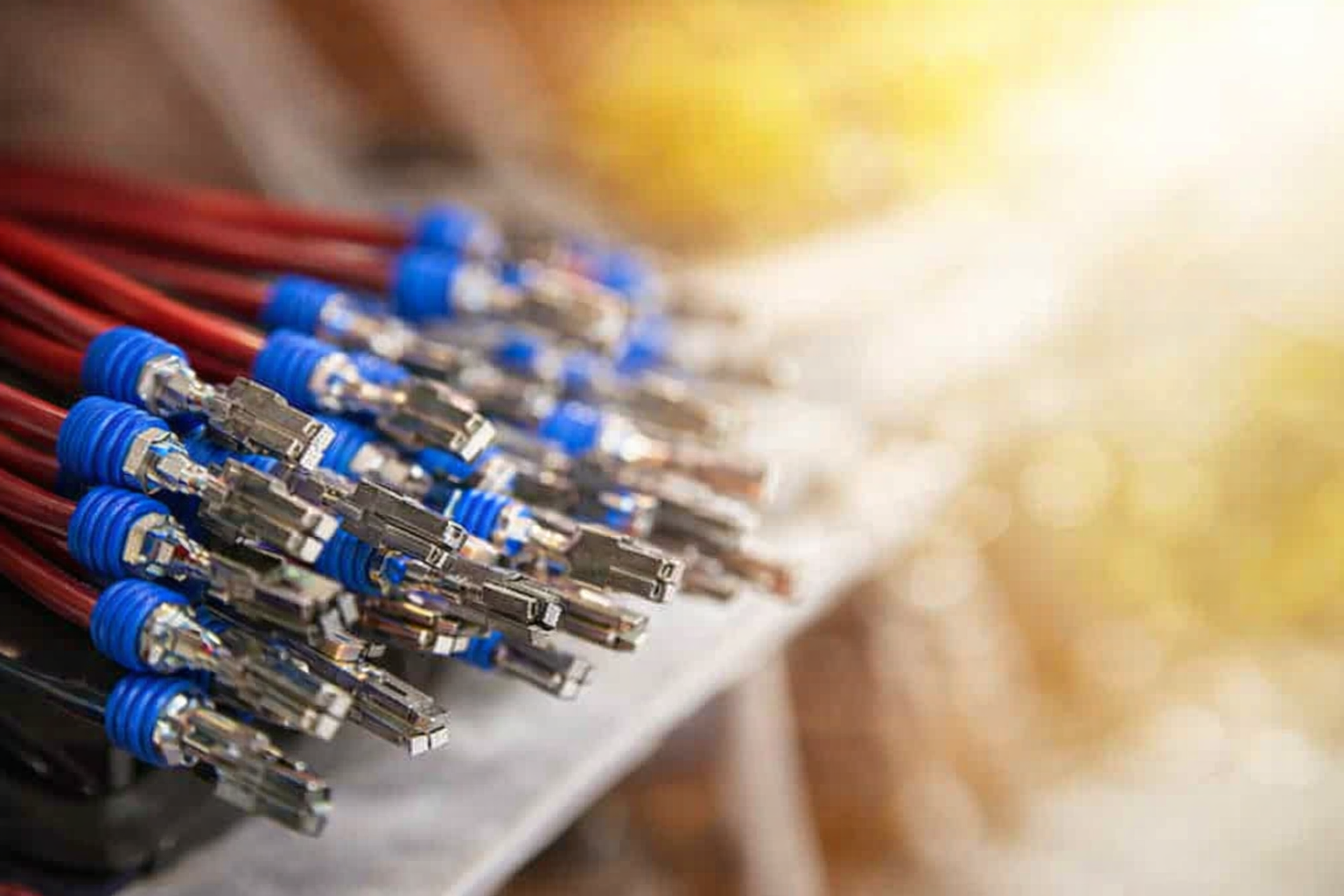
Silver-plated terminals are widely used in industries that demand reliable electrical performance:
1. Automobiel
Battery terminals, connectoren, and sensor pins
High corrosion resistance under temperature variations
2. Lucht- en ruimtevaart
Aircraft wiring harnesses, avionics terminals
Must maintain conductivity in extreme conditions
3. Industrial Electronics
Bedieningspanelen, machinery connectors, and automation devices
Long-term durability and reduced maintenance
4. High-Frequency Electronics
RF connectors, telecommunicatie, and signal transmission
Silver plating ensures minimal signal loss
How to Choose Silver-Plated Terminals
When sourcing or specifying terminals, consider the following:
Plating Thickness: Determines durability and electrical performance.
Base Material: Copper or brass with appropriate mechanical strength.
Standards Compliance: ISO, RoHS, or MIL-SPEC certifications.
Environmental Factors: Corrosie, temperatuur, and vibration conditions.
Tip: Work with a manufacturer that can provide custom thickness and high-precision plating to meet your project’s reliability requirements.
Conclusie
Silver plating enhances electrical terminals with superior conductivity, corrosiebestendigheid, en betrouwbaarheid op lange termijn. From automotive to aerospace and industrial electronics, it ensures your electrical connections remain efficient and durable.
If you are sourcing terminals for your project, choosing a high-quality silver-plated terminal supplier can make the difference between reliable performance and frequent failures.
Veelgestelde vragenS
1: What is the typical lifespan of silver-plated terminals?
With proper use and environment, silver-plated terminals can last 10+ jaar without significant corrosion or loss of conductivity.
2: Can silver-plated terminals withstand high temperatures?
Ja, silver plating tolerates temperatures up to 200–250°C, depending on the base material and undercoat.
3: How do silver-plated terminals compare to tin-plated ones?
Silver provides higher conductivity, better corrosion resistance, and longer lifespan, but tin is cheaper and suitable for low-demand applications.
Ready to source high-quality silver-plated terminals?
Upload your CAD drawing or sample today, and our engineering team will provide a fast, detailed quotation within 24 uur.
