

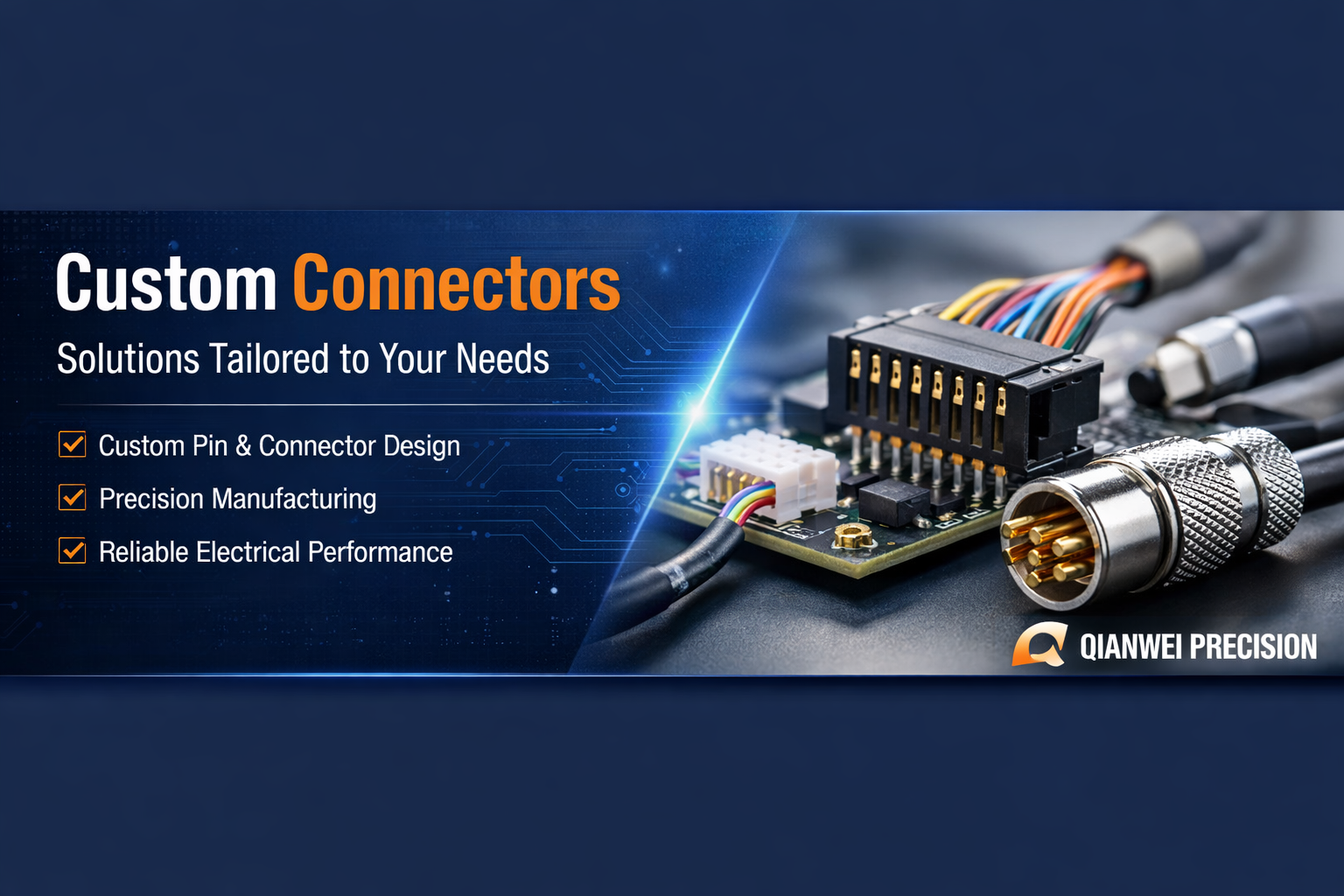
Connectors are essential components used in countless electronic and electrical systems. As modern devices become smaller and more complex, manufacturers often rely on modular designs to speed up development and simplify assembly.
This trend means products now use more printed circuit boards (PCBs) and more connectors than ever before. Dock, standard connectors don’t always meet the unique requirements of every application.
That’s where custom connectors come in. A custom connector allows engineers to design a solution that perfectly fits the mechanical layout, elektrisk prestanda, and environmental conditions of their product.
In this article, we’ll take a closer look at when custom connectors make sense and what factors go into designing one.
When Should You Choose a Custom Connector?
In many cases, standard connectors work perfectly well. But sometimes they simply can’t meet the specific requirements of a product.
Custom connectors can help companies:
-
Launch new products faster
-
Improve reliability and performance
-
Avoid long lead times for specialized parts
-
Scale production more efficiently
Here are some common situations where a custom connector may be the better option:
-
Standard connectors don’t meet mechanical or electrical requirements
-
The application requires extra protection from harsh environments
-
Creepage and clearance requirements cannot be met
-
The connector fails to meet testing or certification standards
-
The PCB layout requires a unique pin arrangement
-
Specialized connector components are difficult to source
Custom connector pins can also be used to modify existing designs or support completely new product developments.
Modifying an Existing Connector vs. Designing a New One
Some industries—such as aerospace, försvar, or medical equipment—have very strict qualification requirements. Because of this, companies may hesitate to introduce completely new connector designs.
A practical solution is to modify an existing qualified connector design.
By using components already listed in a Qualified Products List (QPL) as a starting point, engineers can maintain reliability while adapting the connector to their needs.
Compared with designing a connector from scratch, modifications can offer several advantages:
-
Lower development cost
-
Faster prototyping
-
Reduced testing requirements
-
Easier certification approval
In many cases, a small modification to a proven design can solve a complex engineering challenge.
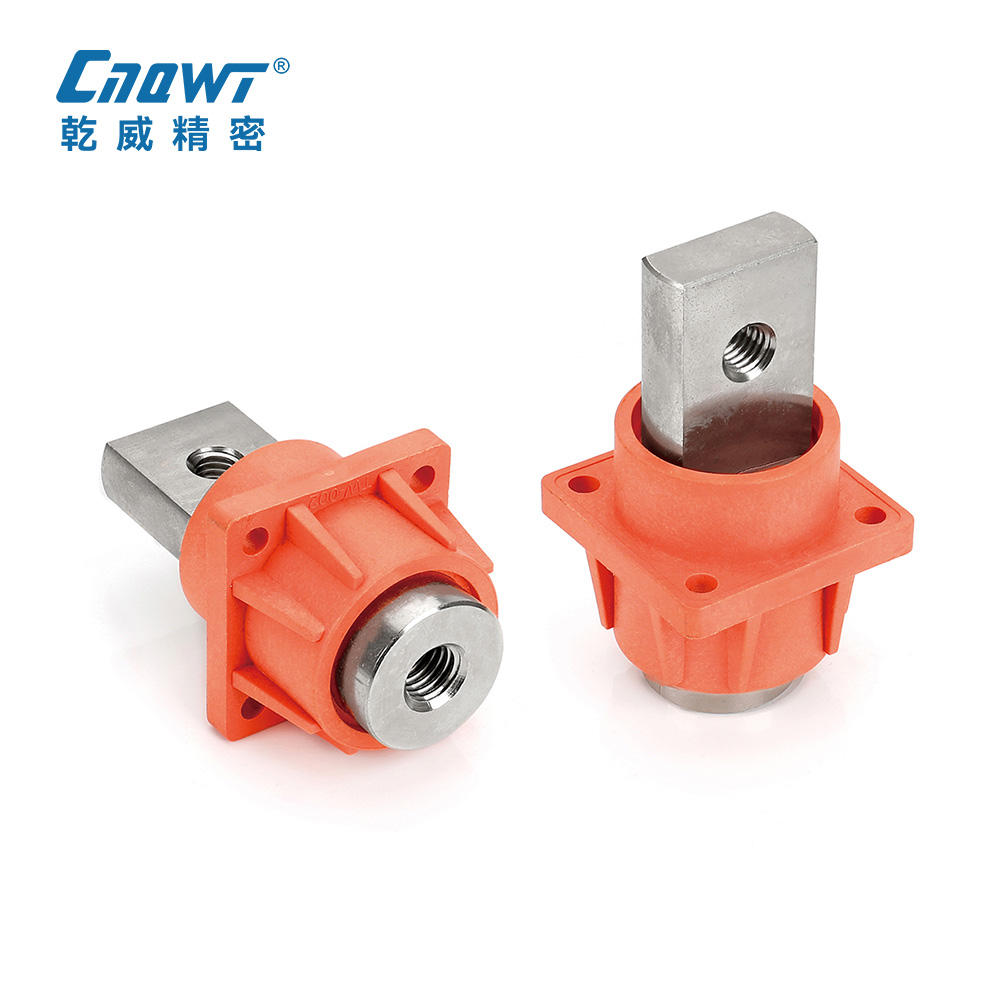
Start With the Application
The first step in designing a custom connector is understanding the application.
Different products require different connector configurations depending on their electrical and mechanical needs.
For example:
-
A GPS or communication system may require a multi-pin connector to support several signals.
-
A simple electrical device might only need a basic wire-to-wire crimp connector.
Knowing the application helps determine important factors such as:
-
Connector type
-
Antal kontakter
-
Pin arrangement
-
Electrical capacity
-
Mechanical durability
How Often Will the Connector Be Plugged and Unplugged?
Another key question is how often the connector will be mated and unmated during the product’s life.
Connectors generally fall into four categories:
Permanent Connectors
These connectors are designed to stay connected for the entire life of the product and are rarely disconnected.
Semi-Permanent Connectors
Semi-permanent connectors can be disconnected when necessary, such as during maintenance or component replacement.
Active Connectors
Active connectors are designed for frequent use. They must withstand repeated plugging and unplugging without losing performance.
Disposable Connectors
Disposable connectors are typically used in medical or diagnostic equipment where single-use components are required for hygiene reasons.
Environmental Conditions Matter
The operating environment plays a major role in connector design.
Engineers need to consider factors such as:
-
Operating temperature
-
Exposure to water, olja, or chemicals
-
Damm och skräp
-
Mechanical vibration
-
Electromagnetic interference (EMI)
For example, connectors located near sensitive electronics may require EMI-skärmning to prevent signal interference.
In high-vibration environments like automotive or industrial equipment, connectors may need additional retention features such as:
-
Threaded inserts
-
Mechanical bosses
-
Serrated pins
These features help ensure the connector stays securely in place.
Choosing the Right Materials
Material selection is another critical part of custom connector design. The materials used affect conductivity, varaktighet, weight, and cost.
Common Base Metals
Typical connector base materials include:
-
Steel
-
Koppar
-
Mässing
-
Aluminium
-
Rostfritt stål
Each material has its own advantages.
For example:
-
Rostfritt stål is ideal for medical environments where frequent sterilization is required.
-
Aluminum alloys are lightweight and resistant to harsh environments.
-
Mässing provides good electrical conductivity and excellent wear resistance.
Contact Plating Options
Connector contacts are usually plated to improve electrical performance and prevent corrosion.
Common plating options include:
-
Tenn
-
Gold
-
Nickel
-
Palladium nickel
Gold plating provides excellent conductivity and corrosion resistance, while nickel performs well in high-temperature environments. Palladium-nickel plating offers strong durability and reliable electrical performance.
Electrical Requirements
Electrical performance requirements determine several important design elements.
Engineers must consider:
-
Voltage levels
-
Nuvarande kapacitet
-
Antal kontakter
-
Contact spacing
-
Wire size
-
Insulation materials
For high-voltage applications, connectors may require larger spacing between pins and stronger insulation materials.
High-current systems may also require:
-
Larger contacts
-
Multiple pins for power or ground
-
Additional cooling space to manage heat
Space and Layout Constraints
Many modern electronic products are designed with extremely limited space.
This means connectors must often be smaller, lighter, and more efficient without sacrificing performance.
Designers may use solutions such as:
-
Miniature connectors
-
Stacked connectors
-
Ganged connectors
Combining multiple functions into one connector interface can also help reduce overall system size.
Connector Termination Types
The termination method determines how the connector attaches to wires or PCBs.
Common termination options include:
-
Through-hole connectors
-
Surface mount connectors
-
Pin-in-paste or through-hole reflow
-
Press-fit connections
The choice of termination affects mekanisk styrka, sealing performance, och tillverkningseffektivitet.
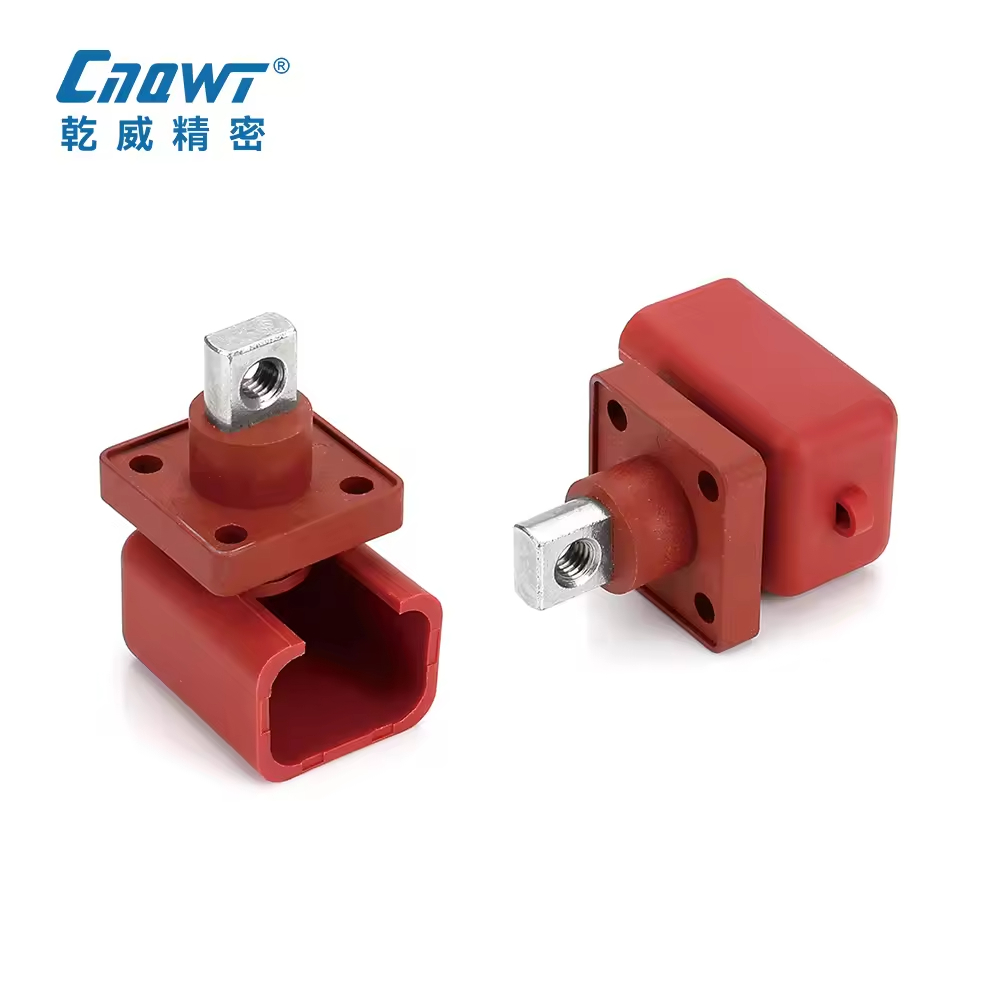
Why Work with Qianwei Precision for Custom Connectors
Designing a custom connector requires careful consideration of many factors—from electrical performance and materials to environmental durability and production efficiency.
This is where working with an experienced manufacturer makes a difference.
Qianwei Precision specializes in high-quality electrical terminals, kontakter, and custom connector pins used in industries such as automotive, electronics, energy systems, och industriell utrustning.
With advanced manufacturing capabilities and a strong engineering team, Qianwei Precision can help customers:
-
Develop custom connector solutions tailored to their products
-
Produce precision connector pins and terminals
-
Stöd rapid prototyping and scalable production
-
Deliver consistent quality with reliable lead times
Whether you are developing a new product or improving an existing design, Qianwei Precision is committed to providing connector solutions that meet your exact requirements.
If you are looking for a reliable partner for custom connectors, terminaler, or wire harness components, feel free to contact Qianwei Precision to discuss your project or request a quote.
Vanliga frågor
1. What is a custom connector?
A custom connector is an electrical connector designed to meet specific mechanical, elektrisk, or environmental requirements that standard connectors cannot satisfy. Custom connectors are commonly used in specialized applications such as automotive systems, industriell utrustning, medicinsk utrustning, and high-performance electronics.
2. When should a custom connector be used instead of a standard connector?
A custom connector should be considered when standard connectors cannot meet requirements related to size, electrical capacity, environmental protection, pin configuration, or mechanical strength. Custom solutions are also useful when unique PCB layouts or specialized performance requirements are involved.
3. What industries commonly use custom connectors?
Custom connectors are widely used in many industries, inklusive:
-
Automotive and electric vehicles
-
Industrial automation and machinery
-
Medicinsk utrustning
-
Flyg och försvar
-
Förnybara energisystem
-
Telecommunications and data centers
These industries often require connectors that meet strict reliability and environmental standards.
4. What factors should be considered when designing a custom connector?
Several factors influence custom connector design, including electrical requirements, mechanical constraints, operating environment, parningscykler, material, and space limitations. Engineers must also consider voltage levels, current capacity, contact spacing, and insulation materials.
5. What materials are commonly used for connector contacts?
Connector contacts are typically made from conductive metals such as copper alloys or brass. These materials are often plated with tin, gold, nickel, or palladium nickel to improve conductivity, korrosionsbeständighet, and durability.
6. How does connector plating affect performance?
Connector plating improves electrical conductivity, korrosionsbeständighet, and wear resistance. For example, gold plating provides excellent signal reliability, while nickel plating performs well in high-temperature environments. The choice of plating depends on the application and operating conditions.
7. What are the different types of connector mating cycles?
Connector mating cycles refer to how often a connector is plugged and unplugged. Connectors are generally categorized as permanent, semi-permanent, active, or disposable. Active connectors are designed for frequent mating cycles, while permanent connectors remain connected for the life of the product.
8. How do environmental conditions affect connector design?
Environmental conditions such as temperature, vibration, fukt, kemikalier, and electromagnetic interference can significantly affect connector performance. In harsh environments, connectors may require additional sealing, shielding, or stronger materials to ensure reliable operation.
9. What are common PCB connector termination methods?
Common PCB connector termination methods include through-hole mounting, surface mount technology (SMT), pin-in-paste, and press-fit connections. Each method has its own advantages depending on the manufacturing process, mekanisk styrka, and reliability requirements.
10. How do I choose the right custom connector manufacturer?
When selecting a custom connector manufacturer, consider their engineering expertise, manufacturing capabilities, quality control processes, and ability to provide rapid prototyping and scalable production. An experienced manufacturer can help optimize connector design and ensure long-term reliability.
