

Introduction
RCA connectors, also known as RCA phono connectors eller cinch connectors, are widely used in consumer electronics for transmitting audio, video, and digital signals. First introduced in the 1930s by the Radio Corporation of America, RCA connectors were originally designed to connect phonographs to radio receivers. I dag, they remain popular due to their low cost, easy installation, and compatibility with analog and digital systems.
Although they are gradually being replaced by modern interfaces such as HDMI and USB, RCA connectors are still widely used in home audio systems, professional audio equipment, and legacy electronics. In this article, we will explore how RCA connectors work, their structure, common types, technical specifications, advantages, and best practices for installation.
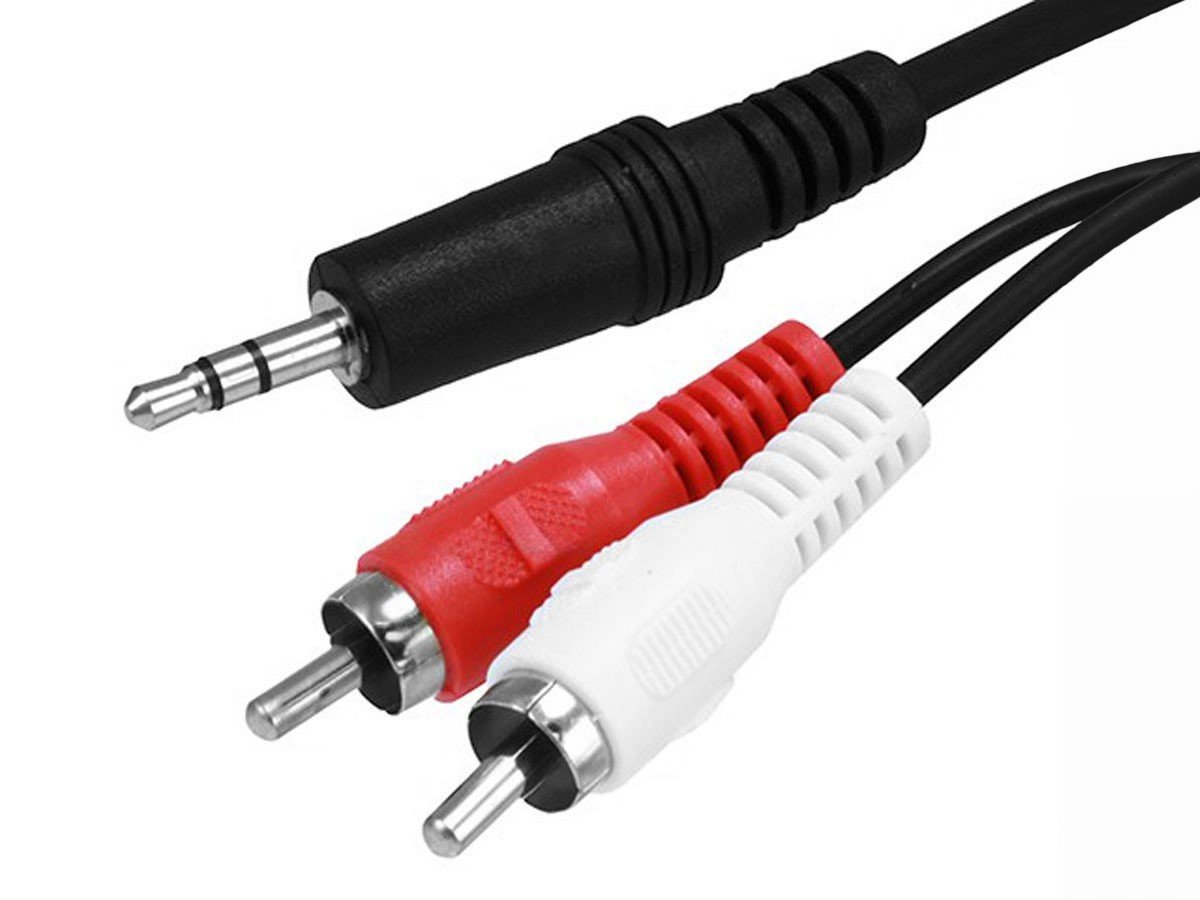
How Does an RCA Connector Work?
RCA connectors consist of a male plug and a female jack. The plug’s center pin carries the signal, while the outer ring provides grounding. Connection is made simply by inserting the plug into the jack.
Signal pin: Carries audio/video signal
Ground shell: Prevents interference
Simple push-in connection
Design Structure of an RCA Connector
| Komponent | Function |
|---|---|
| Center pin (3.175 mm) | Transmits signal |
| Outer shell (8.25 mm) | Grounding and shielding |
| Insulation layer | Prevents short circuit |
| Cable connection point | Crimped or soldered |
Note: RCA connectors are single-ended and unbalanced. They are recommended for short-distance transmission only due to possible electromagnetic interference (EMI).

Common Color Coding of RCA Connectors
| Signal Type | Färg |
|---|---|
| Right audio channel | Röd |
| Left audio channel | White or Black |
| Composite video | Gul |
| Digital audio (S/PDIF) | Orange |
| Component video (Y/Pb/Pr) | Green / Blå / Röd |
Main Applications of RCA Connectors
RCA connectors are commonly used in:
-
Home audio systems (amplifiers, speakers, mixers)
-
Video devices (TVs, DVD players, camcorders)
-
Digital audio systems (S/PDIF)
-
Automotive infotainment systems
-
Legacy communication equipment
-
Low-voltage DC power applications
Technical Parameters of RCA Connectors
| Parameter | Specification |
|---|---|
| Center pin diameter | 3.175 mm (1/8″) |
| Outer diameter | 8.25 mm (1/3″) |
| Impedans | 75 Åh (for S/PDIF/video) |
| Transmission range | < 5 meters recommended |
| Standard compliance | IEC60958-3 (S/PDIF) |
| Connection type | Unbalanced |
| Installation method | Crimping or soldering |
Advantages of RCA Connectors
-
Low-cost production
-
Easy to install
-
High availability
-
Wide compatibility with legacy devices
-
Supports analog and digital audio
Limitations and Common Issues
| Issue | Cause | Recommendation |
|---|---|---|
| EMI interference | Unbalanced signal | Use shielded cable |
| Buzzing sound | Grounding delay | Connect with power off |
| Signal quality loss | Long-distance transmission | Limit cable length |
| Loose connection | Plug wear | Replace worn connectors |
Best Practices for RCA Connector Installation
-
Turn off equipment before connecting cables
-
Use shielded cables for video and digital signals
-
Avoid excessive bending or pulling on connectors
-
Ensure solid ground connection
-
Clean connectors periodically to improve signal quality
Alternative Interfaces to Consider
As technology evolves, RCA connectors are gradually being replaced by digital interfaces. Common alternatives include:
| Interface | Fördelar |
|---|---|
| HDMI | High-definition audio + video |
| USB | Universal compatibility |
| Optical (TOSLINK) | No interference |
| XLR | Balanced professional audio |
Dock, for cost-sensitive or legacy applications, RCA remains a practical solution.
Slutsats
De RCA connector continues to be a reliable and cost-effective solution for short-range audio and video transmission. Despite its limitations, its simple structure, wide compatibility, and historical significance make it a commonly used connector in consumer and professional electronics.
For optimal performance, users should follow best installation practices, use proper shielding, and ensure correct grounding.
