

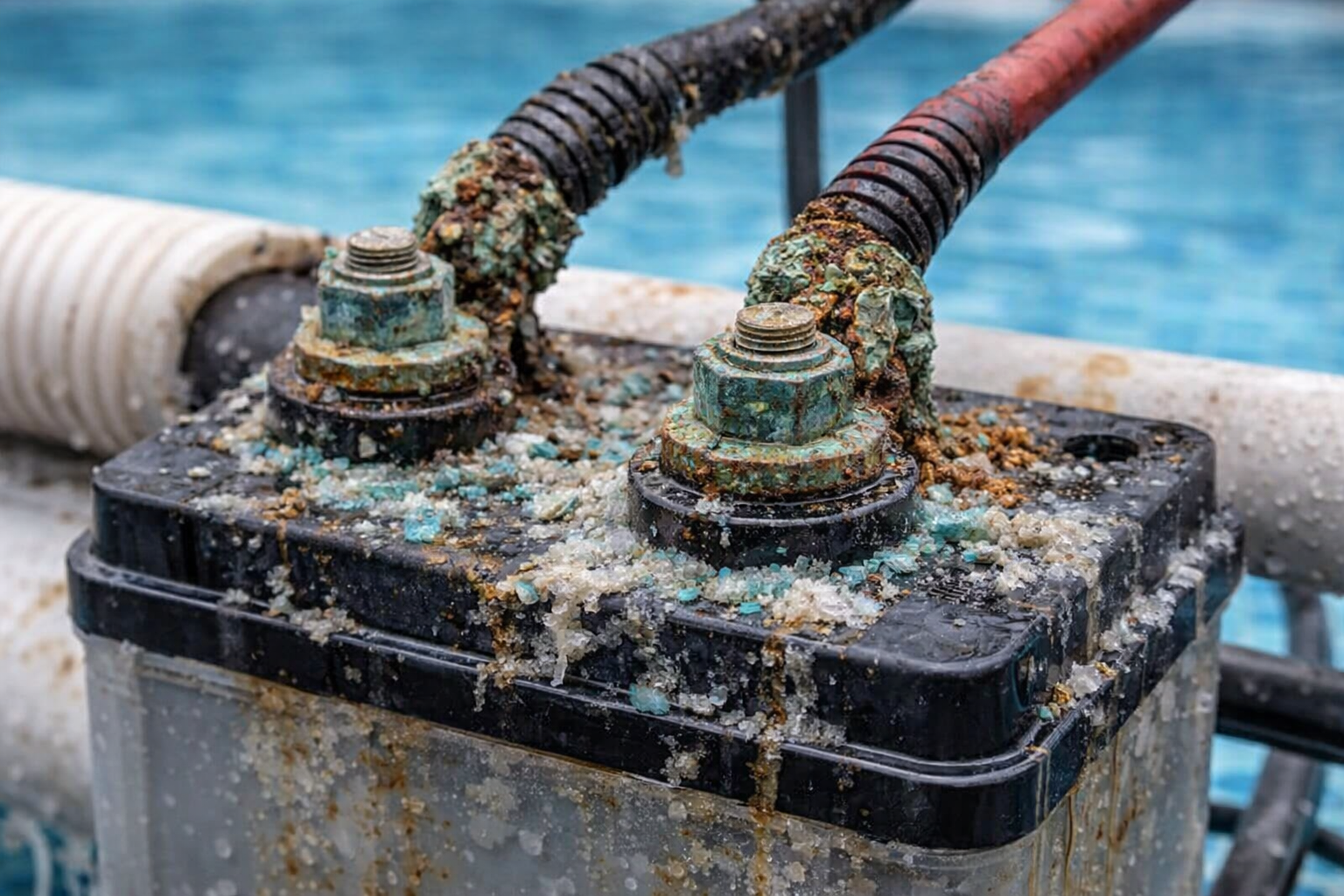
Những yếu tố môi trường nào ảnh hưởng đến vật liệu đầu cuối?
The main environmental factors that affect terminal materials include:
Humidity and moisture
Nhiệt độ (high and low)
Corrosive environments (muối, hóa chất, pollution)
Ứng suất cơ học (rung động, sốc)
Electrical load and current
These factors directly influence a terminal’s chống ăn mòn, độ dẫn điện, ổn định cơ học, and overall lifespan. Selecting the wrong material or plating for a specific environment can lead to premature failure, tăng sức đề kháng, quá nóng, và thời gian ngừng hoạt động tốn kém.
Why Environmental Conditions Matter in Terminal Selection

In real-world applications, terminals rarely fail due to design alone—they fail because environmental conditions were underestimated or ignored.
For engineers and procurement teams, this creates serious risks:
Corrosion → increased contact resistance → system failure
Heat buildup → insulation damage → safety hazards
Vibration → loose connections → intermittent faults
Chemical exposure → material degradation
In industries such as automotive, thiết bị công nghiệp, and energy systems, these failures can lead to:
Warranty claims
Product recalls
Production downtime
Damage to brand reputation
👉 The reality is simple:
Choosing the right terminal material is not just a technical decision—it is a reliability and cost-control decision.
Key Environmental Factors That Affect Terminal Materials
Understanding how each environmental factor impacts terminal performance is critical for proper material selection.
1. Độ ẩm & Độ ẩm
Sự va chạm
Humidity accelerates oxidation and corrosion, especially on exposed metal surfaces.
Common Problems
Formation of oxide layers
Tăng sức đề kháng tiếp xúc
Signal instability
Recommended Solutions
Tin-plated terminals (cost-effective corrosion resistance)
Mạ niken for enhanced protection
Sealed connector systems for high-humidity environments
👉 Ứng dụng điển hình:
Thiết bị ngoài trời, thiết bị, coastal installations
2. Nhiệt độ (Cao & Thấp)
Sự va chạm
Temperature fluctuations cause:
Sự giãn nở và co lại nhiệt
Accelerated oxidation
Degradation of plating layers
High-Temperature Risks
Loss of conductivity
Softening of materials
Coating failure
Recommended Solutions
Silver-plated terminals for high-temperature conductivity
High-performance copper alloys
Heat-resistant insulation systems
👉 Ứng dụng điển hình:
Automotive engines, máy móc công nghiệp, hệ thống điện
3. Corrosive Environments (Muối, Hóa chất, Sự ô nhiễm)
Sự va chạm
Corrosive agents trigger electrochemical reactions, leading to rapid material degradation.
High-Risk Environments
Coastal or marine areas (phun muối)
Chemical plants
Urban industrial zones
Common Problems
Pitting corrosion
Galvanic corrosion
Structural weakening
Recommended Solutions
Thick tin plating for salt resistance
Mạ niken for chemical resistance
Proper material pairing to avoid galvanic corrosion
👉 Key insight:
Corrosion is the #1 cause of terminal failure globally.
4. Rung & Ứng suất cơ học
Sự va chạm
Mechanical forces can loosen connections and cause fatigue.
Common Problems
Ăn mòn đáng lo ngại
Contact instability
Mechanical deformation
Recommended Solutions
High-strength brass or copper alloy terminals
Optimized crimp design
Cơ chế khóa an toàn
👉 Ứng dụng điển hình:
Bộ dây điện ô tô, máy móc hạng nặng, hệ thống đường sắt
5. Electrical Load & Hiện hành
Sự va chạm
High current levels generate heat and stress at contact points.
Common Problems
Quá nóng
Contact surface degradation
Arcing and material erosion
Recommended Solutions
High-conductivity copper terminals
Mạ bạc for superior electrical performance
Proper sizing and design to handle load
👉 Critical factor:
Electrical stress often works together with temperature, accelerating failure.
Terminal Materials Comparison (Copper vs Brass vs Plated Terminals)
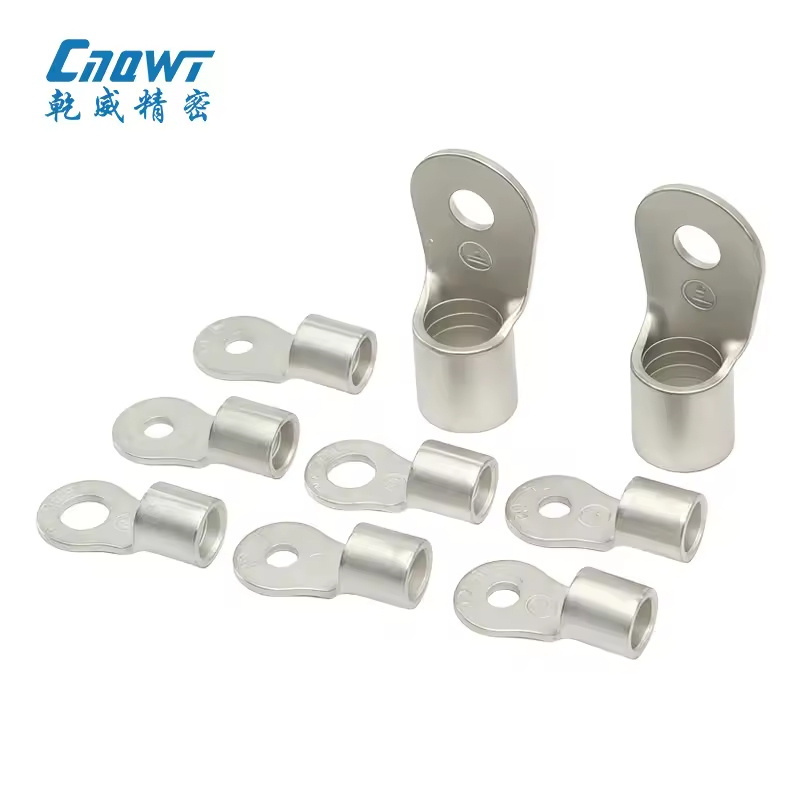
Choosing the right base material and plating is essential for performance optimization.
| Vật liệu / mạ | Độ dẫn điện | Chống ăn mòn | Sức mạnh | Ứng dụng tốt nhất |
| đồng | Xuất sắc | Thấp | Trung bình | High conductivity indoor use |
| Thau | Vừa phải | Better than copper | Cao | Mechanical strength applications |
| Đồng mạ thiếc | Tốt | Cao | Trung bình | Ẩm ướt & general environments |
| Nickel-Plated | Vừa phải | Rất cao | Cao | Chemical environments |
| Silver-Plated | Xuất sắc | Vừa phải | Trung bình | High temperature & high current |
👉 Bài học chính:
Copper = performance
Brass = strength
Plating = environmental protection
How to Choose the Right Terminal Material for Your Environment
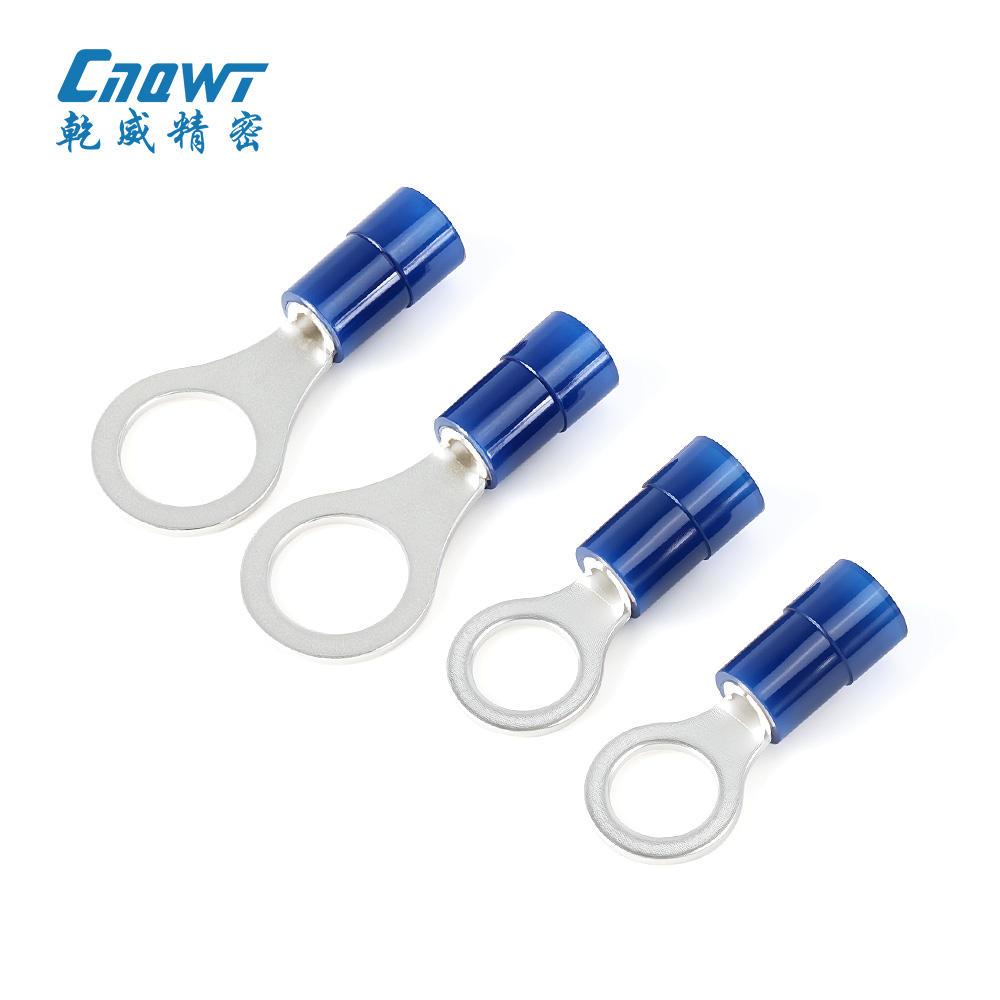
Selecting the right terminal material should follow a structured decision process.
Bước chân 1: Identify the Operating Environment
Hỏi:
Is it humid or dry?
Is there exposure to salt or chemicals?
Are there temperature extremes?
Bước chân 2: Evaluate Risk Level
Low risk → indoor, stable conditions
Medium risk → moderate humidity, sự thay đổi nhiệt độ
High risk → outdoor, hàng hải, industrial environments
Bước chân 3: Select Base Material
đồng → high conductivity
Thau → higher mechanical strength
Alloys → specialized performance
Bước chân 4: Choose Appropriate Plating
Humid → Tin plating
High temperature → Silver plating
Chemical exposure → Nickel plating
Bước chân 5: Validate with Supplier
Work with a supplier who can:
Recommend materials based on your application
Provide testing data
Customize solutions
Common Mistakes in Terminal Material Selection
Avoiding these mistakes can significantly improve product reliability.
Mistake 1: Using Bare Copper in Humid Environments
Leads to rapid oxidation and failure.
Mistake 2: Ignoring Plating Thickness
Thin coatings wear off quickly, reducing protection.
Mistake 3: Overlooking Vibration Effects
Even the best materials fail if mechanical stability is poor.
Mistake 4: Choosing Based Only on Cost
Lower upfront cost often leads to higher long-term expenses.
Mistake 5: Not Consulting Experts
Many failures occur due to lack of application-specific guidance.
Industry Applications (Real-World Use Cases)
Công nghiệp ô tô
Môi trường: High temperature + rung động
Giải pháp: Brass terminals with tin or silver plating
Thiết bị công nghiệp
Môi trường: Bụi, hóa chất, căng thẳng cơ học
Giải pháp: Nickel-plated terminals
Điện tử tiêu dùng
Môi trường: Moderate conditions
Giải pháp: Tin-plated copper terminals
Năng lượng & Hệ thống điện
Môi trường: Dòng điện cao + nhiệt
Giải pháp: Silver-plated copper terminals
Câu hỏi thường gặp
1. What is the best terminal material for high humidity?
Tin-plated copper is widely used due to its strong corrosion resistance and cost-effectiveness.
2. How do you prevent terminal corrosion?
Use appropriate plating (thiếc, niken), proper sealing, and correct material selection based on environment.
3. Is silver plating necessary for high-temperature applications?
Đúng, silver offers excellent conductivity and stability under high temperatures.
4. What causes terminal failure most often?
Ăn mòn, poor material selection, and environmental stress are the leading causes.
How to Choose a Reliable Terminal Supplier
Choosing the right supplier is just as important as selecting the right material.
Look for Technical Expertise
A qualified supplier should:
Understand environmental impacts
Recommend suitable materials
Provide engineering support
Check Quality Assurance
ISO certifications
Material testing capabilities
Consistent production quality
Evaluate Customization Capability
Custom terminal designs
Flexible plating options
Application-specific solutions
Ask the Right Questions
What materials do you recommend for my environment?
Can you provide test reports?
Do you support custom designs?
Phần kết luận: Make the Right Material Choice for Long-Term Reliability
Environmental factors play a decisive role in the performance and lifespan of terminal materials. Ignoring them can lead to ăn mòn, system failure, và thời gian ngừng hoạt động tốn kém, while proper material selection ensures độ tin cậy, hiệu quả, and long-term cost savings.
By understanding how humidity, nhiệt độ, ăn mòn, căng thẳng cơ học, and electrical load affect terminals, engineers and buyers can make thông minh hơn, more informed decisions.
Request a Quote or Engineering Support
Not sure which terminal material is right for your application?
Đội ngũ kỹ thuật của chúng tôi có thể giúp bạn:
Select the best material and plating
Optimize your design for performance and cost
Deliver high-quality custom terminals
👉 Send us your drawings or application details today and get a fast, professional solution.

