

Giới thiệu
If you work with industrial equipment, you already know one thing—a weak electrical connection can shut everything down.
It doesn’t matter whether it’s a manufacturing line, automation system, or power distribution setup. If your terminals fail, you’re dealing with:
- Downtime
- Safety risks
- Costly repairs
That’s why industrial electrical terminals are not just small components—they’re critical to system reliability.
Trong hướng dẫn này, chúng tôi sẽ hướng dẫn bạn mọi thứ bạn cần biết, bao gồm:
- Types of industrial terminals
- Materials and performance factors
- Làm thế nào để chọn đúng
- How to avoid common failures
Trả lời nhanh: What Are Industrial Electrical Terminals?
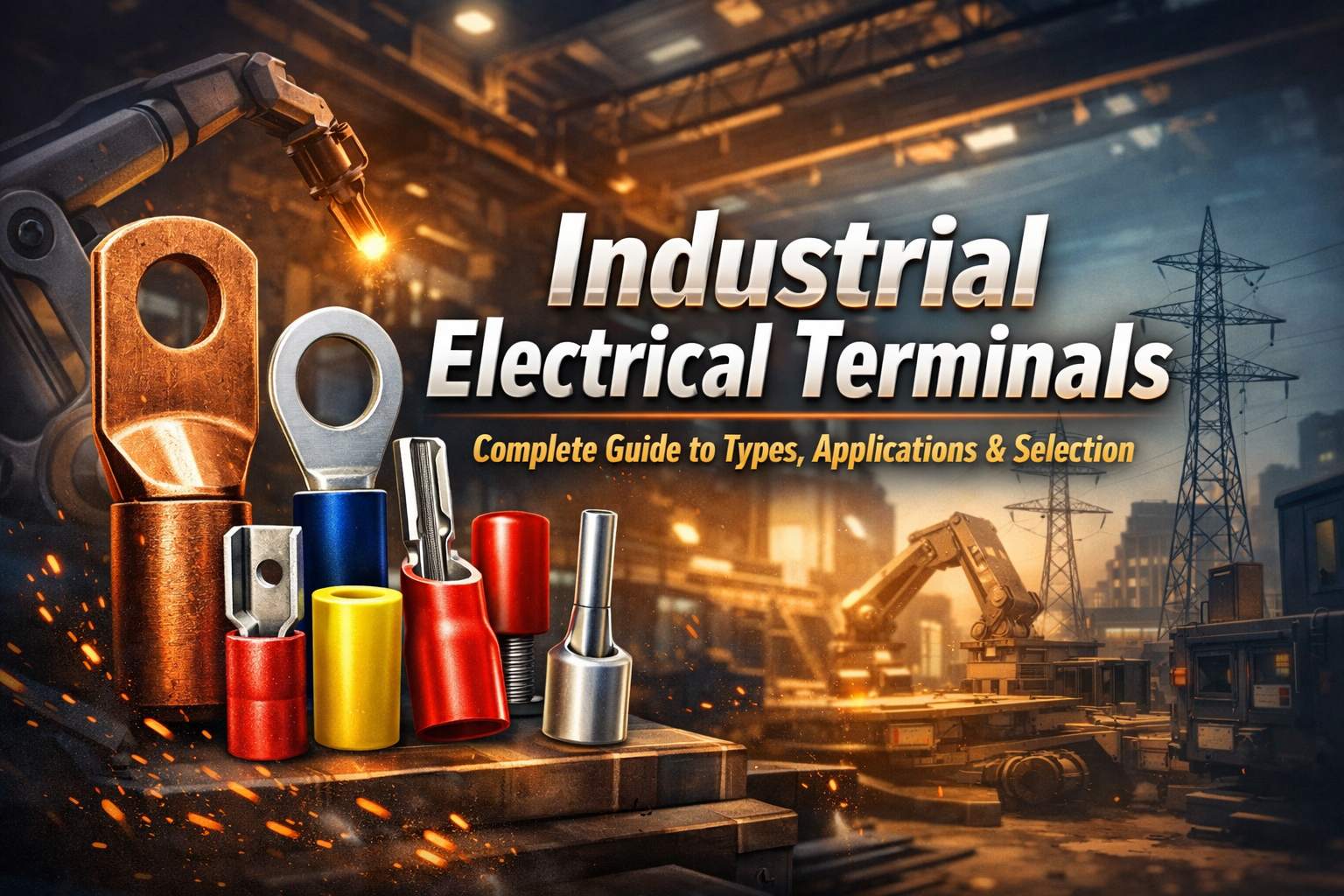
Industrial electrical terminals are connectors used to securely join wires to electrical systems, ensuring stable current flow and mechanical strength. They are designed to handle high current, môi trường khắc nghiệt, and demanding industrial conditions.
What Makes Industrial Electrical Terminals Different
Không phải tất cả các thiết bị đầu cuối đều được tạo ra như nhau.
Industrial environments are much tougher than residential or light commercial setups. That means terminals must handle:
1. Higher Current and Voltage
Industrial systems often operate under heavy electrical loads.
2. Môi trường khắc nghiệt
Nhiệt, bụi, độ ẩm, chemicals—you name it.
3. Constant Vibration
Especially in machinery and transport systems.
4. Độ tin cậy lâu dài
Industrial terminals are expected to last years, not months.
👉 In short: industrial terminals are built for durability, sự ổn định, and performance under stress.
Types of Industrial Electrical Terminals
Let’s break down the most commonly used types.
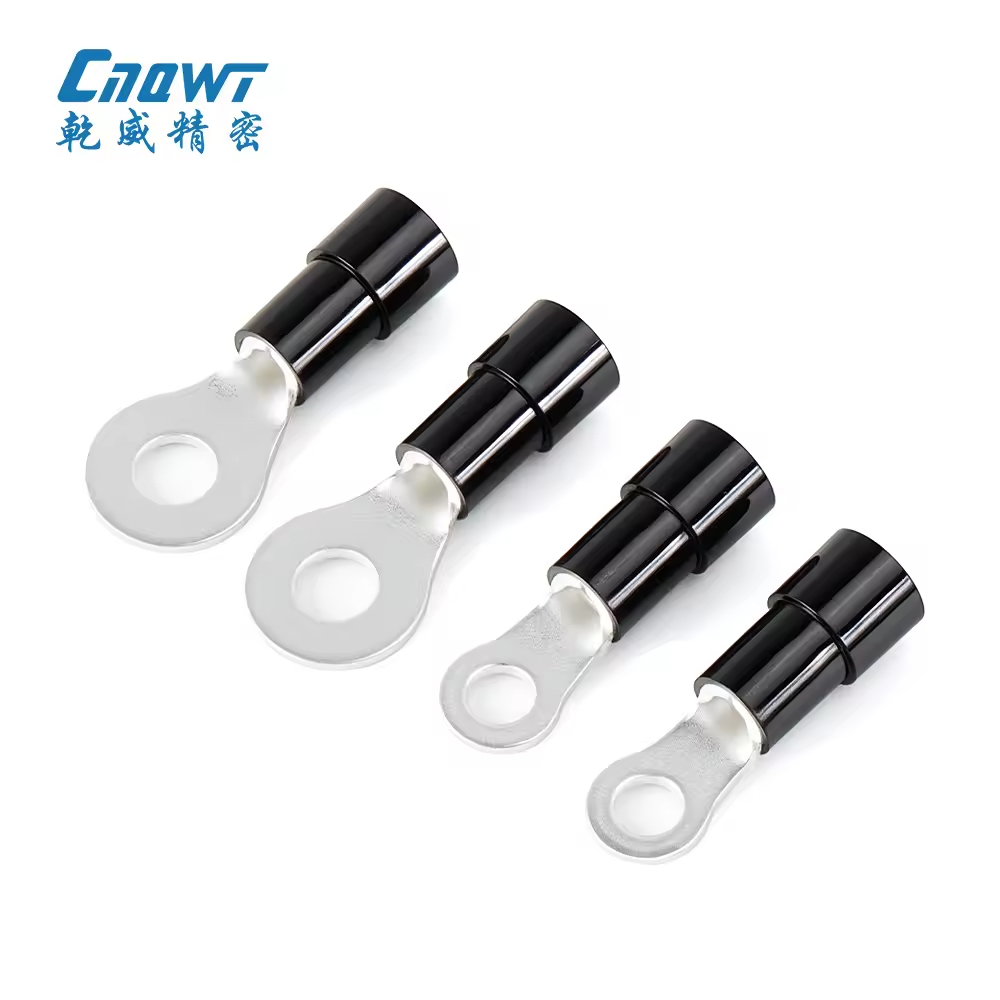
Thiết bị đầu cuối vòng
- Cung cấp an toàn, fixed connections
- Ideal for high-vibration environments
👉 Liên quan: Hướng dẫn thiết bị đầu cuối vòng
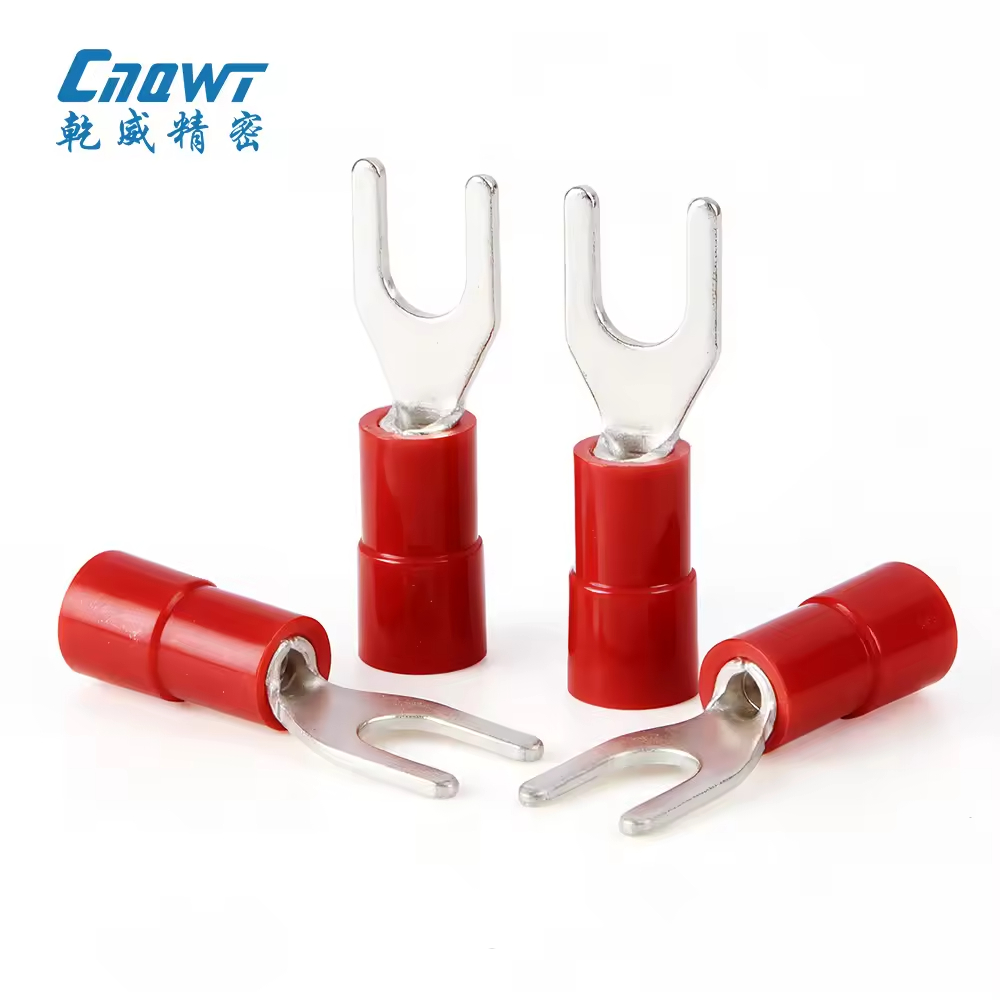
Thiết bị đầu cuối thuổng
- Easier to install and remove
- Good for maintenance-heavy systems
 Đầu nối mông
- Used for wire-to-wire connections
- Common in cable extensions
Thiết bị đầu cuối pin
- Nhỏ gọn và chính xác
- Used in control systems
Thiết bị đầu cuối lưỡi
- Quick-connect design
- Popular in panels and appliances
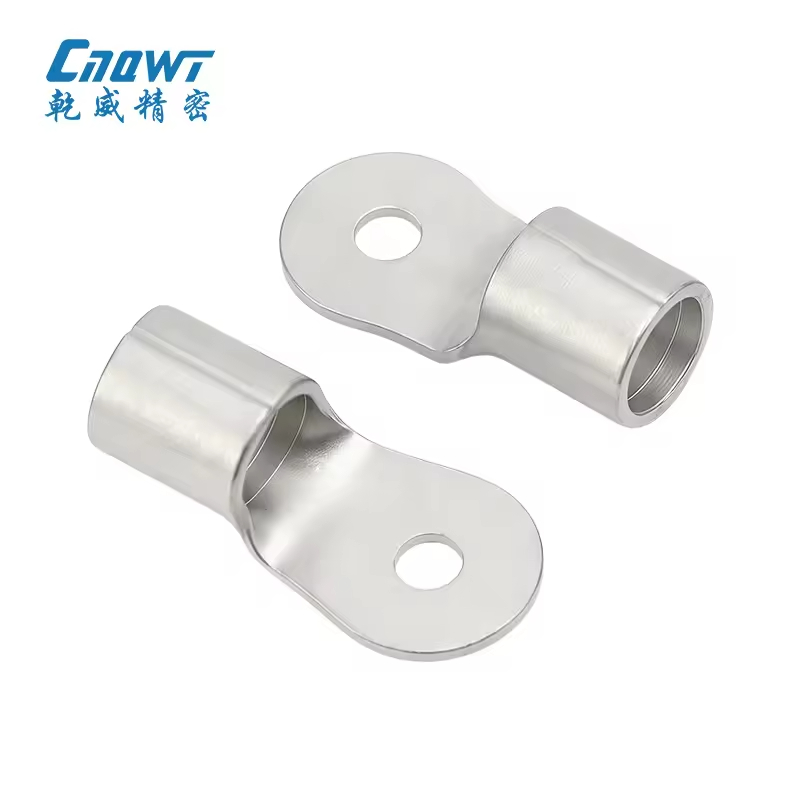
Heavy Duty Cable Lugs
- Designed for high current
- Used in power distribution and battery systems
👉 Liên quan: Battery Cable Lugs Guide
 Materials Used in Industrial Terminals
Material selection is one of the biggest factors in performance.
Thiết bị đầu cuối đồng
- Độ dẫn tuyệt vời
- Được sử dụng rộng rãi
Thiết bị đầu cuối đồng đóng hộp
- Đồng tráng thiếc
- Chống ăn mòn tốt hơn
- Ideal for outdoor or humid environments
👉 Liên quan: Thiết bị đầu cuối đồng và đồng đóng hộp
Thiết bị đầu cuối nhôm
- Nhẹ
- Chi phí thấp hơn
- Dễ bị oxy hóa hơn
Tùy chọn mạ
- Tin → corrosion resistance
- Nickel → high temperature resistance
- Silver → high conductivity
👉 Liên quan: Chống ăn mòn trong thiết bị đầu cuối điện
Key Performance Factors to Consider
Choosing the right terminal isn’t just about type—it’s about performance.
Độ dẫn điện
Better conductivity = less heat = better efficiency
Độ bền cơ học
Important for vibration and torque resistance
Chịu nhiệt độ
Industrial systems often run hot
Chống ăn mòn
Especially critical for outdoor or chemical environments
Chống rung
Loose connections = failure
Industrial Applications of Electrical Terminals
Industrial terminals are used everywhere. Here are the key sectors:
Manufacturing Equipment
Used in machines, conveyors, và hệ thống điều khiển
Automation Systems
Robotics and PLC systems require precise connections
Power Distribution
Thiết bị đóng cắt, panels, and transformers
Hệ thống năng lượng tái tạo
Solar and battery storage systems
Heavy Machinery
Sự thi công, khai thác mỏ, and transportation equipment
👉 Each application has different requirements, so choosing the right terminal is critical.
How to Choose the Right Industrial Terminal
Trả lời nhanh: How to choose the right terminal? (Featured Snippet)
To choose the right industrial electrical terminal, consider current rating, kích thước dây, điều kiện môi trường, material type, và phương pháp cài đặt. Matching these factors ensures safe, đáng tin cậy, and long-lasting connections.
Here’s a simple checklist:
1. Check Current Rating
Make sure the terminal can handle the load
2. Match Wire Size
Incorrect sizing leads to weak connections
3. Consider Environment
- Ngoài trời → chống ăn mòn
- Nhiệt độ cao → thiết bị đầu cuối mạ
4. Choose Installation Method
- uốn tóc bồng (phổ biến nhất)
- hàn (special cases)
👉 Liên quan: Crimp vs Solder
5. Verify Standards
Look for UL, IEC compliance
Các vấn đề thường gặp và các chế độ lỗi
Even good systems can fail if terminals are not properly selected or installed.
Kết nối lỏng lẻo
Cause overheating and arcing
Quá nóng
Often due to poor conductivity or bad crimping
Ăn mòn
Reduces conductivity over time
Uốn kém
Creates weak electrical contact
👉 Liên quan: Cách uốn các thiết bị đầu cuối điện
Material Mismatch
Leads to galvanic corrosion
How to Prevent Terminal Failures
Trả lời nhanh: How to prevent terminal failure?
Terminal failures can be prevented by using high-quality materials, proper crimping techniques, corrosion-resistant coatings, và kiểm tra thường xuyên. Correct installation and material selection are the most effective ways to ensure long-term reliability.
Here’s how to do it right:
Use the Right Tools
Always use professional crimping tools
Select High-Quality Materials
Cheap terminals fail faster
Apply Protective Coatings
Prevents corrosion
Inspect Regularly
Catch problems early
Crimping vs Soldering in Industrial Applications
Đây là một câu hỏi phổ biến.
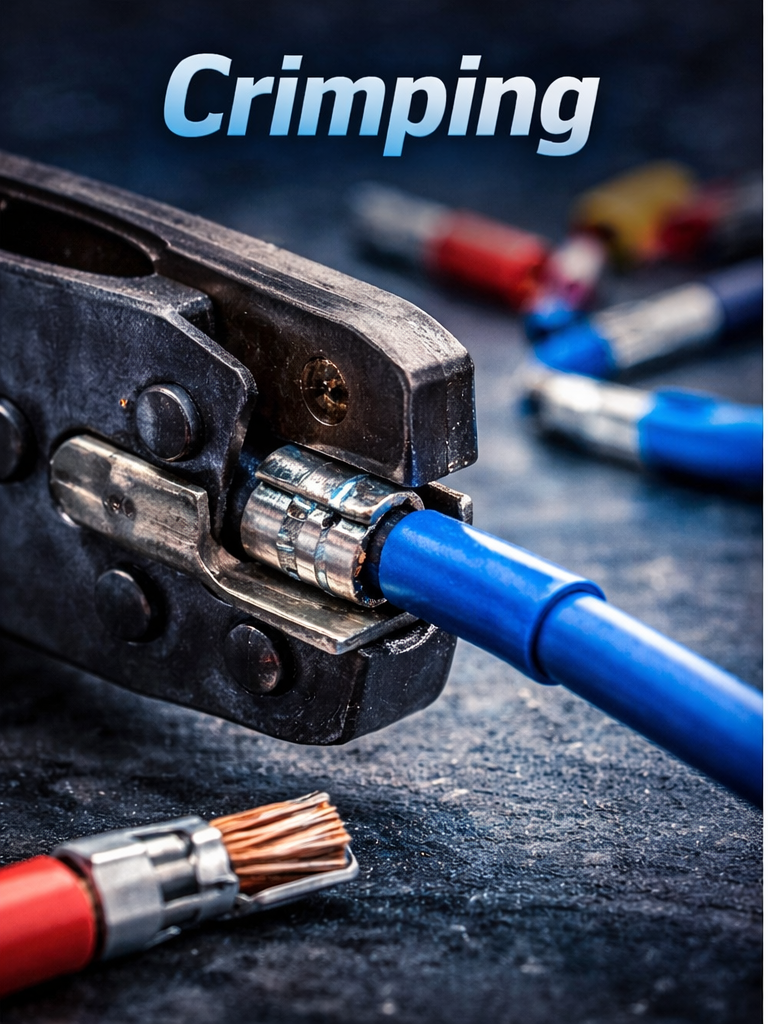
uốn tóc bồng
- Nhanh
- Đáng tin cậy
- Tiêu chuẩn ngành
 hàn
hàn
- Mạnh mẽ nhưng kém linh hoạt
- Not ideal for vibration
👉 In most industrial cases, crimping is the better choice.
Tiêu chuẩn và chứng nhận
Industrial terminals must meet strict standards:
- UL (tuân thủ an toàn)
- IEC (international standards)
- RoHS (tuân thủ môi trường)
- ISO (quality systems)
👉 These ensure safety, hiệu suất, and global acceptance.
Future Trends in Industrial Electrical Terminals
The industry is evolving fast.
High Current Applications
Driven by EV and energy storage
Automation Growth
More demand for reliable connections
Thu nhỏ
Smaller but more powerful terminals
Sustainability
Eco-friendly materials and coatings
Tại sao chọn độ chính xác của Qianwei
Tại Qianwei Precision, we focus on what matters most—kết nối đáng tin cậy.
Chúng tôi cung cấp:
- High-quality copper and tinned copper terminals
- Advanced manufacturing (dập, molding, cuộc họp)
- Strong OEM/ODM capabilities
- Proven experience with global brands
Whether you need standard products or custom solutions, we help you build systems that last.
👉 Contact us today for fast quotations and expert support.
Phần kết luận
Industrial electrical terminals may seem small, but they play a huge role in system performance.
Bằng cách tập trung vào:
- The right type
- The right material
- Cài đặt đúng cách
You can dramatically improve reliability and reduce failures.
👉Nếu bạn đang tìm kiếm high-performance industrial terminals,
Qianwei Precision sẵn sàng hỗ trợ dự án tiếp theo của bạn.
Câu hỏi thường gặp
What are industrial electrical terminals used for?
They connect wires to electrical systems in industrial environments.
What is the best material for industrial terminals?
Tinned copper is widely preferred for its conductivity and corrosion resistance.
Are crimped connections reliable?
Đúng, khi thực hiện đúng, they are highly reliable.
What causes terminal failure?
Poor installation, ăn mòn, quá nóng, and low-quality materials.
How do I prevent corrosion?
Sử dụng vật liệu thích hợp, lớp phủ, and sealing techniques.
What are high current terminals?
Terminals designed to handle large electrical loads safely.
Bao lâu nên kiểm tra thiết bị đầu cuối?
Regular inspections are recommended in industrial environments.

