

Giới thiệu
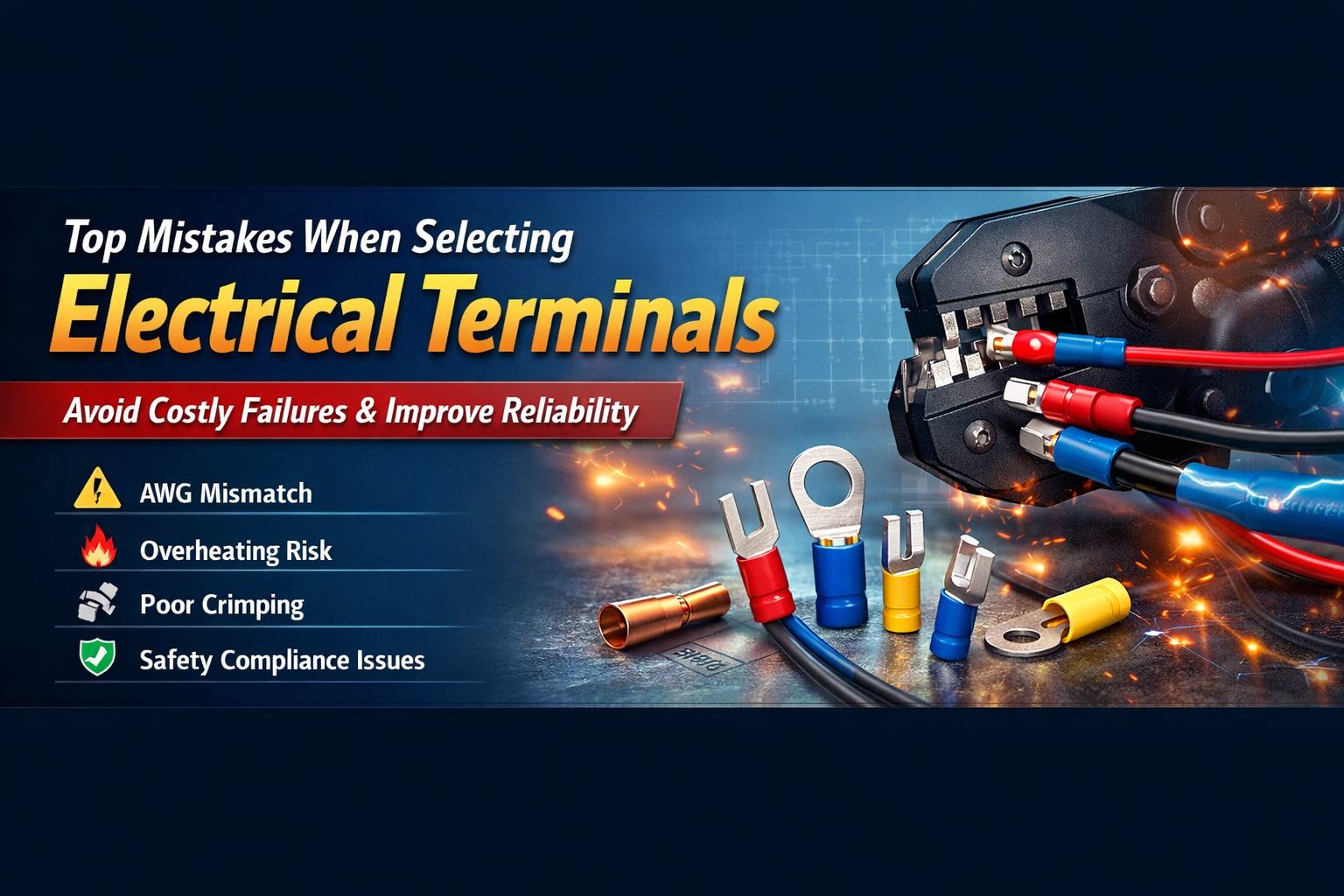
Choosing the right electrical terminal may seem like a small decision—but in reality, it has a massive impact on the hiệu suất, sự an toàn, và tuổi thọ of your entire electrical system.
Whether you’re working on automotive wiring harnesses, bảng điều khiển công nghiệp, or home appliances, the wrong terminal can lead to:
- Quá nóng
- Giảm điện áp
- Kết nối lỏng lẻo
- Costly system failures
Yet, many buyers and engineers still treat terminals as a commodity product, focusing only on price rather than performance.
Trong hướng dẫn này, chúng tôi sẽ chia nhỏ most common mistakes when selecting electrical terminals—and more importantly, how to avoid them.
What Are the Biggest Mistakes?
The most common mistakes when selecting electrical terminals include:
- Using the wrong wire size (AWG mismatch)
- Choosing incorrect materials
- Ignoring current and voltage ratings
- Overlooking environmental conditions
- Selecting the wrong terminal type
- Poor crimping compatibility
Avoiding these mistakes ensures better conductivity, stronger connections, và tuổi thọ dài hơn.
Why Choosing the Right Electrical Terminal Matters
1. Hiệu suất điện
Terminals directly affect điện trở tiếp xúc. Poor selection leads to:
- Tăng sức đề kháng
- Tích tụ nhiệt
- Mất năng lượng
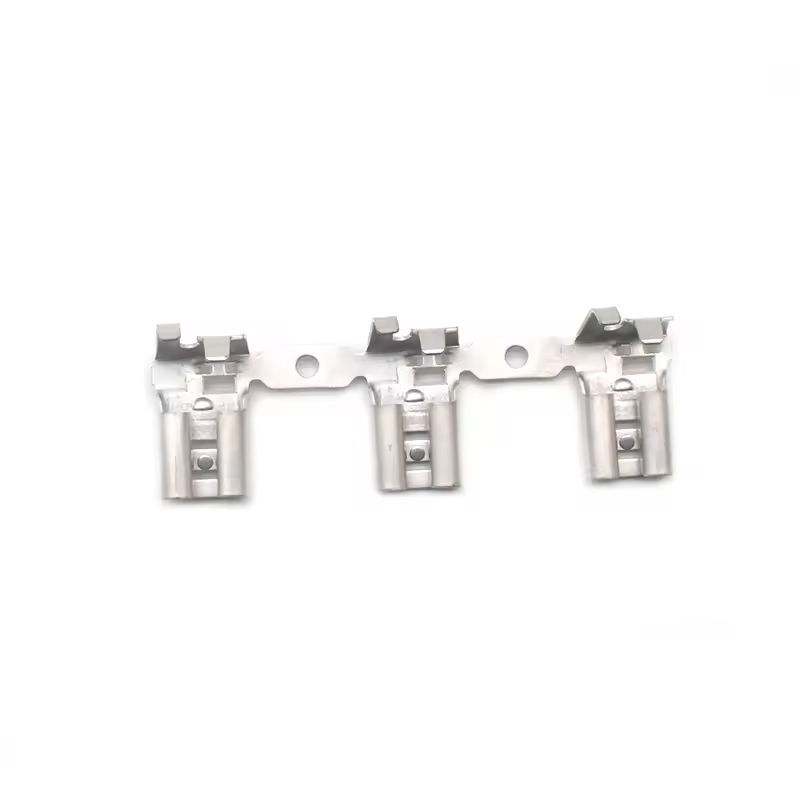
2. Mechanical Reliability
A proper terminal ensures:
- Giữ dây chắc chắn
- Khả năng chống rung
- Độ bền lâu dài
3. Sự an toàn & Sự tuân thủ
Incorrect terminals can cause:
- Electrical fires
- Đoản mạch
- Compliance failures (UL, tiêu chuẩn IEC)
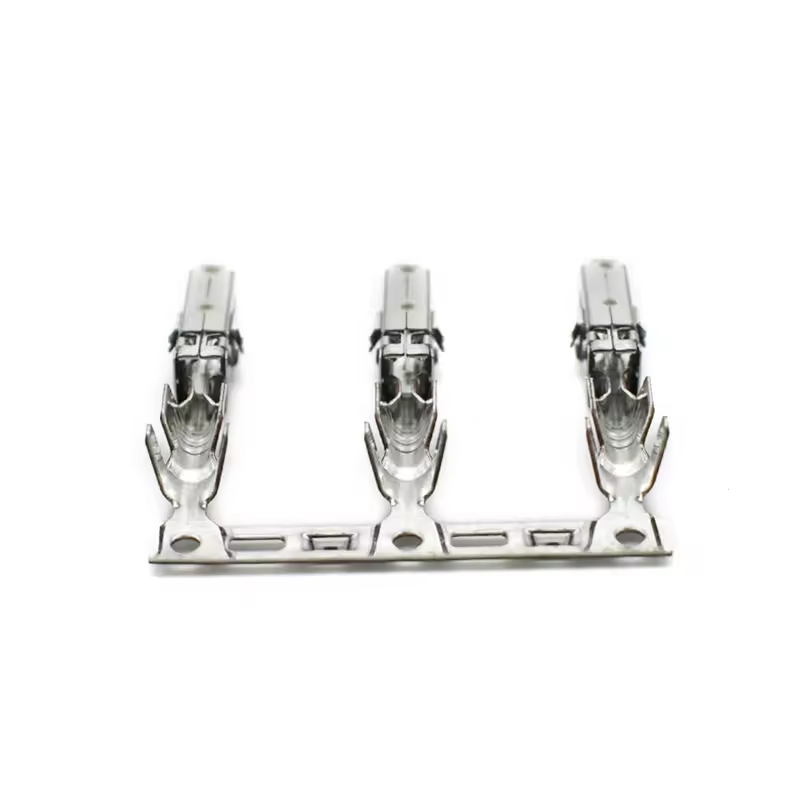 Top Mistakes When Selecting Electrical Terminals
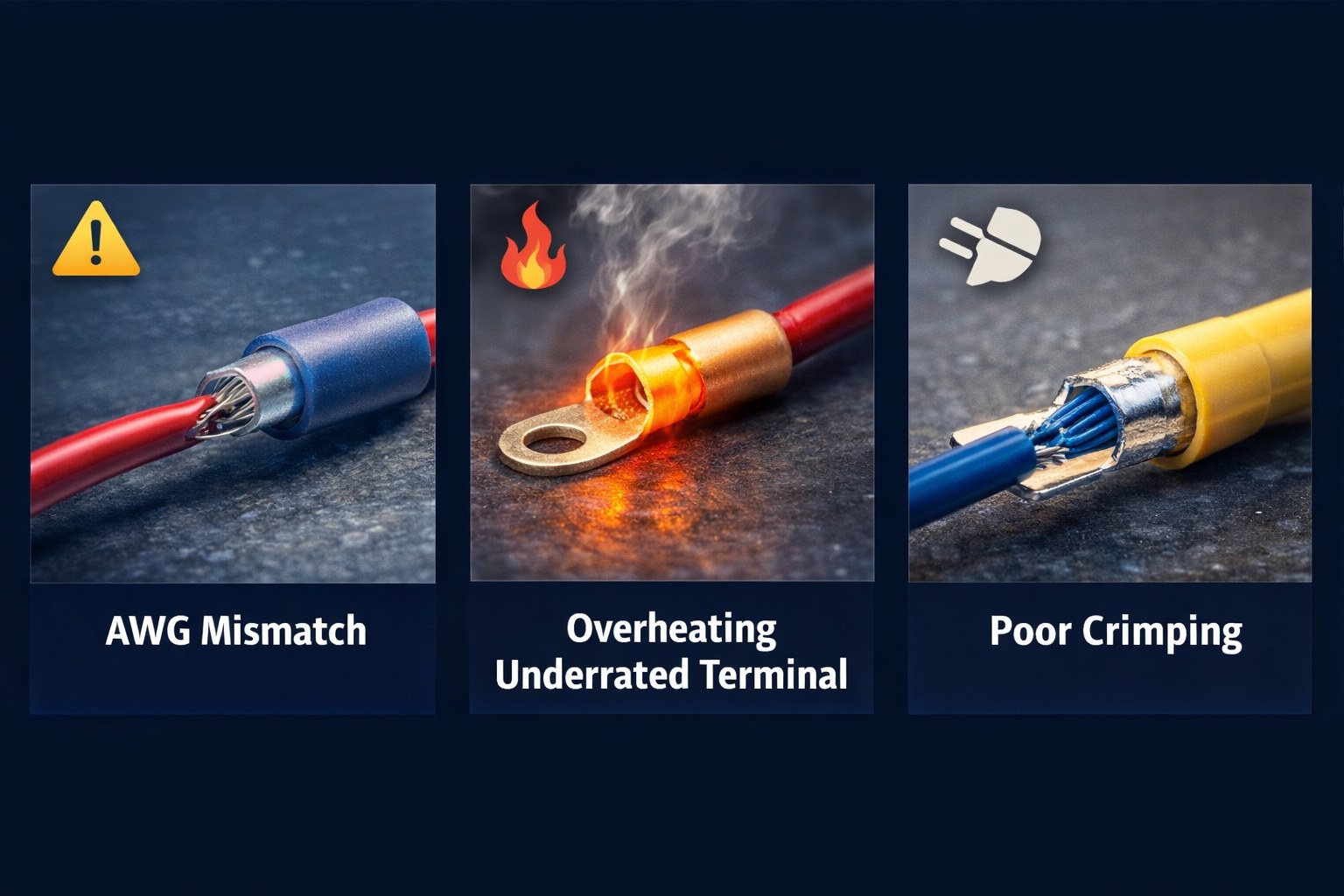
1. Ignoring Wire Size Compatibility (AWG Mismatch)
This is one of the most frequent and critical mistakes.
What goes wrong:
- Too large → loose connection
- Too small → wire damage or improper crimp
Kết quả:
- Tăng sức đề kháng
- Potential overheating
Làm thế nào để tránh nó:
- Always match terminal specifications with wire gauge (AWG)
- Sử dụng các công cụ uốn đã được hiệu chỉnh
2. Choosing the Wrong Terminal Material
Material selection directly impacts both conductivity and durability.
Vật liệu thông dụng:
- Đồng → độ dẫn điện tuyệt vời
- Brass → good strength, moderate conductivity
- Phosphor Bronze → high fatigue resistance
Sai lầm:
Choosing cheaper materials without considering application requirements.
Giải pháp:
- Use copper or high-conductivity alloys for power applications
- Choose corrosion-resistant materials for harsh environments
3. Overlooking Current and Voltage Ratings
Every terminal has a maximum current capacity.
Sai lầm:
Using underrated terminals in high-load applications.
Consequences:
- Quá nóng
- Insulation failure
- Nguy cơ hỏa hoạn
Best practice:
- Always apply a safety margin (derating)
- Review manufacturer datasheets carefully
4. Ignoring Environmental Conditions
Electrical terminals don’t operate in ideal lab conditions.
Key environmental factors:
- Temperature extremes
- Độ ẩm / độ ẩm
- Tiếp xúc với hóa chất
- Outdoor vs indoor use
Common mistake:
Using standard terminals in harsh environments.
Giải pháp:
- Use insulated or sealed terminals
- Select appropriate plating (ví dụ., tin plating for corrosion resistance)
5. Selecting the Wrong Terminal Type
Different applications require different terminal designs.
Ví dụ:
- Ring terminals → secure, chống rung
- Spade terminals → easy installation/removal
- Quick disconnects → fast assembly
Sai lầm:
Choosing based on convenience rather than application.
Kết quả:
- Poor fit
- Reduced reliability
6. Poor uốn tóc bồng Khả năng tương thích
Even the best terminal fails with a bad crimp.
Mistakes include:
- Sử dụng sai dụng cụ uốn tóc
- Incorrect crimp profile
- Inconsistent crimp force
Consequences:
- Kết nối lỏng lẻo
- Sức đề kháng cao
- Thất bại sớm
Giải pháp:
- Match terminal type with proper tooling
- Use automated crimping for consistency
7. Ignoring Plating and Surface Treatment
Plating is not just cosmetic—it’s functional.
Tùy chọn chung:
- Mạ thiếc → chống ăn mòn
- Nickel plating → high temperature resistance
Sai lầm:
Using bare terminals in corrosive environments.
Sự va chạm:
- quá trình oxy hóa
- Tăng sức đề kháng theo thời gian
8. Not Considering Vibration and Mechanical Stress
Critical in:
- ô tô
- Máy móc công nghiệp
- Hàng không vũ trụ
Sai lầm:
Using standard terminals in high-vibration environments.
Giải pháp:
- Use locking or reinforced terminals
- Perform vibration testing
9. Focusing Only on Price
Low-cost terminals often lead to high long-term costs.
Hidden costs:
- BẢO TRÌ
- Thời gian ngừng hoạt động
- Thu hồi sản phẩm
Better approach:
- Evaluate total lifecycle cost
- Prioritize quality and reliability
10. Skipping Standards and Certifications
Compliance is non-negotiable in many industries.
Key standards:
- UL
- IEC
- RoHS
Sai lầm:
Sử dụng các thành phần không được chứng nhận.
Risk:
- Export issues
- Customer rejection
- Legal liability
How to Choose the Right Electrical Terminal (Từng bước một)
Selecting the right electrical terminal requires a systematic evaluation process rather than guesswork. By following the steps below, engineers and buyers can significantly reduce failure risks and ensure optimal performance.
Bước chân 1: Xác định các yêu cầu về điện
Start by clearly identifying the electrical parameters of your application:
- Tải hiện tại (Ampacity): Determine both continuous and peak current
- Cấp điện áp: Consider insulation requirements and spacing
- Load type: Resistive, inductive, or capacitive loads affect performance
Tại sao nó quan trọng:
Underspecifying terminals can lead to overheating, while overspecifying may increase unnecessary costs.
Best practice:
Apply a derating factor (typically 20–30%) to ensure safe operation under real-world conditions.
Bước chân 2: Identify Wire Specifications
The terminal must match the physical and electrical characteristics of the wire:
- Máy đo dây (AWG): Ensure exact compatibility
- Stranded vs. solid wire: Affects crimping behavior
- Conductor material: Copper vs aluminum (or alloys)
Tại sao nó quan trọng:
Mismatch between wire and terminal leads to poor crimp quality and unstable connections.
Best practice:
Always verify the wire range specified in the terminal datasheet, not just nominal size.
Bước chân 3: Evaluate Environmental Conditions
Assess where and how the terminal will be used:
- Phạm vi nhiệt độ: High heat may require special alloys or plating
- Độ ẩm và độ ẩm: Risk of corrosion
- Exposure to chemicals or oils
- Indoor vs outdoor applications
Tại sao nó quan trọng:
Environmental stress is one of the leading causes of terminal degradation over time.
Best practice:
Choose terminals with appropriate cách nhiệt, niêm phong, or corrosion-resistant plating (ví dụ., tin or nickel).
Bước chân 4: Select Terminal Type
Different terminal designs serve different functional needs:
- Thiết bị đầu cuối vòng: Maximum security, ideal for vibration environments
- Thiết bị đầu cuối thuổng: Easy installation and maintenance
- Ngắt kết nối nhanh: Fast assembly in high-volume production
Tại sao nó quan trọng:
Incorrect terminal type can reduce efficiency in installation and compromise reliability.
Best practice:
Select based on both mechanical requirements and maintenance accessibility, not just convenience.
Bước chân 5: Choose Material and Plating
Material selection determines conductivity, strength, và tuổi thọ:
- đồng: सर्वोत्तम conductivity, được sử dụng rộng rãi
- Thau: Better mechanical strength
- Đồng phốt pho: Excellent fatigue resistance
Tùy chọn mạ:
- mạ thiếc: Chống ăn mòn, tiết kiệm chi phí
- Mạ niken: High-temperature performance
Tại sao nó quan trọng:
Material and plating directly affect electrical efficiency and durability.
Best practice:
Balance performance requirements with cost, focusing on long-term reliability rather than initial price.
Bước chân 6: Verify Tooling Compatibility
Even the correct terminal will fail if installed improperly.
Check:
- Crimping tool type (thủ công, bán tự động, fully automatic)
- Crimp profile compatibility
- Calibration and consistency of tooling
Tại sao nó quan trọng:
Improper crimping results in high resistance, weak mechanical strength, and early failure.
Best practice:
Sử dụng manufacturer-recommended crimping tools and perform pull-out and conductivity testing when possible.
Final Tip: Validate Before Mass Production
Before scaling up:
- Conduct sample testing
- Perform electrical and mechanical validation
- Simulate real-world conditions (nhiệt độ, rung động, load)
Tại sao nó quan trọng:
Early validation prevents costly rework, product recalls, and field failures.
This structured approach ensures that your terminal selection is technically sound, tiết kiệm chi phí, and reliable across the product lifecycle.
Real-World Case Study
Scenario:
An appliance manufacturer experienced overheating in wiring connections.
Root Cause:
Underrated brass terminals used for high-current circuits.
Giải pháp:
Switched to high-conductivity copper terminals with proper plating.
Kết quả:
- 35% reduction in heat generation
- Improved product reliability
- Fewer warranty claims
Pro Tips from Industry Experts
- Always test terminals before mass production
- Request samples from suppliers
- Standardize terminal specifications across projects
- Thông số uốn tài liệu
- Work with experienced manufacturers
Why Work with a Professional Terminal Manufacturer
Choosing a reliable partner can eliminate most of the mistakes discussed above.
Tại Độ chính xác của Qianwei, chúng tôi cung cấp:
- Custom terminal design for specific applications
- Material optimization for performance and cost
- Quy trình kiểm soát chất lượng nghiêm ngặt
- Compliance with global standards
- Engineering support for your projects
This ensures you get chất lượng nhất quán, reduced failure rates, and better long-term ROI.
Phần kết luận
Selecting the right electrical terminal is not just a technical detail—it’s a critical decision that affects the entire system.
By avoiding these common mistakes, bạn có thể:
- Improve electrical efficiency
- Enhance safety
- Reduce maintenance costs
- Extend product lifespan
The key is simple: focus on performance, not just price.
Câu hỏi thường gặp
1. What happens if I use the wrong size terminal?
It can cause loose connections or wire damage, leading to overheating and failure.
2. Làm cách nào để chọn thiết bị đầu cuối phù hợp cho dây của tôi?
Match the terminal to the wire gauge (AWG), vật liệu, và yêu cầu ứng dụng.
3. Which material is best for electrical terminals?
Copper is generally best for conductivity, while alloys offer better strength and durability.
4. Are plated terminals better?
Đúng, plating improves corrosion resistance and long-term reliability.
5. What is the most common mistake?
Using the wrong wire size or ignoring current ratings.
6. Can I reuse electrical terminals?
Không được đề xuất, especially for crimped terminals, as reliability decreases.
7. How important is crimping quality?
Extremely important—it directly affects electrical and mechanical performance.
8. What standards should terminals meet?
UL, IEC, and RoHS are commonly required.
9. Do environmental conditions really matter?
Đúng, they significantly impact corrosion, cách nhiệt, và hiệu suất.
10. Should I choose crimp or solder terminals?
Crimping is generally preferred for reliability and scalability in industrial applications.

