

Introducción
A medida que los sistemas eléctricos se vuelven cada vez más complejos y se implementan en entornos más hostiles, La demanda de conexiones eléctricas fiables y duraderas sigue creciendo.. Desde mazos de cables para automóviles y vehículos eléctricos hasta sistemas de energía solar y maquinaria industrial., Las conexiones eléctricas a menudo están expuestas a la humedad., polvo, vibración, y temperaturas extremas. En tales condiciones, Los terminales convencionales pueden fallar debido a la corrosión., cortocircuitos, o rendimiento eléctrico degradado.
Aquí es donde los terminales estancos juegan un papel fundamental. Diseñado con estructuras de sellado especializadas y materiales protectores., Los terminales impermeables ayudan a prevenir la entrada de agua mientras mantienen una conductividad eléctrica estable.. Mejoran significativamente la confiabilidad del sistema, reducir los costos de mantenimiento, y prolongar la vida útil de los equipos eléctricos..
En este artículo, exploraremos la estructura, principios de trabajo, características de rendimiento, materiales, métodos de prueba, y aplicaciones de terminales estancos, ayudando a los ingenieros, compradores, y los fabricantes comprenden mejor cómo seleccionar la solución adecuada para entornos exigentes.
¿Qué son los terminales impermeables??
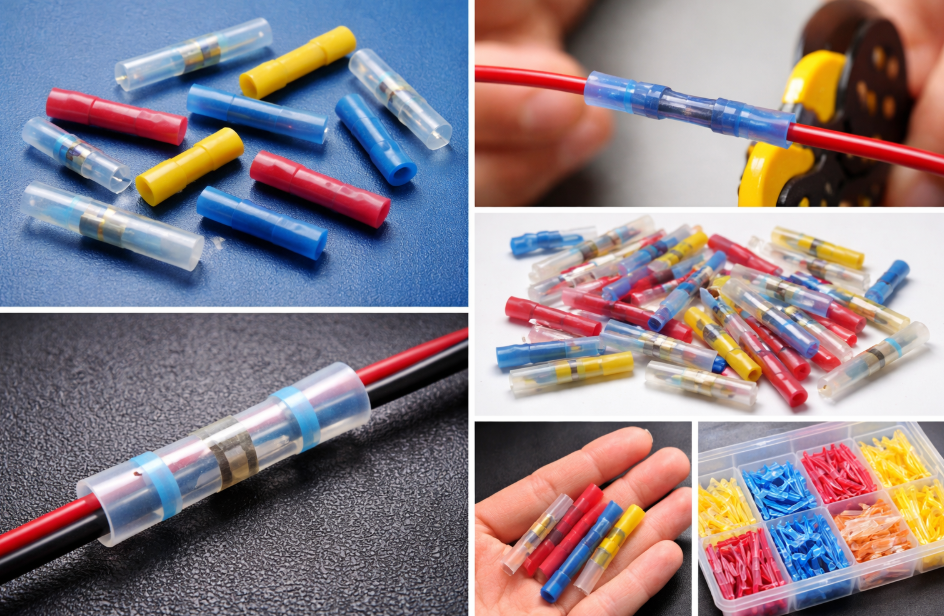
Los terminales impermeables son componentes de conexión eléctrica diseñados específicamente para evitar que el agua, humedad, polvo, y otros contaminantes entren en el área de contacto. A diferencia de los terminales estándar, Los terminales impermeables incorporan elementos de sellado que protegen los componentes conductores de la exposición ambiental..
Sus funciones principales incluyen:
- Proporcionar conexiones eléctricas seguras
- Prevenir la penetración de humedad
- Mantener una baja resistencia de contacto
- Protección contra la corrosión
- Garantizar la confiabilidad operativa a largo plazo
Los terminales impermeables se encuentran comúnmente en sistemas automotrices., equipo marino, instalaciones de energías renovables, equipo de comunicación al aire libre, y maquinaria industrial.
Por qué es importante la protección impermeable
La humedad es una de las causas más comunes de fallos eléctricos. Cuando entra agua a un punto de conexión, puede conducir a:
- Corrosión de contactos metálicos.
- Mayor resistencia eléctrica
- Caídas de voltaje
- inestabilidad de la señal
- Cortocircuitos
- Fallo completo del sistema
Al impedir la entrada de agua, Los terminales impermeables ayudan a mantener la integridad eléctrica y reducen el riesgo de tiempo de inactividad inesperado..
Estructura de terminales impermeables
La efectividad de un terminal estanco depende en gran medida de su diseño estructural. Varios componentes trabajan juntos para lograr tanto rendimiento eléctrico como protección ambiental..
Contacto terminal conductivo
El contacto conductor es el componente central responsable de transmitir corriente o señales..
Los materiales comunes incluyen:
Cobre
El cobre ofrece una excelente conductividad y baja resistencia., haciéndolo ideal para aplicaciones de alta corriente.
Latón
El latón proporciona un equilibrio entre conductividad, resistencia mecánica, y rentabilidad.
Bronce fosforado
El bronce fosforado ofrece una elasticidad superior y resistencia a la fatiga., lo que lo hace adecuado para contactos de conector que requieren una presión de contacto constante.
Vivienda aislante
La carcasa rodea y protege el terminal conductor..
Los materiales de vivienda comunes incluyen:
- Nailon PA66
- PBT (Tereftalato de polibutileno)
- Plásticos de ingeniería de alta temperatura
La vivienda proporciona:
- Aislamiento eléctrico
- Protección mecánica
- Resistencia ambiental
- Estabilidad estructural
Componentes de sellado impermeables
El sistema de sellado es lo que diferencia los terminales estancos de los terminales estándar.
Sellos de alambre
Ubicado alrededor del punto de entrada del cable, Estos sellos evitan que entre agua a través de la abertura del cable..
Los materiales comunes incluyen:
- caucho de silicona
- caucho EPDM
- Elastómeros termoplásticos
Sellos de interfaz
Estos sellos se colocan entre conectores acoplados y evitan la penetración de agua en la interfaz de conexión..
Sellos traseros
Los sellos traseros brindan protección adicional en el punto de entrada del cable y mejoran la confiabilidad del sellado a largo plazo..
Mecanismos de bloqueo
Los terminales impermeables suelen incorporar sistemas de bloqueo avanzados..
Estos pueden incluir:
- Cerraduras primarias
- Cerraduras secundarias
- Aseguramiento de la posición terminal (TPA)
- Garantía de posición del conector (contador público)
Estas características garantizan un montaje adecuado y evitan el desacoplamiento accidental durante el funcionamiento..
Cómo funcionan los terminales impermeables
Los terminales impermeables dependen de mecanismos de sellado cuidadosamente diseñados para evitar que los contaminantes lleguen al área de contacto..
Sellado por compresión
El sellado por compresión funciona comprimiendo un sello de elastómero alrededor del cable o cuerpo del conector.. Esto crea una barrera estrecha que bloquea la entrada de humedad..
Sellado radial
El sellado radial aplica presión alrededor de la circunferencia del cable., creando un sello hermético entre el aislamiento del cable y la carcasa del conector.
Sellado axial
Los sellos axiales se comprimen a lo largo de la dirección de acoplamiento del conector., proteger la interfaz entre los componentes conectados.
Importancia de un engarzado adecuado
Incluso el mejor terminal resistente al agua puede fallar si se engarza incorrectamente.
El engarzado correcto garantiza:
- Compresión adecuada del sello
- Contacto eléctrico estable
- Fuerza de extracción adecuada
- Rendimiento impermeable a largo plazo
Un engarzado inadecuado puede dañar los sellos o crear espacios que permitan que entre humedad en la conexión..
Características de rendimiento del terminal a prueba de agua
La calidad de un terminal resistente al agua se evalúa a través de varios parámetros de rendimiento críticos.
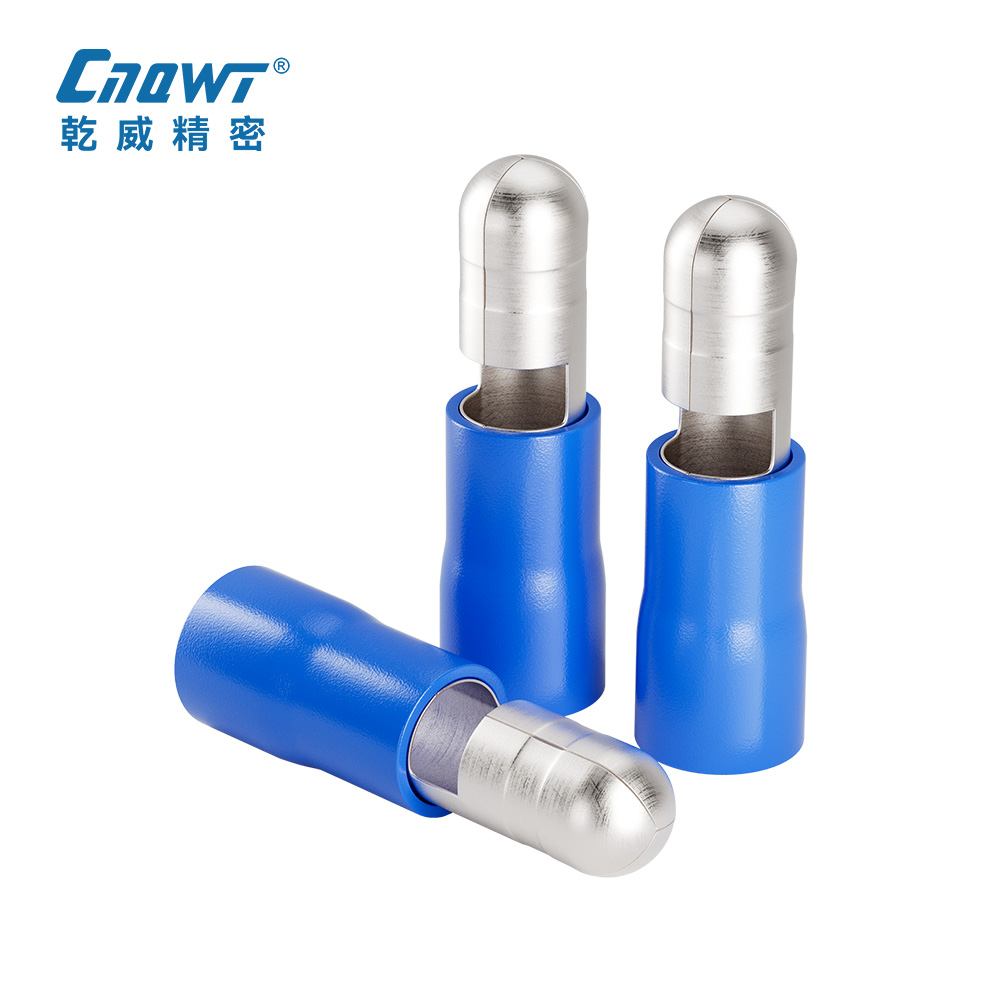
Rendimiento impermeable
La característica más importante es la resistencia a la entrada de agua..
Esto generalmente se mide a través de IP. (Protección de ingreso) calificaciones.
Las calificaciones comunes incluyen:
IP67
Protegido contra el polvo y la inmersión temporal en agua hasta 1 medidor para 30 minutos.
IP68
Diseñado para inmersión continua bajo condiciones específicas.
IP69K
Proporciona protección contra alta presión., chorros de agua a alta temperatura.
Rendimiento eléctrico
Los terminales impermeables deben mantener excelentes características eléctricas..
Los parámetros clave incluyen:
Resistencia de contacto
Una menor resistencia de contacto da como resultado una mayor eficiencia y una menor generación de calor..
Capacidad de carga actual
El terminal debe transportar de forma segura la corriente requerida sin sobrecalentarse..
Estabilidad de voltaje
Los terminales confiables minimizan las fluctuaciones de voltaje y mantienen un rendimiento eléctrico estable.
Rendimiento mecánico
La confiabilidad mecánica es igualmente importante.
Los factores clave incluyen:
Fuerza de retención terminal
Mide la seguridad con la que permanece el terminal dentro de la carcasa..
Fuerza de extracción
Determina la fuerza requerida para separar el cable del terminal..
Durabilidad del apareamiento
Evalúa cuántos ciclos de inserción y extracción puede soportar el conector..
Resistencia a las vibraciones
Crítico para la automoción, industrial, y aplicaciones de transporte.
Rendimiento térmico
Muchos terminales impermeables funcionan en condiciones de temperatura desafiantes.
Las propiedades térmicas importantes incluyen:
- Resistencia a altas temperaturas
- Flexibilidad a baja temperatura
- Durabilidad del ciclo térmico
La estabilidad térmica evita la degradación del sello y mantiene un rendimiento constante a lo largo del tiempo..
Resistencia a la corrosión
La protección contra la corrosión es uno de los principales beneficios de los terminales impermeables.
Los factores que afectan la resistencia a la corrosión incluyen:
- Selección de material base
- Revestimiento de superficie
- Integridad del sello
- Condiciones ambientales
Los terminales estañados y niquelados se utilizan comúnmente para mejorar la resistencia a la corrosión..
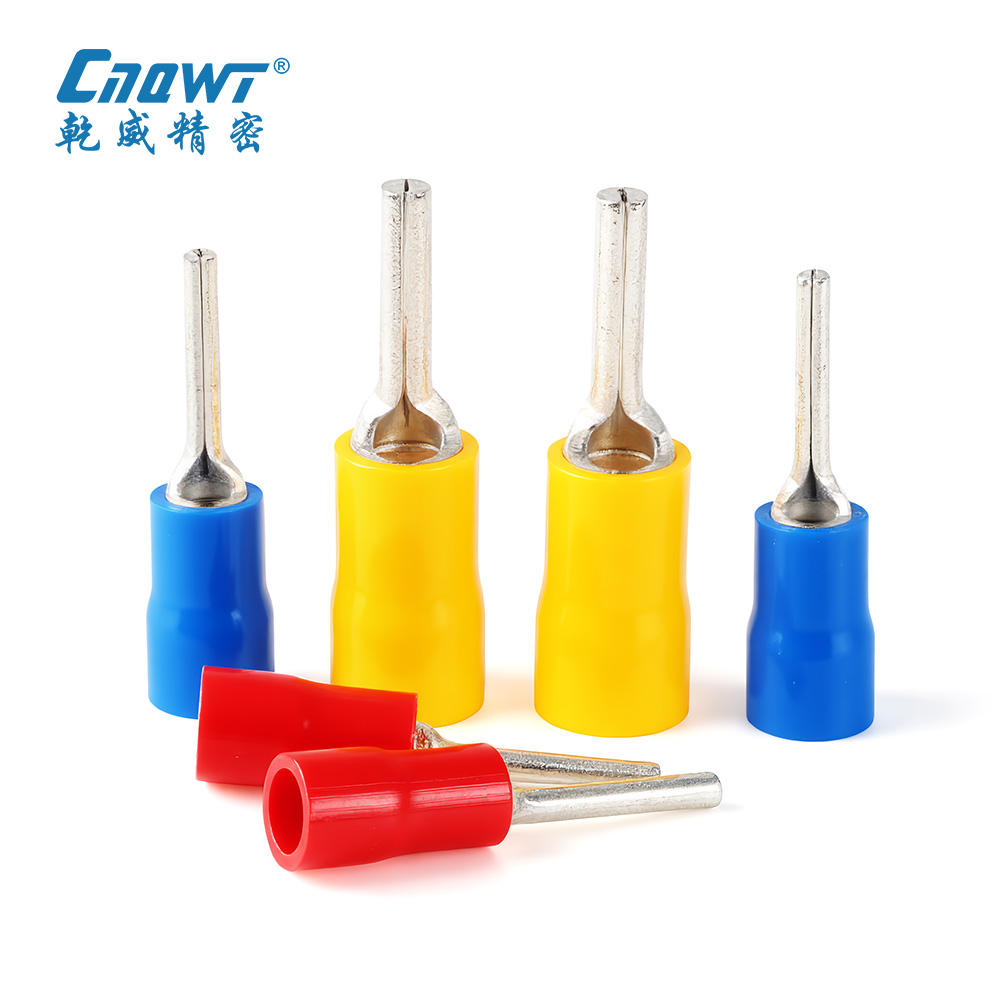
Comprender las clasificaciones de IP
Protección de ingreso (IP) Las calificaciones proporcionan un método estandarizado para evaluar la protección del medio ambiente..
IP65
- Protección completa contra el polvo
- Protección contra chorros de agua a baja presión.
Comúnmente utilizado en equipos para exteriores..
IP67
- Protección completa contra el polvo
- Protección de inmersión temporal
Ampliamente utilizado en sistemas de cableado automotriz..
IP68
- Protección de inmersión continua
Ideal para aplicaciones marinas y subacuáticas.
IP69K
- Protección contra lavados a alta presión
Común en procesamiento de alimentos y equipos industriales pesados..
La selección de la clasificación IP correcta depende del entorno operativo y de las condiciones de exposición..
Materiales y tratamientos superficiales
La selección de materiales afecta directamente el rendimiento del terminal.
Terminales impermeables de cobre
Las ventajas incluyen:
- Excelente conductividad
- Alta capacidad de corriente
- Baja pérdida de energía
Aplicaciones:
- Sistemas de baterías para vehículos eléctricos
- Distribución de energía
- Equipos de energía renovable.
Terminales impermeables de latón
Los beneficios incluyen:
- buena fuerza
- Fácil fabricación
- Rentabilidad
Aplicaciones:
- Conectores automotrices
- Equipos industriales
Terminales impermeables de bronce fosforado
Las ventajas incluyen:
- Excelentes propiedades primaverales
- Alta resistencia a la fatiga
- Presión de contacto confiable
Aplicaciones:
- Contactos del conector
- Sistemas de transmisión de señales.
Opciones de revestimiento de superficies
Estañado
La opción de revestimiento más común..
Beneficios:
- Resistencia a la corrosión
- Buena soldabilidad
- Eficiencia de costes
Niquelado
Proporciona:
- Resistencia a altas temperaturas
- Resistencia al desgaste
- Protección adicional contra la corrosión
Chapado en plata
Utilizado en aplicaciones de alta corriente debido a su excelente conductividad..
Chapado en oro
Adecuado para aplicaciones de señales de bajo voltaje que requieren confiabilidad superior.
Métodos de prueba para terminales impermeables
Las pruebas rigurosas garantizan una calidad constante del producto.
Pruebas de impermeabilidad
Las pruebas de impermeabilidad verifican la integridad del sello en condiciones ambientales simuladas..
Los métodos comunes incluyen:
- Pruebas de inmersión
- Prueba de pulverización de agua
- Prueba de presión
Prueba de niebla salina
Las pruebas de niebla salina evalúan la resistencia a la corrosión.
La prueba simula la exposición a largo plazo a ambientes corrosivos como las regiones costeras..
Pruebas de vibración
Las pruebas de vibración verifican la estabilidad del conector bajo tensión mecánica.
Esta prueba es particularmente importante para:
- Aplicaciones automotrices
- Equipo de construcción
- Maquinaria industrial
Pruebas de ciclos térmicos
El ciclo térmico expone los terminales a cambios repetidos de temperatura.
Esto evalúa:
- Durabilidad del sello
- Estabilidad del material
- Fiabilidad de contacto
Prueba de fuerza de extracción
La prueba de extracción mide la resistencia de la conexión engarzada.
Una fuerte fuerza de extracción indica un rendimiento mecánico confiable.
Aplicaciones comunes de terminales impermeables
Industria automotriz
Los terminales impermeables se utilizan ampliamente en:
- Arneses de cableado
- Sensores
- Sistemas de iluminación
- Compartimentos del motor
- Sistemas de baterías para vehículos eléctricos.
Los entornos automotrices exponen los terminales a vibraciones, humedad, fluctuaciones de temperatura, y contaminantes de las carreteras.
Sistemas de energía renovable
Las instalaciones de energías renovables suelen funcionar al aire libre durante décadas.
Las aplicaciones incluyen:
- Sistemas de energía solar
- Turbinas eólicas
- Sistemas de almacenamiento de energía en baterías.
- Inversores
Las conexiones impermeables confiables son esenciales para mantener el rendimiento del sistema.
Equipo marino
Los entornos marinos son particularmente desafiantes debido a la exposición constante a la humedad y al agua salada..
Los terminales impermeables se utilizan en:
- Sistemas de navegación
- Conexiones de batería
- Equipos de comunicación marina.
- Sistemas eléctricos marinos
Equipos industriales
La maquinaria industrial opera con frecuencia en lugares polvorientos., húmedo, o entornos de alta vibración.
Las aplicaciones incluyen:
- Equipo de construcción
- Maquinaria agrícola
- Armarios de control
- Sistemas de automatización para exteriores.
Telecomunicaciones
La infraestructura de comunicación exterior depende en gran medida de conexiones impermeables.
Las aplicaciones típicas incluyen:
- Estaciones base
- Gabinetes de comunicación
- Equipo de red
- Sistemas de monitoreo remoto
Cómo elegir el terminal impermeable adecuado
Seleccionar el terminal resistente al agua correcto requiere una cuidadosa consideración de múltiples factores.
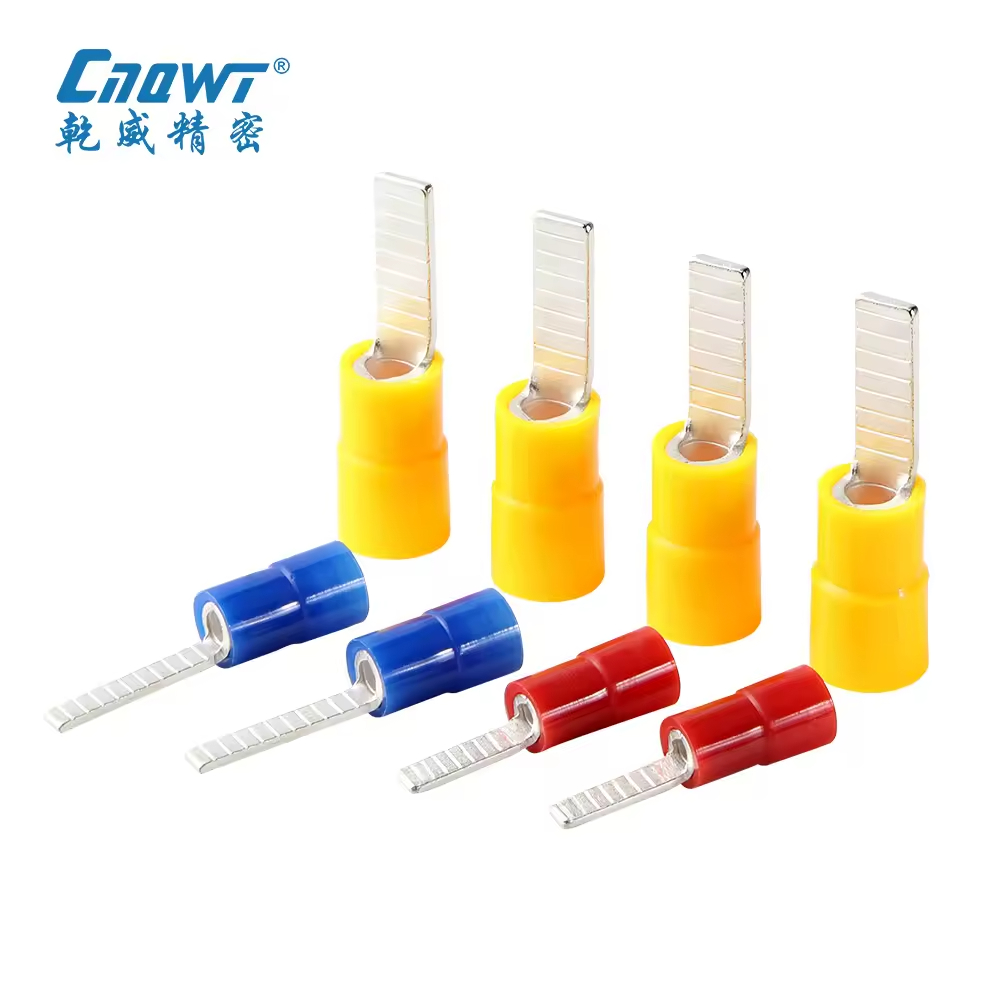
Evaluar las condiciones ambientales
Considerar:
- Instalación interior o exterior
- Nivel de exposición al agua
- Exposición al polvo
- Exposición química
- radiación ultravioleta
Determinar los requisitos eléctricos
Evaluar:
- Calificación actual
- Clasificación de voltaje
- Compatibilidad de tamaño de cable
- Requisitos de transmisión de señal
Seleccione la clasificación IP adecuada
Elija un nivel de protección que coincida con el entorno operativo sin aplicar demasiada ingeniería a la solución..
Considere el material y el revestimiento
La selección de materiales debe equilibrar:
- Conductividad
- Resistencia a la corrosión
- Resistencia mecánica
- Costo
Tendencias futuras en tecnología de terminales impermeables
Varias tendencias están dando forma al futuro del desarrollo de terminales impermeables.
Crecimiento de los vehículos eléctricos
La expansión de la producción de vehículos eléctricos está impulsando la demanda de terminales impermeables de alto voltaje capaces de manejar corrientes más grandes..
Energía Renovable Expansión
Solar, viento, y los proyectos de almacenamiento de energía continúan aumentando la necesidad de conexiones eléctricas duraderas al aire libre.
Miniaturización
A medida que los dispositivos electrónicos se vuelven más pequeños, Los fabricantes están desarrollando diseños de terminales compactos a prueba de agua sin sacrificar el rendimiento..
Materiales de sellado avanzados
Las nuevas tecnologías de elastómeros están mejorando:
- Resistencia a la temperatura
- Resistencia química
- Durabilidad a largo plazo
Fabricación inteligente
Los sistemas de ensamblaje automatizados requieren terminales diseñadas para una producción eficiente de gran volumen manteniendo al mismo tiempo una calidad constante..
Conclusión
Los terminales impermeables son componentes esenciales en los sistemas eléctricos modernos que operan en entornos exigentes.. Combinando contactos conductores, carcasas protectoras, sistemas de sellado avanzados, y mecanismos de bloqueo robustos, Proporcionan una protección fiable contra el agua., polvo, corrosión, y otros peligros ambientales.
Su rendimiento depende de la selección adecuada del material., diseño de sellado efectivo, pruebas rigurosas, y correcta instalación. Como industrias como la de los vehículos eléctricos., energía renovable, telecomunicaciones, sistemas marinos, y la automatización industrial continúa expandiéndose, la demanda de terminales impermeables de alta calidad no hará más que aumentar.
Para fabricantes y compradores, Invertir en soluciones de terminales impermeables bien diseñadas garantiza una mayor confiabilidad., vida útil más larga, costos de mantenimiento reducidos, y rendimiento eléctrico superior incluso en las condiciones de funcionamiento más duras. Precisión de Qianwei puede cumplir con sus requisitos, contáctanos hoy!
Preguntas frecuentes
1. ¿Qué es un terminal resistente al agua??
Un terminal impermeable es un conector eléctrico diseñado para evitar que el agua, humedad, polvo, y otros contaminantes entren en la conexión, Garantizar un rendimiento eléctrico confiable en entornos hostiles..
2. ¿Cómo evitan los terminales impermeables la entrada de agua??
Utilizan componentes de sellado como pasacables., juntas de silicona o elastómero, y sellos de interfaz. Combinado con carcasa precisa y mecanismos de bloqueo., Estos evitan que la humedad llegue a los contactos conductores..
3. ¿Cuál es la diferencia entre IP67?, IP68, y terminales IP69K?
- IP67: Protección temporal contra inmersión hasta 1 medidor para 30 minutos. Común en cableado automotriz.
- IP68: Protección de inmersión continua, ideal para aplicaciones marinas o exteriores.
- IP69K: Protección contra alta presión, lavados a alta temperatura. Utilizado en equipos industriales y pesados..
4. ¿Qué materiales se utilizan habitualmente para terminales impermeables??
Los materiales comunes incluyen:
- Cobre: Alta conductividad, ideal para aplicaciones de alta corriente.
- Latón: Fuerza equilibrada y rentable.
- Bronce fosforado: Excelente elasticidad y resistencia a la fatiga..
5. ¿Los terminales impermeables son resistentes a la corrosión??
Sí. Con una adecuada selección de materiales. (cobre o latón) y revestimiento de superficie (estaño, níquel, plata, o oro), Los terminales impermeables proporcionan una excelente protección contra la corrosión., especialmente cuando se combina con componentes de sellado.
6. ¿Cómo se prueban los terminales impermeables??
Se someten a varias pruebas, entre ellas:
- Pruebas de impermeabilidad (inmersión, rociador de agua, presión)
- Prueba de niebla salina para determinar la resistencia a la corrosión
- Pruebas de vibración para estabilidad mecánica.
- Ciclos térmicos para rendimiento en temperaturas extremas
- Prueba de fuerza de extracción para confiabilidad de conexión y engarzado
7. ¿Se pueden utilizar terminales impermeables en sistemas de baterías para vehículos eléctricos??
Absolutamente. Los terminales impermeables se utilizan habitualmente en las conexiones de baterías de vehículos eléctricos., cableado de alto voltaje, e infraestructura de carga, donde la protección contra la humedad y la corrosión es crítica.
8. ¿Qué causa la falla del terminal impermeable??
Las causas comunes incluyen:
- Engarzado inadecuado o sellos dañados
- Instalación incorrecta o conectores desalineados
- Degradación del material por rayos UV, quimicos, o altas temperaturas
- Excesiva tensión mecánica o vibración.
9. ¿Cómo selecciono el terminal resistente al agua correcto??
Considerar:
- Condiciones ambientales (interior/exterior, humedad, polvo, exposición química)
- Requisitos eléctricos (actual, Voltaje, tamaño del cable)
- Clasificación IP requerida (IP67, IP68, IP69K)
- Opciones de materiales y revestimientos para conductividad y resistencia a la corrosión.
10. ¿Por qué es importante un engarzado adecuado para terminales impermeables??
El engarzado adecuado garantiza:
- Compresión efectiva del sello
- Contacto eléctrico estable
- Retención mecánica
- Rendimiento impermeable a largo plazo
Un engarce incorrecto puede comprometer la integridad del sello y causar fallas prematuras..
11. ¿Qué industrias suelen utilizar terminales impermeables??
- Automotor (carros, vehículos eléctricos, motocicletas)
- Energía renovable (paneles solares, turbinas eólicas, almacenamiento de batería)
- Equipo marino (barcos, sistemas de navegación)
- Maquinaria industrial (construcción, agrícola, automatización)
- Telecomunicaciones (gabinetes al aire libre, estaciones base)
12. ¿Cuánto duran los terminales impermeables??
Con material adecuado, enchapado, e instalación, Los terminales impermeables pueden durar 10–20 años en aplicaciones automotrices o industriales típicas. La esperanza de vida depende de la exposición ambiental, condiciones de carga, y mantenimiento.

