

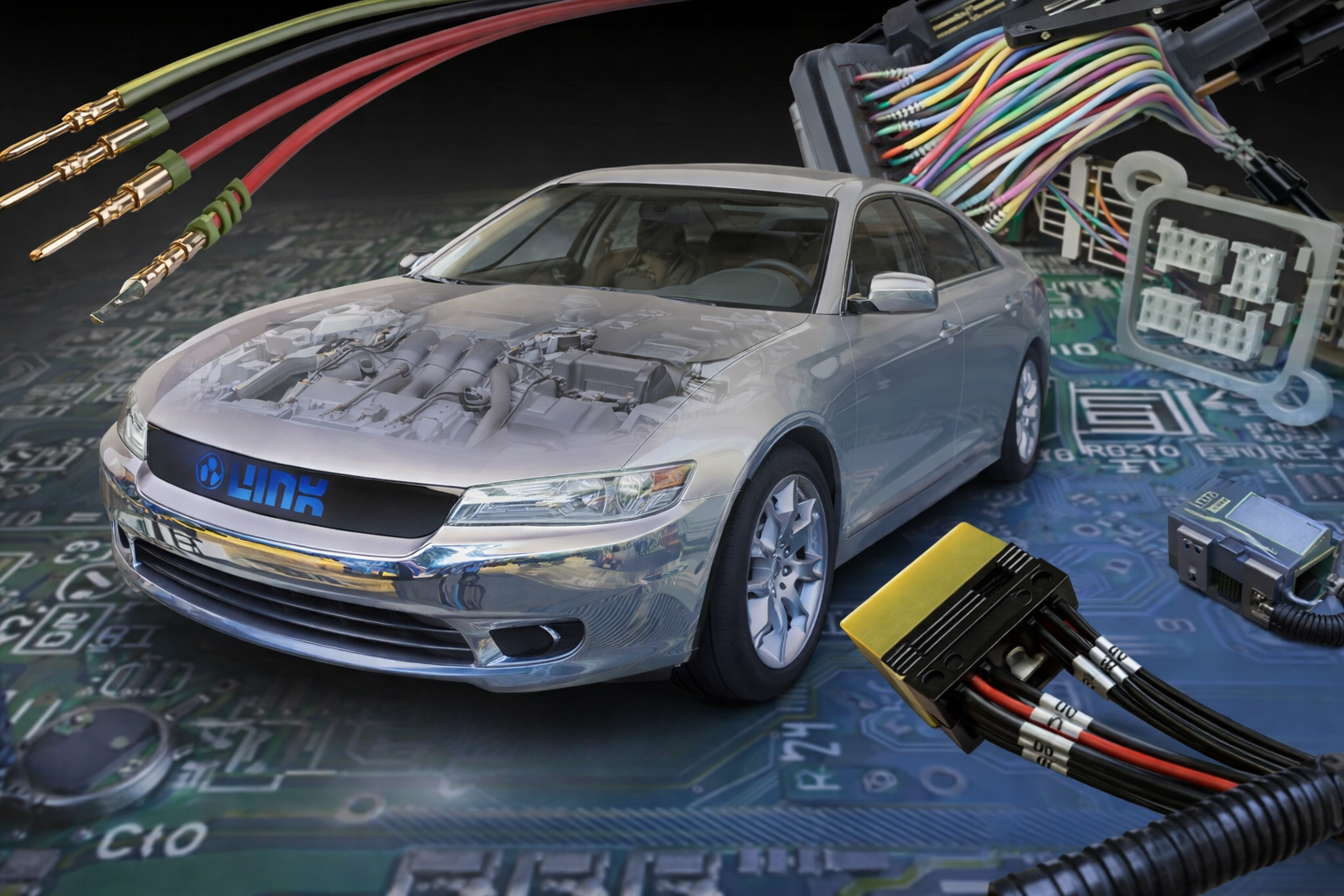
In the modern manufacturing landscape, automation has become a cornerstone of productivity, offering efficiency, consistency, and cost reductions. From consumer electronics to automobiles, automated processes dominate production lines, helping to streamline everything from assembly to quality control. However, there are certain tasks and products where human expertise remains indispensable. One such area is the design and assembly of complex wire harnesses.
Wire harnesses, crucial components in industries like automotive, aerospace, and medical devices, require a careful balance of automation and human engineering to ensure safety, functionality, and reliability. In this article, we will dive into the reasons why fully automating the design and assembly of complex wire harnesses is not always the best choice, while highlighting the aspects that can be automated and the benefits of combining automation with human expertise.
What Are Complex Wire Harnesses?
A wire harness is an assembly of cables or wires that transmit electrical power or signals within a device or vehicle. They often consist of several components: an outer protective sheath (commonly made from thermoplastics like PVC, Teflon®, or Silicone) and an inner layer made up of conductors, connectors, terminals, and other elements. Despite the appearance of simplicity, wire harnesses can be extremely complex, especially in critical industries like aerospace, military, and automotive manufacturing.
The complexity arises from the fact that wire harnesses are not just bundles of wires. They integrate various components like connectors, strain reliefs, overmolds, grommets, and terminations. These elements must be carefully designed and assembled to meet the specific needs of the project, making wire harnesses more than just low-cost solutions—they require precise engineering to function safely and efficiently.
Why Do Complex Wire Harnesses Require Human Engineering?

While automation can help streamline certain phases of the wire harness creation process, human engineering is vital for several reasons:
Custom Design Requirements:
Each wire harness project is unique, requiring custom designs based on the application. For instance, a harness for a commercial airplane differs significantly from one intended for a household appliance. During the initial design phase, engineers work closely with clients to understand specific requirements, such as material types, conductor sizes, and insulation needs. This type of customization requires expertise that automated systems alone cannot replicate.
Design Iterations and Testing:
While automation, such as automated testing equipment like Meridian’s Cerrus units, is integral to ensuring reliability and functionality, human input is necessary for iterating and refining designs. Engineers review the test results, identify potential issues, and tweak the design accordingly. This iterative process, which may involve redesigning components or recalculating specifications, requires nuanced judgment and expertise.
Complex Applications:
The design and assembly of wire harnesses often require considering factors like temperature extremes, vibrations, or even chemical exposure. Human engineers can account for these variables and design harnesses to meet the specific demands of different environments. For example, a medical device might require extra insulation for safety, while an automotive harness might need to withstand high-temperature conditions.
Logistical Flexibility:
One significant limitation of fully automated systems is their rigidity in adapting to changes in the production process or materials. Automation may not quickly adjust when unforeseen challenges arise, such as delays in material delivery or the need for last-minute design changes. Human engineers can step in to make adjustments, ensuring production continues smoothly.
Compliance with Industry Standards:
Different industries have strict regulatory standards that must be met. Medical wire harnesses require different specifications than military or telecommunications harnesses, often governed by standards like MILSPEC or ISO. Human engineers ensure that designs adhere to these specific standards, adjusting for unique material requirements and performance criteria.
Why Do Some Companies Fully Automate Wire Harness Design and Processing?
Despite the importance of human input, some companies opt for full automation in wire harness design and manufacturing. The reasons often cited include:
Faster Production:
Automated systems can speed up the manufacturing process by eliminating manual tasks like cutting, stripping, and crimping wires. This acceleration can result in lower turnaround times, which is crucial for meeting tight deadlines.
Cost-Effectiveness:
Initially, fully automating the process can reduce labor costs, lowering the overall expense of producing wire harnesses. With fewer manual interventions, companies can produce more units in less time.
Consistency and Accuracy:
Automation can ensure a high level of consistency across production runs, eliminating human error in repetitive tasks. Automated systems can precisely cut and assemble wires, reducing the chance of defects.
Efficient Resource Management:
Advanced automation tools can manage tasks like formboard layout, subassembly creation, and factory modeling. This helps streamline operations, improve material utilization, and reduce waste.
While these advantages can make automation an attractive choice, they come with trade-offs. A focus on speed and cost efficiency may sometimes compromise long-term product quality, especially when the product’s lifecycle is considered. Automation alone cannot replace the role of expert engineers in ensuring that wire harnesses are designed to withstand real-world conditions.
What Aspects of Wire Harness Assembly Can Be Automated?

Some tasks in the wire harness assembly process are suitable for automation, especially those that involve repetitive actions that require precision. These include:
Cutting and Stripping:
Automated machines can accurately cut wires to the desired length and strip the insulation from the ends. This eliminates inconsistencies that might occur with manual labor.
Crimping:
Automated crimping machines can attach terminals to wire ends with precision, ensuring a secure and reliable connection.
Soldering:
Certain soldering tasks, such as applying solder to connectors, can be automated without compromising the quality of the wire harness.
Basic Assembly Tasks:
Other repetitive tasks, such as binding wires together with ties or inserting components into protective sheaths, can be automated to improve efficiency.
However, as automation increases, so does the need for rigorous quality control at every stage of production. Automated systems are prone to errors, and without human oversight, defects may go unnoticed.
What Aspects of Wire Harness Assembly Should Not Be Automated?
While many parts of the assembly process can be automated, several key stages should always involve human expertise to ensure optimal quality and functionality:
Initial Engineering and Custom Design:
The conceptualization and design of a wire harness cannot be fully automated. Every harness needs to be custom-tailored to the project’s specific requirements. Only experienced engineers can account for the wide range of variables involved in designing complex harnesses.
Final Testing:
Automated testing systems can catch many issues, but human oversight is essential in the final testing phase. Engineers ensure that the wire harnesses meet all required specifications and pass rigorous safety checks before leaving the production line.
Critical Manufacturing Processes:
Tasks that require adaptability and expertise should remain manual:
Handling wires of varying lengths and types.
Performing multiple crimps on a single wire.
Using different bonding materials (e.g., tape, clamps, ties).
Selecting and using the right tools for specialized tasks.
By relying on human engineers for these tasks, companies can ensure that their wire harnesses are both functional and durable, meeting the highest standards of quality.
Design Features of Wire Harnesses
Wire harnesses are highly customizable, with several important design features that need to be carefully considered:
Conductor Sizes:
From 12 AWG to 34 AWG, wire harness engineers select the appropriate conductor size based on the project’s requirements.
Conductor Colors:
Color coding wires enhances wire management and simplifies maintenance and troubleshooting.
Stranding Sizes:
The stranding size, which can range from 0.002” to 0.01”, affects the flexibility and conductivity of the wire harness.
Insulation Materials:
Materials like PVC and Teflon® are used to insulate conductors, protecting them from environmental factors and electrical interference.
UL® Certified Wires:
Using UL® certified wires ensures that the wire harnesses meet safety standards and are tested for reliability.
Conclusion: Finding the Balance Between Automation and Expertise
In conclusion, while automation is an essential tool for streamlining wire harness design and assembly, it cannot replace the need for human expertise. The design of complex wire harnesses requires a deep understanding of the specific application, the ability to adapt to unforeseen challenges, and the meticulous testing of prototypes and finished products. Companies like Meridian Cable blend the advantages of semi-automated systems with the expertise of skilled engineers, ensuring that wire harnesses are both cost-effective and of the highest quality.
By balancing cutting-edge automation with hands-on experience, manufacturers can create wire harnesses that meet the most demanding specifications, ensuring their performance and longevity in critical applications. Contact us for more information.
FAQs
- What is the difference between a wire harness and a wire assembly?
A wire harness is a collection of wires, cables, connectors, and other components organized together in a single unit. It is designed to transmit electrical signals or power across devices or machines. A wire assembly, on the other hand, refers to the process of assembling individual wires and components into a complete system, which may or may not involve bundling them into a harness. While a wire harness provides a streamlined, organized solution, a wire assembly is typically more flexible but less structured.
- Can automated systems handle all types of wire harness designs?
Automated systems excel in handling repetitive tasks such as wire cutting, stripping, and crimping. However, for complex and custom designs, human input is essential. Automated systems often struggle with accommodating the nuances of projects that require specialized materials, intricate assembly, or strict compliance with industry standards (e.g., aerospace, medical). Thus, automation works best in conjunction with expert engineering, particularly for projects requiring custom solutions or high reliability.
- What are the risks of fully automating wire harness assembly?
While full automation can improve speed and reduce labor costs, it also carries the risk of compromised quality. Automated systems may overlook subtle design flaws or fail to adapt quickly to changes in material availability or project requirements. Additionally, the lack of expert oversight during final testing can result in defective products making it to the customer, leading to safety issues or performance failures in critical applications.
- How does human expertise enhance the quality of wire harnesses?
Human engineers bring several advantages to the process:
Customization: Engineers can adapt designs to meet specific application needs, ensuring optimal functionality.
Problem-solving: They can address design flaws or unexpected issues during production.
Quality control: Expert testing, troubleshooting, and quality assurance measures ensure the harness meets rigorous safety standards and performance criteria.
Innovation: Experienced engineers may offer creative solutions or identify improvements that automation might miss.
- Can wire harness design be fully done using computer-aided design (CAD) software?
CAD software plays a critical role in the wire harness design process by enabling engineers to create precise, detailed schematics. However, while CAD software can automate aspects of the design (such as layout, component placement, and schematic creation), human expertise is still needed to address project-specific challenges, optimize designs, and ensure they meet safety and regulatory standards. CAD is a tool, but it is not a substitute for the judgment and experience that expert engineers bring to the table.
- What industries benefit the most from custom-designed wire harnesses?
Custom-designed wire harnesses are essential in several high-stakes industries:
Automotive: Wiring for engine control systems, infotainment, and safety features.
Aerospace: Complex harnesses for avionics, communication systems, and navigation equipment.
Medical: Custom wiring solutions for medical devices like diagnostic equipment, patient monitoring systems, and surgical instruments.
Military: MILSPEC wire harnesses used in defense systems, including communications and surveillance.
Telecommunications: Cable assemblies for servers, switches, and network equipment.
- Why is wire harness testing so critical, and can automation handle this?
Testing is essential to ensure that wire harnesses function safely and meet industry standards. Automated systems can handle basic tests, such as continuity checks or electrical resistance tests. However, the final testing phase often involves more complex evaluations—such as stress testing, durability checks, and functional tests in real-world conditions—that require expert oversight. Engineers ensure that harnesses are free from defects and perform as expected under various operational environments.
- What is the role of UL® certification in wire harness manufacturing?
UL® certification ensures that the wire harnesses meet recognized safety standards for electrical wiring. It is a mark of quality and reliability, indicating that the wire harnesses have been tested for electrical safety, performance, and durability. UL®-certified materials and components also contribute to the overall safety of the final product, particularly in industries such as automotive, medical, and industrial applications where safety is paramount.
