

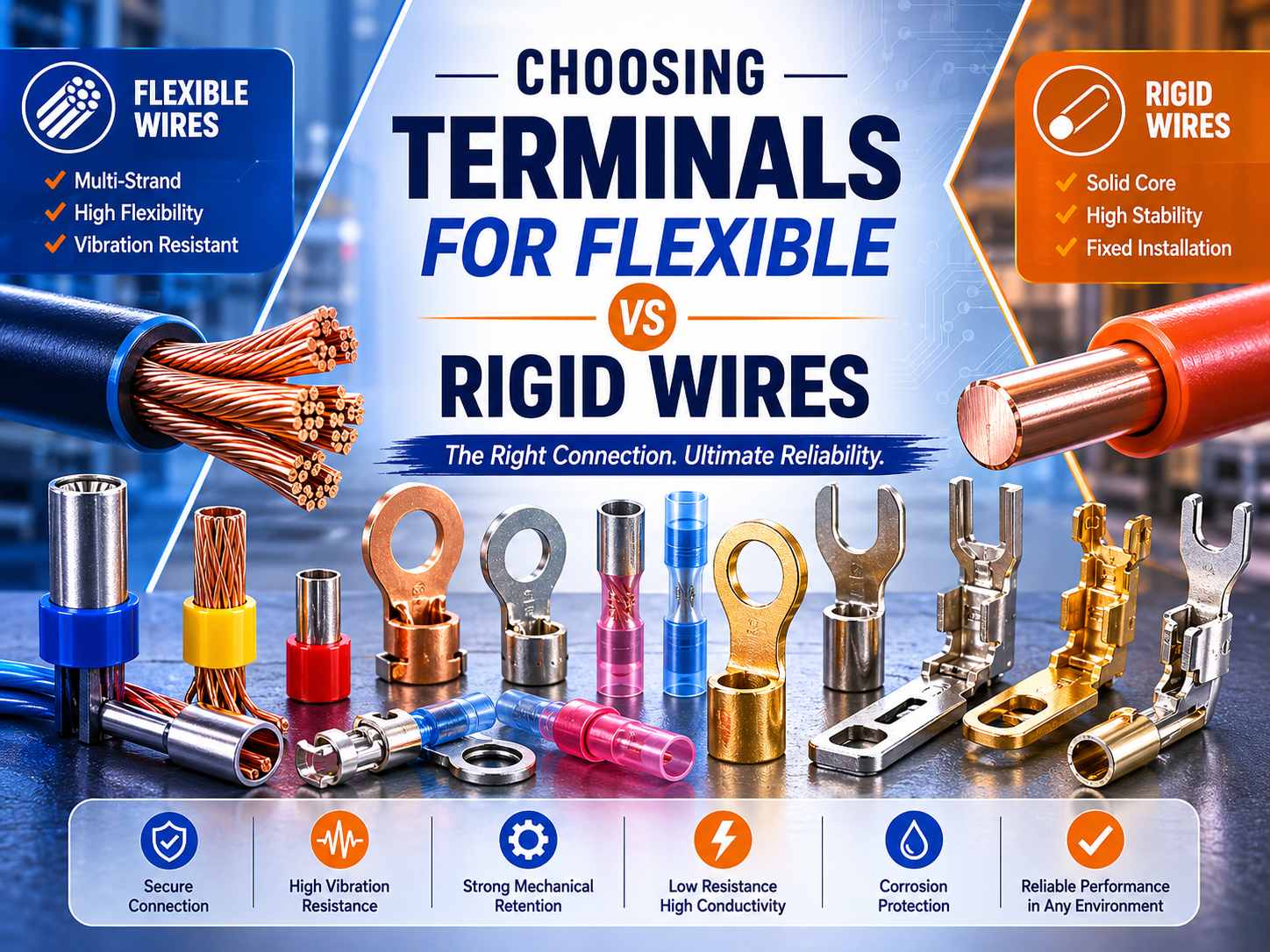
Thiết bị đầu cuối điện là thành phần quan trọng trong mọi hệ thống điện, cung cấp kết nối an toàn giữa các dây, thiết bị, và mạch. Tuy nhiên, việc chọn thiết bị đầu cuối chính xác không chỉ liên quan đến việc kết hợp máy đo dây và xếp hạng dòng điện. Một yếu tố thường bị bỏ qua là loại dây dẫn được sử dụng—dây mềm hoặc dây cứng..
Dây mềm và dây cứng khác nhau đáng kể trong kết cấu, đặc điểm lắp đặt, và hành vi cơ học. Kết quả là, họ yêu cầu các chiến lược lựa chọn thiết bị đầu cuối khác nhau để đảm bảo hiệu suất điện đáng tin cậy và độ bền lâu dài.
Sử dụng sai thiết bị đầu cuối có thể dẫn đến chất lượng uốn kém, tăng sức đề kháng, hư hỏng dây dẫn, sự cố liên quan đến rung động, và các vấn đề bảo trì tốn kém. Cho dù bạn đang thiết kế bảng điều khiển công nghiệp, dây điện ô tô, hệ thống năng lượng tái tạo, hoặc điện tử tiêu dùng, hiểu cách xây dựng dây ảnh hưởng đến việc lựa chọn thiết bị đầu cuối là điều cần thiết.
Hướng dẫn này giải thích sự khác biệt giữa dây mềm và dây cứng, các tùy chọn thiết bị đầu cuối tốt nhất cho mỗi, và các yếu tố chính mà kỹ sư nên cân nhắc khi thiết kế các kết nối điện đáng tin cậy.
Hiểu về dây mềm và cứng
Trước khi chọn thiết bị đầu cuối, điều quan trọng là phải hiểu sự khác biệt cơ bản giữa dây dẫn mềm và dây dẫn cứng.
Dây linh hoạt là gì?
Dây mềm được cấu tạo bằng cách sử dụng nhiều sợi dây dẫn nhỏ bó lại với nhau. Thiết kế dạng mắc kẹt này cho phép dây uốn cong nhiều lần mà không bị đứt, làm cho nó trở nên lý tưởng cho các ứng dụng liên quan đến chuyển động, rung động, hoặc không gian lắp đặt hạn chế.
Ưu điểm chung của dây linh hoạt bao gồm:
- Tính linh hoạt tuyệt vời
- Chống rung tốt hơn
- Định tuyến dễ dàng hơn thông qua thiết bị
- Giảm nguy cơ mỏi dây dẫn
- Cải thiện độ bền trong các ứng dụng động
Dây mềm được sử dụng rộng rãi trong:
- Hệ thống dây điện ô tô
- Người máy
- Thiết bị tự động hóa công nghiệp
- Điện tử hàng không vũ trụ
- Điện tử tiêu dùng
- Hệ thống năng lượng tái tạo
Vì dây dẫn gồm nhiều sợi riêng lẻ, lựa chọn thiết bị đầu cuối và chất lượng uốn trở nên đặc biệt quan trọng.
Dây cứng là gì?
Dây cứng, thường được gọi là dây lõi rắn, sử dụng một dây dẫn rắn duy nhất thay vì nhiều sợi.
Đặc điểm của chúng bao gồm:
- Độ ổn định cơ học cao hơn
- Tính linh hoạt thấp hơn
- Dễ dàng chèn vào các khối thiết bị đầu cuối cố định
- Hình dạng dây dẫn nhất quán
- Cài đặt đơn giản hơn trong các hệ thống cố định
Dây cứng thường được tìm thấy trong:
- Xây dựng hệ thống dây điện
- Hệ thống phân phối điện
- Lắp đặt công nghiệp cố định
- Tủ điều khiển
- Hệ thống chiếu sáng
Vì dây cứng không chứa nhiều sợi, chúng thường ít nhạy cảm hơn với hư hỏng của sợi trong quá trình lắp đặt.
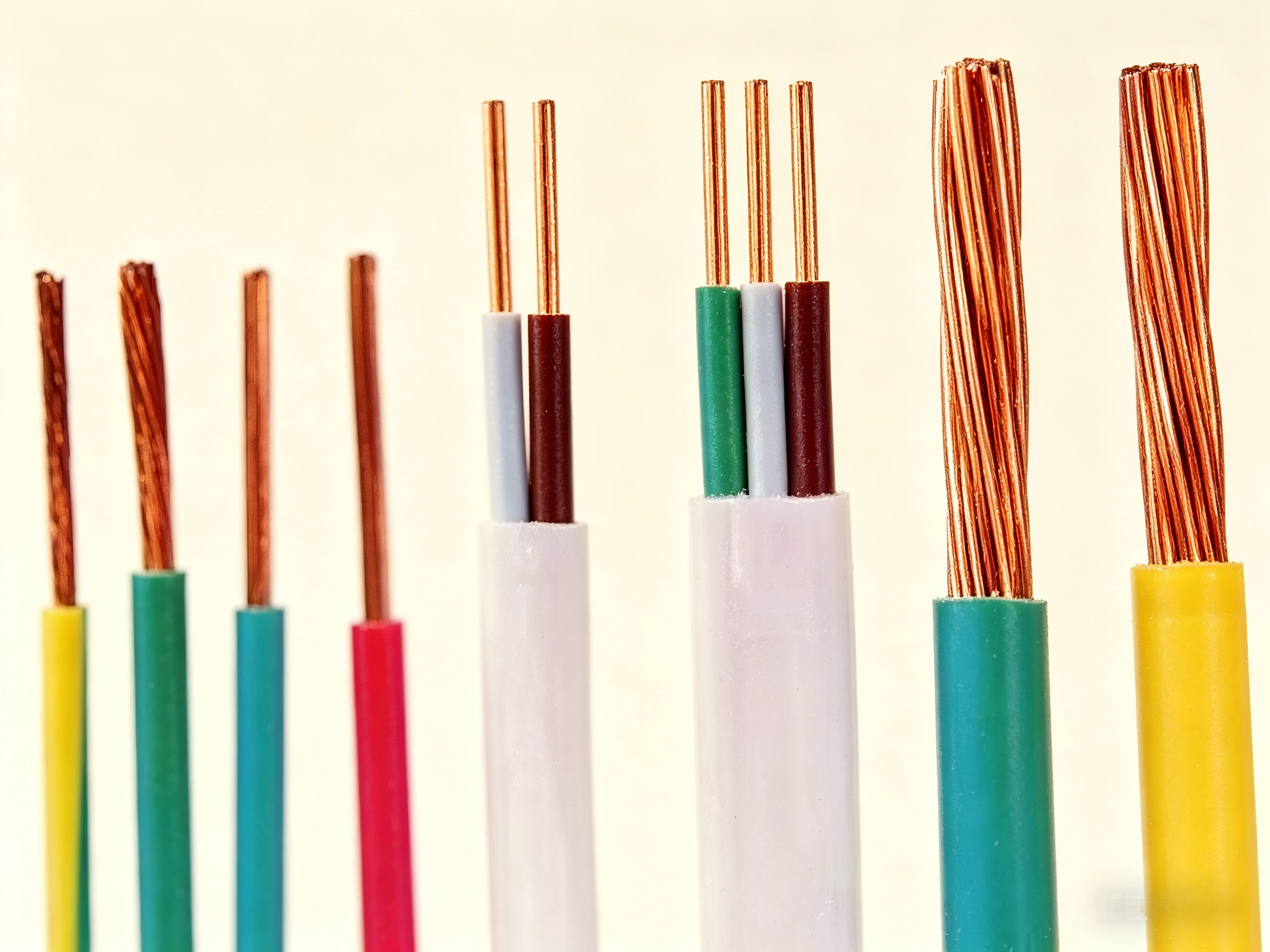
Dây linh hoạt và dây cứng: Sự khác biệt chính
| Tài sản | Dây linh hoạt | Dây cứng |
|---|---|---|
| Sự thi công | nhiều sợi | lõi rắn |
| Tính linh hoạt | Cao | Thấp |
| Chống rung | Xuất sắc | Vừa phải |
| Khả năng định tuyến | Dễ | Giới hạn |
| Chống mỏi | Tốt hơn | Thấp hơn |
| Yêu cầu uốn | Quan trọng hơn | Đơn giản hơn |
Hiểu những khác biệt này là nền tảng của việc lựa chọn thiết bị đầu cuối thích hợp.
Tại sao loại dây ảnh hưởng đến việc lựa chọn thiết bị đầu cuối
Nhiều sự cố về điện xảy ra do các thiết bị đầu cuối được chọn chỉ dựa trên kích thước dây mà bỏ qua cấu trúc dây dẫn.
Thiết bị đầu cuối được thiết kế cho dây dẫn rắn có thể không cố định đúng cách dây sợi mảnh. Tương tự, thiết bị đầu cuối được tối ưu hóa cho dây mềm có thể không mang lại hiệu suất lý tưởng với dây dẫn rắn.
Mối quan hệ giữa cấu trúc dây và chất lượng uốn
Mục đích của việc uốn nếp là tạo ra kết nối điện kín khí giữa dây dẫn và thùng đầu cuối.
Với dây linh hoạt, nén thích hợp phải:
- Chụp tất cả các dây dẫn
- Ngăn chặn sự di chuyển của sợi
- Giảm thiểu sức đề kháng
- Tối đa hóa sức mạnh kéo ra
Uốn tóc kém có thể khiến sợi tóc bị lỏng, dẫn đến hiệu suất điện không ổn định.
Đối với dây cứng, mối quan tâm hàng đầu là duy trì khả năng giữ cơ học đầy đủ mà không làm hỏng dây dẫn.
Rủi ro khi sử dụng sai thiết bị đầu cuối
Sử dụng thiết bị đầu cuối không phù hợp có thể gây ra:
Các vấn đề về dây linh hoạt
- Sợi bị đứt
- Lực giữ kém
- Tăng sức đề kháng
- sinh nhiệt
- Thất bại sớm
Các vấn đề về dây cứng
- Dây dẫn bị nứt
- Áp lực tiếp xúc không đủ
- Độ ổn định cơ học kém
- Giảm độ tin cậy kết nối
Chọn đúng thiết bị đầu cuối giúp loại bỏ những rủi ro này.
Thiết bị đầu cuối tốt nhất cho dây linh hoạt
Dây dẫn mềm thường yêu cầu thiết kế đầu cuối chuyên dụng có thể chứa nhiều sợi một cách an toàn.
Thiết bị đầu cuối Ferrule
Ferrules là một trong những giải pháp phổ biến nhất cho các ứng dụng dây bị mắc kẹt.
Ống nối bao gồm một ống bọc kim loại được uốn quanh dây dẫn trước khi lắp vào khối đầu cuối.
Lợi ích bao gồm:
- Ngăn chặn sự sờn sợi
- Cải thiện tính nhất quán khi chèn
- Tăng cường độ tin cậy liên lạc
- Đơn giản hóa việc bảo trì
Ferrules được sử dụng rộng rãi trong:
- hệ thống PLC
- Tủ điều khiển
- Tự động hóa công nghiệp
- Bảng điện
Thiết bị đầu cuối uốn cách điện
Thiết bị đầu cuối cách điện phổ biến bao gồm:
- Thiết bị đầu cuối vòng
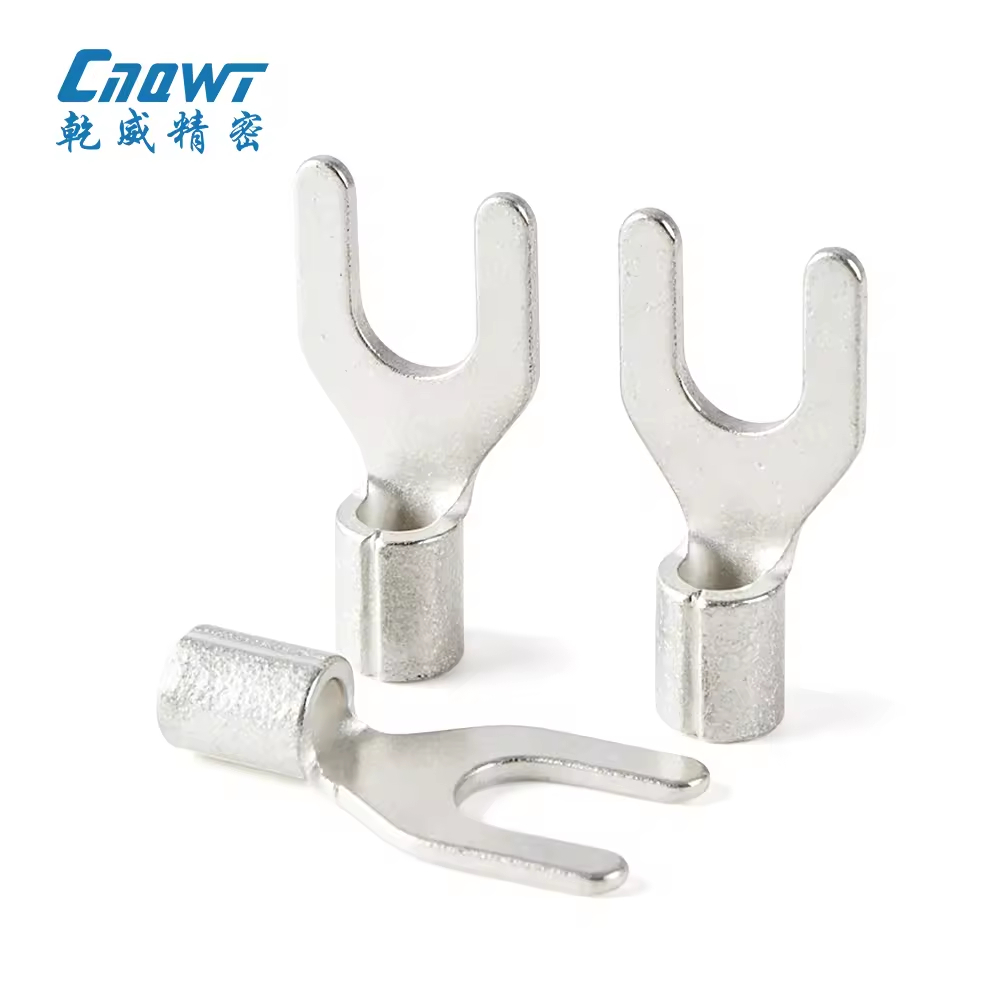
- Thiết bị đầu cuối ngã ba
- Thiết bị đầu cuối thuổng
Các thiết bị đầu cuối này cung cấp:
- Khả năng giữ cơ học mạnh mẽ
- Độ dẫn điện đáng tin cậy
- Dễ dàng cài đặt
- Khả năng tương thích rộng
Chúng thường được sử dụng trong ô tô, công nghiệp, và ứng dụng thương mại.
Thiết bị đầu cuối co nhiệt
Thiết bị đầu cuối co nhiệt kết hợp công nghệ uốn với khả năng bịt kín môi trường.
Ưu điểm bao gồm:
- Bảo vệ chống thấm nước
- Chống ăn mòn
- Tăng cường khả năng chống rung
- Hỗ trợ cơ học được cải thiện
Chúng thường được sử dụng trong:
- Hệ thống hàng hải
- Thiết bị ngoài trời
- Máy móc nông nghiệp
- Hệ thống dây điện ô tô
Thiết bị đầu cuối pin
Thiết bị đầu cuối có chốt đặc biệt hữu ích để chèn dây dẫn bị mắc kẹt vào khối thiết bị đầu cuối kẹp vít.
Họ giúp đỡ:
- Ngăn chặn sự lan rộng của sợi
- Cải thiện tốc độ cài đặt
- Tăng cường tính nhất quán của liên hệ
Thiết bị đầu cuối tốt nhất cho dây cứng
Dây dẫn cứng thường yêu cầu các phương pháp kết thúc ít chuyên dụng hơn.
Kết nối kẹp vít
Đầu nối kẹp vít được sử dụng rộng rãi với dây dẫn rắn vì chúng tạo áp lực cơ học trực tiếp lên dây..
Lợi ích bao gồm:
- Cài đặt đơn giản
- Lực giữ đáng tin cậy
- Kiểm tra dễ dàng
Thiết bị đầu cuối vòng
Thiết bị đầu cuối vòng vẫn là một lựa chọn phổ biến để lắp đặt dây cứng.
Ứng dụng bao gồm:
- Thiết bị công nghiệp
- Hệ thống nối đất
- Bảng phân phối
Thiết kế vòng kín mang lại sự an toàn cơ học tuyệt vời.
Thiết bị đầu cuối ngã ba
Thiết bị đầu cuối càng nâng đơn giản hóa việc bảo trì vì có thể tháo dây mà không cần tháo hoàn toàn vít lắp.
Chúng thường được tìm thấy ở:
- Bảng điều khiển
- Thiết bị có thể sử dụng được
- Tủ điện
Thiết bị đầu cuối đẩy vào
Công nghệ Push-in ngày càng trở nên phổ biến trong các hệ thống dây điện công nghiệp và tòa nhà hiện đại.
Ưu điểm bao gồm:
- Cài đặt nhanh
- Giảm chi phí lao động
- Áp lực tiếp xúc đáng tin cậy
Những cân nhắc về việc uốn dây cho dây linh hoạt
Dây dẫn bị mắc kẹt đòi hỏi sự chú ý nhiều hơn trong quá trình uốn.
Tại sao dây mềm cần xử lý đặc biệt
Các sợi riêng lẻ có thể di chuyển trong quá trình nén, làm cho chất lượng uốn phụ thuộc nhiều vào công cụ và kiểm soát quy trình.
Các mục tiêu chính bao gồm:
- Nén sợi đồng đều
- Chụp sợi hoàn chỉnh
- Độ bền kéo cao
- Điện trở thấp
Hồ sơ uốn được đề xuất
Các ứng dụng khác nhau có thể yêu cầu hình học uốn cụ thể.
Hồ sơ phổ biến bao gồm:
Uốn lục giác
Cung cấp khả năng phân phối nén tuyệt vời và phổ biến trong các ứng dụng nguồn.
Uốn vuông
Thường được sử dụng cho ferrules và khối thiết bị đầu cuối.
Uốn hình thang
Được sử dụng rộng rãi trong sản xuất dây điện ô tô.
Những lỗi uốn tóc phổ biến
Các vấn đề phổ biến bao gồm:
- Uốn quá mức
- Uốn dưới
- Sợi bị hư hỏng
- Tước dây không đúng cách
- Dụng cụ không chính xác
Những vấn đề này có thể làm giảm đáng kể độ tin cậy của kết nối.
Độ tin cậy của kết nối khi bị rung
Rung động là một thách thức lớn trong nhiều hệ thống điện.
Tại sao dây linh hoạt hoạt động tốt hơn
Dây dẫn bị mắc kẹt có thể hấp thụ chuyển động và ứng suất cơ học hiệu quả hơn dây dẫn rắn.
Lợi ích bao gồm:
- Giảm mệt mỏi
- Hấp thụ sốc tốt hơn
- Tuổi thọ dài hơn
Các ngành cần khả năng chống rung
Môi trường rung động cao bao gồm:
- Hệ thống ô tô
- Thiết bị nông nghiệp
- Vận tải đường sắt
- Hệ thống hàng không vũ trụ
- Máy móc xây dựng
Thiết kế thiết bị đầu cuối được đề xuất
Dành cho môi trường có nhiều rung động, coi như:
- Thiết bị đầu cuối co nhiệt
- Khóa thiết bị đầu cuối
- Thiết bị đầu cuối uốn có độ giữ cao
- Thiết bị đầu cuối ô tô chuyên dụng
Những thiết kế này cải thiện bảo mật kết nối và giảm rủi ro lỗi.
Cân nhắc về hiệu suất điện
Độ dẫn điện
Cả dây mềm và dây cứng đều có thể đạt được độ dẫn điện tuyệt vời khi được kết thúc đúng cách.
Chất lượng của kết nối đầu cuối thường có tác động lớn hơn so với bản thân kết cấu dây dẫn.
Điện trở tiếp xúc
Điện trở tiếp xúc phụ thuộc vào:
- Vật liệu đầu cuối
- Chất lượng uốn
- Mạ bề mặt
- Áp suất tiếp xúc
Thiết bị đầu cuối được lựa chọn phù hợp giảm thiểu tổn thất năng lượng và sinh nhiệt.
Khả năng mang dòng điện
Công suất hiện tại chủ yếu được xác định bởi:
- Máy đo dây
- Vật liệu dẫn điện
- Kích thước thiết bị đầu cuối
- Điều kiện môi trường
Luôn kiểm tra tính tương thích giữa kích thước dây và thông số kỹ thuật của thiết bị đầu cuối.
Các yếu tố môi trường cần xem xét
Điều kiện môi trường ảnh hưởng đáng kể đến hiệu suất thiết bị đầu cuối.
Độ ẩm và ăn mòn
Dành cho môi trường ẩm ướt hoặc ngoài trời, coi như:
- Thiết bị đầu cuối mạ thiếc
- Thiết bị đầu cuối co nhiệt
- Hệ thống kết nối kín
Những giải pháp này cải thiện khả năng chống ăn mòn và tuổi thọ sử dụng.
Tiếp xúc với nhiệt độ
Môi trường nhiệt độ cao có thể yêu cầu:
- Cách nhiệt chịu nhiệt
- Thiết bị đầu cuối mạ niken
- Vật liệu dẫn điện chuyên dụng
Tiếp xúc với hóa chất
Các cơ sở công nghiệp thường để lộ các kết nối tới:
- Dầu
- dung môi
- Chất tẩy rửa
- Hóa chất công nghiệp
Lựa chọn vật liệu và lớp mạ phải tính đến các điều kiện này.
Cách chọn thiết bị đầu cuối phù hợp
Một quá trình lựa chọn có cấu trúc cải thiện độ tin cậy.
Bước chân 1: Xác định dây xây dựng
Xác định xem dây dẫn có:
- dây rắn
- Dây bện tiêu chuẩn
- Dây sợi mịn
Bước chân 2: Xác định yêu cầu về điện
Đánh giá:
- Tải hiện tại
- Đánh giá điện áp
- Chu kỳ nhiệm vụ
Bước chân 3: Đánh giá điều kiện môi trường
Coi như:
- Độ ẩm
- Rung
- Nhiệt độ
- Tiếp xúc với hóa chất
Bước chân 4: Chọn thiết bị đầu cuối phù hợp
Khuyến nghị chung bao gồm:
| Ứng dụng | Thiết bị đầu cuối được đề xuất |
|---|---|
| Dây bị mắc kẹt | vòng sắt |
| Dây mảnh | Ferrule hoặc Pin |
| ô tô | Co nhiệt |
| dây rắn | Kẹp vòng hoặc vít |
| Bảng điều khiển | vòng sắt |
Bước chân 5: Xác thực thông qua thử nghiệm
Trình diễn:
- Kiểm tra lực kéo
- Kiểm tra điện trở tiếp xúc
- Kiểm tra trực quan
- Kiểm tra độ rung
Thử nghiệm xác nhận độ tin cậy lâu dài.
Những lỗi lựa chọn thiết bị đầu cuối phổ biến
Một số lỗi phổ biến có thể ảnh hưởng đến hiệu suất.
Sử dụng thiết bị đầu cuối dây rắn trên dây dẫn linh hoạt
Điều này thường dẫn đến khả năng giữ sợi kém và kết nối điện không ổn định..
Bỏ qua Ferrules
Nhiều lỗi xảy ra ở bảng điều khiển do dây bị mắc kẹt được cắm trực tiếp vào các đầu vít mà không có ống nối.
Sử dụng dụng cụ uốn không chính xác
Ngay cả các thiết bị đầu cuối chất lượng cao cũng có thể bị hỏng nếu sử dụng công cụ không phù hợp.
Chọn sai kích cỡ
Thiết bị đầu cuối quá khổ hoặc quá nhỏ làm giảm cả hiệu suất điện và cơ khí.
Bỏ qua điều kiện môi trường
Độ ẩm, rung động, và nhiệt độ phải luôn được xem xét trong quá trình lựa chọn thiết bị đầu cuối.
Phương pháp kiểm tra khả năng tương thích của dây đầu cuối
Các nhà sản xuất đáng tin cậy thực hiện thử nghiệm rộng rãi để xác minh tính tương thích.
Các xét nghiệm thông thường bao gồm:
- Kiểm tra lực kéo ra
- Phân tích mặt cắt uốn
- Kiểm tra điện trở tiếp xúc
- Thử nghiệm tăng nhiệt độ
- Kiểm tra độ rung
Các quy trình này giúp đảm bảo chất lượng sản phẩm nhất quán.
Làm sao Độ chính xác của Qianwei Hỗ trợ các ứng dụng dây linh hoạt và cứng nhắc
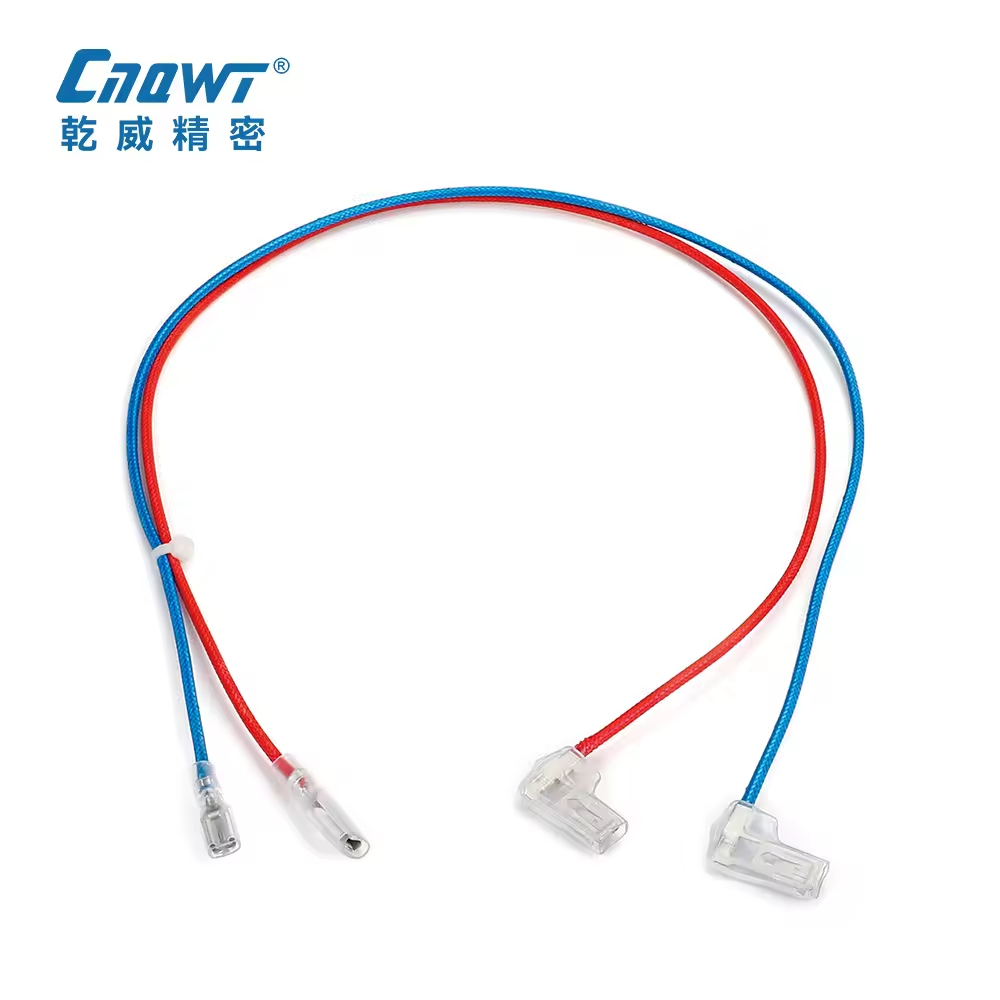
Qianwei Precision cung cấp các giải pháp thiết bị đầu cuối cho nhiều ứng dụng dây bện và dây rắn.
Khả năng của chúng tôi bao gồm:
- Thiết kế thiết bị đầu cuối tùy chỉnh
- Dập kim loại chính xác
- Công nghệ mạ tiên tiến
- Hỗ trợ xác nhận uốn
- Kiểm tra chất lượng toàn diện
Cho dù bạn yêu cầu thiết bị đầu cuối cho tự động hóa công nghiệp, hệ thống ô tô, thiết bị năng lượng tái tạo, hoặc điện tử tiêu dùng, đội ngũ kỹ thuật của chúng tôi có thể giúp xác định giải pháp tối ưu cho ứng dụng của bạn.
Phần kết luận
Việc lựa chọn thiết bị đầu cuối cho dây mềm và cứng không chỉ đơn giản là phù hợp với thước đo dây. Cấu trúc dây dẫn ảnh hưởng trực tiếp đến chất lượng uốn, độ tin cậy kết nối, hiệu suất rung, và độ bền lâu dài.
Dây mềm thường được hưởng lợi từ ferrules, thiết bị đầu cuối co nhiệt, và thiết kế uốn chuyên dụng để giữ chặt các sợi dây dẫn. Dây cứng thường hoạt động tốt với các thiết bị đầu cuối dạng vòng, kết nối kẹp vít, và thiết bị đầu cuối đẩy vào.
Bằng cách xem xét việc xây dựng dây, điều kiện môi trường, yêu cầu về điện, và kiểm tra xác nhận, các kỹ sư có thể cải thiện đáng kể độ tin cậy của kết nối và hiệu suất hệ thống.
Làm việc với các nhà sản xuất thiết bị đầu cuối có kinh nghiệm để đảm bảo rằng cả ứng dụng dây bện và dây rắn đều đạt được tiêu chuẩn an toàn cao nhất, độ bền, và hiệu quả.
Câu hỏi thường gặp
Sự khác biệt giữa dây linh hoạt và dây cứng?
Dây mềm sử dụng nhiều sợi dây dẫn, trong khi dây cứng sử dụng một dây dẫn rắn duy nhất.
Thiết bị đầu cuối nào là tốt nhất cho dây bị mắc kẹt?
Thiết bị đầu cuối Ferrule thường được coi là lựa chọn tốt nhất cho dây bị mắc kẹt, đặc biệt là trong các ứng dụng bảng điều khiển.
Có thể sử dụng ferrules với dây rắn?
Đúng, nhưng ống nối được thiết kế chủ yếu cho dây dẫn bị mắc kẹt và mang lại lợi ích lớn nhất trong các ứng dụng đó.
Tại sao nên dùng ferrules cho bảng điều khiển?
Ferrules ngăn ngừa sờn sợi, cải thiện độ tin cậy liên lạc, và đơn giản hóa việc bảo trì.
Các đầu cuối co nhiệt có phù hợp với dây mềm không?
Đúng. Thiết bị đầu cuối co nhiệt cung cấp khả năng chống rung tuyệt vời, niêm phong không thấm nước, và bảo vệ chống ăn mòn.
Loại dây nào hoạt động tốt hơn khi bị rung?
Dây dẫn mềm dẻo thường hoạt động tốt hơn vì chúng hấp thụ chuyển động và giảm độ mỏi của dây dẫn.
Điều gì xảy ra nếu tôi sử dụng sai loại thiết bị đầu cuối?
Bạn có thể gặp phải tình trạng giữ chân kém, tăng sức đề kháng, quá nóng, hư hỏng dây dẫn, và lỗi kết nối sớm.
Làm cách nào để kiểm tra khả năng tương thích của thiết bị đầu cuối?
Các phương pháp phổ biến bao gồm kiểm tra lực kéo, kiểm tra điện trở tiếp xúc, kiểm tra độ rung, và kiểm tra trực quan.
Dây bị mắc kẹt có khó uốn hơn không?
Đúng. Vì có nhiều dây dẫn, dây bị mắc kẹt đòi hỏi phải chú ý nhiều hơn đến chất lượng uốn và lựa chọn dụng cụ.
Những ngành công nghiệp nào thường sử dụng thiết bị đầu cuối dây linh hoạt?
ô tô, hàng không vũ trụ, người máy, tự động hóa công nghiệp, năng lượng tái tạo, và các ngành công nghiệp điện tử tiêu dùng đều phụ thuộc rất nhiều vào các thiết bị đầu cuối được thiết kế cho dây dẫn linh hoạt.

