

Giới thiệu
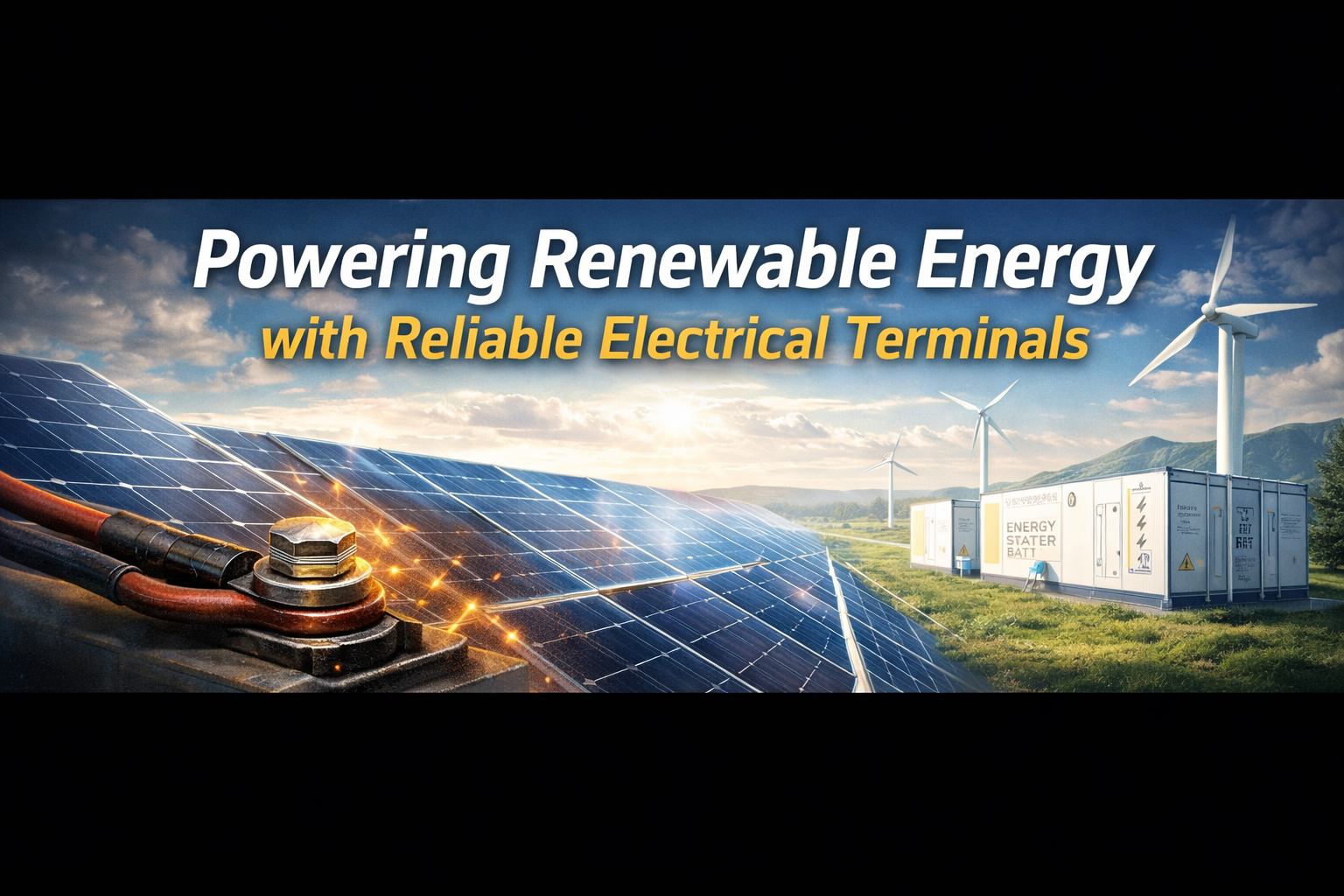
Khi thế giới tăng tốc hướng tới năng lượng sạch, các hệ thống tái tạo như năng lượng mặt trời, gió, và lưu trữ năng lượng đang mở rộng với tốc độ chưa từng thấy. Đằng sau mỗi hệ thống hiệu quả là một thành phần quan trọng nhưng thường bị bỏ qua: thiết bị đầu cuối điện.
Từ bộ biến tần năng lượng mặt trời đến bộ lưu trữ pin, thiết bị đầu cuối điện đảm bảo truyền tải ổn định, kết nối an toàn, và độ tin cậy lâu dài. Tuy nhiên, môi trường năng lượng tái tạo đòi hỏi khắt khe hơn nhiều so với các ứng dụng truyền thống. Các yếu tố như tải hiện tại cao, thời tiết khắc nghiệt, ăn mòn, và rung động có thể nhanh chóng bộc lộ những điểm yếu của thiết bị đầu cuối chất lượng thấp.
Trong hướng dẫn này, bạn sẽ tìm hiểu mọi thứ bạn cần biết về thiết bị đầu cuối điện cho hệ thống năng lượng tái tạo—bao gồm các loại, nguyên vật liệu, ứng dụng, và cách chọn giải pháp phù hợp cho dự án của bạn.
Thiết bị đầu cuối điện trong hệ thống năng lượng tái tạo là gì?
Thiết bị đầu cuối điện là các đầu nối dùng để nối dây dẫn điện với thiết bị một cách chắc chắn, chẳng hạn như pin, biến tần, và hệ thống phân phối.
Chức năng chính:
- Đảm bảo độ dẫn điện hiệu quả
- Cung cấp sự ổn định cơ học
- Cho phép cài đặt và bảo trì an toàn
Điều gì làm cho các thiết bị đầu cuối năng lượng tái tạo trở nên khác biệt?
So với thiết bị đầu cuối tiêu chuẩn, những thứ được sử dụng trong các hệ thống tái tạo phải đáp ứng các yêu cầu cao hơn:
- Công suất hiện tại cao hơn (đặc biệt là trong các hệ thống lưu trữ năng lượng)
- Khả năng chống ăn mòn vượt trội (tiếp xúc ngoài trời)
- Độ bền lâu dài (20–Tuổi thọ dự kiến là 30 năm)
Các loại thiết bị đầu cuối điện được sử dụng trong năng lượng tái tạo
Chọn đúng loại thiết bị đầu cuối là điều cần thiết cho hiệu suất hệ thống.
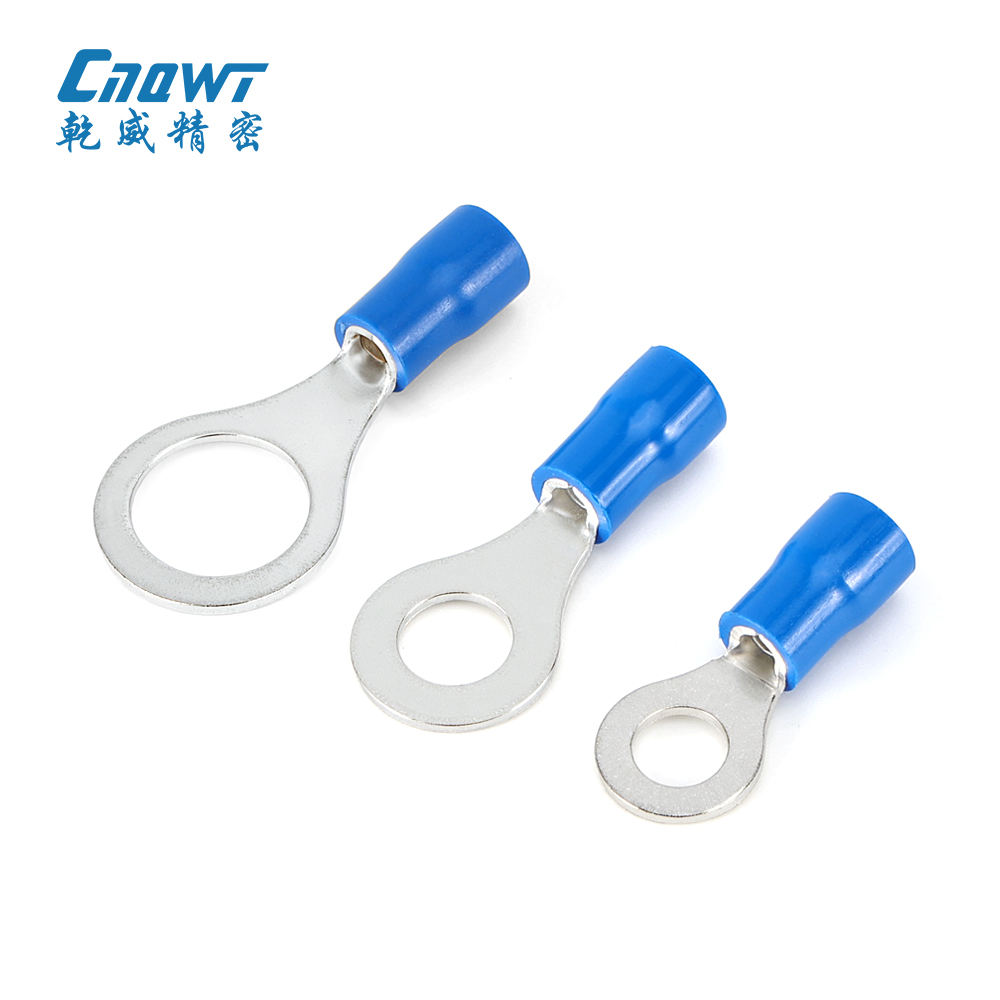
1. Thiết bị đầu cuối vòng
- Cung cấp một cách an toàn, kết nối chống rung
- Được sử dụng rộng rãi trong:
- Hệ thống pin
- Biến tần
- Ứng dụng nối đất
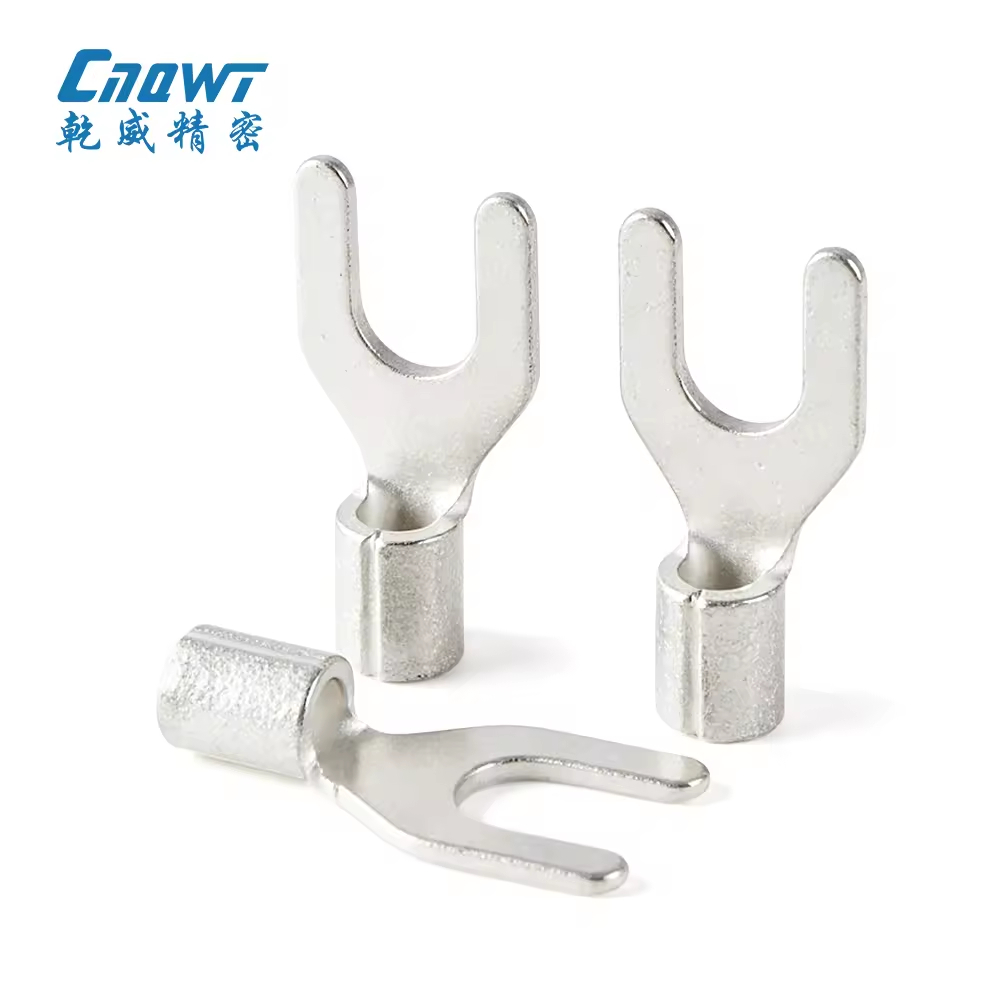
 2. Cái nĩa (thuổng) Thiết bị đầu cuối
 2.
2. - Cho phép cài đặt và gỡ bỏ nhanh chóng
- Thích hợp cho các hệ thống thân thiện với việc bảo trì
3. Thiết bị đầu cuối pin
- Được sử dụng trong bảng điều khiển và kết nối tín hiệu
- Lý tưởng cho các giao diện điện nhỏ gọn
4. Vấu cáp pin
- Được thiết kế cho ứng dụng hiện tại cao
- Cần thiết trong:
- Hệ thống lưu trữ năng lượng (ESS)
- Ngân hàng pin năng lượng mặt trời
5. Đầu nối thanh cái
- Được sử dụng để phân phối điện quy mô lớn
- Phổ biến trong lắp đặt năng lượng tái tạo công nghiệp
Vật liệu chính cho thiết bị đầu cuối năng lượng tái tạo
Lựa chọn vật liệu ảnh hưởng trực tiếp đến hiệu suất và tuổi thọ.
Thiết bị đầu cuối đồng
- Độ dẫn tuyệt vời
- Độ bền cơ học cao
- Tiêu chuẩn công nghiệp cho hầu hết các ứng dụng
Thiết bị đầu cuối đồng đóng hộp
- Đồng mạ thiếc
- Tăng cường khả năng chống ăn mòn
- Lý tưởng cho:
- Lắp đặt năng lượng mặt trời
- Hệ thống gió ngoài khơi
Thiết bị đầu cuối nhôm
- Nhẹ và tiết kiệm chi phí
- Được sử dụng trong các hệ thống điện quy mô lớn cụ thể
Kịch bản ứng dụng trong năng lượng tái tạo
Đây là nơi thiết bị đầu cuối chứng minh giá trị thực của chúng.
Hệ thống năng lượng mặt trời
Thiết bị đầu cuối điện được sử dụng trong:
- Kết nối mô-đun PV
- Dây biến tần
- Tích hợp lưu trữ pin
Họ phải chịu đựng:
- tiếp xúc với tia cực tím
- Biến động nhiệt độ
- Yêu cầu tuổi thọ lâu dài
Hệ thống năng lượng gió
Tua bin gió hoạt động trong điều kiện khắc nghiệt:
- Rung liên tục
- Tiếp xúc với độ ẩm và muối
- Tải điện cao
Thiết bị đầu cuối phải cung cấp:
- Độ ổn định cơ học mạnh mẽ
- Đặc tính chống ăn mòn
Hệ thống lưu trữ năng lượng (ESS)
ESS là một trong những ngành phát triển nhanh nhất.
Yêu cầu chính:
- Xử lý dòng điện cao
- Khả năng chịu nhiệt
- An toàn và độ tin cậy
Các vấu cáp pin đặc biệt quan trọng trong ứng dụng này.
Sạc xe điện Cơ sở hạ tầng
Với sự gia tăng của xe điện, nhu cầu hệ thống sạc:
- Truyền tải công suất cao
- Kết nối đáng tin cậy
- Độ ổn định nhiệt
Những thách thức về môi trường & Yêu cầu
Thiết bị đầu cuối năng lượng tái tạo phải hoạt động trong điều kiện khắc nghiệt.
Chống ăn mòn
- Cần thiết cho môi trường ngoài trời và biển
Nhiệt độ cực cao
- Hệ thống phải hoạt động ở cả điều kiện nhiệt độ cao và đóng băng
Tiếp xúc với tia cực tím
- Đặc biệt quan trọng trong việc lắp đặt năng lượng mặt trời
Chống rung
- Cần thiết trong tuabin gió và hệ thống di động
Cách chọn thiết bị đầu cuối điện phù hợp
Chọn đúng thiết bị đầu cuối là rất quan trọng đối với độ tin cậy của hệ thống.
1. Phù hợp với công suất hiện tại
Luôn chọn các thiết bị đầu cuối có thể xử lý tải tối đa chứ không chỉ dòng điện trung bình.
2. Chọn vật liệu phù hợp
- Trong nhà → Đồng
- Ngoài trời → Đồng đóng hộp
3. Xem xét điều kiện môi trường
- Độ ẩm → Mạ chống ăn mòn
- Rung động → Thiết kế gia cố
4. Xác minh chứng chỉ
Đảm bảo tuân thủ với:
- UL
- IEC
- RoHS
5. Đánh giá nhu cầu tùy chỉnh
Thiết bị đầu cuối tiêu chuẩn có thể không phù hợp với tất cả các ứng dụng.
Tiêu chuẩn ngành & Chứng chỉ
Thiết bị đầu cuối đáng tin cậy phải đáp ứng:
- UL (Tuân thủ an toàn)
- IEC (Tiêu chuẩn quốc tế)
- RoHS (An toàn môi trường)
- ISO (Quản lý chất lượng)
Những chứng nhận này đảm bảo độ tin cậy của sản phẩm và khả năng sử dụng toàn cầu.
Tại sao chất lượng thiết bị đầu cuối điện lại quan trọng
Sử dụng thiết bị đầu cuối chất lượng thấp có thể dẫn đến:
- Lỗi hệ thống
- Nguy cơ hỏa hoạn
- Tăng chi phí bảo trì
Thiết bị đầu cuối chất lượng cao cung cấp:
- Hiệu suất ổn định
- Tuổi thọ dài hơn
- Tổng chi phí sở hữu thấp hơn
Thiết bị đầu cuối điện tùy chỉnh cho năng lượng tái tạo
Trong nhiều dự án, Sản phẩm tiêu chuẩn thôi là chưa đủ.
Khi cần thiết bị đầu cuối tùy chỉnh
- Kích thước cáp không chuẩn
- Hạn chế cài đặt duy nhất
- Môi trường hoạt động khắc nghiệt
Tùy chọn tùy chỉnh
- Lựa chọn vật liệu (đồng, Thau)
- Mạ bề mặt (Thiếc, Niken)
- Thiết kế kết cấu
- Khả năng tương thích uốn
Tại sao chọn độ chính xác của Qianwei?
Khi nói đến các thiết bị đầu cuối điện đáng tin cậy, Độ chính xác của Qianwei mang lại lợi thế cạnh tranh mạnh mẽ:
- Có nhiều kinh nghiệm trong sản xuất thiết bị đầu cuối tùy chỉnh
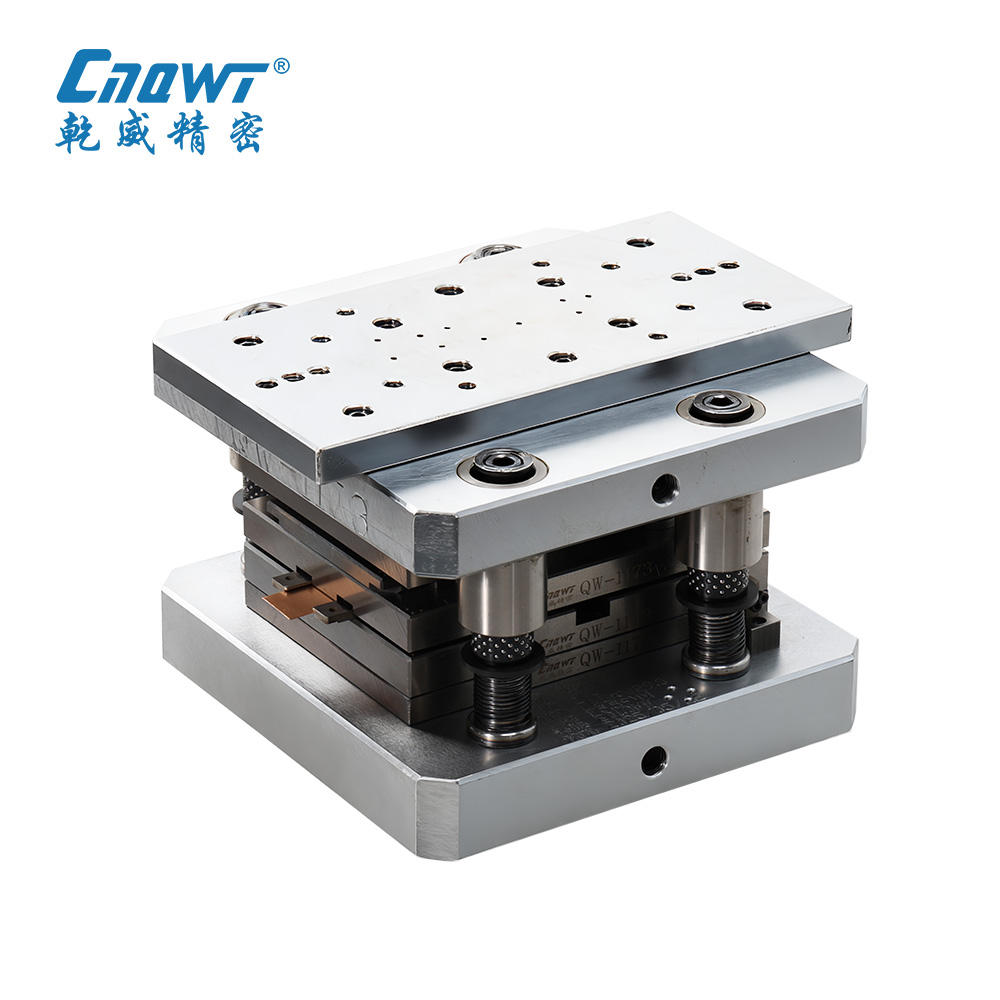
- Qua 1800+ khuôn ép và dập sản xuất hàng loạt
- Phát triển và sửa đổi công cụ nhanh
- Trung tâm xử lý khuôn tự động có độ chính xác cao
- Khả năng cung cấp đã được chứng minh cho các dự án năng lượng tái tạo toàn cầu
 Chúng tôi giúp đỡ khách hàng:
- Giảm thời gian phát triển
- Cải thiện độ tin cậy của sản phẩm
- Tối ưu hóa tổng chi phí mua sắm
👉 Nhận báo giá ngay hôm nay
- Gửi bản vẽ hoặc yêu cầu kỹ thuật của bạn
- Yêu cầu mẫu miễn phí
- Nhận báo giá trong vòng 24 giờ
Phần kết luận
Thiết bị đầu cuối điện là thành phần nền tảng trong hệ thống năng lượng tái tạo. Chọn đúng loại, vật liệu, và thiết kế đảm bảo truyền tải điện hiệu quả, độ tin cậy lâu dài, và an toàn hệ thống.
Khi các dự án năng lượng tái tạo trở nên phức tạp hơn, nhu cầu về giải pháp thiết bị đầu cuối tùy chỉnh và chất lượng cao tiếp tục phát triển.
Nếu bạn đang tìm kiếm một đối tác đáng tin cậy, Độ chính xác của Qianwei sẵn sàng hỗ trợ dự án tiếp theo của bạn với thiết kế chính xác, thiết bị đầu cuối điện hiệu suất cao.
Câu hỏi thường gặp
1. Những thiết bị đầu cuối nào được sử dụng trong hệ thống năng lượng mặt trời?
Thiết bị đầu cuối vòng, Đầu nối loại MC, và vấu pin được sử dụng phổ biến.
2. Các thiết bị đầu cuối bằng đồng có tốt hơn cho năng lượng tái tạo không?
Đúng, do độ dẫn điện và độ bền vượt trội.
3. Làm thế nào để bạn ngăn chặn sự ăn mòn ở các thiết bị đầu cuối ngoài trời?
Sử dụng các thiết bị đầu cuối bằng đồng đóng hộp và lớp phủ bảo vệ.
4. Thiết bị đầu cuối tốt nhất cho hệ thống lưu trữ năng lượng là gì?
Các vấu cáp pin là phù hợp nhất cho các ứng dụng có dòng điện cao.
5. Thiết bị đầu cuối có thể xử lý tải hiện tại cao?
Đúng, nếu có kích thước phù hợp và được làm từ vật liệu chất lượng cao.
6. Thiết bị đầu cuối nên có những chứng chỉ nào?
UL, IEC, RoHS, và chứng nhận ISO được khuyến khích.
7. Thiết bị đầu cuối tồn tại bao lâu trong hệ mặt trời?
Thiết bị đầu cuối chất lượng cao có thể tồn tại lâu dài 20+ năm.
8. Nguyên nhân gây ra lỗi thiết bị đầu cuối?
Chất liệu kém, kích thước không chính xác, hoặc cài đặt không đúng cách.
9. Thiết bị đầu cuối tùy chỉnh có cần thiết không?
Đúng, đặc biệt là cho các ứng dụng chuyên biệt hoặc có nhu cầu cao.
10. Sự khác biệt giữa lugs và thiết bị đầu cuối là gì?
Lugs là một loại thiết bị đầu cuối được thiết kế cho các kết nối dòng điện cao.

