

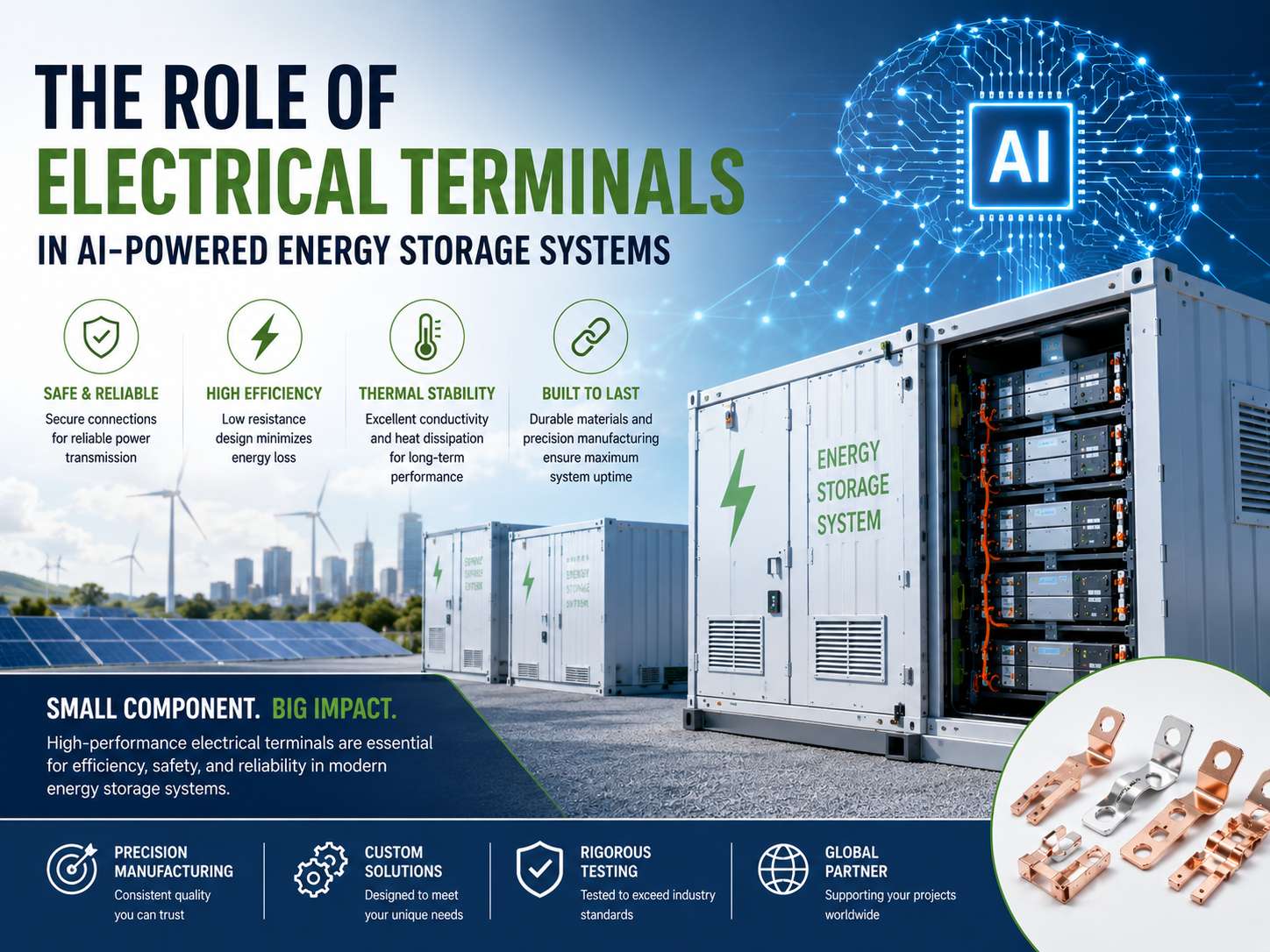
Trí tuệ nhân tạo (trí tuệ nhân tạo) đang chuyển đổi các ngành công nghiệp với tốc độ chưa từng thấy. Từ các mô hình ngôn ngữ lớn và nền tảng điện toán đám mây đến xe tự hành và hệ thống sản xuất thông minh, Công nghệ AI đang trở thành một phần không thể thiếu trong cuộc sống hiện đại. Trong khi phần lớn sự chú ý tập trung vào các thuật toán, bộ vi xử lý, và phần mềm, có một yếu tố quan trọng khác đằng sau mỗi ứng dụng AI: năng lượng điện đáng tin cậy.
Hệ thống AI đòi hỏi lượng điện rất lớn. Đào tạo mô hình AI nâng cao, cụm GPU vận hành, và hỗ trợ các trung tâm dữ liệu siêu quy mô tiêu thụ nhiều năng lượng hơn đáng kể so với khối lượng công việc điện toán truyền thống. Khi việc áp dụng AI toàn cầu tiếp tục tăng tốc, nhu cầu điện đang tăng nhanh, tạo ra những thách thức mới cho việc sản xuất điện, phân bổ, và lưu trữ.
Để giải quyết những thách thức này, Hệ thống lưu trữ năng lượng (ESS) ngày càng trở nên quan trọng. Những hệ thống này giúp ổn định nguồn điện, cải thiện việc sử dụng năng lượng tái tạo, và cung cấp nguồn điện dự phòng cho các hoạt động quan trọng. Tuy nhiên, Hiệu quả của hệ thống lưu trữ năng lượng không chỉ phụ thuộc vào pin và phần mềm mà còn phụ thuộc vào chất lượng của các kết nối điện liên kết mọi bộ phận với nhau.
Đây là nơi thiết bị đầu cuối điện đóng một vai trò quan trọng.
Mặc dù các thiết bị đầu cuối điện là những thành phần tương đối nhỏ, chúng đóng vai trò là điểm kết nối thiết yếu cho phép năng lượng điện truyền đi một cách an toàn và hiệu quả trong toàn bộ hệ thống lưu trữ năng lượng. Thiết bị đầu cuối được thiết kế kém có thể dẫn đến thất thoát năng lượng, sinh nhiệt quá mức, lỗi thiết bị, và thời gian ngừng hoạt động tốn kém. Ngược lại, một thiết bị đầu cuối chất lượng cao có thể cải thiện hiệu quả hệ thống, độ tin cậy, và an toàn.
Trong bài viết này, chúng ta sẽ khám phá vai trò của các thiết bị đầu cuối điện trong hệ thống lưu trữ năng lượng được hỗ trợ bởi AI, nơi chúng được sử dụng, những thách thức họ phải đối mặt, và tại sao thiết kế của họ lại trở nên quan trọng hơn bao giờ hết.
Tại sao AI lại thúc đẩy sự phát triển của hệ thống lưu trữ năng lượng
Sự bùng nổ của sức mạnh tính toán AI
Trong vài năm qua, AI đã tăng đáng kể yêu cầu tính toán toàn cầu.
Các ứng dụng như học máy, xử lý ngôn ngữ tự nhiên, tạo hình ảnh, và phân tích dự đoán đòi hỏi sức mạnh xử lý khổng lồ. Các công ty trên toàn thế giới đang đầu tư mạnh vào cơ sở hạ tầng AI, xây dựng các trung tâm dữ liệu quy mô lớn được trang bị hàng nghìn GPU và máy chủ hiệu suất cao.
Để đặt điều này vào quan điểm:
- Một máy tính văn phòng tiêu chuẩn có thể tiêu thụ ít hơn 300 watt.
- GPU AI hiệu suất cao có thể tiêu tốn hơn 700 watt.
- Một giá máy chủ AI có thể cần hàng chục kilowatt.
- Các trung tâm dữ liệu AI lớn có thể tiêu thụ hàng trăm megawatt điện.
Khi việc áp dụng AI mở rộng, nhu cầu về nguồn năng lượng ổn định và đáng tin cậy cũng tăng theo.
Những thách thức đối với lưới điện hiện đại
Lưới điện truyền thống không được thiết kế để hỗ trợ khối lượng công việc AI tăng trưởng nhanh chóng.
Các tiện ích hiện phải đối mặt với một số thách thức:
- Nhu cầu điện ngày càng tăng
- Biến động tải đỉnh
- Cơ sở hạ tầng lão hóa
- Sự biến đổi năng lượng tái tạo
- Mối lo ngại về sự ổn định của lưới điện
Đồng thời, nhiều tổ chức đang chuyển đổi sang các nguồn năng lượng tái tạo như năng lượng mặt trời và năng lượng gió. Trong khi những nguồn năng lượng này giúp giảm lượng khí thải carbon, chúng tự nhiên không liên tục. Sản xuất điện phụ thuộc vào điều kiện thời tiết, tạo ra sự biến động về nguồn điện sẵn có.
Tại sao hệ thống lưu trữ năng lượng lại quan trọng
Hệ thống lưu trữ năng lượng giúp thu hẹp khoảng cách giữa sản xuất và tiêu thụ điện.
Họ có thể:
- Lưu trữ năng lượng dư thừa trong thời gian nhu cầu thấp
- Cung cấp điện trong thời gian nhu cầu cao điểm
- Cải thiện độ tin cậy của lưới điện
- Hỗ trợ tích hợp năng lượng tái tạo
- Cung cấp nguồn điện dự phòng cho các cơ sở quan trọng
Dành cho trung tâm dữ liệu AI và các ứng dụng quan trọng khác, hệ thống lưu trữ năng lượng đang trở thành một phần thiết yếu của cơ sở hạ tầng hiện đại.
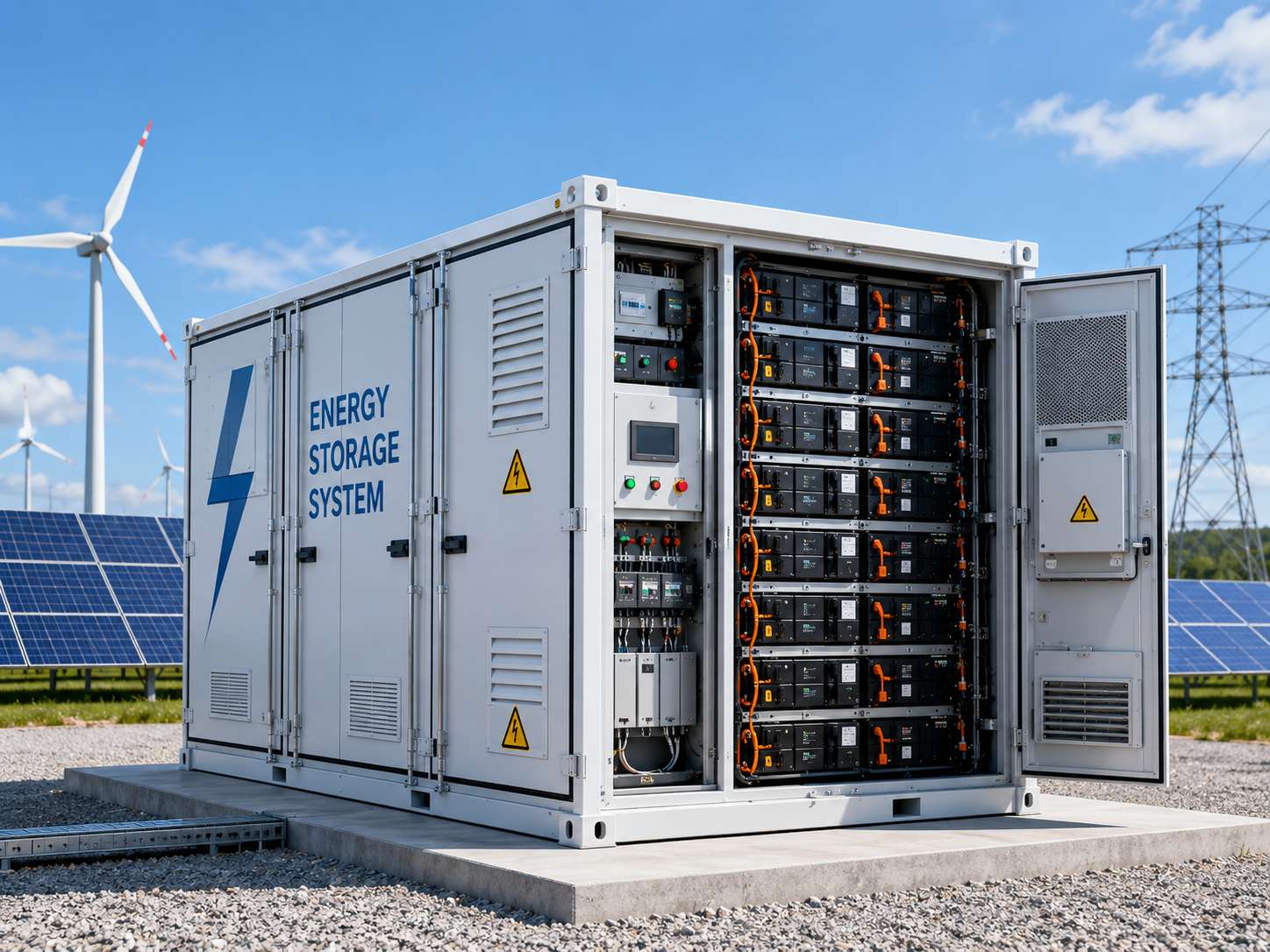
Hệ thống lưu trữ năng lượng được hỗ trợ bởi AI là gì?
Hệ thống lưu trữ năng lượng được hỗ trợ bởi AI kết hợp công nghệ lưu trữ pin với phần mềm thông minh và phân tích dữ liệu.
Không giống như các hệ thống truyền thống hoạt động theo quy tắc cố định, Các hệ thống được hỗ trợ bởi AI có thể liên tục phân tích dữ liệu vận hành và đưa ra quyết định theo thời gian thực.
Những hệ thống này có thể:
- Dự đoán nhu cầu năng lượng trong tương lai
- Tối ưu hóa lịch sạc và xả
- Theo dõi tình trạng pin
- Phát hiện tình trạng bất thường
- Cải thiện hiệu quả hệ thống tổng thể
Bằng cách kết hợp phần mềm tiên tiến với phần cứng lưu trữ năng lượng, AI giúp tối đa hóa hiệu suất đồng thời giảm chi phí vận hành.
Các thành phần chính của hệ thống lưu trữ năng lượng
Hiểu được tầm quan trọng của thiết bị đầu cuối điện, sẽ rất hữu ích nếu trước tiên bạn hiểu được cấu trúc của ESS hiện đại.
Tế bào pin
Pin là đơn vị lưu trữ năng lượng cơ bản lưu trữ năng lượng điện.
Mô-đun pin
Nhiều ô pin được nhóm lại với nhau để tạo thành các mô-đun pin.
Bộ pin
Các mô-đun pin được lắp ráp thành các bộ pin lớn hơn có khả năng lưu trữ lượng năng lượng đáng kể.
Hệ thống quản lý pin (BMS)
BMS theo dõi tình trạng pin, điện áp, nhiệt độ, và điều kiện sạc.
Hệ thống chuyển đổi năng lượng (chiếc)
PCS chuyển đổi nguồn DC được lưu trữ trong pin thành nguồn AC có thể được sử dụng bởi các thiết bị điện và lưới điện.
Thanh cái
Thanh cái phân phối dòng điện cao khắp hệ thống.
Thiết bị đầu cuối điện
Thiết bị đầu cuối điện tạo điểm kết nối an toàn giữa các dây cáp, pin, thanh cái, và thiết bị điện.
Không có thiết bị đầu cuối đáng tin cậy, điện không thể chạy hiệu quả qua hệ thống.
Thiết bị đầu cuối điện là gì?
Thiết bị đầu cuối điện là bộ phận dẫn điện cung cấp kết nối an toàn giữa các dây dẫn điện.
Mục đích chính của nó rất đơn giản:
Để truyền dòng điện an toàn và hiệu quả đồng thời giảm thiểu điện trở.
Tuy nhiên, trong các hệ thống lưu trữ năng lượng hiện đại, để đạt được mục tiêu này đòi hỏi kỹ thuật phức tạp.
Thiết bị đầu cuối phải chịu được:
- dòng điện cao
- Hoạt động liên tục
- Đi xe đạp nhiệt
- Rung động cơ học
- Tiếp xúc với môi trường
- Yêu cầu tuổi thọ lâu dài
Mặc dù thiết bị đầu cuối có vẻ đơn giản, chúng có tác động trực tiếp đến hiệu suất của toàn bộ hệ thống lưu trữ năng lượng.
Nơi sử dụng thiết bị đầu cuối điện trong hệ thống lưu trữ năng lượng
Các thiết bị đầu cuối điện được tìm thấy trên khắp ESS.
Kết nối tế bào pin
Các tế bào pin riêng lẻ phải được kết nối với nhau để tạo thành các mô-đun pin.
Kết nối đầu cuối đáng tin cậy đảm bảo dòng điện ổn định giữa các tế bào và giúp ngăn ngừa quá nhiệt.
Kết nối mô-đun pin
Các mô-đun pin yêu cầu các thiết bị đầu cuối mạnh mẽ có khả năng xử lý mức dòng điện cao hơn.
Các kết nối này phải duy trì ổn định trong suốt hàng ngàn chu kỳ sạc và xả.
Kết nối bộ pin
Bộ pin thường hoạt động dưới tải điện đòi hỏi khắt khe.
Thiết bị đầu cuối chất lượng cao giúp giảm thiểu điện trở và tối đa hóa hiệu quả sử dụng năng lượng.
Kết nối thanh cái
Thanh cái đóng vai trò là đường phân phối điện chính bên trong hệ thống.
Thiết bị đầu cuối tạo giao diện giữa thanh cái và cáp.
Kết nối biến tần
Biến tần dựa vào các kết nối điện an toàn để chuyển đổi nguồn DC thành nguồn AC có thể sử dụng được.
Hiệu suất thiết bị đầu cuối kém có thể làm giảm hiệu suất chuyển đổi và tăng sinh nhiệt.
Đơn vị phân phối điện
Các đơn vị phân phối điện sử dụng nhiều kết nối đầu cuối để định tuyến điện an toàn trên toàn hệ thống.
Kết nối lưới
Kết nối cuối cùng giữa hệ thống lưu trữ năng lượng và lưới điện phụ thuộc vào các thiết bị đầu cuối dòng điện cao đáng tin cậy.
Tại sao thiết bị đầu cuối điện lại quan trọng đối với hiệu suất ESS
Cải thiện hiệu quả năng lượng
Mỗi kết nối điện đều tạo ra một mức điện trở nhất định.
Thiết bị đầu cuối chất lượng kém tạo ra điện trở cao hơn, dẫn đến:
- Tăng tổn thất năng lượng
- Giảm hiệu quả
- Chi phí vận hành cao hơn
Thiết bị đầu cuối có điện trở thấp giúp tối đa hóa việc truyền năng lượng và cải thiện hiệu suất hệ thống tổng thể.
Giảm sinh nhiệt
Điện trở tạo ra nhiệt.
Khi mức độ hiện tại tăng lên, ngay cả một lượng điện trở nhỏ cũng có thể tạo ra sự tăng nhiệt độ đáng kể.
Nhiệt độ quá cao có thể dẫn đến:
- Suy thoái thành phần
- Giảm hiệu quả
- Thất bại sớm
- Rủi ro an toàn
Thiết kế thiết bị đầu cuối phù hợp giúp kiểm soát sự tích tụ nhiệt và cải thiện hiệu suất nhiệt.
Nâng cao độ tin cậy
Hệ thống lưu trữ năng lượng thường hoạt động liên tục trong nhiều năm.
Thiết bị đầu cuối đáng tin cậy giúp đảm bảo:
- Hiệu suất điện ổn định
- Giảm yêu cầu bảo trì
- Tuổi thọ thiết bị dài hơn
- Rủi ro ngừng hoạt động thấp hơn
Hỗ trợ an toàn hệ thống
Lỏng lẻo, Bị hư hại, hoặc các thiết bị đầu cuối được thiết kế kém là một trong những nguyên nhân phổ biến nhất gây ra sự cố về điện.
Thiết bị đầu cuối chất lượng cao giúp giảm nguy cơ:
- hồ quang
- Quá nóng
- Cháy điện
- Hư hỏng thiết bị
Yêu cầu hiệu suất chính cho thiết bị đầu cuối lưu trữ năng lượng kỷ nguyên AI
Khả năng mang dòng cao
Các ứng dụng dựa trên AI đòi hỏi nhiều năng lượng điện hơn bao giờ hết.
Thiết bị đầu cuối phải mang dòng điện lớn một cách an toàn mà không tăng nhiệt độ quá mức.
Điện trở tiếp xúc thấp
Điện trở tiếp xúc ảnh hưởng trực tiếp đến hiệu suất hệ thống.
Điện trở thấp hơn có nghĩa là:
- Ít mất năng lượng hơn
- Nhiệt độ thấp hơn
- Cải thiện độ tin cậy
Hiệu suất nhiệt tuyệt vời
Khi mật độ năng lượng tăng, Quản lý nhiệt ngày càng trở nên quan trọng.
Thiết kế thiết bị đầu cuối hiện đại phải tản nhiệt hiệu quả để duy trì nhiệt độ vận hành an toàn.
Sức mạnh cơ học mạnh mẽ
Hệ thống lưu trữ năng lượng trải nghiệm vận chuyển, cài đặt, và áp lực hoạt động.
Thiết bị đầu cuối phải duy trì kết nối an toàn trong mọi điều kiện.
Chống ăn mòn
Nhiều cài đặt ESS hoạt động ngoài trời hoặc trong môi trường khắc nghiệt.
Thiết bị đầu cuối phải chống lại:
- Độ ẩm
- Tiếp xúc với muối
- quá trình oxy hóa
- Chất ô nhiễm công nghiệp
Chống rung
Rung có thể dần dần nới lỏng các kết nối điện.
Thiết kế thiết bị đầu cuối phù hợp giúp đảm bảo độ ổn định cơ học lâu dài.
Thiết kế nhỏ gọn
Hệ thống lưu trữ năng lượng đang trở nên nhỏ gọn hơn trong khi xử lý lượng điện năng lớn hơn.
Thiết bị đầu cuối phải cung cấp hiệu suất cao trong không gian lắp đặt hạn chế.
Vật liệu được sử dụng cho thiết bị đầu cuối lưu trữ năng lượng
Đồng điện phân
Đồng điện phân là vật liệu được sử dụng rộng rãi nhất cho các thiết bị đầu cuối dòng điện cao.
Lợi ích bao gồm:
- Độ dẫn tuyệt vời
- Điện trở thấp
- Tản nhiệt vượt trội
- Tuổi thọ dài
Đối với hầu hết các ứng dụng lưu trữ năng lượng, đồng vẫn là lựa chọn ưu tiên.
Hợp kim đồng
Hợp kim đồng mang lại độ bền cơ học được cải thiện trong khi vẫn duy trì độ dẫn điện tuyệt vời.
Những vật liệu này thường được sử dụng khi độ bền đặc biệt quan trọng.
Nhôm
Nhôm cung cấp giải pháp thay thế nhẹ và tiết kiệm chi phí cho đồng.
Ưu điểm bao gồm:
- Trọng lượng thấp hơn
- Chi phí vật liệu thấp hơn
- Tỷ lệ độ dẫn điện trên trọng lượng tốt
Tuy nhiên, nhôm thường yêu cầu tiết diện lớn hơn để đạt được độ dẫn điện tương tự như đồng.
Công nghệ mạ bề mặt cho thiết bị đầu cuối lưu trữ năng lượng
Mạ thiếc
Mạ thiếc là phương pháp xử lý bề mặt phổ biến nhất được sử dụng trong các thiết bị đầu cuối lưu trữ năng lượng.
Lợi ích bao gồm:
- Chống ăn mòn
- Độ dẫn điện tốt
- Hiệu quả chi phí
- Hiệu suất uốn tuyệt vời
Mạ bạc
Bạc có độ dẫn điện cao nhất trong số các vật liệu mạ thường được sử dụng.
Lợi ích bao gồm:
- Điện trở tiếp xúc cực thấp
- Hiệu suất nhiệt tuyệt vời
- Độ dẫn điện vượt trội
Mạ bạc thường được sử dụng trong các ứng dụng cao cấp có dòng điện cao.
Mạ niken
Mạ niken cung cấp:
- Chịu nhiệt độ cao
- Tăng cường độ bền
- Cải thiện khả năng chống ăn mòn
Nó hoạt động tốt trong môi trường công nghiệp đòi hỏi khắt khe.
Các loại thiết bị đầu cuối phổ biến được sử dụng trong hệ thống lưu trữ năng lượng
Thiết bị đầu cuối vòng
Thiết bị đầu cuối vòng cung cấp kết nối an toàn cao và khả năng chống rung tuyệt vời.
Chúng thường được sử dụng trong:
- Kết nối pin
- Hệ thống nối đất
- Ứng dụng phân phối điện
 Vấu cáp
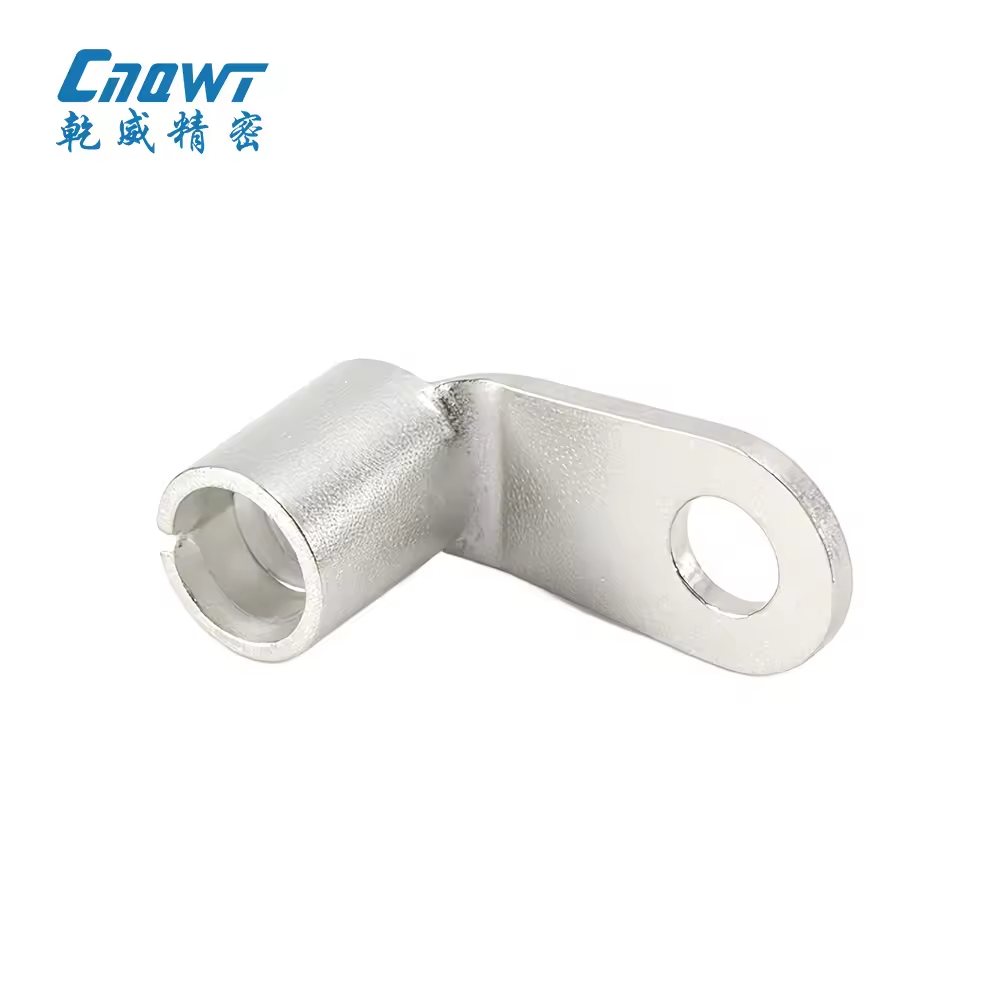
Các vấu cáp được thiết kế cho các loại cáp lớn và các ứng dụng có dòng điện cao.
Chúng được sử dụng rộng rãi trong:
- Bộ pin
- Kết nối thanh cái
- Đơn vị phân phối điện
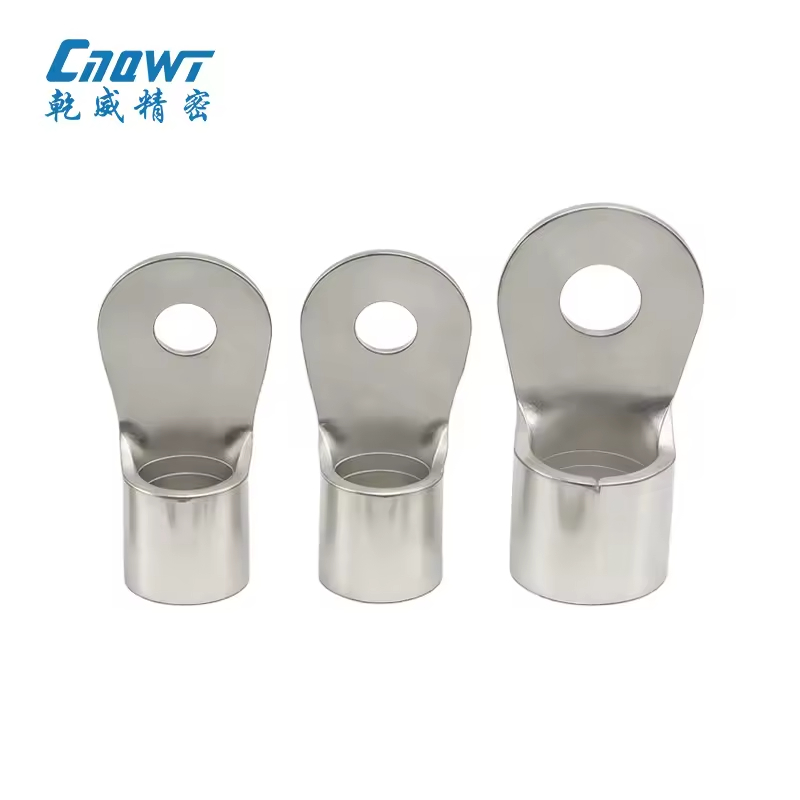
Thiết bị đầu cuối pin
Thiết bị đầu cuối pin được thiết kế đặc biệt cho các ứng dụng kết nối pin.
Chúng phải cung cấp hiệu suất đáng tin cậy trong các chu kỳ sạc và xả lặp đi lặp lại.
Thiết bị đầu cuối được đóng dấu tùy chỉnh
Nhiều hệ thống lưu trữ năng lượng yêu cầu thiết kế thiết bị đầu cuối tùy chỉnh được tối ưu hóa cho các yêu cầu cơ và điện cụ thể.
Thiết bị đầu cuối tùy chỉnh có thể cải thiện:
- Hiệu quả lắp đặt
- Công suất hiện tại
- Sử dụng không gian
- Độ tin cậy của hệ thống
Những thách thức đối mặt với các thiết bị đầu cuối điện trong ESS được hỗ trợ bởi AI
Mật độ năng lượng cao hơn
Khi cơ sở hạ tầng AI phát triển, nhiều năng lượng hơn phải được cung cấp thông qua các hệ thống ngày càng nhỏ gọn.
Tăng sinh nhiệt
Mức dòng điện cao hơn tạo ra những thách thức lớn hơn về nhiệt.
Thiết kế thiết bị đầu cuối phải liên tục phát triển để quản lý nhiệt hiệu quả.
Chu kỳ sạc và xả thường xuyên
Hệ thống lưu trữ năng lượng trải qua chu kỳ liên tục, gây thêm căng thẳng cho các kết nối điện.
Yêu cầu tuổi thọ dài hơn
Nhiều dự án ESS dự kiến sẽ hoạt động trong 15 ĐẾN 20 năm.
Thiết bị đầu cuối phải duy trì hiệu suất trong suốt thời gian này.
Tiêu chuẩn an toàn chặt chẽ hơn
Khi việc triển khai lưu trữ năng lượng tăng lên, yêu cầu an toàn tiếp tục trở nên khắt khe hơn.
Các nhà sản xuất phải thiết kế thiết bị đầu cuối đáp ứng các tiêu chuẩn ngày càng khắt khe.
Thiết kế thiết bị đầu cuối tiên tiến cải thiện độ tin cậy của ESS như thế nào
Kỹ thuật thiết bị đầu cuối hiện đại không chỉ tập trung vào việc tạo ra các kết nối điện.
Thiết kế tiên tiến giúp đạt được:
Giảm tổn thất năng lượng
Điện trở thấp hơn cải thiện hiệu quả truyền năng lượng.
Quản lý nhiệt tốt hơn
Cải thiện tản nhiệt làm giảm nhiệt độ hoạt động.
Tuổi thọ thiết bị dài hơn
Giảm căng thẳng nhiệt kéo dài tuổi thọ hệ thống.
Chi phí bảo trì thấp hơn
Thiết bị đầu cuối đáng tin cậy làm giảm sự gián đoạn dịch vụ và yêu cầu sửa chữa.
Cải thiện an toàn vận hành
Kết nối điện an toàn giúp giảm thiểu rủi ro hỏng hóc.
Yêu cầu kiểm tra đối với thiết bị đầu cuối lưu trữ năng lượng
Để đảm bảo hiệu suất lâu dài, thiết bị đầu cuối phải trải qua thử nghiệm toàn diện.
Kiểm tra kích thước
Xác minh tính chính xác và nhất quán trong sản xuất.
Kiểm tra điện trở tiếp xúc
Đo hiệu suất dẫn điện.
Kiểm tra lực kéo ra
Đánh giá độ bền lưu giữ cơ học.
Kiểm tra khả năng mang dòng điện
Xác nhận hoạt động an toàn dưới tải điện quy định.
Kiểm tra độ tăng nhiệt độ
Đo hiệu suất nhiệt trong quá trình hoạt động.
Thử nghiệm đạp xe nhiệt
Mô phỏng biến động nhiệt độ theo năm.
Kiểm tra độ rung
Đánh giá hiệu suất khi vận chuyển và rung động khi vận hành.
Thử nghiệm phun muối
Đo khả năng chống ăn mòn trong môi trường khắc nghiệt.
Thử nghiệm toàn diện giúp đảm bảo độ tin cậy trong suốt thời gian sử dụng của hệ thống lưu trữ năng lượng.
Xu hướng tương lai trong công nghệ thiết bị đầu cuối ESS
Tương lai của hệ thống lưu trữ năng lượng sẽ đòi hỏi các giải pháp kết nối điện ngày càng tiên tiến.
Một số xu hướng đang nổi lên:
Thiết bị đầu cuối hiện tại cực cao
Yêu cầu về năng lượng ngày càng tăng sẽ thúc đẩy nhu cầu về thiết kế thiết bị đầu cuối công suất cao hơn.
Thiết bị đầu cuối giám sát thông minh
Thiết bị đầu cuối trong tương lai có thể bao gồm các cảm biến nhúng có khả năng giám sát:
- Nhiệt độ
- Dòng chảy hiện tại
- Chất lượng kết nối
Bảo trì dự đoán được hỗ trợ bởi AI
Thiết bị đầu cuối thông minh có thể cung cấp dữ liệu trực tiếp cho hệ thống giám sát AI, giúp xác định các vấn đề trước khi xảy ra lỗi.
Vật liệu dẫn điện tiên tiến
Vật liệu mới có thể cải thiện độ dẫn điện, trọng lượng thấp hơn, và tăng cường độ bền.
Hệ thống kết nối tích hợp
Các thiết kế ESS trong tương lai có thể kết hợp các thiết bị đầu cuối, đầu nối, và giám sát công nghệ thành các giải pháp tích hợp.
Tại sao chọn Độ chính xác của Qianwei cho việc sản xuất thiết bị đầu cuối lưu trữ năng lượng
Khi các hệ thống lưu trữ năng lượng được hỗ trợ bởi AI trở nên phức tạp hơn, việc lựa chọn đúng nhà sản xuất thiết bị đầu cuối ngày càng quan trọng.
Qianwei chuyên về các thiết bị đầu cuối điện được dập chính xác cho các ứng dụng đòi hỏi khắt khe.
Chuyên môn dập chính xác
Quy trình sản xuất tiên tiến đảm bảo chất lượng ổn định và dung sai kích thước chặt chẽ.
Sản xuất thiết bị đầu cuối bằng đồng có độ dẫn điện cao
Chúng tôi sản xuất các thiết bị đầu cuối bằng đồng hiệu suất cao được thiết kế cho các ứng dụng mang dòng điện đòi hỏi khắt khe.
Phát triển thiết bị đầu cuối tùy chỉnh
Đội ngũ kỹ thuật của chúng tôi làm việc chặt chẽ với khách hàng để phát triển các giải pháp phù hợp cho các yêu cầu cụ thể của dự án.
Dịch vụ OEM và ODM
Khả năng sản xuất linh hoạt hỗ trợ cả dự án thiết bị đầu cuối tiêu chuẩn và tùy chỉnh.
Khả năng thiết kế khuôn nâng cao
Phát triển công cụ nội bộ giúp cải thiện việc kiểm soát chất lượng và giảm thời gian thực hiện dự án.
Dịch vụ kiểm tra toàn diện
Khả năng thử nghiệm của chúng tôi bao gồm:
- Kiểm tra kích thước
- Kiểm tra điện trở tiếp xúc
- Kiểm tra lực kéo ra
- Thử nghiệm đạp xe nhiệt
- Kiểm tra độ rung
- Thử nghiệm phun muối
Những khả năng này giúp đảm bảo hiệu suất đáng tin cậy trong việc lưu trữ năng lượng, năng lượng tái tạo, và các ứng dụng cơ sở hạ tầng AI.
Phần kết luận
Trí tuệ nhân tạo đang định hình lại bối cảnh năng lượng toàn cầu, tạo ra nhu cầu chưa từng có về cơ sở hạ tầng điện đáng tin cậy và hiệu quả. Khi các hệ thống lưu trữ năng lượng ngày càng trở nên quan trọng trong việc hỗ trợ các ứng dụng dựa trên AI, hiệu suất của mọi thành phần bên trong các hệ thống đó đều quan trọng.
Thiết bị đầu cuối điện có thể nhỏ, nhưng tác động của chúng rất đáng kể. Chúng ảnh hưởng đến hiệu quả sử dụng năng lượng, hiệu suất nhiệt, độ tin cậy của hệ thống, yêu cầu bảo trì, và an toàn vận hành.
Từ pin và thanh cái đến bộ biến tần và kết nối lưới, thiết bị đầu cuối cung cấp các con đường quan trọng cho phép năng lượng điện di chuyển một cách an toàn trong toàn bộ hệ thống lưu trữ năng lượng.
Khi AI tiếp tục thúc đẩy nhu cầu năng lượng cao hơn, thiết kế thiết bị đầu cuối sẽ trở nên quan trọng hơn. Các nhà sản xuất đầu tư vào vật liệu tiên tiến, sản xuất chính xác, kiểm tra toàn diện, và kỹ thuật đổi mới sẽ được định vị tốt hơn để hỗ trợ cơ sở hạ tầng năng lượng thông minh thế hệ tiếp theo.
Dành cho nhà thiết kế hệ thống lưu trữ năng lượng, nhà tích hợp, và các nhà sản xuất OEM, Việc lựa chọn giải pháp thiết bị đầu cuối phù hợp không chỉ là một quyết định thành phần mà còn là sự đầu tư chiến lược vào hiệu suất và độ tin cậy của hệ thống lâu dài.
Câu hỏi thường gặp
Thiết bị đầu cuối điện trong hệ thống lưu trữ năng lượng là gì?
Thiết bị đầu cuối điện là bộ phận dẫn điện dùng để kết nối cáp, pin, thanh cái, và thiết bị điện trong hệ thống lưu trữ năng lượng. Nó cung cấp một sự an toàn, đường có điện trở nhỏ của dòng điện, giúp đảm bảo truyền tải điện hiệu quả và đáng tin cậy.
Tại sao các thiết bị đầu cuối điện lại quan trọng trong hệ thống lưu trữ năng lượng được hỗ trợ bởi AI?
Hệ thống lưu trữ năng lượng được hỗ trợ bởi AI xử lý lượng điện lớn và hoạt động liên tục. Thiết bị đầu cuối chất lượng cao giúp giảm tổn thất năng lượng, ngăn chặn quá nóng, nâng cao độ tin cậy, và hỗ trợ hiệu suất lâu dài của toàn bộ hệ thống.
Các thiết bị đầu cuối điện được sử dụng ở đâu trong hệ thống lưu trữ năng lượng pin (BESS)?
Thiết bị đầu cuối điện thường được sử dụng trong:
- Kết nối tế bào pin
- Kết nối mô-đun pin
- Cụm pin
- Kết nối thanh cái
- Kết nối biến tần
- Đơn vị phân phối điện (PDU)
- Điểm kết nối lưới
Chúng rất cần thiết ở những nơi dòng điện phải truyền tải an toàn giữa các bộ phận.
Các thiết bị đầu cuối điện ảnh hưởng như thế nào đến hiệu quả của hệ thống lưu trữ năng lượng?
Thiết bị đầu cuối tác động trực tiếp đến điện trở tiếp xúc. Thiết bị đầu cuối có điện trở thấp giảm thiểu tổn thất điện năng và sinh nhiệt, cho phép nhiều năng lượng được truyền hiệu quả hơn trong toàn hệ thống.
Những vật liệu nào thường được sử dụng cho thiết bị đầu cuối lưu trữ năng lượng?
Các vật liệu phổ biến nhất bao gồm:
- Đồng điện phân
- Hợp kim đồng
- Hợp kim nhôm
Đồng thường được ưa thích cho các ứng dụng dòng điện cao do tính dẫn điện và hiệu suất nhiệt vượt trội.
Tại sao đồng được sử dụng rộng rãi cho thiết bị đầu cuối ESS?
Đồng mang lại nhiều lợi ích:
- Độ dẫn điện tuyệt vời
- Điện trở tiếp xúc thấp
- Tản nhiệt vượt trội
- Độ bền cao
- Tuổi thọ dài
Những đặc tính này làm cho đồng trở nên lý tưởng cho hệ thống lưu trữ năng lượng pin, Trung tâm dữ liệu AI, và ứng dụng năng lượng tái tạo.
Điện trở tiếp xúc trong các thiết bị đầu cuối điện là gì?
Điện trở tiếp xúc là điện trở gặp phải khi hai bề mặt dẫn điện gặp nhau. Điện trở tiếp xúc thấp hơn cải thiện hiệu suất điện, giảm sự tích tụ nhiệt, và nâng cao độ tin cậy của hệ thống tổng thể.
Nguyên nhân gây ra hiện tượng quá nhiệt của thiết bị đầu cuối trong hệ thống lưu trữ năng lượng?
Nguyên nhân phổ biến bao gồm:
- Kết nối lỏng lẻo
- Chất lượng uốn kém
- Điện trở tiếp xúc cao
- Tải hiện tại quá mức
- Ăn mòn
- Thiết kế thiết bị đầu cuối không phù hợp
Kiểm tra thường xuyên và lựa chọn thiết bị đầu cuối thích hợp có thể giúp ngăn ngừa các vấn đề quá nhiệt.
Lớp mạ bề mặt nào là tốt nhất cho thiết bị đầu cuối lưu trữ năng lượng?
Lớp mạ lý tưởng phụ thuộc vào ứng dụng:
- mạ thiếc để chống ăn mòn hiệu quả về mặt chi phí
- Mạ bạc cho độ dẫn tối đa
- Mạ niken cho các ứng dụng nhiệt độ cao và môi trường khắc nghiệt
Thiết bị đầu cuối bằng đồng mạ thiếc là một trong những giải pháp được sử dụng rộng rãi nhất trong các dự án ESS.
Ưu điểm của thiết bị đầu cuối bằng đồng mạ thiếc là gì?
Thiết bị đầu cuối bằng đồng mạ thiếc cung cấp:
- Độ dẫn tuyệt vời
- Chống ăn mòn
- Khả năng hàn tốt
- Hiệu quả chi phí
- Hiệu suất lâu dài đáng tin cậy
Chúng thường được sử dụng trong hệ thống lưu trữ năng lượng pin và thiết bị phân phối điện.
Những loại thiết bị đầu cuối nào thường được sử dụng trong hệ thống lưu trữ năng lượng?
Các loại thiết bị đầu cuối phổ biến bao gồm:
- Thiết bị đầu cuối vòng
- Vấu cáp
- Thiết bị đầu cuối pin
- Thiết bị đầu cuối thanh cái
- Thiết bị đầu cuối uốn
- Thiết bị đầu cuối được đóng dấu tùy chỉnh
Sự lựa chọn tốt nhất phụ thuộc vào yêu cầu hiện tại, phương pháp cài đặt, và điều kiện hoạt động.
Các thiết bị đầu cuối điện được kiểm tra như thế nào cho các ứng dụng lưu trữ năng lượng?
Thiết bị đầu cuối lưu trữ năng lượng thường trải qua:
- Kiểm tra kích thước
- Kiểm tra điện trở tiếp xúc
- Kiểm tra lực kéo ra
- Kiểm tra khả năng mang dòng điện
- Thử nghiệm tăng nhiệt độ
- Thử nghiệm chu trình nhiệt
- Kiểm tra độ rung
- Thử nghiệm phun muối
Những thử nghiệm này xác minh điện, cơ khí, và hiệu suất môi trường.
Thử nghiệm chu trình nhiệt là gì?
Thử nghiệm chu trình nhiệt liên tục cho các thiết bị đầu cuối tiếp xúc với nhiệt độ cao và thấp để mô phỏng điều kiện hoạt động trong nhiều năm. Thử nghiệm này giúp đánh giá độ bền, ổn định kết nối, và khả năng chống lại sự giãn nở và co lại nhiệt.
Tại sao khả năng chống rung lại quan trọng đối với thiết bị đầu cuối ESS?
Hệ thống lưu trữ năng lượng có thể bị rung trong quá trình vận chuyển, cài đặt, hoặc hoạt động. Thiết bị đầu cuối chống rung giúp duy trì kết nối an toàn và ngăn chặn sự lỏng lẻo theo thời gian.
Thiết bị đầu cuối lưu trữ năng lượng có thể được tùy chỉnh?
Đúng. Nhiều nhà sản xuất ESS yêu cầu thiết bị đầu cuối tùy chỉnh được thiết kế cho các:
- Xếp hạng hiện tại
- Kích thước cáp
- Không gian lắp đặt
- Phương pháp lắp đặt
- Yêu cầu về môi trường
Thiết bị đầu cuối tùy chỉnh có thể cải thiện cả hiệu suất và hiệu quả lắp ráp.
Các thiết bị đầu cuối điện phải đối mặt với những thách thức gì trong hệ thống lưu trữ năng lượng do AI điều khiển?
Những thách thức chính bao gồm:
- Tải hiện tại cao hơn
- Mật độ năng lượng tăng
- Sinh nhiệt lớn hơn
- Yêu cầu tuổi thọ dài hơn
- Tiêu chuẩn an toàn chặt chẽ hơn
- Thiết kế hệ thống nhỏ gọn hơn
Những yếu tố này đòi hỏi sự đổi mới liên tục về vật liệu và thiết kế thiết bị đầu cuối.
Thiết bị đầu cuối thông minh là gì?
Thiết bị đầu cuối thông minh là thiết bị đầu cuối điện tiên tiến tích hợp cảm biến có khả năng theo dõi nhiệt độ, dòng chảy hiện tại, hoặc tính toàn vẹn của kết nối. Họ có thể cung cấp dữ liệu thời gian thực cho các hệ thống quản lý năng lượng và bảo trì.
AI có thể cải thiện độ tin cậy của thiết bị đầu cuối như thế nào?
AI có thể phân tích dữ liệu vận hành từ hệ thống lưu trữ năng lượng để xác định các tình trạng bất thường, dự đoán những thất bại có thể xảy ra, và đề xuất các hành động bảo trì trước khi xảy ra sự cố. Điều này giúp giảm thời gian ngừng hoạt động và cải thiện độ tin cậy của hệ thống.
Người mua nên cân nhắc điều gì khi lựa chọn thiết bị đầu cuối lưu trữ năng lượng?
Các yếu tố quan trọng bao gồm:
- Khả năng vận chuyển hiện tại
- Lựa chọn vật liệu
- Mạ bề mặt
- Điện trở tiếp xúc
- Chống ăn mòn
- Hiệu suất nhiệt
- Chứng chỉ kiểm tra
- Khả năng tùy biến
- Kinh nghiệm của nhà sản xuất
Lựa chọn nhà cung cấp thiết bị đầu cuối phù hợp giúp đảm bảo hiệu suất và an toàn hệ thống lâu dài.
Tại sao nên chọn nhà sản xuất thiết bị đầu cuối chuyên dụng cho dự án ESS?
Các nhà sản xuất chuyên biệt hiểu được các yêu cầu đặc biệt của hệ thống lưu trữ năng lượng, bao gồm các ứng dụng hiện tại cao, quản lý nhiệt, chống rung, và độ tin cậy lâu dài. Họ có thể cung cấp các giải pháp tùy chỉnh và hỗ trợ thử nghiệm toàn diện để giúp giảm thiểu rủi ro dự án và cải thiện hiệu suất sản phẩm.

