

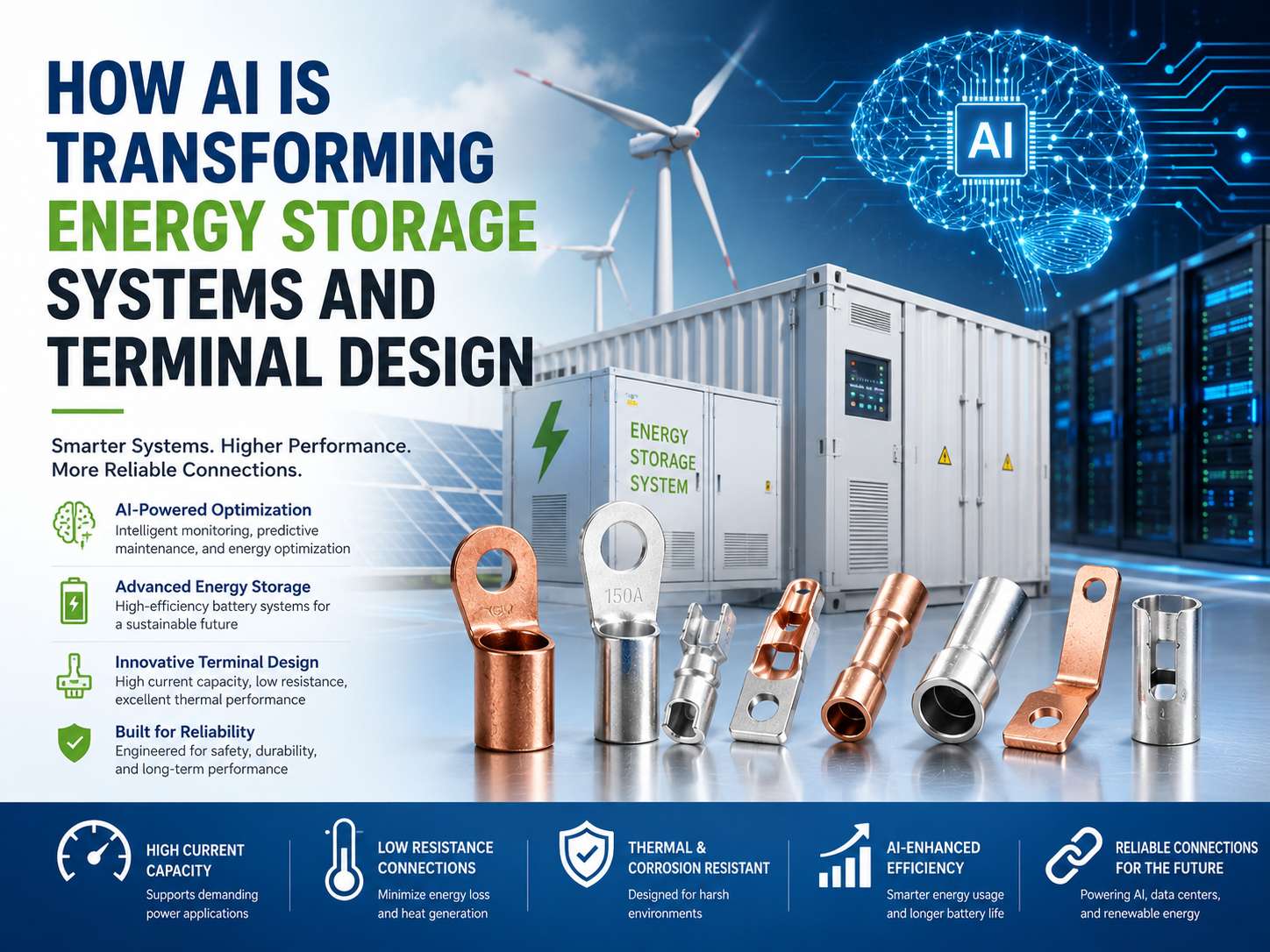
Inteligencia artificial (AI) está cambiando el mundo más rápido que casi cualquier tecnología anterior. Desde ChatGPT y vehículos autónomos hasta fábricas inteligentes y centros de datos, Las aplicaciones de IA se están expandiendo rápidamente en todas las industrias.
Sin embargo, detrás de cada modelo de IA, cada centro de datos, y todo sistema inteligente tiene un requisito crítico: electricidad.
A medida que la potencia informática de la IA sigue creciendo, El consumo de energía está aumentando a un ritmo sin precedentes.. Según las previsiones del sector, Se espera que los centros de datos impulsados por IA se conviertan en una de las fuentes de demanda de electricidad de más rápido crecimiento durante la próxima década.. Esta creciente demanda está creando nuevos desafíos para la generación de energía., distribución, y almacenamiento.
Como resultado, Sistemas de almacenamiento de energía (ESS) se han convertido en una parte clave de la infraestructura energética moderna. Al mismo tiempo, Los componentes eléctricos dentro de estos sistemas, incluidos los terminales eléctricos, enfrentan nuevos requisitos de rendimiento..
En este artículo, Exploraremos cómo la IA está remodelando los sistemas de almacenamiento de energía y por qué está impulsando la evolución del diseño de terminales..
¿Qué es un Sistema de almacenamiento de energía?
Un sistema de almacenamiento de energía (ESS) Es una tecnología que almacena energía eléctrica y la libera cuando es necesario..
Los sistemas de almacenamiento de energía ayudan a equilibrar el suministro y la demanda de electricidad al almacenar el exceso de energía durante los períodos de baja demanda y entregar energía cuando la demanda aumenta..
Las soluciones ESS modernas se utilizan ampliamente en:
- Sistemas de energía solar
- Parques eólicos
- Redes eléctricas de servicios públicos
- Estaciones de carga para vehículos eléctricos
- Instalaciones industriales
- Centros de datos de IA
Un sistema típico de almacenamiento de energía incluye varios componentes principales.:
- Módulos de batería
- Sistema de gestión de batería (BMS)
- Sistema de conversión de energía (piezas)
- Barras colectoras
- Conectores
- Terminales de alta corriente
- Sistemas de seguimiento y control.
Entre estos componentes, Los terminales y conectores pueden parecer pequeños., pero desempeñan un papel fundamental a la hora de garantizar una transmisión de energía segura y eficiente..
Por qué la IA está aumentando la necesidad de almacenamiento de energía
Las tecnologías de IA requieren enormes recursos informáticos.
Entrenamiento de modelos de lenguaje grandes, operar servidores de IA, y el soporte de servicios de IA basados en la nube consumen significativamente más electricidad que las cargas de trabajo informáticas tradicionales..
Por ejemplo:
- Una computadora de oficina estándar puede consumir entre 100 y 300 vatios.
- Una GPU AI de alto rendimiento puede consumir 700 vatios o más.
- Los bastidores de servidores de IA pueden requerir decenas de kilovatios.
- Los grandes centros de datos de IA pueden consumir cientos de megavatios.
Este aumento de la demanda de electricidad crea varios desafíos:
Estabilidad de la red
Las redes eléctricas deben hacer frente a fluctuaciones repentinas de la demanda.
Integración de energías renovables
Muchas empresas quieren impulsar las operaciones de IA utilizando fuentes de energía renovables como la solar y la eólica..
Sin embargo, La generación de energía renovable es intermitente..
El sol no siempre brilla.
El viento no siempre sopla.
Gestión de demanda máxima
Las cargas de trabajo de IA a menudo crean períodos pico de demanda de electricidad que las empresas de servicios públicos deben soportar.
Los sistemas de almacenamiento de energía ayudan a resolver estos problemas almacenando el exceso de energía y liberándola cuando sea necesario..
Esta es la razón por la que las implementaciones de ESS están creciendo rápidamente en todo el mundo..
Cómo la IA está mejorando los sistemas de almacenamiento de energía
Curiosamente, La IA no solo está creando demanda de almacenamiento de energía, sino que también está ayudando a que los sistemas de almacenamiento de energía sean más inteligentes..
Monitoreo de batería basado en IA
Los sistemas tradicionales de monitoreo de baterías se basan en reglas y umbrales predefinidos.
Los sistemas de inteligencia artificial pueden analizar continuamente los datos de rendimiento de la batería e identificar patrones que los humanos podrían pasar por alto.
Los beneficios incluyen:
- Detección temprana de fallas
- Seguridad mejorada
- Mejor planificación del mantenimiento
- Tiempo de inactividad reducido
En lugar de esperar a que falle la batería, Los operadores pueden identificar problemas potenciales antes de que se conviertan en problemas graves..
Mantenimiento predictivo
Una de las aplicaciones más valiosas de la IA es el mantenimiento predictivo.
Al analizar:
- Temperatura
- Voltaje
- Actual
- Ciclos de carga
- Desempeño histórico
Los algoritmos de IA pueden predecir cuándo es probable que fallen las baterías o los componentes.
Esto permite a los equipos de mantenimiento reemplazar piezas de forma proactiva en lugar de reactiva..
Gestión de energía más inteligente
La IA también puede optimizar cómo se almacena y descarga la energía.
Los ejemplos incluyen:
- Afeitado de picos
- Equilibrio de carga
- Previsión de la demanda
- Arbitraje energético
Tomando decisiones inteligentes en tiempo real, La IA ayuda a maximizar la eficiencia del sistema y reducir los costos operativos.
Ampliación de la vida útil de la batería
El reemplazo de baterías es uno de los mayores costos asociados con los sistemas de almacenamiento de energía..
La IA puede optimizar las estrategias de carga y descarga para reducir la degradación de la batería.
Los beneficios incluyen:
- Mayor duración de la batería
- Costos de reemplazo reducidos
- Mejor retorno de la inversión
Por qué la IA está cambiando los requisitos de diseño de terminales
A medida que los sistemas de almacenamiento de energía se vuelven más grandes y potentes, los terminales en su interior también deben evolucionar.
El terminal eléctrico es el punto de conexión por donde fluye la corriente eléctrica entre los cables., barras colectoras, baterias, y equipos electricos.
Un mal diseño de terminal puede provocar:
- Mayor resistencia
- Generación de calor
- Pérdida de energía
- Fallo de conexión
- Peligros de seguridad
El auge de la IA está creando varios desafíos de diseño nuevos.
Requisitos de corriente más altos
La infraestructura de IA consume enormes cantidades de energía.
Como resultado, Los sistemas de almacenamiento de energía deben manejar niveles actuales cada vez más altos..
Los sistemas modernos de almacenamiento de baterías suelen funcionar a cientos o incluso miles de amperios..
Esto impone importantes exigencias a los terminales..
Los requisitos de diseño incluyen:
- Baja resistencia
- Alta conductividad
- Conexiones mecánicas fuertes
- Disipación de calor eficiente
Incluso un pequeño aumento en la resistencia puede generar un calor significativo cuando se trata de grandes corrientes..
Mayores demandas de gestión térmica
El calor es uno de los mayores enemigos de los sistemas eléctricos..
A medida que aumenta la densidad de potencia, El rendimiento térmico se vuelve cada vez más importante..
Una mala gestión térmica puede provocar:
- Pérdidas de eficiencia
- Degradación del conector
- Daños en el aislamiento
- Riesgos de seguridad
Los diseños de terminales modernos deben minimizar la generación de calor y al mismo tiempo disipar eficazmente la energía térmica..
Esta es una de las razones por las que el cobre sigue siendo el material preferido para muchas aplicaciones de alta corriente..
Diseños de sistemas más compactos
El espacio es valioso en los sistemas de almacenamiento de energía..
Los fabricantes trabajan constantemente para aumentar la densidad de energía y al mismo tiempo reducir el tamaño general del sistema..
Esta tendencia requiere:
- Terminales más pequeñas
- Mayor capacidad actual
- Geometrías optimizadas
- Soluciones de conexión compactas
Los fabricantes de terminales deben equilibrar la reducción de tamaño con el rendimiento eléctrico.
Mayores expectativas de confiabilidad
Los centros de datos de IA suelen operar 24 horas al día, 7 días a la semana.
El tiempo de inactividad puede ser extremadamente costoso.
Como resultado, La fiabilidad del terminal se ha vuelto más importante que nunca..
Los terminales ESS modernos deben resistir:
- Operación continua
- Vibración
- Ciclos de temperatura
- Humedad
- Corrosión
La estabilidad a largo plazo ya no es opcional: es esencial.
Materiales utilizados en terminales modernas de almacenamiento de energía
La selección de materiales afecta directamente el rendimiento del terminal.
Cobre electrolítico
El cobre electrolítico es uno de los materiales más utilizados para terminales de alta corriente..
Las ventajas incluyen:
- Excelente conductividad
- Baja resistencia
- Rendimiento térmico superior
- Larga vida útil
Para sistemas de almacenamiento de energía en baterías., Los terminales de cobre suelen ser la solución preferida..
Aleaciones de cobre
En algunas aplicaciones, El cobre puro puede complementarse con elementos de aleación..
Las aleaciones de cobre pueden proporcionar:
- Mayor resistencia
- Mejor resistencia al desgaste
- Durabilidad mecánica mejorada
Estos materiales se utilizan comúnmente cuando se requiere tanto conductividad como rendimiento estructural..
Soluciones de aluminio
Los terminales de aluminio a veces se utilizan en sistemas de energía a gran escala..
Las ventajas incluyen:
- Ligero
- Menor costo de material
- Buena relación conductividad-peso
Sin embargo, El aluminio generalmente requiere diseños de conexión especializados para evitar la corrosión galvánica..
La importancia del revestimiento de superficies
El rendimiento del terminal está influenciado no sólo por el material base sino también por el tratamiento de la superficie..
Estañado
El estañado sigue siendo la opción más común.
Los beneficios incluyen:
- Resistencia a la corrosión
- Buena conductividad
- Excelente soldabilidad
- Rentabilidad
Chapado en plata
La plata ofrece una conductividad superior y se usa comúnmente en aplicaciones de alta corriente..
Los beneficios incluyen:
- Resistencia de contacto extremadamente baja
- Excelente rendimiento térmico
Niquelado
El niquelado proporciona:
- Durabilidad mejorada
- Protección contra la corrosión
- Resistencia a altas temperaturas
Se utiliza comúnmente en entornos industriales exigentes..
Cómo la IA está transformando la fabricación de terminales
La IA también está cambiando la forma de fabricar los terminales.
Sistemas de producción inteligentes
Las fábricas modernas utilizan cada vez más el seguimiento de la producción impulsado por IA.
Los beneficios incluyen:
- Coherencia del proceso mejorada
- Defectos reducidos
- Mejor eficiencia
Inspección de calidad automatizada
Los sistemas de visión artificial pueden inspeccionar miles de terminales por hora.
Los algoritmos de IA pueden identificar:
- Defectos superficiales
- Rebabas
- Desviaciones dimensionales
- Problemas de revestimiento
Esto mejora la calidad del producto y reduce los requisitos de mano de obra..
Mantenimiento predictivo de herramientas
Los troqueles de estampado son activos críticos en la fabricación de terminales.
Los sistemas de IA pueden monitorear:
- Desgaste de herramientas
- Datos de producción
- Vibración del equipo
Luego se puede programar el mantenimiento antes de que ocurran fallas..
Esto reduce el tiempo de inactividad y mejora la productividad..
Requisitos de prueba para terminales de almacenamiento de energía
Porque los sistemas de almacenamiento de energía funcionan en condiciones exigentes, las pruebas rigurosas son esenciales.
Pruebas de resistencia de contacto
Garantiza una conductividad eléctrica eficiente..
Prueba de fuerza de extracción
Verifica la fuerza de retención mecánica..
Pruebas de ciclos térmicos
Evalúa el rendimiento bajo calentamiento y enfriamiento repetidos.
Pruebas de vibración
Simula entornos operativos y de transporte..
Prueba de niebla salina
Mide la resistencia a la corrosión..
Pruebas de alta corriente
Confirma el rendimiento bajo cargas eléctricas del mundo real..
Estas pruebas ayudan a garantizar la confiabilidad y seguridad a largo plazo..
Tendencias futuras en tecnología de terminales de almacenamiento de energía
La evolución de la IA apenas comienza.
Los futuros sistemas de almacenamiento de energía requerirán tecnologías de conexión aún más avanzadas.
Terminales de corriente ultraalta
A medida que aumentan los requisitos de energía, Los terminales capaces de transportar corrientes más altas serán cada vez más importantes..
Terminales inteligentes
Los terminales futuros pueden incluir sensores integrados capaces de monitorear:
- Temperatura
- Actual
- Integridad de la conexión
Monitoreo de condiciones en tiempo real
Los terminales inteligentes podrían proporcionar datos continuos de rendimiento a los sistemas de monitoreo de IA.
Conexiones de autodiagnóstico
Los sistemas de conexión futuros pueden detectar automáticamente contactos sueltos o degradados antes de que ocurran fallas..
¿Por qué elegir? Precisión de Qianwei para la fabricación de terminales de almacenamiento de energía
A medida que las tecnologías de almacenamiento de energía continúan evolucionando, Los fabricantes necesitan socios de terminales confiables que puedan cumplir con los requisitos técnicos más exigentes..
Qianwei se especializa en terminales estampados con precisión y soluciones de conexión personalizadas para aplicaciones eléctricas modernas..
Nuestras capacidades incluyen:
- Fabricación de terminales de alta corriente.
- Producción de terminales de cobre
- Desarrollo de terminales personalizados
- Servicios OEM y ODM
- Diseño de herramientas avanzado
- Tecnología de estampado de precisión
Para garantizar la confiabilidad del producto, Qianwei ofrece servicios de pruebas integrales que incluyen:
- Pruebas de resistencia de contacto
- Prueba de fuerza de extracción
- Pruebas de ciclos térmicos
- Pruebas de vibración
- Inspección dimensional
Estas capacidades ayudan a satisfacer las crecientes necesidades de los sistemas de almacenamiento de energía., proyectos de energía renovable, e infraestructura energética impulsada por IA.
Conclusión
La inteligencia artificial está transformando el panorama energético mundial.
A medida que las aplicaciones de IA continúan expandiéndose, la demanda de confianza, eficiente, y los sistemas de almacenamiento de energía escalables crecerán junto con ellos.
Mientras que las baterías, software, y los sistemas de control suelen recibir la mayor atención, Los terminales eléctricos siguen siendo una parte crítica del sistema general.. Influyen directamente en la eficiencia de la transmisión de energía., rendimiento térmico, fiabilidad, y seguridad.
La próxima generación de terminales de almacenamiento de energía debe soportar corrientes más altas, mayor densidad de potencia, gestión térmica mejorada, y capacidades de monitoreo más inteligentes.
Para fabricantes, ingenieros, y equipos de adquisiciones, Comprender estas tendencias es esencial para crear soluciones de almacenamiento de energía preparadas para el futuro..
Mientras la IA continúa remodelando la industria energética, Las tecnologías terminales avanzadas desempeñarán un papel cada vez más importante a la hora de impulsar las aplicaciones más exigentes del mundo..
Preguntas frecuentes
¿Cómo se utiliza la IA en los sistemas de almacenamiento de energía??
La IA ayuda a los sistemas de almacenamiento de energía a controlar el estado de la batería, predecir las necesidades de mantenimiento, optimizar los ciclos de carga y descarga, y mejorar la eficiencia energética general. Analizando grandes cantidades de datos operativos, La IA puede tomar decisiones en tiempo real que mejoran el rendimiento y la confiabilidad del sistema.
¿Por qué son importantes los sistemas de almacenamiento de energía para los centros de datos de IA??
Los centros de datos de IA consumen enormes cantidades de electricidad y, a menudo, experimentan demandas de energía fluctuantes.. Los sistemas de almacenamiento de energía ayudan a estabilizar el suministro de energía, reducir los cargos por demanda pico, y mejorar la integración de las fuentes de energía renovables.
¿Qué papel juegan los terminales eléctricos en los sistemas de almacenamiento de energía??
Los terminales eléctricos crean conexiones eléctricas seguras entre las baterías., cables, barras colectoras, y equipos de distribución de energía. Su rendimiento afecta directamente a la conductividad., generación de calor, eficiencia del sistema, y seguridad operativa.
¿Por qué los sistemas de almacenamiento de energía impulsados por IA requieren diseños de terminales avanzados??
A medida que las aplicaciones de IA exigen niveles de potencia más altos, Los sistemas de almacenamiento de energía deben manejar mayores cargas de corriente y densidad de potencia.. Los diseños de terminales avanzados ayudan a reducir la resistencia, mejorar el rendimiento térmico, y garantizar la confiabilidad a largo plazo.
¿Qué materiales se utilizan habitualmente para las terminales de almacenamiento de energía??
Los materiales más comunes incluyen:
- Cobre electrolítico
- Aleaciones de cobre
- Aleaciones de aluminio
Generalmente se prefiere el cobre para aplicaciones de alta corriente debido a su excelente conductividad eléctrica y rendimiento térmico..
¿Por qué se utiliza mucho el cobre electrolítico en terminales de alta corriente??
El cobre electrolítico ofrece baja resistencia eléctrica., alta conductividad, y excelente disipación del calor. Estas propiedades lo hacen ideal para sistemas de almacenamiento de energía en baterías., Infraestructura de carga de vehículos eléctricos, y equipos de distribución de energía.
¿Cómo afecta la resistencia de contacto al rendimiento del sistema de almacenamiento de energía??
Una mayor resistencia de contacto aumenta la generación de calor y la pérdida de energía.. Incluso pequeños aumentos en la resistencia pueden afectar significativamente la eficiencia y la confiabilidad en aplicaciones de almacenamiento de energía de alta corriente..
¿Qué revestimiento de superficie es mejor para las terminales de almacenamiento de energía??
La elección depende de la aplicación.:
- Estañado para una protección contra la corrosión rentable
- Chapado en plata para máxima conductividad.
- Niquelado para ambientes hostiles y altas temperaturas.
El estañado sigue siendo la opción más utilizada en los sistemas de almacenamiento de energía..
¿Cómo mejora la IA la vida útil de la batería en los sistemas de almacenamiento de energía??
La IA analiza los patrones de uso de la batería y las condiciones operativas para optimizar las estrategias de carga y descarga.. Esto reduce la degradación de la batería y ayuda a prolongar la vida útil general de la misma..
¿Qué pruebas se requieren para las terminales de almacenamiento de energía??
Las pruebas comunes incluyen:
- Pruebas de resistencia de contacto
- Prueba de fuerza de extracción
- Pruebas de ciclos térmicos
- Pruebas de vibración
- Pruebas de niebla salina
- Pruebas de resistencia de alta corriente
Estas pruebas verifican el rendimiento eléctrico., resistencia mecánica, y durabilidad ambiental.
¿Qué causa las fallas en los terminales eléctricos en los sistemas de almacenamiento de energía??
Las causas comunes incluyen:
- Engarzado inadecuado
- Corrosión
- Conexiones sueltas
- Cargas de corriente excesivas
- Estrés térmico
- Daño por vibración
El diseño y las pruebas adecuados ayudan a minimizar estos riesgos..
¿Se pueden personalizar los terminales de almacenamiento de energía??
Sí. Muchos fabricantes ofrecen terminales personalizados diseñados para tamaños de cables específicos., calificaciones actuales, métodos de instalación, y requisitos medioambientales. Las soluciones personalizadas son comunes en sistemas de almacenamiento de energía en baterías y proyectos de energía renovable..
¿Qué son los terminales inteligentes??
Los terminales inteligentes son terminales eléctricos de última generación que integran sensores para monitorizar la temperatura, flujo de corriente, o estado de conexión. Pueden proporcionar datos de rendimiento en tiempo real a los sistemas de mantenimiento y gestión de energía..
¿Cómo están cambiando las tecnologías de IA la fabricación de terminales??
La IA se utiliza en la fabricación de terminales para:
- Inspección de calidad automatizada
- Mantenimiento predictivo
- Optimización de procesos
- Medición dimensional
- Detección de defectos
Estas tecnologías mejoran la consistencia y la eficiencia de la producción..
¿Qué deberían considerar los compradores al adquirir terminales de almacenamiento de energía??
Los factores clave incluyen:
- Capacidad de carga actual
- Selección de materiales
- Revestimiento de superficie
- Resistencia a la corrosión
- Rendimiento térmico
- Certificaciones de prueba
- Capacidades de personalización
- Experiencia del fabricante
Seleccionar el proveedor de terminales adecuado ayuda a mejorar la confiabilidad del sistema y reducir los costos de mantenimiento a largo plazo..

