

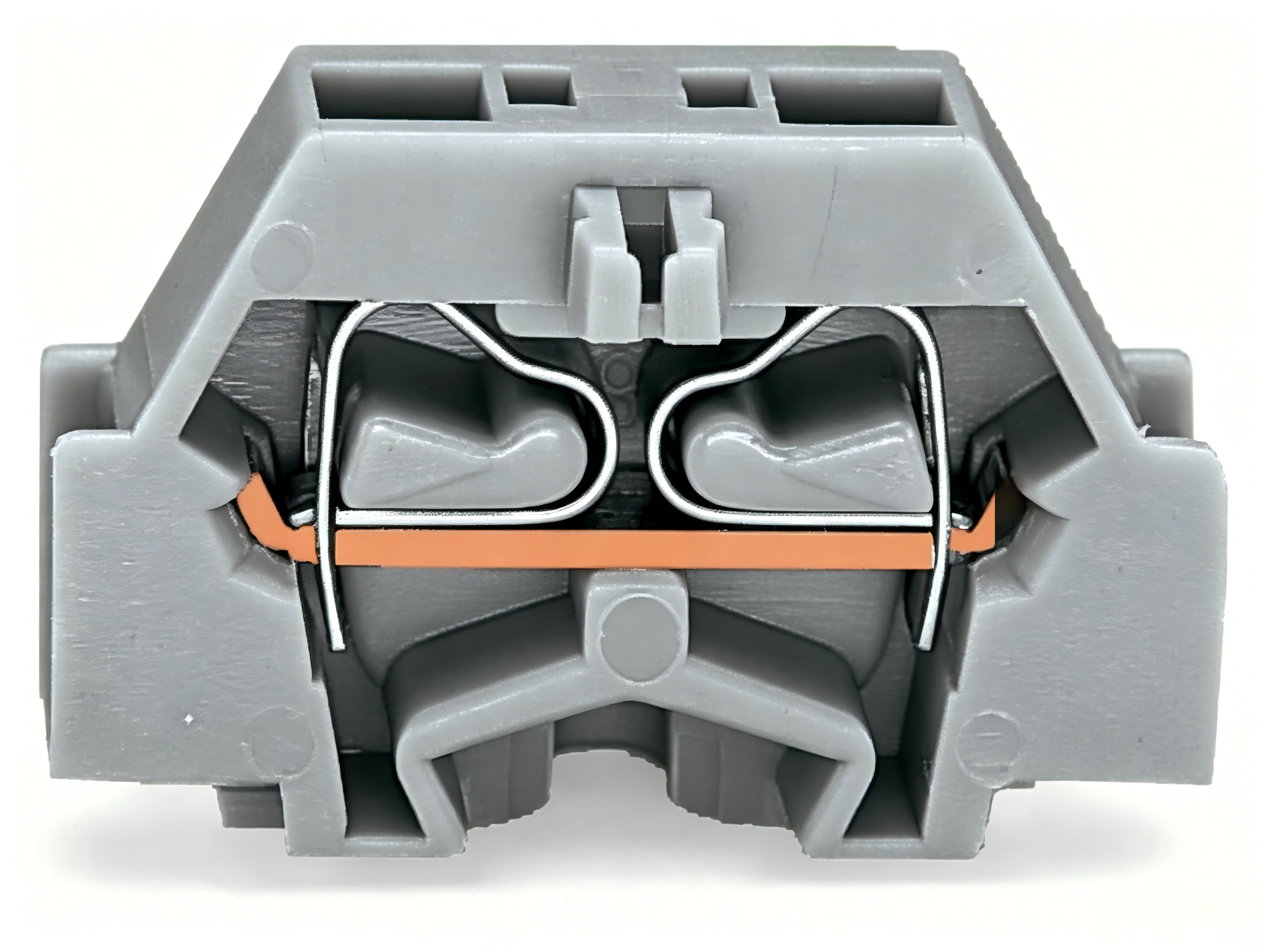
Si bien los productos terminales estándar pueden satisfacer muchos requisitos generales de conexión eléctrica, a menudo no están optimizados para aplicaciones donde cada milímetro de espacio importa. Esto es especialmente cierto en industrias como la de los vehículos eléctricos., sistemas de almacenamiento de energía, telecomunicaciones, aeroespacial, y automatización industrial, donde los ingenieros se esfuerzan continuamente por reducir el tamaño del equipo y al mismo tiempo aumentar la funcionalidad.
El diseño de terminales personalizado ofrece una ventaja estratégica al permitir a los fabricantes desarrollar terminales específicamente adaptados a las necesidades eléctricas de sus aplicaciones., mecánico, y requisitos espaciales.
Optimización de geometría
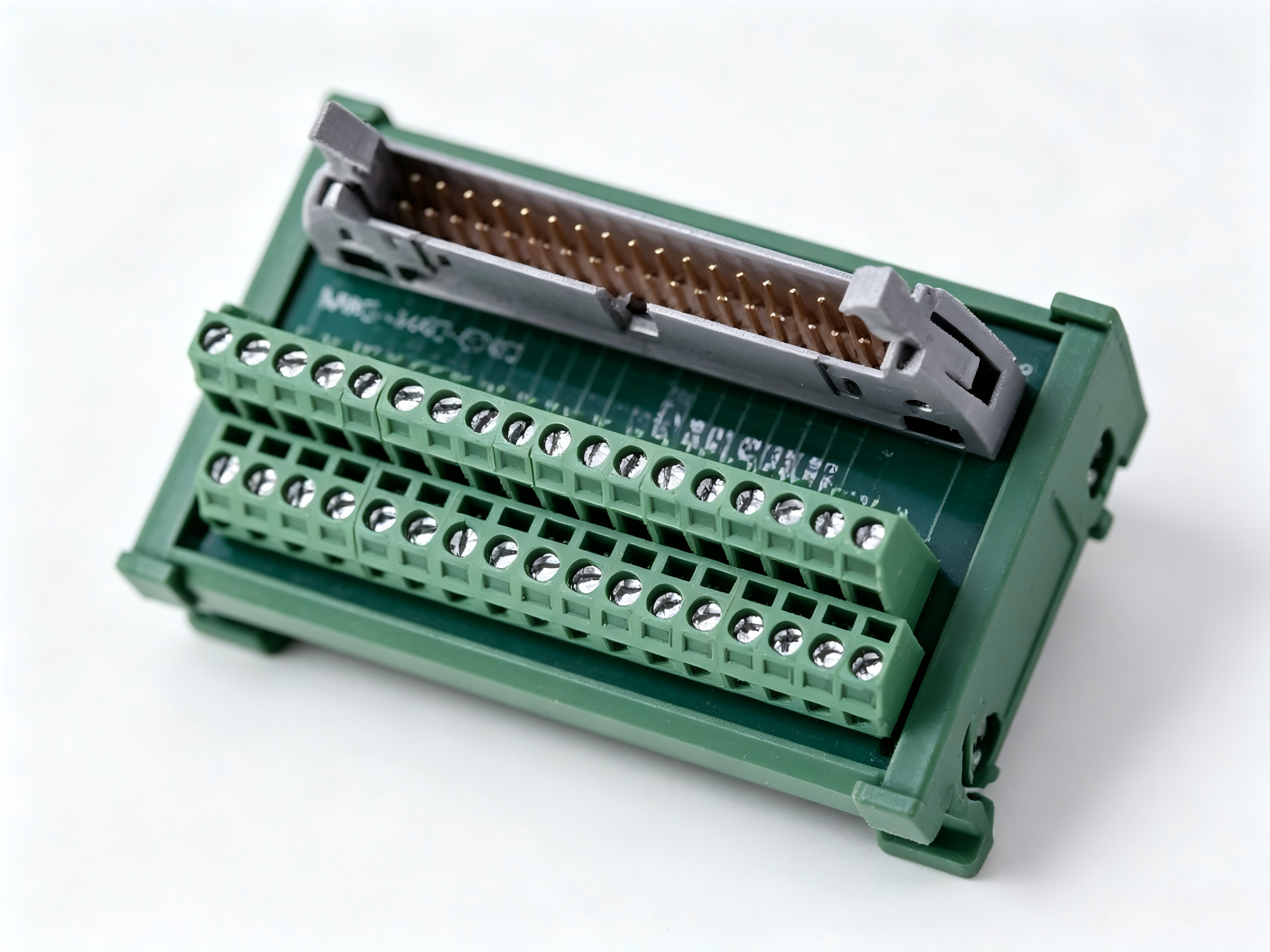
Una de las principales ventajas de los terminales personalizados es la capacidad de optimizar la geometría..
En lugar de adaptar el diseño de un producto para que se ajuste a un terminal estándar, Los ingenieros pueden desarrollar un terminal que se adapte perfectamente al espacio de instalación disponible..
Los ejemplos incluyen:
Ancho de terminal reducido
Diseños de perfil más bajo
Ángulos de curvatura personalizados
Funciones de bloqueo integradas
Configuraciones de montaje compactas
Estas modificaciones pueden reducir significativamente la huella total de un conjunto eléctrico..
Mayor densidad de conexión
Se pueden diseñar terminales personalizados para maximizar la densidad de conexión manteniendo al mismo tiempo el aislamiento eléctrico y los requisitos de seguridad..
Los beneficios incluyen:
Más conexiones dentro del mismo recinto
Tamaño de PCB reducido
Armarios de control más pequeños
Eficiencia de embalaje mejorada
Una mayor densidad de conexión es particularmente valiosa en aplicaciones donde el espacio del gabinete es costoso o limitado.
Complejidad reducida del enrutamiento de cables
El enrutamiento de cables a menudo se convierte en un desafío importante en los sistemas compactos.
Las configuraciones de terminales personalizadas pueden simplificar las rutas de enrutamiento al:
Reposicionamiento de los puntos de entrada de cables
Optimización de la orientación del terminal
Integrar múltiples funciones en un solo componente
El enrutamiento simplificado reduce el tiempo de montaje, minimiza los errores de cableado, y mejora la confiabilidad general.
Optimización de materiales y revestimientos
Diferentes aplicaciones requieren diferentes características de rendimiento.
Los terminales personalizados permiten a los ingenieros seleccionar:
Materiales básicos
Cobre
Latón
Bronce fosforado
Cobre berilio
Tratamientos superficiales
estañado
niquelado
Chapado en plata
chapado en oro
Seleccionando la combinación de materiales más adecuada, Los fabricantes pueden lograr una conductividad óptima., durabilidad, y rentabilidad.
Integración de múltiples funciones
Los diseños modernos de terminales personalizados frecuentemente combinan múltiples funciones en un solo componente..
Los ejemplos incluyen:
Combinaciones de terminales y clips de retención
Integración de potencia y señal.
Funciones de terminal y puesta a tierra.
Diseños de terminación de varios cables
Esto reduce el número de componentes y minimiza aún más los requisitos de espacio..
Estudio de caso: Reducir la huella de conexión en 30% A través del diseño de terminal personalizado
Desafío del cliente
Nuestro cliente de equipos de automatización industrial estaba desarrollando un módulo de control compacto de última generación..
El equipo de ingeniería enfrentó varios desafíos.:
Espacio de recinto limitado
Aumento de la densidad del circuito
Creciente complejidad en la gestión de cables
Requisitos estrictos de confiabilidad
La solución de terminal estándar existente ocupaba demasiado espacio y restringía futuras mejoras de diseño..
Solución de ingeniería
Se desarrolló una terminal personalizada estampada y formada para abordar estos problemas..
Se incluyen mejoras de diseño clave:
Ancho de terminal reducido
Geometría de contacto optimizada
Funciones de retención integradas
Material de aleación de cobre de alta conductividad.
Acabado estañado para resistencia a la corrosión.
El nuevo diseño mantuvo el rendimiento eléctrico y al mismo tiempo redujo significativamente el espacio de la instalación..
Proceso de fabricación
Los terminales personalizados se produjeron utilizando:
Estampado progresivo de precisión
Desarrollo de herramientas CNC
Procesos de chapado automatizados
Inspección dimensional integral
El estricto control de calidad garantizó la coherencia en las series de producción de gran volumen..
Resultados
El cliente logró:
30% reducción de la huella de la terminal
20% reducción del tiempo de montaje
Organización de cables mejorada
Mayor densidad de conexión
Menor costo general del sistema
Lo más importante, El terminal rediseñado permitió al cliente alcanzar los objetivos de miniaturización del producto sin sacrificar el rendimiento o la confiabilidad..
Cómo seleccionar la solución terminal adecuada para ahorrar espacio
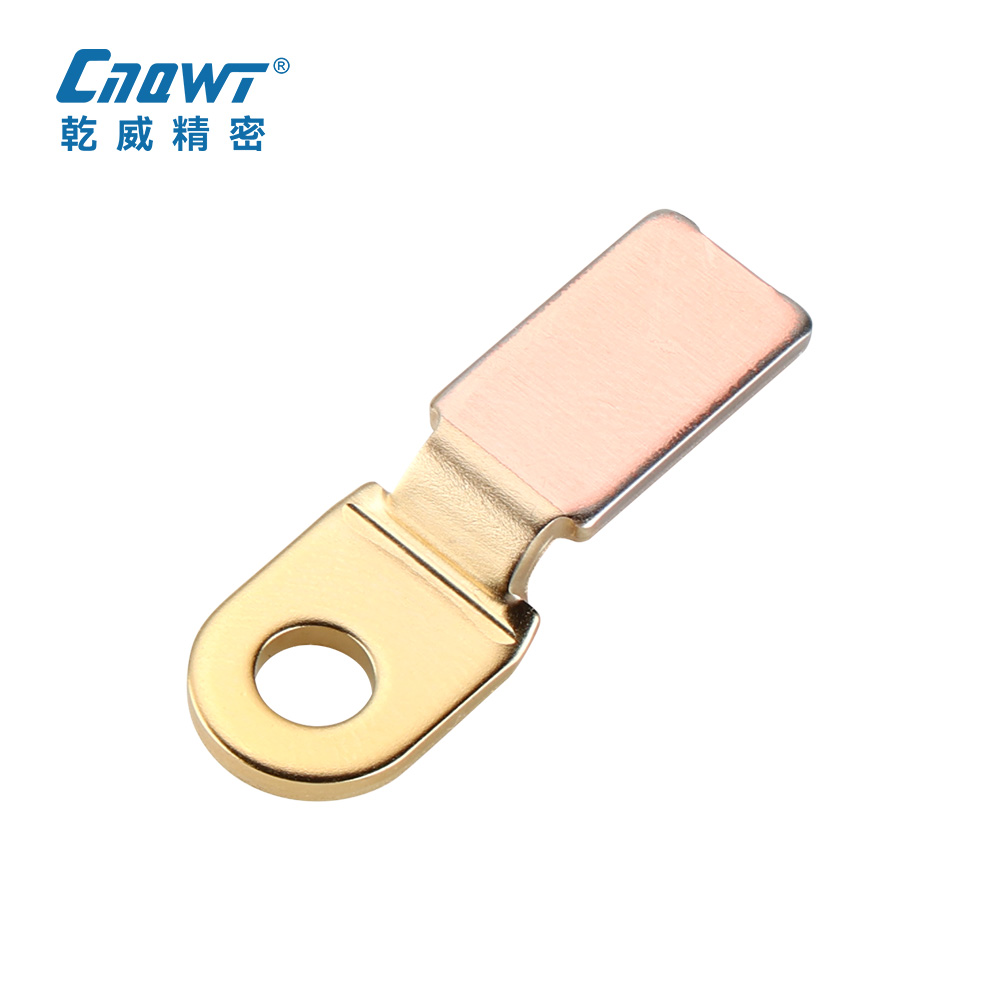
Elegir el terminal más adecuado requiere una cuidadosa evaluación de varios factores técnicos.
La siguiente lista de verificación puede ayudar a los ingenieros a tomar decisiones informadas..
1. Determinar los requisitos actuales
La primera consideración es la carga eléctrica..
Preguntas para hacer:
¿Qué corriente llevará el terminal??
¿Las corrientes máximas son significativamente más altas que las corrientes nominales??
¿Es la generación de calor una preocupación??
El terminal debe proporcionar suficiente conductividad manteniendo temperaturas de funcionamiento seguras..
2. Evaluar el espacio de instalación disponible
Los ingenieros deben analizar:
Limitaciones de ancho
Restricciones de altura
Rutas de enrutamiento de cables
Dimensiones del gabinete
Una comprensión detallada de las limitaciones de espacio ayuda a identificar la configuración de terminal más eficaz..
3. Considere las condiciones ambientales
Los entornos operativos influyen en gran medida en la selección de terminales.
Los factores incluyen:
Temperaturas extremas
Humedad
Atmósferas corrosivas
Vibración
Choque mecánico
Es posible que se requieran diferentes materiales y opciones de revestimiento según la aplicación..
4. Evaluar los requisitos de montaje
No se deben pasar por alto las consideraciones de fabricación..
Las preguntas incluyen:
Montaje manual o automatizado?
Engarzar o soldar?
Producción de alto volumen?
Requisitos de mantenimiento futuros?
Elegir un terminal compatible con los procesos productivos puede reducir significativamente los costes de fabricación.
5. Revisar las necesidades de confiabilidad a largo plazo
La confiabilidad es a menudo el factor más crítico.
Los ingenieros deben evaluar:
Estabilidad de contacto
Resistencia a la corrosión
Retención mecánica
Requisitos del ciclo de apareamiento
El diseño del terminal de alta calidad ayuda a garantizar el rendimiento a largo plazo en entornos exigentes.
6. Explore oportunidades de personalización
Si los productos estándar no satisfacen completamente los requisitos del proyecto, El desarrollo de terminales personalizados puede ofrecer importantes beneficios..
Las soluciones personalizadas pueden mejorar:
Utilización del espacio
Rendimiento eléctrico
Eficiencia de montaje
Diferenciación de producto
FPreguntas frecuentes
1.¿Qué es un terminal que ahorra espacio??
Un terminal que ahorra espacio es un componente de conexión eléctrica diseñado específicamente para reducir la cantidad de espacio de instalación requerido y al mismo tiempo mantener un rendimiento eléctrico y mecánico confiable.. Estos terminales ayudan a los ingenieros a aumentar la densidad de conexiones y optimizar la disposición de los equipos..
2.¿Por qué son importantes las soluciones de terminales compactos??
Las soluciones de terminales compactas permiten a los fabricantes reducir el tamaño del producto, mejorar la organización del cableado, aumentar la densidad de conexión, y menores costos de material. Son esenciales para los sistemas eléctricos modernos donde el espacio es limitado..
3.¿Pueden los terminales en miniatura manejar cargas de alta corriente??
Sí. Los terminales en miniatura correctamente diseñados pueden soportar niveles de corriente sustanciales. Selección de materiales, diseño de contacto, enchapado, y la gestión térmica contribuyen a la capacidad de transporte de corriente de los terminales compactos.
4.¿Qué industrias utilizan soluciones terminales que ahorran espacio??
Las industrias comunes incluyen:
Vehículos eléctricos
Sistemas de almacenamiento de energía
Automatización industrial
Telecomunicaciones
Dispositivos médicos
Electrónica de consumo
Equipo aeroespacial
Estas industrias frecuentemente requieren compacto, conexiones eléctricas confiables.
5.¿Qué materiales se utilizan habitualmente para los terminales compactos??
Los materiales terminales populares incluyen cobre., latón, bronce fosforado, y cobre berilio. El material óptimo depende de la conductividad., resistencia mecánica, resistencia a la corrosión, y consideraciones de costos.
6.¿Qué opciones de revestimiento están disponibles para terminales personalizados??
Las opciones de revestimiento comunes incluyen:
estañado
niquelado
Chapado en plata
chapado en oro
Cada tipo de revestimiento ofrece ventajas específicas relacionadas con la conductividad., resistencia a la corrosión, y rendimiento de desgaste.
7.¿Son más caros los terminales personalizados que ahorran espacio??
No necesariamente. Si bien las herramientas personalizadas pueden requerir una inversión inicial, Los terminales personalizados a menudo reducen los costos de montaje., mejorar la eficiencia, recuentos de componentes más bajos, y proporcionar ahorros de costos a largo plazo en producción de gran volumen.
8.¿Cómo puede ayudarme un fabricante de terminales a optimizar mi diseño??
Un fabricante de terminales experimentado puede proporcionar soporte de ingeniería., recomendaciones de diseño, guía de selección de materiales, servicios de creación de prototipos, y experiencia en producción para ayudar a optimizar tanto el rendimiento como la utilización del espacio.
Conclusión
Reduciendo el espacio de instalación, aumento de la densidad de conexión, mejorando la gestión de cables, y respaldar procesos de ensamblaje eficientes, Los terminales compactos ayudan a los fabricantes a superar los desafíos asociados con la miniaturización..
Ya sea utilizado en vehículos eléctricos., sistemas de almacenamiento de energía, equipos de automatización industrial, infraestructura de telecomunicaciones, o dispositivos electrónicos avanzados, la solución de terminal adecuada puede mejorar significativamente el rendimiento y la eficiencia general del sistema.
Para proyectos con limitaciones de espacio únicas o requisitos de rendimiento exigentes, Los diseños de terminales personalizados a menudo brindan las mayores ventajas al optimizar la geometría., materiales, y funcionalidad para la aplicación específica.
Buscando soluciones de terminales personalizadas que ahorren espacio?
En Precisión QW, Nos especializamos en el diseño y fabricación de terminales personalizados de precisión para automoción., automatización industrial, almacenamiento de energía, telecomunicaciones, electrónica de consumo, y otras aplicaciones exigentes.
Nuestro equipo de ingeniería puede ayudar con:
✓ Diseño de terminal personalizado
✓ Estampado de metales de precisión
✓ Selección de material y revestimiento.
✓ Desarrollo de prototipos
✓ Producción de alto volumen
✓ Soluciones específicas para aplicaciones
Contáctenos hoy para analizar los requisitos de su proyecto y descubrir cómo las soluciones de terminales personalizadas que ahorran espacio pueden mejorar su próximo diseño eléctrico..

