

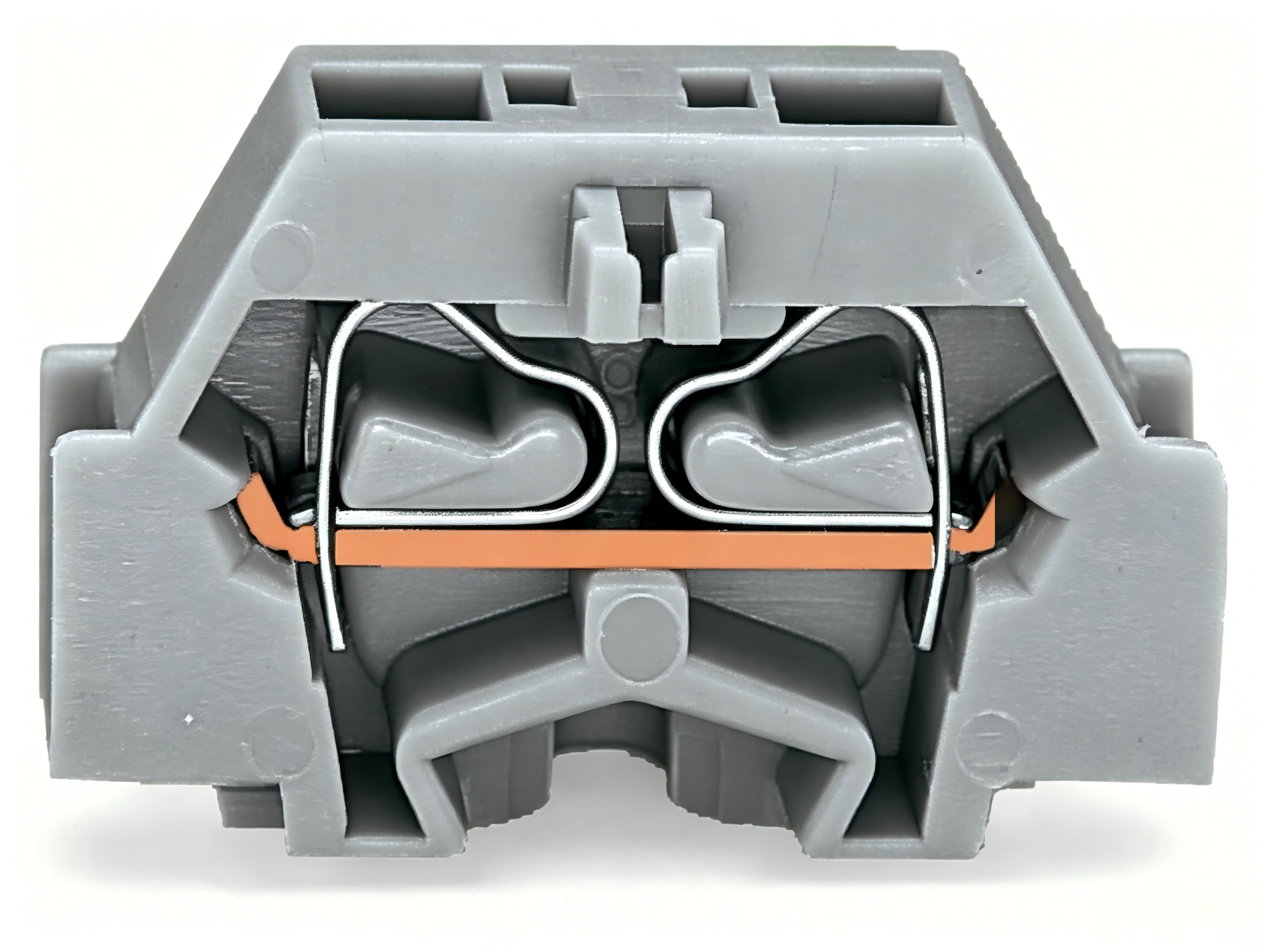
While standard terminal products can satisfy many general electrical connection requirements, they are often not optimized for applications where every millimeter of space matters. This is especially true in industries such as electric vehicles, energy storage systems, telecommunications, aerospace, and industrial automation, where engineers continuously strive to reduce equipment size while increasing functionality.
Custom terminal design offers a strategic advantage by allowing manufacturers to develop terminals specifically tailored to their application’s electrical, mechanical, and spatial requirements.
Geometry Optimization
One of the primary advantages of custom terminals is the ability to optimize geometry.
Rather than adapting a product design to fit a standard terminal, engineers can develop a terminal that perfectly fits the available installation space.
Examples include:
Reduced terminal width
Lower profile designs
Custom bend angles
Integrated locking features
Compact mounting configurations
These modifications can significantly reduce the overall footprint of an electrical assembly.
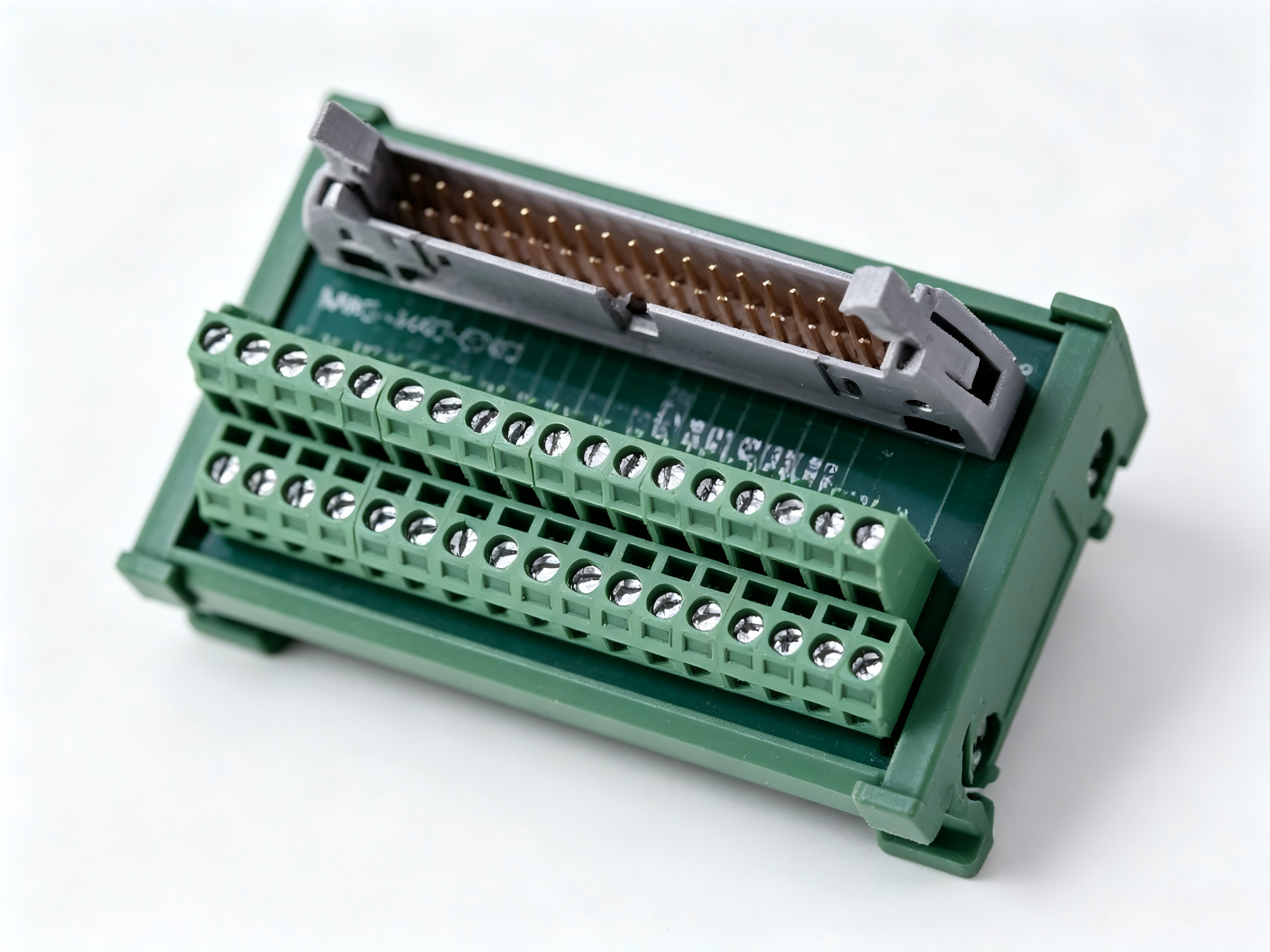
Higher Connection Density
Custom terminals can be engineered to maximize connection density while maintaining electrical isolation and safety requirements.
Benefits include:
More connections within the same enclosure
Reduced PCB size
Smaller control cabinets
Improved packaging efficiency
Higher connection density is particularly valuable in applications where enclosure space is expensive or limited.
Reduced Wire Routing Complexity
Wire routing often becomes a major challenge in compact systems.
Custom terminal configurations can simplify routing paths by:
Repositioning wire entry points
Optimizing terminal orientation
Integrating multiple functions into a single component
Simplified routing reduces assembly time, minimizes wiring errors, and improves overall reliability.
Material and Plating Optimization
Different applications require different performance characteristics.
Custom terminals allow engineers to select:
Base Materials
Copper
Brass
Phosphor bronze
Beryllium copper
Surface Treatments
Tin plating
Nickel plating
Silver plating
Gold plating
By selecting the most suitable material combination, manufacturers can achieve optimal conductivity, durability, and cost efficiency.
Integration of Multiple Functions
Modern custom terminal designs frequently combine multiple functions into a single component.
Examples include:
Terminal and retention clip combinations
Power and signal integration
Terminal and grounding functions
Multi-wire termination designs
This reduces component count and further minimizes space requirements.
Case Study: Reducing Connection Footprint by 30% Through Custom Terminal Design
Customer Challenge
Our customer of industrial automation equipment was developing a next-generation compact control module.
The engineering team faced several challenges:
Limited enclosure space
Increasing circuit density
Growing wire management complexity
Strict reliability requirements
The existing standard terminal solution occupied too much space and restricted future design improvements.
Engineering Solution
A custom stamped and formed terminal was developed to address these issues.
Key design improvements included:
Reduced terminal width
Optimized contact geometry
Integrated retention features
High-conductivity copper alloy material
Tin-plated finish for corrosion resistance
The new design maintained electrical performance while significantly reducing the installation footprint.
Manufacturing Process
The custom terminals were produced using:
Precision progressive stamping
CNC tooling development
Automated plating processes
Comprehensive dimensional inspection
Strict quality control ensured consistency across high-volume production runs.
Results
The customer achieved:
30% reduction in terminal footprint
20% reduction in assembly time
Improved wire organization
Increased connection density
Lower overall system cost
Most importantly, the redesigned terminal allowed the customer to meet product miniaturization goals without sacrificing performance or reliability.
How to Select the Right Space-Saving Terminal Solution
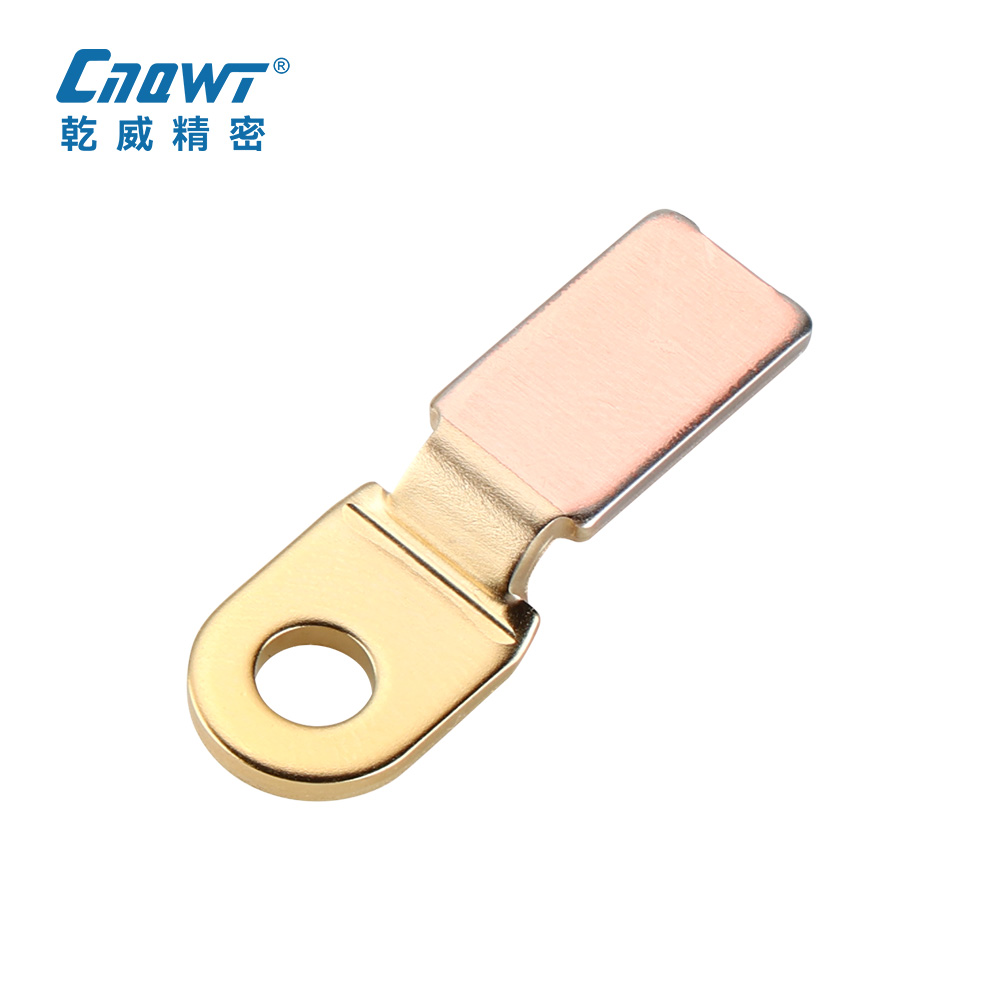
Choosing the most suitable terminal requires careful evaluation of several technical factors.
The following checklist can help engineers make informed decisions.
1. Determine Current Requirements
The first consideration is electrical load.
Questions to ask:
What current will the terminal carry?
Are peak currents significantly higher than nominal currents?
Is heat generation a concern?
The terminal must provide sufficient conductivity while maintaining safe operating temperatures.
2. Evaluate Available Installation Space
Engineers should analyze:
Width limitations
Height restrictions
Wire routing paths
Enclosure dimensions
A detailed understanding of space constraints helps identify the most effective terminal configuration.
3. Consider Environmental Conditions
Operating environments greatly influence terminal selection.
Factors include:
Temperature extremes
Humidity
Corrosive atmospheres
Vibration
Mechanical shock
Different materials and plating options may be required depending on the application.
4. Assess Assembly Requirements
Manufacturing considerations should not be overlooked.
Questions include:
Manual or automated assembly?
Crimping or soldering?
High-volume production?
Future maintenance requirements?
Choosing a terminal compatible with production processes can significantly reduce manufacturing costs.
5. Review Long-Term Reliability Needs
Reliability is often the most critical factor.
Engineers should evaluate:
Contact stability
Corrosion resistance
Mechanical retention
Mating cycle requirements
High-quality terminal design helps ensure long-term performance in demanding environments.
6. Explore Customization Opportunities
If standard products do not fully satisfy project requirements, custom terminal development may offer significant benefits.
Custom solutions can improve:
Space utilization
Electrical performance
Assembly efficiency
Product differentiation
FAQs
1.What is a space-saving terminal?
A space-saving terminal is an electrical connection component specifically designed to reduce the amount of installation space required while maintaining reliable electrical and mechanical performance. These terminals help engineers increase connection density and optimize equipment layouts.
2.Why are compact terminal solutions important?
Compact terminal solutions enable manufacturers to reduce product size, improve wiring organization, increase connection density, and lower material costs. They are essential for modern electrical systems where space is limited.
3.Can miniature terminals handle high current loads?
Yes. Properly engineered miniature terminals can support substantial current levels. Material selection, contact design, plating, and thermal management all contribute to the current-carrying capability of compact terminals.
4.Which industries use space-saving terminal solutions?
Common industries include:
Electric vehicles
Energy storage systems
Industrial automation
Telecommunications
Medical devices
Consumer electronics
Aerospace equipment
These industries frequently require compact, reliable electrical connections.
5.What materials are commonly used for compact terminals?
Popular terminal materials include copper, brass, phosphor bronze, and beryllium copper. The optimal material depends on conductivity, mechanical strength, corrosion resistance, and cost considerations.
6.What plating options are available for custom terminals?
Common plating options include:
Tin plating
Nickel plating
Silver plating
Gold plating
Each plating type offers specific advantages related to conductivity, corrosion resistance, and wear performance.
7.Are custom space-saving terminals more expensive?
Not necessarily. While custom tooling may require an initial investment, custom terminals often reduce assembly costs, improve efficiency, lower component counts, and provide long-term cost savings in high-volume production.
8.How can a terminal manufacturer help optimize my design?
An experienced terminal manufacturer can provide engineering support, design recommendations, material selection guidance, prototyping services, and production expertise to help optimize both performance and space utilization.
Conclusion
By reducing installation space, increasing connection density, improving wire management, and supporting efficient assembly processes, compact terminals help manufacturers overcome the challenges associated with miniaturization.
Whether used in electric vehicles, energy storage systems, industrial automation equipment, telecommunications infrastructure, or advanced electronic devices, the right terminal solution can significantly improve overall system performance and efficiency.
For projects with unique space constraints or demanding performance requirements, custom terminal designs often provide the greatest advantages by optimizing geometry, materials, and functionality for the specific application.
Looking for Custom Space-Saving Terminal Solutions?
At QW Precision, we specialize in the design and manufacturing of precision custom terminals for automotive, industrial automation, energy storage, telecommunications, consumer electronics, and other demanding applications.
Our engineering team can assist with:
✓ Custom terminal design
✓ Precision metal stamping
✓ Material and plating selection
✓ Prototype development
✓ High-volume production
✓ Application-specific solutions
Contact us today to discuss your project requirements and discover how custom space-saving terminal solutions can improve your next electrical design.

