

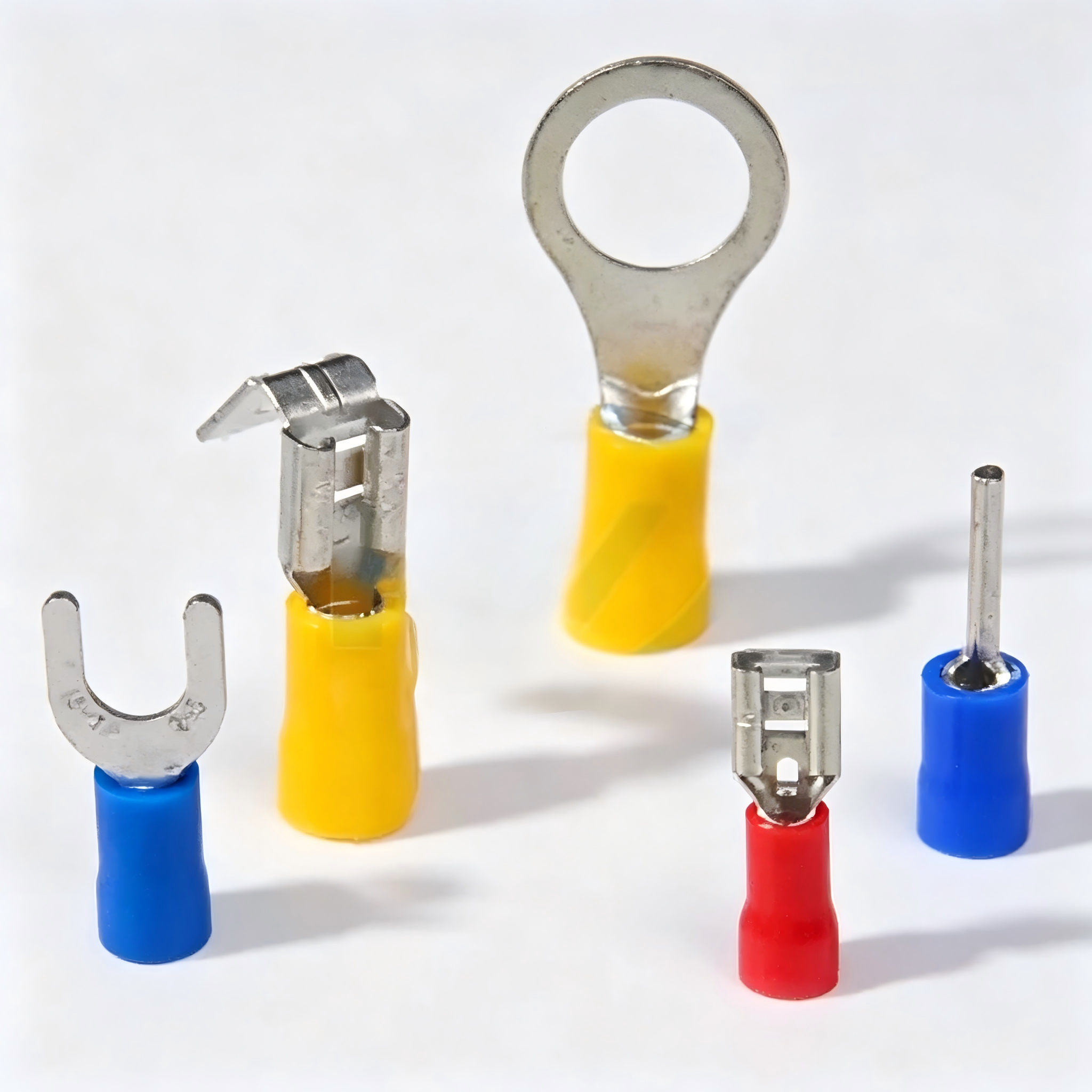
Los terminales industriales son componentes importantes en los sistemas eléctricos., asegurando seguridad, confiable, y conexiones eficientes entre cables, equipo, y fuentes de energía. Ya sea que esté diseñando un panel de control, fabricacion de maquinaria industrial, construir sistemas de distribución de energía, o instalar equipos de energía renovable, Seleccionar el terminal correcto impacta directamente en la seguridad., actuación, y confiabilidad a largo plazo.
Sin embargo, con numerosos tipos de terminales, materiales, tamaños de alambre, calificaciones actuales, y consideraciones medioambientales disponibles, elegir la terminal industrial adecuada puede ser un desafío.
Esta guía completa ayudará a los ingenieros, Fabricantes OEM, constructores de paneles, gerentes de compras, y los distribuidores entienden cómo seleccionar el mejor terminal industrial para sus aplicaciones específicas.
¿Qué es una terminal industrial??
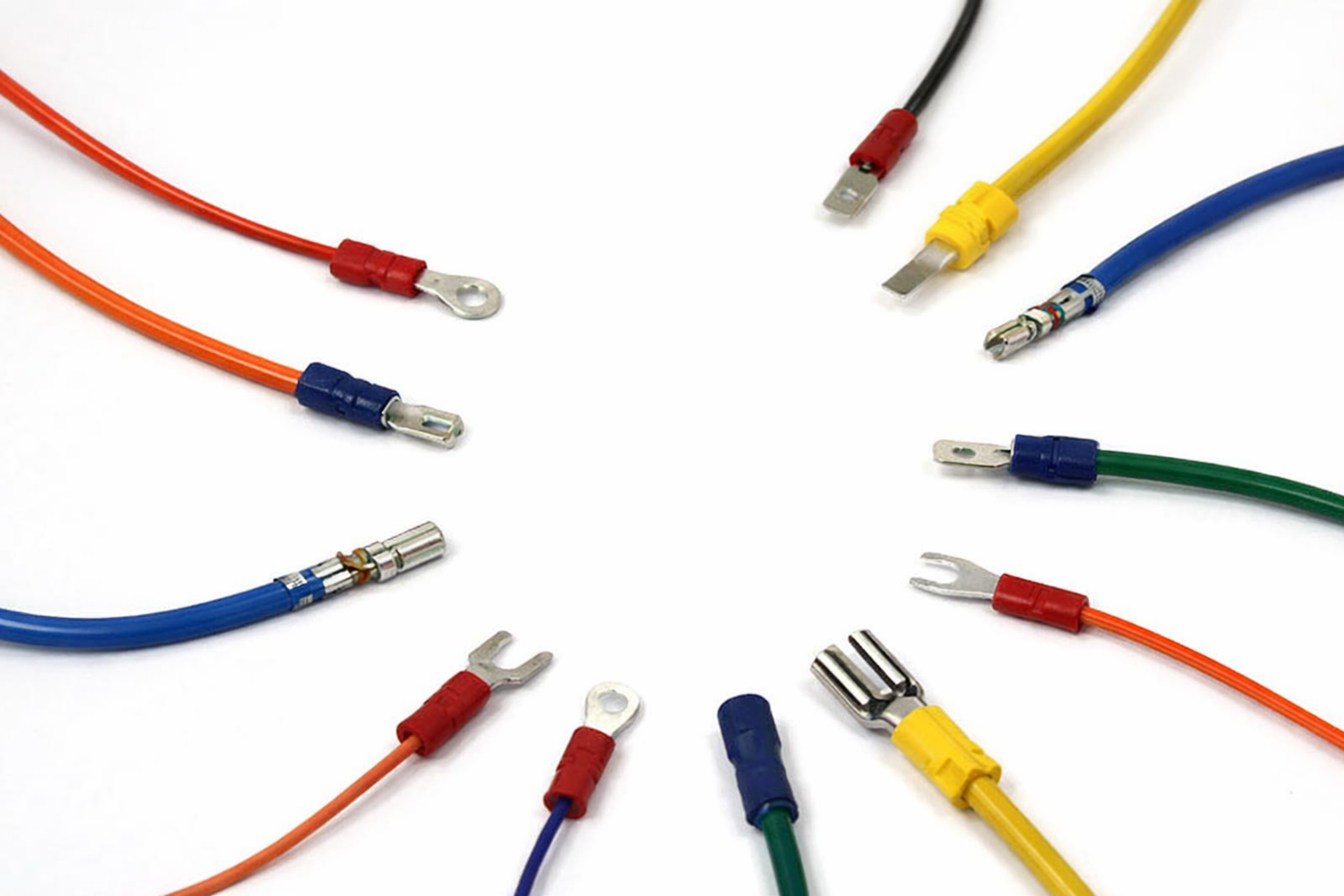
Un terminal industrial es un conector utilizado para establecer una conexión eléctrica segura entre conductores., dispositivos, equipo, o sistemas de distribución de energía.
Los terminales industriales se utilizan ampliamente en:
Paneles de control
Sistemas de automatización industrial
Armarios electricos
Aparamenta
Equipos de distribución de energía.
Sistemas de energía renovable
Sistemas eléctricos automotrices
Maquinaria industrial
Al proporcionar una conexión eléctrica estable, Los terminales ayudan a garantizar un flujo de corriente eficiente., reducir la resistencia, y mejorar la confiabilidad del sistema.
Por qué es importante la selección adecuada de terminales
Muchas fallas eléctricas son causadas por malas conexiones más que por defectos del equipo.. Seleccionar el terminal incorrecto puede provocar:
Generación excesiva de calor
Caídas de voltaje
Aflojamiento de la conexión
Tiempo de inactividad del equipo
Peligros de incendio
Mayores costos de mantenimiento.
Un terminal correctamente seleccionado proporciona:
Conductividad eléctrica mejorada
Resistencia mecánica mejorada
Mejor resistencia a las vibraciones
Vida útil más larga
Cumplimiento de los estándares de la industria
Para fabricantes OEM y cuadristas, elegir el terminal correcto puede mejorar significativamente la confiabilidad del producto y la satisfacción del cliente.
Guía rápida: Cómo seleccionar la terminal industrial adecuada
Sigue estos seis pasos esenciales:
Paso 1
Identifica tu aplicación.
Paso 2
Seleccione el tipo de terminal apropiado.
Paso 3
Haga coincidir el terminal con el tamaño del cable.
Paso 4
Verificar los requisitos de corriente y voltaje..
Paso 5
Evaluar las condiciones ambientales..
Paso 6
Confirmar certificaciones y requisitos de cumplimiento..
Este enfoque estructurado ayuda a eliminar conjeturas y garantiza un rendimiento óptimo del terminal..
Paso 1: Identifique su aplicación
Diferentes aplicaciones requieren diferentes soluciones de terminales.
Paneles de control
Los paneles de control generalmente requieren:
Bloques de terminales
Estos terminales ofrecen una fácil instalación y conexiones confiables en un espacio limitado..
Maquinaria Industrial
Los equipos industriales a menudo experimentan vibraciones y estrés mecánico..
Terminales recomendados:
Terminales de anillo
Terminales de cable de alta resistencia
Terminales de engarce
Los terminales de anillo son particularmente populares porque permanecen conectados de forma segura incluso bajo vibración continua..
Sistemas de distribución de energía
Los equipos de distribución de energía requieren terminales capaces de manejar corrientes más altas..
Opciones recomendadas:
Terminales de cobre
Terminales de compresión
Terminales de anillo de alta resistencia
Sistemas de energía renovable
Los sistemas solares y de almacenamiento de energía funcionan en entornos exteriores..
Terminales recomendados:
Terminales de cobre estañado
Terminales resistentes a la corrosión
Terminales de batería de alta corriente
Conexiones de motores
Los motores eléctricos generan vibración y calor..
Terminales recomendados:
Terminales de anillo
Terminales de compresión
Terminales de alta temperatura
Paso 2: Elija el tipo de terminal correcto
Comprender los tipos de terminales es esencial para una selección adecuada.
Terminales de anillo
Los terminales de anillo cuentan con un diseño de anillo cerrado que se ajusta sobre un tornillo o perno.
Ventajas
Excelente resistencia a las vibraciones
Conexión segura
Alta confiabilidad
Aplicaciones
motores
Maquinaria industrial
Sistemas de distribución de energía.
Limitaciones
Tiempo de instalación ligeramente más largo
Terminales de horquilla
Los terminales de horquilla presentan un diseño abierto.
Ventajas
Instalación rápida
Fácil mantenimiento
Aplicaciones
Paneles de control
Armarios electricos
Limitaciones
Menos seguro bajo vibración
Terminales de clavija
Los terminales de clavija están diseñados para insertarse en bloques de terminales..
Ventajas
Fácil inserción de cables
Diseño compacto
Aplicaciones
Sistemas PLC
Equipos de automatización
Terminales de cuchilla
Los terminales tipo cuchilla proporcionan funcionalidad de conexión rápida.
Ventajas
Montaje rápido
Mantenimiento conveniente
Aplicaciones
Accesorios
Equipos industriales
Conectores a tope
Los conectores a tope unen dos cables.
Ventajas
Fuerte conexión eléctrica
Instalación sencilla
Aplicaciones
Reparaciones de cables
Extensiones de cables
Bloques de terminales
Los bloques de terminales proporcionan puntos de conexión organizados.
Ventajas
Solución de problemas sencilla
Diseño modular
Aplicaciones
Paneles de control
Sistemas de automatización industrial
Cuadro comparativo de tipos de terminales
| Tipo de terminal | Mejor aplicación | Resistencia a las vibraciones | Velocidad de instalación |
| Terminal de anillo | motores & Sistemas de energía | Excelente | Medio |
| Terminal de horquilla | Paneles de control | Bien | Rápido |
| Terminal de clavija | Cableado del PLC | Bien | Rápido |
| Terminal de cuchilla | Conexiones Rápidas | Moderado | muy rapido |
| Conector a tope | Empalme de cables | Excelente | Medio |
| Bloque de terminales | Cableado de paneles | Excelente | Rápido |
Paso 3: Haga coincidir el terminal con el tamaño del cable
Seleccionar el tamaño de terminal correcto es fundamental.
Un terminal demasiado grande puede crear una conexión floja.
Un terminal demasiado pequeño puede dañar el conductor o impedir el engarzado adecuado..
Comprender el tamaño del cable
Se utilizan dos sistemas de medición comunes.:
AWG (Calibre de alambre americano)
Común en América del Norte.
mm² (Sección transversal métrica)
Común en Europa y Asia.
Guía de selección de tamaños de cables
| Tamaño del cable (AWG) | Tamaño del cable (mm²) | Tamaño típico de terminal |
| 22-18 AWG | 0.5-1.0 mm² | Terminal pequeña |
| 16-14 AWG | 1.5-2.5 mm² | Terminal mediana |
| 12-10 AWG | 4.0-6.0 mm² | Terminal grande |
| 8-6 AWG | 10-16 mm² | Terminal de servicio pesado |
| 4-2 AWG | 25-35 mm² | Terminal de alimentación |
Verifique siempre las especificaciones de rango de cables del fabricante del terminal antes de la instalación..
Paso 4: Verificar las clasificaciones de corriente y voltaje
Las clasificaciones eléctricas se encuentran entre los criterios de selección más importantes..
Calificación actual
El terminal debe transportar de forma segura la corriente máxima de funcionamiento..
Los terminales de tamaño insuficiente pueden causar:
Calentamiento excesivo
Daños en el aislamiento
Fallo de conexión
Ejemplo
| Solicitud | Corriente típica |
| Panel de control | 5-20 A |
| Control de motores | 20-100 A |
| Distribución de energía | 100-600 A |
| Sistemas de baterías | 200-1000 A |
Clasificación de voltaje
Las clasificaciones de voltaje deben coincidir con el diseño del sistema..
Los sistemas industriales comunes incluyen:
24En DC
48En DC
120V CA
240V CA
480V CA
Aplicaciones de alto voltaje
Seleccionar un terminal con aislamiento de voltaje inadecuado puede comprometer la seguridad y el cumplimiento.
Paso 5: Considere las condiciones ambientales
Los factores ambientales afectan significativamente el rendimiento de la terminal.
Ambientes de alta temperatura
Las aplicaciones incluyen:
motores
Electrónica de potencia
Hornos industriales
Recomendado:
Terminales de cobre
Materiales aislantes de alta temperatura.
Ambientes corrosivos
Las aplicaciones incluyen:
Equipo marino
Plantas químicas
Instalaciones exteriores
Recomendado:
Terminales de cobre estañado
Terminales niquelados
Ambientes de alta vibración
Las aplicaciones incluyen:
motores
Compresores
Equipo de construcción
Recomendado:
Terminales de anillo
Terminales de compresión
Aplicaciones al aire libre
Considerar:
exposición a los rayos ultravioleta
Humedad
Fluctuaciones de temperatura
Recomendado:
Terminales resistentes a la corrosión
Sistemas de conexión sellados
Paso 6: Seleccione el material terminal correcto
La selección de materiales afecta la conductividad., durabilidad, y costo.
Terminales de cobre
Beneficios
Excelente conductividad
Alta confiabilidad
Ampliamente utilizado
Mejor para
Aplicaciones industriales generales
Terminales de cobre estañado
Beneficios
Resistencia a la corrosión mejorada
Vida útil más larga
Mejor para
Ambientes marinos
Instalaciones exteriores
Terminales de latón
Beneficios
Buena conductividad
Rentable
Mejor para
Sistemas de control
Aplicaciones ligeras
Terminales de aluminio
Beneficios
Ligero
Económico
Mejor para
Aplicaciones de servicios públicos y distribución de energía.
Certificaciones y estándares a considerar
Los compradores industriales siempre deben verificar los requisitos de cumplimiento..
Certificación UL
Demuestra el cumplimiento de los requisitos de seguridad reconocidos..
Certificación CSA
Importante para los mercados canadienses.
Cumplimiento CE
Requerido para muchas aplicaciones europeas.
Cumplimiento de RoHS
Garantiza que no se utilicen sustancias peligrosas restringidas..
Normas IEC
Estándares eléctricos internacionales ampliamente aceptados..
Errores comunes en la selección de terminales
Evita estos errores frecuentes:
Elegir basándose únicamente en el precio
Las terminales de bajo costo pueden resultar en mayores costos de mantenimiento y reemplazo.
Ignorar el tamaño del cable
Un dimensionamiento inadecuado reduce la confiabilidad de la conexión.
Pasar por alto las calificaciones actuales
La sobrecarga de corriente es una causa común de falla terminal.
Descuidar las condiciones ambientales
Los ambientes exteriores y corrosivos requieren terminales especializados.
Uso de productos no certificados
La certificación ayuda a garantizar la seguridad y el cumplimiento normativo.
Lista de verificación de selección de terminales industriales
Antes de finalizar la selección de tu terminal, verificar:
✓ Aplicación identificada
✓ Tipo de terminal seleccionado
✓ Tamaño del cable confirmado
✓ Calificación actual verificada
✓ Clasificación de voltaje comprobada
✓ Condiciones ambientales evaluadas
✓ Material seleccionado
✓ Requisitos de certificación confirmados
✓ Método de instalación revisado
✓ Proveedor calificado
Cómo elegir un fabricante confiable de terminales industriales
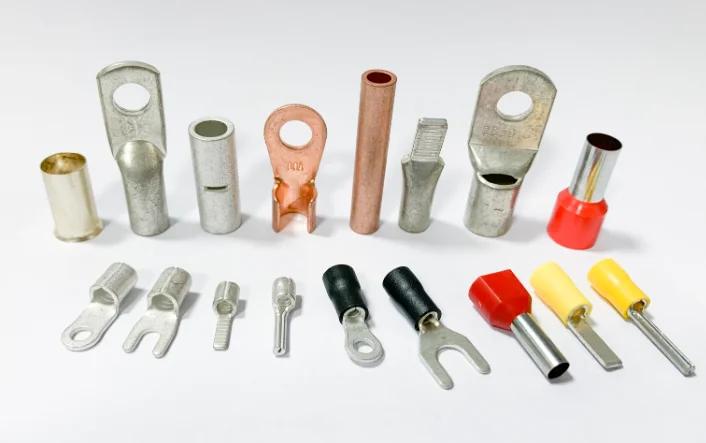
Seleccionar el proveedor adecuado es tan importante como seleccionar el terminal adecuado.
Considere los siguientes factores:
Experiencia en fabricación
Busque fabricantes con amplia experiencia en la industria.
Gama de productos
Una cartera de productos más amplia proporciona mayor flexibilidad.
Control de calidad
Los proveedores confiables mantienen estrictos procedimientos de inspección.
Capacidad de fabricación personalizada
Muchos proyectos OEM requieren terminales personalizados.
Soporte de certificación
Los fabricantes deben proporcionar documentación de cumplimiento cuando sea necesario..
Capacidad de suministro global
La capacidad de producción estable y el rendimiento de entrega son fundamentales para las asociaciones a largo plazo..
Por qué los OEM y los fabricantes de paneles eligen QW Precisión
Para fabricantes OEM, distribuidores, y fabricantes de equipos industriales, La confiabilidad del proveedor afecta directamente la calidad del producto y los plazos del proyecto..
Precisión QW proporciona:
Amplias líneas de productos de terminales industriales
Servicios de desarrollo de terminales personalizados
Fabricación de marcas privadas y OEM
Estrictos procesos de control de calidad.
Plazos de entrega competitivos
Apoyo a los mercados industriales globales
Soluciones para paneles de control, distribución de energía, sistemas de automatización, equipos de energía renovable, y maquinaria industrial
Ya sea que necesite terminales estándar o soluciones personalizadas, Trabajar con un fabricante de terminales experimentado puede ayudar a mejorar el rendimiento del producto y al mismo tiempo reducir los riesgos de abastecimiento..
Conclusión
Seleccionar el terminal industrial adecuado es fundamental para garantizar la seguridad eléctrica, confiabilidad del sistema, y desempeño operativo a largo plazo.
Evaluando los requisitos de la aplicación., tipo de terminal, tamaño del cable, clasificaciones eléctricas, condiciones ambientales, selección de materiales, y estándares de cumplimiento, Los ingenieros y profesionales de compras pueden tomar decisiones informadas que reducen los costos de mantenimiento y mejoran la eficiencia del sistema..
Para fabricantes OEM, constructores de paneles, distribuidores, y empresas de equipos industriales, asociarse con un proveedor de terminales confiable puede mejorar aún más la calidad del producto, agilizar las adquisiciones, y apoyar el crecimiento empresarial a largo plazo.
FAQs
1.¿Cómo elijo el tamaño de terminal correcto??
Haga coincidir el terminal con el calibre del cable o el área de sección transversal especificada por el fabricante.. El terminal debe engarzarse de forma segura sin dañar el conductor..
2.¿Cuál es la diferencia entre terminales de anillo y terminales de horquilla??
Los terminales de anillo proporcionan una conexión completamente cerrada y una mejor resistencia a las vibraciones., mientras que los terminales de horquilla permiten una instalación y extracción más rápidas.
3.¿Qué terminal es mejor para aplicaciones de alta vibración??
Los terminales de anillo son generalmente la opción preferida porque permanecen conectados de forma segura incluso cuando se exponen a vibraciones continuas..
4.¿Son mejores los terminales de cobre estañado que los terminales de cobre desnudo??
Los terminales de cobre estañado ofrecen una resistencia superior a la corrosión., haciéndolos ideales para aplicaciones marinas y al aire libre.
5.Qué certificaciones deben tener las terminales industriales?
Las certificaciones comunes incluyen UL, CSA, CE, RoHS, y cumplimiento de las normas IEC pertinentes.
6.¿Se pueden utilizar terminales de aluminio con conductores de cobre??
Se deben utilizar conectores de transición especiales o métodos de conexión aprobados para evitar la corrosión galvánica..
7.¿Qué causa el sobrecalentamiento del terminal??
Las causas comunes incluyen conexiones sueltas., terminales de tamaño insuficiente, corriente excesiva, y engarce inadecuado.
8.¿Cuál es el mejor terminal para el cableado del panel de control??
Terminales de horquilla, terminales de clavija, y los bloques de terminales se utilizan comúnmente en aplicaciones de paneles de control..
9.¿Con qué frecuencia se deben inspeccionar las terminales industriales??
La frecuencia de inspección depende de la aplicación., pero los sistemas industriales críticos deben revisarse periódicamente para detectar aflojamientos., corrosión, y sobrecalentamiento.
10.¿Cómo encuentro un proveedor confiable de terminales industriales??
Evaluar la experiencia de fabricación del proveedor., certificaciones, sistema de control de calidad, capacidades de personalización, y capacidad para proporcionar apoyo al suministro a largo plazo.

