

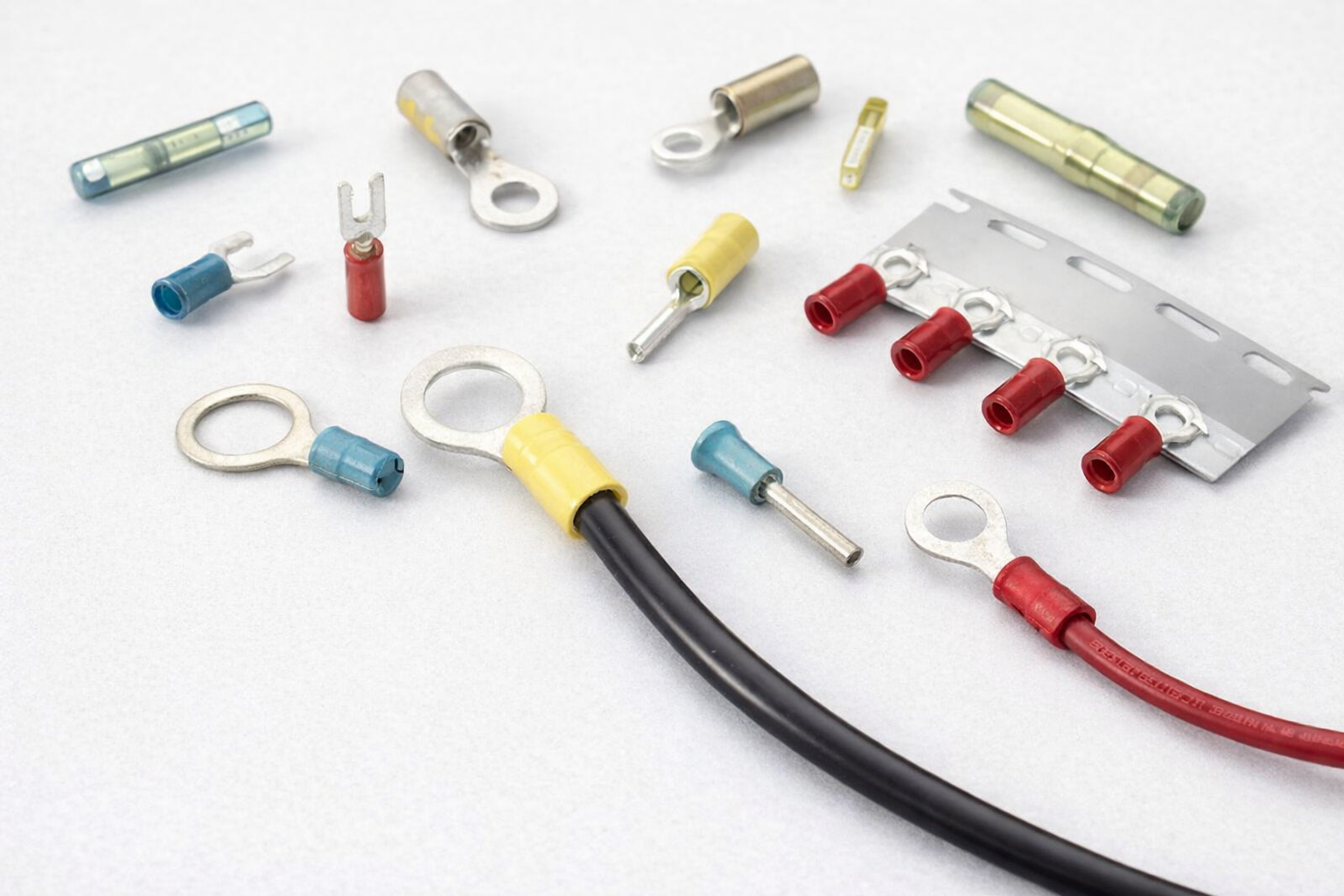
Solder terminals are precision metal connectors designed to create permanent electrical connections through soldering. They are widely used in PCB assemblies, industrial electronics, automotive modules, dispositifs médicaux, and control systems where stable conductivity and compact integration are required.
À Précision Qianwei, we manufacture custom and standard solder terminals using high-precision stamping, controlled plating processes, and strict quality inspection protocols to ensure electrical reliability and mechanical consistency in demanding applications.
This guide explains solder terminal types, applications, technical strengths, limitations, and how Qianwei Precision supports OEM projects.
What Are Solder Terminals?
Solder terminals are conductive metal components that connect wires or PCB traces through molten solder, forming a metallurgical bond between the conductor and the terminal surface.
Unlike crimp terminals, which rely on mechanical compression, solder terminals provide a permanent joint ideal for compact electronic assemblies.
Materials Used at Qianwei Precision
We manufacture solder terminals using:
High-conductivity brass
Phosphor bronze (for fatigue resistance)
Copper alloys (for high-current applications)
Custom alloy options upon request
Plating Options
Étamage (RoHS compliant, excellent solderability)
Nickelage (high-temperature resistance)
Placage d'argent (haute conductivité)
Selective plating available
All plating thickness is strictly controlled to ensure consistent solder wetting performance.
Types of Solder Terminals We Manufacture
PCB Solder Terminals
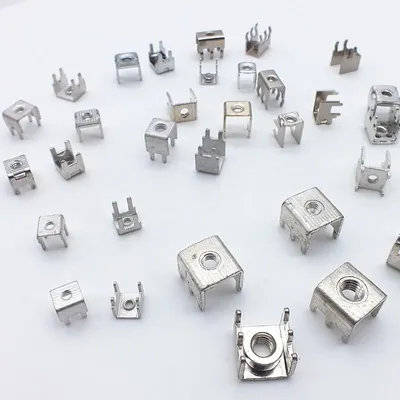
Designed for through-hole and wave soldering production lines. Ideal for consumer electronics and industrial PCB modules.
Solder Lug Terminals
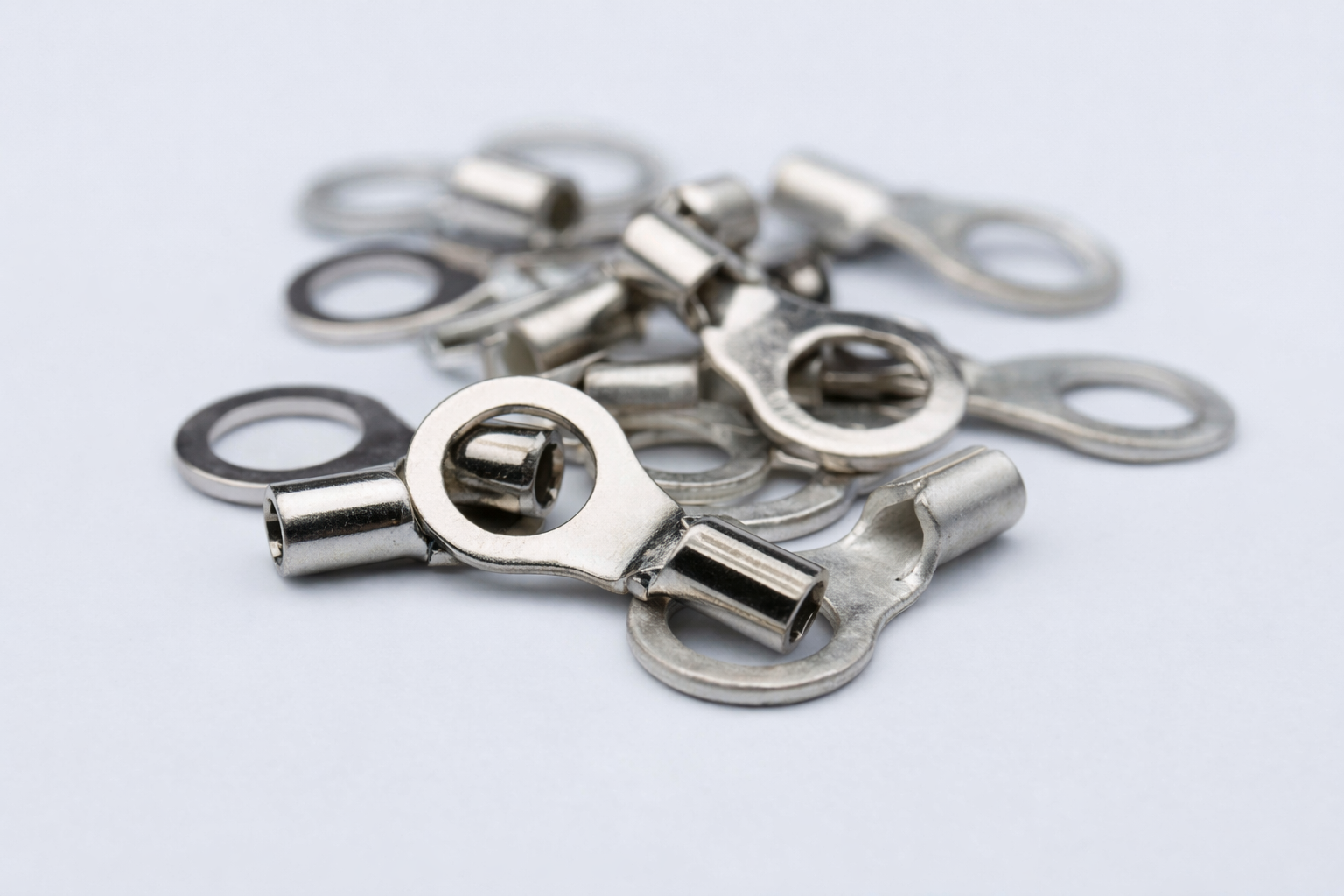
Flat or bent tab terminals for transformers, grounding systems, and power electronics.
Turret Terminals
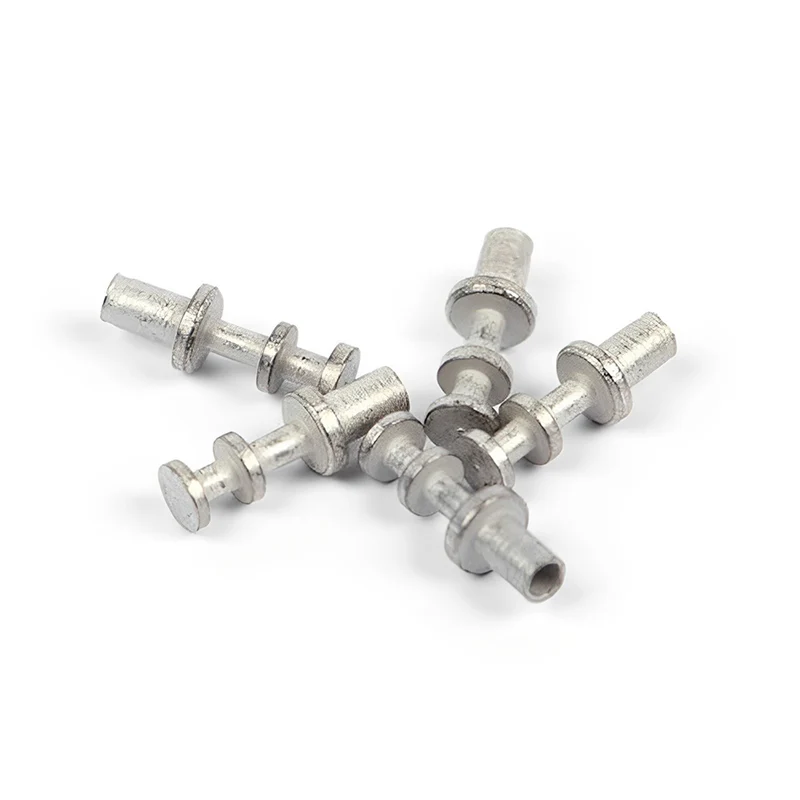
Used in aerospace and high-reliability electronic assemblies.
Solder Cup Terminals
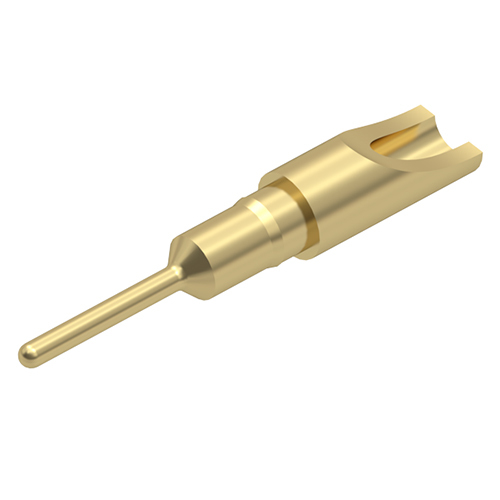
Common in circular connectors and aviation wiring systems.
Custom Stamped Solder Terminals
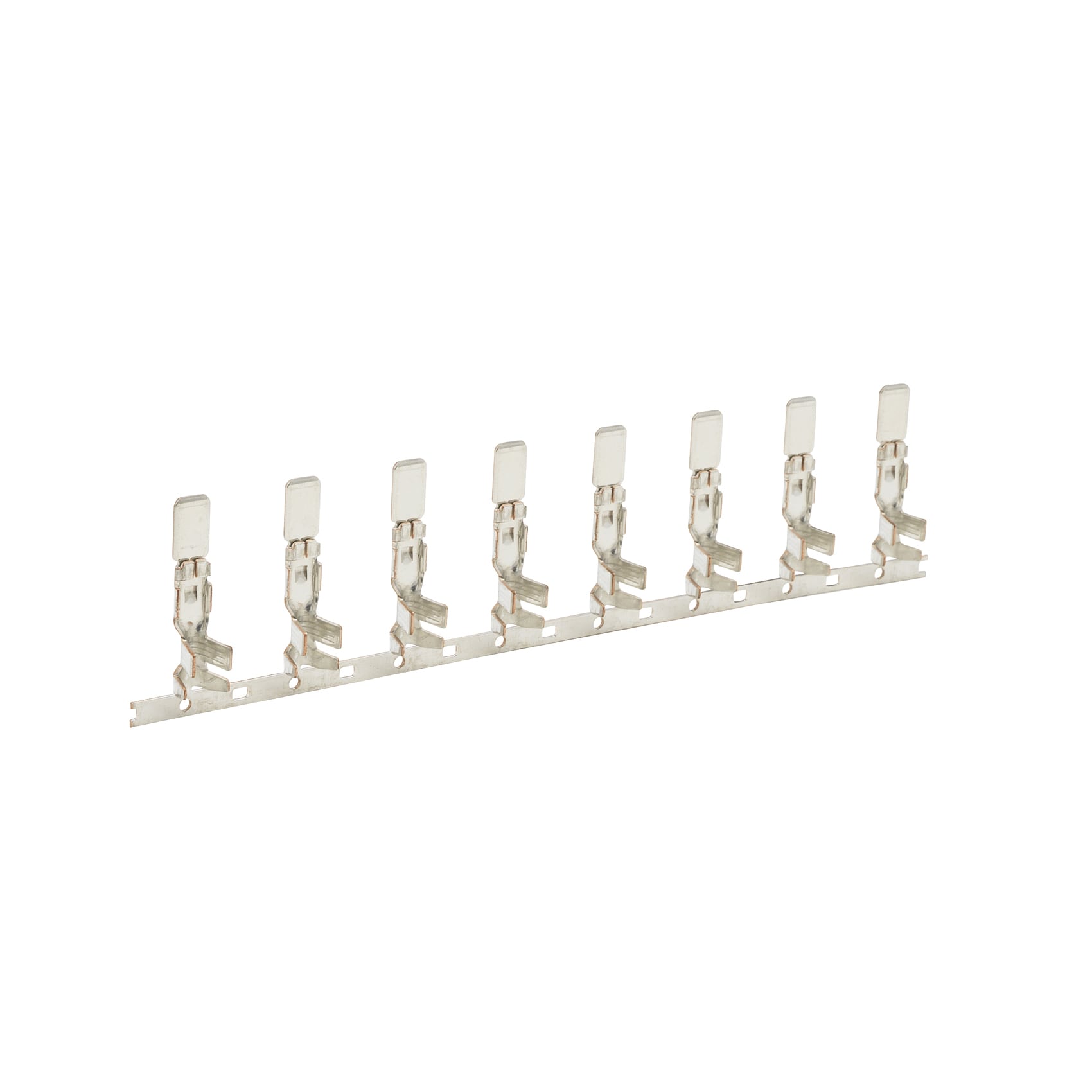
Engineered according to customer drawings, current requirements, and assembly methods.
Chez Qianwei Précision, tooling is developed in-house to maintain dimensional tolerances and reduce lead time.
Applications of Qianwei Precision Solder Terminals
Automotive Electronics
Used inside control modules, dashboard systems, and sensor boards where stable PCB integration is required.
Industrial Control Systems
Applied in relay modules, PLC boards, and power supply assemblies.
Consumer Electronics
Used in compact devices where space-saving electrical connections are essential.
Medical Equipment
Designed for low-signal-loss performance in diagnostic and monitoring systems.
Pouvoir & Energy Systems
Suitable for moderate current transmission in enclosed electronic assemblies.
Advantages of Qianwei Precision Solder Terminals
1. Stable Electrical Conductivity
High-purity copper alloys ensure low contact resistance.
2. Controlled Solderability
Surface plating thickness is optimized for reliable solder wetting.
3. Precision Stamping Tolerance
Tight dimensional control improves PCB assembly efficiency.
4. Custom Engineering Support
We provide DFM feedback before tooling production.
5. Scalable Production Capacity
From prototype sampling to high-volume OEM supply.
Limitations of Solder Terminals
While solder terminals provide stable conductivity, design engineers should consider the following:
Less suitable for severe vibration environments
More difficult to replace during field servicing
Requires proper temperature control during soldering
Pull-out strength generally lower than crimped connections
For high-vibration automotive harness systems, crimp terminals may be a better alternative.
Qianwei Precision also manufactures crimp terminals for such applications.
Solder Terminals vs Crimp Terminals
| Fonctionnalité | Solder Terminal | Borne à sertir |
| Connection Method | Metallurgical bond | Mechanical compression |
| Vibration Resistance | Moderate | High |
| Maintenance | Low serviceability | Replaceable |
| Installation | Soldering process | Crimping tool |
| Typical Use | PCB assemblies | Wire harness systems |
Our engineering team helps customers select the appropriate termination method based on mechanical stress and lifecycle requirements.
Key Technical Selection Factors
When sourcing solder terminals from Qianwei Precision, we recommend evaluating:
Rated current
Compatibilité des calibres de fil
Plating type and thickness
Plage de température de fonctionnement
PCB thickness and soldering method
Compliance requirements (RoHS / ATTEINDRE)
Engineering drawings are reviewed before quotation to ensure manufacturability.
Qianwei Precision Manufacturing Capabilities
In-House Tooling Development
Custom progressive dies designed for consistent stamping accuracy.
High-Speed Precision Stamping
Ensures stable dimensional repeatability.
Plating Quality Control
Thickness testing and adhesion verification.
Solderability Testing
Wetting balance and surface inspection.
Mechanical Performance Testing
Pull-out force testing and dimensional inspection.
OEM & ODM Support
From concept validation to mass production.
Why Choose Qianwei Precision for Solder Terminals?
Over 14 years of precision metal stamping experience
Dedicated engineering support
Strict quality control system
Competitive cost structure
Flexible MOQ for new projects
Stable export experience to Europe and North America
We focus on long-term OEM partnerships rather than one-time supply.
FAQ
1. Can Qianwei Precision manufacture custom solder terminals based on drawings?
Oui. We support custom stamping according to 2D drawings or 3D models.
2. What is your typical lead time?
Tooling development typically takes 2–4 weeks. Mass production lead time depends on order volume.
3. Do you provide samples before mass production?
Oui, prototype samples are provided for approval.
4. Can you support automotive-grade requirements?
Oui. We can manufacture according to automotive material and plating specifications.
5. What plating thickness can you provide?
Tin plating thickness can be customized according to customer requirements.
Request a Quote from Qianwei Precision
If you are sourcing:
Custom solder terminals
High-current copper terminals
PCB integration terminals
Automotive module terminals
Precision stamped electrical connectors
Contact Qianwei Precision today.
