


Pin terminals are the most practical and widely used wire termination solutions in electrical and electronic systems. Whether you are working on industrial control panels, electronic assemblies, communication equipment, or building automation systems, pin terminals provide a reliable, professional, and secure way to terminate stranded wires.
This article offers a comprehensive guide to pin terminals, explaining what they are, where they are used, their types, advantages, and how to choose the right pin terminal for your application. If you are sourcing pin terminals for manufacturing, OEM projects, or maintenance work, this guide will help you make informed decisions.
1. Introduction to Pin Terminals
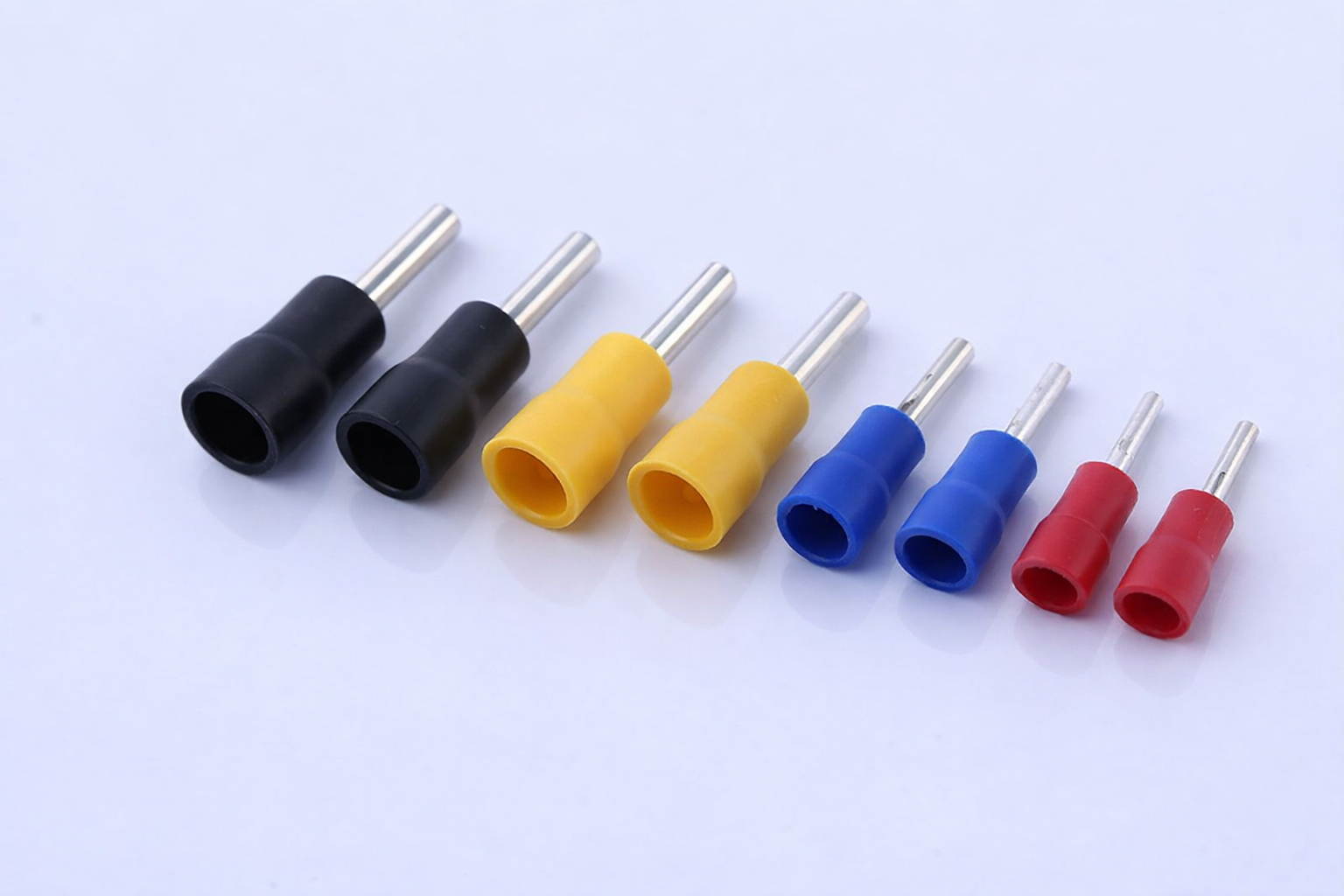
Anyone who has worked with electrical wiring—especially European-style terminal blocks or screw-clamp connectors—knows how challenging bare stranded wires can be. Even when properly stripped, stranded conductors can:
Fray under pressure
Break due to over-tightening
Create unreliable or inconsistent electrical contact
Pin terminals solve these issues by consolidating the stranded wire into a solid, uniform pin, ensuring a stable electrical and mechanical connection.
By crimping a wire into a pin terminal, the installer can quickly insert the solid pin into a terminal block, connector, or PCB, achieving repeatable, professional-grade connections with minimal effort.
2. What Is a Pin Terminal?
A pin terminal is a type of crimp terminal consisting of:
A solid metal pin (usually tin-plated copper)
A crimp barrel that secures the wire
Optional insulation or sealing materials
Once crimped, the pin terminal transforms a flexible stranded wire into a rigid termination, making it ideal for:
Screw-clamp terminal blocks
Wire-to-board soldering
Plug-in connectors
High-density electrical assemblies
Compared with bare wire terminations, pin terminals significantly reduce wiring errors, improve long-term reliability, and simplify maintenance.
3. Where Are Pin Terminals Commonly Used?
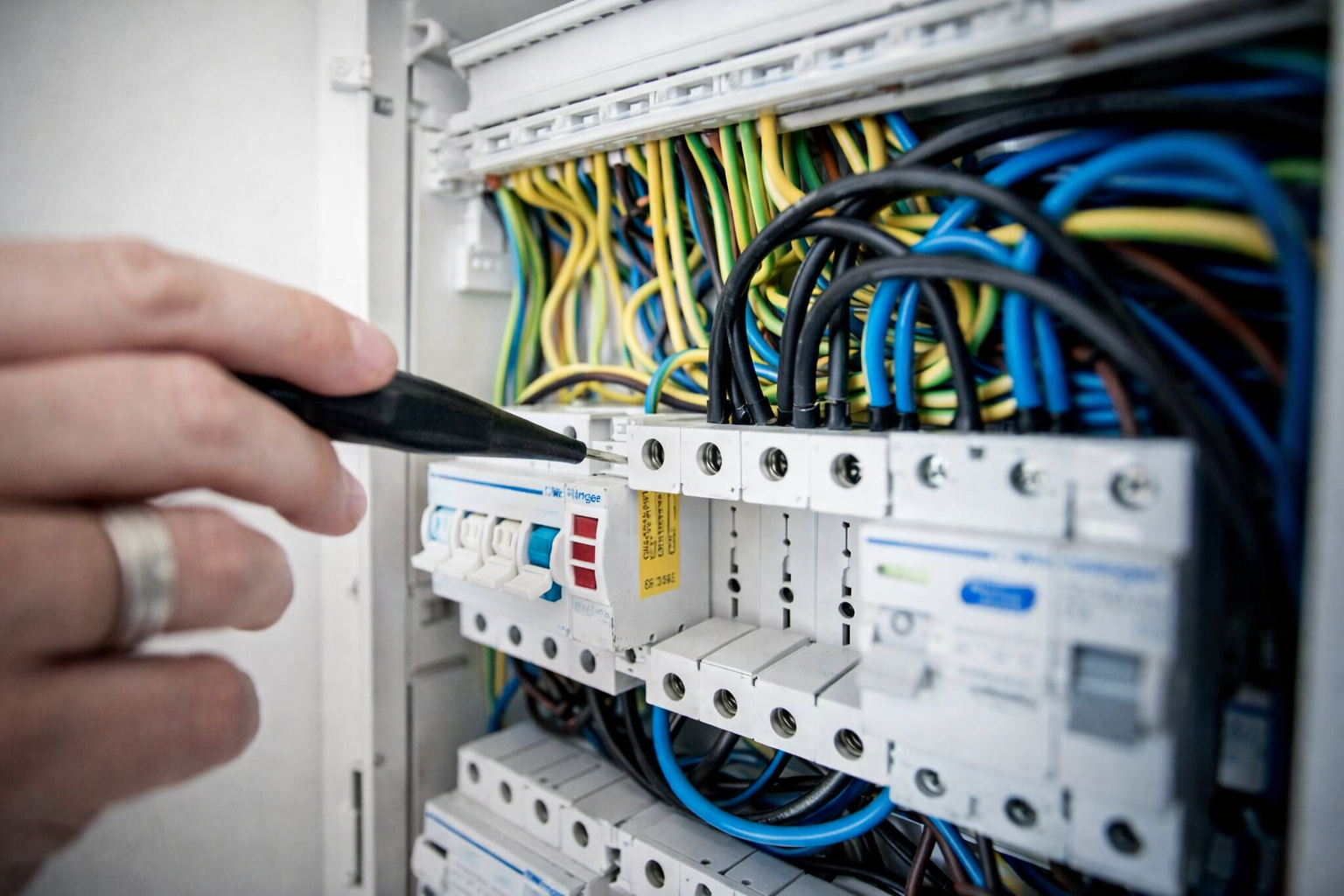
Pin terminals are used in both electrical and electronic systems, but they are especially prevalent in electronic, communication, and control applications.
3.1 Electrical vs. Electronic Applications
Electrical systems: power distribution panels, control cabinets, industrial machinery
Electronic systems: PCBs, signal transmission circuits, automation controllers, communication devices
Electronic systems typically involve multiple interconnected components, making reliable terminations essential.
4. Understanding Interconnects in Electronic Systems
An interconnect refers to the physical and electrical connection between two or more devices, circuits, or subsystems. Interconnects are critical for:
Power delivery
Signal integrity
System reliability
4.1 Classification of Interconnects by Termination Type
1. Board-to-Board Connectors
Connect PCBs directly without cables
Save space and reduce wiring complexity
Common in motherboard–daughterboard designs
Suitable for parallel or perpendicular configurations
2. Cable/Wire-to-Cable/Wire Connectors
Connect two wires or cable assemblies
One side often permanent, the other separable
Used in wiring harnesses, appliances, and industrial equipment
3. Cable/Wire-to-Board Connectors
Connect wires directly to a PCB
Widely used in control systems and electronic modules
Pin terminals are frequently used at the wire end
5. Terminals vs. Connectors: What’s the Difference?
In practical electrical engineering, terminals and connectors often refer to the same concept.
From an electrical standpoint, a terminal is:
A connection point where a conductor ends and interfaces with another component, device, or circuit.
This includes:
Crimp terminals
Screw terminals
Line splices
Solder cups
Wire wraps
Terminal strips
In circuit diagrams, terminals are typically represented as circular or endpoint symbols.
Among the many terminal types available, pin terminals stand out due to their simplicity, versatility, and reliability.
6. Why Pin Terminals Are Widely Used
Pin terminals offer several key advantages:
Smaller pin diameter than the wire, ideal for PCB holes
Clean, uniform insertion into terminal blocks
Reduced risk of loose strands or short circuits
Protection against wire damage from over-tightening
Improved long-term electrical stability
They are especially effective in wire-to-board and terminal block applications, where mechanical stress and vibration can cause failures over time.
7. Common Types of Pin Terminals
7.1 Insulated Pin Terminals
Insulated pin terminals feature a plastic sleeve over the crimp barrel, providing both electrical and mechanical protection.
Key characteristics:
Insulation materials: nylon or vinyl
Voltage rating: up to 600V
Temperature resistance: up to 220°F (vinyl), higher for nylon
Material: tin-plated copper
Typical pin lengths: 0.35″ to 0.46″
Nylon-insulated pin terminals are preferred for industrial use because:
They include an internal brass sleeve
They provide a tighter, more vibration-resistant crimp
They perform better in high-vibration environments
For safety and compliance, UL Listed and CSA Certified pin terminals are strongly recommended.
7.2 Non-Insulated Pin Terminals
Non-insulated pin terminals do not include a plastic sleeve, making them suitable for applications where:
External insulation is provided (heat shrink tubing, enclosures)
Higher temperature resistance is required
Key characteristics:
Voltage rating: up to 300V
Temperature resistance: up to 300°F
Material: tin-plated copper
Common pin lengths: 0.37″ and 0.46″
Despite lacking insulation, certified non-insulated pin terminals still offer excellent electrical performance when installed correctly.
8. Heat Shrink Pin Terminals
Heat shrink pin terminals combine crimping strength with environmental sealing, making them ideal for harsh conditions.
8.1 Crimping vs. Soldering
Crimping creates a cold-weld connection
More mechanically robust than soldering
Solder joints can degrade over time due to vibration and thermal cycling
8.2 Advantages of Heat Shrink Pin Terminals
Integrated heat-shrink tubing with internal adhesive
Seals out moisture, dust, and contaminants
Prevents wire pull-out after crimping
Color-coded (red, blue, yellow) for easy wire gauge identification
Operating temperature range: -55°C to +100°C
These terminals are widely used in:
Industrial control systems
Outdoor electrical installations
Marine and automotive applications
9. Advantages and Typical Applications
Key advantages of pin terminals:
Faster and cleaner installations
Reliable performance under vibration
Reduced maintenance and rework
Improved safety and compliance
Typical applications include:
Control panels and switchgear
PLC and automation systems
Communication equipment
Power distribution modules
OEM electronic assemblies
10. How to Choose the Right Pin Terminal
When selecting pin terminals, consider:
Wire gauge compatibility
Voltage and temperature ratings
Insulation or sealing requirements
Certification standards (UL, CSA)
Mechanical strength and anti-split performance
High-quality pin terminals ensure long-term reliability and reduced failure risk.
11. Conclusion: Why Pin Terminals Matter
Pin terminals are a small component with a major impact on electrical reliability. From simplifying installations to preventing long-term failures, they are an essential solution for modern electrical and electronic systems.
Heat shrink pin terminals, in particular, offer superior protection and durability in demanding environments.
If you are looking for certified, high-quality pin terminals with stable electrical performance and strong mechanical integrity, choosing the right supplier is just as important as choosing the right product.
Looking to source custom or bulk pin terminals?
Our pin terminals are:
Rated up to 600V
Designed for anti-split performance
Suitable for harsh industrial conditions
Contact us today to discuss your application and request a quotation.
FAQs
1. What are pin terminals used for?
Pin terminals are used to terminate stranded wires for secure connections in screw-clamp terminal blocks, wire-to-board applications, and electronic connectors. They prevent wire fraying and improve electrical reliability.
2. Are pin terminals better than using bare stranded wire?
Yes. Pin terminals provide a solid, uniform connection that reduces loose strands, minimizes contact resistance, and prevents wire damage caused by over-tightening in terminal blocks.
3. When should I choose insulated vs. non-insulated pin terminals?
Insulated pin terminals are recommended for general electrical and industrial applications where safety and insulation are required. Non-insulated pin terminals are suitable when external insulation or high-temperature resistance is needed.
4. What are heat shrink pin terminals used for?
Heat shrink pin terminals are used in harsh or outdoor environments where moisture, vibration, and contaminants are present. Their adhesive-lined insulation provides environmental sealing and strain relief.
5. Do pin terminals need to be soldered?
No. Pin terminals are typically installed by crimping, which creates a strong mechanical and electrical connection. Crimping is generally more reliable than soldering in vibration-prone applications.
6. Are UL and CSA certifications important for pin terminals?
Yes. UL Listed and CSA Certified pin terminals ensure compliance with safety standards, consistent performance, and suitability for industrial and commercial electrical systems.
7. How do I select the correct pin terminal size?
You should select a pin terminal based on wire gauge, pin length, voltage rating, and insulation type. Using the correct size ensures proper crimp strength and reliable electrical contact.
8. Can pin terminals be used in high-vibration applications?
Yes. High-quality pin terminals—especially nylon-insulated or heat shrink types—are designed to withstand vibration and are widely used in industrial control panels, automation systems, and automotive applications.
