

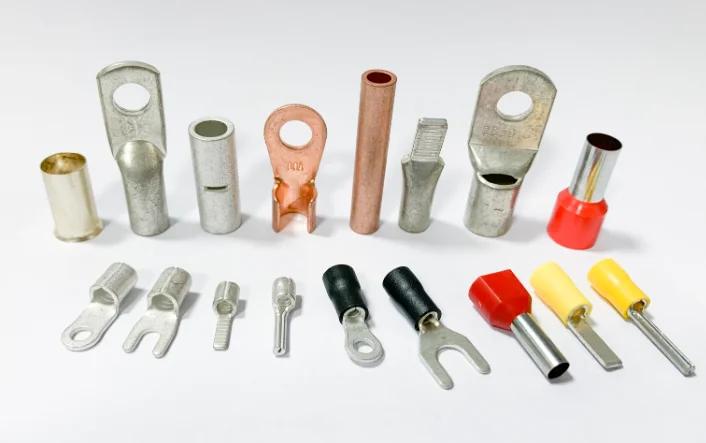
Thiết bị đầu cuối điện là một trong những thành phần nhỏ nhất trong hệ thống điện, nhưng chúng đóng một vai trò quan trọng trong việc đảm bảo an toàn, độ tin cậy, và hiệu suất. Dù trong dây điện ô tô, thiết bị tự động hóa công nghiệp, hệ thống lưu trữ năng lượng, điện tử tiêu dùng, hoặc trung tâm dữ liệu AI, thiết bị đầu cuối điện cung cấp các kết nối an toàn cần thiết để truyền tải tín hiệu và điện hiệu quả.
Thiết bị đầu cuối được lựa chọn kém hoặc lắp đặt không đúng cách có thể dẫn đến tăng điện trở tiếp xúc, quá nóng, giảm điện áp, lỗi thiết bị, và thậm chí cả những mối nguy hiểm về an toàn. Dành cho kỹ sư, quản lý mua hàng, và các nhà sản xuất OEM, hiểu các loại thiết bị đầu cuối, nguyên vật liệu, và yêu cầu ứng dụng là cần thiết để đưa ra quyết định sáng suốt.
Hướng dẫn toàn diện này khám phá các nguyên tắc cơ bản của thiết bị đầu cuối điện, phân loại của họ, nguyên vật liệu, ứng dụng, phương pháp thử nghiệm, và tiêu chí lựa chọn để giúp bạn chọn giải pháp thiết bị đầu cuối phù hợp cho dự án của mình.
Thiết bị đầu cuối điện là gì?
Thiết bị đầu cuối điện là một đầu nối dẫn điện được gắn vào đầu dây, cáp, hoặc dây dẫn để thiết lập kết nối an toàn với thành phần điện khác, chẳng hạn như một cái vít, đinh tán, tiếp sức, khối thiết bị đầu cuối, thanh cái, nhà ở kết nối, hoặc PCB.
Thiết bị đầu cuối điện đóng vai trò là giao diện giữa dây dẫn và thiết bị điện, đảm bảo dòng điện ổn định trong khi vẫn duy trì tính toàn vẹn cơ học.
Thiết bị đầu cuối điện hoạt động như thế nào
Thiết bị đầu cuối điện tạo ra một đường dẫn điện giữa dây dẫn và thiết bị bằng cách cung cấp:
- Tiếp điểm điện trở thấp
- Lưu giữ cơ học
- Chống rung
- Bảo vệ môi trường
Tùy thuộc vào ứng dụng, thiết bị đầu cuối có thể được gắn thông qua:
- uốn tóc bồng
- hàn
- Hàn
- Vít buộc
- Hệ thống kẹp lò xo
Chức năng cốt lõi của thiết bị đầu cuối điện
Cung cấp độ dẫn điện đáng tin cậy
Thiết bị đầu cuối đảm bảo dòng điện chạy hiệu quả với điện trở tối thiểu.
Cung cấp sức mạnh cơ học
Thiết bị đầu cuối được lắp đặt đúng cách sẽ ngăn dây bị tuột và duy trì sự ổn định của kết nối.
Cải thiện sự an toàn
Thiết bị đầu cuối cách điện giúp ngăn ngừa tình trạng đoản mạch và điện giật do tai nạn.
Đơn giản hóa việc bảo trì
Thiết bị đầu cuối cho phép cài đặt nhanh hơn, thay thế, và khắc phục sự cố so với kết nối dây trực tiếp.
Tại sao thiết bị đầu cuối điện lại quan trọng
Hệ thống điện ngày càng phức tạp và tiêu tốn nhiều điện năng. Kết quả là, độ tin cậy của kết nối đã trở nên quan trọng hơn bao giờ hết.
Đảm bảo kết nối điện đáng tin cậy
Kết nối ổn định giúp giảm nguy cơ hỏng hóc gián đoạn và thời gian ngừng hoạt động của thiết bị.
Giảm điện trở tiếp xúc
Bề mặt tiếp xúc kém tạo ra nhiệt và lãng phí năng lượng. Thiết bị đầu cuối chất lượng cao giảm thiểu điện trở và nâng cao hiệu quả.
Cải thiện sự an toàn và ổn định của hệ thống
Thiết bị đầu cuối đáng tin cậy giảm thiểu rủi ro liên quan đến kết nối lỏng lẻo, phóng điện hồ quang, và quá nóng.
Đơn giản hóa việc bảo trì và thay thế
Nhiều thiết kế đầu cuối cho phép thay thế nhanh chóng mà không cần nối lại toàn bộ hệ thống.
Hỗ trợ các ứng dụng dòng điện cao và điện áp cao
Xe điện hiện đại, hệ thống lưu trữ năng lượng pin, và trung tâm dữ liệu AI yêu cầu các thiết bị đầu cuối có khả năng mang hàng trăm ampe một cách an toàn.
Các hạng mục chính của thiết bị đầu cuối điện
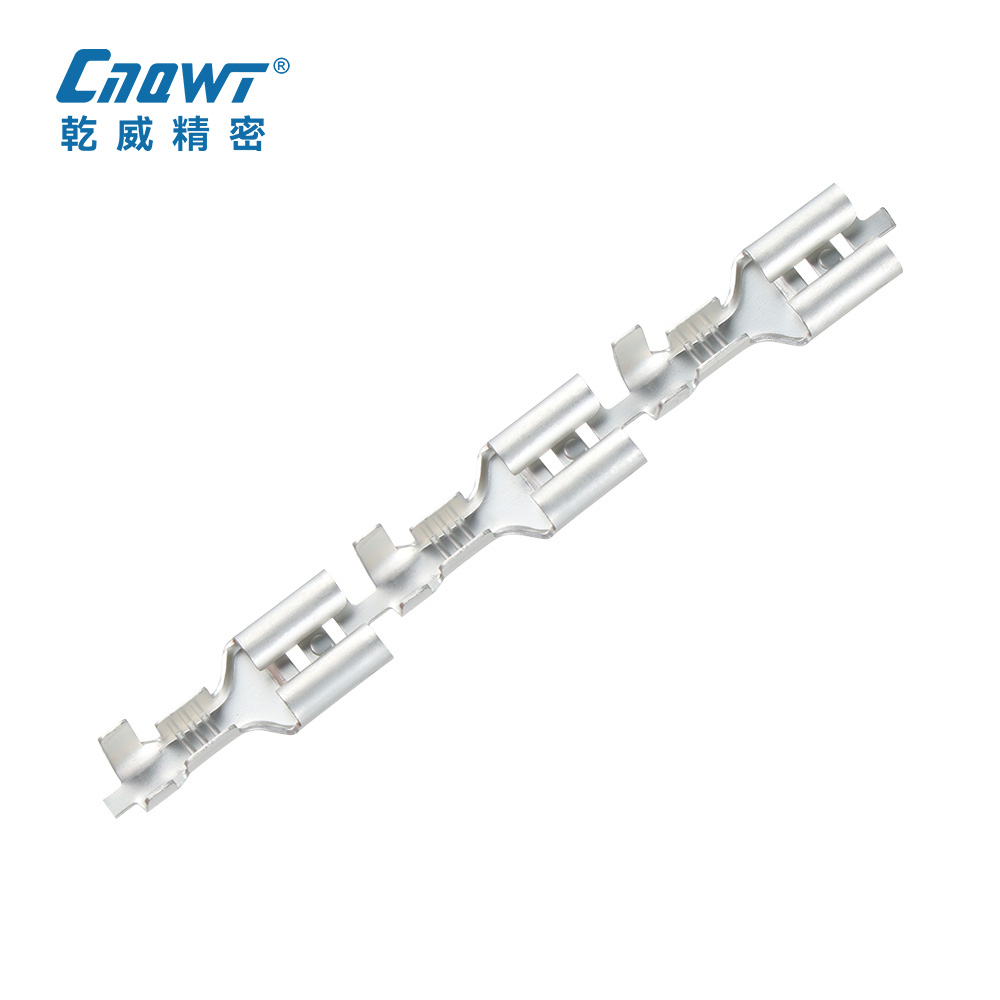
Thiết bị đầu cuối điện thường được chia thành loại cách điện và không cách điện.
Thiết bị đầu cuối cách điện
Thiết bị đầu cuối cách điện có ống bảo vệ che phủ một phần đầu nối kim loại.
Vật liệu cách nhiệt thông dụng
PVC (Polyvinyl clorua)
- Tiết kiệm chi phí
- Được sử dụng rộng rãi
- Thích hợp cho các ứng dụng có mục đích chung
Nylon
- Độ bền cao hơn
- Chịu nhiệt độ tốt hơn
- Cải thiện tính linh hoạt
Cách nhiệt co nhiệt
- Hiệu suất niêm phong tuyệt vời
- Tăng cường bảo vệ độ ẩm
- Giảm căng thẳng vượt trội
Ưu điểm của thiết bị đầu cuối cách điện
- Tăng cường an toàn
- Bảo vệ chống ẩm và bụi
- Giảm nguy cơ ăn mòn
- Hỗ trợ dây tốt hơn
- Cải thiện khả năng chống rung
Ứng dụng điển hình
- Bộ dây điện ô tô
- Thiết bị hàng hải
- Điện tử tiêu dùng
- Thiết bị gia dụng
- Hệ thống điện ngoài trời
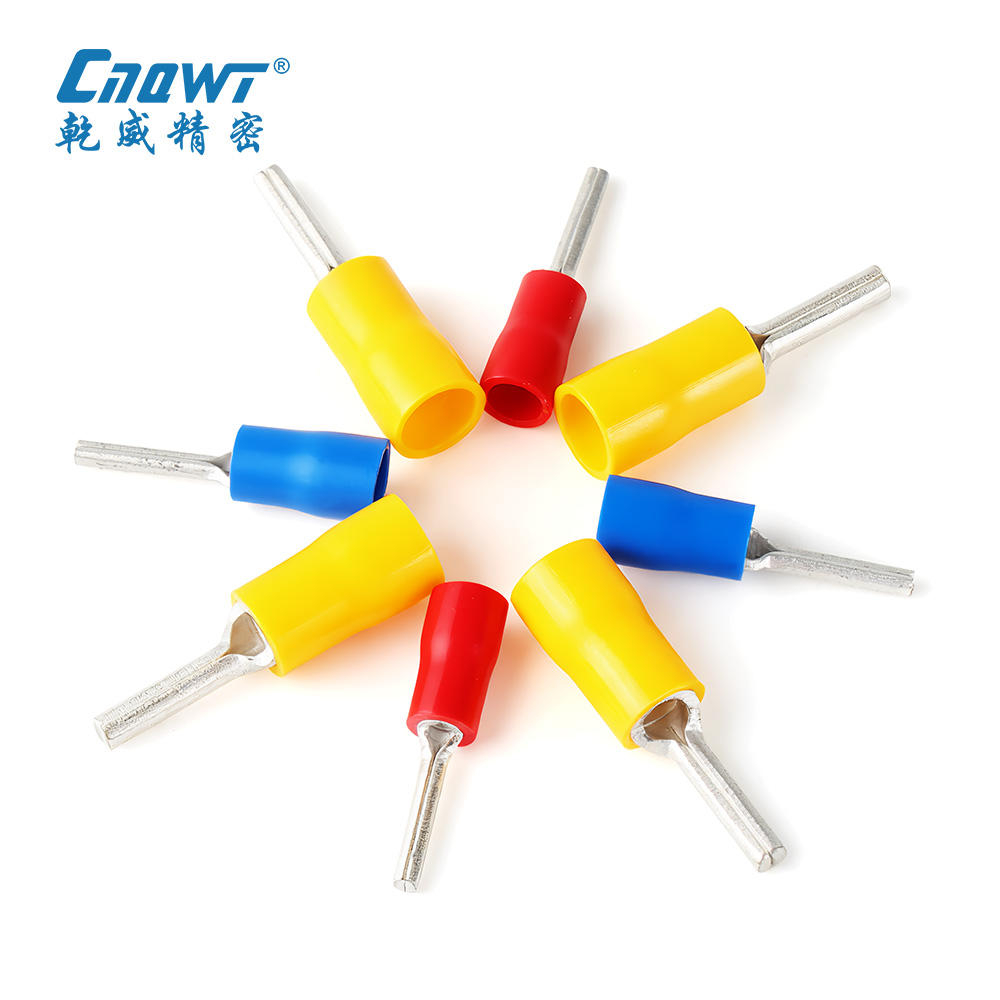
Thiết bị đầu cuối không cách điện
Thiết bị đầu cuối không cách điện bao gồm kim loại tiếp xúc không có ống bảo vệ.
Thuận lợi
- Chi phí thấp hơn
- Kích thước nhỏ gọn
- Phù hợp hơn trong không gian hạn chế
- Tùy chọn cách nhiệt linh hoạt
Hạn chế
- Bảo vệ thấp hơn chống lại sự tiếp xúc ngẫu nhiên
- Cách nhiệt bổ sung có thể được yêu cầu
Ứng dụng điển hình
- Tủ điều khiển
- Máy móc công nghiệp
- Bảng điện
- Đi dây thiết bị bên trong
Thiết bị đầu cuối cách điện và không cách điện
| Tính năng | cách nhiệt | không cách nhiệt |
|---|---|---|
| Sự an toàn | Xuất sắc | Vừa phải |
| Trị giá | Cao hơn | Thấp hơn |
| Cài đặt | Dễ dàng hơn | Yêu cầu chăm sóc |
| Bảo vệ môi trường | Tốt hơn | Giới hạn |
| Hiệu quả không gian | Vừa phải | Xuất sắc |
Các loại thiết bị đầu cuối điện phổ biến
Các thiết kế thiết bị đầu cuối khác nhau được tối ưu hóa cho các phương pháp cài đặt và môi trường hoạt động khác nhau.
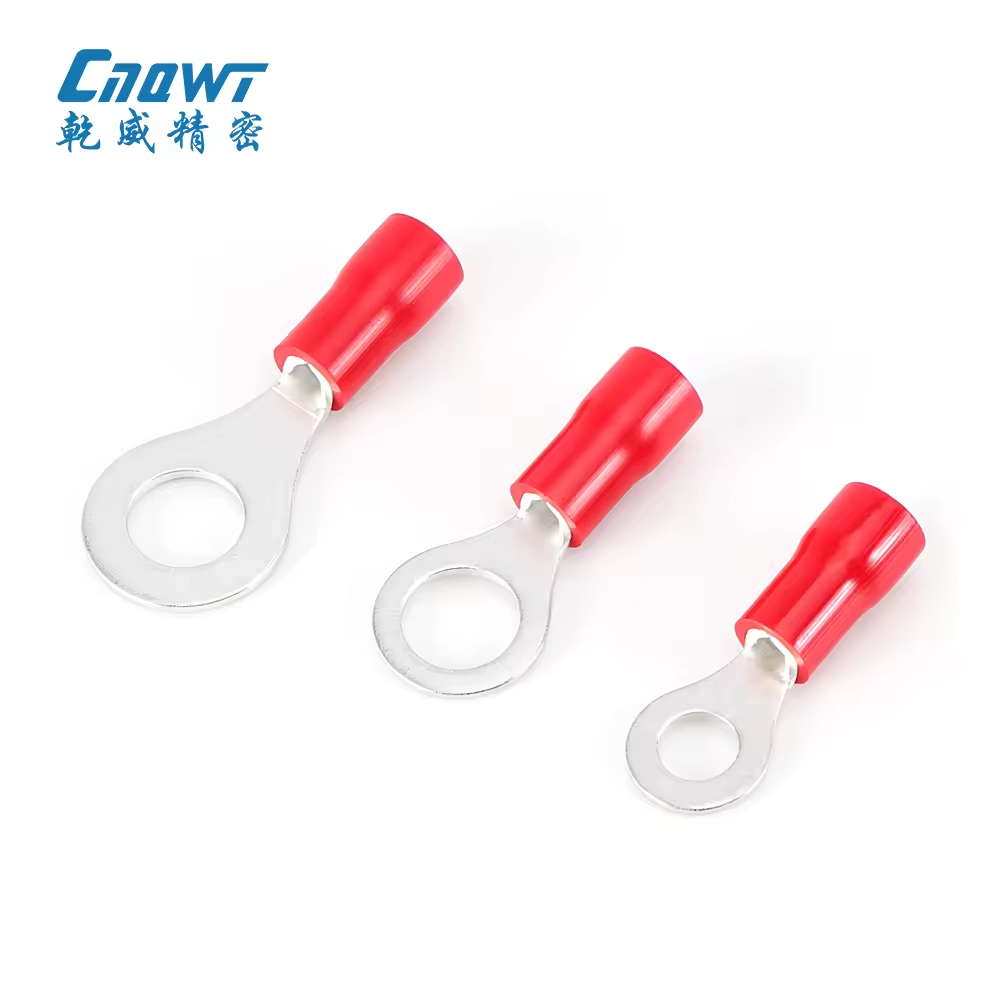
Thiết bị đầu cuối vòng
Thiết bị đầu cuối vòng có điểm kết nối hình tròn được bao bọc hoàn toàn.
Những lợi ích
- Kết nối cực kỳ an toàn
- Khả năng chống rung cao
- Sức mạnh kéo ra tuyệt vời
- Thích hợp cho mạch dòng điện cao
Ứng dụng
- Kết nối pin
- Hệ thống nối đất
- Bảng phân phối điện
- Thiết bị công nghiệp
thuổng (Cái nĩa) Thiết bị đầu cuối
Thiết bị đầu cuối Spade sử dụng thiết kế ngã ba mở.
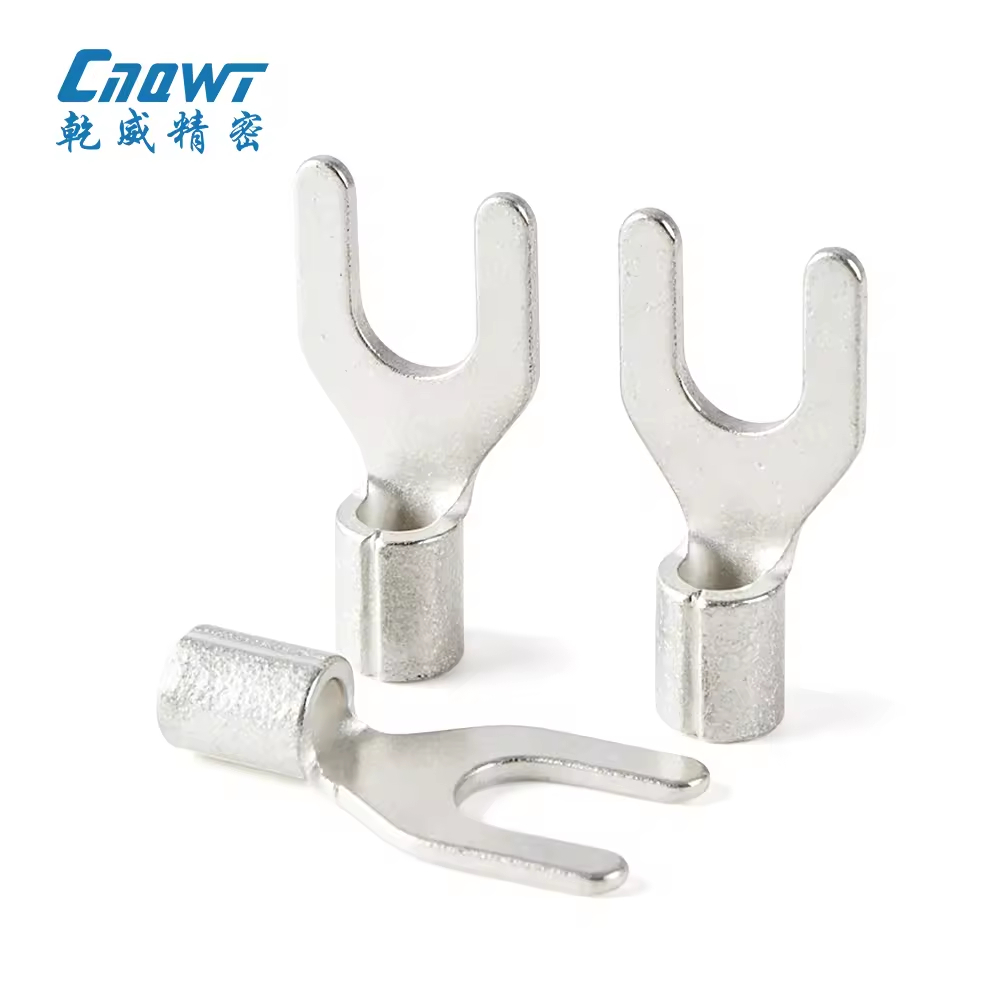
Những lợi ích
- Cài đặt nhanh
- Bảo trì dễ dàng
- Không cần phải tháo hoàn toàn vít gắn
Ứng dụng
- Bảng điều khiển
- Tủ điện
- Hệ thống dây điện của thiết bị
Thiết bị đầu cuối đạn
Thiết bị đầu cuối dạng đạn bao gồm một cặp đầu nối nam và nữ.
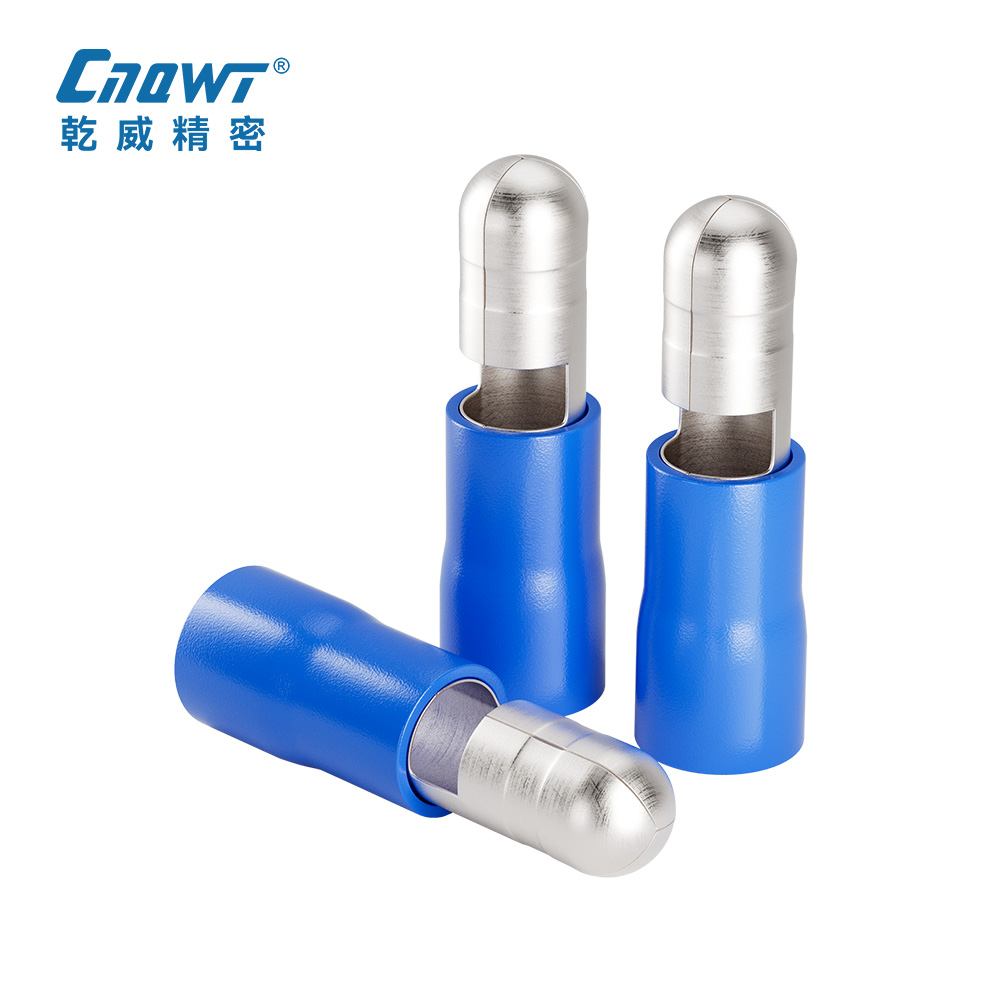
Những lợi ích
- Kết nối/ngắt kết nối nhanh
- Thiết kế nhỏ gọn
- Giảm phơi nhiễm ô nhiễm
Ứng dụng
- Dây nịt ô tô
- Xe máy
- Hệ thống hàng hải
Đầu nối mối nối mông
Đầu nối mông nối hai dây từ đầu đến cuối.
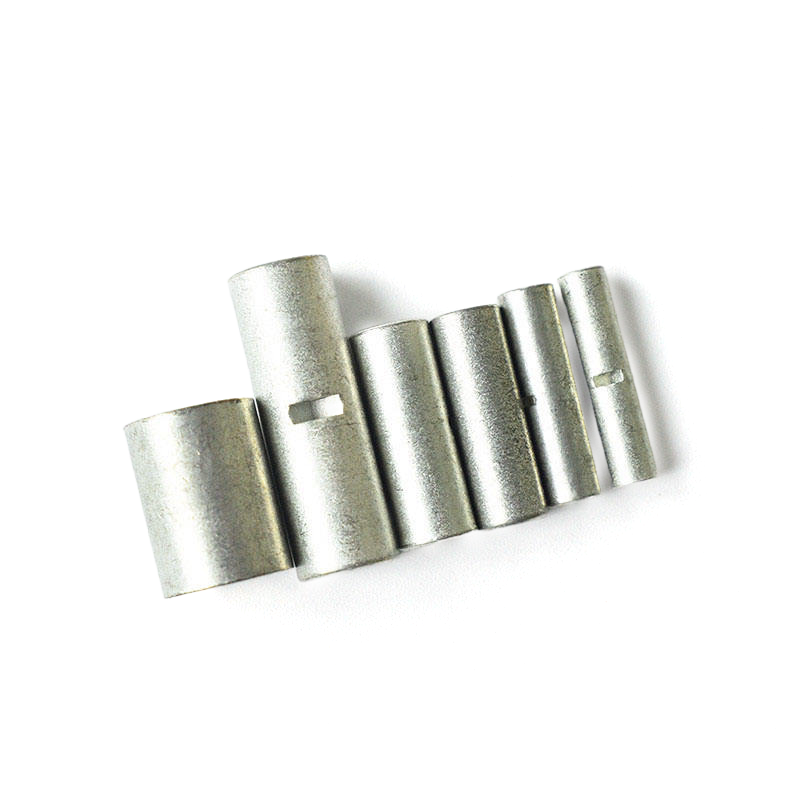
Những lợi ích
- Kết nối hoàn toàn khép kín
- Khả năng giữ cơ học mạnh mẽ
- Độ dẫn điện đáng tin cậy
Ứng dụng
- Sửa chữa dây điện
- Phần mở rộng khai thác
- Công việc bảo trì
Thiết bị đầu cuối cờ
Thiết bị đầu cuối cờ cung cấp góc thoát dây 90 độ.
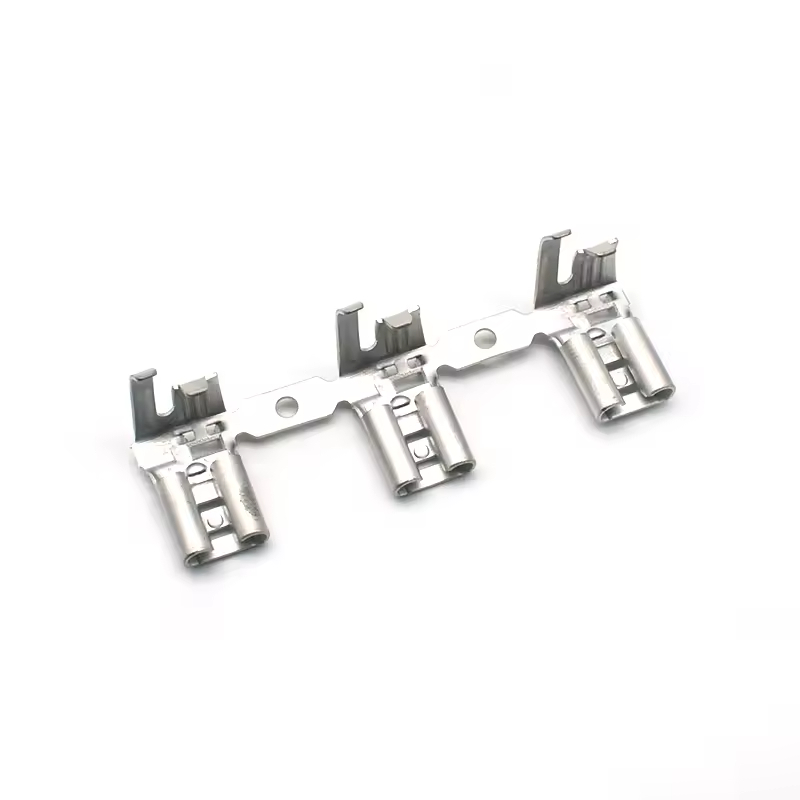
Những lợi ích
- Thiết kế tiết kiệm không gian
- Định tuyến cáp được cải thiện
- Giảm căng thẳng dây
Ứng dụng
- Mô-đun ô tô
- Thiết bị gia dụng
- Lắp ráp điện tử nhỏ gọn
Thiết bị đầu cuối pin
Thiết bị đầu cuối pin được thiết kế để chèn vào khối thiết bị đầu cuối.
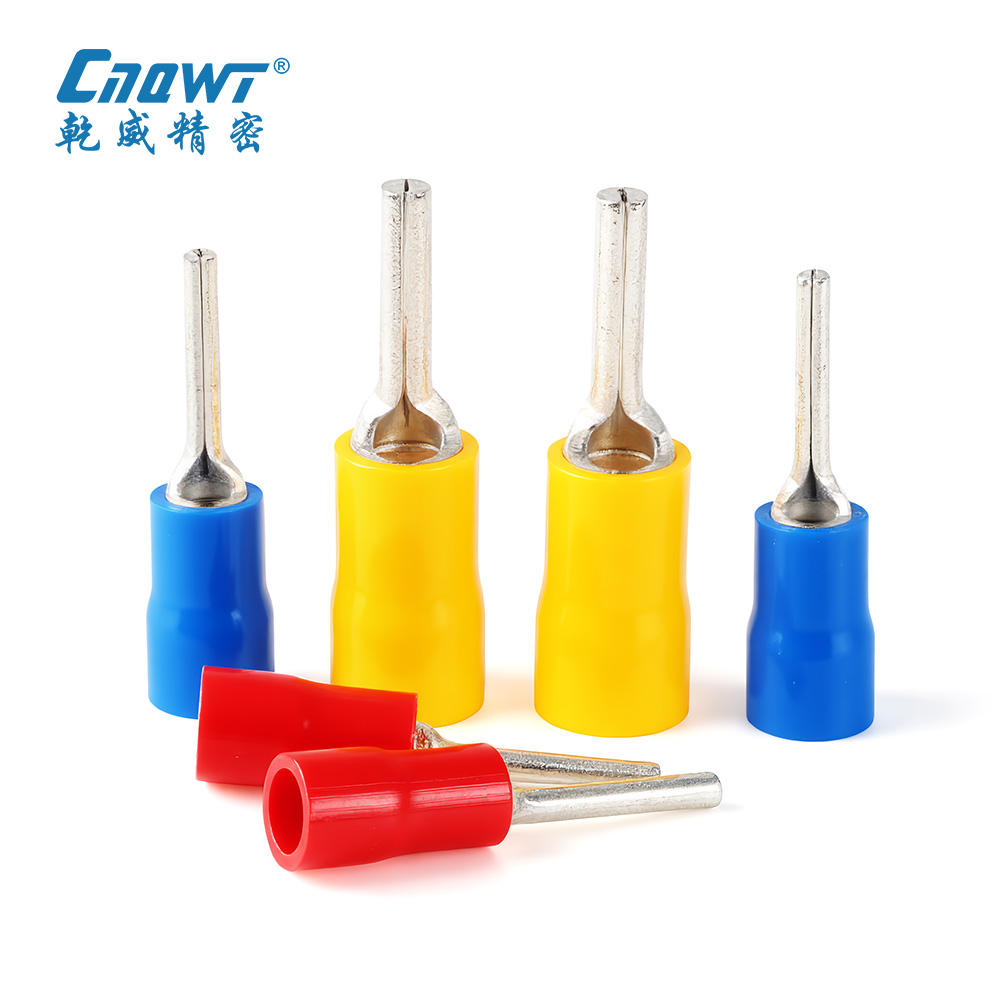
Những lợi ích
- Chèn an toàn
- Tổ chức dây dẫn cải tiến
Ứng dụng
- hệ thống PLC
- Tủ điều khiển
- Tự động hóa công nghiệp
Thiết bị đầu cuối ngắt kết nối nhanh
Thiết bị đầu cuối ngắt kết nối nhanh cho phép kết nối và tháo gỡ không cần dụng cụ.
Những lợi ích
- Lắp ráp nhanh
- Bảo trì đơn giản
- Giảm thời gian chết
Ứng dụng
- Thiết bị gia dụng
- Thiết bị công nghiệp
- Hệ thống ô tô
Giải thích về vật liệu thiết bị đầu cuối điện
Lựa chọn vật liệu ảnh hưởng trực tiếp đến độ dẫn điện, chống ăn mòn, độ bền, và chi phí.
Thiết bị đầu cuối đồng
Đồng được coi là chất dẫn điện tốt nhất trong số các vật liệu đầu cuối thường được sử dụng.
Thuận lợi
- Độ dẫn tuyệt vời
- Khả năng mang dòng điện cao
- Hiệu suất nhiệt vượt trội
Ứng dụng
- Thiết bị đầu cuối pin
- Hệ thống lưu trữ năng lượng
- Thiết bị dòng điện cao
Thiết bị đầu cuối bằng đồng thau
Đồng thau kết hợp đồng và kẽm để nâng cao sức mạnh.
Thuận lợi
- Độ dẫn điện tốt
- Độ bền cơ học tốt hơn
- Tiết kiệm chi phí
Ứng dụng
- Điện tử tiêu dùng
- Đầu nối
- Hệ thống ô tô
Thiết bị đầu cuối đồng Phosphor
Đồng Phosphor giúp cải thiện độ đàn hồi và chống mỏi.
Thuận lợi
- Đặc tính mùa xuân tuyệt vời
- Khả năng chống mài mòn cao
- Tuổi thọ dài
Ứng dụng
- Danh bạ đầu nối
- Hệ thống truyền tín hiệu
- Điện tử chính xác
Thiết bị đầu cuối nhôm
Nhôm cung cấp các giải pháp nhẹ và tiết kiệm.
Thuận lợi
- Chi phí thấp hơn
- Nhẹ
- Thích hợp cho dây dẫn lớn
Ứng dụng
- Truyền tải điện
- Hạ tầng tiện ích
- Dự án năng lượng quy mô lớn
Tùy chọn mạ bề mặt cho thiết bị đầu cuối điện
Mạ bề mặt cải thiện khả năng chống ăn mòn và hiệu suất điện.
Mạ thiếc
Tùy chọn mạ được sử dụng rộng rãi nhất.
Những lợi ích
- Tiết kiệm chi phí
- Độ dẫn điện tốt
- Khả năng hàn tuyệt vời
- Bảo vệ chống ăn mòn
Mạ niken
Những lợi ích
- Khả năng chống mài mòn cao
- Hiệu suất nhiệt độ cao
- Bảo vệ chống ăn mòn mạnh mẽ
Mạ bạc
Những lợi ích
- Độ dẫn vượt trội
- Hiệu suất dòng điện cao tuyệt vời
Ứng dụng
- Phân phối điện
- Hệ thống dòng điện cao
Mạ vàng
Những lợi ích
- Khả năng chống ăn mòn đặc biệt
- Địa chỉ liên lạc điện trở thấp ổn định
Ứng dụng
- Hàng không vũ trụ
- Thiết bị y tế
- Điện tử chính xác
So sánh mạ
| mạ | Độ dẫn điện | Chống ăn mòn | Trị giá |
|---|---|---|---|
| Thiếc | Tốt | Tốt | Thấp |
| Niken | Vừa phải | Xuất sắc | Trung bình |
| Bạc | Xuất sắc | Tốt | Cao |
| Vàng | Xuất sắc | Xuất sắc | Rất cao |
Ứng dụng thiết bị đầu cuối điện theo ngành
Bộ dây điện ô tô
Xe hiện đại chứa hàng ngàn kết nối điện.
Các loại thiết bị đầu cuối phổ biến bao gồm:
- Thiết bị đầu cuối vòng
- Thiết bị đầu cuối đạn
- Thiết bị đầu cuối chống nước
- Thiết bị đầu cuối uốn
Hệ thống lưu trữ năng lượng (ESS)
Hệ thống lưu trữ năng lượng pin yêu cầu kết nối dòng điện cao.
Các yêu cầu chính bao gồm:
- Điện trở thấp
- Độ ổn định nhiệt
- Chống rung
Thiết bị đầu cuối bằng đồng và mạ thiếc được sử dụng rộng rãi.
Bộ pin xe điện
Nhu cầu hệ thống pin EV:
- Công suất dòng điện cao
- Thiết kế nhỏ gọn
- Hiệu suất nhiệt tuyệt vời
Thiết bị đầu cuối pin chuyên dụng và kết nối thanh cái là rất cần thiết.
Thiết bị tự động hóa công nghiệp
Hệ thống tự động hóa yêu cầu tín hiệu và truyền tải điện đáng tin cậy.
Ứng dụng bao gồm:
- tủ PLC
- Người máy
- Cảm biến
- Điều khiển công nghiệp
Điện tử tiêu dùng
Thiết bị đầu cuối thu nhỏ hỗ trợ thiết kế thiết bị nhỏ gọn trong khi vẫn duy trì độ tin cậy.
Thiết bị viễn thông
Cơ sở hạ tầng truyền thông yêu cầu truyền tín hiệu ổn định và chống ăn mòn.
Trung tâm dữ liệu AI
Máy chủ AI và cụm GPU tiêu thụ lượng điện năng khổng lồ.
Thiết bị đầu cuối dòng điện cao ngày càng được sử dụng nhiều trong:
- Đơn vị phân phối điện
- Giá đỡ máy chủ
- Hệ thống pin dự phòng
- thiết bị lưu điện
Lĩnh vực này đang trở thành một trong những thị trường phát triển nhanh nhất cho các thiết bị đầu cuối điện chính xác.
Cách chọn thiết bị đầu cuối điện phù hợp
Việc chọn đúng thiết bị đầu cuối liên quan đến nhiều cân nhắc kỹ thuật.
Đánh giá hiện tại
Thiết bị đầu cuối phải mang dòng điện yêu cầu một cách an toàn mà không bị quá nóng.
Đánh giá điện áp
Đảm bảo tuân thủ các yêu cầu về điện áp của hệ thống.
Khả năng tương thích của máy đo dây
Kích thước thùng thiết bị đầu cuối phải phù hợp với kích thước dây dẫn.
Điều kiện môi trường
Nhiệt độ
Xem xét nhiệt độ hoạt động và nhiệt độ cao nhất.
Độ ẩm
Giải pháp chống thấm có thể được yêu cầu.
Hóa chất
Vật liệu chống ăn mòn là cần thiết trong môi trường khắc nghiệt.
Rung
Hệ thống ô tô và công nghiệp thường yêu cầu tăng cường độ bền duy trì.
Phương pháp cài đặt
Kết nối uốn
Phương pháp phổ biến nhất do tốc độ và độ tin cậy.
Kết nối hàn
Thích hợp cho các ứng dụng điện tử chuyên dụng.
Kết nối vít
Phổ biến trong lắp đặt bảng điều khiển và công nghiệp.
Nguyên nhân phổ biến gây ra lỗi thiết bị đầu cuối điện
Hiểu các chế độ lỗi giúp cải thiện độ tin cậy của hệ thống.
Uốn tóc không đúng cách
Chất lượng uốn kém tạo ra lực cản và khả năng giữ cơ học yếu.
Ăn mòn
Tiếp xúc với môi trường làm suy giảm bề mặt tiếp xúc điện.
Quá nóng
Dòng điện quá mức có thể làm hỏng thiết bị đầu cuối và cách điện.
Kết nối lỏng lẻo
Chu kỳ rung và nhiệt có thể làm lỏng các thiết bị đầu cuối được cố định không đúng cách.
Thiệt hại do rung
Chuyển động lặp đi lặp lại gây mệt mỏi và cuối cùng là thất bại.
Mệt mỏi vật chất
Ứng suất cơ học dài hạn làm suy yếu cấu trúc đầu cuối.
Kiểm tra và kiểm soát chất lượng thiết bị đầu cuối điện
Kiểm tra chất lượng đảm bảo hiệu suất và độ tin cậy.
Kiểm tra lực kéo ra
Đo độ bền giữ dây.
Kiểm tra điện trở tiếp xúc
Đánh giá độ dẫn điện.
Thử nghiệm phun muối
Đánh giá khả năng chống ăn mòn.
Thử nghiệm đạp xe nhiệt
Xác minh hiệu suất khi thay đổi nhiệt độ lặp đi lặp lại.
Kiểm tra độ rung
Mô phỏng điều kiện hoạt động trong thế giới thực.
Kiểm tra kích thước
Đảm bảo tuân thủ các thông số kỹ thuật.
Xu hướng tương lai trong công nghệ thiết bị đầu cuối điện
Ngành công nghiệp kết nối điện tiếp tục phát triển nhanh chóng.
Thiết bị đầu cuối hiện tại cao để lưu trữ năng lượng
Việc triển khai năng lượng tái tạo ngày càng tăng đang làm tăng nhu cầu về kết nối dòng điện cao.
Kết nối nguồn của trung tâm dữ liệu AI
Cơ sở hạ tầng AI yêu cầu mật độ năng lượng cao hơn và hiệu suất nhiệt được cải thiện.
Điện tử thu nhỏ
Các thiết bị nhỏ hơn yêu cầu các giải pháp thiết bị đầu cuối nhỏ gọn mà không làm giảm độ tin cậy.
Sản xuất thông minh
Công nghệ dập tiên tiến cải thiện độ chính xác và tính nhất quán.
Vật liệu bền vững và mạ
Các nhà sản xuất đang áp dụng quy trình sản xuất thân thiện với môi trường.
Tại sao chọn Độ chính xác của Qianwei cho sản xuất thiết bị đầu cuối điện
Chọn đúng đối tác sản xuất cũng quan trọng như chọn đúng thiết bị đầu cuối.
Chuyên môn dập chính xác
Qianwei chuyên dập kim loại có độ chính xác cao cho các thiết bị đầu cuối điện và tiếp điểm đầu nối.
Phát triển thiết bị đầu cuối tùy chỉnh
Các giải pháp tùy chỉnh có sẵn dựa trên bản vẽ, mẫu, hoặc yêu cầu về hiệu suất.
Dịch vụ OEM và ODM
Hỗ trợ toàn diện được cung cấp từ phát triển ý tưởng đến sản xuất hàng loạt.
Khả năng thiết kế khuôn nâng cao
Chuyên môn về dụng cụ nội bộ đảm bảo chất lượng ổn định và thời gian thực hiện ngắn hơn.
Dịch vụ kiểm tra toàn diện
Qianwei thực hiện xác minh chất lượng nghiêm ngặt, bao gồm:
- Kiểm tra lực kéo ra
- Kiểm tra điện trở tiếp xúc
- Thử nghiệm phun muối
- Thử nghiệm đạp xe nhiệt
- Kiểm tra độ rung
- Kiểm tra kích thước
Những khả năng kiểm tra này giúp đảm bảo độ tin cậy lâu dài trên các ứng dụng đòi hỏi khắt khe.
Phần kết luận
Thiết bị đầu cuối điện là thành phần thiết yếu ảnh hưởng trực tiếp đến sự an toàn, độ tin cậy, và hiệu suất của hệ thống điện. Từ hệ thống dây điện ô tô và tự động hóa công nghiệp đến hệ thống lưu trữ năng lượng và trung tâm dữ liệu AI, chọn đúng loại thiết bị đầu cuối, vật liệu, và giải pháp mạ là rất quan trọng cho sự thành công lâu dài.
Bằng cách hiểu phân loại thiết bị đầu cuối, yêu cầu ứng dụng, đặc tính vật chất, và tiêu chuẩn kiểm tra, các kỹ sư và chuyên gia mua hàng có thể đưa ra những quyết định sáng suốt giúp giảm thiểu rủi ro sai sót và cải thiện độ tin cậy của sản phẩm.
Cho dù bạn cần thiết bị đầu cuối tiêu chuẩn hay giải pháp được thiết kế tùy chỉnh, hợp tác với một nhà sản xuất có kinh nghiệm có thể giúp tối ưu hóa hiệu suất, giảm chi phí, và đẩy nhanh quá trình phát triển sản phẩm. Qianwei cung cấp sản xuất thiết bị đầu cuối chính xác, phát triển tùy chỉnh, và các dịch vụ thử nghiệm toàn diện để hỗ trợ nhiều ngành công nghiệp trên toàn thế giới.
Câu hỏi thường gặp
Thiết bị đầu cuối điện là gì?
Thiết bị đầu cuối điện là một đầu nối dẫn điện được sử dụng để kết nối dây hoặc cáp một cách an toàn với thiết bị điện.
Các loại thiết bị đầu cuối điện chính là gì?
Các loại phổ biến bao gồm thiết bị đầu cuối dạng vòng, thiết bị đầu cuối thuổng, móc thiết bị đầu cuối, thiết bị đầu cuối viên đạn, đầu nối mông, thiết bị đầu cuối cờ, thiết bị đầu cuối pin, và ngắt kết nối nhanh các thiết bị đầu cuối.
Sự khác biệt giữa thiết bị đầu cuối cách điện và không cách điện?
Thiết bị đầu cuối cách điện cung cấp sự bảo vệ bổ sung chống tiếp xúc điện và tiếp xúc với môi trường, trong khi các thiết bị đầu cuối không cách điện nhỏ gọn hơn và tiết kiệm chi phí hơn.
Vật liệu nào tốt nhất cho thiết bị đầu cuối điện?
Đồng thường được ưa thích cho các ứng dụng có độ dẫn điện cao, trong khi đồng thau và đồng phốt-pho mang lại những lợi thế cơ học bổ sung.
Tại sao mạ thiếc thường được sử dụng trên thiết bị đầu cuối?
Mạ thiếc cải thiện khả năng chống ăn mòn, độ dẫn điện, và khả năng hàn trong khi vẫn tiết kiệm chi phí.
Nguyên nhân gây hư hỏng thiết bị đầu cuối điện?
Các nguyên nhân phổ biến bao gồm uốn tóc không đúng cách, ăn mòn, quá nóng, hư hỏng do rung, kết nối lỏng lẻo, và sự mệt mỏi về vật chất.
Các thiết bị đầu cuối điện được kiểm tra như thế nào?
Các thử nghiệm điển hình bao gồm thử nghiệm lực kéo, kiểm tra điện trở tiếp xúc, đạp xe nhiệt, thử nghiệm phun muối, kiểm tra độ rung, và kiểm tra kích thước.
Những thiết bị đầu cuối nào được sử dụng trong hệ thống lưu trữ năng lượng?
Thiết bị đầu cuối đồng hiện tại cao, thiết bị đầu cuối pin, thiết bị đầu cuối thanh cái, và thiết bị đầu cuối mạ thiếc thường được sử dụng.
Thiết bị đầu cuối điện có thể được tùy chỉnh?
Đúng. Thiết bị đầu cuối tùy chỉnh có thể được thiết kế dựa trên kích thước dây, yêu cầu hiện tại, phương pháp cài đặt, và môi trường ứng dụng.
Những ngành nào sử dụng thiết bị đầu cuối điện?
Thiết bị đầu cuối điện được sử dụng rộng rãi trong ô tô, lưu trữ năng lượng, tự động hóa công nghiệp, viễn thông, điện tử tiêu dùng, và các ứng dụng trung tâm dữ liệu AI.


Một suy nghĩ trên “Thiết bị đầu cuối điện: Các loại, Ứng dụng, Nguyên vật liệu, và Hướng dẫn tuyển chọn”