

El costo de fabricación de terminales está influenciado principalmente por la selección de materiales., complejidad de herramientas, volumen de producción, requisitos de revestimiento, tolerancias dimensionales, estándares de calidad, y operaciones secundarias. Al comprender estos factores, Los compradores pueden optimizar los diseños., reducir los gastos de fabricación, y seleccione el fabricante de terminales adecuado para su aplicación.
En esta guía, Analizaremos los factores clave de costos en la fabricación de terminales y brindaremos recomendaciones prácticas para reducir costos sin comprometer la calidad o el rendimiento..
¿Qué determina el costo de fabricación de terminales??
Fabricación de terminales Es un proceso altamente especializado que implica el estampado de metales de precisión., formando, enchapado, inspección, y embalaje. Cada etapa contribuye al precio unitario final..
Desglose rápido de costos
| Factor de costo | Impacto típico en el precio |
| Materia prima | muy alto |
| Estampación & Muere | muy alto |
| Volumen de producción | muy alto |
| Revestimiento de superficie | Medio a alto |
| Tolerancias dimensionales | Medio |
| Requisitos de calidad | Medio |
| Operaciones secundarias | Medio |
| Embalaje & Logística | Bajo a Medio |
Entre estos factores, costos de materiales, inversión en herramientas, y el volumen de producción normalmente representa la mayor parte de los gastos totales de fabricación..
El 7 Los mayores factores de costos en la fabricación de terminales
1. Selección de materia prima
La selección de materiales es a menudo el factor más importante que afecta el costo del terminal..
Diferentes metales proporcionan diferentes niveles de conductividad., fortaleza, resistencia a la corrosión, y formabilidad.
Terminales de latón
El latón es uno de los materiales más utilizados para terminales eléctricos porque ofrece un excelente equilibrio de conductividad., resistencia mecánica, y asequibilidad.
Ventajas:
- Buena conductividad eléctrica
- Excelente formabilidad
- Rentable
- Adecuado para producción de gran volumen
Aplicaciones comunes:
- Conectores automotrices
- Electrodomésticos
- Electrónica de consumo
Costo relativo:
$$
Terminales de cobre
El cobre proporciona una conductividad eléctrica superior pero tiene un costo de material más alto..
Ventajas:
- Excelente conductividad
- Baja resistencia eléctrica
- Alta confiabilidad
Desafíos:
- Mayor costo de material
- Material más suave
- Más susceptible a la deformación
Aplicaciones comunes:
- Sistemas de distribución de energía.
- Terminales de batería
- Aplicaciones de alta corriente
Costo relativo:
$$$
Terminales de bronce fosforado
El bronce fosforado ofrece propiedades elásticas mejoradas y resistencia a la fatiga..
Ventajas:
- Excelente rendimiento de primavera
- Alta durabilidad
- Buena resistencia a la corrosión
Aplicaciones:
- Contactos del conector
- Sistemas de transmisión de señales.
- Terminales electronicos
Costo relativo:
$$$
Terminales de acero inoxidable
Se elige el acero inoxidable cuando la resistencia mecánica y la resistencia a la corrosión son más importantes que la conductividad..
Ventajas:
- Excelente resistencia a la corrosión
- Alta resistencia
- Larga vida útil
Aplicaciones:
- Equipo marino
- Maquinaria industrial
- Sistemas eléctricos exteriores.
Costo relativo:
$$$$
Tabla de comparación de materiales
| Material | Conductividad | Fortaleza | Costo relativo |
| Latón | Bien | Bien | Bajo |
| Cobre | Excelente | Medio | Medio-alto |
| Bronce fosforado | Bien | Alto | Alto |
| Acero inoxidable | Bajo | muy alto | Alto |
Cómo los costos de herramientas afectan el precio de los terminales
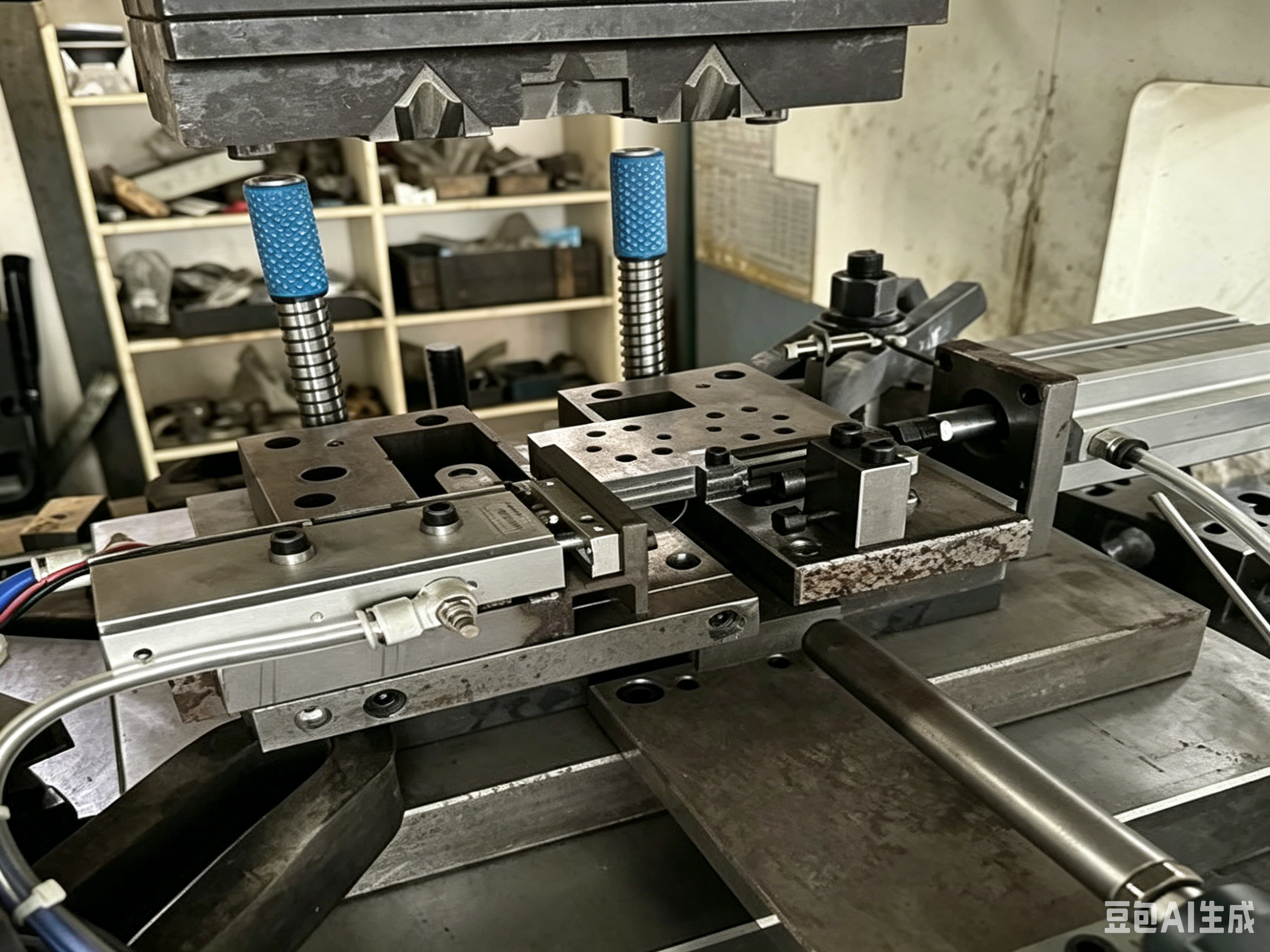
Uno de los factores de costos más incomprendidos en la fabricación de terminales son las herramientas..
Los terminales personalizados requieren troqueles de estampado especializados que den forma a las tiras de metal para convertirlas en productos terminados..
Por qué son importantes los troqueles progresivos
La mayoría de los terminales de gran volumen se fabrican utilizando troqueles de estampado progresivos..
Un troquel progresivo realiza múltiples operaciones en un solo ciclo de producción., incluido:
- Puñetazos
- Perforación
- formando
- Doblar
- Corte
Los beneficios incluyen:
- Mayor velocidad de producción
- Calidad constante
- Menor costo unitario
Sin embargo, La inversión inicial en herramientas puede ser sustancial..
Rangos típicos de costos de herramientas
| Complejidad terminal | Rango de costos de herramientas |
| Terminales sencillas | $1,000 – $5,000 |
| Complejidad media | $5,000 – $15,000 |
| Terminal de precisión compleja | $15,000 – $50,000+ |
Cuanto más compleja sea la geometría terminal, cuanto mayor sea el costo de las herramientas.
Cómo los compradores pueden reducir los costos de herramientas
Considere las siguientes estrategias:
- Utilice diseños de terminales estándar existentes cuando sea posible
- Evite curvas y características innecesarias
- Relajar las tolerancias cuando sea aceptable.
- Aumentar el volumen de pedidos para amortizar los gastos de herramientas.
- Consultar a los fabricantes durante la etapa de diseño.
Trabajar con un fabricante de terminales experimentado en las primeras etapas del desarrollo del producto puede reducir significativamente los costos generales del proyecto..
Volumen de producción y economías de escala
El volumen de producción tiene un impacto dramático en el precio de las terminales.
Por qué es importante la cantidad mínima de pedido
Los costos de fabricación incluyen gastos fijos y variables..
Los costos fijos incluyen:
- Estampación
- Configuración
- Soporte de ingeniería
- Programación
- Validación de calidad
Estos costos se distribuyen entre la cantidad de producción..
Ejemplo
| Cantidad de pedido | Costo unitario |
| 500 piezas | $0.45 |
| 5,000 piezas | $0.12 |
| 50,000 piezas | $0.04 |
| 500,000 piezas | $0.015 |
A medida que aumenta el volumen de producción, El costo unitario disminuye significativamente..
Esta es la razón por la que los fabricantes suelen establecer cantidades mínimas de pedido. (Cantidad mínima de pedido).
El costo oculto del revestimiento de terminales
Muchos compradores se centran únicamente en los costos de materiales y pasan por alto los gastos de revestimiento..
En algunos casos, El revestimiento puede representar una parte sustancial del coste total de fabricación..
Estañado
Ventajas:
- Rentable
- Buena soldabilidad
- Resistencia a la corrosión
Nivel de costo:
Bajo
Aplicaciones comunes:
- Electrónica de consumo
- Accesorios
Niquelado
Ventajas:
- Resistencia al desgaste mejorada
- Protección mejorada contra la corrosión
Nivel de costo:
Medio
Aplicaciones:
- Componentes automotrices
- Equipos industriales
Chapado en plata
Ventajas:
- Excelente conductividad
- Baja resistencia de contacto
Nivel de costo:
Alto
Aplicaciones:
- Terminales de alta corriente
- Equipos de transmisión de energía.
Chapado en oro
Ventajas:
- Conductividad superior
- Excelente resistencia a la corrosión
- Transmisión de señal confiable
Nivel de costo:
muy alto
Aplicaciones:
- Aeroespacial
- Telecomunicaciones
- Dispositivos médicos
Tabla de comparación de revestimientos
| Tipo de revestimiento | Nivel de costo | Resistencia a la corrosión | Conductividad |
| Estaño | Bajo | Bien | Bien |
| Níquel | Medio | Muy bien | Moderado |
| Plata | Alto | Excelente | Excelente |
| Oro | muy alto | Pendiente | Pendiente |
Cómo el diseño de terminales afecta el costo de fabricación
La geometría del terminal tiene un efecto directo en la capacidad de fabricación.
Tolerancias estrictas
Mantener tolerancias extremadamente estrictas requiere:
- Herramientas avanzadas
- Inspección adicional
- Más controles de proceso
Un terminal con una tolerancia de ±0,01 mm generalmente costará significativamente más que uno con una tolerancia de ±0,05 mm..
Geometría compleja
Características como:
- Empatees profundos
- Múltiples curvas
- Perfiles complejos
- Agujeros de precisión
aumentar la complejidad y el costo de la producción.
Utilización de materiales
El diseño eficiente de las tiras reduce las tasas de desperdicio.
Un mal diseño puede resultar en:
- Mayor desperdicio de material
- Menor eficiencia de producción
- Mayor costo de fabricación.
La optimización del diseño a menudo puede reducir el consumo de materiales al 10% a 30%.
Requisitos de calidad y su impacto en el costo
Diferentes industrias requieren diferentes niveles de control de calidad.
Industria automotriz
Los requisitos pueden incluir:
- Documentación PPAP
- Sistemas de trazabilidad
- Validación de procesos
- Control estadístico de procesos
Estos requisitos aumentan los costos de fabricación pero garantizan la confiabilidad..
Equipos industriales
Normalmente requiere:
- Inspección dimensional
- Certificación de materiales
- Pruebas funcionales
Dispositivos médicos
A menudo requieren:
- Documentación estricta
- Sistemas de calidad mejorados
- Procedimientos de validación adicionales
A medida que aumentan los requisitos de calidad, Los costos de fabricación aumentan en consecuencia..
Cómo reducir los costos de fabricación de terminales sin sacrificar la calidad
Muchos compradores asumen que costos más bajos significan menor calidad..
En realidad, Las decisiones inteligentes de diseño y abastecimiento pueden reducir los costos manteniendo el rendimiento..
Optimice la selección de materiales
Evite sobreespecificar materiales.
Por ejemplo:
- El latón puede ser suficiente en lugar del cobre.
- El estañado puede ser adecuado en lugar del plateado.
Incrementar los volúmenes de producción
Grandes cantidades de pedidos ayudan a distribuir los costos fijos de manera más eficiente.
Simplifique la geometría terminal
Reducir la complejidad innecesaria puede reducir los costos de producción y herramientas..
Estandarizar acabados superficiales
El uso de especificaciones de revestimiento estándar reduce los costos de configuración y procesamiento..
Colabore con un fabricante experimentado
Los fabricantes de terminales experimentados pueden recomendar:
- Sustituciones de materiales
- Mejoras de diseño
- Optimizaciones de herramientas
- Eficiencias de proceso
Estas recomendaciones suelen generar importantes ahorros..
Comparación de costos: Terminales estándar versus personalizados
| Factor | Terminal estándar | Terminal personalizado |
| Costo de herramientas | Ninguno | Requerido |
| Costo unitario | Moderado | Bajar en volumen |
| Flexibilidad de diseño | Limitado | Excelente |
| Plazo de entrega | Corto | Más tiempo inicialmente |
| Optimización del rendimiento | Limitado | Máximo |
Si bien los terminales personalizados requieren una inversión inicial en herramientas, A menudo ofrecen costos más bajos a largo plazo para grandes programas de producción..
Por qué las terminales baratas suelen costar más a largo plazo
Seleccionar el proveedor con el precio más bajo no siempre es la decisión más económica.
Los terminales de mala calidad pueden provocar:
- Problemas de montaje
- Fallos del producto
- Aumento de reclamaciones de garantía
- Tiempo de inactividad de la producción
- Costos de reposición de proveedores
Un proveedor de terminales confiable ayuda a reducir el costo total de propiedad en lugar de simplemente ofrecer el precio de compra más bajo..
Cómo elegir el fabricante de terminales adecuado
Al evaluar proveedores, los compradores deben preguntar:
Capacidad de ingeniería
- ¿Puede el proveedor proporcionar soporte DFM??
- ¿Ofrecen servicios de optimización de diseño??
Experiencia en herramientas
- ¿Las herramientas están diseñadas internamente??
- ¿Cómo se gestiona el mantenimiento de las herramientas??
Capacidad de fabricación
- ¿Pueden soportar tanto prototipos como producción en masa??
Sistemas de Calidad
- ¿Qué certificaciones tienen??
- ¿Cómo se controla la calidad??
Opciones de materiales y revestimiento
- ¿Qué materiales están disponibles??
- ¿Qué capacidades de enchapado ofrecen??
El socio de fabricación adecuado debería ayudar a mejorar tanto el rendimiento del producto como la rentabilidad.
Por qué trabajar con QW Precision?
En Precisión QW, Nos especializamos en la fabricación de terminales eléctricos personalizados para clientes de todo el sector automotriz., industrial, electrónica, aparato, y las industrias energéticas.
Nuestras capacidades incluyen:
- Estampado de metales de precisión
- Diseño y fabricación de troqueles progresivos.
- Desarrollo de terminales personalizados
- Latón, cobre, bronce fosforado, y terminales de acero inoxidable
- Estaño, níquel, plata, y opciones de chapado en oro
- Prototipo para producción de gran volumen
- Soporte de ingeniería y recomendaciones de reducción de costos.
Nuestro equipo trabaja en estrecha colaboración con los clientes para identificar oportunidades para reducir los costos de fabricación manteniendo los más altos estándares de calidad..
Ya sea que necesite un prototipo de terminal o un programa de producción de gran volumen, Podemos ayudarle a optimizar su estrategia de diseño y fabricación..
Preguntas frecuentes
1.¿Cuál es el mayor factor de costo en la fabricación de terminales??
Selección de materia prima, inversión en herramientas, y el volumen de producción suelen tener el mayor impacto en el costo total..
2.¿Por qué son más caros los terminales personalizados??
Los terminales personalizados requieren herramientas dedicadas, desarrollo de ingenieria, y validación antes de que comience la producción.
3.¿Cuánto cuestan las herramientas para terminales??
Dependiendo de la complejidad, Los costos de herramientas pueden variar desde varios miles de dólares hasta decenas de miles de dólares..
4.¿El revestimiento aumenta significativamente el costo del terminal??
Sí. Los revestimientos de metales preciosos, como plata y oro, pueden aumentar sustancialmente los costes de fabricación..
5.¿Qué material de terminal es el más rentable??
El latón generalmente se considera el material más rentable para muchas aplicaciones de terminales eléctricos..
6.¿Cómo puedo reducir los costos de fabricación de terminales??
Optimice la selección de materiales, simplificar el diseño de terminales, aumentar las cantidades de pedido, y trabajar con un fabricante de terminales experimentado.
7.¿Son los terminales de latón más baratos que los terminales de cobre??
En la mayoría de los casos, Sí. El latón normalmente ofrece costos de material más bajos y al mismo tiempo proporciona una buena conductividad..
8.¿Cómo afecta el volumen de producción al precio de las terminales??
Los mayores volúmenes de producción distribuyen los costos fijos entre más piezas, reduciendo significativamente el coste unitario.
9.¿Cuánto duran las herramientas de estampado??
Los troqueles progresivos con el mantenimiento adecuado a menudo pueden producir millones de piezas antes de que sea necesaria una renovación importante..
10.¿Debo elegir el proveedor de menor costo??
No necesariamente. Costo total de propiedad, calidad, fiabilidad, y el rendimiento de entrega deben considerarse al seleccionar un proveedor.
Conclusión
Comprender los factores de costo en la fabricación de terminales es esencial para los compradores, ingenieros, y profesionales de abastecimiento que buscan el mejor equilibrio de calidad., actuación, y precio. Selección de materiales, complejidad de herramientas, volumen de producción, requisitos de revestimiento, especificaciones de diseño, y los estándares de calidad contribuyen al coste final de un terminal.
Al asociarse con un fabricante de terminales experimentado y considerar los costos totales del ciclo de vida en lugar del precio unitario únicamente, las empresas pueden reducir gastos, mejorar la confiabilidad del producto, y lograr el éxito a largo plazo en la cadena de suministro.
Buscando una solución de terminal personalizada y rentable? Contacte a QW Precisión hoy para una revisión de ingeniería gratuita, consulta de optimización de diseño, y cotización competitiva.

