

The cost of terminal manufacturing is primarily influenced by material selection, tooling complexity, production volume, plating requirements, dimensional tolerances, quality standards, and secondary operations. By understanding these factors, buyers can optimize designs, reduce manufacturing expenses, and select the right terminal manufacturer for their application.
In this guide, we will break down the key cost drivers in terminal manufacturing and provide practical recommendations for reducing costs without compromising quality or performance.
What Determines the Cost of Terminal Manufacturing?
Terminal manufacturing is a highly specialized process involving precision metal stamping, forming, plating, inspection, and packaging. Every stage contributes to the final unit price.
Quick Cost Breakdown
| Cost Factor | Typical Impact on Price |
| Raw Material | Very High |
| Tooling & Dies | Very High |
| Production Volume | Very High |
| Surface Plating | Medium to High |
| Dimensional Tolerances | Medium |
| Quality Requirements | Medium |
| Secondary Operations | Medium |
| Packaging & Logistics | Low to Medium |
Among these factors, material costs, tooling investment, and production volume typically account for the largest portion of total manufacturing expenses.
The 7 Biggest Cost Factors in Terminal Manufacturing
1. Raw Material Selection
Material selection is often the single largest factor affecting terminal cost.
Different metals provide varying levels of conductivity, strength, corrosion resistance, and formability.
Brass Terminals
Brass is one of the most commonly used materials for electrical terminals because it offers an excellent balance of conductivity, mechanical strength, and affordability.
Advantages:
- Good electrical conductivity
- Excellent formability
- Cost-effective
- Suitable for high-volume production
Common Applications:
- Automotive connectors
- Household appliances
- Consumer electronics
Relative Cost:
$$
Copper Terminals
Copper provides superior electrical conductivity but comes at a higher material cost.
Advantages:
- Excellent conductivity
- Low electrical resistance
- High reliability
Challenges:
- Higher material cost
- Softer material
- More susceptible to deformation
Common Applications:
- Power distribution systems
- Battery terminals
- High-current applications
Relative Cost:
$$$
Phosphor Bronze Terminals
Phosphor bronze offers improved spring properties and fatigue resistance.
Advantages:
- Excellent spring performance
- High durability
- Good corrosion resistance
Applications:
- Connector contacts
- Signal transmission systems
- Electronic terminals
Relative Cost:
$$$
Stainless Steel Terminals
Stainless steel is chosen when mechanical strength and corrosion resistance are more important than conductivity.
Advantages:
- Excellent corrosion resistance
- High strength
- Long service life
Applications:
- Marine equipment
- Industrial machinery
- Outdoor electrical systems
Relative Cost:
$$$$
Material Comparison Table
| Material | Conductivity | Strength | Relative Cost |
| Brass | Good | Good | Low |
| Copper | Excellent | Medium | Medium-High |
| Phosphor Bronze | Good | High | High |
| Stainless Steel | Low | Very High | High |
How Tooling Costs Affect Terminal Pricing
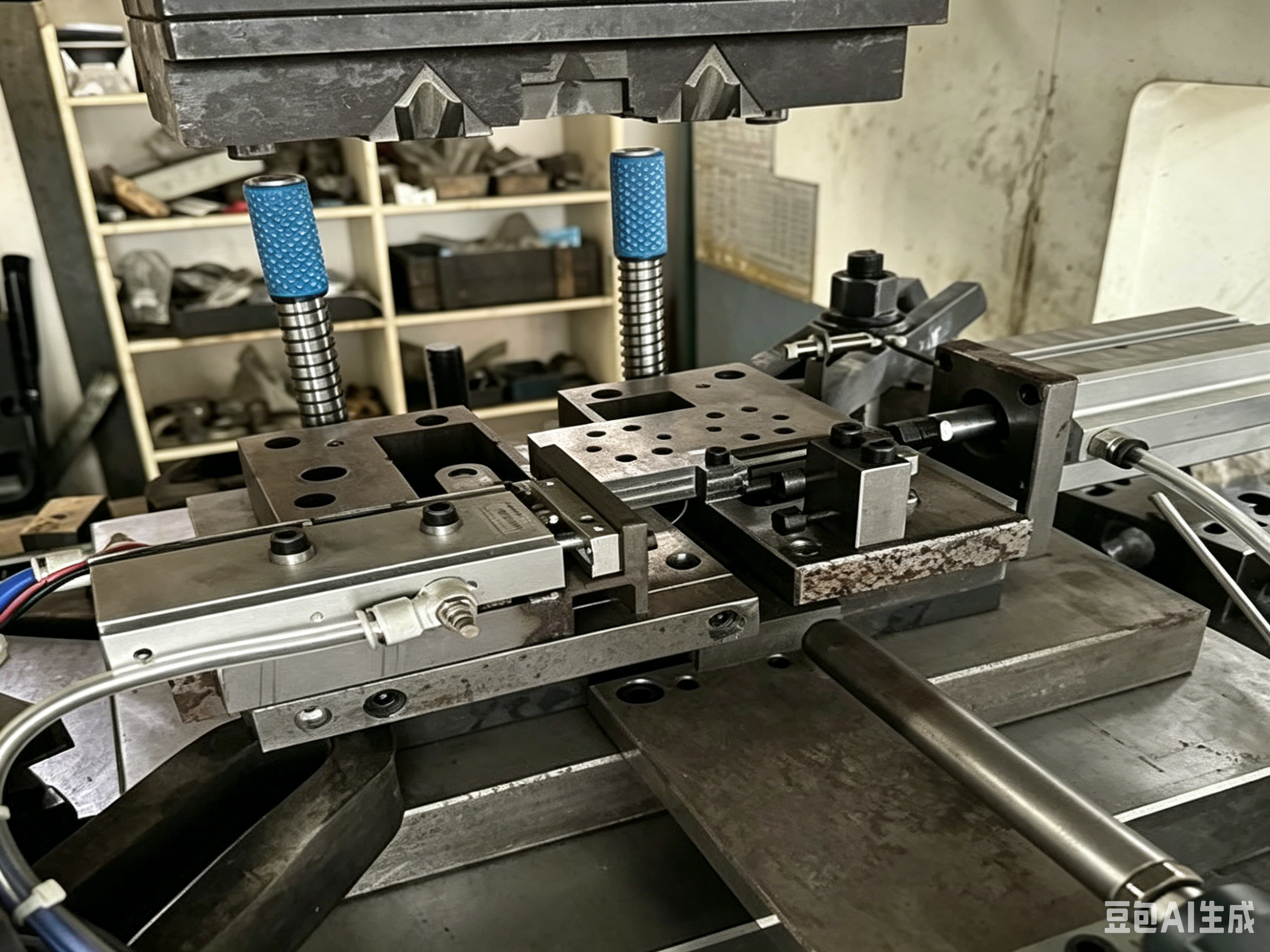
One of the most misunderstood cost factors in terminal manufacturing is tooling.
Custom terminals require specialized stamping dies that shape metal strips into finished products.
Why Progressive Dies Are Important
Most high-volume terminals are manufactured using progressive stamping dies.
A progressive die performs multiple operations in a single production cycle, including:
- Punching
- Piercing
- Forming
- Bending
- Cutting
Benefits include:
- Higher production speed
- Consistent quality
- Lower unit cost
However, the initial tooling investment can be substantial.
Typical Tooling Cost Ranges
| Terminal Complexity | Tooling Cost Range |
| Simple Terminal | $1,000 – $5,000 |
| Medium Complexity | $5,000 – $15,000 |
| Complex Precision Terminal | $15,000 – $50,000+ |
The more complex the terminal geometry, the higher the tooling cost.
How Buyers Can Reduce Tooling Costs
Consider the following strategies:
- Use existing standard terminal designs when possible
- Avoid unnecessary bends and features
- Relax tolerances where acceptable
- Increase order volume to amortize tooling expenses
- Consult manufacturers during the design stage
Working with an experienced terminal manufacturer early in product development can significantly reduce overall project costs.
Production Volume and Economies of Scale
Production volume has a dramatic impact on terminal pricing.
Why MOQ Matters
Manufacturing costs include both fixed and variable expenses.
Fixed costs include:
- Tooling
- Setup
- Engineering support
- Programming
- Quality validation
These costs are distributed across the production quantity.
Example
| Order Quantity | Unit Cost |
| 500 pcs | $0.45 |
| 5,000 pcs | $0.12 |
| 50,000 pcs | $0.04 |
| 500,000 pcs | $0.015 |
As production volume increases, the unit cost decreases significantly.
This is why manufacturers often establish minimum order quantities (MOQ).
The Hidden Cost of Terminal Plating
Many buyers focus solely on material costs while overlooking plating expenses.
In some cases, plating can represent a substantial portion of total manufacturing cost.
Tin Plating
Advantages:
- Cost-effective
- Good solderability
- Corrosion resistance
Cost Level:
Low
Common Applications:
- Consumer electronics
- Appliances
Nickel Plating
Advantages:
- Improved wear resistance
- Enhanced corrosion protection
Cost Level:
Medium
Applications:
- Automotive components
- Industrial equipment
Silver Plating
Advantages:
- Excellent conductivity
- Low contact resistance
Cost Level:
High
Applications:
- High-current terminals
- Power transmission equipment
Gold Plating
Advantages:
- Superior conductivity
- Excellent corrosion resistance
- Reliable signal transmission
Cost Level:
Very High
Applications:
- Aerospace
- Telecommunications
- Medical devices
Plating Comparison Table
| Plating Type | Cost Level | Corrosion Resistance | Conductivity |
| Tin | Low | Good | Good |
| Nickel | Medium | Very Good | Moderate |
| Silver | High | Excellent | Excellent |
| Gold | Very High | Outstanding | Outstanding |
How Terminal Design Impacts Manufacturing Cost
Terminal geometry has a direct effect on manufacturability.
Tight Tolerances
Maintaining extremely tight tolerances requires:
- Advanced tooling
- Additional inspection
- More process controls
A terminal with ±0.01 mm tolerance will generally cost significantly more than one with ±0.05 mm tolerance.
Complex Geometry
Features such as:
- Deep draws
- Multiple bends
- Complex profiles
- Precision holes
increase production complexity and cost.
Material Utilization
Efficient strip layout reduces scrap rates.
Poor design may result in:
- Higher material waste
- Lower production efficiency
- Increased manufacturing cost
Design optimization can often reduce material consumption by 10% to 30%.
Quality Requirements and Their Impact on Cost
Different industries require different levels of quality control.
Automotive Industry
Requirements may include:
- PPAP documentation
- Traceability systems
- Process validation
- Statistical process control
These requirements increase manufacturing costs but ensure reliability.
Industrial Equipment
Typically requires:
- Dimensional inspection
- Material certification
- Functional testing
Medical Devices
Often require:
- Strict documentation
- Enhanced quality systems
- Additional validation procedures
As quality requirements increase, manufacturing costs rise accordingly.
How to Reduce Terminal Manufacturing Costs Without Sacrificing Quality
Many buyers assume lower costs mean lower quality.
In reality, intelligent design and sourcing decisions can reduce costs while maintaining performance.
Optimize Material Selection
Avoid over-specifying materials.
For example:
- Brass may be sufficient instead of copper
- Tin plating may be adequate instead of silver plating
Increase Production Volumes
Larger order quantities help distribute fixed costs more efficiently.
Simplify Terminal Geometry
Reducing unnecessary complexity can lower tooling and production costs.
Standardize Surface Finishes
Using standard plating specifications reduces setup and processing costs.
Collaborate with an Experienced Manufacturer
Experienced terminal manufacturers can recommend:
- Material substitutions
- Design improvements
- Tooling optimizations
- Process efficiencies
These recommendations often generate significant savings.
Cost Comparison: Standard vs Custom Terminals
| Factor | Standard Terminal | Custom Terminal |
| Tooling Cost | None | Required |
| Unit Cost | Moderate | Lower at Volume |
| Design Flexibility | Limited | Excellent |
| Lead Time | Short | Longer Initially |
| Performance Optimization | Limited | Maximum |
While custom terminals require upfront tooling investment, they often deliver lower long-term costs for large production programs.
Why Cheap Terminals Often Cost More in the Long Run
Selecting the lowest-priced supplier is not always the most economical decision.
Poor-quality terminals can lead to:
- Assembly issues
- Product failures
- Increased warranty claims
- Production downtime
- Supplier replacement costs
A reliable terminal supplier helps reduce total cost of ownership rather than simply offering the lowest purchase price.
How to Choose the Right Terminal Manufacturer
When evaluating suppliers, buyers should ask:
Engineering Capability
- Can the supplier provide DFM support?
- Do they offer design optimization services?
Tooling Expertise
- Is tooling designed in-house?
- How is tool maintenance managed?
Manufacturing Capacity
- Can they support both prototype and mass production?
Quality Systems
- What certifications do they hold?
- How is quality monitored?
Material and Plating Options
- What materials are available?
- What plating capabilities do they offer?
The right manufacturing partner should help improve both product performance and cost efficiency.
Why Work with QW Precision?
At QW Precision, we specialize in custom electrical terminal manufacturing for customers across automotive, industrial, electronics, appliance, and energy industries.
Our capabilities include:
- Precision metal stamping
- Progressive die design and manufacturing
- Custom terminal development
- Brass, copper, phosphor bronze, and stainless steel terminals
- Tin, nickel, silver, and gold plating options
- Prototype to high-volume production
- Engineering support and cost reduction recommendations
Our team works closely with customers to identify opportunities for reducing manufacturing costs while maintaining the highest quality standards.
Whether you need a prototype terminal or a high-volume production program, we can help optimize your design and manufacturing strategy.
FAQs
1.What is the biggest cost factor in terminal manufacturing?
Raw material selection, tooling investment, and production volume typically have the greatest impact on overall cost.
2.Why are custom terminals more expensive?
Custom terminals require dedicated tooling, engineering development, and validation before production begins.
3.How much does terminal tooling cost?
Depending on complexity, tooling costs can range from several thousand dollars to tens of thousands of dollars.
4.Does plating significantly increase terminal cost?
Yes. Precious metal platings such as silver and gold can substantially increase manufacturing costs.
5.Which terminal material is the most cost-effective?
Brass is generally considered the most cost-effective material for many electrical terminal applications.
6.How can I reduce terminal manufacturing costs?
Optimize material selection, simplify terminal design, increase order quantities, and work with an experienced terminal manufacturer.
7.Are brass terminals cheaper than copper terminals?
In most cases, yes. Brass typically offers lower material costs while still providing good conductivity.
8.How does production volume affect terminal pricing?
Higher production volumes spread fixed costs over more parts, reducing unit cost significantly.
9.How long do stamping tools last?
Properly maintained progressive dies can often produce millions of parts before major refurbishment is required.
10.Should I choose the lowest-cost supplier?
Not necessarily. Total cost of ownership, quality, reliability, and delivery performance should all be considered when selecting a supplier.
Conclusion
Understanding the cost factors in terminal manufacturing is essential for buyers, engineers, and sourcing professionals seeking the best balance of quality, performance, and price. Material selection, tooling complexity, production volume, plating requirements, design specifications, and quality standards all contribute to the final cost of a terminal.
By partnering with an experienced terminal manufacturer and considering total lifecycle costs rather than unit price alone, companies can reduce expenses, improve product reliability, and achieve long-term supply chain success.
Looking for a cost-effective custom terminal solution? Contact QW Precision today for a free engineering review, design optimization consultation, and competitive quotation.

