

Introducción
Cuando se trata de sistemas eléctricos, the smallest components often have the biggest impact—and electrical terminals are a perfect example. These seemingly simple connectors play a critical role in ensuring safe, eficiente, y conexiones eléctricas duraderas.
One of the most important factors that determines terminal performance is selección de materiales. The right material can improve conductivity, reduce heat generation, extend lifespan, and even lower overall system costs. Por otro lado, choosing the wrong material can lead to overheating, corrosión, y fallo de conexión.
En esta guía, aprenderás:
- The most common materials used in electrical terminals
- The advantages and limitations of each
- How plating affects performance
- How to choose the right material for your application
Why Material Selection Matters in Electrical Terminals
1. Conductividad eléctrica
Conductivity determines how efficiently current flows through a terminal. Materials with high conductivity (like copper) minimize resistance and reduce energy loss.
Poor material selection can result in:
- Caídas de voltaje
- Excessive heat generation
- Eficiencia reducida del sistema
2. Resistencia mecánica y durabilidad
Los terminales deben soportar:
- Crimping forces
- Vibración (especially in automotive applications)
- Repeated insertions and removals
Materials like brass and phosphor bronze offer better mechanical strength compared to pure copper.
3. Resistencia a la corrosión
Exposición a la humedad, quimicos, or salt can degrade terminals over time. Corrosion leads to:
- Mayor resistencia
- Poor connectivity
- Potential system failure
This is where both base material y enchapado become critical.
4. Cost vs Performance Balance
High-performance materials cost more—but may reduce maintenance and failure risks. The key is finding the optimal balance based on your application.
Most Common Materials Used in Electrical Terminals
1. Cobre (Cobre electrolítico)
Copper is the gold standard for electrical conductivity.
Propiedades clave:
- Conductividad: ~100% IACS
- Excellent current-carrying capacity
- Baja resistencia
Ventajas:
- Mejor rendimiento eléctrico
- Reliable for high-current applications
Limitaciones:
- Relatively soft
- Prone to oxidation without plating
Aplicaciones típicas:
- Distribución de energía
- Arneses de cableado para automóviles
- Equipos industriales
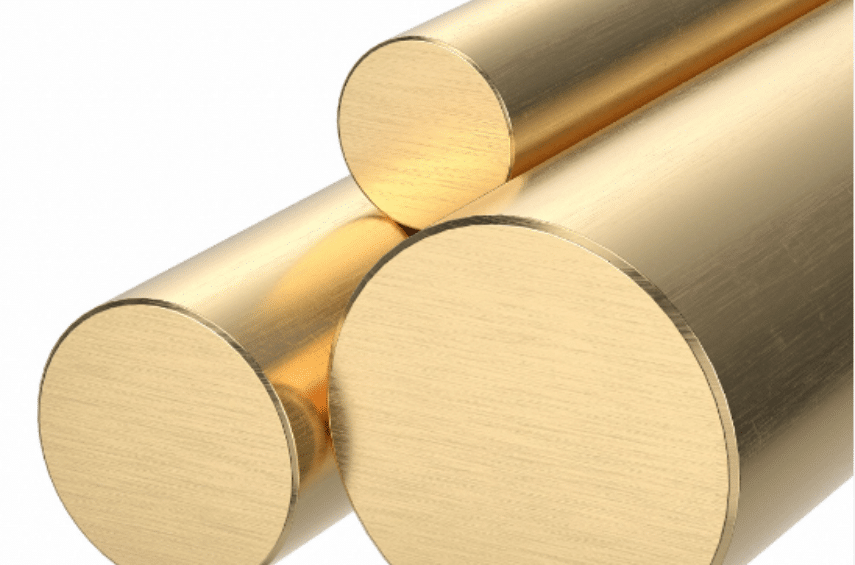
2. Latón
Brass is an alloy of copper and zinc, offering a strong balance between conductivity and strength.
Ventajas:
- Mayor resistencia mecánica que el cobre.
- Buena resistencia a la corrosión
- Easy to machine and stamp
Limitaciones:
- Lower conductivity than pure copper
Aplicaciones:
- Connector terminals
- Plug and socket components
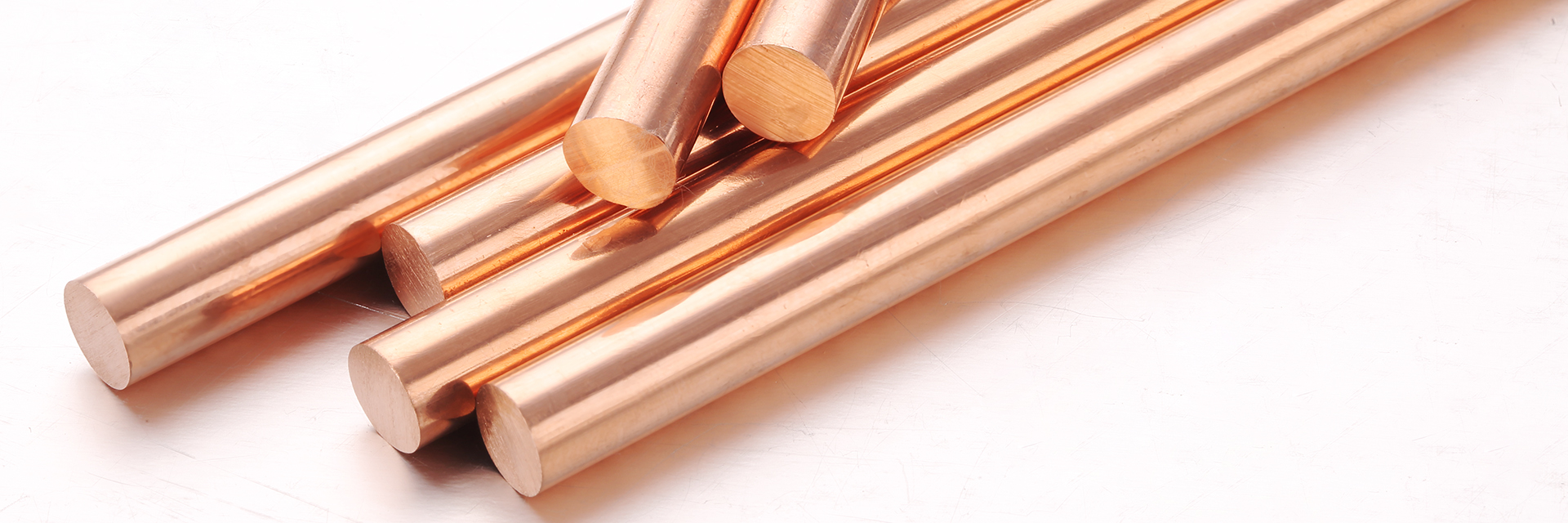
3. Bronce fosforado (Cobre fósforo)
Phosphor bronze is widely used where elasticity and fatigue resistance are critical.
Ventajas:
- Excelentes propiedades primaverales
- High fatigue resistance
- Buena resistencia a la corrosión
Aplicaciones:
- Terminales de resorte
- Conectores de precisión
- Electronic components
4. Aluminio
Aluminum is a lightweight and cost-effective alternative to copper.
Ventajas:
- Menor costo
- Ligero
- Suitable for large-scale power applications
Limitaciones:
- Lower conductivity (~60% of copper)
- Forms oxide layer easily
- Requires special handling
Aplicaciones:
- Power transmission
- Conexiones de batería
5. Aleaciones de alta conductividad
These engineered materials combine conductivity with enhanced strength and durability.
Ventajas:
- Optimized performance
- Improved wear resistance
Aplicaciones:
- Vehículos eléctricos (vehículos eléctricos)
- High-end industrial systems
Terminal Plating Materials and Their Functions
Base material alone isn’t enough—plating plays a crucial role in performance.
Estañado
- Más común y rentable
- Provides corrosion resistance
- Improves solderability
Chapado en plata
- Excelente conductividad
- Ideal for high-current and high-temperature environments
Chapado en oro
- Superior oxidation resistance
- Perfect for low-voltage signal applications
Niquelado
- Enhances wear resistance
- A menudo se utiliza como capa base.
How to Choose the Right Terminal Material
Choosing the right material isn’t guesswork—it’s a structured decision.
1. Requisitos eléctricos
- High current → Copper or silver-plated copper
- Signal transmission → Gold-plated terminals
2. Condiciones ambientales
- Humid/corrosive → Tin or gold plating
- Alta temperatura → Plateado
3. Mechanical Demands
- High vibration → Brass or phosphor bronze
- Frequent insertion → Spring materials
4. Budget Considerations
- Cost-sensitive projects → Aluminum or brass
- Performance-critical → Copper alloys
Tabla de comparación de materiales
| Material | Conductividad | Fortaleza | Resistencia a la corrosión | Costo | Uso típico |
|---|---|---|---|---|---|
| Cobre | Excelente | Medio | Medio | Alto | Sistemas de energía |
| Latón | Bien | Alto | Medio | Medio | Conectores |
| Bronce fosforado | Bien | Alto | Alto | Medio | Terminales de resorte |
| Aluminio | Moderado | Bajo | Bajo | Bajo | Power cables |
Errores comunes al elegir materiales terminales
Avoid these costly errors:
1. Choosing Based on Price Alone
Cheap materials often lead to higher long-term costs due to failures.
2. Ignorando el medio ambiente
Humedad, calor, and chemicals drastically affect performance.
3. Overlooking Plating
Even the best base material can fail without proper plating.
4. Mismatching Terminal and Wire Materials
Different metals can cause galvanic corrosion.
Industry Applications and Recommended Materials
Arnés de cableado automotriz
- Recomendado: Cobre + estañado
- Razón: Resistencia a las vibraciones + protección contra la corrosión
Equipos industriales
- Recomendado: Brass or high-conductivity alloys
- Razón: Strength and durability
Sistemas de energía renovable
- Recomendado: Aluminum or copper
- Razón: Cost-performance balance
Electrónica de Consumo
- Recomendado: Bronce fosforado + chapado en oro
- Razón: Estabilidad de la señal
Why Custom Terminal Material Matters
Standard terminals don’t always meet real-world demands. That’s where customization becomes essential.
Different industries require:
- Specific conductivity levels
- Unique shapes and tolerances
- Specialized plating combinations
Qianwei Precision Advantage
Con extensive customization experience, Ofertas de precisión Qianwei:
- 1800+ mass-production stamping and injection molds
- Fast custom tooling and modification services
- High-precision automated mold processing center
This means you can:
- Reduce development time
- Garantizar una calidad constante
- Optimize cost and performance
Si estas buscando alta calidad, custom electrical terminals tailored to your application, Qianwei Precision can help.
👉 Contáctanos hoy to get:
- Expert material selection advice
- Fast prototyping and tooling
- Reliable mass production solutions
Conclusión
Electrical terminals may be small, but their material composition has a massive impact on system performance.
Key Takeaways:
- Copper remains the top choice for conductivity
- Alloys like brass and phosphor bronze improve strength
- Plating is essential for corrosion resistance
- The best material depends on your specific application
Making the right choice can significantly improve reliability, seguridad, y eficiencia.
Preguntas frecuentes
1. What is the best material for electrical terminals?
Copper is generally the best due to its superior conductivity, but the ideal choice depends on the application.
2. Why is copper widely used in terminals?
Because it offers the highest conductivity and reliable performance.
3. Are aluminum terminals reliable?
Sí, but mainly for power applications and when properly treated to prevent oxidation.
4. What is the difference between brass and copper terminals?
Copper has better conductivity, while brass offers higher strength.
5. Why are terminals plated?
To improve corrosion resistance, conductividad, y durabilidad.
6. Which material is best for high-current applications?
Copper or silver-plated copper.
7. Do terminal materials affect conductivity?
Sí, material choice directly impacts electrical efficiency.
8. How do I prevent terminal corrosion?
Use proper plating such as tin or gold.
9. What material is used in automotive terminals?
Typically copper with tin plating.
10. Can terminal materials be customized?
Sí, manufacturers like Qianwei Precision offer full customization options.

