

Por qué es importante la soldadura en frío en el prensado
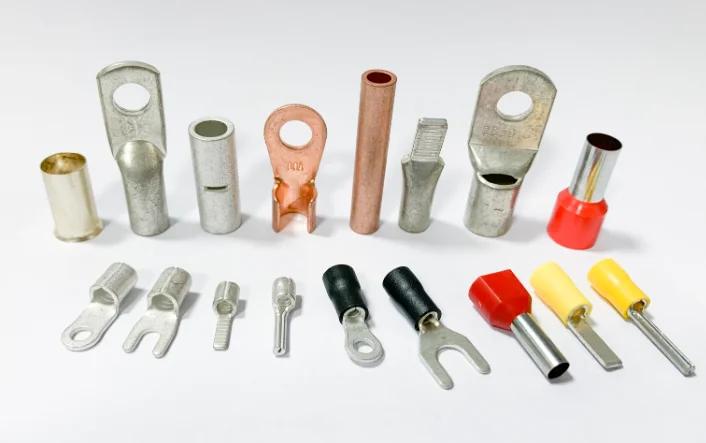
prensado Es uno de los métodos más utilizados para crear conexiones eléctricas en mazos de cables., sistemas automotrices, equipos industriales, y electrónica de consumo. Sin embargo, no todas las conexiones engarzadas son iguales. Algunos ofrecen confiabilidad a largo plazo, mientras que otros fracasan por resistencia, calentamiento excesivo, o debilidad mecánica.
El factor clave que determina la calidad de una conexión engarzada es soldadura en frio.
En prensado de terminales, La soldadura en frío es lo que transforma una simple compresión mecánica en una alto rendimiento, conexión eléctrica estanca al gas. sin eso, Incluso un engarce visualmente aceptable puede fallar en condiciones del mundo real..
En esta guía, aprenderás:
¿Qué significa realmente la soldadura en frío durante el engarzado?
Cómo funciona a nivel material
Por qué es fundamental para la confiabilidad eléctrica
Cómo garantizar una soldadura en frío constante en la producción
¿Qué es la soldadura en frío en el prensado de terminales??
La soldadura en frío en el prensado de terminales se refiere al proceso donde Los hilos de alambre y el material terminal se comprimen bajo alta presión., romper los óxidos de la superficie y formar una unión hermética de metal a metal sin calor.
Esto crea un conexión de estado sólido que se comporta casi como una sola pieza continua de metal, asegurando una baja resistencia eléctrica y estabilidad a largo plazo.
Cómo funciona la soldadura en frío en el prensado
Para entender la soldadura en frío, Es importante observar lo que sucede durante el proceso de engarzado a nivel microscópico..
1. Descomposición del óxido superficial
Todos los metales forman naturalmente capas de óxido cuando se exponen al aire.. Estos óxidos no son conductores y pueden impedir el contacto eléctrico adecuado..
Durante el prensado:
Se aplica mucha fuerza
Las capas de óxido tanto en el cable como en el terminal son fracturado y desplazado
2. Deformación plástica
Los hilos conductores y el cilindro terminal sufren deformación plástica:
El metal fluye y se remodela.
Se eliminan los espacios de aire.
El área de contacto aumenta dramáticamente
3. Contacto metal con metal
Una vez que se eliminan los óxidos y los materiales se deforman:
Las superficies metálicas limpias entran en contacto directo
El enlace atómico se produce en la interfaz.
4. Formación de sello hermético al gas
La articulación comprimida se vuelve:
Hermético
resistente a la humedad
Esto evita:
Oxidación
Corrosión
Degradación eléctrica con el tiempo.
Información clave
La soldadura en frío no es sólo compresión: es Deformación controlada que crea una unión metalúrgica permanente..
Por qué es importante la soldadura en frío para las conexiones eléctricas
La soldadura en frío es la diferencia entre una conexión temporal y un confiable, interfaz eléctrica a largo plazo.
1. Baja resistencia eléctrica
Un engarzado correctamente soldado en frío:
Minimiza la resistencia de contacto.
Garantiza un flujo de corriente eficiente
Un mal engarzado conduce a:
Caída de voltaje
Pérdida de energía
2. Prevención de la corrosión
Porque la conexión es estanca al gas:
El oxígeno y la humedad no pueden entrar.
Se previene la oxidación
3. Resistencia mecánica
La soldadura en frío crea:
Alta fuerza de extracción
Fuerte resistencia a las vibraciones
Esto es crítico en:
Sistemas automotrices
Maquinaria industrial
4. Estabilidad térmica
Las malas conexiones generan calor.
Conexiones soldadas en frío:
Mantener una conductividad estable
Prevenir el sobrecalentamiento
Ejemplo de fracaso del mundo real
Un engarzado sin una soldadura en frío adecuada puede:
Pasar la inspección inicial
Falla después de meses debido a corrosión o vibración.
Condiciones requeridas para una soldadura en frío adecuada
Lograr la soldadura en frío no es automático. Requiere un control preciso de varios factores..
1. Fuerza de engarce correcta
Muy poca fuerza → rotura incompleta del óxido
Demasiada fuerza → daño al conductor
La fuerza óptima garantiza:
Compresión adecuada
Deformación uniforme
2. Calidad del material terminal
Las propiedades del material impactan directamente en la soldadura en frío.:
Cobre → excelente conductividad y deformación.
Latón → buena resistencia pero más difícil de deformar
Revestimiento de superficie (estaño, plata) también afecta:
Calidad de contacto
Resistencia a la oxidación
3. Selección adecuada de cables
El calibre de cable correcto debe coincidir con el diseño del terminal
La estructura del hilo influye en la deformación.
El desajuste conduce a:
Espacios de aire
vínculo débil
4. Precisión de herramientas
Las herramientas de engarce deben proporcionar:
Presión constante
Geometría precisa
Un mal uso de herramientas da como resultado:
Engarzados inconsistentes
calidad variable
5. Superficies limpias
Contaminantes como:
Aceite
Suciedad
Oxidación
Puede impedir una unión adecuada.
¿Qué sucede si no se logra la soldadura en frío?
No lograr la soldadura en frío genera varios problemas críticos.
1. Espacios de aire en la conexión
Permitir la entrada de oxígeno y humedad.
Conducir a la corrosión
2. Mayor resistencia eléctrica
Mala conductividad
inestabilidad de voltaje
3. Generación de calor
La resistencia provoca acumulación de calor.
Puede provocar daños en el aislamiento o riesgo de incendio.
4. Debilidad mecánica
Baja fuerza de extracción
Mayor falla bajo vibración
5. Problemas de confiabilidad a largo plazo
Incluso si el engarzado funciona inicialmente, puede que:
Degradarse con el tiempo
Causa falla del sistema
Soldadura en frío versus soldadura: cual es mejor?
| Factor | prensado (Soldadura en frío) | Soldadura |
| Resistencia electrica | Bajo | Bajo (inicialmente) |
| Resistencia a las vibraciones | Excelente | Pobre |
| Consistencia del proceso | Alto | Dependiente del operador |
| Impacto del calor | Ninguno | Puede dañar el aislamiento |
| Fiabilidad a largo plazo | Alto | Medio |
Conclusión
Para la mayoría de las aplicaciones industriales y automotrices, prensar con soldadura en frío adecuada es superior a soldar.
Cómo identificar un engarzado bueno o malo
1. Inspección visual
Un buen engarce debería mostrarse:
Compresión uniforme
Sin hebras expuestas
Sin grietas en la terminal
2. Prueba de extracción
Mide la resistencia mecánica:
Un fuerte rizado resiste la separación.
El engarce débil falla bajo carga
3. Análisis transversal
El método más preciso:
Revela la estructura interna.
Confirma la ausencia de espacios de aire.
4. Pruebas eléctricas
La baja resistencia indica un buen contacto
La alta resistencia indica un engarzado deficiente
Factores clave que afectan la calidad de la soldadura en frío
Aquí es donde muchos fabricantes fracasan y donde la experiencia importa.
1. Diseño de terminales
Espesor del barril
Geometría
Dureza del material
Estos determinan qué tan bien se produce la deformación..
2. Consistencia de materiales
variaciones en:
Composición de la aleación
Espesor del revestimiento
Conducir a resultados inconsistentes.
3. Precisión de fabricación
Los terminales de alta calidad requieren:
Tolerancias dimensionales estrictas
Calidad de estampado constante
4. Estabilidad del proceso
La producción en masa requiere:
Condiciones de prensado repetibles
Rendimiento controlado de las herramientas
Información clave
Comienza la calidad de la soldadura en frío antes del engarce: comienza con el diseño y la fabricación del terminal.
Cómo elegir el terminal adecuado para un engarzado confiable
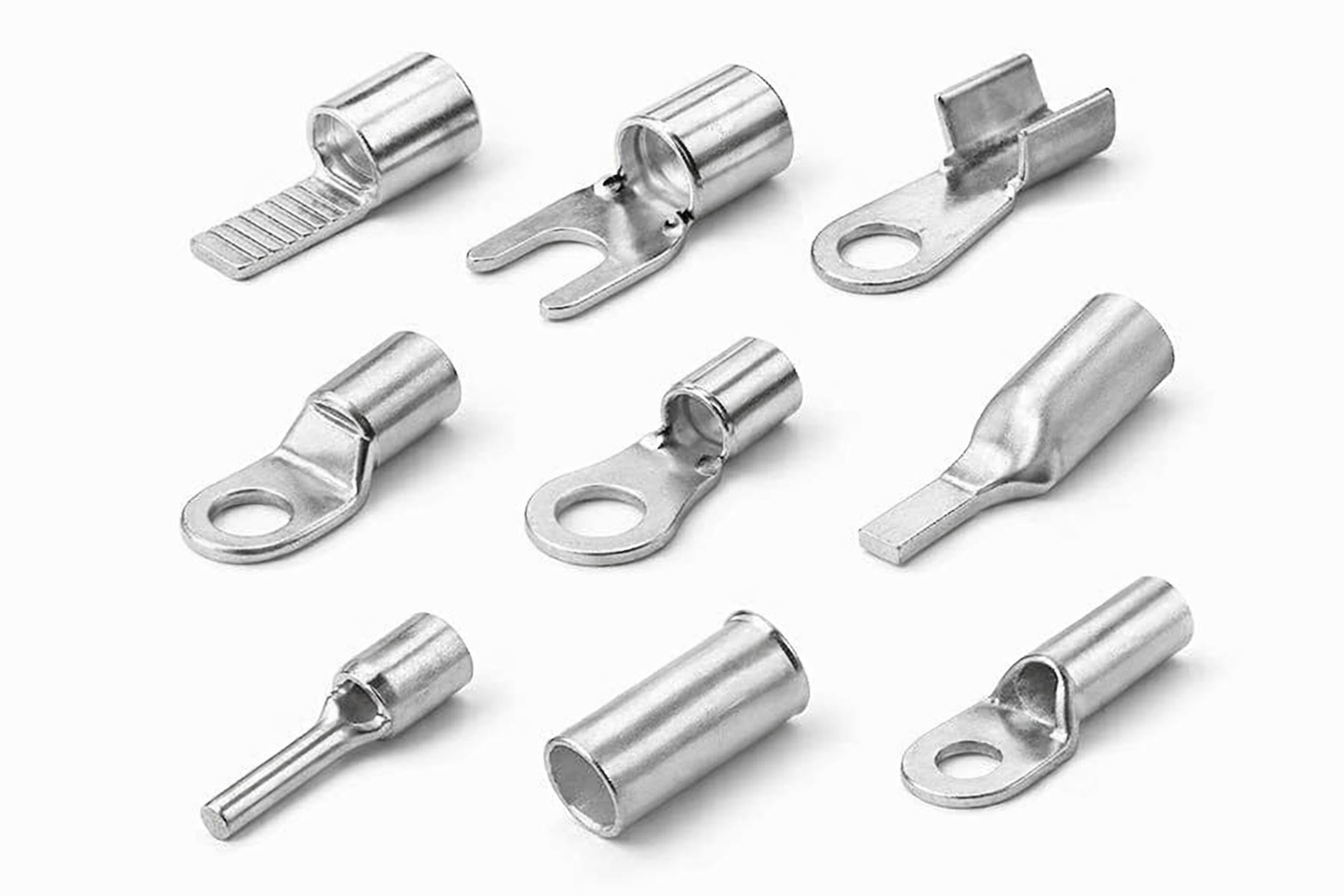
Al seleccionar terminales, considerar:
1. Selección de materiales
Se prefieren aleaciones de cobre de alta conductividad.
2. Precisión dimensional
Garantiza un ajuste adecuado con el cable.
3. Compatibilidad
Debe coincidir con el calibre del cable y la aplicación.
4. Tratamiento superficial
El estañado mejora la resistencia a la corrosión
5. Consistencia de producción
Fundamental para la fabricación a gran escala
Por qué la soldadura en frío constante depende de su proveedor
No todos los fabricantes de terminales pueden ofrecer un rendimiento constante de soldadura en frío.
Un proveedor confiable debe proporcionar:
1. Soporte de ingeniería
Optimización del diseño de terminales.
Recomendaciones específicas de la aplicación
2. Control de materiales
Composición de aleación estable
Procesos de chapado controlados
3. Fabricación de precisión
Estampado de alta precisión
Control de tolerancia estricto
4. Validación de calidad
Prueba de engarce
Análisis transversal
Verificación de la fuerza de extracción
Información de posicionamiento
Un buen proveedor de terminales no sólo suministra piezas: garantiza Éxito en el prensado en su línea de producción..
Conclusión: La soldadura en frío es la base de un engarzado confiable
La soldadura en frío es lo que transforma una conexión engarzada en una interfaz eléctrica de alto rendimiento.
sin eso, las conexiones son:
Inestable
propenso al fracaso
Inseguro en aplicaciones críticas
Con soldadura en frío adecuada, lo logras:
Baja resistencia
Alta resistencia
Fiabilidad a largo plazo
La conclusión clave:
El engarzado confiable no se trata sólo de herramientas o fuerza: comienza con diseño adecuado del terminal y calidad de fabricación.
Obtenga soporte experto para sus proyectos de engarzado de terminales
En Precisión de Qianwei, Nos especializamos en el diseño y fabricación de terminales que aseguran Rendimiento constante de soldadura en frío en entornos de producción reales..
Lo que ofrecemos
Soporte de diseño de terminal personalizado
Material estable y control de revestimiento.
Estampado de alta precisión
Validación del rendimiento de engarce
Preguntas frecuentess
1. ¿Se puede confirmar visualmente la soldadura en frío??
No completamente. Si bien la inspección visual ayuda, La verdadera soldadura en frío se verifica mejor mediante análisis de secciones transversales y pruebas eléctricas..
2. ¿El tipo de alambre afecta la soldadura en frío??
Sí. Tamaño del hilo, material, y la estructura influyen en qué tan bien se deforma y se une el cable durante el engarzado..
3. ¿Siempre es mejor una mayor fuerza de engarzado??
No. Una fuerza excesiva puede dañar los conductores y reducir la calidad de la conexión.. Se requiere una fuerza óptima.
4. ¿Todos los terminales admiten la soldadura en frío por igual??
No. Material de terminales, diseño, y la calidad de fabricación impactan significativamente el rendimiento de la soldadura en frío.
5. ¿Cómo afecta el enchapado al engarzado??
Enchapado (como el estaño) Mejora la resistencia a la corrosión, pero debe controlarse para evitar interferir con la unión de metal a metal..
6. ¿Qué estándares se aplican a la calidad del engarzado??
Los estándares comunes incluyen requisitos IPC/WHMA-A-620 y UL para conexiones eléctricas..
7. ¿Pueden las herramientas deficientes prevenir la soldadura en frío??
Sí. Las herramientas inconsistentes o desgastadas pueden resultar en una compresión insuficiente y conexiones poco confiables..

