

Giới thiệu
Khi nói đến hệ thống điện, the smallest components often have the biggest impact—and electrical terminals are a perfect example. These seemingly simple connectors play a critical role in ensuring safe, có hiệu quả, và kết nối điện lâu dài.
One of the most important factors that determines terminal performance is lựa chọn vật liệu. The right material can improve conductivity, reduce heat generation, extend lifespan, and even lower overall system costs. Mặt khác, choosing the wrong material can lead to overheating, ăn mòn, và lỗi kết nối.
Trong hướng dẫn này, bạn sẽ học:
- The most common materials used in electrical terminals
- The advantages and limitations of each
- How plating affects performance
- How to choose the right material for your application
Why Material Selection Matters in Electrical Terminals
1. Độ dẫn điện
Conductivity determines how efficiently current flows through a terminal. Materials with high conductivity (like copper) minimize resistance and reduce energy loss.
Poor material selection can result in:
- Giảm điện áp
- Excessive heat generation
- Giảm hiệu suất hệ thống
2. Độ bền cơ học và độ bền
Thiết bị đầu cuối phải chịu được:
- Crimping forces
- Rung (especially in automotive applications)
- Repeated insertions and removals
Materials like brass and phosphor bronze offer better mechanical strength compared to pure copper.
3. Chống ăn mòn
Tiếp xúc với độ ẩm, hóa chất, or salt can degrade terminals over time. Corrosion leads to:
- Tăng sức đề kháng
- Poor connectivity
- Potential system failure
This is where both base material Và mạ become critical.
4. Cost vs Performance Balance
High-performance materials cost more—but may reduce maintenance and failure risks. The key is finding the optimal balance based on your application.
Most Common Materials Used in Electrical Terminals
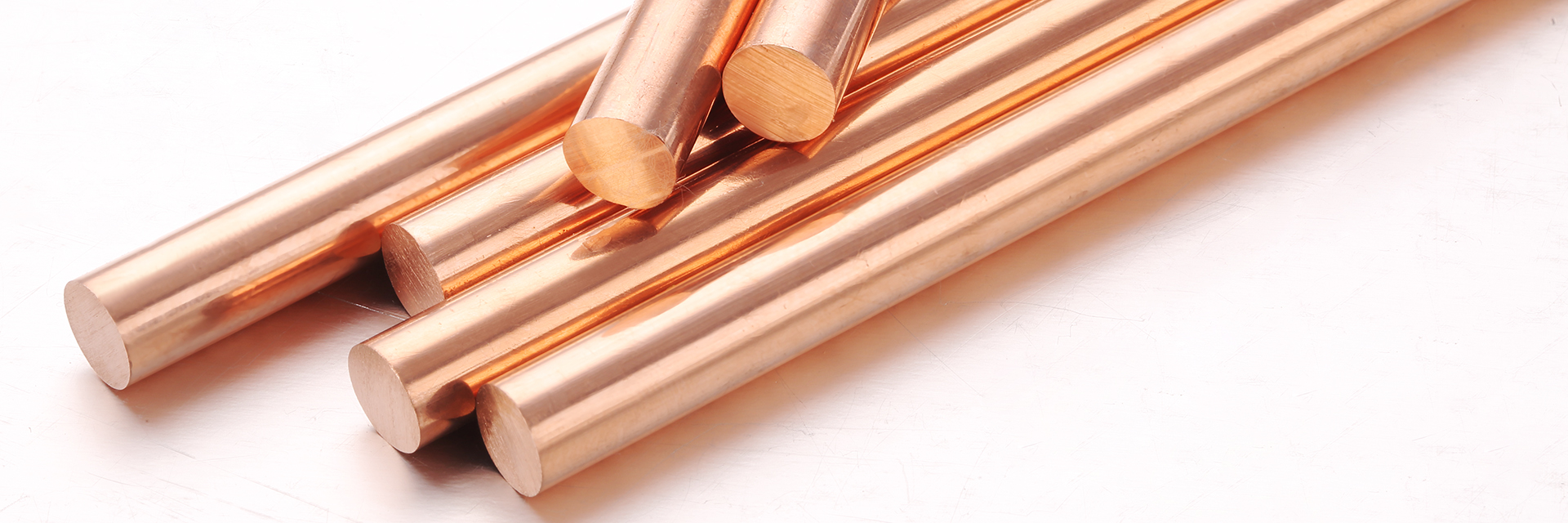
1. đồng (Đồng điện phân)
Copper is the gold standard for electrical conductivity.
Thuộc tính chính:
- Độ dẫn điện: ~100% IACS
- Excellent current-carrying capacity
- Điện trở thấp
Thuận lợi:
- Hiệu suất điện tốt nhất
- Reliable for high-current applications
Hạn chế:
- Relatively soft
- Prone to oxidation without plating
Ứng dụng điển hình:
- Phân phối điện
- Bộ dây điện ô tô
- Thiết bị công nghiệp
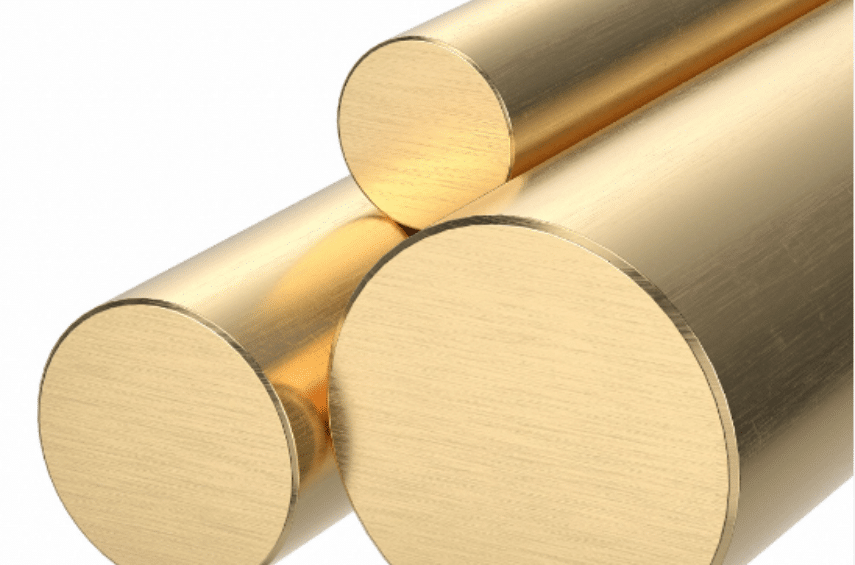
2. Thau
Brass is an alloy of copper and zinc, offering a strong balance between conductivity and strength.
Thuận lợi:
- Độ bền cơ học cao hơn đồng
- Chống ăn mòn tốt
- Easy to machine and stamp
Hạn chế:
- Lower conductivity than pure copper
Ứng dụng:
- Connector terminals
- Plug and socket components
3. đồng phốt pho (đồng phốt pho)
Phosphor bronze is widely used where elasticity and fatigue resistance are critical.
Thuận lợi:
- Đặc tính mùa xuân tuyệt vời
- High fatigue resistance
- Chống ăn mòn tốt
Ứng dụng:
- Thiết bị đầu cuối mùa xuân
- Đầu nối chính xác
- Electronic components
4. Nhôm
Aluminum is a lightweight and cost-effective alternative to copper.
Thuận lợi:
- Chi phí thấp hơn
- Nhẹ
- Suitable for large-scale power applications
Hạn chế:
- Lower conductivity (~60% of copper)
- Forms oxide layer easily
- Requires special handling
Ứng dụng:
- Power transmission
- Kết nối pin
5. Hợp kim có độ dẫn điện cao
These engineered materials combine conductivity with enhanced strength and durability.
Thuận lợi:
- Optimized performance
- Improved wear resistance
Ứng dụng:
- Xe điện (xe điện)
- High-end industrial systems
Terminal Plating Materials and Their Functions
Base material alone isn’t enough—plating plays a crucial role in performance.
Mạ thiếc
- Phổ biến nhất và tiết kiệm chi phí
- Provides corrosion resistance
- Improves solderability
Mạ bạc
- Độ dẫn tuyệt vời
- Ideal for high-current and high-temperature environments
Mạ vàng
- Superior oxidation resistance
- Perfect for low-voltage signal applications
Mạ niken
- Enhances wear resistance
- Thường được sử dụng làm lớp lót
How to Choose the Right Terminal Material
Choosing the right material isn’t guesswork—it’s a structured decision.
1. Yêu cầu về điện
- High current → Copper or silver-plated copper
- Signal transmission → Gold-plated terminals
2. Điều kiện môi trường
- Humid/corrosive → Tin or gold plating
- Nhiệt độ cao → Mạ bạc
3. Mechanical Demands
- High vibration → Brass or phosphor bronze
- Frequent insertion → Spring materials
4. Budget Considerations
- Cost-sensitive projects → Aluminum or brass
- Performance-critical → Copper alloys
Bảng so sánh vật liệu
| Vật liệu | Độ dẫn điện | Sức mạnh | Chống ăn mòn | Trị giá | Sử dụng điển hình |
|---|---|---|---|---|---|
| đồng | Xuất sắc | Trung bình | Trung bình | Cao | Hệ thống điện |
| Thau | Tốt | Cao | Trung bình | Trung bình | Đầu nối |
| đồng phốt pho | Tốt | Cao | Cao | Trung bình | Thiết bị đầu cuối mùa xuân |
| Nhôm | Vừa phải | Thấp | Thấp | Thấp | Power cables |
Những sai lầm thường gặp khi lựa chọn vật liệu đầu cuối
Avoid these costly errors:
1. Choosing Based on Price Alone
Cheap materials often lead to higher long-term costs due to failures.
2. Bỏ qua môi trường
Độ ẩm, nhiệt, and chemicals drastically affect performance.
3. Overlooking Plating
Even the best base material can fail without proper plating.
4. Mismatching Terminal and Wire Materials
Different metals can cause galvanic corrosion.
Industry Applications and Recommended Materials
Khai thác dây điện ô tô
- Khuyến khích: đồng + mạ thiếc
- Lý do: Chống rung + bảo vệ chống ăn mòn
Thiết bị công nghiệp
- Khuyến khích: Brass or high-conductivity alloys
- Lý do: Strength and durability
Hệ thống năng lượng tái tạo
- Khuyến khích: Aluminum or copper
- Lý do: Cost-performance balance
Điện tử tiêu dùng
- Khuyến khích: Đồng phốt pho + mạ vàng
- Lý do: Độ ổn định tín hiệu
Why Custom Terminal Material Matters
Standard terminals don’t always meet real-world demands. That’s where customization becomes essential.
Different industries require:
- Specific conductivity levels
- Unique shapes and tolerances
- Specialized plating combinations
Qianwei Precision Advantage
Với extensive customization experience, Ưu đãi chính xác của Qianwei:
- 1800+ mass-production stamping and injection molds
- Fast custom tooling and modification services
- High-precision automated mold processing center
This means you can:
- Reduce development time
- Đảm bảo chất lượng đồng nhất
- Optimize cost and performance
Nếu bạn đang tìm kiếm chất lượng cao, custom electrical terminals tailored to your application, Qianwei Precision can help.
👉 Liên hệ với chúng tôi ngay hôm nay to get:
- Expert material selection advice
- Fast prototyping and tooling
- Reliable mass production solutions
Phần kết luận
Electrical terminals may be small, but their material composition has a massive impact on system performance.
Key Takeaways:
- Copper remains the top choice for conductivity
- Alloys like brass and phosphor bronze improve strength
- Plating is essential for corrosion resistance
- The best material depends on your specific application
Making the right choice can significantly improve reliability, sự an toàn, và hiệu quả.
Câu hỏi thường gặp
1. What is the best material for electrical terminals?
Copper is generally the best due to its superior conductivity, but the ideal choice depends on the application.
2. Why is copper widely used in terminals?
Because it offers the highest conductivity and reliable performance.
3. Are aluminum terminals reliable?
Đúng, but mainly for power applications and when properly treated to prevent oxidation.
4. What is the difference between brass and copper terminals?
Copper has better conductivity, while brass offers higher strength.
5. Why are terminals plated?
To improve corrosion resistance, độ dẫn điện, và độ bền.
6. Which material is best for high-current applications?
Copper or silver-plated copper.
7. Do terminal materials affect conductivity?
Đúng, material choice directly impacts electrical efficiency.
8. How do I prevent terminal corrosion?
Use proper plating such as tin or gold.
9. What material is used in automotive terminals?
Typically copper with tin plating.
10. Can terminal materials be customized?
Đúng, manufacturers like Qianwei Precision offer full customization options.

