

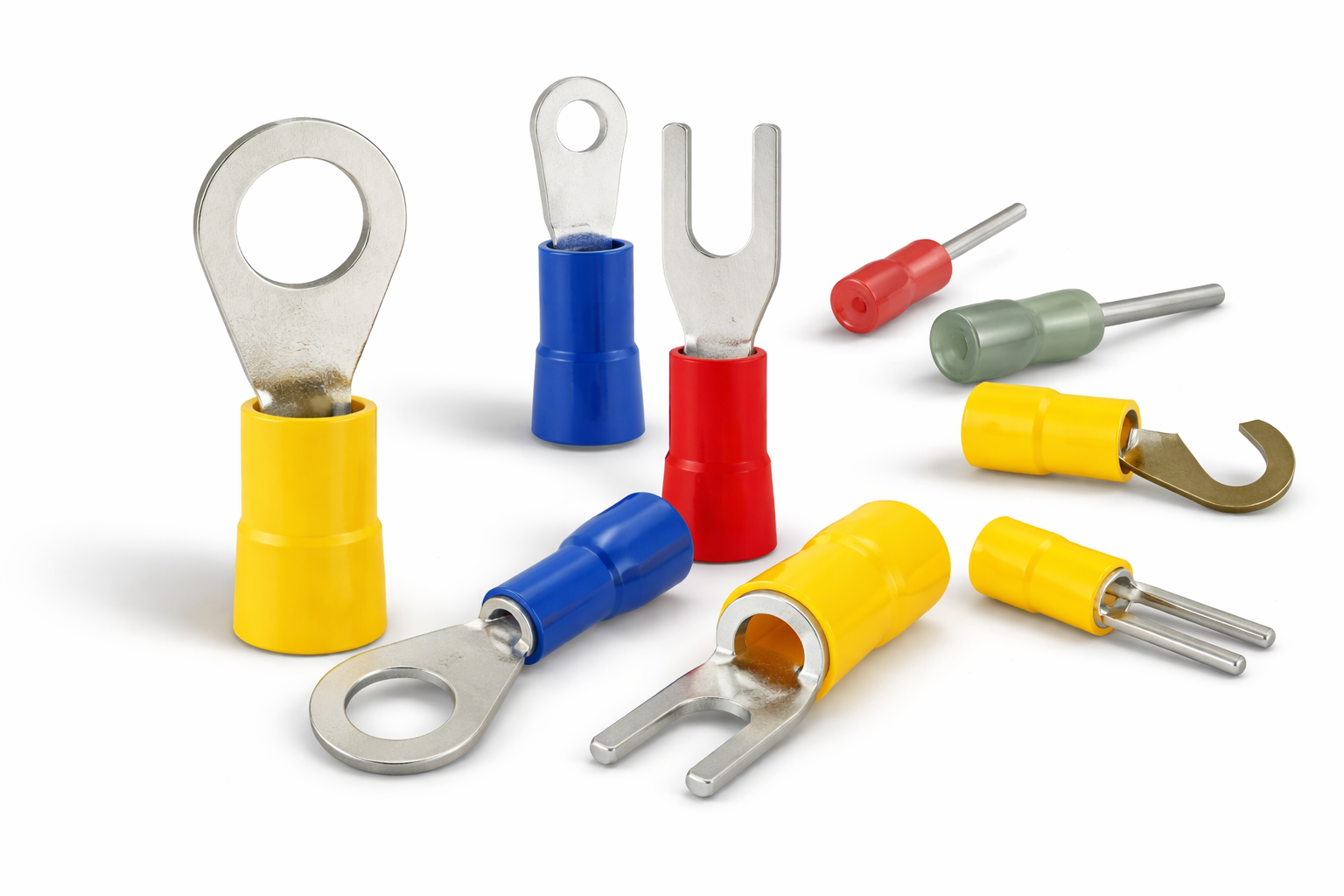
Electrical terminals are small components, but they are very important in the safety, reliability, and performance of electrical and electronic systems. From automotive wiring harnesses to industrial control panels and consumer electronics, terminals ensure secure and efficient electrical connections.
In this guide, we provide a comprehensive explanation of what an electrical terminal is, the main types of terminals, their applications. This article is written for engineers, purchasing managers, and OEM decision-makers seeking both technical clarity and practical guidance.
What Is an Electrical Terminal?
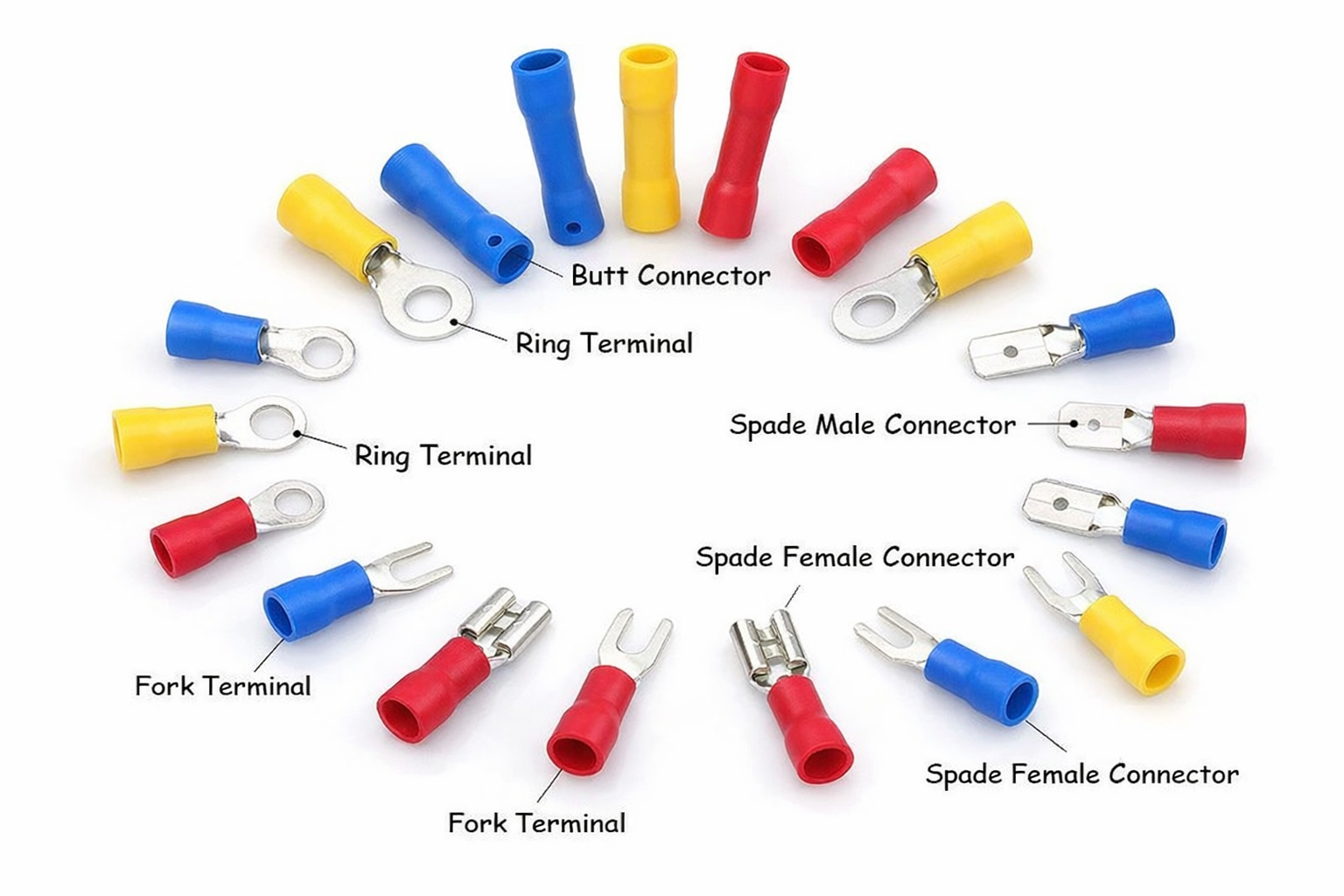
An electrical terminal is the end point of a wire or cable that allows it to be securely connected to another electrical component, such as a stud, screw, terminal block, relay, or PCB connection point.
Core Functions of Electrical Terminals
Provide a stable electrical connection
Enable safe transmission of power or signals
Reduce contact resistance
Improve mechanical strength and vibration resistance
Simplify installation, maintenance, and replacement
Because electrical systems vary widely in voltage, current, environment, and mechanical constraints, terminals are manufactured in many shapes, materials, and designs to meet specific application requirements.
Main Categories of Electrical Terminals
Electrical terminals are broadly classified into insulated terminals Và non-insulated terminals. The correct choice depends on the operating environment, safety requirements, and cost considerations.
Insulated vs. Non-Insulated Terminals
Insulated Terminals
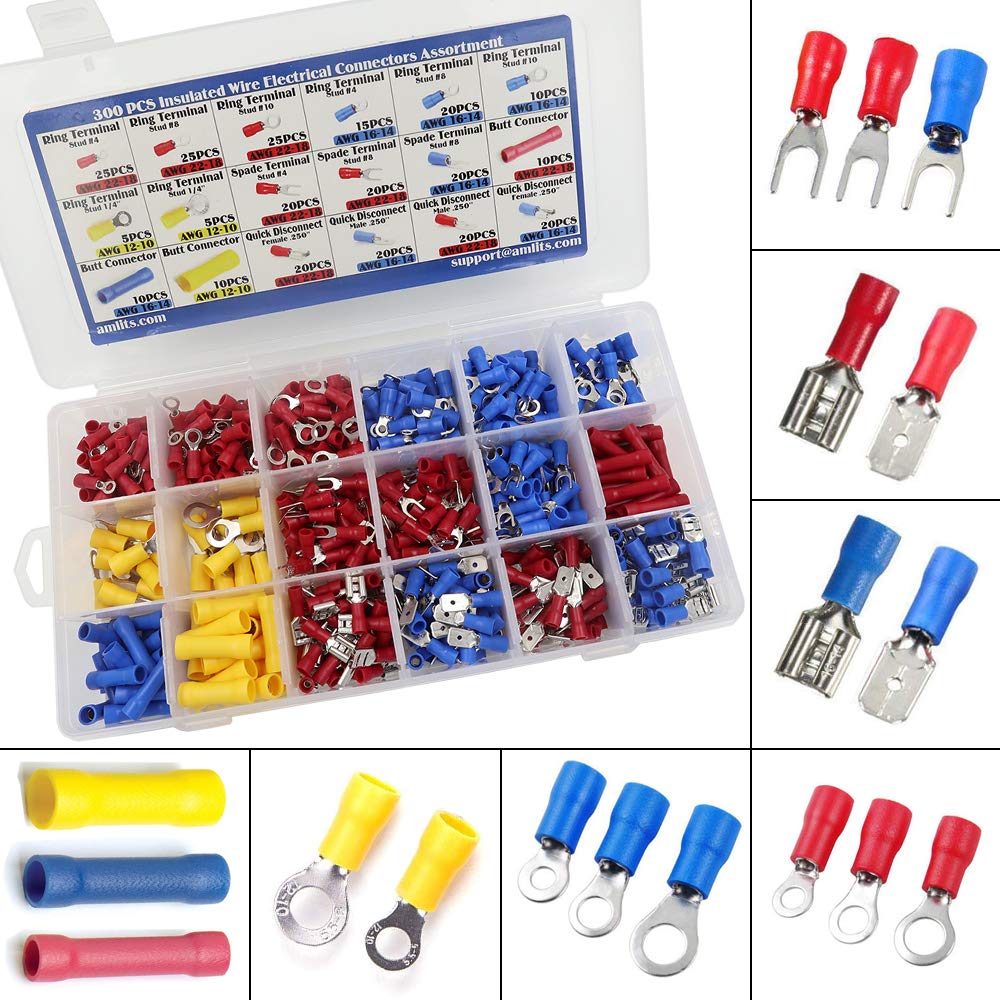
Insulated terminals feature a protective outer sleeve, typically made from:
PVC
Nylon
Heat-shrink tubing
Advantages
Prevent accidental short circuits
Protect against moisture, dust, and corrosion
Improve operator safety
Provide strain relief at the wire entry point
Common Applications
Automotive wiring systems
Appliances and consumer electronics
Marine and outdoor equipment
Applications exposed to vibration or humidity
Insulated terminals are widely used when safety, độ bền, and environmental protection are priorities.
Non-Insulated Terminals
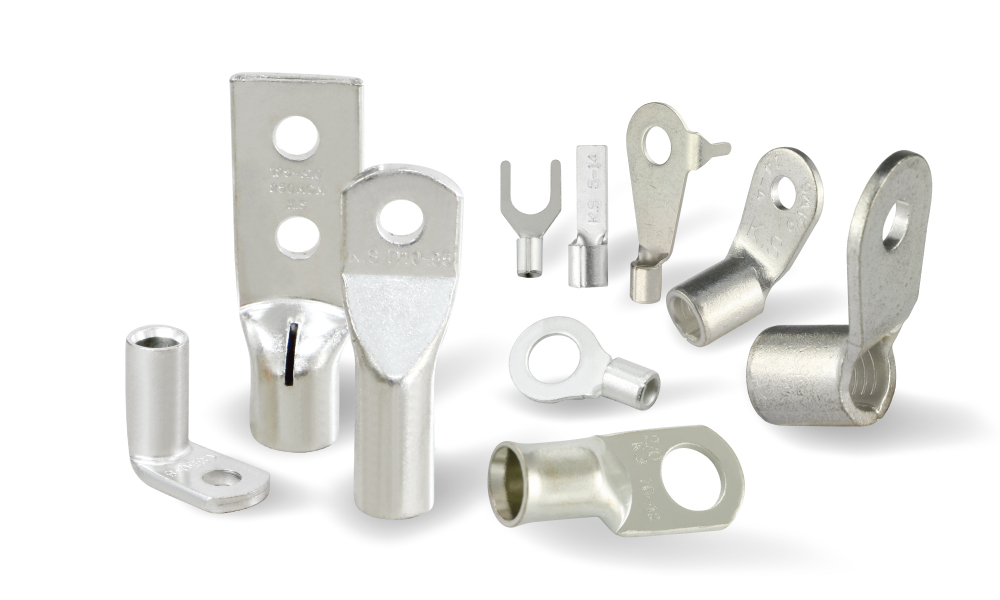
Non-insulated terminals consist of a bare metal connector without an external insulating layer.
Advantages
Lower cost
Smaller overall size
Ideal for enclosed or protected environments
Compatible with additional insulation methods (heat shrink, sleeves)
Common Applications
Electrical cabinets and control panels
Industrial machinery
Internal device wiring
Non-insulated terminals are preferred when the connection is already protected by housing or when cost efficiency is critical.
Common Types of Electrical Terminals
Ring Terminals
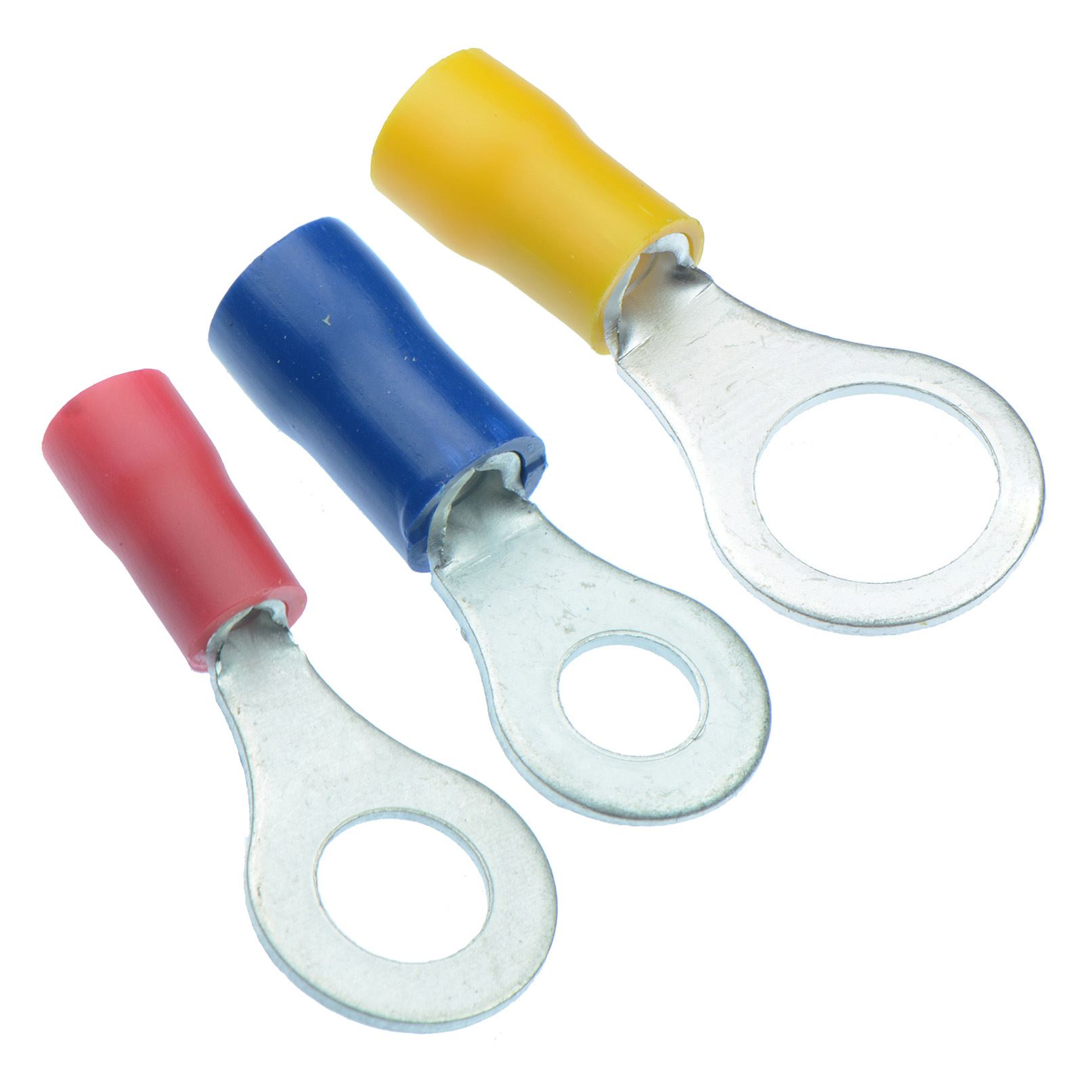
Ring terminals feature a closed circular end designed to fit over a screw or stud.
Key Benefits
Extremely secure connection
Resistant to vibration and pull-out
Suitable for high-current applications
Typical Uses
Automotive electrical systems
Power distribution
Grounding connections
Industrial equipment
Ring terminals are ideal where reliability and mechanical stability are essential.
Spade (Fork) Thiết bị đầu cuối
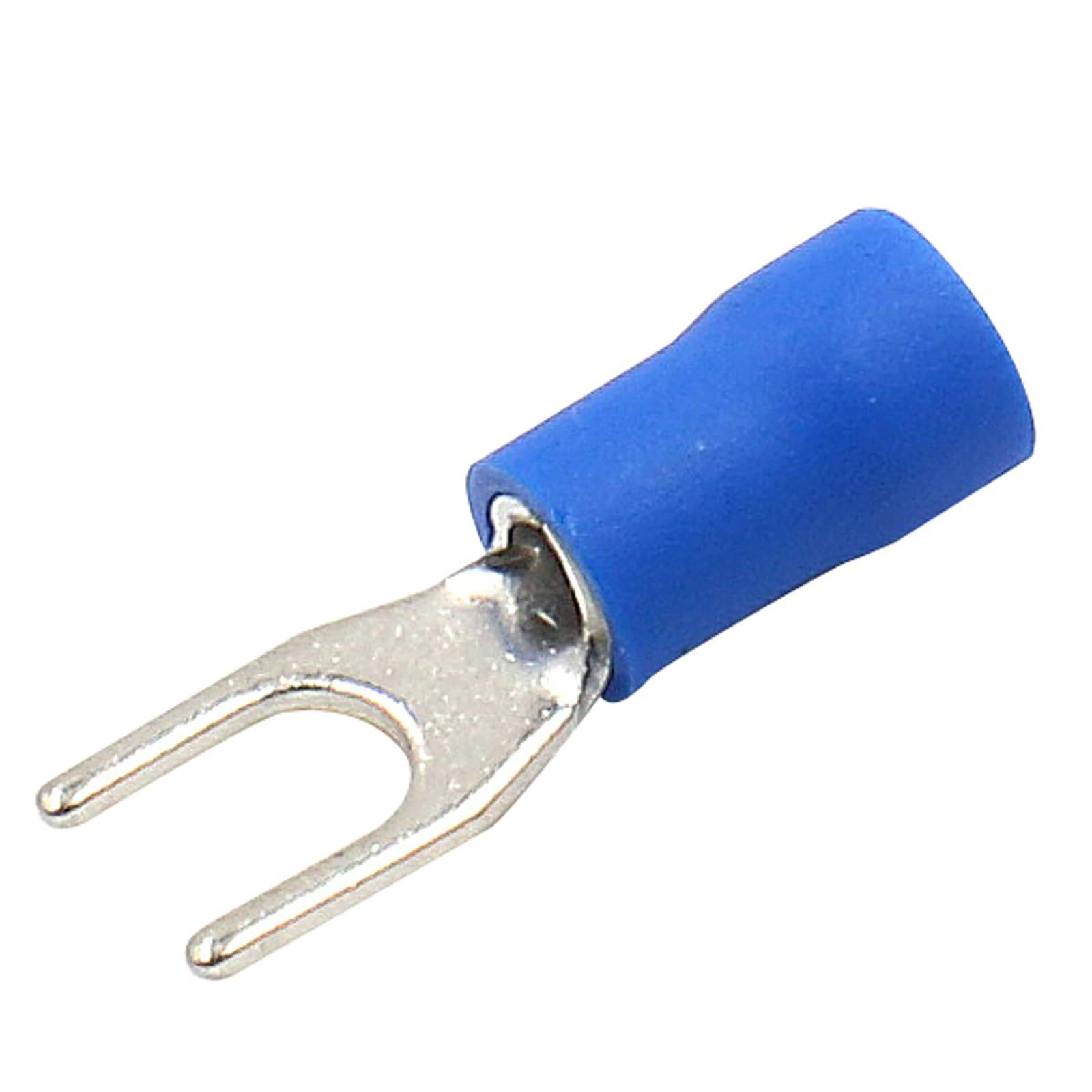
Spade terminals, also known as fork terminals, have an open-ended fork shape.
Key Benefits
Quick installation and removal
No need to fully remove screws
Time-saving for maintenance tasks
Typical Uses
Control panels
Appliances
Low-to-medium vibration environments
Tight installation spaces
Hook Terminals
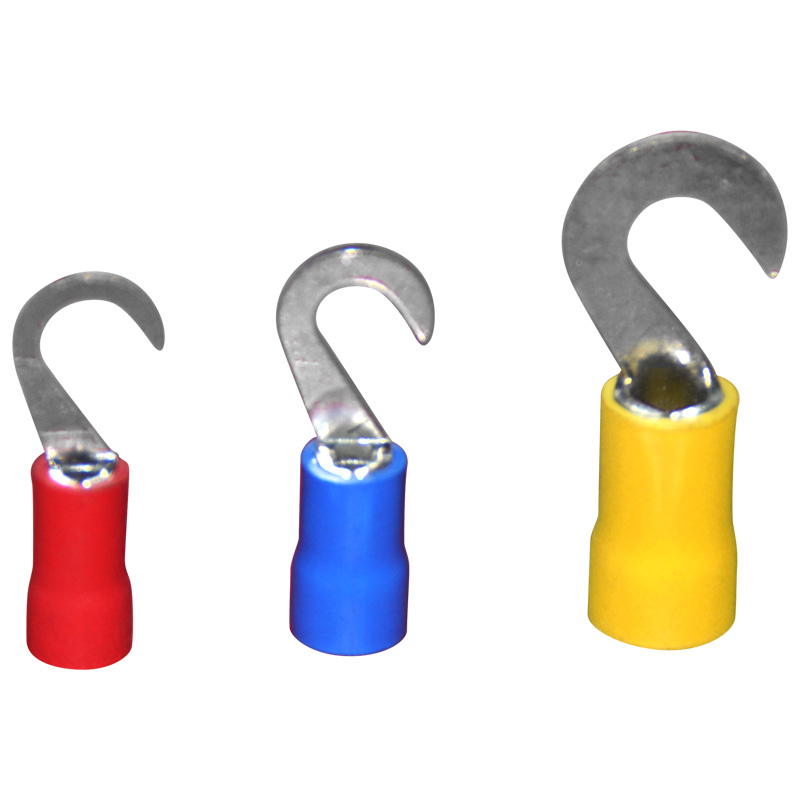
Hook terminals are similar to spade terminals but with a curved hook-shaped end.
Key Benefits
Easy positioning onto terminal screws
Suitable for semi-permanent connections
Typical Uses
Terminal blocks
Electrical repair and retrofitting
Panel wiring
Bullet Terminals
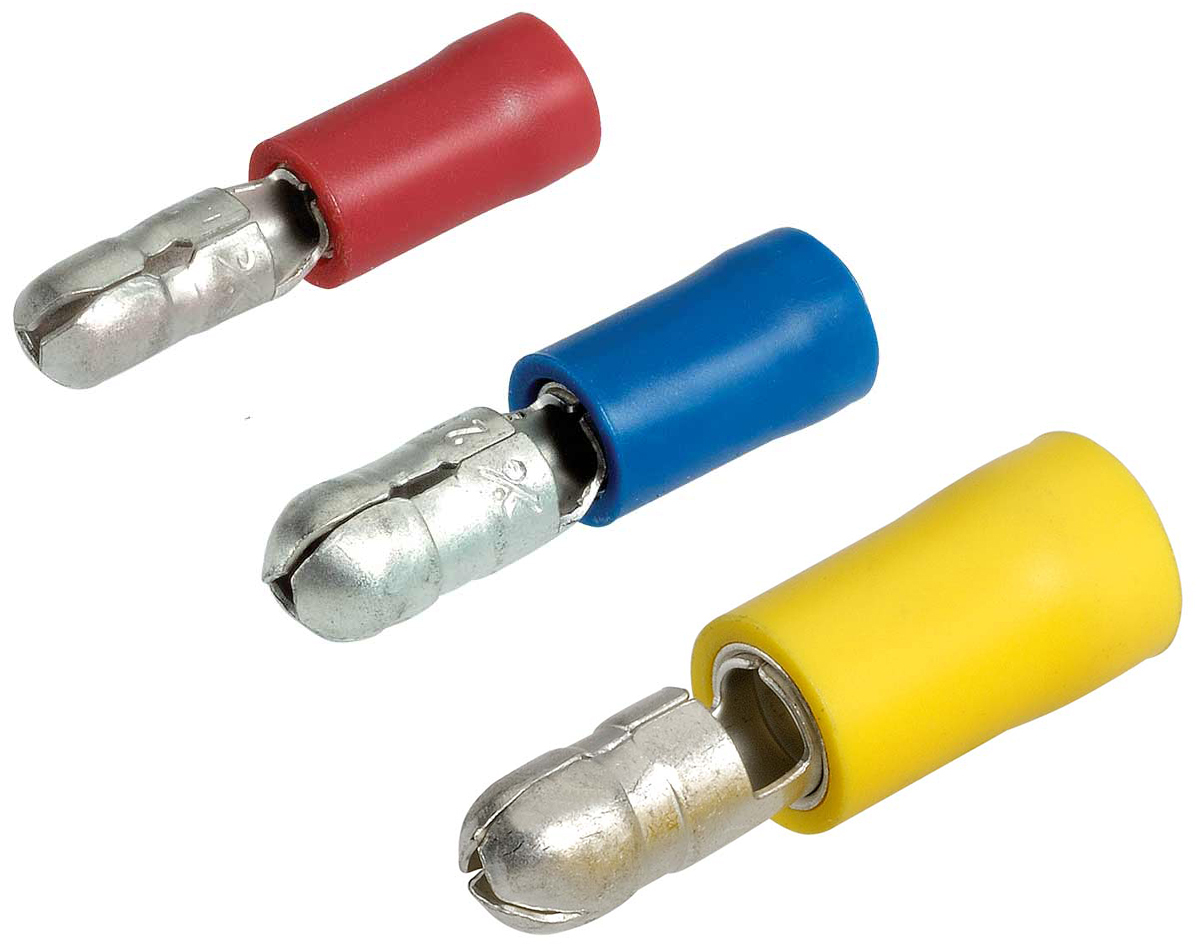
Bullet terminals consist of a male bullet connector and a female receptacle.
Key Benefits
Quick connect and disconnect
Compact design
Reduced exposure to contaminants
Typical Uses
Automotive wiring harnesses
Motorcycle and marine systems
OEM assemblies requiring modular connections
Bullet terminals are especially popular in manufacturing environments where fast assembly is required.
Butt Terminals (Butt Splice Connectors)
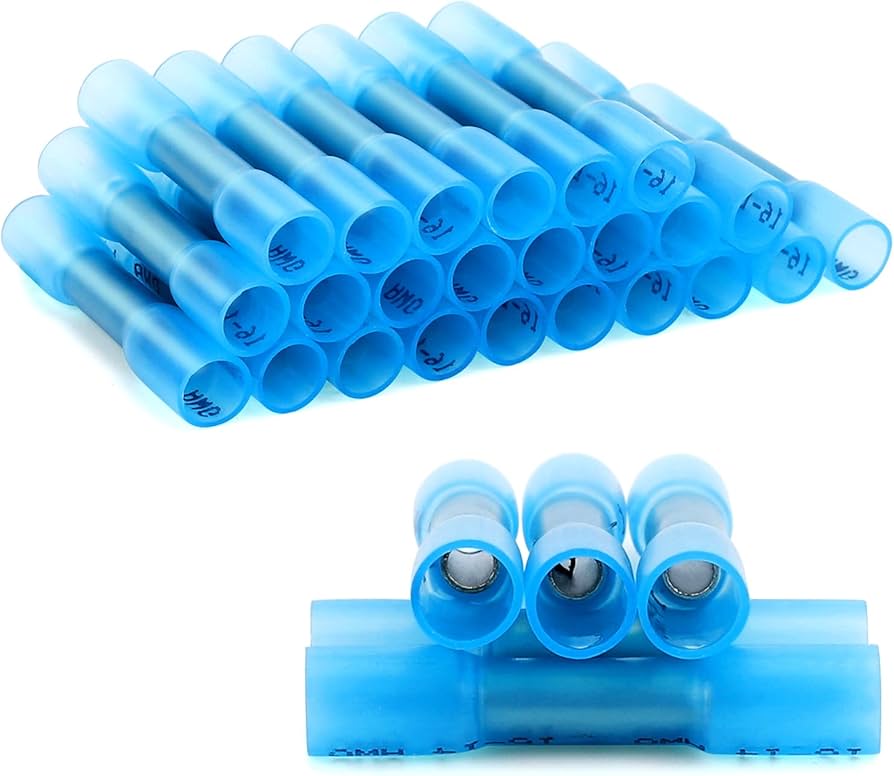
Butt terminals are designed to join two wires end-to-end.
Key Benefits
Fully enclosed connection
Protection against moisture and corrosion
Strong mechanical and electrical continuity
Typical Uses
Wire repairs
Harness extensions
Field maintenance applications
Flag Terminals
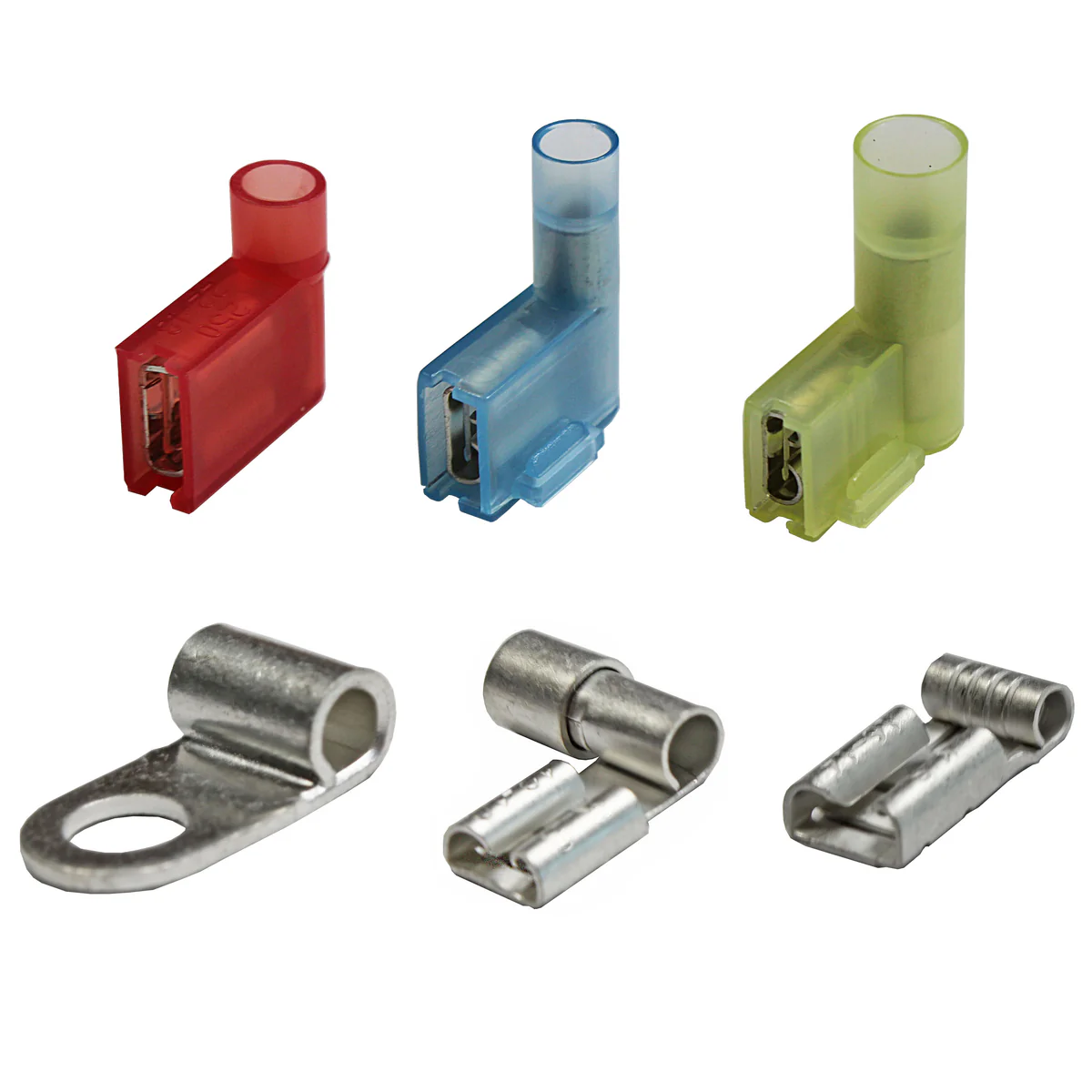
Flag terminals provide a 90-degree or angled connection between the wire and the terminal.
Key Benefits
Ideal for tight or confined spaces
Prevent wire bending stress
Clean routing in compact assemblies
Typical Uses
PCB-adjacent connections
Appliance interiors
Automotive dashboards and modules.
Bản tóm tắt: Why the Right Terminal Matters
Electrical terminals may appear simple, but they are vital to system reliability and safety. Understanding the differences between terminal types, insulation options, and application requirements enables better engineering decisions and reduces long-term failure risks.
Choosing the right terminal:
Improves electrical performance
Enhances safety
Reduces maintenance costs
Increases product reliability
Looking for Reliable Terminal Solutions?
A professional terminal supplier can provide:
A wide range of insulated and non-insulated terminals
Multiple wire gauge options
Custom solutions for OEM and harness applications
Technical support for terminal selection and crimping processes
If you need assistance selecting the right electrical terminals for your application, working with an experienced manufacturer or supplier can significantly reduce design risk and accelerate your project timeline, please contact us.
Câu hỏi thường gặp
- What is the difference between insulated and non-insulated terminals?
Insulated terminals have a protective sleeve that prevents moisture, short circuits, and corrosion, while non-insulated terminals are bare metal and used when extra protection is not needed. Insulated terminals are ideal for outdoor, ô tô, or harsh environments, whereas non-insulated terminals are cost-effective for enclosed or protected applications. - How do I choose the right terminal type for my electrical project?
Consider wire gauge (AWG), current and voltage requirements, installation space, vibration exposure, and environmental conditions. Ring terminals are best for secure screw connections, spade terminals for quick disconnects, bullet terminals for modular harnesses, and butt terminals for joining wires. - Can terminals be reused after disconnecting?
Đúng, certain terminals like spade, hook, and bullet types are designed for repeated connections. However, ring and butt terminals are typically intended for permanent installations. Always inspect terminals for damage before reuse. - How can I ensure a strong and reliable terminal connection?
Use the correct crimping tool for the terminal type, ensure the wire is clean and properly stripped, and follow manufacturer guidelines. Conduct a pull-test to verify the connection is secure and free from movement or loose strands. - Are terminals suitable for outdoor or wet environments?
Đúng. Insulated terminals, waterproof or heat-shrinkable terminals, and corrosion-resistant plated terminals (tin, nickel, or gold) are suitable for outdoor, marine, and automotive applications where moisture or humidity is present. - Can I connect two wires together using a terminal?
Đúng, butt terminals (butt splices) are designed to securely join two wires while protecting against moisture and corrosion. They are ideal for wire repairs, harness extensions, or field wiring tasks. - What are the most common mistakes when installing terminals?
Typical errors include using the wrong terminal size, improper crimping, not stripping the wire correctly, or failing to protect against environmental factors. Avoid these mistakes to ensure safe and durable connections. - How do I select terminals for high-current or high-voltage applications?
Choose terminals rated for the wire gauge and the expected load. Ring or lug terminals with proper plating and thickness are recommended. Always follow UL, CSA, or IEC standards for high-current or high-voltage installations.
