

Tại sao hàn nguội lại quan trọng trong uốn tóc bồng
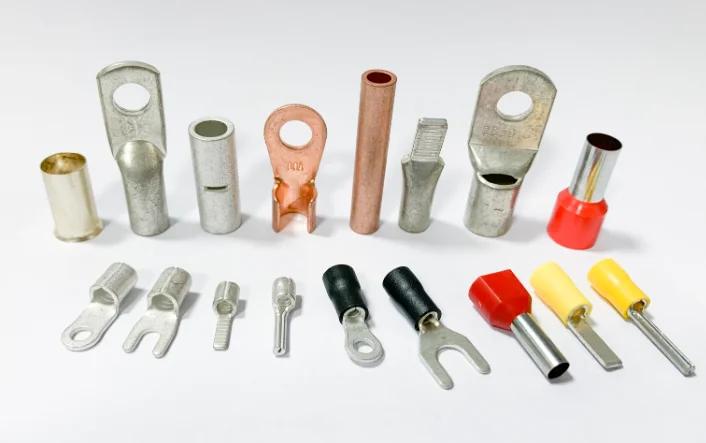
uốn tóc bồng là một trong những phương pháp được sử dụng rộng rãi nhất để tạo kết nối điện trong bộ dây điện, hệ thống ô tô, thiết bị công nghiệp, và điện tử tiêu dùng. Tuy nhiên, không phải tất cả các kết nối bị uốn đều như nhau. Một số mang lại độ tin cậy lâu dài, trong khi những người khác thất bại do phản kháng, quá nóng, hoặc điểm yếu cơ học.
Yếu tố then chốt quyết định chất lượng của mối nối bị uốn là hàn lạnh.
Trong thiết bị đầu cuối uốn, Hàn nguội là quá trình biến đổi lực nén cơ học đơn giản thành hiệu suất cao, kết nối điện kín khí. Không có nó, ngay cả một nếp gấp có thể chấp nhận được bằng mắt thường cũng có thể thất bại trong điều kiện thực tế.
Trong hướng dẫn này, bạn sẽ học:
Hàn nguội trong uốn tóc thực sự có ý nghĩa gì
Cách thức hoạt động ở cấp độ vật chất
Tại sao nó lại quan trọng đối với độ tin cậy điện
Làm thế nào để đảm bảo hàn nguội nhất quán trong sản xuất
Hàn nguội trong uốn thiết bị đầu cuối là gì?
Hàn nguội trong uốn đầu cuối đề cập đến quá trình các sợi dây và vật liệu đầu cuối được nén dưới áp suất cao, phá vỡ các oxit bề mặt và hình thành liên kết kim loại với kim loại kín khí mà không cần nhiệt.
Điều này tạo ra một kết nối trạng thái rắn hoạt động gần giống như một mảnh kim loại liên tục, đảm bảo điện trở thấp và ổn định lâu dài.
Hàn nguội hoạt động như thế nào trong uốn tóc bồng
Tìm hiểu về hàn nguội, điều quan trọng là phải xem xét điều gì xảy ra trong quá trình gấp mép ở cấp độ vi mô.
1. Sự phân hủy oxit bề mặt
Tất cả các kim loại tự nhiên hình thành các lớp oxit khi tiếp xúc với không khí. Những oxit này không dẫn điện và có thể ngăn chặn sự tiếp xúc điện thích hợp.
Trong quá trình uốn:
Lực cao được áp dụng
Các lớp oxit trên cả dây và thiết bị đầu cuối đều bị gãy và di dời
2. Biến dạng nhựa
Các sợi dây dẫn và thùng thiết bị đầu cuối trải qua biến dạng dẻo:
Kim loại chảy và định hình lại
Khoảng trống không khí được loại bỏ
Diện tích tiếp xúc tăng lên đáng kể
3. Liên hệ kim loại với kim loại
Một khi oxit được loại bỏ và vật liệu biến dạng:
Bề mặt kim loại sạch sẽ tiếp xúc trực tiếp
Liên kết nguyên tử xảy ra ở bề mặt phân cách
4. Hình thành con dấu kín khí
Khớp bị nén trở thành:
Kín khí
Chống ẩm
Điều này ngăn cản:
quá trình oxy hóa
Ăn mòn
Suy thoái điện theo thời gian
Thông tin chi tiết chính
Hàn nguội không chỉ là nén—nó là biến dạng có kiểm soát tạo ra một liên kết luyện kim vĩnh viễn.
Tại sao hàn nguội lại quan trọng đối với các kết nối điện
Hàn nguội là sự khác biệt giữa kết nối tạm thời và một đáng tin cậy, giao diện điện dài hạn.
1. Điện trở thấp
Một nếp gấp hàn nguội đúng cách:
Giảm thiểu điện trở tiếp xúc
Đảm bảo dòng điện hiệu quả
Uốn tóc kém dẫn đến:
Giảm điện áp
Mất năng lượng
2. Phòng chống ăn mòn
Vì kết nối kín khí:
Oxy và độ ẩm không thể đi vào
Ngăn chặn quá trình oxy hóa
3. Độ bền cơ học
Hàn nguội tạo ra:
Lực kéo ra cao
Chống rung mạnh
Điều này rất quan trọng trong:
Hệ thống ô tô
Máy móc công nghiệp
4. Ổn định nhiệt
Kết nối kém tạo ra nhiệt.
Kết nối hàn nguội:
Duy trì độ dẫn điện ổn định
Ngăn ngừa quá nhiệt
Ví dụ về thất bại trong thế giới thực
Một nếp gấp không được hàn nguội thích hợp có thể:
Vượt qua kiểm tra ban đầu
Thất bại sau nhiều tháng do ăn mòn hoặc rung động
Điều kiện cần thiết để hàn nguội đúng cách
Đạt được hàn nguội không phải là tự động. Nó đòi hỏi phải kiểm soát chính xác một số yếu tố.
1. Lực uốn chính xác
Lực quá nhỏ → vỡ oxit không hoàn toàn
Quá nhiều lực → hư hỏng dây dẫn
Đảm bảo lực tối ưu:
Nén thích hợp
Biến dạng đồng đều
2. Chất lượng vật liệu đầu cuối
Tính chất vật liệu ảnh hưởng trực tiếp đến hàn nguội:
Đồng → độ dẫn điện và biến dạng tuyệt vời
Đồng thau → độ bền tốt nhưng khó biến dạng hơn
Mạ bề mặt (thiếc, bạc) cũng ảnh hưởng:
Chất lượng liên hệ
Chống oxy hóa
3. Lựa chọn dây thích hợp
Kích thước dây đúng phải phù hợp với thiết kế thiết bị đầu cuối
Cấu trúc sợi ảnh hưởng đến biến dạng
Sự không phù hợp dẫn đến:
Khe hở không khí
Liên kết yếu
4. Dụng cụ chính xác
Dụng cụ uốn tóc bồng phải cung cấp:
Áp lực nhất quán
Hình học chính xác
Dụng cụ kém dẫn đến:
Các nếp gấp không đều
Chất lượng thay đổi
5. Làm sạch bề mặt
Các chất gây ô nhiễm như:
Dầu
Bụi bẩn
quá trình oxy hóa
Có thể ngăn chặn sự liên kết thích hợp.
Điều gì xảy ra nếu hàn nguội không đạt được
Không đạt được hàn nguội dẫn đến một số vấn đề nghiêm trọng.
1. Khe hở không khí trong kết nối
Cho phép oxy và độ ẩm đi vào
Dẫn đến ăn mòn
2. Tăng điện trở
Độ dẫn điện kém
Mất ổn định điện áp
3. Tạo nhiệt
Điện trở gây ra sự tích tụ nhiệt
Có thể dẫn đến hư hỏng lớp cách điện hoặc nguy cơ hỏa hoạn
4. Điểm yếu cơ học
Sức kéo ra thấp
Thất bại cao hơn khi rung
5. Các vấn đề về độ tin cậy dài hạn
Ngay cả khi việc uốn ban đầu có hiệu quả, nó có thể:
Suy thoái theo thời gian
Nguyên nhân lỗi hệ thống
Hàn lạnh vs hàn: Cái nào tốt hơn?
| Nhân tố | uốn tóc bồng (Hàn nguội) | hàn |
| Điện trở | Thấp | Thấp (ban đầu) |
| Chống rung | Xuất sắc | Nghèo |
| Tính nhất quán của quy trình | Cao | Phụ thuộc vào nhà điều hành |
| Tác động nhiệt | Không có | Có thể làm hỏng lớp cách nhiệt |
| Độ tin cậy lâu dài | Cao | Trung bình |
Phần kết luận
Đối với hầu hết các ứng dụng công nghiệp và ô tô, uốn bằng hàn lạnh thích hợp thì tốt hơn hàn.
Làm thế nào để xác định một uốn tốt và xấu
1. Kiểm tra trực quan
Một nếp gấp tốt sẽ hiển thị:
nén thống nhất
Không có sợi tiếp xúc
Không có vết nứt trong thiết bị đầu cuối
2. Kiểm tra kéo ra
Đo độ bền cơ học:
Một nếp gấp mạnh mẽ chống lại sự phân tách
Uốn yếu không thành công khi chịu tải
3. Phân tích mặt cắt ngang
Phương pháp chính xác nhất:
Tiết lộ cấu trúc bên trong
Xác nhận không có khe hở không khí
4. Kiểm tra điện
Điện trở thấp cho thấy tiếp xúc tốt
Điện trở cao tín hiệu uốn kém
Các yếu tố chính ảnh hưởng đến chất lượng hàn nguội
Đây là nơi nhiều nhà sản xuất thất bại—và nơi chuyên môn đóng vai trò quan trọng.
1. Thiết kế nhà ga
Độ dày thùng
Hình học
Độ cứng vật liệu
Những điều này xác định mức độ biến dạng xảy ra tốt như thế nào.
2. Tính nhất quán của vật liệu
Các biến thể trong:
Thành phần hợp kim
Độ dày mạ
Dẫn đến kết quả không nhất quán.
3. Sản xuất chính xác
Yêu cầu thiết bị đầu cuối chất lượng cao:
Dung sai kích thước chặt chẽ
Chất lượng dập nhất quán
4. Độ ổn định của quy trình
Sản xuất hàng loạt đòi hỏi:
Điều kiện uốn lặp lại
Hiệu suất dụng cụ được kiểm soát
Thông tin chi tiết chính
Chất lượng hàn nguội bắt đầu trước khi gấp mép—nó bắt đầu với việc thiết kế và sản xuất thiết bị đầu cuối.
Cách chọn thiết bị đầu cuối phù hợp để uốn tóc đáng tin cậy
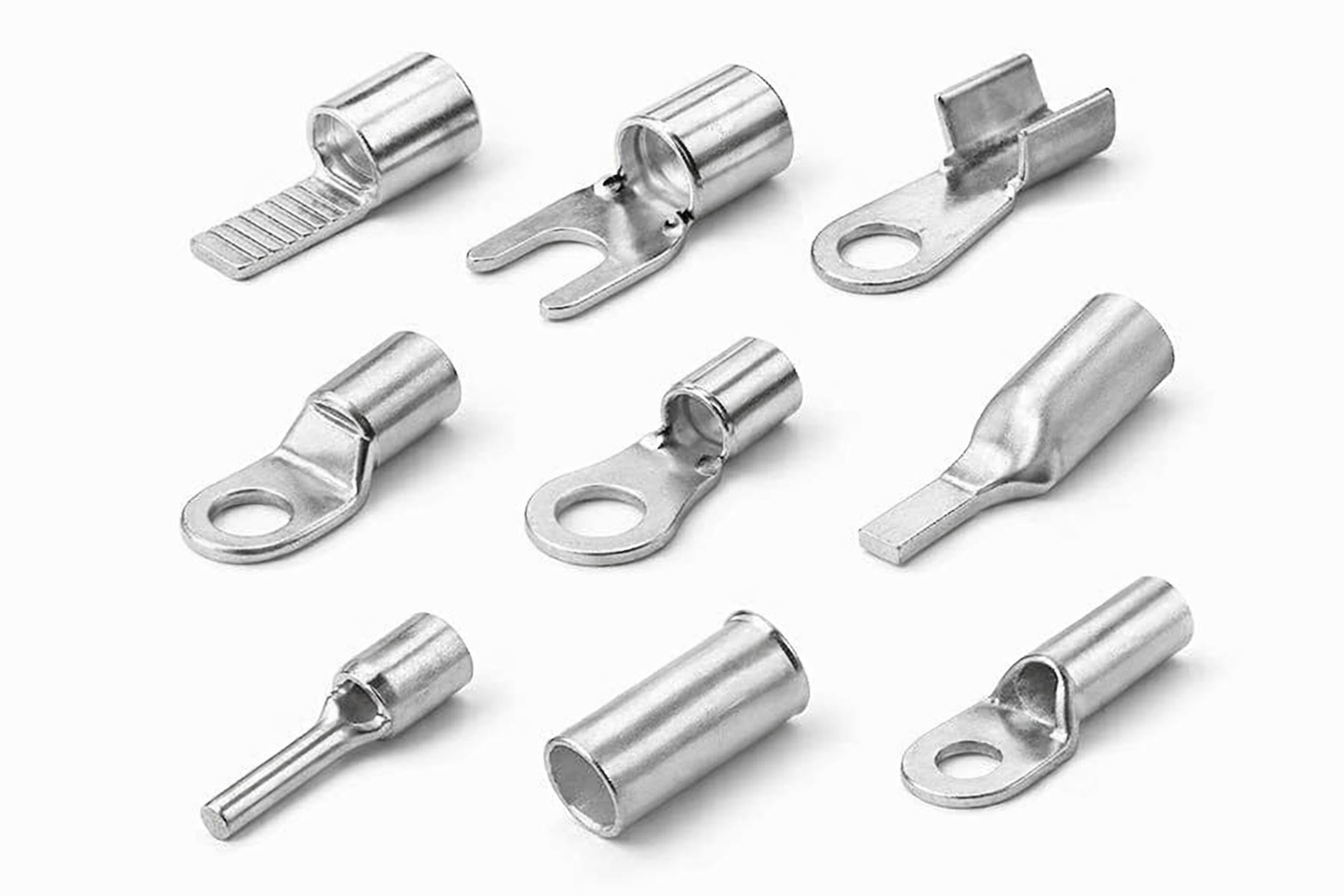
Khi lựa chọn thiết bị đầu cuối, coi như:
1. Lựa chọn vật liệu
Ưu tiên hợp kim đồng có độ dẫn điện cao
2. Độ chính xác kích thước
Đảm bảo phù hợp với dây
3. Khả năng tương thích
Phải phù hợp với thước dây và ứng dụng
4. Xử lý bề mặt
Mạ thiếc cải thiện khả năng chống ăn mòn
5. Tính nhất quán trong sản xuất
Quan trọng đối với sản xuất quy mô lớn
Tại sao hàn nguội ổn định lại phụ thuộc vào nhà cung cấp của bạn
Không phải tất cả các nhà sản xuất thiết bị đầu cuối đều có thể mang lại hiệu suất hàn nguội ổn định.
Một nhà cung cấp đáng tin cậy nên cung cấp:
1. Hỗ trợ kỹ thuật
Tối ưu hóa thiết kế thiết bị đầu cuối
Đề xuất dành riêng cho ứng dụng
2. Kiểm soát vật liệu
Thành phần hợp kim ổn định
Quy trình mạ được kiểm soát
3. Sản xuất chính xác
Dập có độ chính xác cao
Kiểm soát dung sai chặt chẽ
4. Xác nhận chất lượng
Kiểm tra uốn
Phân tích mặt cắt ngang
Xác minh lực kéo ra
Định vị chuyên sâu
Một nhà cung cấp thiết bị đầu cuối tốt không chỉ cung cấp các bộ phận mà còn đảm bảo uốn thành công trong dây chuyền sản xuất của bạn.
Phần kết luận: Hàn nguội là nền tảng của việc uốn tóc đáng tin cậy
Hàn nguội là quá trình biến một kết nối bị uốn thành một giao diện điện hiệu suất cao.
Không có nó, kết nối là:
Không ổn định
Dễ bị thất bại
Không an toàn trong các ứng dụng quan trọng
Với hàn lạnh thích hợp, bạn đạt được:
Điện trở thấp
Cường độ cao
Độ tin cậy lâu dài
Điểm mấu chốt:
Việc uốn tóc đáng tin cậy không chỉ là về dụng cụ hay lực—nó bắt đầu bằng thiết kế thiết bị đầu cuối phù hợp và chất lượng sản xuất.
Nhận hỗ trợ từ chuyên gia cho các dự án uốn thiết bị đầu cuối của bạn
Tại Độ chính xác của Qianwei, chúng tôi chuyên thiết kế và sản xuất thiết bị đầu cuối đảm bảo Hiệu suất hàn nguội ổn định trong môi trường sản xuất thực tế.
Những gì chúng tôi cung cấp
Hỗ trợ thiết kế thiết bị đầu cuối tùy chỉnh
Kiểm soát vật liệu và mạ ổn định
Dập có độ chính xác cao
Xác nhận hiệu suất uốn
Câu hỏi thường gặpS
1. Hàn nguội có thể được xác nhận bằng mắt?
Không hoàn toàn. Trong khi kiểm tra trực quan giúp, hàn nguội thực sự được xác minh tốt nhất thông qua phân tích mặt cắt ngang và thử nghiệm điện.
2. Loại dây có ảnh hưởng đến hàn nguội không?
Đúng. Kích thước sợi, vật liệu, và cấu trúc đều ảnh hưởng đến mức độ biến dạng và liên kết của dây trong quá trình uốn.
3. Lực uốn càng cao thì càng tốt?
KHÔNG. Lực quá mạnh có thể làm hỏng dây dẫn và giảm chất lượng kết nối. Cần có lực tối ưu.
4. Có phải tất cả các thiết bị đầu cuối đều hỗ trợ hàn nguội như nhau không??
KHÔNG. Vật liệu đầu cuối, thiết kế, và chất lượng sản xuất ảnh hưởng đáng kể đến hiệu suất hàn nguội.
5. Lớp mạ ảnh hưởng đến việc uốn như thế nào?
mạ (chẳng hạn như thiếc) cải thiện khả năng chống ăn mòn nhưng phải được kiểm soát để tránh cản trở liên kết kim loại với kim loại.
6. Những tiêu chuẩn nào áp dụng cho chất lượng uốn?
Các tiêu chuẩn chung bao gồm các yêu cầu IPC/WHMA-A-620 và UL cho kết nối điện.
7. Dụng cụ kém có thể ngăn ngừa hàn lạnh?
Đúng. Các dụng cụ không ổn định hoặc bị mòn có thể dẫn đến độ nén không đủ và các kết nối không đáng tin cậy.

