

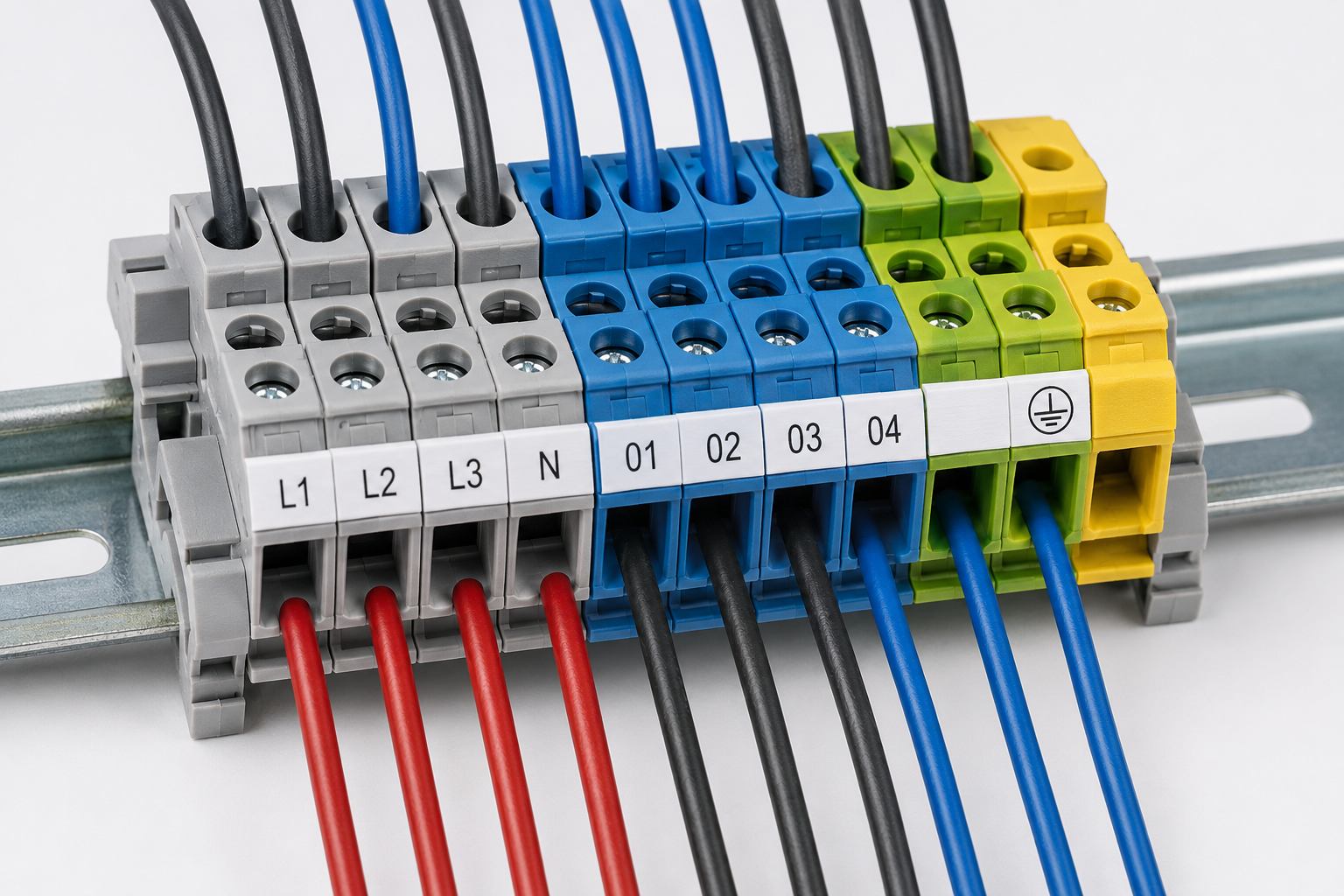
Thiết bị đầu cuối tùy chỉnh đóng một vai trò quan trọng trong hệ thống dây điện ô tô, thiết bị công nghiệp, thiết bị y tế, điện tử tiêu dùng, hệ thống năng lượng tái tạo, và nhiều ứng dụng khác. Khi các ngành công nghiệp tiếp tục hướng tới việc thu nhỏ, tự động hóa, và tiêu chuẩn độ tin cậy cao hơn, thiết bị đầu cuối tiêu chuẩn không phải lúc nào cũng đủ.
Nhiều người mua cuối cùng phát hiện ra rằng các sản phẩm hiện tại không thể đáp ứng đầy đủ nhu cầu về điện của họ., cơ khí, hoặc yêu cầu về môi trường. Tại thời điểm đó, sản xuất thiết bị đầu cuối tùy chỉnh trở thành giải pháp ưa thích.
Tuy nhiên, Các dự án thiết bị đầu cuối OEM rất khác với việc mua các sản phẩm theo danh mục tiêu chuẩn.
Một dự án thiết bị đầu cuối tùy chỉnh thành công phụ thuộc rất nhiều vào các câu hỏi được đặt ra trước khi bắt đầu phát triển.
Nhiều thất bại của dự án không phải do vấn đề sản xuất mà do giao tiếp không đầy đủ trong giai đoạn đầu. Thiếu thông tin kỹ thuật có thể dẫn đến:
- Thông số kỹ thuật sai
- Thời gian thực hiện dài hơn
- Chi phí dụng cụ bất ngờ
- Lỗi độ tin cậy
- Sự chậm trễ sản xuất
- Chi phí thiết kế lại cao
Trước khi đặt hàng, người mua nên đánh giá đầy đủ các yêu cầu về sản phẩm, khả năng sản xuất, dụng cụ, thử nghiệm, chứng chỉ, và hỗ trợ nhà cung cấp.
Hướng dẫn này giải thích các câu hỏi chính mà mọi người mua nên hỏi trước khi đặt hàng thiết bị đầu cuối tùy chỉnh.
Tại sao việc đặt câu hỏi đúng lại quan trọng
Phát triển thiết bị đầu cuối tùy chỉnh liên quan đến kỹ thuật, dụng cụ, sản xuất, thử nghiệm, và xác nhận chất lượng.
Khác với những sản phẩm tiêu chuẩn, Thiết bị đầu cuối OEM yêu cầu sự hợp tác giữa khách hàng và nhà sản xuất.
Các yêu cầu trước đó được làm rõ, dự án càng trở nên suôn sẻ hơn.
Giao tiếp phù hợp sẽ giúp:
- Giảm rủi ro phát triển
- Rút ngắn thời gian thực hiện
- Tránh sửa đổi dụng cụ
- Nâng cao hiệu quả sản xuất
- Tăng độ tin cậy lâu dài
Một vài cuộc thảo luận bổ sung lúc đầu có thể tiết kiệm nhiều tháng thiết kế lại sau này.
Thiết bị đầu cuối sẽ được sử dụng cho ứng dụng gì?
Câu hỏi đầu tiên và quan trọng nhất là:
Thiết bị đầu cuối sẽ được sử dụng ở đâu?
Ứng dụng quyết định gần như mọi thứ:
- Lựa chọn vật liệu
- Mạ bề mặt
- Đánh giá hiện tại
- Tiêu chuẩn kiểm tra
- Bảo vệ môi trường
- Quy trình sản xuất
Các ngành công nghiệp khác nhau có những yêu cầu hoàn toàn khác nhau.
ô tô Ứng dụng
Thiết bị đầu cuối ô tô yêu cầu độ tin cậy cực cao.
Hệ thống xe hoạt động dưới:
- Rung liên tục
- Chu kỳ nhiệt độ
- Tiếp xúc với độ ẩm
- Yêu cầu tuổi thọ lâu dài
Khách hàng ô tô thường yêu cầu:
- Độ bền kéo cao
- mạ thiếc
- Khả năng chống phun muối
- Xác thực rung
- IATF 16949 hệ thống chất lượng
Sản phẩm tiêu biểu bao gồm:
- Thiết bị đầu cuối vòng
- Thiết bị đầu cuối pin
- Thiết bị đầu cuối khai thác
- Thiết bị đầu cuối kết nối
.jpg)
Thiết bị y tế Ứng dụng
Các dự án y tế nhấn mạnh độ chính xác và khả năng truy xuất nguồn gốc.
Yêu cầu có thể bao gồm:
- Dung sai chặt chẽ
- Độ dẫn điện ổn định
- Quy trình sản xuất sạch
- Hồ sơ chất lượng đầy đủ
Các thiết bị y tế thường yêu cầu tính nhất quán lâu dài và hỗ trợ tài liệu.
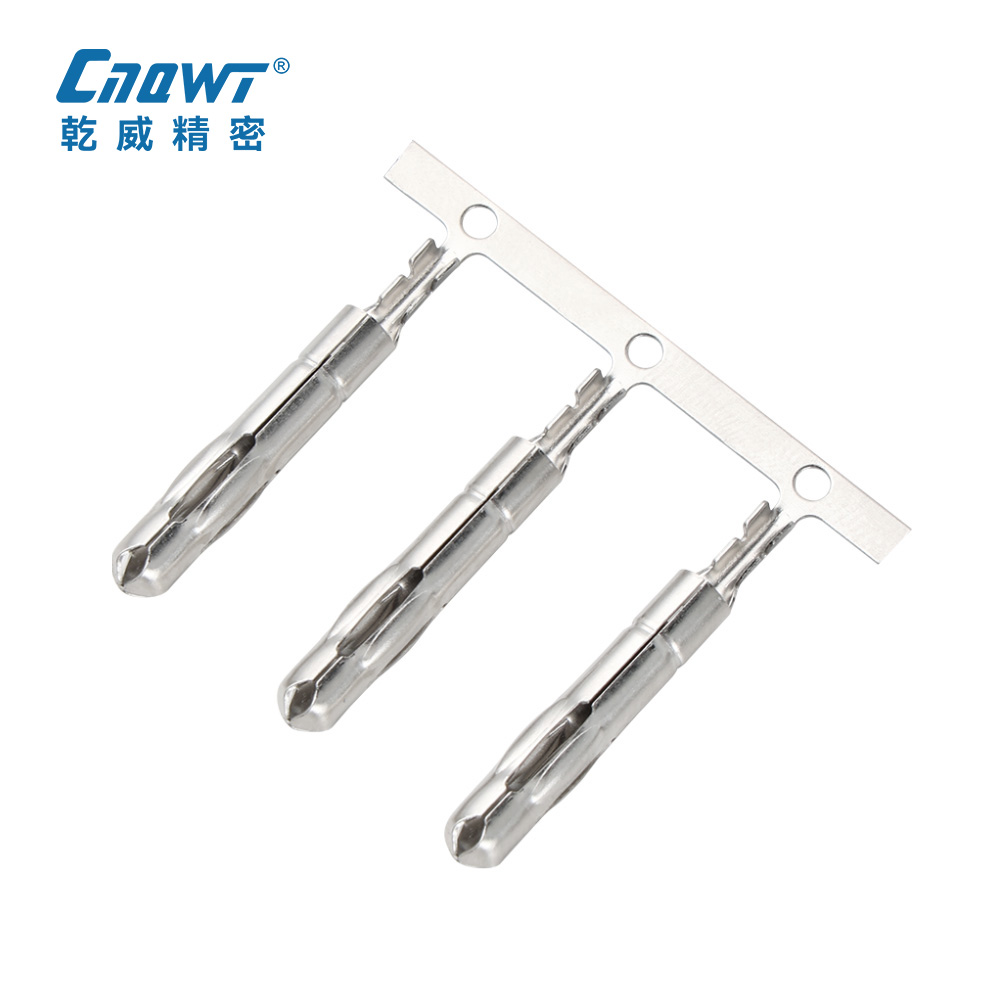
Ứng dụng điện tử tiêu dùng
Sản phẩm tiêu dùng được ưu tiên:
- Thu nhỏ
- Tối ưu hóa chi phí
- Hiệu quả sản xuất hàng loạt
Ví dụ điển hình bao gồm:
- Thiết bị đầu cuối PCB
- Pin thiết bị đầu cuối
- Danh bạ đầu nối
Hệ thống năng lượng tái tạo
Hệ thống lưu trữ năng lượng mặt trời và năng lượng thường liên quan đến:
- Môi trường ngoài trời
- Tải dòng điện cao
- Tiếp xúc với ăn mòn
Những ứng dụng này có thể yêu cầu:
- thiết kế chống thấm nước
- Khả năng dòng điện cao
- Mạ chống ăn mòn
Thiết bị đầu cuối phải đáp ứng những yêu cầu về điện nào?
Hiệu suất điện trực tiếp xác định độ tin cậy của thiết bị đầu cuối.
Trước khi đặt hàng, làm rõ:
Đánh giá hiện tại
Năng lực hiện tại ảnh hưởng:
- Nhiệt độ tăng
- Độ dẫn điện
- Sự an toàn
Thiết bị đầu cuối quá nhỏ có thể gây ra:
- Quá nóng
- Giảm điện áp
- Hư hỏng cách nhiệt
- Rủi ro thất bại
Luôn xác định dòng điện hoạt động dự kiến.
Yêu cầu điện áp
Điện áp ảnh hưởng:
- Khoảng cách cách nhiệt
- Lựa chọn vật liệu
- Cấu trúc thiết kế
Hệ thống điện áp cao hơn thường yêu cầu xem xét thiết kế bổ sung.
Yêu cầu về độ dẫn điện
Các dự án khác nhau yêu cầu mức độ dẫn điện khác nhau.
Câu hỏi để hỏi:
- Điện trở tối đa cho phép?
- Truyền tín hiệu hoặc cung cấp năng lượng?
- Dòng điện liên tục hoặc gián đoạn?
Nhiệt độ hoạt động
Phạm vi nhiệt độ ảnh hưởng đáng kể đến thiết kế.
Ví dụ:
Điện tử tiêu dùng:
0°C đến +70°C
ô tô:
–40°C đến +125°C
Thiết bị công nghiệp:
–40°C đến +150°C
Ảnh hưởng yêu cầu nhiệt độ:
- Nguyên vật liệu
- mạ
- Hệ thống cách nhiệt
Nên sử dụng vật liệu gì?
Lựa chọn nguyên liệu là một trong những quyết định quan trọng nhất.
Các vật liệu khác nhau mang lại hiệu suất điện và cơ khác nhau.
đồng
Ưu đãi đồng:
- Độ dẫn tuyệt vời
- Điện trở thấp
- Khả năng hiện tại tốt
Thường được sử dụng cho:
- Thiết bị đầu cuối nguồn
- Hệ thống ô tô
- Ứng dụng hiện tại cao
Thau
Đồng thau cung cấp:
- Sức mạnh tốt hơn
- Khả năng gia công tốt
- Độ dẫn vừa phải
Được sử dụng rộng rãi trong các thành phần kết nối.
đồng phốt pho
Thuận lợi:
- Độ đàn hồi cao
- Chống mỏi
- Lực tiếp xúc ổn định
Thường được sử dụng trong các tiếp điểm lò xo.
thép không gỉ
Những lợi ích:
- Khả năng chống ăn mòn tuyệt vời
- Cường độ cao
Thường được lựa chọn cho các thành phần cơ khí.
Lựa chọn vật liệu nên xem xét:
- Độ dẫn điện
- Độ bền cơ học
- Chống ăn mòn
- Trị giá
- Môi trường ứng dụng
Cần phải mạ bề mặt gì?
Xử lý bề mặt ảnh hưởng trực tiếp đến tuổi thọ thiết bị đầu cuối.
Mạ đúng cách cải thiện:
- Độ dẫn điện
- Chống ăn mòn
- Khả năng hàn
- Chống mài mòn
Mạ thiếc
Giải pháp phổ biến nhất.
Thuận lợi:
- Độ dẫn điện tốt
- Chi phí thấp hơn
- Khả năng hàn tuyệt vời
Được sử dụng rộng rãi trong các thiết bị đầu cuối ô tô.
Mạ niken
Những lợi ích:
- Chống mài mòn tốt hơn
- Cải thiện khả năng chịu nhiệt
Thích hợp cho môi trường khắc nghiệt.
Mạ bạc
Bạc có độ dẫn điện rất cao.
Được sử dụng trong:
- Ứng dụng hiện tại cao
- Hệ thống điện
Mạ vàng
Thuận lợi:
- Độ dẫn tuyệt vời
- Chống oxy hóa mạnh
Thường được chọn cho các ứng dụng tín hiệu.
Những câu hỏi người mua nên hỏi:
Sản phẩm sẽ phải đối mặt với môi trường nào?
Có cần chống ăn mòn không?
Tuổi thọ sử dụng dự kiến là bao lâu?
Bản vẽ có sẵn không?
Các dự án OEM trở nên nhanh chóng hơn khi có sẵn tài liệu kỹ thuật.
Thông tin hữu ích bao gồm:
- 2bản vẽ D
- 3mô hình D
- Mẫu
- Thông số sản phẩm
Các định dạng phổ biến:
BƯỚC CHÂN
IGES
DWG
Điều gì sẽ xảy ra nếu bản vẽ không có sẵn?
Nhiều khách hàng chỉ cung cấp mẫu.
Các nhà sản xuất có kinh nghiệm có thể thực hiện:
- Kỹ thuật đảo ngược
- Phân tích đo lường
- Tối ưu hóa thiết kế
Điều này đặc biệt phổ biến trong các dự án thay thế.
Dự án có yêu cầu công cụ mới không?
Thiết bị đầu cuối tùy chỉnh thường yêu cầu phát triển công cụ.
Các câu hỏi bao gồm:
Các khuôn mẫu hiện có đã tồn tại chưa?
Công cụ hiện tại có thể được sửa đổi?
Có cần một khuôn tiến bộ mới không?
Phát triển công cụ dập
Khuôn dập lũy tiến thường được sử dụng.
Ảnh hưởng đến chất lượng dụng cụ:
- Tính nhất quán về chiều
- Hiệu quả sản xuất
- Độ ổn định của sản phẩm
Phát triển khuôn ép
Các dự án liên quan đến các bộ phận cách nhiệt có thể yêu cầu khuôn ép phun.
Quyền sở hữu công cụ
Câu hỏi rất quan trọng:
Ai sở hữu dụng cụ?
Làm rõ:
- Quyền sở hữu của khách hàng?
- Quyền sở hữu của nhà sản xuất?
- Đầu tư chung?
Điều này tránh được những tranh chấp về sau.
Khối lượng sản xuất dự kiến?
Số lượng sản xuất ảnh hưởng:
- MOQ
- Chiến lược dụng cụ
- Cơ cấu chi phí
Các dự án thường rơi vào ba giai đoạn:
Nguyên mẫu
Sản xuất thử nghiệm
Sản xuất hàng loạt
Giai đoạn nguyên mẫu
Mục đích:
Xác nhận và thử nghiệm.
Số lượng thường nhỏ.
Lệnh dùng thử
Được sử dụng để xác minh quy trình.
Sản xuất hàng loạt
Khối lượng lớn biện minh cho việc đầu tư vào công cụ.
Sản xuất cao hơn thường làm giảm chi phí đơn vị.
Những chứng chỉ nào được yêu cầu?
Yêu cầu chứng nhận khác nhau tùy theo ngành.
Các chứng chỉ phổ biến bao gồm:
UL
RoHS
VỚI TỚI
ISO 9001
IATF 16949
ISO 13485
Khả năng chứng nhận thường phản ánh sự trưởng thành của nhà cung cấp.
Những yêu cầu kiểm tra nào là cần thiết?
Kiểm tra độ tin cậy đảm bảo hiệu suất lâu dài.
Các xét nghiệm quan trọng bao gồm:
Kiểm tra kích thước
Xác minh dung sai.
Kiểm tra lực kéo ra
Đo độ bền cơ học.
Thử nghiệm phun muối
Đánh giá khả năng chống ăn mòn.
Tiêu chuẩn chung:
24 h
48 h
96 h
Yêu cầu cao hơn có thể vượt quá 500 giờ.
Kiểm tra độ rung
Quan trọng đối với các ứng dụng ô tô.
Mô phỏng điều kiện vận hành thực tế.
Thử nghiệm đạp xe nhiệt
Thay đổi nhiệt độ lặp đi lặp lại xác minh độ bền lâu dài.
Kiểm tra độ dẫn điện
Đo điện trở.
Nhà ga sẽ hoạt động trong môi trường nào?
Điều kiện môi trường ảnh hưởng mạnh mẽ đến thiết kế.
Các câu hỏi bao gồm:
Nó sẽ ở ngoài trời chứ??
Độ ẩm cao?
Tiếp xúc với hóa chất?
Độ rung cao?
Nhiệt độ cực cao?
ngoài trời Điều kiện
Hệ thống ngoài trời yêu cầu:
- chống thấm
- Chống ăn mòn
- Chống tia cực tím
Tiếp xúc với độ ẩm
Độ ẩm tăng tốc quá trình oxy hóa.
Lớp mạ bảo vệ trở nên quan trọng.
Môi trường hóa học
Các ứng dụng công nghiệp có thể yêu cầu vật liệu đặc biệt.
Hệ thống rung cao
Các ứng dụng ô tô và máy móc yêu cầu khả năng lưu giữ mạnh mẽ hơn.
Những yêu cầu đóng gói nào là cần thiết?
Bao bì ảnh hưởng đến hậu cần và tự động hóa.
Tùy chọn chung:
Bao bì cuộn
Thích hợp cho sản xuất tự động.
Bao bì khay
Bảo vệ các bộ phận chính xác.
Bao bì số lượng lớn
Chi phí thấp hơn.
Phổ biến cho thiết bị đầu cuối công nghiệp.
Nhãn tùy chỉnh
Khách hàng có thể yêu cầu:
- Số phần
- mã QR
- Logo
- Mã vạch
Thời gian thực hiện là cần thiết?
Thời gian thực hiện ảnh hưởng đến việc lập kế hoạch dự án.
Quy trình OEM điển hình:
Phân tích yêu cầu
↓
Thiết kế kỹ thuật
↓
Phát triển công cụ
↓
Mẫu
↓
Xác thực
↓
Sản xuất hàng loạt
Lịch trình điển hình:
Thiết kế:
2–4 tuần
Dụng cụ:
4–10 tuần
Xác thực:
2–6 tuần
Sản xuất hàng loạt:
Phụ thuộc vào khối lượng.
Nhà cung cấp có hệ thống chất lượng nào?
Các nhà cung cấp đáng tin cậy nên duy trì kiểm soát chất lượng trong suốt quá trình sản xuất.
Các hệ thống quan trọng bao gồm:
Kiểm tra đầu vào
Kiểm tra quy trình
Kiểm tra lần cuối
Quản lý truy xuất nguồn gốc
Nhà cung cấp có hỗ trợ cộng tác kỹ thuật không?
Các nhà cung cấp tốt làm nhiều việc hơn là chỉ sản xuất.
Chúng giúp tối ưu hóa dự án.
Hỗ trợ có thể bao gồm:
phân tích DFM
Giảm chi phí
Tối ưu hóa vật liệu
Cải thiện độ tin cậy
Tối ưu hóa quy trình
Hợp tác kỹ thuật thường làm giảm chi phí tổng thể.
Điều gì xảy ra sau khi sinh con?
Nhiều người mua bỏ qua hỗ trợ sau giao hàng.
Câu hỏi để hỏi:
Hỗ trợ kỹ thuật có sẵn?
Tốc độ phản hồi vấn đề?
Hỗ trợ dự án tương lai?
Kế hoạch cải tiến liên tục?
Hỗ trợ lâu dài tạo ra sự hợp tác mạnh mẽ hơn.
Những lỗi thường gặp khi đặt hàng thiết bị đầu cuối tùy chỉnh
Tránh những sai lầm này:
Thông số kỹ thuật không xác định
Bỏ qua chi phí dụng cụ
Lựa chọn vật liệu sai
Thiếu các bài kiểm tra độ tin cậy
Thỏa thuận sở hữu không rõ ràng
Kỳ vọng về thời gian thực hiện không thực tế
Danh sách kiểm tra đặt hàng OEM
Kỹ thuật:
✓ Ứng dụng
✓ Hiện tại
✓ Điện áp
✓ Chất liệu
✓ Mạ
Kỹ thuật:
✓ Bản vẽ
✓ Mẫu
✓ Thông số kỹ thuật
Thuộc về thương mại:
✓ MOQ
✓ Quyền sở hữu công cụ
✓ Thời gian thực hiện
Chất lượng:
✓ Chứng chỉ
✓ Kiểm tra
✓ Bao bì
Tại sao chọn Độ chính xác của Qianwei?
Qianwei Precision cung cấp các giải pháp sản xuất thiết bị đầu cuối OEM và ODM cho ô tô, công nghiệp, thuộc về y học, và các ứng dụng kết nối.
Khả năng của chúng tôi bao gồm:
- Dập chính xác
- ép phun
- mạ điện
- Phát triển khuôn mẫu
- Kiểm tra độ tin cậy
- Hỗ trợ kỹ thuật
Với hơn 1800+ khuôn ép và dập sản xuất hàng loạt, Qianwei cung cấp khả năng tùy chỉnh hiệu quả và hỗ trợ công cụ nhanh chóng.
Phần kết luận
Đặt hàng thiết bị đầu cuối tùy chỉnh không chỉ đơn giản là mua một sản phẩm.
Đó là một quá trình hợp tác kỹ thuật.
Đặt câu hỏi phù hợp trước khi phát triển giúp giảm thiểu rủi ro, rút ngắn thời gian thực hiện, và nâng cao độ tin cậy của sản phẩm.
Thông tin cung cấp lúc đầu càng đầy đủ, dự án càng trở nên suôn sẻ hơn.
Các dự án thiết bị đầu cuối OEM thành công bắt đầu với sự giao tiếp rõ ràng.
Đối với các giải pháp thiết bị đầu cuối tùy chỉnh, Qianwei Precision cung cấp hỗ trợ kỹ thuật từ thiết kế đến sản xuất hàng loạt.
Câu hỏi thường gặp
Tôi nên cung cấp thông tin gì trước khi đặt hàng thiết bị đầu cuối tùy chỉnh?
Thông tin cơ bản thường bao gồm:
- Kịch bản ứng dụng
- Đánh giá hiện tại
- Yêu cầu điện áp
- Ưu tiên vật liệu
- Mạ bề mặt
- Môi trường hoạt động
- Bản vẽ hoặc mẫu
- Số lượng dự kiến
Thông tin càng chi tiết, quá trình phát triển càng nhanh.
Tôi có cần bản vẽ kỹ thuật để sản xuất thiết bị đầu cuối tùy chỉnh không?
Bản vẽ được khuyến khích nhưng không phải lúc nào cũng cần thiết.
Khách hàng có thể cung cấp:
- 2bản vẽ D
- 3tập tin D
- Mẫu vật lý
- Thông số kỹ thuật
Nếu bản vẽ không có sẵn, một số nhà sản xuất có thể hỗ trợ kỹ thuật đảo ngược.
Thiết bị đầu cuối tùy chỉnh chỉ có thể được phát triển từ các mẫu?
Đúng.
Nhiều dự án OEM bắt đầu bằng mẫu của khách hàng.
Nhà sản xuất có thể thực hiện:
- Phân tích đo lường
- Đánh giá kết cấu
- Kỹ thuật đảo ngược
- Tối ưu hóa thiết kế
Phát triển dựa trên mẫu là phổ biến cho các dự án thay thế.
Những vật liệu nào thường được sử dụng cho thiết bị đầu cuối tùy chỉnh?
Vật liệu phổ biến bao gồm:
- Đồng – độ dẫn điện cao
- Đồng thau - sức mạnh và chi phí cân bằng
- Đồng Phosphor – độ đàn hồi tốt
- Thép không gỉ – chống ăn mòn
Lựa chọn vật liệu phụ thuộc vào yêu cầu về điện và môi trường.
Sản xuất thiết bị đầu cuối tùy chỉnh có yêu cầu công cụ mới không?
Không phải lúc nào cũng vậy.
Nếu khuôn mẫu hiện có có sẵn, đầu tư dụng cụ có thể tránh được.
Tuy nhiên, thiết bị đầu cuối được tùy chỉnh hoàn toàn thường yêu cầu:
- Khuôn dập lũy tiến
- khuôn ép phun
- Sửa đổi công cụ
Yêu cầu về dụng cụ phụ thuộc vào độ phức tạp của sản phẩm.
Ai sở hữu công cụ trong các dự án thiết bị đầu cuối OEM?
Quyền sở hữu công cụ phải được xác nhận trước khi sản xuất.
Những sắp xếp có thể bao gồm:
- Công cụ do khách hàng sở hữu
- Dụng cụ do nhà sản xuất sở hữu
- Mô hình đầu tư chia sẻ
Điều này cần được xác định rõ ràng trong các thỏa thuận dự án.
Moq cho thiết bị đầu cuối tùy chỉnh là gì?
MOQ thay đổi tùy thuộc vào:
- Độ phức tạp của sản phẩm
- Yêu cầu về dụng cụ
- Quy trình sản xuất
- Loại vật liệu
Đơn hàng nguyên mẫu thường có số lượng thấp hơn, trong khi sản xuất hàng loạt đòi hỏi khối lượng lớn hơn.
Những thử nghiệm nào được khuyến nghị cho thiết bị đầu cuối tùy chỉnh?
Các bài kiểm tra độ tin cậy phổ biến bao gồm:
- Kiểm tra kích thước
- Kiểm tra lực kéo ra
- Thử nghiệm phun muối
- Kiểm tra độ rung
- Thử nghiệm chu trình nhiệt
- Kiểm tra độ dẫn điện
Yêu cầu kiểm tra phụ thuộc vào ứng dụng.
Quá trình phát triển thiết bị đầu cuối tùy chỉnh mất bao lâu?
Dòng thời gian phát triển OEM điển hình:
Đánh giá thiết kế: 2–4 tuần
Phát triển dụng cụ: 4–10 tuần
Xác nhận mẫu: 2–6 tuần
Sản xuất hàng loạt phụ thuộc vào khối lượng dự án.
Các dự án phức tạp có thể yêu cầu thêm thời gian xác nhận.
Nhà cung cấp thiết bị đầu cuối nên có những chứng nhận gì?
Các chứng chỉ phổ biến bao gồm:
- UL
- RoHS
- VỚI TỚI
- ISO 9001
- IATF 16949
- ISO 13485
Các chứng chỉ bắt buộc tùy thuộc vào ngành và ứng dụng.
Thiết bị đầu cuối tùy chỉnh có thể được tối ưu hóa để giảm chi phí?
Đúng.
Các nhà cung cấp có kinh nghiệm thường cung cấp hỗ trợ kỹ thuật như:
- Tối ưu hóa vật liệu
- Đơn giản hóa thiết kế
- Cải tiến công cụ
- Tối ưu hóa quy trình
Những thay đổi này có thể làm giảm chi phí sản xuất dài hạn.
Tại sao thông tin ứng dụng lại quan trọng trước khi đặt hàng?
Ứng dụng xác định:
- Lựa chọn vật liệu
- Công suất hiện tại
- Xử lý bề mặt
- Yêu cầu về độ tin cậy
- Tiêu chuẩn kiểm tra
Ví dụ, thiết bị đầu cuối ô tô và thiết bị đầu cuối điện tử tiêu dùng có yêu cầu thiết kế hoàn toàn khác nhau.

