

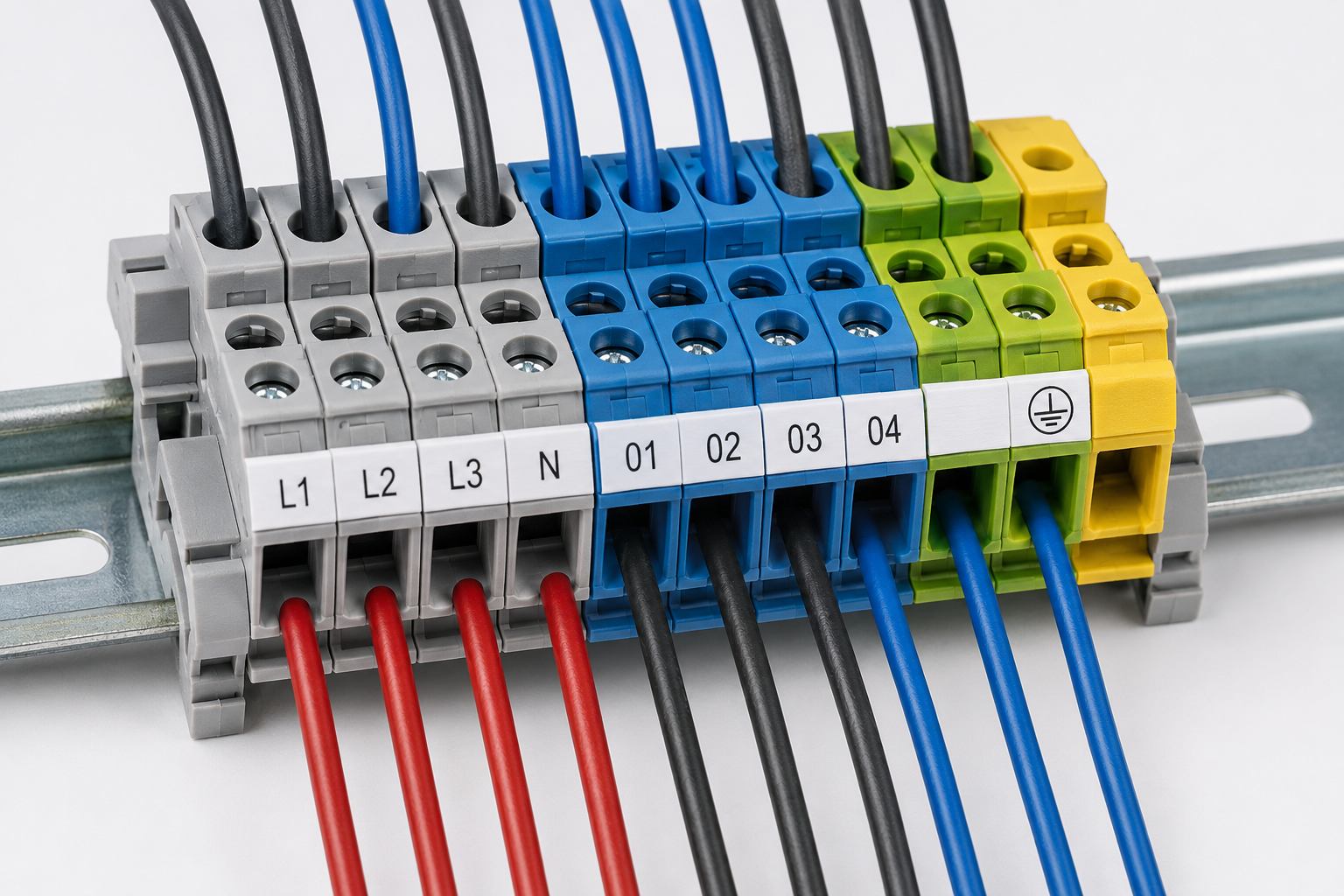
Los terminales personalizados desempeñan un papel fundamental en los mazos de cables de automóviles, equipos industriales, dispositivos médicos, electrónica de consumo, sistemas de energía renovable, y muchas otras aplicaciones. A medida que las industrias continúan avanzando hacia la miniaturización, automatización, y estándares de confiabilidad más altos, Los terminales estándar no siempre son suficientes.
Muchos compradores descubren finalmente que los productos existentes no pueden satisfacer plenamente sus necesidades eléctricas., mecánico, o requisitos medioambientales. en ese momento, La fabricación de terminales personalizados se convierte en la solución preferida..
Sin embargo, Los proyectos de terminales OEM son muy diferentes a la compra de productos de catálogo estándar..
Un proyecto de terminal personalizado exitoso depende en gran medida de las preguntas formuladas antes de que comience el desarrollo..
Muchos fracasos de proyectos no se deben a problemas de fabricación sino a una comunicación incompleta durante la etapa inicial.. La falta de información técnica puede provocar:
- Especificaciones incorrectas
- Plazos de entrega más largos
- Costos de herramientas inesperados
- Fallos de confiabilidad
- Retrasos en la producción
- Altos gastos de rediseño
Antes de realizar un pedido, Los compradores deben evaluar completamente los requisitos del producto., capacidades de fabricación, estampación, pruebas, certificaciones, y soporte de proveedores.
Esta guía explica las preguntas clave que todo comprador debe hacerse antes de solicitar terminales personalizados..
Por qué es importante hacer las preguntas correctas
El desarrollo de terminales personalizados implica ingeniería, estampación, producción, pruebas, y validación de calidad.
A diferencia de los productos estándar, Los terminales OEM requieren colaboración entre cliente y fabricante.
Se aclaran los requisitos anteriores., cuanto más fluido se vuelve el proyecto.
Una comunicación adecuada ayuda:
- Reducir los riesgos de desarrollo
- Acortar los plazos de entrega
- Evite modificaciones de herramientas
- Mejorar la eficiencia de la producción
- Aumentar la confiabilidad a largo plazo
Unas cuantas discusiones adicionales al principio pueden ahorrar meses de rediseño posterior..
¿Para qué aplicación se utilizará la terminal??
La primera y más importante pregunta es:
¿Dónde se utilizará la terminal??
La aplicación determina casi todo:
- Selección de materiales
- Revestimiento de superficie
- Calificación actual
- Estándares de prueba
- Protección ambiental
- Proceso de producción
Diferentes industrias tienen requisitos completamente diferentes.
Automotor Aplicaciones
Los terminales automotrices requieren una confiabilidad extremadamente alta.
Los sistemas del vehículo funcionan bajo:
- Vibración continua
- Ciclos de temperatura
- exposición a la humedad
- Requisitos de larga vida útil
Los clientes automotrices a menudo requieren:
- Alta resistencia a la extracción
- estañado
- Resistencia a la niebla salina
- Validación de vibración
- IATF 16949 sistemas de calidad
Los productos típicos incluyen:
- Terminales de anillo
- Terminales de batería
- Terminales de arnés
- Terminales de conector
.jpg)
Equipo médico Aplicaciones
Los proyectos médicos enfatizan la precisión y la trazabilidad.
Los requisitos pueden incluir:
- Tolerancias estrictas
- Conductividad estable
- Procesos de fabricación limpios
- Registros de calidad completos
Los dispositivos médicos a menudo requieren consistencia y soporte documental a largo plazo..
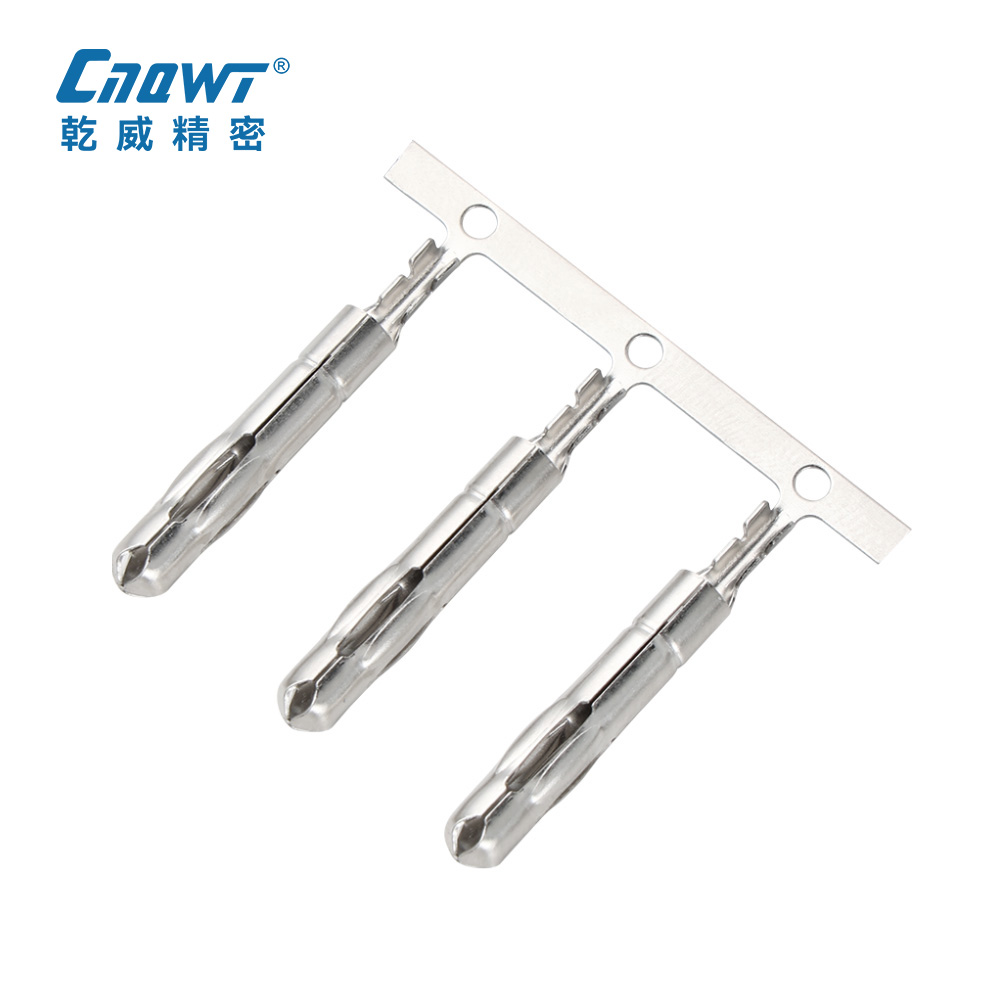
Aplicaciones de electrónica de consumo
Los productos de consumo priorizan:
- Miniaturización
- Optimización de costos
- Eficiencia de producción en masa
Los ejemplos típicos incluyen:
- terminales de PCB
- Terminales de clavija
- Contactos del conector
Sistemas de energía renovable
Los sistemas solares y de almacenamiento de energía suelen implicar:
- Ambientes al aire libre
- Cargas de alta corriente
- Exposición a la corrosión
Estas aplicaciones pueden requerir:
- Diseños impermeables
- Capacidad de alta corriente
- Revestimiento resistente a la corrosión
¿Qué requisitos eléctricos debe cumplir el terminal??
El rendimiento eléctrico determina directamente la confiabilidad del terminal.
Antes de realizar el pedido, aclarar:
Calificación actual
La capacidad actual afecta:
- Aumento de temperatura
- Conductividad
- Seguridad
Los terminales de tamaño insuficiente pueden causar:
- Calentamiento excesivo
- Caída de voltaje
- Daños en el aislamiento
- Riesgos de falla
Defina siempre la corriente operativa esperada.
Requisitos de voltaje
El voltaje afecta:
- Distancia de aislamiento
- Selección de materiales
- Estructura de diseño
Los sistemas de mayor voltaje generalmente requieren consideraciones de diseño adicionales..
Requisitos de conductividad
Diferentes proyectos requieren diferentes niveles de conductividad.
Preguntas para hacer:
- Resistencia máxima permitida?
- Transmisión de señal o entrega de energía.?
- Corriente continua o intermitente?
Temperatura de funcionamiento
El rango de temperatura afecta significativamente el diseño.
Ejemplos:
Electrónica de consumo:
0°C a +70°C
Automotor:
–40°C a +125°C
Equipos industriales:
–40°C a +150°C
Influencia de los requisitos de temperatura:
- Materiales
- Enchapado
- Sistemas de aislamiento
¿Qué material se debe utilizar??
La selección de materiales es una de las decisiones más importantes..
Diferentes materiales proporcionan diferentes rendimientos eléctricos y mecánicos..
Cobre
Ofertas de cobre:
- Excelente conductividad
- Baja resistencia
- Buena capacidad actual
Comúnmente utilizado para:
- Terminales de potencia
- Sistemas automotrices
- Aplicaciones de alta corriente
Latón
El latón proporciona:
- Mejor fuerza
- Buena maquinabilidad
- Conductividad moderada
Ampliamente utilizado en componentes de conectores..
Bronce fosforado
Ventajas:
- Alta elasticidad
- Resistencia a la fatiga
- Fuerza de contacto estable
A menudo se utiliza en contactos de resorte..
Acero inoxidable
Beneficios:
- Excelente resistencia a la corrosión
- Alta resistencia
Generalmente seleccionado para componentes mecánicos..
La selección del material debe considerar:
- Conductividad
- Resistencia mecánica
- Resistencia a la corrosión
- Costo
- Entorno de aplicación
¿Qué revestimiento de superficie se requiere??
El tratamiento superficial afecta directamente la vida terminal.
El enchapado adecuado mejora:
- Conductividad
- Resistencia a la corrosión
- Soldabilidad
- Resistencia al desgaste
Estañado
Solución más común.
Ventajas:
- Buena conductividad
- Menor costo
- Excelente soldabilidad
Ampliamente utilizado en terminales automotrices..
Niquelado
Beneficios:
- Mejor resistencia al desgaste
- Resistencia al calor mejorada
Adecuado para entornos hostiles.
Chapado en plata
La plata ofrece una conductividad muy alta..
Utilizado en:
- Aplicaciones de alta corriente
- Sistemas de energía
Chapado en oro
Ventajas:
- Excelente conductividad
- Fuerte resistencia a la oxidación
A menudo seleccionado para aplicaciones de señal..
Preguntas que los compradores deben hacer:
¿A qué entorno se enfrentará el producto??
¿Se requiere resistencia a la corrosión??
¿Cuál es la vida útil esperada??
¿Hay dibujos disponibles??
Los proyectos OEM se vuelven más rápidos cuando los documentos técnicos están disponibles.
La información útil incluye:
- 2dibujos
- 3modelos D
- Muestras
- Especificaciones del producto
Formatos comunes:
PASO
IGES
DWG
¿Qué pasa si los dibujos no están disponibles??
Muchos clientes sólo proporcionan muestras..
Los fabricantes experimentados pueden realizar:
- Ingeniería inversa
- Análisis de medidas
- Optimización del diseño
Esto es especialmente común en proyectos de reemplazo..
¿El proyecto requiere nuevas herramientas??
Los terminales personalizados a menudo requieren desarrollo de herramientas.
Las preguntas incluyen:
¿Existen ya los moldes existentes??
¿Se pueden modificar las herramientas actuales??
¿Se necesita un nuevo troquel progresivo??
Desarrollo de herramientas de estampado
Se utilizan habitualmente troqueles de estampado progresivos..
La calidad de las herramientas afecta:
- Consistencia dimensional
- Eficiencia de producción
- Estabilidad del producto
Desarrollo de moldes de inyección
Los proyectos que involucran piezas aislantes pueden requerir moldes de inyección..
Propiedad de la herramienta
pregunta muy importante:
¿Quién es el propietario de las herramientas??
Aclarar:
- Propiedad del cliente?
- Propiedad del fabricante?
- Inversión compartida?
Esto evita futuras disputas..
¿Qué volumen de producción se espera??
La cantidad de producción afecta:
- Cantidad mínima de pedido
- Estrategia de herramientas
- Estructura de costos
Los proyectos suelen dividirse en tres etapas.:
Prototipo
Producción de prueba
producción en masa
Etapa de prototipo
Objetivo:
Validación y pruebas.
Las cantidades suelen ser pequeñas.
Órdenes de prueba
Utilizado para la verificación del proceso..
Producción en masa
Grandes volúmenes justifican la inversión en herramientas.
Una mayor producción generalmente reduce el costo unitario.
Qué certificaciones se requieren?
Los requisitos de certificación varían según la industria.
Las certificaciones comunes incluyen:
UL
RoHS
ALCANZAR
ISO 9001
IATF 16949
ISO 13485
La capacidad de certificación a menudo refleja la madurez del proveedor..
¿Qué requisitos de prueba se necesitan??
Las pruebas de confiabilidad garantizan el rendimiento a largo plazo.
Las pruebas importantes incluyen:
Inspección dimensional
Verifica tolerancias.
Prueba de fuerza de extracción
Mide la fuerza de retención mecánica..
Prueba de niebla salina
Evalúa la resistencia a la corrosión..
Estándares comunes:
24 h
48 h
96 h
Los requisitos más altos pueden exceder 500 horas.
Pruebas de vibración
Importante para aplicaciones automotrices.
Simula condiciones de funcionamiento reales..
Pruebas de ciclos térmicos
Los cambios de temperatura repetidos verifican la durabilidad a largo plazo..
Pruebas de conductividad
Mide la resistencia eléctrica.
¿En qué entorno funcionará la terminal??
Las condiciones ambientales influyen fuertemente en el diseño..
Las preguntas incluyen:
¿Será al aire libre??
Alta humedad?
Exposición química?
Alta vibración?
Temperatura extrema?
Exterior Condiciones
Los sistemas exteriores requieren:
- Impermeabilización
- Resistencia a la corrosión
- protección ultravioleta
Exposición a la humedad
La humedad acelera la oxidación..
El revestimiento protector se vuelve crítico.
Ambientes químicos
Las aplicaciones industriales pueden requerir materiales especiales..
Sistemas de alta vibración
Las aplicaciones automotrices y de maquinaria requieren una retención más fuerte..
¿Qué requisitos de embalaje se necesitan??
El embalaje afecta a la logística y la automatización.
Opciones comunes:
Embalaje de carrete
Adecuado para producción automatizada.
Embalaje en bandeja
Protege piezas de precisión.
Embalaje a granel
Menor costo.
Común para terminales industriales..
Etiquetas personalizadas
Los clientes pueden requerir:
- Números de pieza
- códigos QR
- Logotipos
- Códigos de barras
¿Qué plazo de entrega se requiere??
El tiempo de entrega afecta la planificación del proyecto.
Proceso típico de OEM:
Análisis de requisitos
↓
Diseño de ingeniería
↓
Desarrollo de herramientas
↓
Muestras
↓
Validación
↓
Producción en masa
Horario típico:
Diseño:
2–4 semanas
Estampación:
4–10 semanas
Validación:
2–6 semanas
producción en masa:
Depende del volumen.
¿Qué sistema de calidad tiene el proveedor??
Los proveedores confiables deben mantener el control de calidad durante toda la producción..
Los sistemas importantes incluyen:
inspección entrante
Inspección de procesos
Inspección final
Gestión de trazabilidad
¿El proveedor apoya la colaboración en ingeniería??
Los buenos proveedores hacen más que fabricar.
Ayudan a optimizar proyectos.
El soporte puede incluir:
análisis DFM
Reducción de costos
Optimización de materiales
Mejora de la confiabilidad
Optimización de procesos
La colaboración de ingeniería a menudo reduce el costo general.
¿Qué sucede después del parto??
Muchos compradores ignoran el soporte post-entrega.
Preguntas para hacer:
Soporte técnico disponible?
Velocidad de respuesta al problema?
Apoyo a proyectos futuros?
Planes de mejora continua?
El apoyo a largo plazo crea asociaciones más sólidas.
Errores comunes al realizar pedidos de terminales personalizados
Evita estos errores:
Especificaciones indefinidas
Ignorar los costos de herramientas
Selección de material incorrecta
Faltan pruebas de confiabilidad
Acuerdos de propiedad poco claros
Expectativas de plazos de entrega poco realistas
Lista de verificación de pedidos OEM
Técnico:
✓ Aplicación
✓ Actual
✓ Voltaje
✓ Materiales
✓ Revestimiento
Ingeniería:
✓ Dibujos
✓ Muestras
✓ Especificaciones
Comercial:
✓ Cantidad mínima de pedido
✓ Propiedad de la herramienta
✓ Plazo de entrega
Calidad:
✓ Certificaciones
✓ Pruebas
✓ Embalaje
¿Por qué elegir? Precisión de Qianwei?
Qianwei Precision proporciona soluciones de fabricación de terminales OEM y ODM para automoción, industrial, médico, y aplicaciones de conectores.
Nuestras capacidades incluyen:
- Estampado de precisión
- moldeo por inyección
- galvanoplastia
- Desarrollo de moldes
- Pruebas de confiabilidad
- Soporte de ingeniería
con más 1800+ moldes de inyección y estampado en masa, Qianwei ofrece personalización eficiente y soporte rápido de herramientas.
Conclusión
Pedir terminales personalizados no es simplemente comprar un producto.
Es un proceso de colaboración de ingeniería..
Hacer las preguntas correctas antes del desarrollo ayuda a reducir los riesgos, acortar los plazos de entrega, y mejorar la confiabilidad del producto.
Cuanto más completa sea la información proporcionada al principio, cuanto más fluido se vuelve el proyecto.
Los proyectos exitosos de terminales OEM comienzan con una comunicación clara.
Para soluciones de terminales personalizadas, Qianwei Precision brinda soporte de ingeniería desde el diseño hasta la producción en masa.
Preguntas frecuentes
¿Qué información debo proporcionar antes de pedir terminales personalizados??
La información básica suele incluir:
- Escenario de aplicación
- Calificación actual
- Requisitos de voltaje
- preferencia material
- Revestimiento de superficie
- Entorno operativo
- Dibujos o muestras
- Cantidad esperada
Cuanto más detallada sea la información, cuanto más rápido sea el proceso de desarrollo.
¿Necesito dibujos técnicos para la fabricación de terminales personalizados??
Se recomiendan dibujos, pero no siempre son obligatorios..
Los clientes pueden proporcionar:
- 2dibujos
- 3archivos D
- Muestras físicas
- Especificaciones técnicas
Si los dibujos no están disponibles, Algunos fabricantes pueden admitir ingeniería inversa..
¿Se pueden desarrollar terminales personalizados a partir de muestras únicamente??
Sí.
Muchos proyectos OEM comienzan con muestras de clientes.
Los fabricantes pueden realizar:
- Análisis de medidas
- Evaluación de estructura
- Ingeniería inversa
- Optimización del diseño
El desarrollo basado en muestras es común para proyectos de reemplazo..
¿Qué materiales se utilizan habitualmente para los terminales personalizados??
Los materiales comunes incluyen:
- Cobre – alta conductividad
- Latón: resistencia y coste equilibrados
- Bronce fosforado – buena elasticidad
- Acero inoxidable – resistencia a la corrosión
La selección de materiales depende de los requisitos eléctricos y ambientales..
¿La producción de terminales personalizados requiere nuevas herramientas??
No siempre.
Si los moldes existentes están disponibles, Se puede evitar la inversión en herramientas..
Sin embargo, Los terminales totalmente personalizados a menudo requieren:
- Matrices de estampación progresivas
- moldes de inyección
- Modificaciones de herramientas
Los requisitos de herramientas dependen de la complejidad del producto..
¿A quién pertenecen las herramientas en proyectos de terminales OEM??
La propiedad de la herramienta debe confirmarse antes de la producción..
Los posibles arreglos incluyen:
- Herramientas propiedad del cliente
- Herramientas propiedad del fabricante
- Modelos de inversión compartida
Esto debería estar claramente definido en los acuerdos de proyecto..
¿Cuál es el MOQ para terminales personalizados??
MOQ varía dependiendo de:
- Complejidad del producto
- Requisitos de herramientas
- Proceso de fabricación
- tipo de material
Los pedidos de prototipos suelen tener cantidades inferiores., mientras que la producción en masa requiere mayores volúmenes.
Qué pruebas se recomiendan para terminales personalizados?
Las pruebas de confiabilidad comunes incluyen:
- Inspección dimensional
- Prueba de fuerza de extracción
- Pruebas de niebla salina
- Pruebas de vibración
- Pruebas de ciclos térmicos
- Pruebas de conductividad
Los requisitos de prueba dependen de la aplicación..
¿Cuánto tiempo lleva el desarrollo de una terminal personalizada??
Cronograma típico de desarrollo de OEM:
Revisión de diseño: 2–4 semanas
Desarrollo de herramientas: 4–10 semanas
Validación de muestras: 2–6 semanas
La producción en masa depende del volumen del proyecto..
Los proyectos complejos pueden requerir tiempo de validación adicional.
Qué certificaciones debe tener un proveedor de terminales?
Las certificaciones comunes incluyen:
- UL
- RoHS
- ALCANZAR
- ISO 9001
- IATF 16949
- ISO 13485
Las certificaciones requeridas dependen de la industria y la aplicación..
¿Se pueden optimizar los terminales personalizados para reducir costos??
Sí.
Los proveedores experimentados a menudo brindan soporte de ingeniería, como:
- Optimización de materiales
- Simplificación del diseño
- Mejora de herramientas
- Optimización de procesos
Estos cambios pueden reducir los costos de fabricación a largo plazo..
¿Por qué es importante la información de la aplicación antes de realizar el pedido??
La aplicación determina:
- Selección de materiales
- Capacidad actual
- Tratamiento superficial
- Requisitos de confiabilidad
- Estándares de prueba
Por ejemplo, Los terminales de automoción y los terminales de electrónica de consumo tienen requisitos de diseño completamente diferentes..

