


Introduction to Automotive Wiring Harness Terminals
Automotive wiring harnesses are the backbone of a vehicle’s electrical system. They organize and connect electrical wires that power critical components such as lighting systems, sensors, engines, infotainment systems, and safety equipment.
At the heart of every wiring harness are electrical terminals. These small but essential components create secure connections between wires, connectors, and electrical devices. Without reliable terminals, vehicle electrical systems would be prone to failure, signal loss, and overheating.
As modern vehicles become more advanced—with features such as driver assistance systems, electric powertrains, and connected electronics—the demand for high-quality automotive wiring harness terminals continues to increase.
Why Terminals Are Essential in Automotive Wiring Systems
Electrical terminals play a vital role in ensuring the reliability and performance of automotive electrical systems. Their functions go far beyond simply connecting wires.
Reliable Electrical Conductivity
Terminals ensure efficient electrical transmission between wires and components. A well-designed terminal reduces electrical resistance and prevents voltage drops.
Mechanical Strength
Vehicles operate under constant vibration, movement, and mechanical stress. High-quality terminals provide strong mechanical retention that prevents wires from loosening over time.
Heat and Environmental Resistance
Automotive environments often expose wiring systems to extreme temperatures, moisture, and chemicals. Durable terminals help protect electrical systems from these harsh conditions.
Corrosion Protection
Properly plated terminals resist oxidation and corrosion, ensuring long-term performance and reliability.
Common Types of Terminals Used in Automotive Wiring Harnesses
Different terminal types are used in automotive wiring harnesses depending on the application, connection method, and electrical requirements.
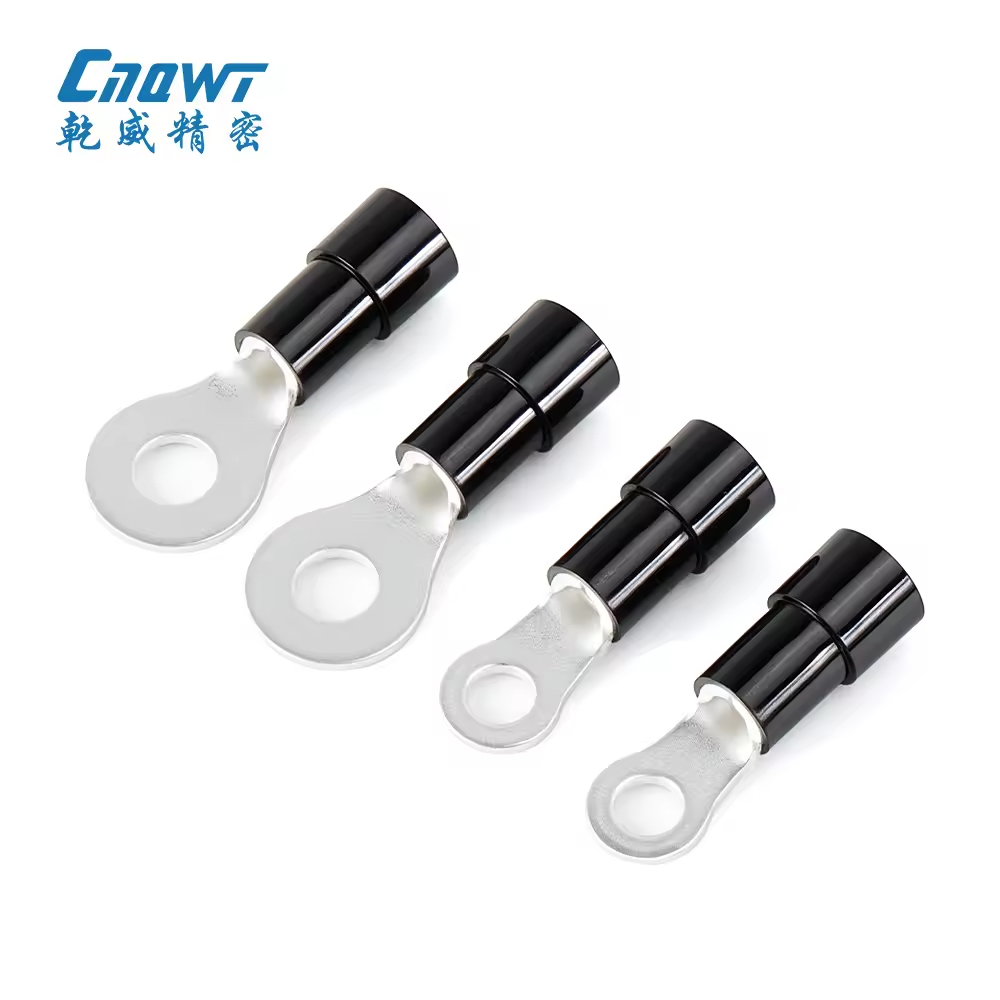
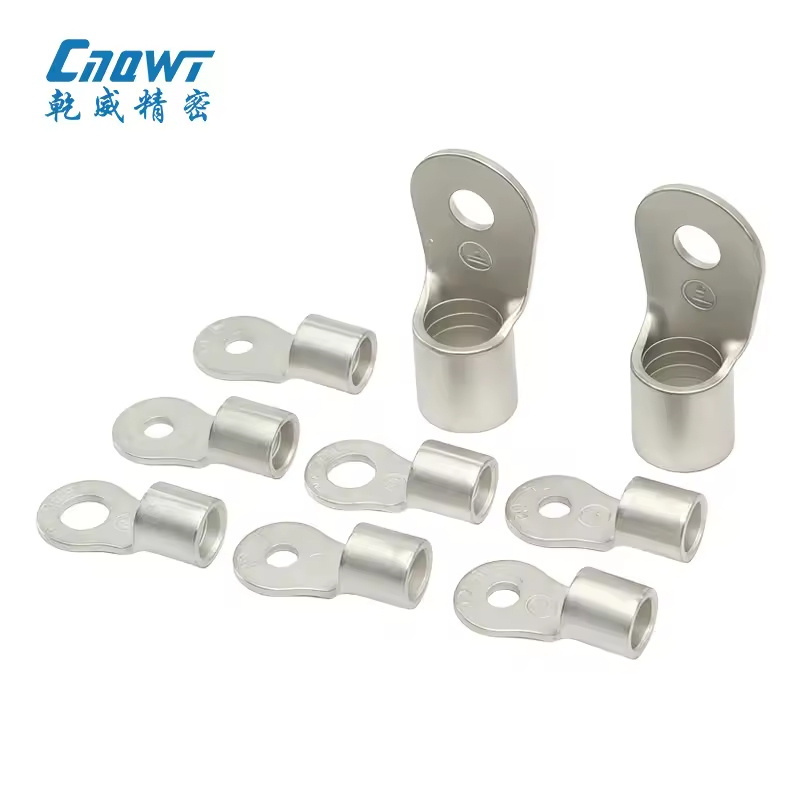
Ring Terminals
Ring terminals are widely used for ground connections and secure bolt connections. The circular ring design allows the terminal to be firmly attached to a screw or stud, making it ideal for battery connections and grounding points.
They are commonly found in:
- Battery connections
- Engine grounding systems
- Power distribution modules
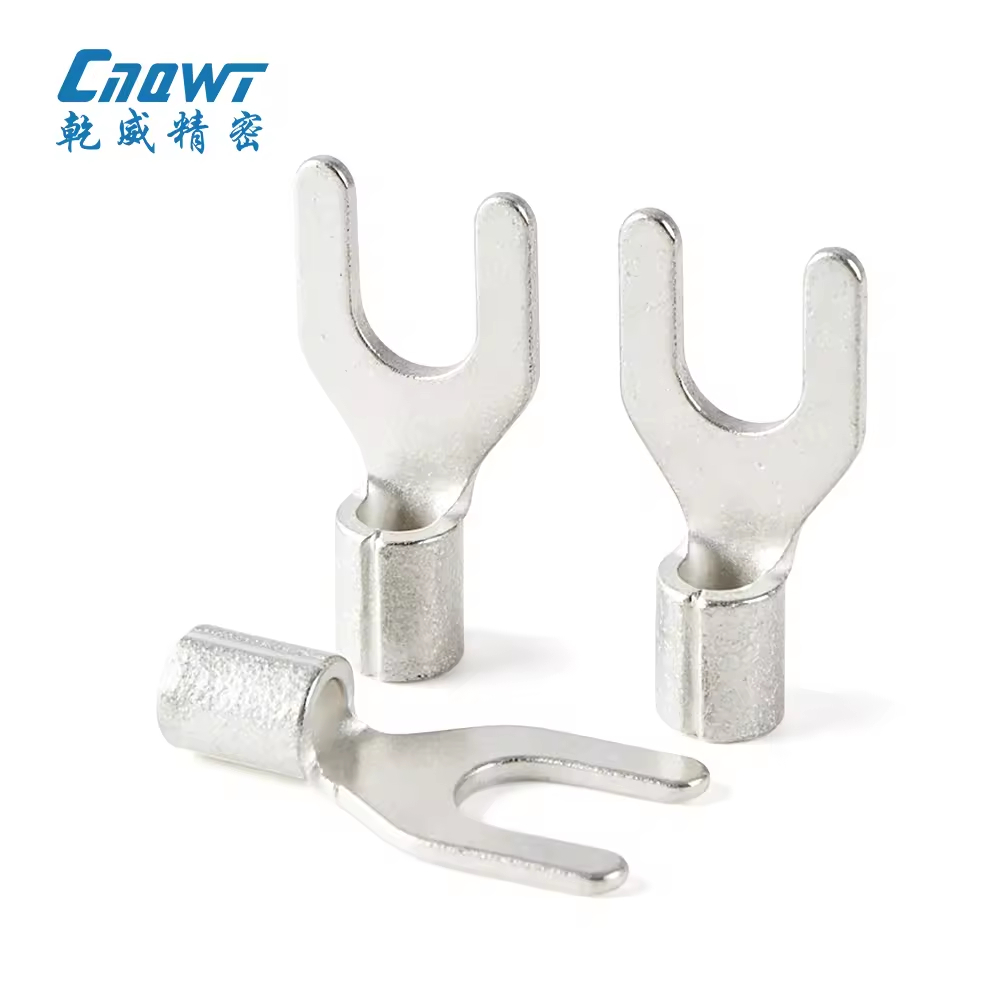
Spade (Fork) Terminals
Spade terminals, also known as fork terminals, allow wires to be connected and disconnected easily without removing the entire screw or bolt.
They are frequently used in:
- Automotive relays
- Electrical switches
- Control modules
This design simplifies maintenance and repairs.
Quick Disconnect Terminals
Quick disconnect terminals are designed for fast assembly and easy maintenance. They allow components to be removed or replaced without cutting or re-crimping wires.
Typical applications include:
- Automotive lighting systems
- Audio and infotainment equipment
- Sensors and electronic modules
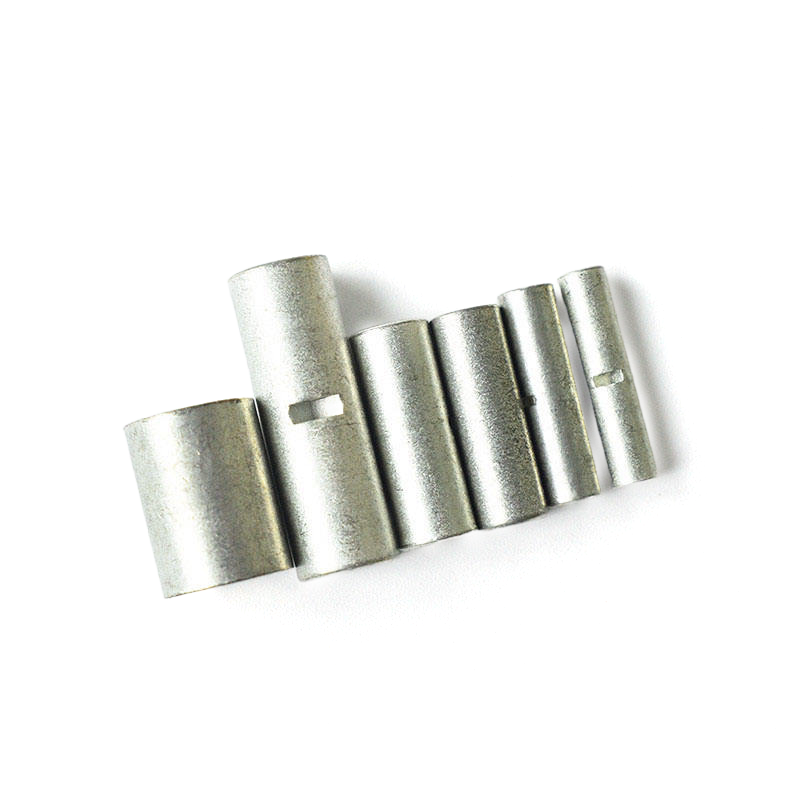
Butt Connectors
Butt connectors are used to join two wires together in a straight line. They are commonly used for wire repairs or harness extensions.
Advantages include:
- Simple installation
- Strong electrical connection
- Compatibility with various wire sizes
Open Barrel (F-Crimp) Terminals
Open barrel terminals are among the most widely used terminals in automotive wire harness manufacturing. They feature two sets of wings—one for crimping the conductor and another for gripping the insulation.
These terminals are ideal for:
- Automated crimping processes
- High-volume automotive harness production
- Reliable mechanical strain relief
Bullet Terminals
Bullet terminals use a plug-and-socket style connection, allowing quick assembly and disassembly.
They are often used in:
- Motorcycle wiring
- Automotive accessories
- Lighting systems
Their compact design makes them suitable for applications where space is limited.
Materials Used in Automotive Electrical Terminals
The material of a terminal significantly affects its conductivity, durability, and corrosion resistance.
Copper
Copper terminals offer excellent electrical conductivity and are commonly used in high-performance electrical connections.
Brass
Brass provides a balance of conductivity and mechanical strength, making it suitable for durable automotive connectors.
Tin Plating
Tin plating is widely used in automotive terminals because it provides good corrosion resistance and cost-effective protection.
Nickel Plating
Nickel-plated terminals offer higher temperature resistance and improved durability in harsh environments.
Insulated vs. Non-Insulated Automotive Terminals
Automotive terminals are available in both insulated and non-insulated versions.
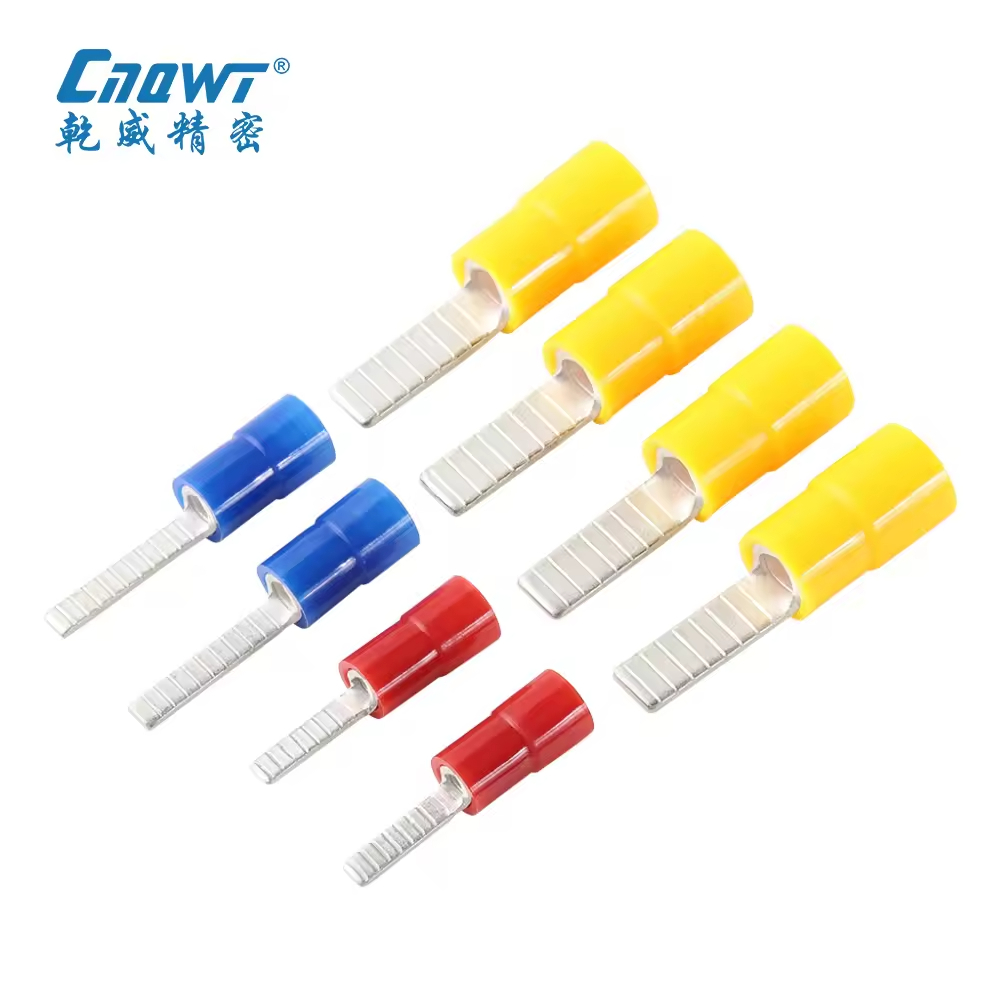
Insulated Terminals
Insulated terminals include a protective sleeve made from materials such as PVC or nylon.
Benefits include:
- Electrical insulation
- Short-circuit prevention
- Easier wire identification
Non-Insulated Terminals
Non-insulated terminals are commonly used in automotive wire harness manufacturing because they are compact and compatible with automated crimping machines.
They are typically combined with protective housings or connectors.
Terminal Crimping in Automotive Wiring Harness Production
Proper crimping is essential for creating reliable terminal connections.
Crimping involves compressing the terminal barrel around the wire conductor to create a gas-tight electrical connection.
Modern automotive harness production relies heavily on automated crimping machines to ensure consistent quality and high production efficiency.
Common crimping technologies include:
- F-crimp connections
- Hex crimp connections
- Automated precision crimping
Proper crimping improves electrical performance and reduces the risk of connection failure.
Automotive Terminal Standards and Specifications
To ensure safety and reliability, automotive terminals must comply with various international standards.
These standards define requirements for:
- Crimp quality
- Electrical performance
- Mechanical strength
- Environmental durability
Common industry standards include:
- IPC/WHMA-A-620 for cable and wire harness assemblies
- SAE standards for automotive components
- UL certification requirements for electrical connectors
Compliance with these standards ensures consistent quality and performance.
How to Choose the Right Terminal for Automotive Wiring Harnesses
Selecting the correct terminal is crucial for ensuring reliable connections.
Key factors to consider include:
Wire Gauge Compatibility
The terminal must match the wire size to ensure proper crimping and electrical conductivity.
Current Rating
Different terminals support different current levels depending on their design and material.
Environmental Conditions
Terminals used in harsh environments should offer corrosion resistance, heat resistance, and vibration durability.
Mechanical Strength
High-vibration environments require terminals with strong retention and secure locking mechanisms.
Connector Compatibility
The terminal must match the connector housing or device interface used in the wiring harness.
Future Trends in Automotive Wiring Terminals
As automotive technology evolves, terminals are also advancing to meet new demands.
Key trends include:
- High-voltage terminals for electric vehicles (EVs)
- Lightweight materials for improved vehicle efficiency
- Smart connectors for advanced electronic systems
- Increased integration with automated manufacturing processes
These innovations support the growing complexity of modern automotive electrical systems.
Conclusion
Automotive wiring harnesses rely on a variety of terminals to ensure reliable electrical connections, mechanical stability, and long-term performance in demanding vehicle environments. From ring terminals and quick disconnect terminals to open barrel automotive terminals, each type plays an important role in modern automotive electrical systems. Selecting the right terminal type, material, and crimping method is essential for maintaining the safety and efficiency of vehicle electronics.
As a professional electrical terminal manufacturer, Qianwei Precision specializes in producing high-quality terminals and connectors for automotive wiring harness applications. Our product range includes ring terminals, open barrel terminals, quick disconnect terminals, insulated terminals, and custom terminal solutions designed for automotive and industrial use.
With advanced manufacturing equipment, strict quality control, and strong customization capabilities, Qianwei Precision provides reliable connection solutions for global customers in automotive, industrial equipment, and electrical systems.
If you are looking for a trusted supplier of automotive wiring harness terminals, feel free to contact Qianwei Precision for product information, technical support, or customized solutions.
