What Are Butt Connectors?
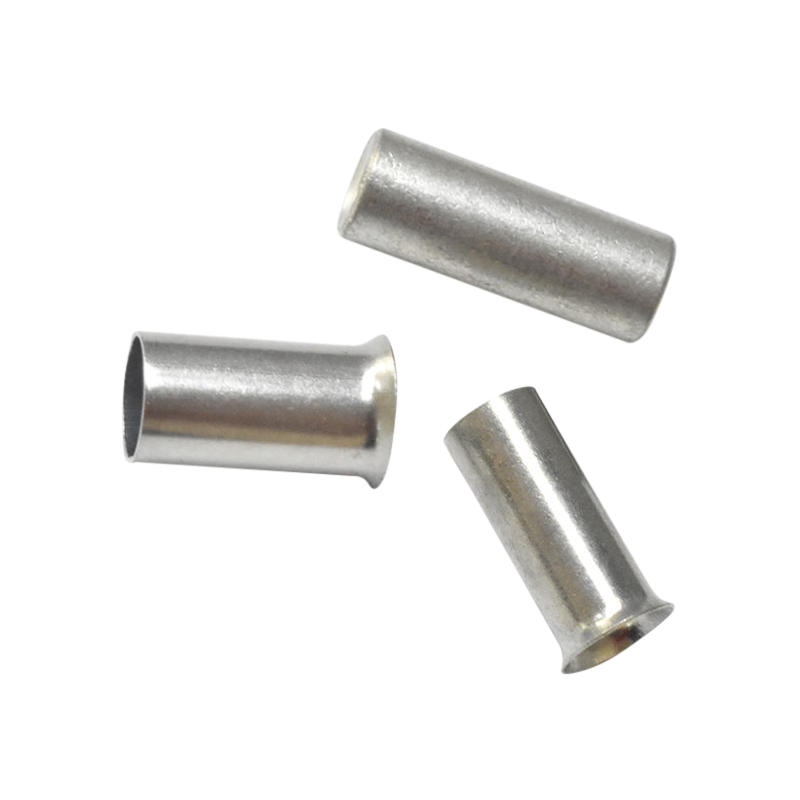
A butt connector is a tubeless electrical connector employed to make contact between the ends of two wires without exposing the conductor to the environment. Each end of the connector is filled with its wires, and the metal barrel is crimped to ensure that the strands fit into it mechanically and electrically. PVC, nylon, or heat-shrink sleeves are insulated to make them safe, non-corrosive, and strain-relieved. Non-insulated types are employed where high temperature or custom insulation is needed.
Butt connectors find extensive application in automotive wiring, residential wiring, industrial wiring, marine systems, and power distribution systems. They are designed to maintain constant conductivity and low voltage drop, as well as a high mechanical bond among wires, even in the presence of vibration or thermal cycling later on.
Design Principles of Engineering
The following are some of the rules we have to observe.
1. Electrical Conductivity
Stable electrical flow is the form of the butt connector. The high conductive metals, such as copper or copper alloys, are made use of in order to reduce the resistance and voltage loss. The geometry of the barrel will be right such that the wire strands make full contact with the connector to cause the connector to conduct its entire unexcessive current.
2. Wire-to-Wire security
The barrel is structured in a manner that when crimped, the wires cannot be easily pulled off. This type of mechanical retention reduces the chances of unintentional disconnection in mobile, vibrating, or thermally growing conditions. The wire retention ensures that the electrical circuits may be maintained.
3. Crimping Strength & Pull-Out Strength
Butt connectors are crimped to work efficiently, and the tool set is used to squeeze the barrel over the strands of wire in a uniform manner. The high pull-out forces make sure that the wire is not pulled in an incidence change fashion, and that electrical continuity is maintained even with high-vibration or mechanical stress.
4. Contact Resistance & Signal Integrity
In developed contact surfaces, the electric proxy at the crossing of the wire and barrel is decreased. This is necessary, particularly in low-voltage high-current or data systems where voltage fluctuations or signal attenuation may impact performance.
5. Vibration Resistance & Mechanical Stability
The butt connectors should be vibration-resistant and should not loosen. This is imperative in motors, factory apparatus, and marine systems, where continuous motion can otherwise disturb the linkage.
6. Heat Dissipation and Thermal Performance
Any electrical connection can be used to create heat. Butt connectors are also materialized and geometries that carry off the heat, thereby ensuring safe operation over the identified range of temperature. Even more enhanced resistance to temperature variances of the connection with the environment is offered by insulated and heat-shrink.
7. Components in Butt Connector
The combination of insulating material and conductor metals produces the butt connectors. The type of materials depends on the desired electrical performance of the connector, mechanical durability, and environmental resistance.
Materials Used in Butt Connectors
The combination of insulating material and conductor metals produces the butt connectors. The choice of the materials would determine the electrical performance, mechanical life, and environmental resistance of the connector.
| Material | Key Properties | Typical Use |
|---|---|---|
| Electrolytic Copper | High conductivity, ductile | Standard electrical wiring |
| Brass | Moderate conductivity, higher mechanical strength than copper, good corrosion resistance | Mechanical terminals, screw-type connectors |
| Phosphor Copper (Phosphor Bronze) | Excellent elasticity, fatigue resistance, good conductivity | Spring terminals, connectors requiring repeated flexing |
| High-Conductivity Alloys | Enhanced strength and conductivity | High-performance or industrial use |
| Insulation Materials (PVC, Nylon, Heat Shrink Tubing) | Electrical insulation, strain relief | Insulated and heat-shrink connectors |
Overview of the Manufacturing Processes
Butt connectors are a product whose manufacturing is a carefully monitored process, in order to produce identical quality and performance.
1. Raw Material Inspection
Any metals and alloys that come in are strictly tested in terms of composition, conductivity, and mechanical characteristics. Only the materials of high specifications are utilized, on which a stable base is assured to provide the support of reliable electrical and mechanical performance.
2. Tube Bending and Fine Slicing
The connector barrel is made of sheets of metal or tubes and molded to the length needed. Cutting allows uniform size, clean edges, and an appropriate fit in the insertion of wires.
3. Barrel Wire Insertion
The barrel is designed to receive strands of wire, which ensures that the surface is in contact with the conductive wire as much as possible. This measure provides safe mechanical retention and decreases resistance.
4. Annealing and Heat Treatment
The heat treatment process increases flexibility, decreases internal stresses, and increases mechanical properties, so the connector has been made easier to crimp and more resilient to mechanical and thermal stress.
5. Insulation Sleeve Molding (insulated types)
Insulated butt connectors are sleeve-molded using PVC, nylon, or heat shrink. This offers electric protection, strain relief, and moisture, chemical, and mechanical protection.
6. Electroplating and Surface Treatment
Tin, nickel, and silver plating increase corrosion resistance, conductivity, and durability. This makes the connector have a long service life, particularly when subjected to severe conditions.
7. Crimp Structure Calibration
Crimp size is also measured to ensure performance consistency, mechanically and electrically. Calibration ensures that standard crimping tools are compatible.
8. Final Testing and Inspection
Now, connectors are tested on electrical resistance, pull-out qualities, and aesthetic look. Those that meet high-quality standards are taken to the packaging department, which provides compelling performance in the field.
9. Production and Packaging Automation
The automation reduces human error in assembly and packaging, and ensures consistency in batches and production at a high volume. Automated systems also make traceability and standardized labeling achievable.
Surface Finishes and Plating Technology.
Surface finishes dazzle butt connector corrosion, increase conductivity, and improve durability.
1. Tin Plating
Tin plating is easy, resistant to corrosion, and offers dependable conductivity for general purposes. It is popular in wiring on both vehicles and in industrial wiring.
2. Nickel Plating
Connectors made of nickel plates are very durable and heat-resistant, which is why they are fit to work even in high temperatures.
3. Silver Plating
Silver plating is even better conductive and resistant to corrosion and suited to high-precision or high-current applications.
Standard Size and Technical Requirement of Butt Connectors
Butt connectors come in various sizes to suit the requirements of various wire gauges and usage.
| Specification | Details |
| Wire Size Range (AWG / mm²) | 22–4 AWG (0.3–25 mm²) |
| Current Rating | 3–80 A depending on gauge and material |
| Voltage Rating | Up to 600 V |
| Operating Temperature Range | -40°C to +125°C (insulated types may vary) |
| Contact Resistance | < 5 mΩ typical |
| Insulation Type and Thickness | PVC, nylon, heat-shrink; 0.5–1.5 mm |
| Barrel Length and Inner Diameter | Varies with wire gauge, ensures secure insertion |
☞ Contact us for your quote today
Types of Butt Connectors
Butt connectors come in a wide variety of types in order to fit various electrical, mechanical, and environmental needs.
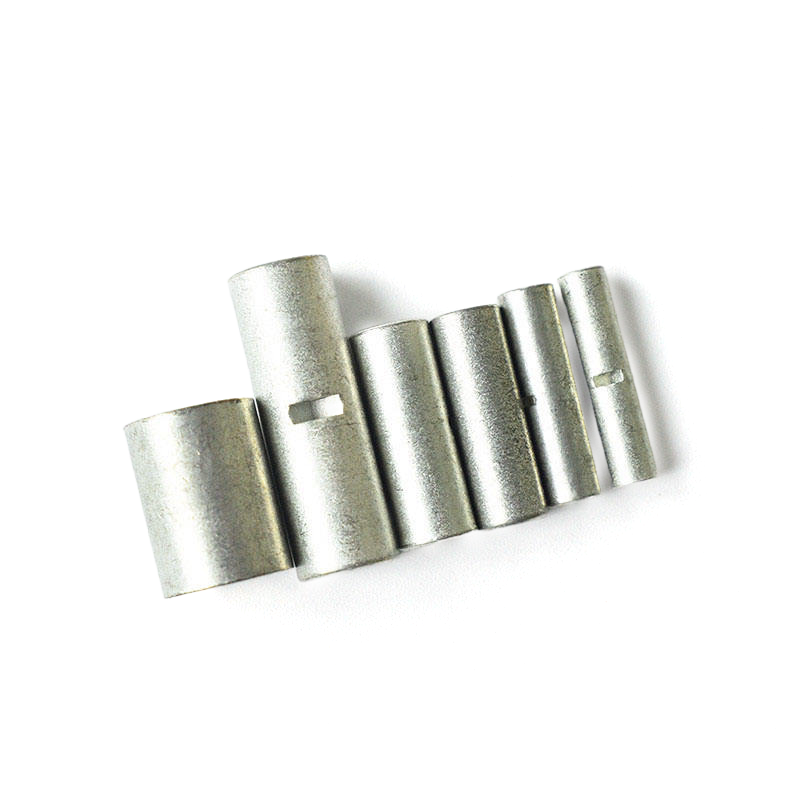
Non-Insulated Butt Connectors
Connectors, without insulation, may be directly crimped with bare wires. They can be used in high temperature environment or in case of external insulation done independently. They are flexible towards customising insulation systems and are commonly applied in industries. Their small size further makes them suitable for installation in a very small space of installation.
Insulated Butt Connectors
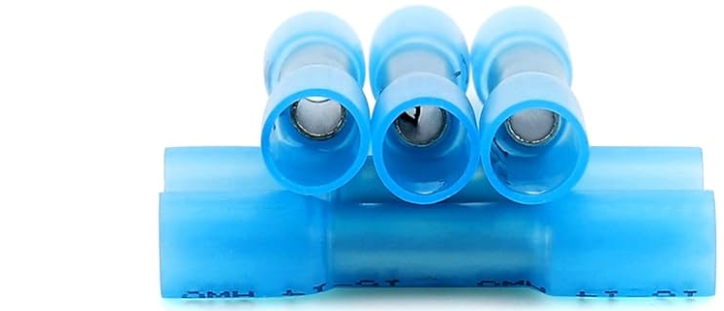
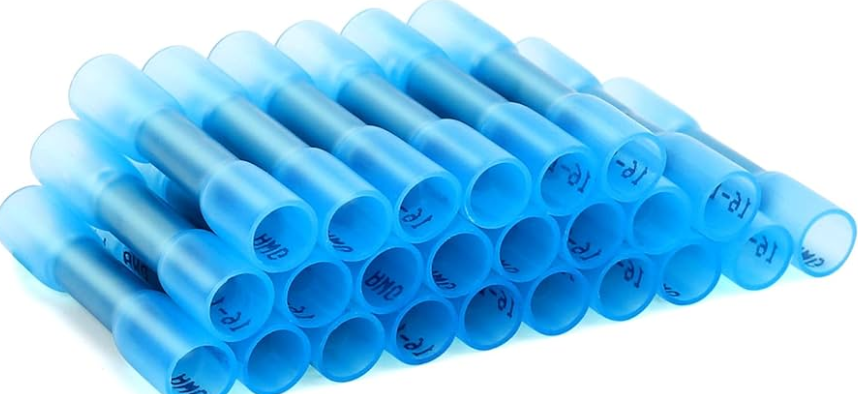
These insulated connectors have PVC or nylon covering, which prevents short-circuiting, vibration, and mechanical forces. They are primarily utilized in car and residential wiring. Strain relief is also given by the insulation at the expense of the fatigue of the wire over time. Also, they enhance safety as they avoid accidental electric contact.
Heat Shrink Butt Connectors
The connectors come in heat shrink, which has tubing to seal and waterproof the connection once heated, which offers corrosion and strain relief to the connection in tough environments. They are mostly applied in outdoor and marine environments. The heat-shrink layer gives a tight cover to the wire, which increases durability. This also safeguards dust, chemicals, and overflow of water.
Waterproof/Sealed Butt Connectors
Waterproof or sealed connectors combine adhesive-lined tubing or molded insulation to block the ingress of moisture, perfect for marine, outdoor, and renewable energy uses. They are reliable in wet environments. The corrosion and environmental contaminants are also guarded by these connectors. Their closed circuit alleviates the effects of time variation in electrical performance.
High-Temperature Butt Connectors
These materials can withstand the extreme heat and are utilized in engine compartments, industrial kilns, and high-current connections. They are mechanically strong and don’t lose their conductivity during heating. Higher heat resistance can be achieved as a result of specialized insulation of the plating. This renders them suitable for the harsh industrial and automotive settings.
Step-Down Butt Connectors
In step-down connectors, different wires of varying gauges are connected so that mechanical retention is secure and the electrical conductivity remains consistent between sizes of wires. They find their use in repair and retrofit. These connectors do not require any more adapters or mods. They are also useful in the maintenance of correct current flow between incompatible wires.
Closed-End Connectors
Connectors with closed ends are fully sealed on the end, so that the wires are not exposed to the environment, which ensures environmental protection and safety of electrical systems. They are usually applied where there would be wire ends to be insulated and bonded together. The closed circuit will avoid accidental short circuits and contact. It also increases longevity by covering the connection against exterior harm.
Applications of Butt Connectors in Industries
Butt connectors are implemented in industries to perform a reliable and safe connection of wires to other wires.
- Vehicle and Automotive Wiring Systems: Applied in engine, lighting, and battery harnessing.
- Electrical and Power Distribution Systems: Make the connections in panels and distribution boards stable.
- Industrial Machinery and Automation: Enabling maintenance of a system through machinery and automation.
- Marine and Offshore Uses: Great in wet conditions, such as marine.
- Renewable energy systems (Solar and Wind): Applied in solar panels and wind turbines to transmit power efficiently.
- Telecommunications Infrastructure: Offer high-quality links within the network and signal systems.
Household electrical wiring: Applied to appliances, lighting, and wiring repairs.
OEM Solutions and Customization
Qianwei Precision presents customized solutions to respond to the unique needs of customers:
- Highly customized barrel lengths, diameters, and shapes.
- Special colors and special insulation materials.
- Improvements in waterproofing and sealing.
- High-performance plating alternatives.
- Supply chain, packaging, and branding solutions.
These OEM solutions enable the manufacturers to embed connectors into proprietary wiring systems and maintain the same quality at all lines.
Quality and Compliance
We make sure that all butt connectors at Qianwei Precision are of a high quality and safe:
- ISO 9001 quality management
- IATF 16949 automotive.
- Environmental safety (RoHS and REACH).
- UL certification support
- Extensive electrical and mechanical examination.
- Environmental exposure testing and salt spray.
This stringent quality standard ensures that connectors can be used with rigorous quality standards in the harsh industrial, automotive, and consumer environments.
How is Qianwei Precision the best choice in Butt Connectors?
Here are some reasons why you should choose us;
- Wire connection knowledge in various sectors.
- Precision forming and insulation technologies.
- Strict quality control and examination at every step.
- Large product line, both standard and modified.
- Large-scale production that is highly automated.
- Credible worldwide OEM supply solutions to overseas clients.
☞ Contact us for your quote today
Conclusion
Butt connectors are essential factors to form a secure and sturdy wire-to-wire connection. Their fine engineering, high-quality materials, and adaptable designs create a large application category- automotive and industrial machinery, renewable energy, and telecommunication systems. Qianwei Precision has highly sophisticated production processes, excellent materials, and full customization, which makes the connectors the most demanding in terms of performance, reliability, and safety.
FAQs
What is a butt connector?
A connector in the form of a tube connects two insulated or non-insulated wires.
How do I select the right size?
Select based on the gauge of wires, current-carrying capacity, and the circumstances of the environment.
Are buttconnectors applicable outdoors?
Waterproof or heat-shrink ones, yes, have resistance to water and corrosion.
Are they able to cope with high currents?
The high-conductivity/heavy-duty design is pegged at high-current applications.
What are the materials are regularly used?
Copper, tinned copper, aluminum, bimetallic alloys, and high-conductivity metals.
Do they work in high temperatures?
The high-temperature types are capable of withstanding engine bays, industrial kilns, etc.