What Are Ring Terminals?
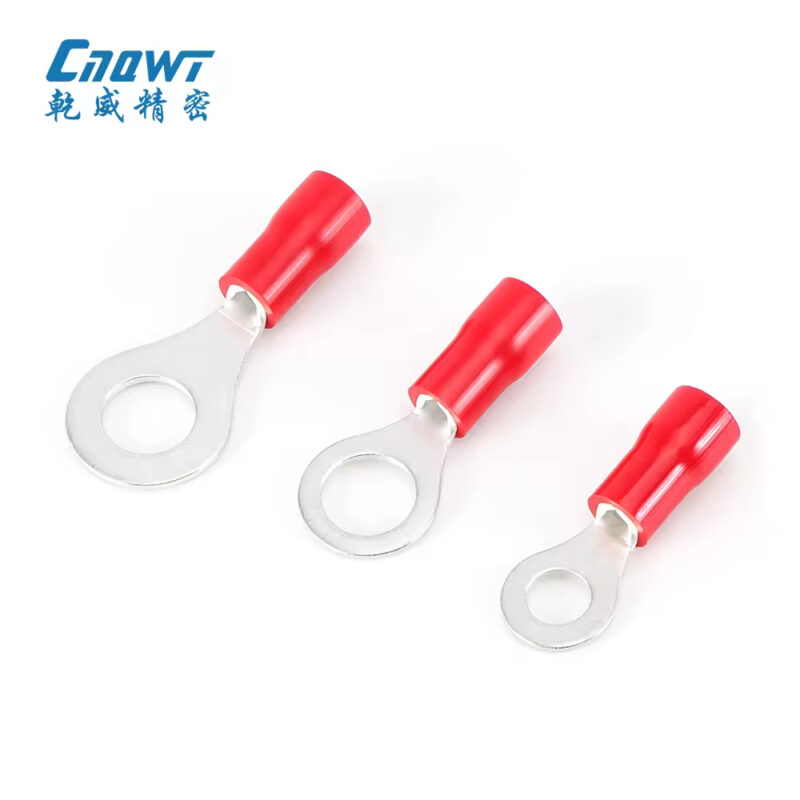
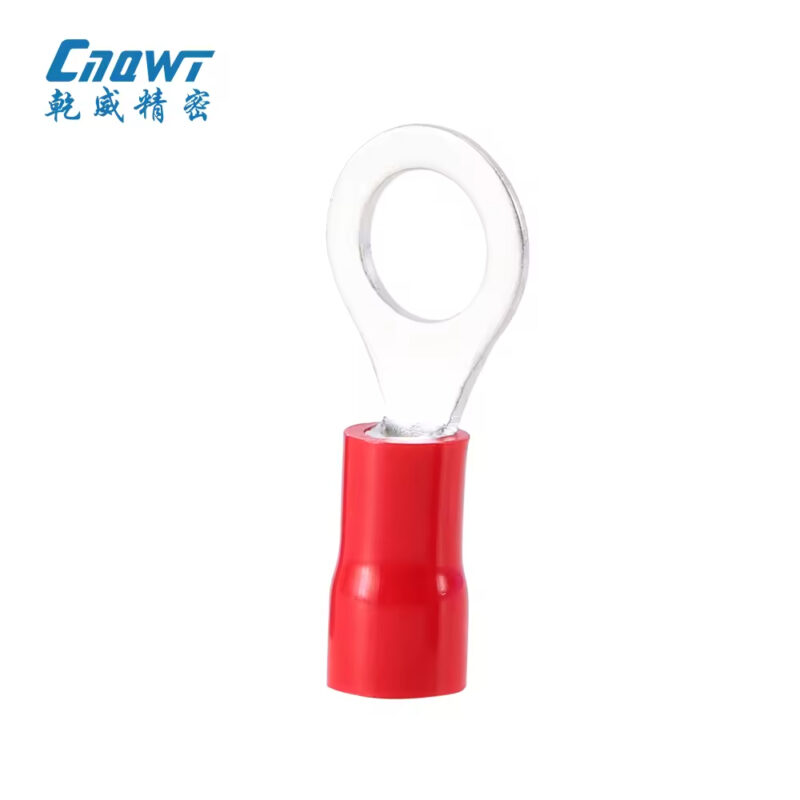
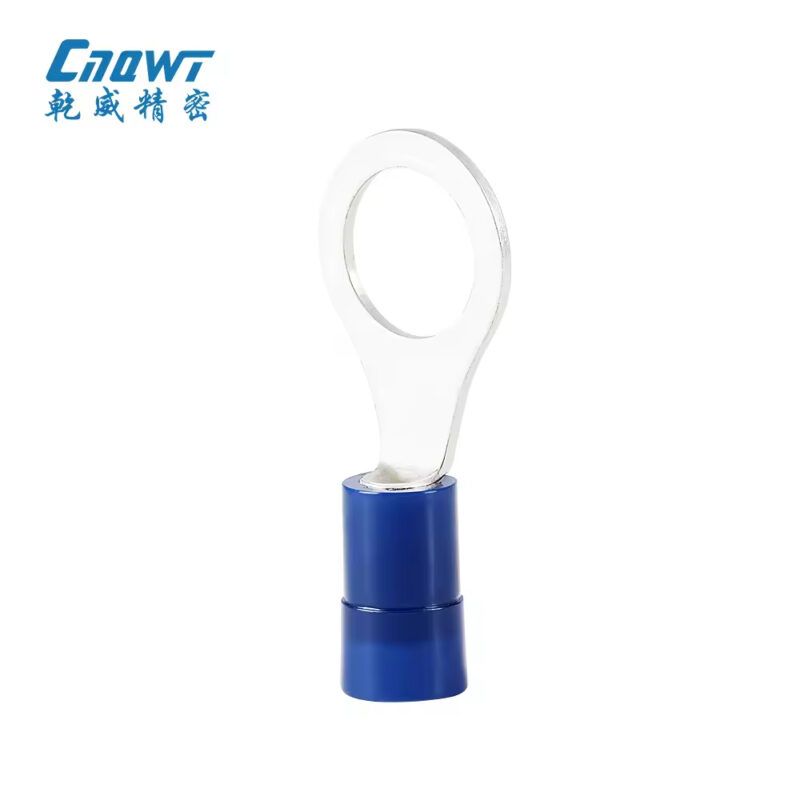
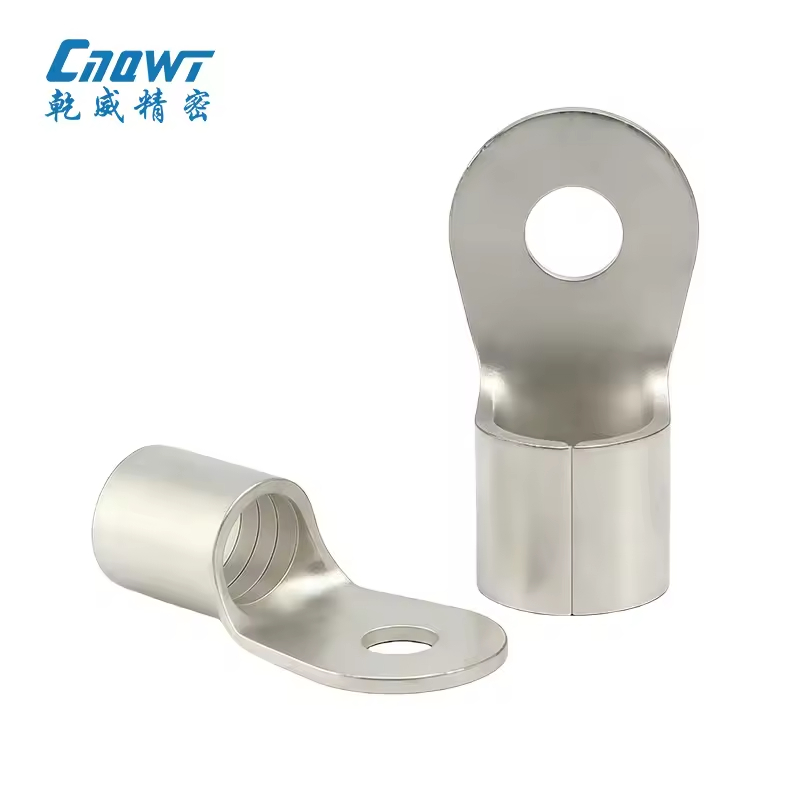
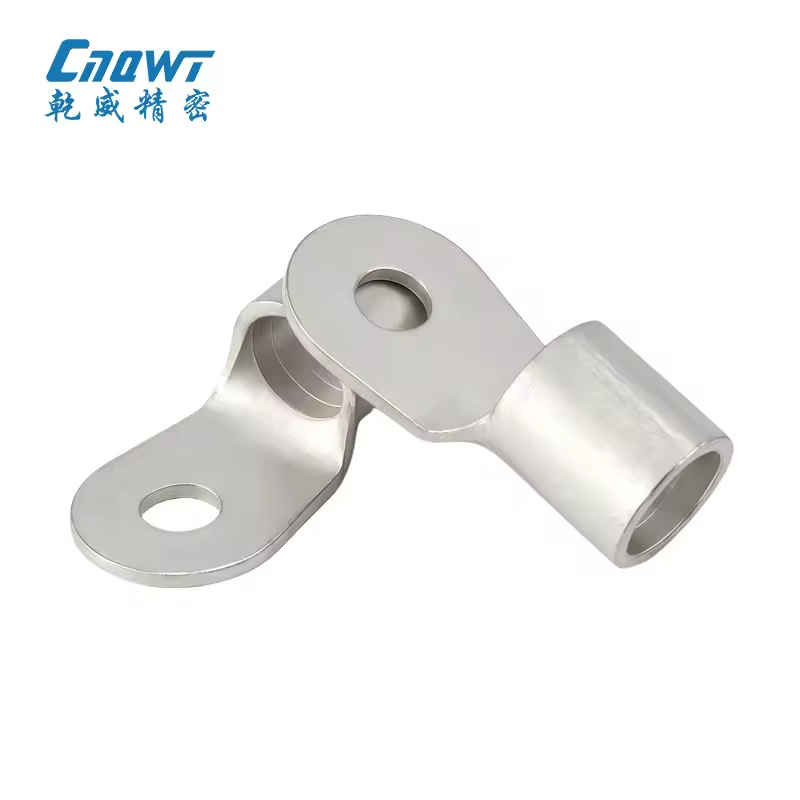
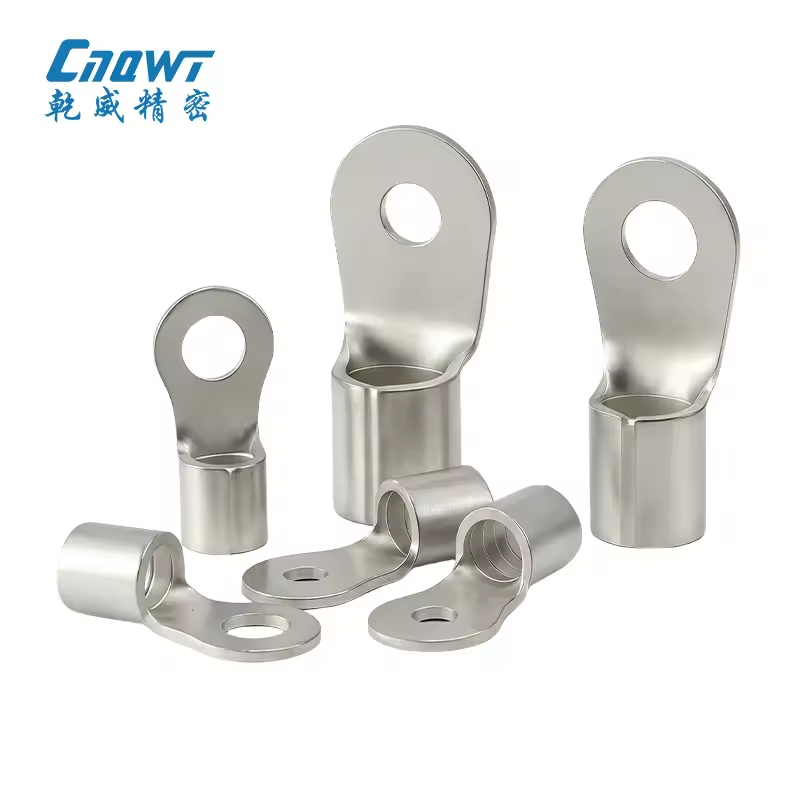
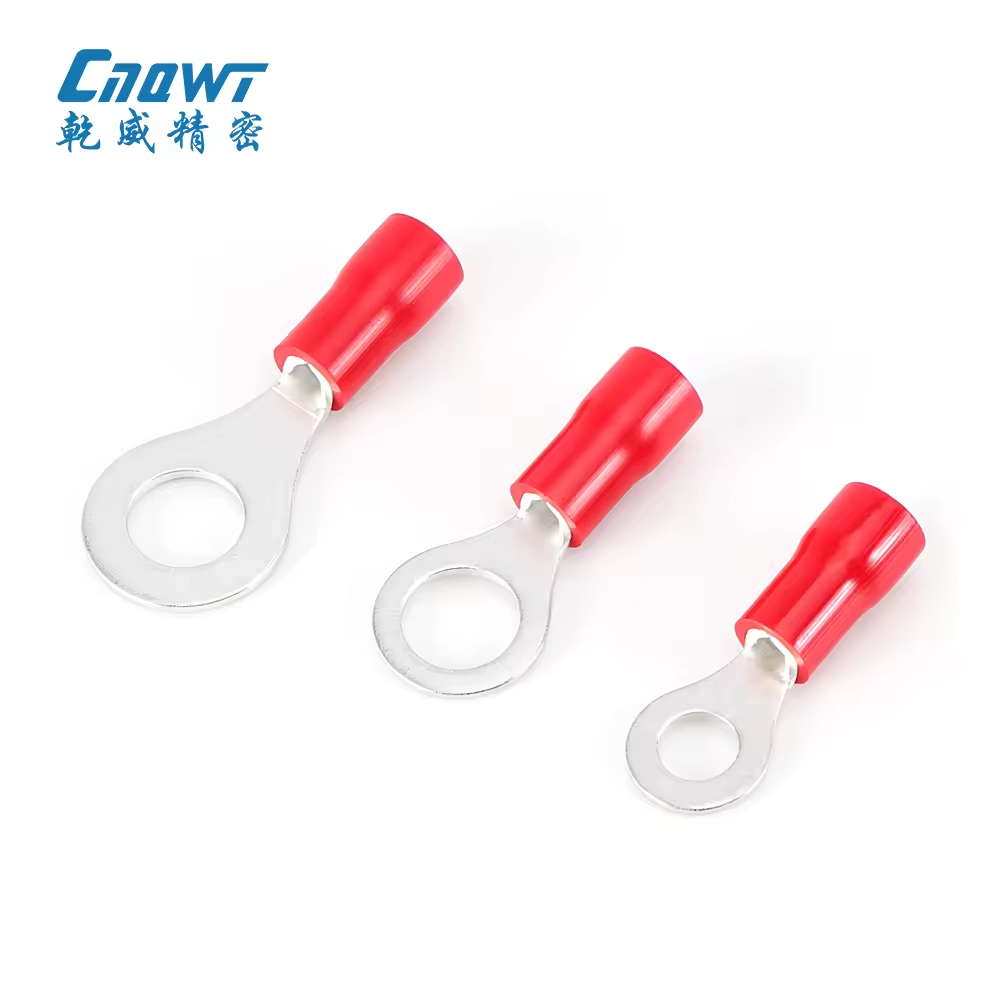
Ring terminals are electrical connectors that are electromechanical components designed to end the wires and connect them to the components (studs, bolts, or screws). In contrast to a spade or fork, the ring terminals have a completely encircling ring hole, such that the connector is fixed despite vibration or mechanical distress.
They are composed of two major sections:
- A barrel, in which the conductor is spliced and welded.
- A ring that is put over a stud or a screw.
The connection is very electrical and has a high retention once screwed in. This is a design that reduces the chances of loosening, and the connection is stable in the long run.
Ring terminals can be important, especially where reliability is needed, like battery connections, grounding systems, and power distribution assemblies. They are a favorite in both low and high-power electrical systems due to their diminutive size, simplicity in installation, and longevity.
Engineering Design Principles
Ring terminals’ design must be balanced between electrical performance, mechanical strength, and environmental durability. Several engineering considerations are involved in order to maintain the same operation in different applications.
1. Electrical Conductivity & Current Carrying Capacity
The main role of the ring terminals is efficiency in electrical transmission. Electrolytic copper is a high-conductivity material used to ensure stable current flow and reduce resistance.
The barrel and ring geometry are optimized to minimize voltage drop in order to ensure steady electrical operation. Conductivity is further improved by the proper choice of material selection and surface treatment, particularly in high-current applications.
2. Mechanical Strength and Firm Bond
The closed-ring terminal offers high levels of mechanical retention as compared to other types of terminals. After installation, removal of the connection is impossible unless the fastening hardware is loosened.
Mechanical strength of the terminal is determined by material thickness, barrel design, and manufacturing accuracy. This guarantees reliability in stressful conditions like automotive and heavy machinery use.
3. Contact Surface Optimization
The electrical efficiency of the connection between the ring and the stud is very important. Flat contact surfaces of smoothness and of appropriate size can guarantee the maximum contact area, reducing resistance and eliminating local heating.
Consistent surface quality and dimensional precision are achieved through precision stamping and finishing.
4. Crimping Strength and Pull-Out Strength
Both electrical and mechanical contacts between the wire and the terminal are formed by crimping. The barrel is intended to offer the best compressions that will ensure good contact with the conductor strands.
Strong pull-out is used to determine that the wire stays firmly in place when under mechanical load. Appropriate crimping also reduces the air gap, enhancing conductivity and minimizing the chances of oxidation.
5. Vibration Resistance and Stability
Ring terminals are resistant to vibration by design because they are closed-loop. They secure stable connections in dynamic environments when used with appropriate crimping and fastening.
They are ideal where continuous movement or vibration is involved, like in vehicles, industrial equipment, and energy systems.
6. Heat Dissipation and Thermal Performance
During use, electrical connections create heat. Ring terminals are built to endure temperature changes without performance degradation.
Materials with high conductivity and surfaces that are optimized in contact facilitate the fast extraction of heat and prevent overheating, which means high reliability in the long run.
Materials in Ring Terminals
Choice of materials is very important in determining the performance, durability, and environmental resistance of the ring terminals. The following table lists typical materials used:
| Material | Key Properties | Typical Use |
| Electrolytic Copper | High conductivity, ductile | Standard electrical wiring |
| Brass | Moderate conductivity, higher mechanical strength than copper, good corrosion resistance | Mechanical terminals, screw-type connectors |
| Phosphor Copper (Phosphor Bronze) | Excellent elasticity, fatigue resistance, good conductivity | Spring terminals, connectors requiring repeated flexing |
| High-Conductivity Alloys | Enhanced strength and conductivity | High-performance or industrial use |
| Insulation Materials (PVC, Nylon, Heat Shrink Tubing) | Electrical insulation, strain relief | Insulated and heat-shrink connectors |
Overview of the Manufacturing Processes
Ring terminal manufacturing is a highly controlled process that ensures uniform performance, reliability, and durability. All the steps are designed on strict electrical and mechanical standards, such as raw material selection and final packaging.
1. Raw Material Inspection
Every incoming metal and alloy is thoroughly examined in terms of composition, conductivity, and mechanical characteristics. This will make sure the quality of materials used in the production is high, giving a sturdy base on which the electrical connections can be used with a lot of confidence.
2. Wire Cutting and Blanking
The terminal is made up of metal sheets or wires that are cut into specific shapes to form blanks. At this point, precision is very important to ensure consistency in the finished product.
3. Accurate Stamping or Tube Bending
The terminal structure is shaped under tight tolerances by forming (high-speed stamping machines or tube forming processes). This will guarantee accuracy between dimensions, good contact geometry, and stable operation between batches of production.
4. Ring Shaping and Barrel Forming.
The crimp barrel and the ring tongue are cut to fit the exact specification in such a way that the terminal fits on the wires and studs. Correct shaping ensures mechanical and electrical connectivity of maximum strength.
5. Annealing and Heat Treatment
The heat treatment processes lead to an increase in the material flexibility, a decrease in the internal stress of the materials, and the enhancement of the mechanical performance. Annealing makes sure that the terminal is strong enough and can be crimped.
6. Surface Treatment and Electroplating
Finishes that are applied to the surface, such as tin, nickel, silver, or gold, are intended to enhance surface corrosion protection, conductivity, and durability. Electroplating also helps in preserving the terminal against oxidation, which increases its life in a rough environment.
7. Crimp Barrel Inspection and Calibration
All crimp barrels are checked to fit wire sizes and crimping tools. Calibration means that terminals would give trustworthy electrical and mechanical service upon installation.
8. Performance Testing and Final Inspection
Strict testing is done to measure electrical resistance, mechanical strength, and the general integrity. The terminals that pass the strict quality tests will only proceed to packaging, which ensures reliabilityinn the field.
9. Automation in Production/Packaging
Assembly and packaging can be made automatic, ensuring a steady state of quality and enhancing production efficiency. Peak automation minimizes human error and supplies a large scale with consistent performance.
Standard Sizes and Technical Specifications of Ring Terminals
The following table provides a specifications of ring terminals;
| Specification | Range / Details |
| Wire Size (AWG / mm²) | 22–4 AWG (0.5–25 mm²) |
| Stud Hole Size | #4 – 1/2 inch (M3–M12) |
| Current Rating | 3–50 A (depends on wire size) |
| Voltage Rating | Up to 600 V |
| Operating Temp | -40°C to +105°C (PVC) / -55°C to +150°C (Nylon/Heat-Shrink) |
| Contact Resistance | ≤ 5 mΩ |
| Insulation Type | PVC, Nylon, Heat-Shrink |
| Barrel Length | 8–30 mm |
| Crimp Standards | IEC 61238-1, UL 486C |
| Plating | Tin, Nickel, Silver, Gold |
☞ Contact us for your quote today
Types of Ring Terminals
There are numerous types of ring terminals depending on electrical, mechanical, and other environmental needs. The optimal performance, reliable connections, and long-life in application occur when the appropriate type is selected.
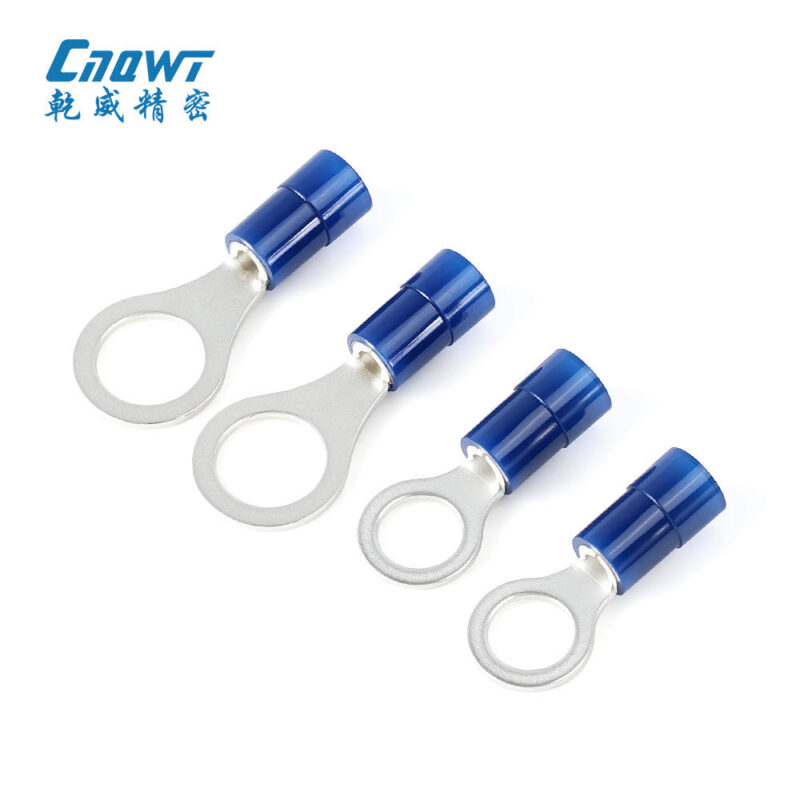
1. Insulated Ring Terminals
Protective sleeve is made of heat-resistant nylon or PVC and is fitted to the insulated ring terminals so as to boost safety and avoid short circuits. The insulation will also offer strain relief and enhance its resistance to wear in the course of installation. They are typically employed in automotive wiring and control panels where safety and protection are of concern.
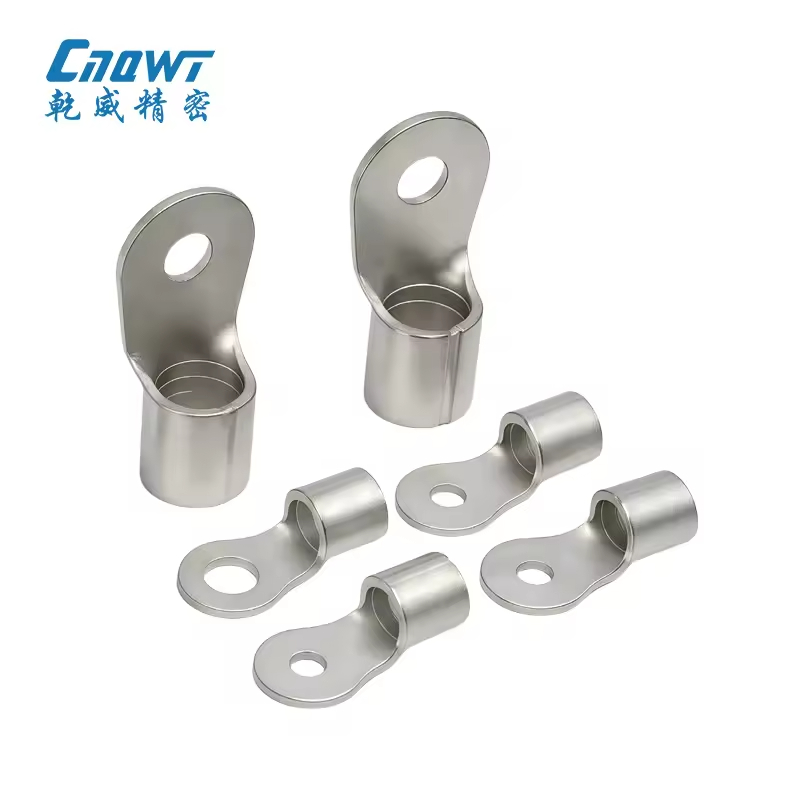
2. Non-Insulated Ring Terminals
Uninsulated ring terminals allow flexibility to be used in applications where custom insulation is needed or where high temperature resistance is necessary. They do not have a sleeve, so it is possible to easily inspect the crimped connection, which is inspected to guarantee the correct installation. These terminals are frequently installed in industrial use, where more insulation is added independently.
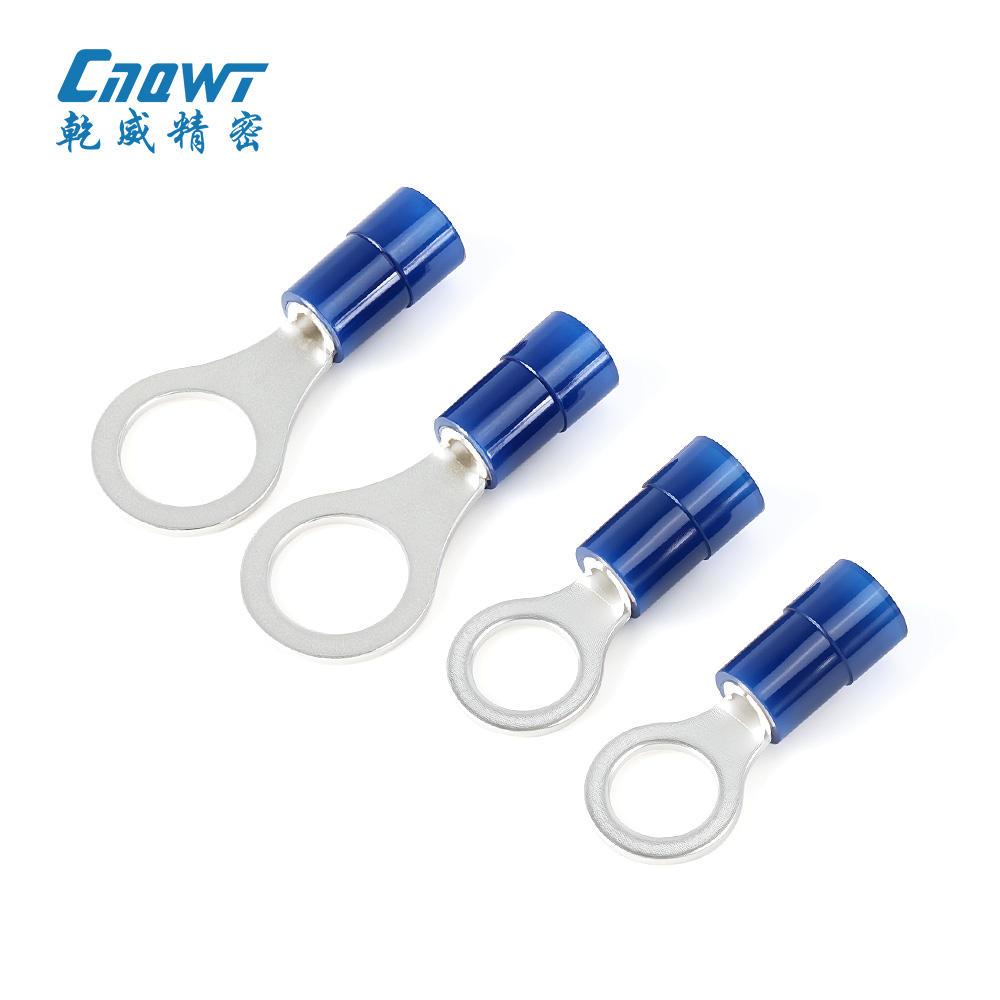
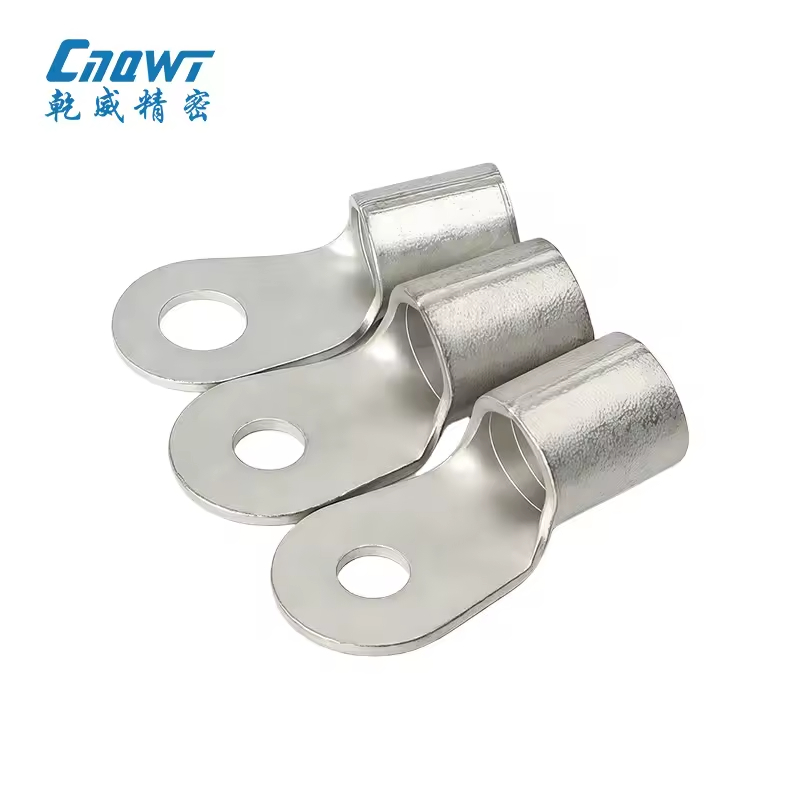
3. Heavy-Duty Ring Terminals
Heavy-duty ring terminals are designed for high-current usage and challenging industrial surroundings. They are normally designed with reinforced barrel designs and greater contact areas to accommodate large electrical loads. They are suitable for taking power to systems, battery interconnections, and heavy machinery.
4. Heat Shrink Ring Terminals
Heat shrink ring terminals come with tubing that wraps closely over the wire and around the terminal, forming a waterproof and corrosion-free seal. This enables them to be applied to external, marine, and automotive environments where they are exposed to wet and harsh conditions.
5. High-Temperature Ring Terminals
Tungsten ring terminals of high temperature are produced from materials and insulation adapted to withstand severe heat conditions. They are tough and have electrical characteristics that are high-temperature warranted, in engine bays and in industrial kilns.
6. Waterproof/Sealed Ring terminations
Waterproof or sealed ring terminals ensure that moisture, dust, and contaminants are unable to affect the connection. They integrate sealing characteristics such as adhesive-lined heat shrink or molded insulation that make them important in marine systems, outdoor systems, and underground wiring.
7. Bimetallic Ring Terminals
Dissimilar conductors (a typical application is copper/aluminum) receive bimetallic ring terminals, which aid in avoiding galvanic corrosion. In power distribution systems, they are used to combine two metals in one terminal to ensure stable conductivity and long-term reliability.
Surface Finishes and Plating Technology
Surface plating improves the performance of ring terminals both in an electrical and environmental environment. The material used in plating is very crucial in determining conductivity, corrosion deterrence, and survival in strenuous operations.
1. Tin Plating
Tin plating is very popular because it is affordable and it is resistant to corrosion. It has very dependable conductivity and can be used in a majority of general-purpose applications.
2. Nickel Plating
Nickel plating is very strong and high-temperature resistant. It is perfect in terminals where there exists heat, wear, or rough industrial conditions.
3. Silver Plating
Silver plating offers high quality in terms of electrical conductivity, hence it can be used to achieve high performance or precision. It is also better at resisting corrosion as opposed to unplated or tin-plated terminals.
4. Gold Plating
Gold plating is used to provide stable conductivity and outstanding corrosion resistance in delicate or high-dependability applications. It is widely applied in places where electrical stability is of importance.
Industrial Applications of Ring Terminal
The applications of ring terminals are very broad and common in various fields:
- Passenger and Automotive Vehicles: Connections, grounding system, and harnesses of batteries.
- Commercial Vehicles and Heavy Equipment: Strong bonding in vibrating conditions.
- Power Distribution Systems: Dependable contacts in electrical circuits.
- Switchgear and Electrical Panels: Wired solutions that are well-structured and safe.
- Solar and Wind Renewable Energy Systems: Effective energy system power delivery.
- Battery Systems and Energy Storage: Stable and secure energy links.
- Industrial Machinery and Automation: Stable operation of automated systems.
- Telecommunications Infrastructure: Sustainable signal and power transmission.
OEM Solutions and Customization
Qianwei Precision offers versatile customization, whether:
- Custom terminal designs
- Special bail and barrel sizes.
- Custom insulation material and color.
- High-performance plating alternatives.
- Branding and laser marking
- Bulk packaging and logistics services.
Quality and Compliance
Quality assurance guarantees the reliability of the products and safety.
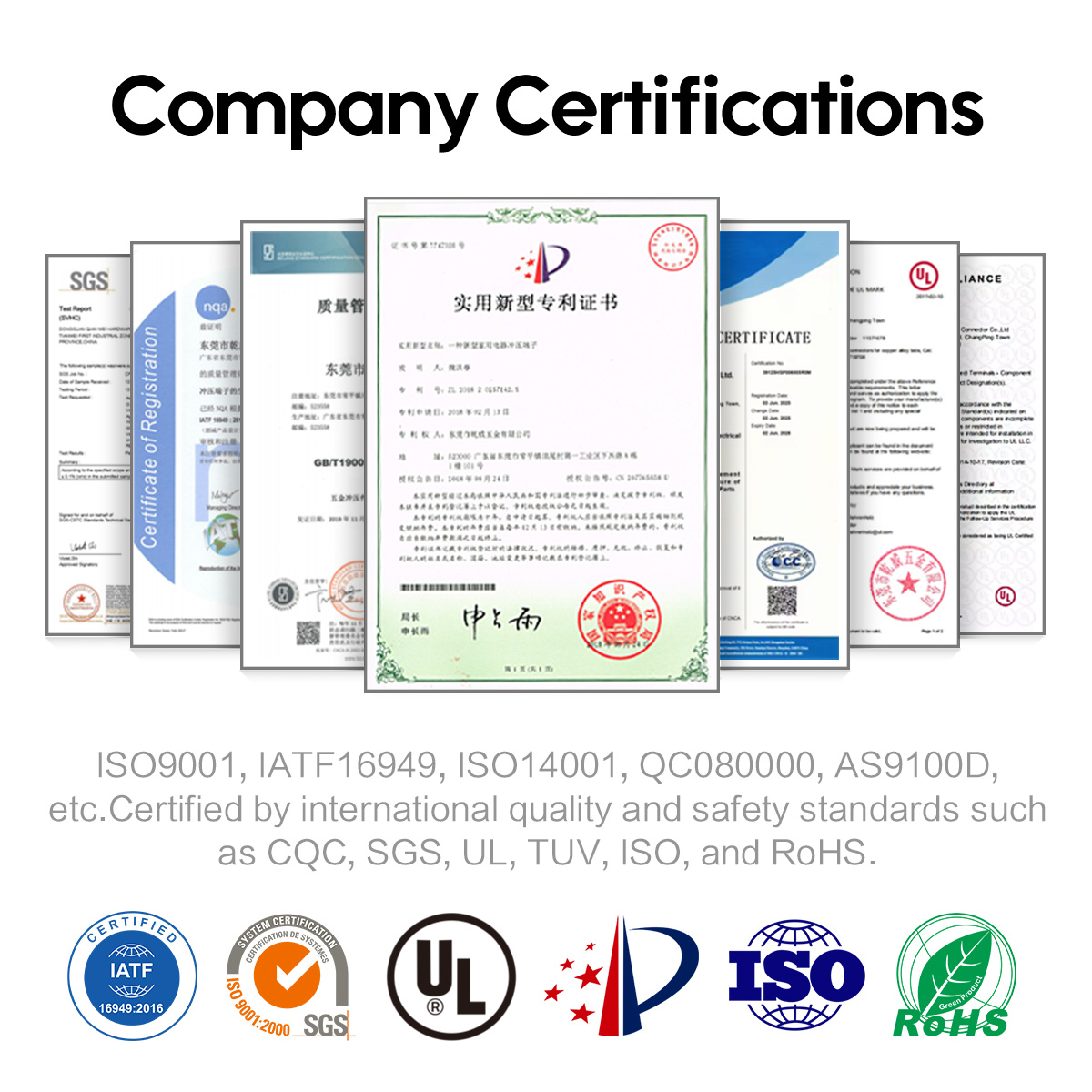
- ISO 9001 certified processes
- IATF 16949 automotive standards
- RoHS and REACH compliance
- UL certification support
Testing includes:
- Electrical performance testing.
- Mechanical strength test.
- Salt spray and environmental testing.
Why Select Qianwei Precision on Ring Terminals?
The following are some of the parameters that help us decide why to choose Qianwei Precision;
- High-level Conductive Material Expertise: Differentiated materials to achieve high performance.
- Precision Stamping and Forming Technology: Maintains high-quality production.
- Stringent Quality Control and Testing: Thorough control at all levels.
- Large Selection of Standard and Custom Products: Deployable applications solutions.
- High Automation and Stable Production: Effective large-scale manufacturing.
- Global OEM Supply Capabilities: Reliable business collaborator with overseas customers.
☞ Contact us for your quote today
Conclusion
Ring terminals are critical parts of a contemporary electrical system, and they offer secure, reliable, and efficient connections. Their high level of conductivity, robust design, and vibration resistance make them ideal for hardy use in several industries.
Qianwei precision produces high-quality ring termina by using advanced engineering, premium raw materials, and high-precision production processes. It has a high emphasis on performance, customization, and global supply capabilities, and has helped it sustain the responsive demands of contemporary electrical and industrial systems.
Need high-performance ring terminals for your application?
Get in touch with Qianwei Precision now in order to discuss your needs, sample requests, or get a tailor-made quote on your OEM needs.
FAQs
What is a ring terminal?
A ring terminal is a connector frictiously attached to a wire via a closed loop mechanism to a stud or screw.
What about selecting the right size?
Choose according to the gauge of wire and size of stud holes to fit well.
What materials are used?
Metals commonly used are copper, tinned copper, brass, aluminum, and bimetallic.
Can ring terminals be used in harsh conditions?
Yes, particularly when well-plated or sealed against corrosion.
Are they capable of bearing high current applications?
Yes, heavy-duty designs can carry high current when adequately sized.