

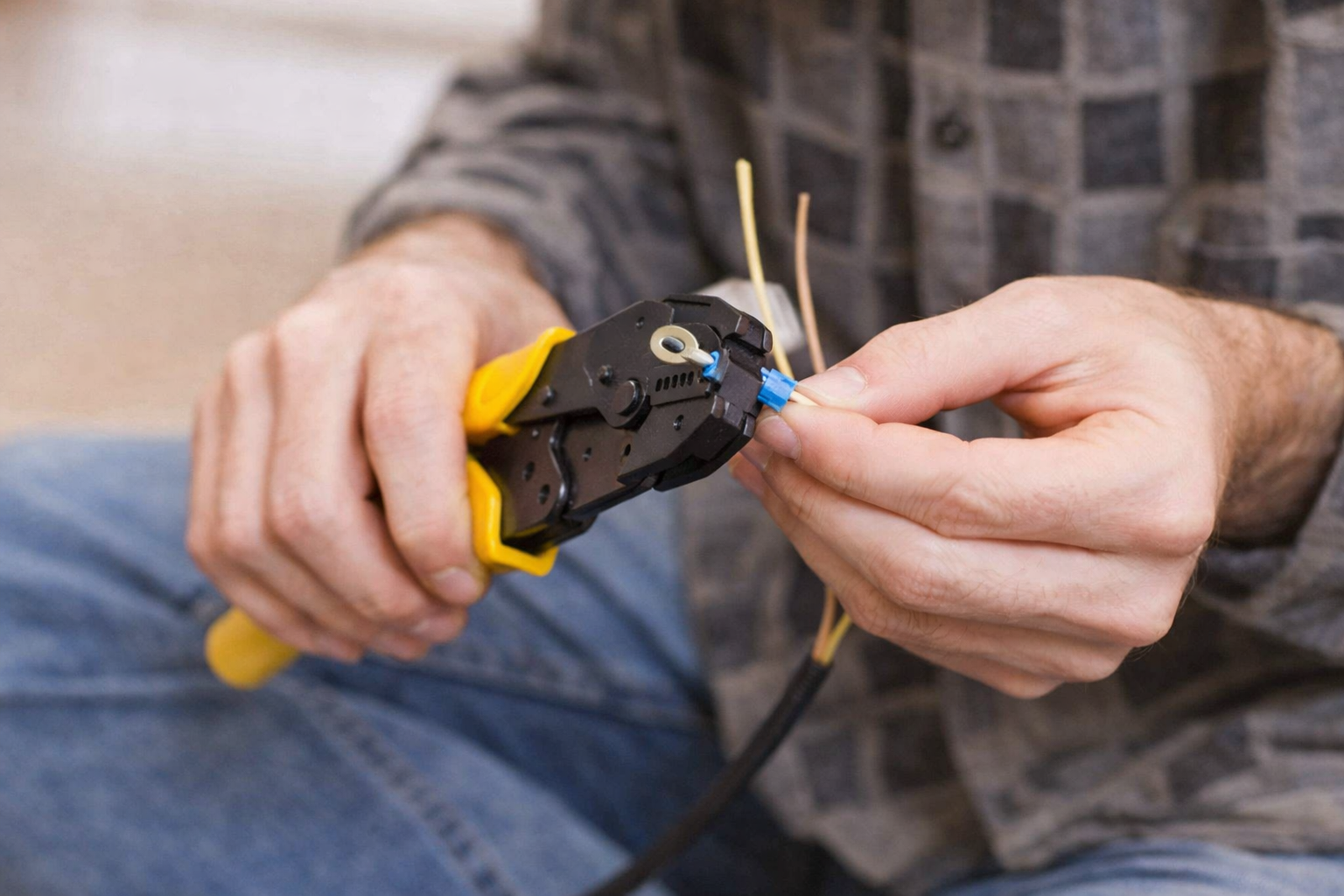
El engarzado es un proceso muy crítico en la conectividad eléctrica.. Ya sea en mazos de cables de automóviles, equipos industriales, o electrónica de consumo, La calidad de un engarzado determina directamente la fiabilidad de todo el sistema.. Entre todos los parámetros de engarce, altura de engarce Se destaca como la variable de control más importante y con mayor frecuencia mal entendida..
Esta guía proporciona una información completa, Explicación a nivel de ingeniería de la altura de engarce., por qué es importante, como controlarlo, y cómo afecta al rendimiento del terminal. Está diseñado para ingenieros., profesionales de calidad, y equipos de abastecimiento que buscan mejorar la confiabilidad del engarzado y la selección de proveedores.
¿Qué es la altura de engarce??
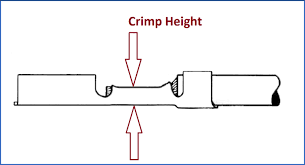
Altura de engarce se refiere al espesor comprimido final de un cilindro terminal después de haber sido engarzado sobre un cable. Por lo general, se mide usando un micrómetro en una ubicación específica en el engarce del conductor..
A diferencia de la inspección visual, la altura de engarce es una parámetro cuantitativo que refleja directamente cuánto se han deformado plásticamente el terminal y el conductor durante el proceso de engarzado.
Características clave:
Medido en milímetros (milímetros) o pulgadas
Se aplica a la engarce del conductor, no aislamiento engarzado
Definido por el diseño del terminal y el tamaño del cable
Se utiliza como métrica primaria de control de calidad.
¿Por qué es importante la altura de engarce??
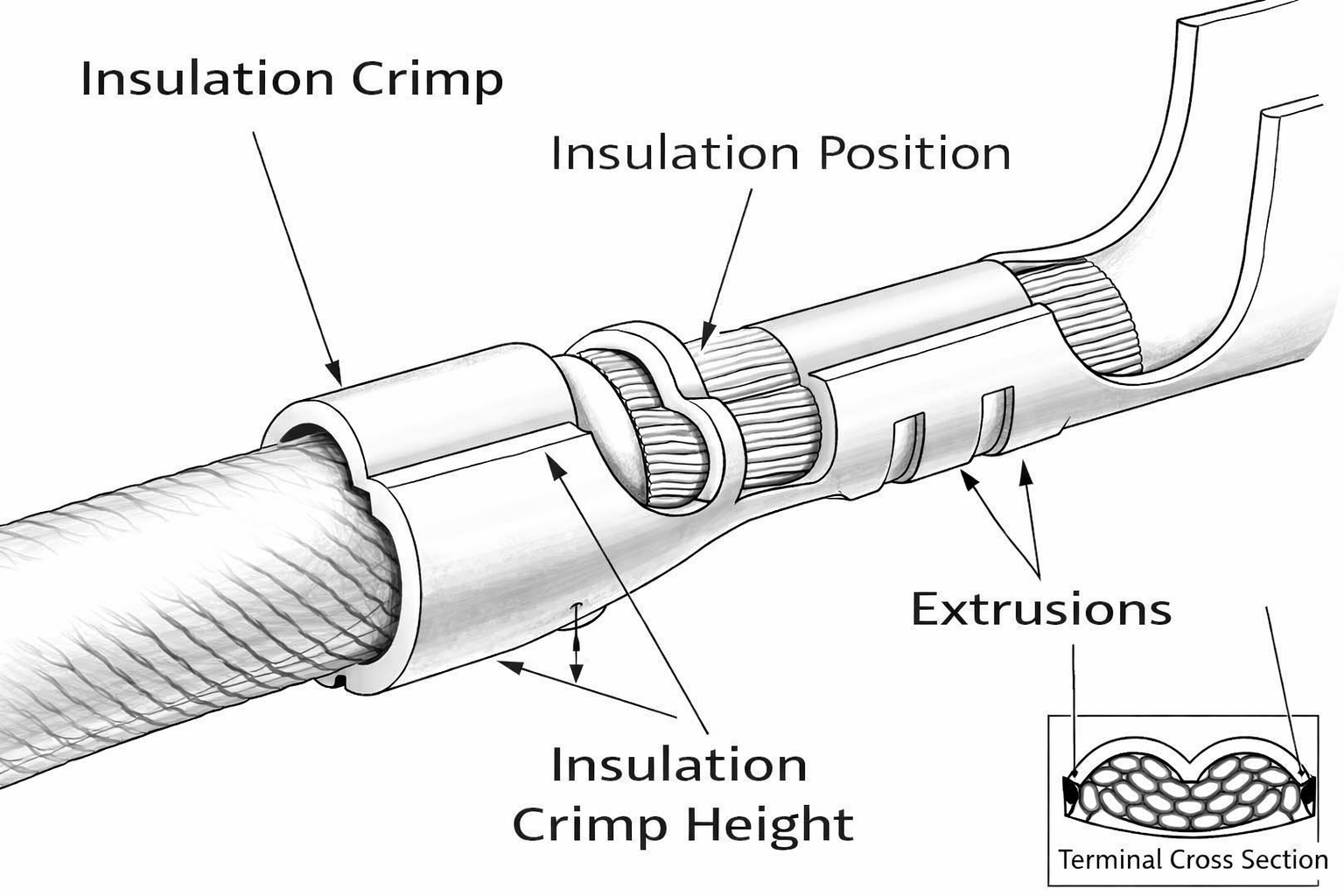
La altura de engarce no es sólo un valor dimensional: es un indicador de control de proceso que determina si una conexión engarzada funcionará de manera confiable con el tiempo.
1. Rendimiento eléctrico
Un engarzado adecuado crea una conexión estanca al gas entre el terminal y los hilos del cable. Esto previene la oxidación y garantiza una conductividad estable..
Camino de baja resistencia
Caída de voltaje mínima
Integridad de la señal a largo plazo
Los estándares de la industria, como IPC/WHMA-A-620, enfatizan la formación de engarzado adecuada para lograr un rendimiento eléctrico constante..
2. Resistencia mecánica (Fuerza de tracción)
La altura de engarce se correlaciona directamente con la fuerza de extracción:
Demasiado alto → compresión débil → el cable puede salirse
Demasiado bajo → sobrecompresión → hebras dañadas → resistencia reducida
Una altura de engarzado óptima garantiza:
Fuerte retención mecánica
Resistencia a vibraciones y fatiga.
Cumplimiento de los requisitos de la prueba de extracción
3. Confiabilidad y prevención de fallas
La altura de engarce incorrecta es una de las principales causas de fallas en el campo.
Modos de falla comunes:
Contacto eléctrico intermitente
Mayor resistencia y sobrecalentamiento.
Rotura de hilo de alambre
Fatiga terminal bajo vibración.
Información clave:
Un engarce visualmente “bonito” aún puede fallar si la altura del engarzado está fuera de las especificaciones.
Altura de engarce ideal: Estándares y directrices
No existe un valor de altura de engarce universal; depende de:
Calibre del cable (AWG)
Construcción de hilos
Diseño de terminales
Propiedades de los materiales
Sin embargo, Las pautas de la industria están definidas por organizaciones como:
IPC
UL
Referencia típica (Sólo ejemplo)
| Tamaño del cable (AWG) | Rango típico de altura de engarce (milímetros) |
| 24 AWG | 0.80 – 0.90 |
| 20 AWG | 1.00 – 1.20 |
| 16 AWG | 1.30 – 1.50 |
Nota: Estos valores varían según la geometría del terminal y las herramientas..
Diferencias de tipos de terminales
Terminales de barril abierto
Común en aplicaciones automotrices
Requiere un control preciso de la altura del engarce
Sensible a la variación de herramientas
Terminales de barril cerradas
Utilizado en aplicaciones industriales y de energía.
Más indulgente pero aún requiere el cumplimiento de las especificaciones
Cómo medir la altura de engarce
La medición precisa es esencial para la validación de procesos y el control de calidad..
Procedimiento paso a paso:
- Utilice un calibrado micrómetro de engarzado
- Mida en el centro del engarzado del conductor.
- Evite el área de pliegue del aislamiento
- Aplique una presión de medición constante
- Registrar y comparar con las especificaciones.
Herramientas de medición:
Micrómetro de engarce (privilegiado)
Sistemas de medición óptica
Análisis transversal (para validación)
Altura de engarzado versus fuerza de tracción
Una de las relaciones más críticas en el engarce es entre altura de engarce y fuerza de tracción.
Descripción general de la relación:
Mayor altura de engarce → menos compresión → menor fuerza de tracción
Altura de engarce inferior → más compresión → riesgo de dañar el conductor
El objetivo es encontrar el zona de compresión óptima, dónde:
La fuerza de tracción cumple o supera los estándares
Los hilos de alambre no están dañados.
La resistencia eléctrica sigue siendo baja.
Perspectiva de ingeniería:
La altura de engarce nunca debe ajustarse a ciegas.
Debe ser validado mediante:
Prueba de extracción
Análisis transversal
Estudios de capacidad de procesos.
Defectos comunes de engarzado relacionados con la altura de engarzado
| Tipo de defecto | Causa | Resultado |
| Sobre-engarzado | Altura de engarce demasiado baja | Daño en el hilo del alambre, fragilidad |
| Sub-engarzado | Altura de engarce demasiado alta | Retención débil, fallo de extracción |
| Engarce desigual | Desalineación de herramientas | Rendimiento inconsistente |
| Brillante / rebabas | fuerza excesiva | Posibles daños al aislamiento |
Factores que afectan la altura del engarce
La altura del engarce está influenciada por múltiples variables, no solo herramientas.
1. Características del cable
Recuento de hebras
material (cobre, cobre estañado)
Espesor del aislamiento
2. Diseño de terminales
Espesor del barril
Dureza del material
Geometría y tolerancias.
3. Estampación (Utensilio para aplicar algo & Morir)
Precisión y estado de desgaste.
Precisión de alineación
calidad del fabricante
4. Configuración de la máquina
Fuerza de engarce
Ajuste de carrera
Estabilidad de calibración
Perspectiva crítica:
Incluso con la misma altura nominal de engarce, diferentes combinaciones de cable y terminal pueden producir resultados completamente diferentes.
Cómo controlar la altura de engarce en producción
Mantener una altura de engarzado constante requiere un enfoque impulsado por procesos.
Mejores prácticas:
1. Establecer especificaciones de engarce estándar
Definir el rango de tolerancia aceptable
Enlace con requisitos de fuerza de tracción
2. Implementar CEP (Control estadístico de procesos)
Monitorear la variación a lo largo del tiempo
Detectar la deriva temprano
3. Mantenimiento regular de herramientas
Reemplazar matrices desgastadas
Comprobar alineación
4. Capacitación del operador
Garantizar la configuración y medición adecuadas
Evite errores de ajuste manual
5. Inspección de rutina
Inspección del primer artículo.
Muestreo periódico
Cómo elegir el terminal correcto para una altura de engarce adecuada
La estabilidad de la altura de engarce comienza con compatibilidad del diseño del terminal.
Consideraciones clave:
Hacer coincidir el cilindro del terminal con el tamaño del cable
Selección de materiales (ductilidad vs resistencia)
Control de tolerancia de diseño
Compatibilidad con herramientas
Realidad de la ingeniería:
Un terminal mal diseñado no se puede “reparar” ajustando la altura del engarce.
¿Por qué trabajar con un fabricante de terminales profesional?
Para OEM y fabricantes de mazos de cables, La calidad del engarzado no es sólo una cuestión de proceso: es una cuestión desafío de ingeniería a nivel de sistema.
Un fabricante de terminales competente debería proporcionar:
1. Especificaciones de engarce personalizadas
Adaptado a su cable y aplicación
Basado en pruebas reales, no suposiciones
2. Soporte de combinación de herramientas
Diseño y optimización del aplicador.
Validación de compatibilidad
3. Servicios de validación
Prueba de fuerza de tracción
Análisis transversal
Informes de optimización de engarce
4. Calidad de fabricación constante
Control de tolerancia estricto
Propiedades del material estable
Propuesta de valor:
Trabajar con el proveedor adecuado garantiza:
Configuración de producción más rápida
Tasas de defectos reducidas
Fiabilidad a largo plazo
Conclusión
La altura de engarzado es uno de los parámetros más críticos en el engarzado de terminales., afectando directamente el rendimiento eléctrico, resistencia mecánica, y confiabilidad a largo plazo.
Una altura de engarzado controlada y optimizada garantiza:
Conductividad estable
Fuerte retención de cables
Cumplimiento de estándares de la industria como IPC
Sin embargo, Lograr una calidad de engarzado constante requiere más que una medición: exige la combinación correcta de diseño de terminales, precisión de herramientas, y control de procesos.
Preguntas frecuentess
1. ¿Qué sucede si la altura del engarce es demasiado baja??
El engarzado excesivo puede dañar los hilos del alambre, reducir la flexibilidad, y conducir a un fracaso prematuro.
2. ¿Qué sucede si la altura del engarce es demasiado alta??
Un engarzado insuficiente da como resultado una retención mecánica débil y una mayor resistencia eléctrica..
3. ¿Con qué frecuencia se debe comprobar la altura del engarce??
debe ser revisado:
Durante la configuración (primer artículo)
Periódicamente durante la producción
Después de cambios de herramientas
4. ¿Es la altura de engarce suficiente para garantizar la calidad??
No. Debe combinarse con:
Prueba de fuerza de tracción
Inspección visual
Análisis transversal
5. ¿Todos los terminales tienen la misma altura de engarce??
No. Cada diseño de terminal tiene sus propias especificaciones según el tamaño del cable y la aplicación..
Necesita ayuda con la optimización del engarce?
Si enfrenta inconsistencias en el engarzado o está desarrollando un nuevo proyecto de mazo de cables, Trabajar con un fabricante de terminales experimentado puede reducir significativamente el riesgo y mejorar el rendimiento..
Contáctanos hoy Llegar:
Recomendaciones de terminales personalizados
Soporte de especificación de engarce
Asistencia para pruebas y validación de muestras

