

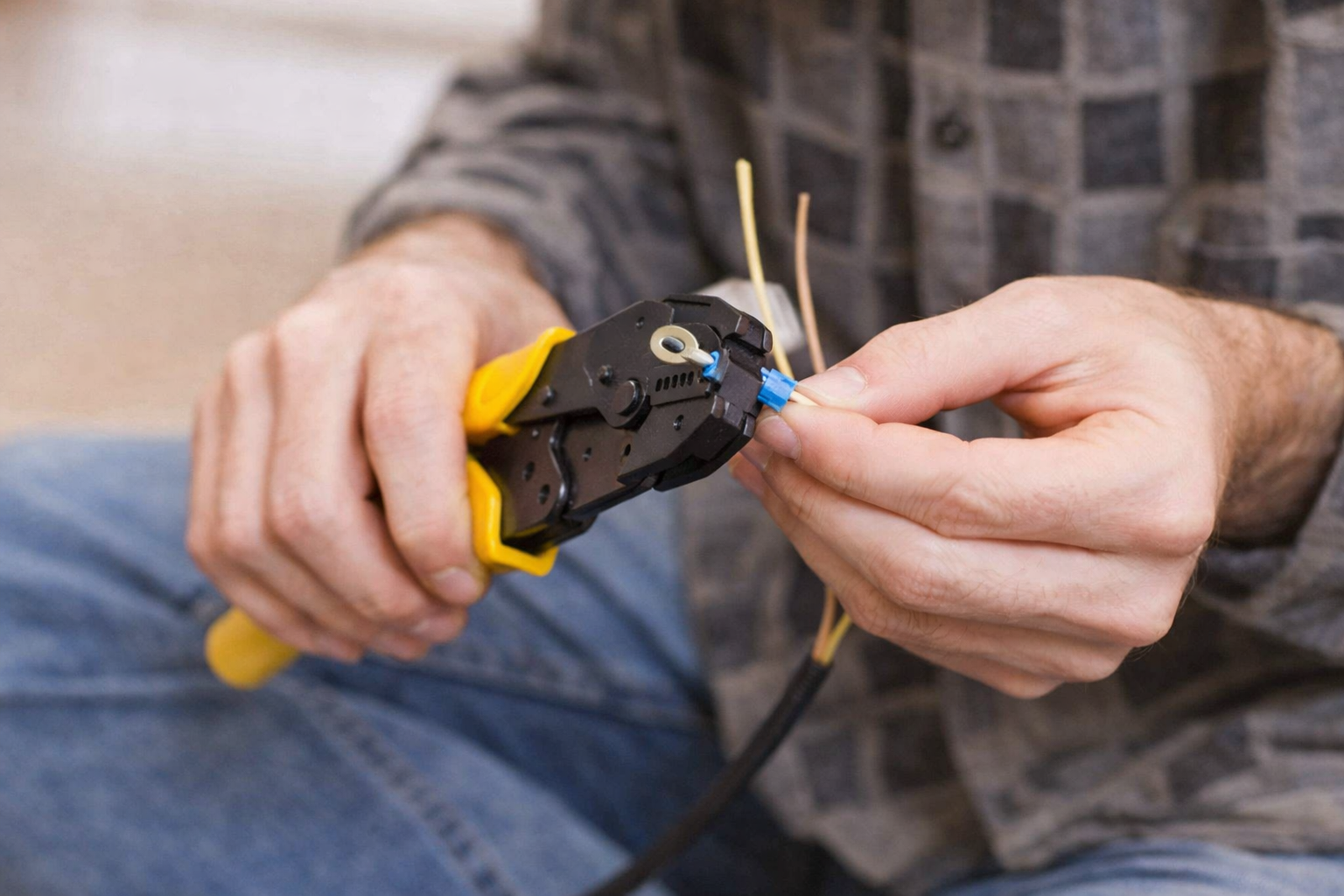
Crimping is very critical processes in electrical connectivity. Whether in automotive wiring harnesses, industrial equipment, or consumer electronics, the quality of a crimp directly determines the reliability of the entire system. Among all crimping parameters, crimp height stands out as the most important—and most frequently misunderstood—control variable.
This guide provides a comprehensive, engineering-level explanation of crimp height, why it matters, how to control it, and how it impacts terminal performance. It is designed for engineers, quality professionals, and sourcing teams looking to improve crimp reliability and supplier selection.
What Is Crimp Height?
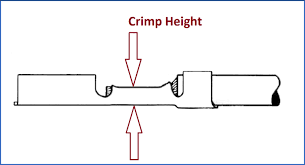
Crimp height refers to the final compressed thickness of a terminal barrel after it has been crimped onto a wire. It is typically measured using a micrometer at a specified location on the conductor crimp.
Unlike visual inspection, crimp height is a quantitative parameter that directly reflects how much the terminal and conductor have been plastically deformed during the crimping process.
Key Characteristics:
Measured in millimeters (mm) or inches
Applies to the conductor crimp, not insulation crimp
Defined by terminal design and wire size
Used as a primary quality control metric
Why Is Crimp Height Important?
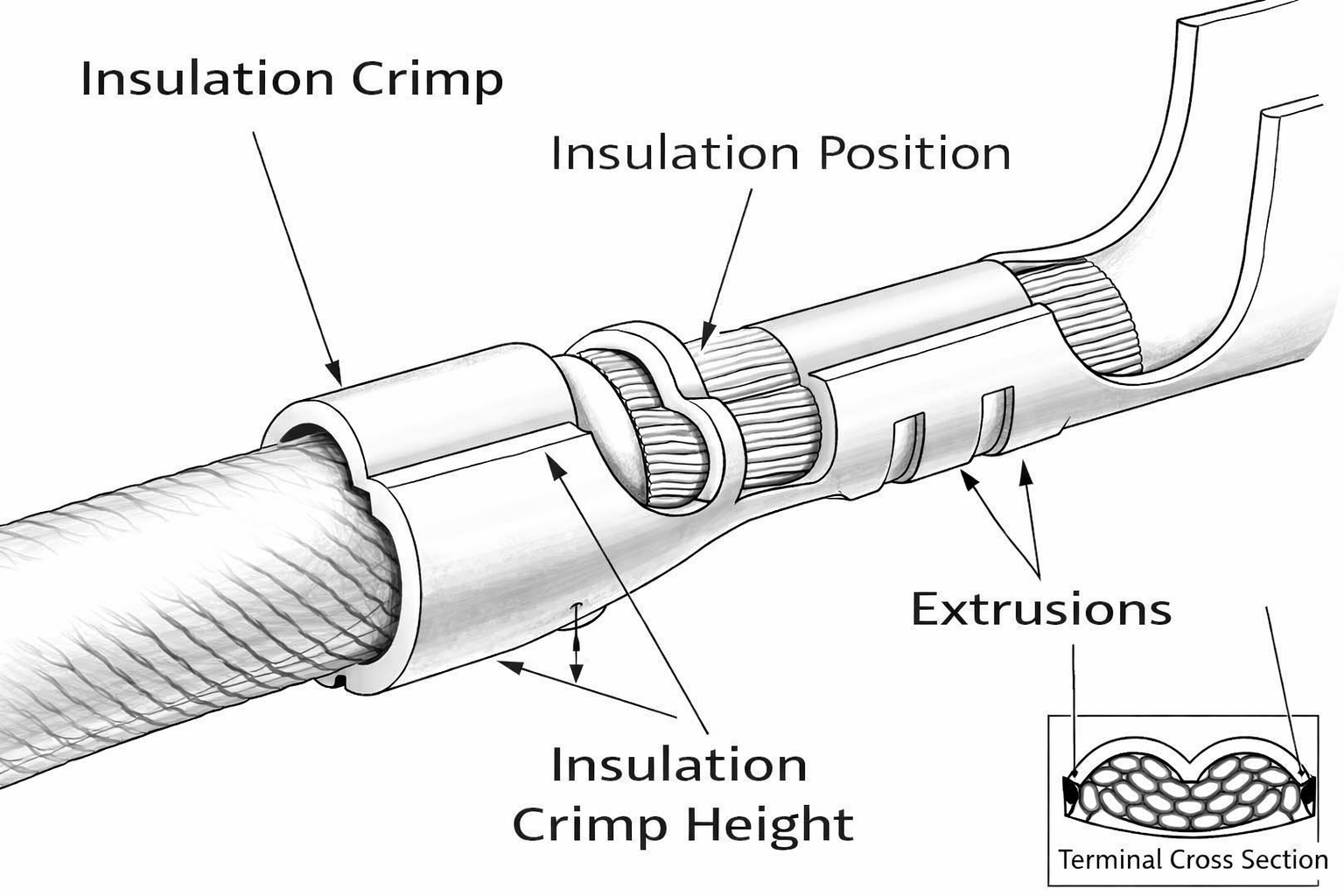
Crimp height is not just a dimensional value—it is a process control indicator that determines whether a crimped connection will perform reliably over time.
1. Electrical Performance
A proper crimp creates a gas-tight connection between the terminal and wire strands. This prevents oxidation and ensures stable conductivity.
Low resistance path
Minimal voltage drop
Long-term signal integrity
Industry standards such as IPC/WHMA-A-620 emphasize proper crimp formation to achieve consistent electrical performance.
2. Mechanical Strength (Pull Force)
Crimp height directly correlates with pull-out force:
Too high → weak compression → wire can be pulled out
Too low → over-compression → damaged strands → reduced strength
An optimal crimp height ensures:
Strong mechanical retention
Resistance to vibration and fatigue
Compliance with pull test requirements
3. Reliability and Failure Prevention
Incorrect crimp height is one of the leading causes of field failures.
Common failure modes:
Intermittent electrical contact
Increased resistance and overheating
Wire strand breakage
Terminal fatigue under vibration
Key Insight:
A visually “good-looking” crimp can still fail if the crimp height is out of specification.
Ideal Crimp Height: Standards and Guidelines
There is no universal crimp height value—it depends on:
Wire gauge (AWG)
Strand construction
Terminal design
Material properties
However, industry guidelines are defined by organizations such as:
IPC
UL
Typical Reference (Example Only)
| Wire Size (AWG) | Typical Crimp Height Range (mm) |
| 24 AWG | 0.80 – 0.90 |
| 20 AWG | 1.00 – 1.20 |
| 16 AWG | 1.30 – 1.50 |
Note: These values vary depending on terminal geometry and tooling.
Terminal Type Differences
Open Barrel Terminals
Common in automotive applications
Require precise crimp height control
Sensitive to tooling variation
Closed Barrel Terminals
Used in power and industrial applications
More forgiving but still require specification compliance
How to Measure Crimp Height
Accurate measurement is essential for process validation and quality control.
Step-by-Step Procedure:
- Use a calibrated crimp micrometer
- Measure at the center of the conductor crimp
- Avoid insulation crimp area
- Apply consistent measuring pressure
- Record and compare with specification
Measurement Tools:
Crimp micrometer (preferred)
Optical measurement systems
Cross-section analysis (for validation)
Crimp Height vs Pull Force
One of the most critical relationships in crimping is between crimp height and pull force.
Relationship Overview:
Higher crimp height → less compression → lower pull force
Lower crimp height → more compression → risk of conductor damage
The goal is to find the optimal compression zone, where:
Pull force meets or exceeds standards
Wire strands are not damaged
Electrical resistance remains low
Engineering Insight:
Crimp height should never be adjusted blindly.
It must be validated through:
Pull testing
Cross-sectional analysis
Process capability studies
Common Crimping Defects Related to Crimp Height
| Defect Type | Cause | Result |
| Over-crimping | Crimp height too low | Wire strand damage, brittleness |
| Under-crimping | Crimp height too high | Weak retention, pull-out failure |
| Uneven crimp | Tool misalignment | Inconsistent performance |
| Flashing / burrs | Excessive force | Potential insulation damage |
Factors Affecting Crimp Height
Crimp height is influenced by multiple variables, not just tooling.
1. Wire Characteristics
Strand count
مادة (copper, tinned copper)
Insulation thickness
2. Terminal Design
Barrel thickness
Material hardness
Geometry and tolerances
3. Tooling (Applicator & Die)
Precision and wear condition
Alignment accuracy
निर्माता quality
4. Machine Settings
Crimp force
Stroke adjustment
Calibration stability
Critical Insight:
Even with the same nominal crimp height, different combinations of wire and terminal can produce completely different results.
How to Control Crimp Height in Production
Maintaining consistent crimp height requires a process-driven approach.
Best Practices:
1. Establish Standard Crimp Specifications
Define acceptable tolerance range
Link with pull force requirements
2. Implement SPC (Statistical Process Control)
Monitor variation over time
Detect drift early
3. Regular Tool Maintenance
Replace worn dies
Check alignment
4. Operator Training
Ensure proper setup and measurement
Avoid manual adjustment errors
5. Routine Inspection
First article inspection
Periodic sampling
How to Choose the Right Terminal for Proper Crimp Height
Crimp height stability begins with terminal design compatibility.
Key Considerations:
Matching terminal barrel to wire size
Material selection (ductility vs strength)
Design tolerance control
Compatibility with tooling
Engineering Reality:
A poorly designed terminal cannot be “fixed” by adjusting crimp height.
Why Work with a Professional Terminal Manufacturer
For OEMs and wire harness manufacturers, crimp quality is not just a process issue—it is a system-level engineering challenge.
A capable terminal manufacturer should provide:
1. Custom Crimp Specifications
Tailored to your wire and application
Based on real testing, not assumptions
2. Tooling Matching Support
Applicator design and optimization
Compatibility validation
3. Validation Services
Pull force testing
Cross-section analysis
Crimp optimization reports
4. Consistent Manufacturing Quality
Tight tolerance control
Stable material properties
Value Proposition:
Working with the right supplier ensures:
Faster production setup
Reduced defect rates
Long-term reliability
Conclusion
Crimp height is one of the most critical parameters in terminal crimping, directly affecting electrical performance, mechanical strength, and long-term reliability.
A controlled and optimized crimp height ensures:
Stable conductivity
Strong wire retention
Compliance with industry standards such as IPC
However, achieving consistent crimp quality requires more than measurement—it demands the right combination of terminal design, tooling precision, and process control.
FAQs
1. What happens if crimp height is too low?
Over-crimping can damage wire strands, reduce flexibility, and lead to premature failure.
2. What happens if crimp height is too high?
Under-crimping results in weak mechanical retention and increased electrical resistance.
3. How often should crimp height be checked?
It should be checked:
During setup (first article)
Periodically during production
After tooling changes
4. Is crimp height enough to guarantee quality?
No. It must be combined with:
Pull force testing
Visual inspection
Cross-sectional analysis
5. Does every terminal have the same crimp height?
No. Each terminal design has its own specification depending on wire size and application.
Need Support with Crimp Optimization?
If you are facing crimping inconsistencies or developing a new wire harness project, working with an experienced terminal manufacturer can significantly reduce risk and improve performance.
Contact us today to get:
Custom terminal recommendations
Crimp specification support
Sample validation and testing assistance

