

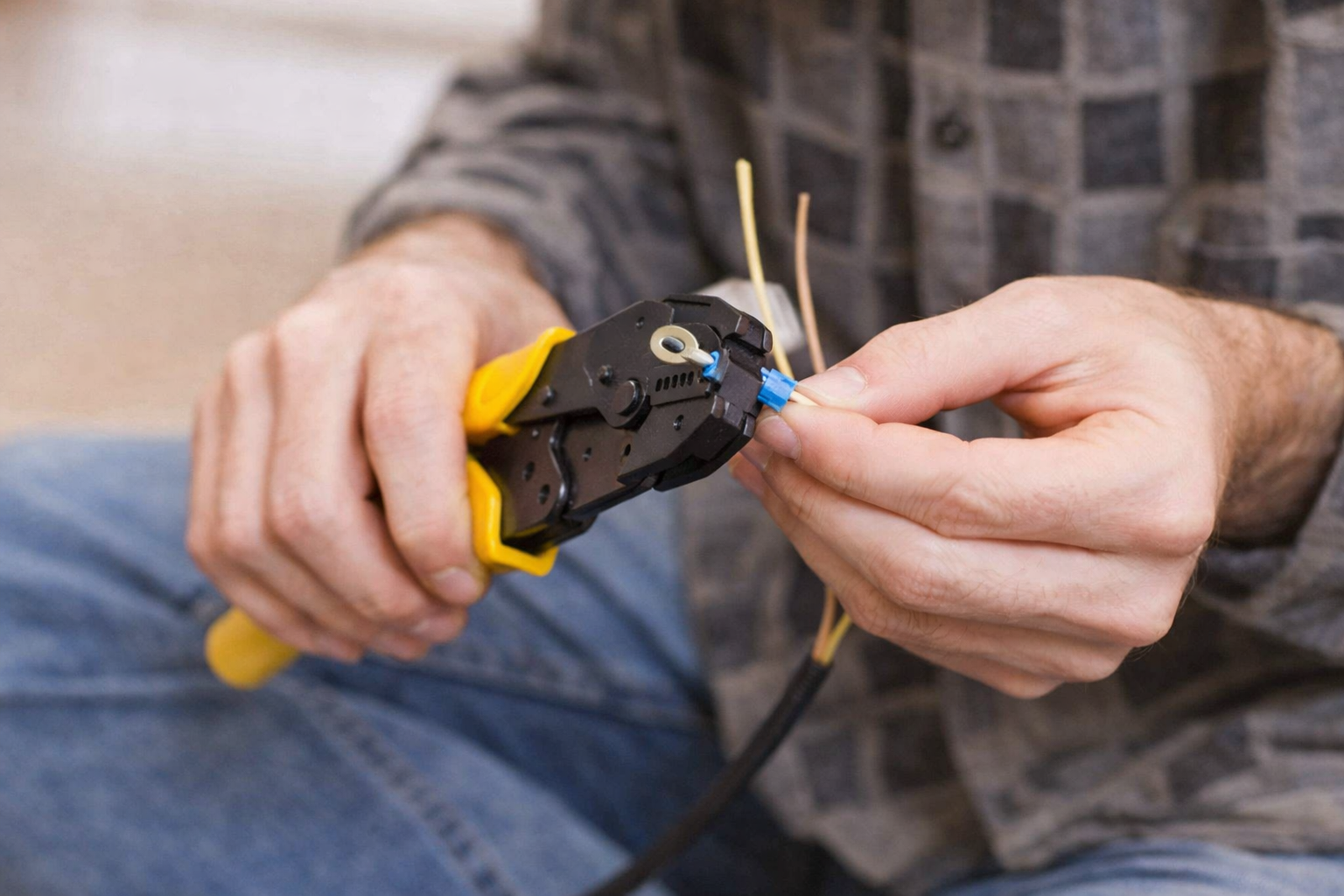
Crimping là quá trình rất quan trọng trong kết nối điện. Dù trong dây điện ô tô, thiết bị công nghiệp, hoặc điện tử tiêu dùng, chất lượng của nếp gấp quyết định trực tiếp đến độ tin cậy của toàn bộ hệ thống. Trong số tất cả các thông số uốn, chiều cao uốn nổi bật là biến kiểm soát quan trọng nhất và thường bị hiểu lầm nhất.
Hướng dẫn này cung cấp một cách toàn diện, giải thích ở cấp độ kỹ thuật về chiều cao uốn, tại sao nó lại quan trọng, làm thế nào để kiểm soát nó, và nó tác động như thế nào đến hiệu suất của thiết bị đầu cuối. Nó được thiết kế cho các kỹ sư, chuyên gia chất lượng, và các nhóm tìm nguồn cung ứng đang tìm cách cải thiện độ tin cậy của uốn và lựa chọn nhà cung cấp.
Chiều cao uốn là gì?
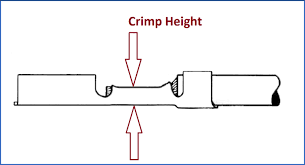
Chiều cao uốn đề cập đến độ dày nén cuối cùng của thùng thiết bị đầu cuối sau khi nó được uốn vào dây. Nó thường được đo bằng micromet tại một vị trí xác định trên dây dẫn.
Khác với kiểm tra trực quan, chiều cao uốn là một thông số định lượng phản ánh trực tiếp mức độ biến dạng dẻo của thiết bị đầu cuối và dây dẫn trong quá trình uốn.
Đặc điểm chính:
Đo bằng milimét (mm) hoặc inch
Áp dụng cho uốn dây dẫn, không uốn cách nhiệt
Được xác định bởi thiết kế thiết bị đầu cuối và kích thước dây
Được sử dụng làm thước đo kiểm soát chất lượng chính
Tại sao chiều cao uốn lại quan trọng?
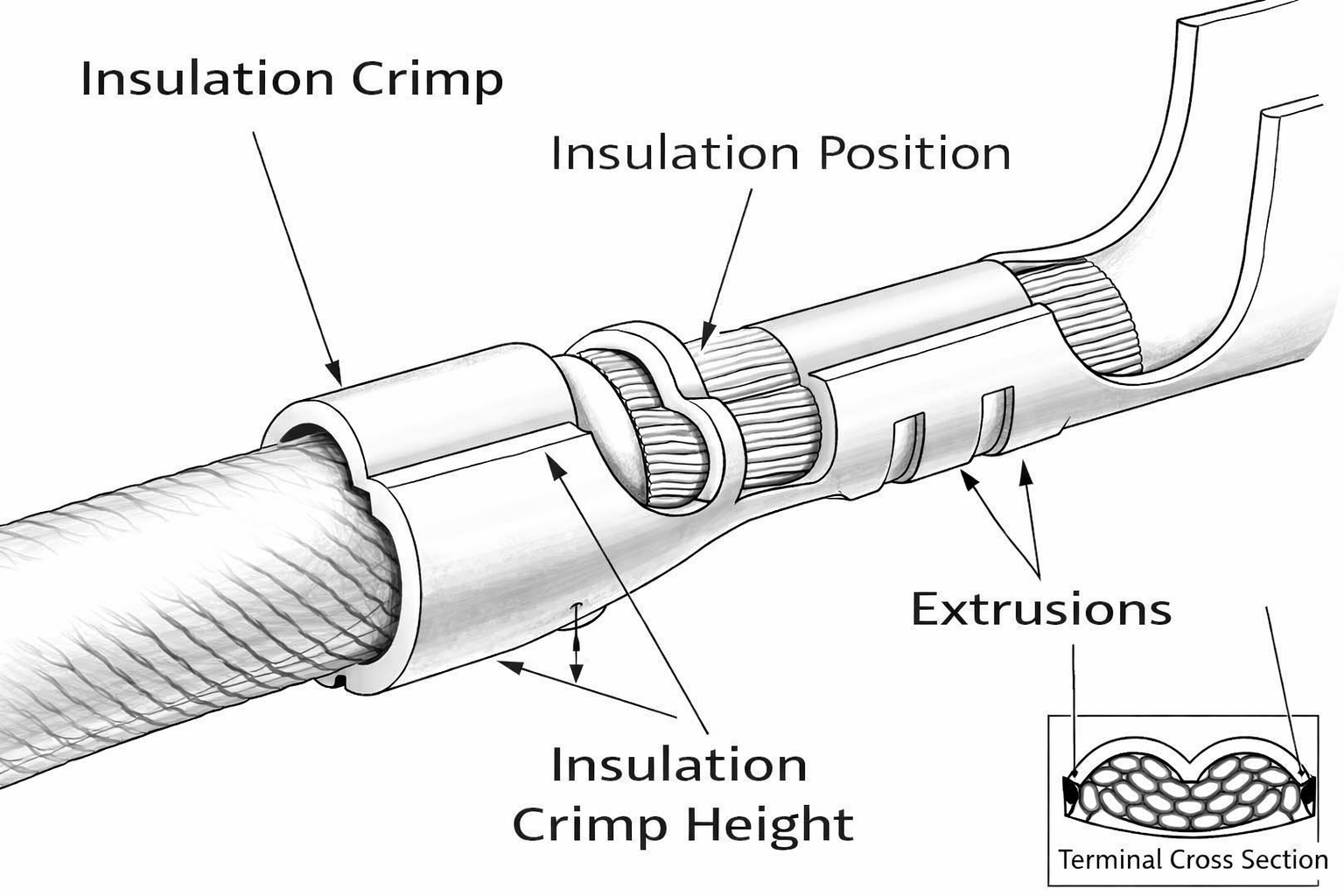
Chiều cao uốn không chỉ là một giá trị kích thước—nó là một chỉ báo kiểm soát quá trình xác định liệu kết nối bị uốn có hoạt động đáng tin cậy theo thời gian hay không.
1. Hiệu suất điện
Một nếp gấp thích hợp sẽ tạo ra một kết nối kín khí giữa thiết bị đầu cuối và sợi dây. Điều này ngăn ngừa quá trình oxy hóa và đảm bảo độ dẫn điện ổn định.
Đường kháng cự thấp
Giảm điện áp tối thiểu
Tính toàn vẹn tín hiệu dài hạn
Các tiêu chuẩn công nghiệp như IPC/WHMA-A-620 nhấn mạnh đến việc tạo nếp gấp thích hợp để đạt được hiệu suất điện ổn định.
2. Độ bền cơ học (Lực kéo)
Chiều cao uốn tương quan trực tiếp với lực kéo:
Quá cao → nén yếu → dây có thể bị kéo ra ngoài
Quá thấp → nén quá mức → sợi bị hư hỏng → độ bền giảm
Chiều cao uốn tối ưu đảm bảo:
Khả năng giữ cơ học mạnh mẽ
Khả năng chống rung và mệt mỏi
Tuân thủ các yêu cầu kiểm tra kéo
3. Độ tin cậy và Phòng ngừa Thất bại
Chiều cao uốn không chính xác là một trong những nguyên nhân hàng đầu gây ra sự cố tại hiện trường.
Các chế độ lỗi phổ biến:
Tiếp xúc điện liên tục
Tăng sức đề kháng và quá nhiệt
Đứt sợi dây
Mệt mỏi của thiết bị đầu cuối dưới sự rung động
Thông tin chi tiết chính:
Một đường uốn “đẹp” về mặt hình ảnh vẫn có thể bị lỗi nếu chiều cao đường uốn nằm ngoài thông số kỹ thuật.
Chiều cao uốn lý tưởng: Tiêu chuẩn và hướng dẫn
Không có giá trị chiều cao uốn chung—nó phụ thuộc vào:
Máy đo dây (AWG)
Thi công sợi
Thiết kế nhà ga
Tính chất vật liệu
Tuy nhiên, hướng dẫn của ngành được xác định bởi các tổ chức như:
IPC
UL
Tài liệu tham khảo điển hình (Chỉ ví dụ)
| Kích thước dây (AWG) | Phạm vi chiều cao uốn điển hình (mm) |
| 24 AWG | 0.80 – 0.90 |
| 20 AWG | 1.00 – 1.20 |
| 16 AWG | 1.30 – 1.50 |
Ghi chú: Các giá trị này thay đổi tùy thuộc vào hình dạng đầu cuối và dụng cụ.
Sự khác biệt về loại thiết bị đầu cuối
Thiết bị đầu cuối thùng mở
Phổ biến trong các ứng dụng ô tô
Yêu cầu kiểm soát chiều cao uốn chính xác
Nhạy cảm với sự thay đổi dụng cụ
Thiết bị đầu cuối thùng kín
Được sử dụng trong các ứng dụng điện và công nghiệp
Dễ tha thứ hơn nhưng vẫn yêu cầu tuân thủ đặc điểm kỹ thuật
Cách đo chiều cao uốn
Đo lường chính xác là điều cần thiết để xác nhận quy trình và kiểm soát chất lượng.
Quy trình từng bước:
- Sử dụng một hiệu chuẩn micromet uốn
- Đo tại tâm điểm uốn dây dẫn
- Tránh khu vực uốn cách nhiệt
- Áp dụng áp suất đo nhất quán
- Ghi lại và so sánh với đặc điểm kỹ thuật
Dụng cụ đo lường:
micromet uốn (ưa thích)
Hệ thống đo quang
Phân tích mặt cắt ngang (để xác nhận)
Chiều cao uốn so với lực kéo
Một trong những mối quan hệ quan trọng nhất trong việc uốn tóc bồng là giữa chiều cao uốn và lực kéo.
Tổng quan về mối quan hệ:
Chiều cao uốn cao hơn → ít nén hơn → lực kéo thấp hơn
Chiều cao uốn thấp hơn → nén nhiều hơn → nguy cơ hư hỏng dây dẫn
Mục tiêu là tìm ra vùng nén tối ưu, Ở đâu:
Lực kéo đạt hoặc vượt tiêu chuẩn
Các sợi dây không bị hư hỏng
Điện trở vẫn ở mức thấp
Cái nhìn sâu sắc về kỹ thuật:
Chiều cao uốn không bao giờ được điều chỉnh một cách mù quáng.
Nó phải được xác nhận thông qua:
Kéo thử nghiệm
Phân tích cắt ngang
Nghiên cứu khả năng xử lý
Các lỗi uốn thường gặp liên quan đến chiều cao uốn
| Loại khiếm khuyết | Gây ra | Kết quả |
| Uốn quá mức | Chiều cao uốn quá thấp | Hư hỏng sợi dây, độ giòn |
| Uốn dưới | Chiều cao uốn quá cao | Khả năng lưu giữ yếu, kéo ra thất bại |
| Uốn không đều | Công cụ sai lệch | Hiệu suất không nhất quán |
| Nhấp nháy / gờ | Lực quá mức | Thiệt hại cách nhiệt tiềm ẩn |
Các yếu tố ảnh hưởng đến chiều cao uốn
Chiều cao uốn bị ảnh hưởng bởi nhiều biến số, không chỉ là dụng cụ.
1. Đặc điểm dây
Số lượng sợi
vật liệu (đồng, đồng đóng hộp)
Độ dày cách nhiệt
2. Thiết kế nhà ga
Độ dày thùng
Độ cứng vật liệu
Hình học và dung sai
3. Dụng cụ (dụng cụ bôi & chết)
Độ chính xác và tình trạng mài mòn
Độ chính xác căn chỉnh
chất lượng nhà sản xuất
4. Cài đặt máy
Lực uốn
Điều chỉnh hành trình
Độ ổn định hiệu chuẩn
Cái nhìn sâu sắc quan trọng:
Ngay cả với cùng chiều cao uốn danh nghĩa, sự kết hợp khác nhau của dây và thiết bị đầu cuối có thể tạo ra kết quả hoàn toàn khác nhau.
Cách kiểm soát chiều cao uốn trong sản xuất
Việc duy trì chiều cao uốn phù hợp đòi hỏi một cách tiếp cận theo hướng quá trình.
Thực tiễn tốt nhất:
1. Thiết lập thông số kỹ thuật uốn tiêu chuẩn
Xác định phạm vi dung sai chấp nhận được
Liên kết với yêu cầu về lực kéo
2. Triển khai SPC (Kiểm soát quy trình thống kê)
Theo dõi sự thay đổi theo thời gian
Phát hiện trôi dạt sớm
3. Bảo trì công cụ thường xuyên
Thay thế khuôn bị mòn
Kiểm tra căn chỉnh
4. Đào tạo người vận hành
Đảm bảo thiết lập và đo lường thích hợp
Tránh lỗi điều chỉnh thủ công
5. Kiểm tra định kỳ
Kiểm tra bài viết đầu tiên
Lấy mẫu định kỳ
Cách chọn thiết bị đầu cuối phù hợp để có chiều cao uốn phù hợp
Độ ổn định chiều cao uốn bắt đầu bằng khả năng tương thích thiết kế thiết bị đầu cuối.
Những cân nhắc chính:
Khớp thùng thiết bị đầu cuối với kích thước dây
Lựa chọn vật liệu (độ dẻo vs sức mạnh)
Kiểm soát dung sai thiết kế
Khả năng tương thích với dụng cụ
Kỹ thuật thực tế:
Thiết bị đầu cuối được thiết kế kém không thể “sửa” được bằng cách điều chỉnh độ cao uốn.
Tại sao nên làm việc với nhà sản xuất thiết bị đầu cuối chuyên nghiệp
Dành cho OEM và nhà sản xuất bộ dây điện, chất lượng uốn không chỉ là vấn đề về quy trình—nó là một thách thức kỹ thuật cấp hệ thống.
Một nhà sản xuất thiết bị đầu cuối có năng lực nên cung cấp:
1. Thông số kỹ thuật uốn tùy chỉnh
Phù hợp với dây và ứng dụng của bạn
Dựa trên thử nghiệm thực tế, không phải giả định
2. Hỗ trợ kết hợp dụng cụ
Thiết kế và tối ưu hóa ứng dụng
Xác thực khả năng tương thích
3. Dịch vụ xác thực
Kiểm tra lực kéo
Phân tích mặt cắt ngang
Báo cáo tối ưu hóa uốn
4. Chất lượng sản xuất nhất quán
Kiểm soát dung sai chặt chẽ
Tính chất vật liệu ổn định
Đề xuất giá trị:
Làm việc với nhà cung cấp phù hợp đảm bảo:
Thiết lập sản xuất nhanh hơn
Giảm tỷ lệ lỗi
Độ tin cậy lâu dài
Phần kết luận
Chiều cao uốn là một trong những thông số quan trọng nhất trong quá trình uốn đầu cuối, ảnh hưởng trực tiếp đến hiệu suất điện, sức mạnh cơ học, và độ tin cậy lâu dài.
Chiều cao uốn được kiểm soát và tối ưu hóa đảm bảo:
Độ dẫn điện ổn định
Giữ dây chắc chắn
Tuân thủ các tiêu chuẩn ngành như IPC
Tuy nhiên, để đạt được chất lượng uốn ổn định đòi hỏi nhiều thứ hơn là đo lường—nó đòi hỏi sự kết hợp phù hợp giữa thiết kế thiết bị đầu cuối, độ chính xác dụng cụ, và kiểm soát quá trình.
Câu hỏi thường gặpS
1. Điều gì xảy ra nếu chiều cao uốn quá thấp?
Uốn quá mức có thể làm hỏng sợi dây, giảm tính linh hoạt, và dẫn đến thất bại sớm.
2. Điều gì xảy ra nếu chiều cao uốn quá cao?
Uốn mép dẫn đến khả năng giữ cơ học yếu và tăng điện trở.
3. Bao lâu nên kiểm tra chiều cao uốn?
Nó nên được kiểm tra:
Trong quá trình thiết lập (bài viết đầu tiên)
Định kỳ trong quá trình sản xuất
Sau khi thay đổi dụng cụ
4. Chiều cao uốn có đủ để đảm bảo chất lượng không?
KHÔNG. Nó phải được kết hợp với:
Kiểm tra lực kéo
Kiểm tra trực quan
Phân tích cắt ngang
5. Mọi thiết bị đầu cuối đều có cùng chiều cao uốn?
KHÔNG. Mỗi thiết kế đầu cuối có thông số kỹ thuật riêng tùy thuộc vào kích thước dây và ứng dụng.
Cần hỗ trợ tối ưu hóa uốn?
Nếu bạn đang phải đối mặt với sự không nhất quán trong việc uốn hoặc phát triển một dự án khai thác dây mới, làm việc với nhà sản xuất thiết bị đầu cuối có kinh nghiệm có thể giảm đáng kể rủi ro và cải thiện hiệu suất.
Liên hệ với chúng tôi ngay hôm nay để có được:
Đề xuất thiết bị đầu cuối tùy chỉnh
Hỗ trợ đặc điểm kỹ thuật uốn
Hỗ trợ xác nhận và thử nghiệm mẫu

