블로그, 기술

전기 터미널은 어떻게 작동합니까?? 안정적인 전기 연결 뒤에 숨은 과학 이해

전기 터미널은 어떻게 작동합니까?

모든 안정적인 전기 연결은 단자에서 시작됩니다.

목차

From automotive wiring harnesses and industrial control systems to renewable energy equipment and consumer electronics, 전기 터미널 provide the interface that allows current to pass safely and efficiently between conductors and components. Although terminals are often small and inexpensive compared with other electrical parts, their performance has a direct impact on system safety, 능률, 신뢰성.

The working principle of an electrical terminal is based on two key functions: creating a secure mechanical connection and maintaining a low-resistance electrical path. When these functions are properly achieved, the connection can remain stable for years, even in demanding environments involving vibration, 열, 수분, 기계적 스트레스.

This guide explains how electrical terminals work, the science behind contact pressure and conductivity, and why proper terminal design and installation are critical for long-term electrical performance.

전기 터미널

The Primary Function of an Electrical Terminal

At its most basic level, an electrical terminal has two primary functions:

  • Create a secure mechanical connection
  • Establish a reliable electrical pathway

Both functions must work together to ensure safe and efficient power or signal transmission.

Creating a Secure Mechanical Connection

The mechanical purpose of a terminal is to hold a conductor firmly in place. Without sufficient retention force, wires may loosen, disconnect, or become damaged during operation.

Depending on the terminal design, this mechanical connection may be achieved through:

  • 압착력
  • Screw clamping
  • Spring pressure
  • Stud or bolt fastening

A strong mechanical connection prevents wire pull-out and maintains stability even when the system is exposed to vibration, 충격, 혹은 반복적인 움직임.

Establishing a Reliable Electrical Path

While mechanical retention secures the conductor physically, the electrical function of a terminal is to provide a continuous conductive path for current flow.

An effective electrical connection requires:

  • 넓은 접촉 표면적
  • Adequate contact pressure
  • 낮은 접촉 저항
  • Resistance to oxidation and corrosion

When these conditions are met, electrical energy can flow efficiently with minimal voltage loss and heat generation.

Why Electrical Terminals Are Essential

Electrical terminals provide several advantages compared with permanent wire joining methods:

  • 더 빠른 설치
  • Easier maintenance and replacement
  • 안전성 향상
  • Greater manufacturing efficiency
  • Better system modularity

이러한 이유로, terminals have become standard components across almost every electrical industry.

The Core Working Principle of Electrical Terminals

Although terminal designs vary significantly, all electrical terminals operate according to the same fundamental principles: 기계적 유지 및 전기 전도도.

기계적 유지

Mechanical retention refers to the force that keeps the conductor securely attached to the terminal.

The retention force may come from:

  • Compression created by crimping
  • Clamping force generated by screws
  • Constant pressure provided by springs

The objective is to prevent movement between the conductor and the terminal. Even small movements can gradually increase resistance and lead to connection failure.

Electrical Contact

Electrical current flows only when conductive materials make sufficient contact with each other.

In a terminal connection, this occurs when the conductor touches the terminal surface under controlled pressure.

The quality of this metal-to-metal contact determines:

  • 전류 운반 능력
  • 전압 강하
  • 발열
  • Overall connection reliability

The greater the effective contact area, the better the electrical performance.

Why Contact Pressure Matters

One of the most important but often overlooked aspects of terminal performance is contact pressure.

When contact pressure is too low:

  • 전기 저항이 증가합니다.
  • 발열량 증가
  • Oxidation develops more easily
  • 연결 안정성이 저하됩니다.

When contact pressure is properly controlled, microscopic surface irregularities are compressed together, creating multiple conductive pathways that improve current flow.

This is why crimping tools, torque specifications, and spring mechanisms are carefully engineered to achieve consistent contact force.

Understanding Contact Resistance

No electrical connection is completely resistance-free.

Contact resistance is the resistance that exists at the interface between two conductive surfaces.

Excessive contact resistance can cause:

  • 전압 손실
  • Energy waste
  • Localized heating
  • 조기 구성 요소 오류

High-quality terminals are designed to minimize contact resistance by optimizing:

  • 재료 선택
  • Surface finish
  • 접촉압력
  • 도금 품질

단계별: How an Electrical Terminal Creates a Reliable Connection

Although installation methods differ, most terminal connections follow a similar sequence.

단계 1 – 와이어 준비

The process begins with stripping insulation from the conductor.

Proper wire preparation is critical because:

  • Damaged strands reduce conductivity
  • Excessive stripping exposes unnecessary conductor
  • Insufficient stripping limits contact area

The conductor should remain clean and undamaged before installation.

단계 2 – Conductor Insertion

The prepared conductor is inserted into the terminal barrel, clamping area, or contact chamber.

Correct positioning ensures:

  • Maximum contact area
  • Uniform force distribution
  • 안정적인 전기적 성능

Poor conductor placement can compromise the entire connection.

단계 3 – Connection Formation

The terminal then secures the conductor using a specific connection technology.

일반적인 방법은 다음과 같습니다:

  • 압착
  • Screw tightening
  • Spring clamping
  • Stud fastening

This stage establishes both the mechanical and electrical aspects of the connection.

단계 4 – Current Flow Establishment

Once the connection is completed, current flows through the conductor-terminal interface.

A properly formed connection provides:

  • 낮은 저항
  • 안정적인 전도성
  • 최소 전압 강하

The connection effectively becomes part of the electrical circuit.

단계 5 – 장기적 안정성

The final objective is maintaining performance over time.

A reliable terminal connection must withstand:

  • 진동
  • 기계적 응력
  • 열 순환
  • 습기
  • 부식성 환경

Long-term stability is often the primary factor that distinguishes premium terminals from lower-quality alternatives.

How Different Electrical Terminal Technologies Work

Different applications require different connection technologies.

압착 단자

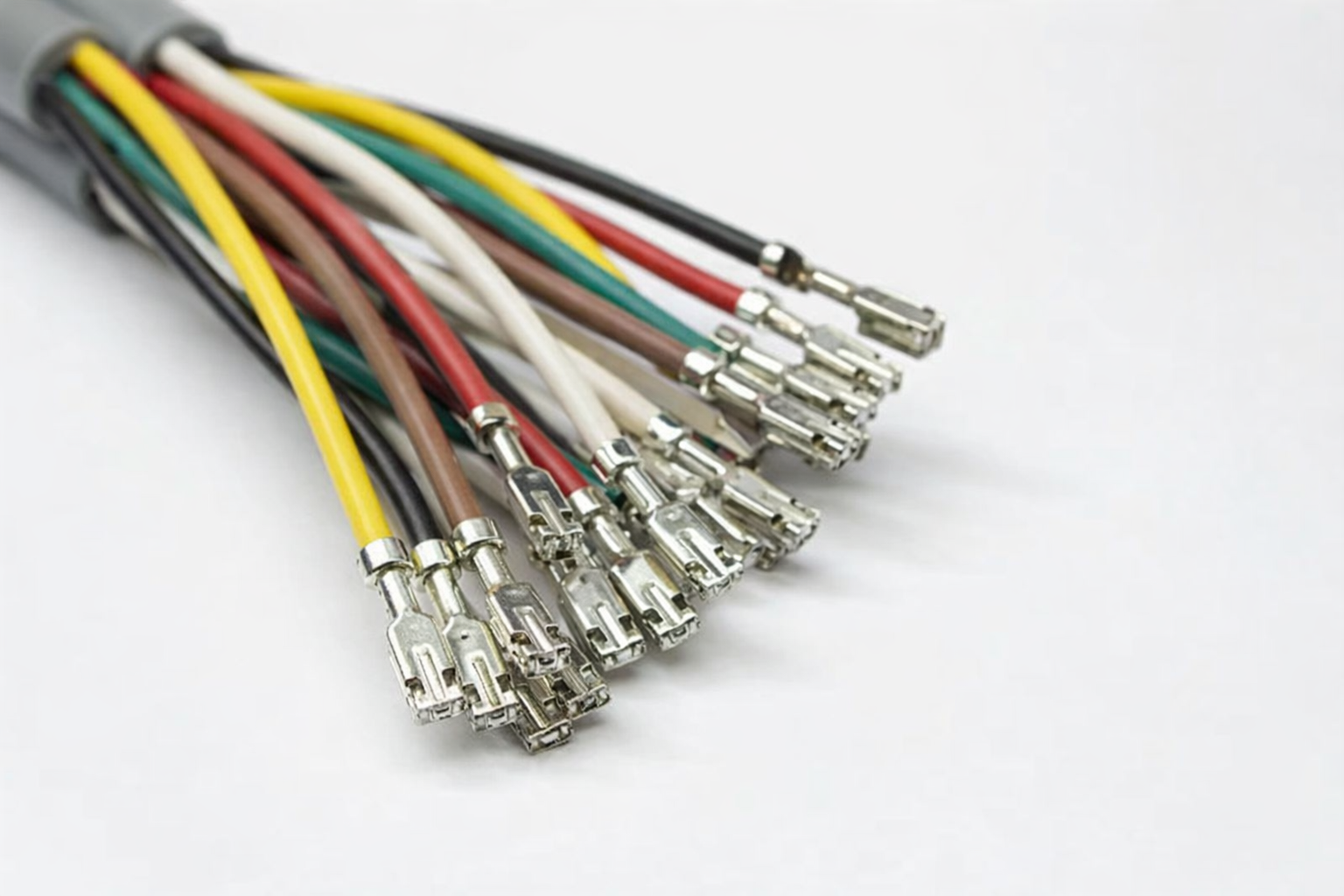
Crimp terminals are among the most widely used connection methods in modern electrical systems.

A crimp connection is formed when a calibrated crimping tool compresses the terminal barrel around the conductor.

This process creates:

  • High mechanical retention
  • 넓은 접촉 면적
  • 낮은 접촉 저항
  • Gas-tight sealing

The gas-tight nature of a properly executed crimp helps prevent oxidation from reaching the conductor interface.

Crimp terminals are commonly used in:

  • 자동차 배선 하니스
  • 산업기계
  • 통신 장비
  • 항공우주 시스템

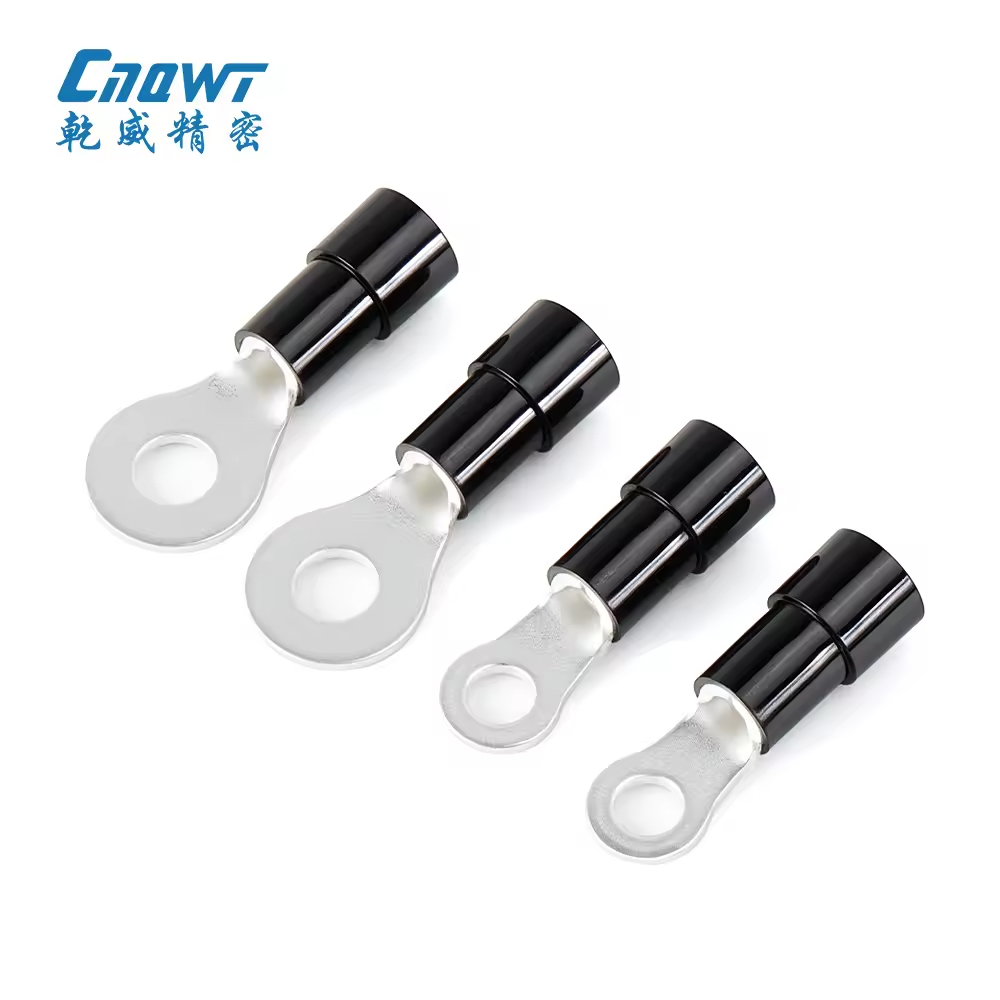
링 터미널

Ring terminals feature a circular opening that fits over a stud or bolt.

설치 후, the fastening hardware secures the terminal in place.

The ring design provides excellent resistance to accidental disconnection.

일반적인 응용 프로그램은 다음과 같습니다:

  • Automotive batteries
  • 해양 장비
  • 산업기계
  • Heavy-duty electrical systems

링 터미널

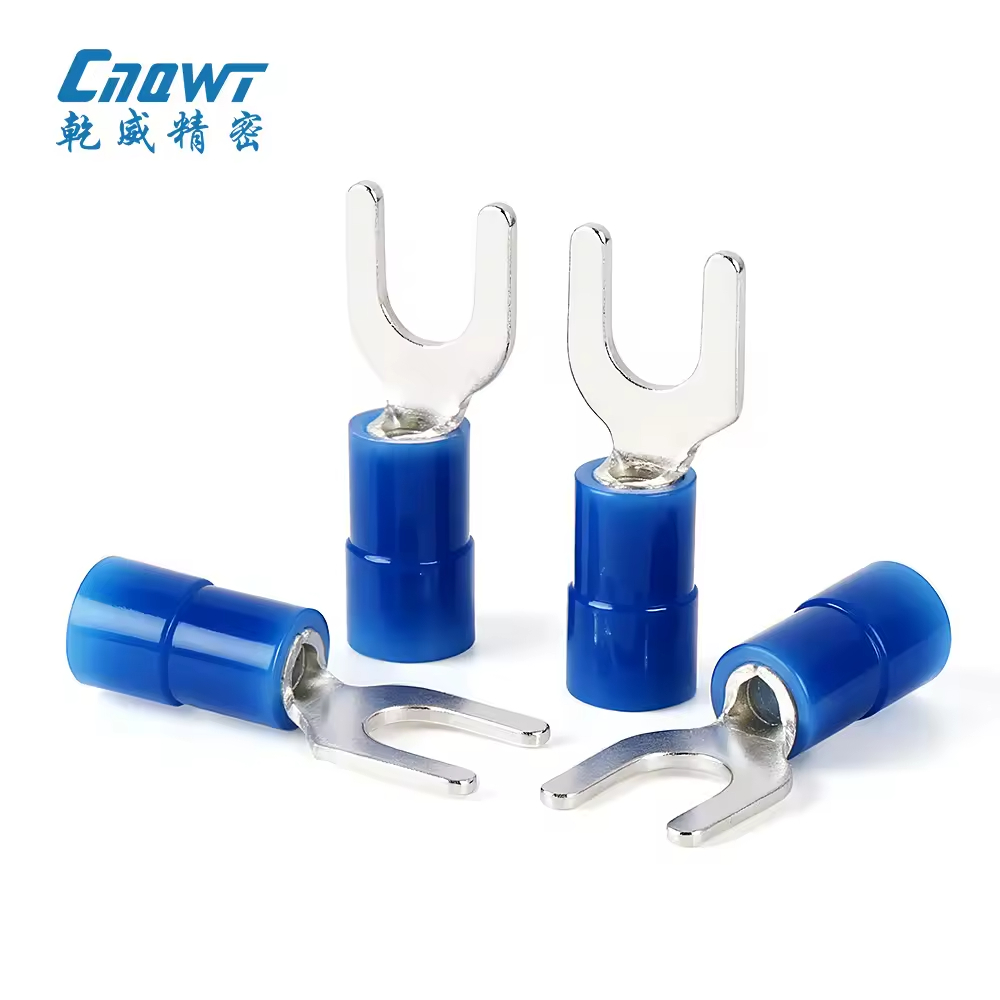
스페이드 터미널

Spade terminals function similarly to ring terminals but feature an open-ended design.

This allows faster installation and removal without completely removing the fastening screw.

They are commonly used in applications requiring frequent maintenance or servicing.

스페이드 터미널

What Factors Affect Electrical Terminal Performance?

Not all terminal connections perform equally. Several factors directly influence reliability.

접촉 압력

Insufficient contact pressure is one of the most common causes of terminal failure.

Adequate pressure ensures:

  • 낮은 저항
  • 안정적인 전도성
  • 발열 감소

도체 재료

Most electrical systems use copper conductors due to their excellent conductivity.

하지만, aluminum conductors are also common in certain applications.

Terminal designs must be compatible with the conductor material to prevent issues such as galvanic corrosion or poor conductivity.

단자 재질

Terminal materials commonly include:

  • 놋쇠
  • 구리 합금
  • 인청동

Each material offers different combinations of:

  • 전도도
  • 내식성
  • 비용

표면 도금

Surface plating significantly influences terminal performance.

일반적인 도금 옵션은 다음과 같습니다.:

  • 주석
  • 니켈

Plating provides:

  • 부식 방지
  • Improved conductivity
  • 향상된 납땜성
  • 더 긴 서비스 수명

환경 조건

Environmental exposure can greatly affect connection reliability.

요인은 다음과 같습니다:

  • 습기
  • 먼지
  • 소금 스프레이
  • 극단적인 온도

Terminals used in harsh environments often require specialized materials and protective coatings.

Common Reasons Electrical Terminal Connections Fail

Even well-designed terminals can fail if installation or operating conditions are inadequate.

느슨한 연결

Loose connections often result from:

  • Improper torque
  • 진동
  • 기계적 마모

As contact pressure decreases, resistance increases and overheating may occur.

부적절한 압착

Incorrect crimping is a major cause of field failures.

일반적인 결함은 다음과 같습니다.:

  • 언더 크림핑
  • 과도한 압착
  • 잘못된 도구 선택
  • Incomplete conductor insertion

These issues reduce both mechanical strength and electrical performance.

부식 및 산화

Corrosion introduces non-conductive layers between contact surfaces.

This increases resistance and reduces current carrying capability.

Proper plating and environmental protection are essential for preventing corrosion-related failures.

Thermal Expansion and Contraction

Electrical systems often experience repeated heating and cooling cycles.

시간이 지남에 따라, thermal movement can:

  • Reduce contact pressure
  • Loosen fasteners
  • Accelerate material fatigue

Terminals must be designed to accommodate these changes.

진동이 심한 환경

Vibration can gradually weaken electrical connections.

자동차 등 산업, rail, 항공우주, and heavy machinery place particularly high demands on terminal reliability.

Specialized terminal designs are often required to maintain stable performance under continuous vibration.

How Manufacturers Improve Terminal Reliability

Modern terminal manufacturers use advanced engineering techniques to maximize reliability.

정밀 스탬핑

High-precision stamping ensures consistent dimensions and contact geometry.

Controlled Plating Processes

Uniform plating thickness improves corrosion resistance and electrical performance.

품질검사

Manufacturers perform dimensional and visual inspections throughout production.

성능 테스트

Common validation tests include:

  • 인발력 테스트
  • 접촉 저항 테스트
  • Current carrying capacity testing
  • 진동 테스트
  • 염수 분무 테스트
  • 열 순환 테스트

These tests help ensure long-term field reliability.

Applications Where Terminal Reliability Is Critical

Reliable terminal connections are essential across many industries.

자동차 배선 하니스

Modern vehicles contain hundreds or even thousands of terminal connections that must withstand vibration, 열, 그리고 수분.

산업 자동화 시스템

Production equipment relies on dependable electrical connections for uninterrupted operation.

배전 장비

High-current systems require terminals capable of handling significant electrical loads safely.

재생 에너지 시스템

Solar and wind installations depend on durable terminals that can survive decades of outdoor exposure.

가전제품

Compact devices require highly reliable terminal connections in increasingly limited spaces.

When correctly selected and installed, electrical terminals can provide reliable performance for decades.

결론

전기 단자는 작은 구성요소일 수 있습니다., but they have a significant impact on the safety, 능률, and reliability of electrical systems. Understanding how they work helps engineers and buyers select the right connection solution for their specific applications.

첸웨이정밀에서, we specialize in the design and manufacturing of high-quality electrical terminals for automotive, 산업의, 가전제품, 및 재생 에너지 응용. 지금 우리 팀에 문의하세요 to discuss your project requirements and find the right terminal solution for your business.

자주 묻는 질문

How do electrical terminals conduct electricity?

Electrical terminals conduct electricity by creating low-resistance metal-to-metal contact between conductors and electrical components.

What is the working principle of a crimp terminal?

A crimp terminal works by mechanically compressing a metal barrel around a conductor, creating a secure and highly conductive connection.

Why is contact pressure important?

Contact pressure ensures sufficient electrical contact area and minimizes resistance, 발열, and connection degradation.

전기 단자가 과열되는 원인?

일반적인 원인으로는 느슨한 연결이 있습니다., excessive resistance, 부적절한 압착, and overloading.

How does corrosion affect terminal performance?

Corrosion increases contact resistance and can eventually interrupt current flow.

Can electrical terminals loosen over time?

예. 진동, 열 순환, and improper installation can gradually reduce contact pressure.

Why are electrical terminals plated?

Plating improves corrosion resistance, enhances conductivity, 서비스 수명을 연장합니다..

Which terminal type offers the best vibration resistance?

Properly installed crimp terminals and ring terminals generally provide excellent vibration resistance.

전기 터미널은 얼마나 오래 지속됩니까??

답장을 남겨주세요

귀하의 이메일 주소는 공개되지 않습니다. 필수 입력란이 표시되어 있습니다 *