

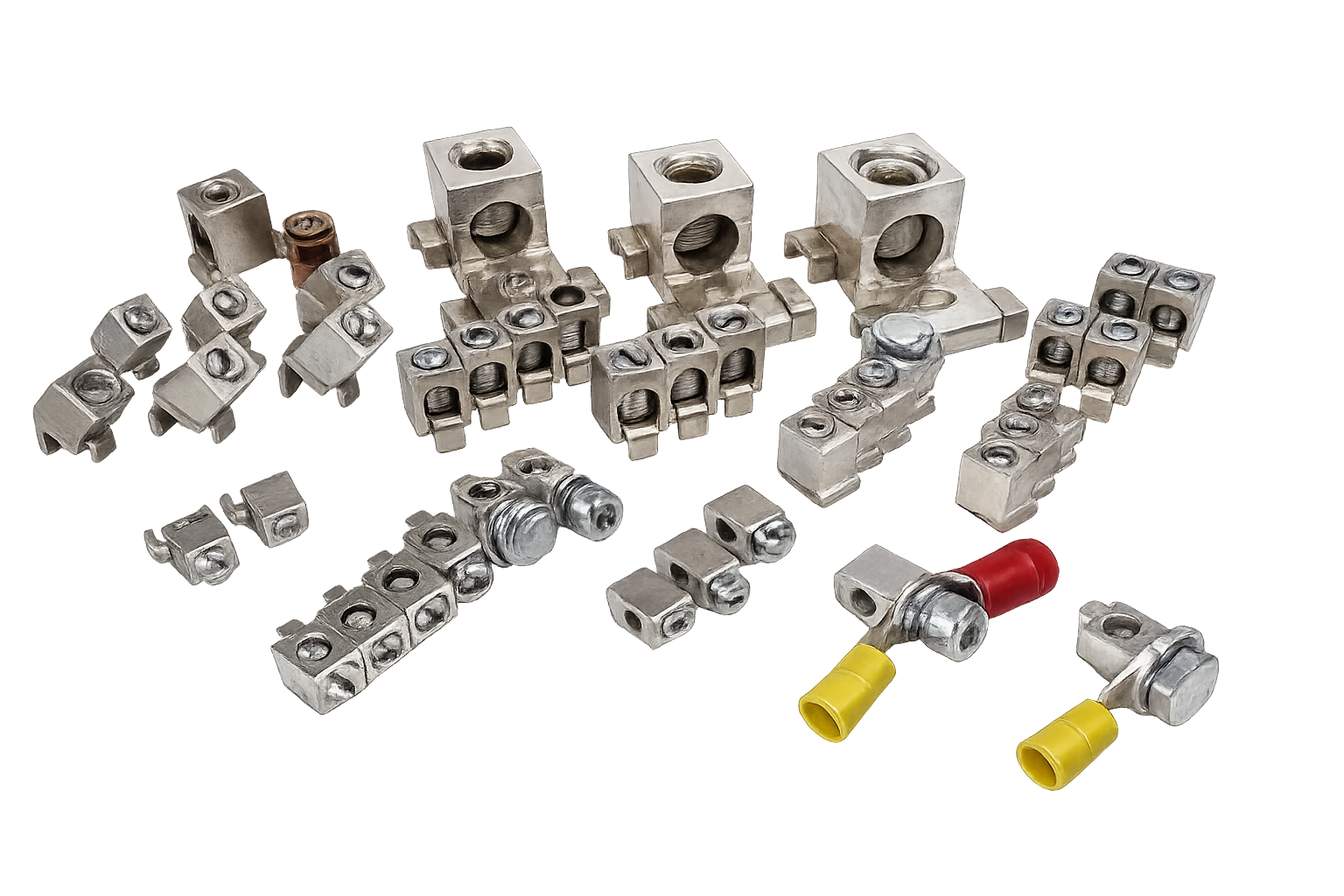
What Are High-Current Power Terminals?
High-current power terminals are electrical connection components designed to safely conduct large amounts of electrical current between cables, busbars, batteries, or electrical devices. These terminals are engineered to handle significantly higher current loads than standard terminals while maintaining low electrical resistance and excellent thermal performance.
In many electrical systems, the terminal serves as the critical interface between power sources and equipment. A poorly designed or undersized terminal can lead to excessive heat buildup, power loss, or even system failure.
High-current terminals are commonly designed for currents ranging from 30A to several hundred amps, depending on their material, contact surface, and installation method.
Typical characteristics include:
Large contact area
High-conductivity materials
Thick metal structure
Strong mechanical stability
Corrosion-resistant plating
These features ensure stable electrical conductivity and long-term reliability in demanding environments.
Why High-Current Terminals Are Important
As modern electrical systems demand more power, reliable current transmission becomes increasingly important. High-current terminals play a crucial role in ensuring safe and efficient power distribution.
Key reasons why high-current terminals are essential include:
1. Preventing Overheating
Electrical resistance at connection points generates heat. High-current terminals are designed with larger conductive surfaces and optimized structures to minimize resistance and heat generation.
2. Improving System Efficiency
Poor connections can result in power loss and voltage drops. High-quality terminals ensure efficient power transfer across the system.
3. Ensuring Electrical Safety
Loose or poorly designed terminals may cause:
arcing
overheating
insulation damage
fire hazards
High-current terminals reduce these risks through stable mechanical fastening and reliable electrical contact.
4. Supporting High-Power Equipment
Industries such as energy storage, electric vehicles, and industrial automation rely heavily on terminals capable of handling high electrical loads.
Common Types of High-Current Power Terminals
There are several types of high-current terminals used in power systems. The selection depends on application requirements, installation methods, and current levels.
Ring Terminals

Ring terminals feature a circular connection hole that allows them to be securely fastened with bolts or screws.
Advantages:
Extremely secure connection
Resistant to vibration
Suitable for high current loads
Common applications:
battery systems
power distribution units
automotive electrical systems
Fork (Spade) Terminals
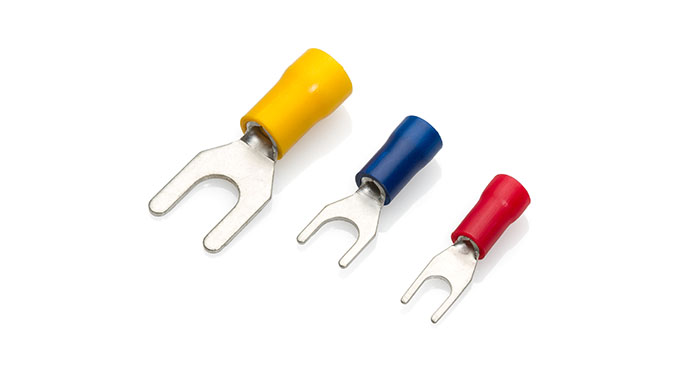
Fork terminals have an open-ended fork shape, allowing easy installation without completely removing the screw.
Advantages:
quick installation
convenient maintenance
good mechanical stability
Applications include:
industrial control panels
electrical cabinets
automation equipment
Busbar Terminals
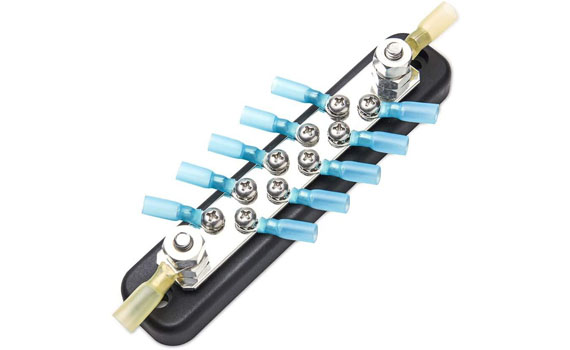
Busbar terminals are designed to connect heavy cables directly to copper or aluminum busbars.
Key features:
very high current capacity
robust mechanical structure
suitable for large power systems
Typical industries:
renewable energy
power distribution
battery storage systems
Compression Terminals
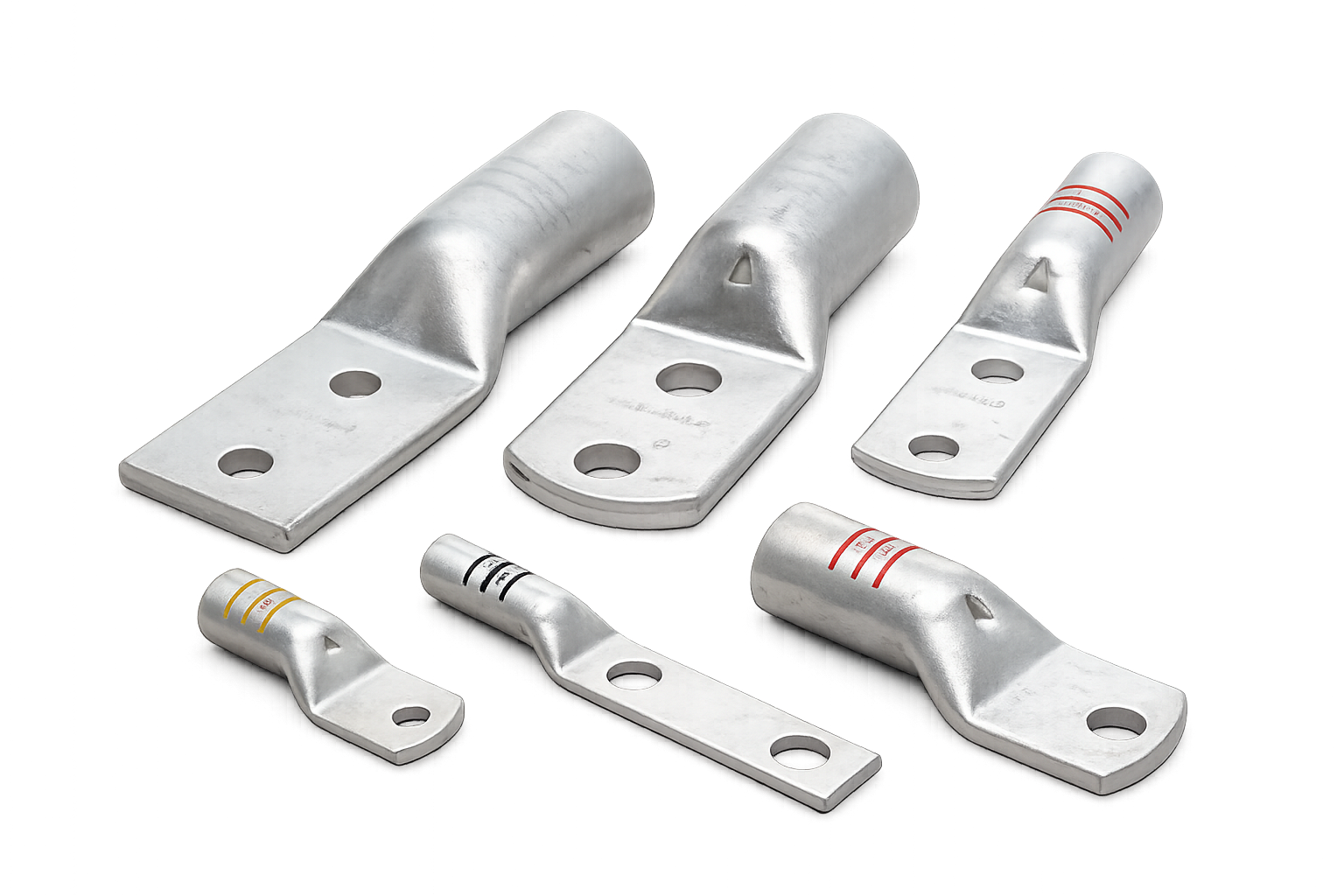
Compression terminals are attached to cables using crimping tools or hydraulic compression equipment.
Advantages:
strong electrical contact
low resistance
long-term reliability
These terminals are widely used in high-power cable assemblies.
Materials Used in High-Current Terminals
Material selection directly affects the conductivity, durability, and thermal performance of high-current terminals.
Copper
Copper is the most commonly used material due to its excellent electrical conductivity and thermal properties.
Advantages:
low resistance
high current capacity
good heat dissipation
Many high-current terminals are made from high-purity copper.
Brass
Brass terminals offer a balance between conductivity and mechanical strength.
Advantages:
good machinability
strong structural integrity
corrosion resistance
Brass is commonly used in connector terminals and power distribution components.
Surface Plating
Surface plating improves corrosion resistance and electrical contact performance.
Common plating materials include:
Tin plating
Nickel plating
Silver plating
Tin plating is widely used because it provides excellent corrosion resistance and reliable solderability.
Current Ratings and Electrical Performance
The current rating of a terminal indicates the maximum electrical current it can safely carry under specified conditions.
Typical current ranges:
| Terminal Type | Current Capacity |
| Small terminals | 10A – 30A |
| Medium power terminals | 30A – 100A |
| High-current terminals | 100A – 300A |
| Heavy-duty terminals | 300A+ |
However, current capacity depends on several factors:
conductor size
contact area
material conductivity
ambient temperature
insulation conditions
Engineers must carefully evaluate these parameters to ensure safe operation.
Key Design Considerations for High-Current Terminals
When designing or selecting high-current terminals, engineers should consider several critical factors.
Contact Resistance
Lower contact resistance reduces power loss and heat generation.
Thermal Performance
Terminals must dissipate heat effectively to prevent overheating.
Mechanical Strength
High-current connections must remain stable even under vibration or mechanical stress.
Corrosion Resistance
Outdoor or humid environments require corrosion-resistant plating.
Installation Method
Different systems may require:
crimp connections
bolt connections
solder connections
Choosing the correct installation method improves long-term reliability.
Industrial Applications of High-Current Power Terminals
High-current power terminals are widely used across many industries.
Electric Vehicles (EV)
EV battery systems require reliable connections capable of carrying large charging and discharge currents.
Applications include:
battery packs
charging stations
power distribution modules
Renewable Energy Systems
Solar and wind power systems use high-current terminals for power transmission between inverters, batteries, and distribution units.
Energy Storage Systems
Large battery storage systems depend on high-current busbar and cable terminals to manage power flow efficiently.
Industrial Equipment
Heavy machinery and industrial automation systems require durable power connections for motors and control equipment.
Telecommunications Power Systems
Telecom base stations and UPS systems use high-current terminals to ensure stable backup power connections.
How to Choose the Right High-Current Terminal
Selecting the right terminal is essential for ensuring system safety and performance.
Consider the following factors:
Current Rating
Always choose terminals rated above the expected operating current.
Cable Size
Ensure the terminal matches the conductor cross-section.
Material
Copper terminals provide the best electrical conductivity.
Mounting Method
Choose between:
bolt terminals
crimp terminals
busbar terminals
Environmental Conditions
For outdoor use, choose corrosion-resistant plated terminals.
Custom High-Current Terminal Manufacturing
In many applications, standard terminals may not meet all design requirements. Custom manufacturing allows engineers to optimize terminals for specific electrical and mechanical needs.
Custom options may include:
special shapes
unique mounting holes
thicker copper materials
custom plating
high-current designs exceeding standard ratings
Manufacturers with advanced precision stamping, CNC machining, and terminal forming capabilities can produce high-performance terminals tailored for demanding applications.
Working with an experienced manufacturer ensures:
strict quality control
consistent production
reliable electrical performance
Conclusion
High-current power terminals are critical components in modern electrical systems, enabling safe and efficient power transmission across a wide range of industries.
From electric vehicles and renewable energy systems to industrial automation and energy storage, these terminals ensure stable electrical connections under high current loads.
When selecting high-current terminals, engineers and buyers should carefully evaluate factors such as:
material conductivity
current rating
contact resistance
installation method
environmental conditions
Partnering with Qianwei Precision, a reliable manufacturer can further ensure that terminals meet performance, safety, and durability requirements for high-power applications.
As electrical systems continue to evolve toward higher power densities, the importance of well-designed high-current power terminals will only continue to grow.
FAQs
1. What is considered a high-current terminal?
A high-current terminal is typically defined as an electrical terminal designed to carry currents above 30–50 amps, although many industrial power terminals are rated for 100A, 200A, or even higher. These terminals are engineered with larger conductive surfaces, thicker metal materials, and stronger mechanical structures to safely handle higher electrical loads.
2. What materials are best for high-current power terminals?
High-current terminals are most commonly made from high-conductivity copper or copper alloys because they provide excellent electrical conductivity and heat dissipation. In some cases, brass is also used for its mechanical strength and corrosion resistance. To improve durability and conductivity, terminals are often finished with tin, nickel, or silver plating.
3. How do you prevent overheating in high-current terminal connections?
Preventing overheating requires several design considerations, including:
Using terminals with adequate current ratings
Ensuring proper crimping or fastening
Selecting terminals with low contact resistance
Using appropriate cable sizes
Maintaining clean and corrosion-free contact surfaces
Proper installation is essential to ensure reliable electrical performance.
4. What is the difference between a power terminal and a power connector?
A power terminal is typically a single conductive component used to attach wires or cables to a connection point, such as a bolt or busbar. A power connector, on the other hand, usually consists of multiple terminals housed inside a plastic or metal connector body that allows two electrical systems to be connected and disconnected easily.
5. Are high-current terminals suitable for outdoor environments?
Yes, many high-current terminals are designed for outdoor or harsh environments. For these applications, terminals are usually manufactured with corrosion-resistant plating such as tin or nickel and may be used with protective insulation sleeves or sealed connectors to protect against moisture, dust, and temperature changes.
6. What industries commonly use high-current power terminals?
High-current power terminals are widely used in industries that require stable power transmission, including:
electric vehicles (EV)
energy storage systems
solar and renewable energy systems
industrial automation equipment
telecommunications power systems
heavy machinery and power distribution units
These industries require terminals that can safely handle large electrical loads.
7. Can high-current terminals be customized for specific applications?
Yes. Many manufacturers offer custom high-current terminal solutions based on specific project requirements. Customization may include:
unique shapes or dimensions
specialized mounting holes
thicker conductive materials
special plating treatments
compatibility with specific cable sizes
Custom terminals are often used in battery systems, EV charging equipment, and industrial power systems where standard terminals may not fully meet design requirements.

