

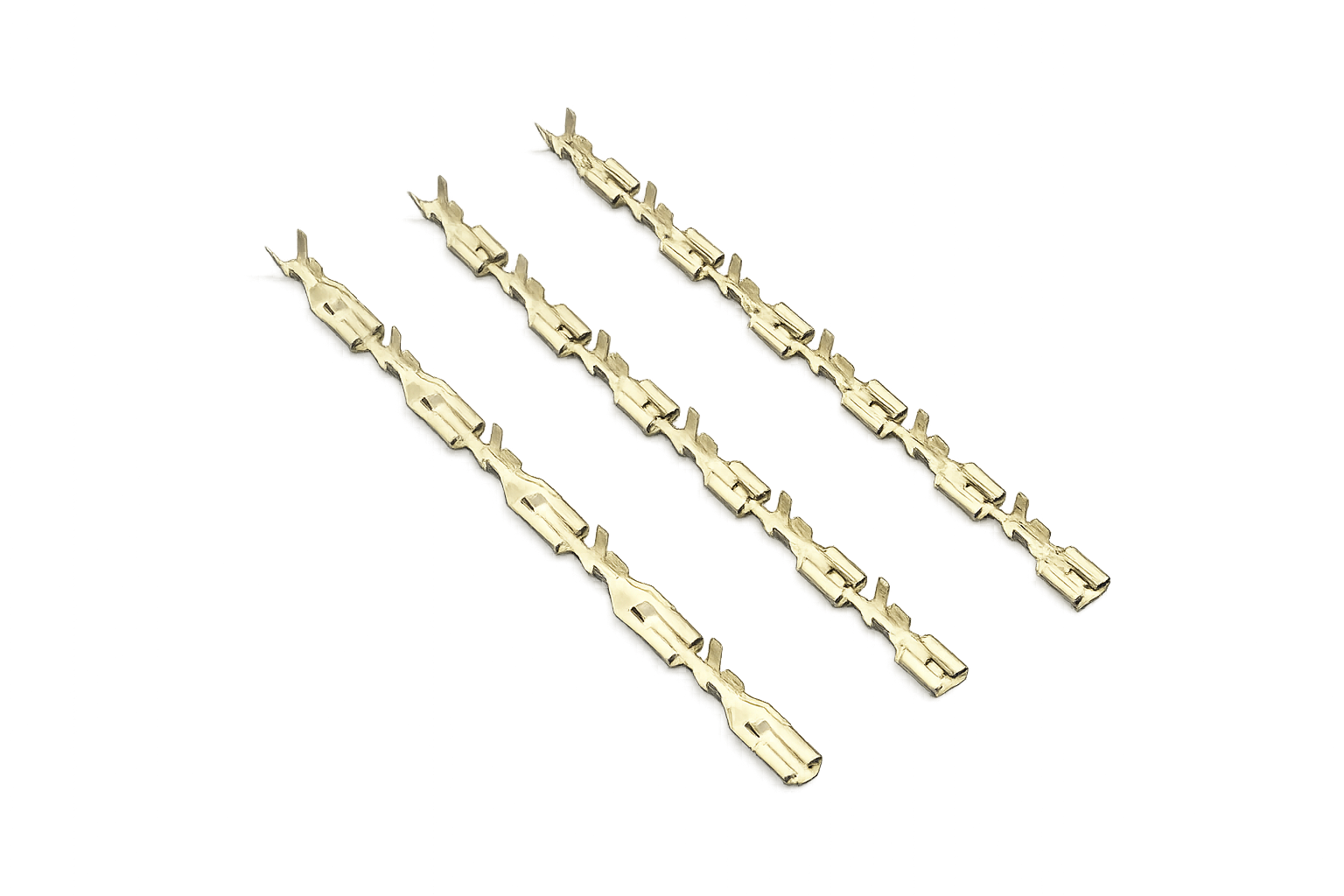
In electrical terminals, plating is often treated as a secondary detail—but in reality, plating thickness is one of the most critical factors affecting performance, reliability, and lifespan.
Choosing the wrong plating thickness can lead to:
Increased contact resistance
Premature corrosion
Failure under repeated mating cycles
Unnecessary material costs
On the other hand, optimizing plating thickness ensures:
Stable electrical conductivity
Long-term corrosion resistance
Mechanical durability
Cost-effective production
Whether you are an electrical engineer, procurement manager, or wire harness manufacturer, understanding how plating thickness impacts terminal performance is essential for making the right specification decisions.
In this guide, we break down the engineering principles, real-world data, and application-based recommendations to help you choose the optimal plating thickness for your terminals.
Quick Answer: What Is the Ideal Plating Thickness for Terminals?
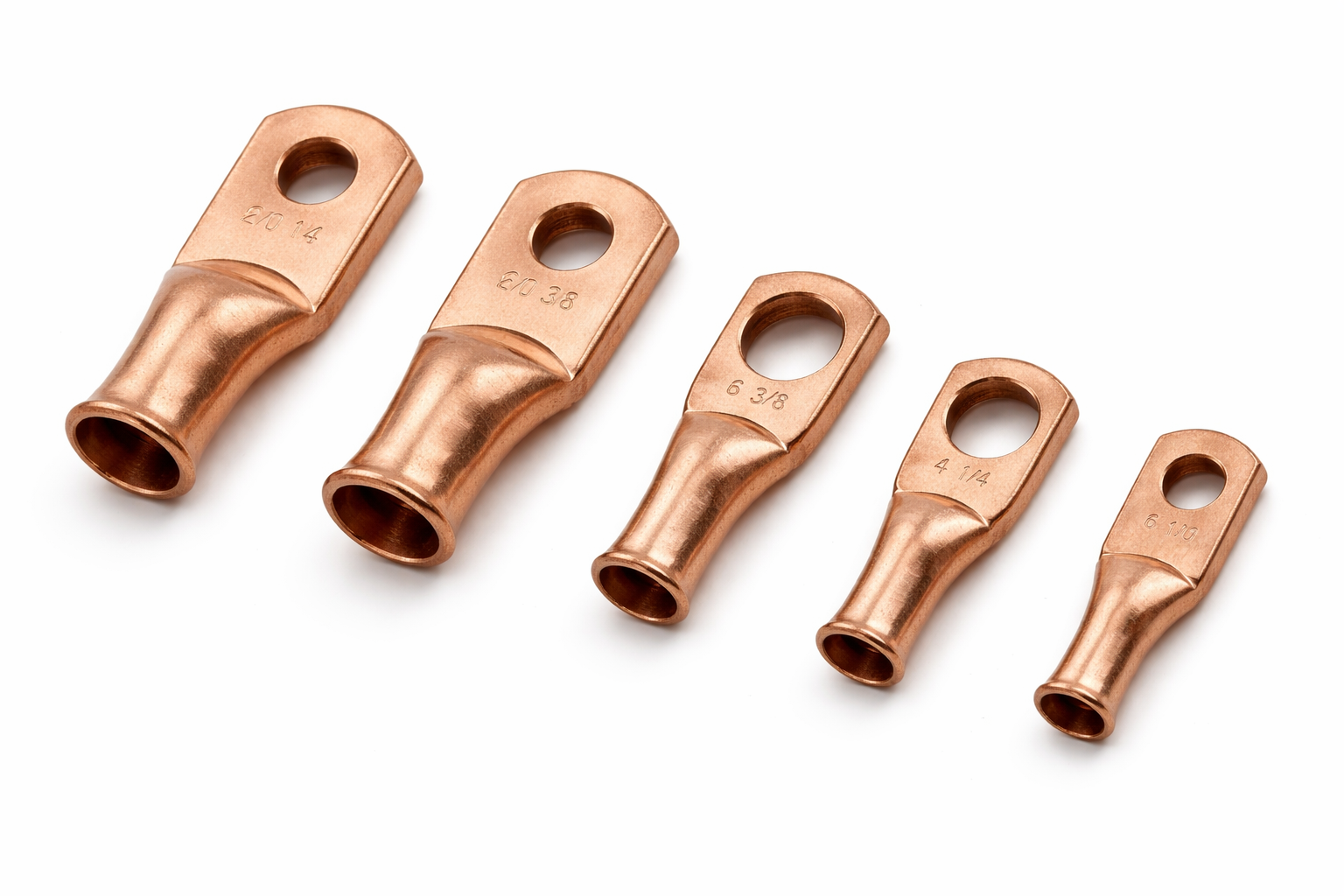
While the exact requirement depends on the application, here are general industry guidelines:
| Plating Material | Typical Thickness Range | Application |
| Tin (Sn) | 1–10 µm | General-purpose terminals |
| Nickel (Ni) | 1–5 µm | Barrier layer / corrosion resistance |
| Silver (Ag) | 3–15 µm | High-current applications |
| Gold (Au) | 0.1–2 µm | High-reliability / signal transmission |
Key takeaway:
Thinner plating reduces cost but risks performance
Thicker plating improves durability but increases cost
The optimal solution is always application-specific
What Is Plating Thickness?
Plating thickness refers to the layer of metal deposited on the surface of a terminal, typically measured in microns (µm).
This layer serves multiple functions:
Protects the base metal (usually copper or brass)
Enhances electrical conductivity
Improves corrosion resistance
Increases wear resistance
Common Plating Types in Terminals
Tin plating: Cost-effective, widely used
Nickel plating: Barrier layer, improves hardness
Silver plating: Excellent conductivity
Gold plating: Superior reliability and oxidation resistance
Each plating material behaves differently depending on thickness, which directly impacts performance.
How Plating Thickness Affects Terminal Performance
This is the core engineering section where plating thickness directly influences key performance parameters.
Electrical Conductivity and Contact Resistance
Plating thickness has a direct effect on contact resistance, which determines how efficiently current flows through a connection.
Thin plating (<1 µm):
Higher risk of oxidation
Increased contact resistance over time
Optimal thickness:
Stable conductivity
Reliable signal or power transmission
Excessive thickness:
Minimal additional conductivity benefit
Increased cost
👉 Engineering Insight:
The improvement in conductivity follows a diminishing returns curve—beyond a certain thickness, gains are minimal.
Corrosion Resistance
Corrosion protection is one of the most important roles of plating.
Thin plating can develop pores or micro-defects, exposing base metal
Thicker plating provides:
Better environmental sealing
Longer resistance to oxidation
Improved performance in humid or outdoor conditions
For example:
1 µm tin plating → limited salt spray resistance
5–10 µm tin plating → significantly improved durability
Wear Resistance and Mating Cycles
In connectors and terminals, repeated insertion and removal cause mechanical wear.
Thin plating:
Wears off quickly
Exposes base metal → corrosion risk
Thick plating:
Extends mating cycle life
Maintains stable contact surface
👉 Critical for:
Automotive connectors
Industrial equipment
High-cycle applications
Crimping Performance and Mechanical Reliability
Plating thickness also affects crimping behavior:
Excessively thick plating:
May crack or flake during crimping
Affects mechanical bonding
Too thin plating:
May not provide sufficient protection after crimp deformation
👉 The goal is to ensure:
Strong mechanical connection
Stable electrical interface
Cost Impact
Plating material is a major cost driver.
Increasing thickness directly increases:
Material consumption
Processing time
Over-specification leads to unnecessary cost inflation
👉 Smart buyers aim for:
“Minimum thickness that meets performance requirements”
Recommended Plating Thickness by Application
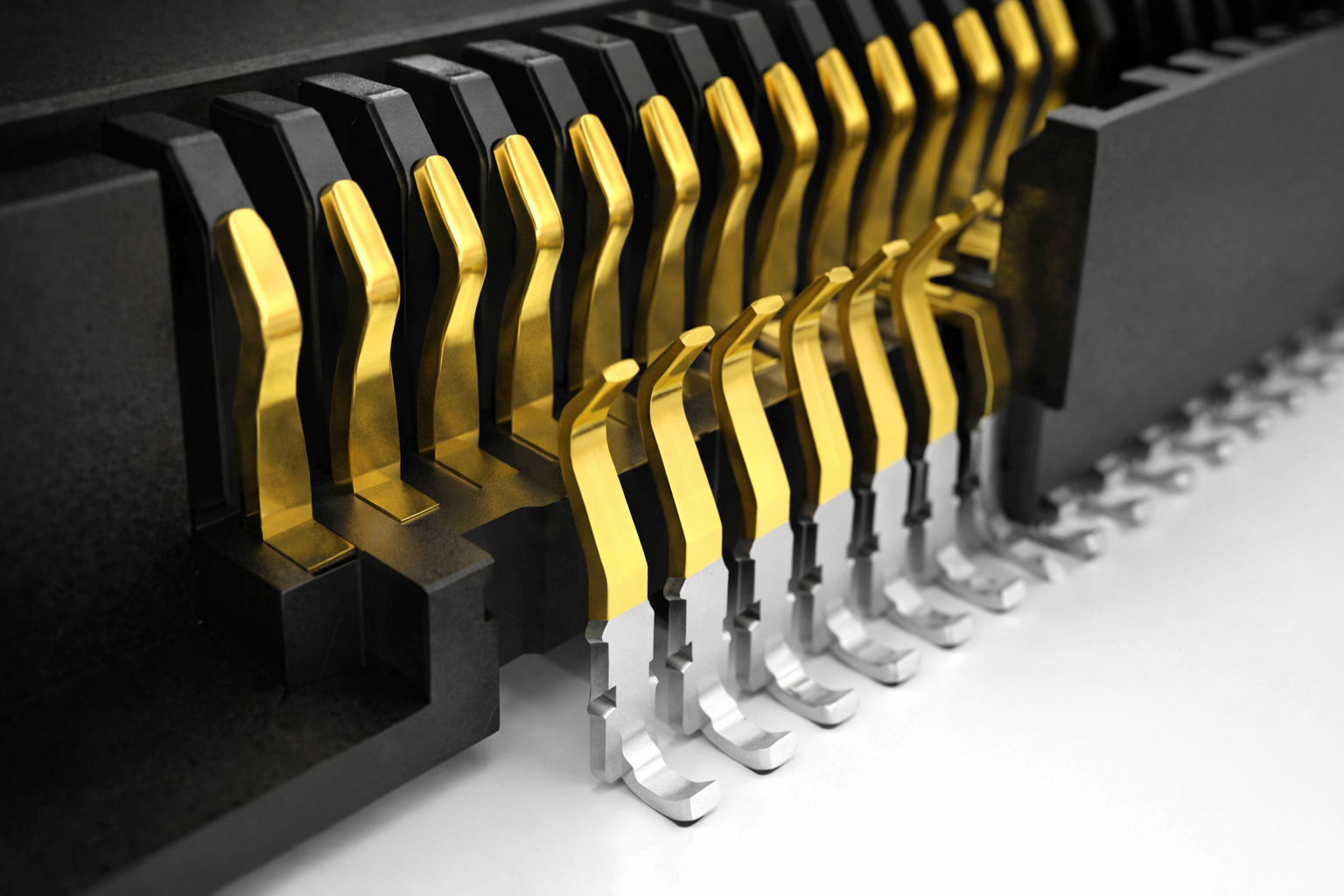
| Application | Recommended Thickness | Material | Key Requirement |
| Automotive wiring terminals | 3–8 µm | Tin/Nickel | Corrosion + vibration resistance |
| High-current terminals | 5–15 µm | Silver | Low resistance |
| Consumer electronics | 1–3 µm | Tin/Gold | Cost efficiency |
| Outdoor equipment | 5–10 µm | Tin/Nickel | Moisture resistance |
| High-reliability connectors | 0.5–2 µm | Gold | Signal stability |
👉 Important:
These are general guidelines—actual requirements vary based on:
Environment
Current load
Mechanical stress
Plating Material vs Thickness: Performance Comparison
Tin Plating
Most common and cost-effective
Requires sufficient thickness for corrosion protection
Ideal for general electrical applications
Nickel Plating
Often used as an underlayer
Improves hardness and wear resistance
Enhances adhesion of top coatings
Silver Plating
Excellent conductivity
Suitable for high-current applications
Requires thicker layers for durability
Gold Plating
Best for low-voltage signal reliability
Resistant to oxidation
Works effectively even at very thin thickness
Common Mistakes When Choosing Plating Thickness
Avoiding these mistakes can significantly improve product performance and reduce costs:
1. Choosing Too Thin to Save Cost
Leads to corrosion and failure
Results in higher long-term cost
2. Over-Specifying Thickness
Adds unnecessary expense
No significant performance gain
3. Ignoring Application Environment
Indoor vs outdoor conditions
Exposure to moisture or chemicals
4. Not Considering Mating Cycles
High-cycle applications require thicker plating
5. Lack of Testing and Validation
No salt spray or thickness testing
Inconsistent quality
8. Industry Standards and Testing Methods
To ensure quality, plating thickness should comply with recognized standards.
Common Testing Methods
X-ray fluorescence (XRF)
Microscopic cross-section analysis
Performance Testing
Salt spray testing (corrosion resistance)
Contact resistance testing
Wear cycle testing
Relevant Standards
ASTM plating standards
ISO quality standards
👉 Including standards improves:
Trust
Supplier credibility
SEO authority
How to Choose the Right Plating Thickness (Step-by-Step Guide)
Step 1: Define Application Environment
Indoor / outdoor
Exposure to humidity or chemicals
Step 2: Determine Electrical Requirements
Current load
Voltage level
Signal vs power
Step 3: Evaluate Mechanical Stress
Mating cycles
Vibration conditions
Step 4: Optimize Cost vs Performance
Avoid over-engineering
Focus on lifecycle cost
Step 5: Consult with Manufacturer
Get expert recommendations
Validate with testing
Why Work with a Manufacturer That Controls Plating Thickness
Choosing the right supplier is just as important as choosing the right specification.
A qualified terminal manufacturer should offer:
1. Custom Plating Thickness
Tailored to your application
Flexible production capability
2. Consistent Quality Control
Thickness tolerance control
Process stability
3. Advanced Testing Capability
Salt spray testing
Thickness verification
4. Engineering Support
Application-based recommendations
Cost optimization advice
Get Expert Support
If you are selecting terminals for your project, plating thickness should never be guesswork.
👉 Send us your application details (environment, current, usage conditions), and our engineering team will recommend the optimal plating thickness within 24 hours.
We help you achieve:
Reliable performance
Cost optimization
Long-term durability
Conclusion
Plating thickness is a key engineering parameter that directly impacts the performance, durability, and cost of electrical terminals.
By understanding how thickness affects:
Electrical conductivity
Corrosion resistance
Mechanical wear
You can make smarter design and sourcing decisions.
The optimal approach is not choosing the thickest plating—but choosing the right thickness for your application.
FAQs
1. What is the standard plating thickness for electrical terminals?
Typically ranges from 1 µm to 10 µm for tin plating, depending on application.
2. Does thicker plating always improve performance?
No. Performance improves up to a point, after which returns diminish while cost increases.
3. How does plating thickness affect corrosion resistance?
Thicker plating provides better protection by reducing exposure of the base metal.
4. Which plating is best for high-current terminals?
Silver plating is preferred due to its excellent electrical conductivity.
5. How is plating thickness measured?
Using methods like XRF testing or microscopic analysis.

