

RoHS-compliant terminal materials are essential for manufacturers exporting electrical and electronic products to global markets, especially the EU. The Restriction of Hazardous Substances (RoHS) directive limits the use of specific toxic materials in electrical components—including terminals, connectors, and wire harness parts.
For engineers, sourcing managers, and OEMs, understanding which materials are compliant—and how to verify them—is critical to avoiding regulatory risks, product rejection, and supply chain disruptions.
In this guide, you’ll learn:
What RoHS compliance means for terminal materials
Which metals and platings are compliant
How to select the right material for your application
How to verify supplier compliance
Quick Answer: What Are RoHS-Compliant Terminal Materials?
RoHS-compliant terminal materials are metals and surface finishes that meet the EU RoHS directive by restricting hazardous substances such as lead (Pb), cadmium (Cd), mercury (Hg), and hexavalent chromium (Cr6+).
Common RoHS-Compliant Materials for Terminals
Copper (pure or alloyed)
Lead-free brass
Phosphor bronze
Stainless steel (in specific applications)
Common RoHS-Compliant Platings
Tin (Sn) plating
Nickel (Ni) plating
Gold (Au) plating
Silver (Ag) plating
👉 Key requirement:
All materials must meet maximum concentration limits (typically 0.1% or 0.01%) for restricted substances.
What is RoHS Compliance?
RoHS (Restriction of Hazardous Substances) is a regulation introduced by the European Union to limit hazardous materials in electrical and electronic equipment.
Restricted Substances Under RoHS
| Substance | Limit |
| Lead (Pb) | ≤ 0.1% |
| Cadmium (Cd) | ≤ 0.01% |
| Mercury (Hg) | ≤ 0.1% |
| Hexavalent Chromium (Cr6+) | ≤ 0.1% |
| PBB | ≤ 0.1% |
| PBDE | ≤ 0.1% |
| DEHP, BBP, DBP, DIBP | ≤ 0.1% |
Why This Matters for Terminals
Terminals are widely used in:
Wire harnesses
Electrical assemblies
If terminals contain restricted substances:
Products can be banned from EU markets
Shipments may be rejected
Companies face legal and financial penalties
Why RoHS Compliance is Critical for Terminal Buyers
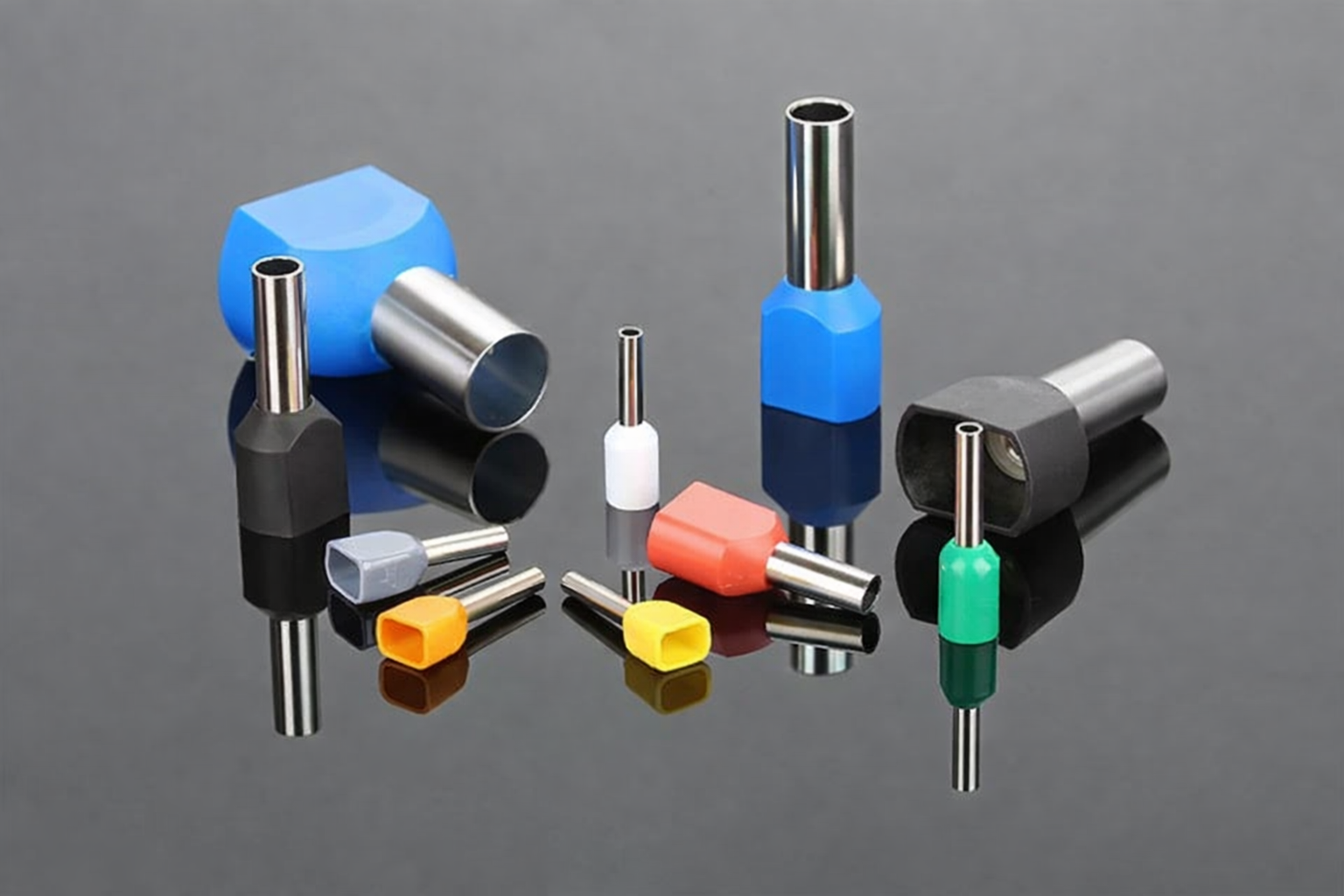
Market Access
Non-compliant terminals cannot be used in products sold in:
European Union
Many global markets following RoHS standards
Risk Reduction
Using compliant materials helps avoid:
Product recalls
Compliance audits failure
Customer complaints
Supply Chain Stability
Reliable suppliers with proven compliance:
Reduce sourcing risks
Ensure consistent quality
Support long-term partnerships
Common RoHS-Compliant Terminal Materials
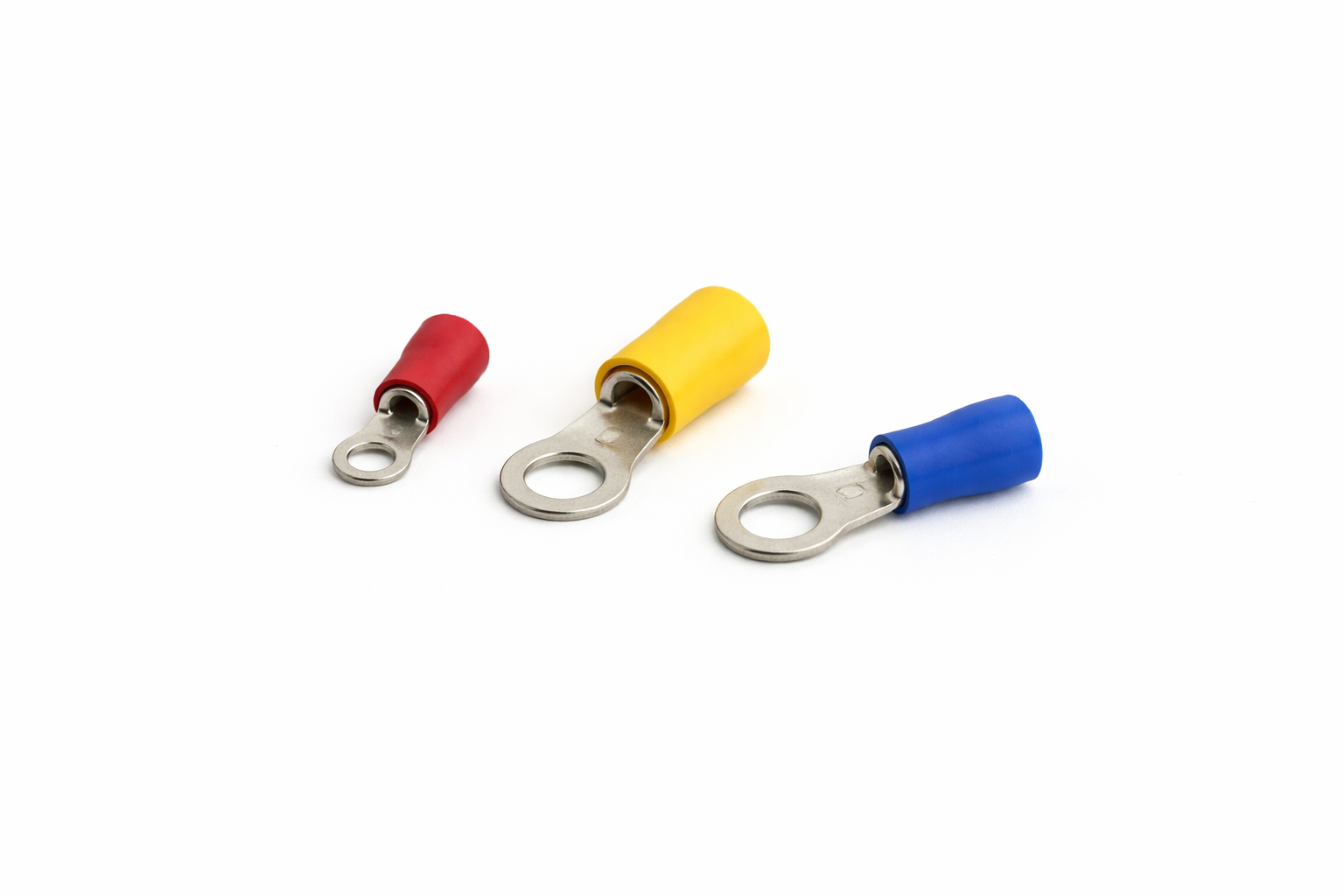
This is the core technical section for engineers and buyers.
Copper and Copper Alloys
Overview
Copper is the most widely used material in electrical terminals due to its excellent conductivity.
Advantages
High electrical conductivity
Good corrosion resistance
Easily plated
RoHS Considerations
Must control trace impurities
Typically compliant when properly refined
Applications
Power connectors
Signal terminals
Busbars
Lead-Free Brass
Overview
Traditional brass may contain lead, which is restricted under RoHS.
Solution
Use:
Low-lead brass
Lead-free brass alloys
Advantages
Good machinability
Moderate conductivity
Cost-effective
Applications
Screw terminals
Mechanical connectors
Phosphor Bronze
Overview
A copper alloy containing tin and phosphorus.
Advantages
High strength
Excellent spring properties
Good fatigue resistance
RoHS Status
Fully compliant when lead content is controlled
Applications
Spring terminals
Contact clips
Precision connectors
Stainless Steel (Special Applications)
Overview
Used when corrosion resistance is critical.
Advantages
Excellent durability
High corrosion resistance
Limitations
Lower electrical conductivity
Applications
Harsh environments
Structural terminal components
Plating Options and RoHS Compliance
Plating plays a critical role in both performance and compliance.
Tin Plating (Sn)
Most common and cost-effective
Excellent solderability
Fully RoHS compliant
Nickel Plating (Ni)
Improves corrosion resistance
Acts as an underlayer for other coatings
Gold Plating (Au)
High conductivity
Excellent corrosion resistance
Used in high-end electronics
Silver Plating (Ag)
Highest electrical conductivity
Suitable for high-current applications
Important Compliance Note
Avoid:
Hexavalent chromium treatments (Cr6+)
Non-compliant plating chemicals
Material Comparison Table
| Material | Conductivity | Strength | Cost | RoHS Compliance | Best Application |
| Copper | Excellent | Medium | Medium | Yes | Electrical terminals |
| Brass (Lead-Free) | Good | Medium | Low | Yes | Mechanical connectors |
| Phosphor Bronze | Good | High | Medium | Yes | Spring contacts |
| Stainless Steel | Low | High | Medium | Yes | Structural parts |
How to Choose the Right RoHS-Compliant Terminal Material
Follow this practical decision framework:
Step 1: Define Electrical Requirements
High conductivity → Copper
Moderate → Brass
Step 2: Evaluate Mechanical Needs
High strength → Phosphor bronze
Structural support → Stainless steel
Step 3: Select Plating
General use → Tin
High reliability → Gold
High current → Silver
Step 4: Verify Compliance
Request RoHS certificate
Check SGS reports
Review material declarations
Step 5: Balance Cost vs Performance
Avoid over-specifying materials unnecessarily.
How to Verify RoHS Compliance (Critical for Buyers)
A reliable supplier should provide:
Documentation
RoHS compliance certificate
SGS test reports
Material data sheets
Traceability
Raw material sourcing records
Batch tracking
Testing Capability
Third-party lab testing
Internal quality control
Common Mistakes to Avoid
Assuming all brass is RoHS compliant
Ignoring plating chemical compliance
Not requesting certification documents
Choosing cheapest supplier without verification
RoHS vs REACH (Quick Comparison)
| Feature | RoHS | REACH |
| Focus | Hazardous substances in electronics | Chemical safety |
| Scope | Restricted substances | Broader chemical regulation |
👉 Both may apply depending on your market.
FAQs
1. Are all copper terminals RoHS compliant?
Yes, if impurity levels meet RoHS limits.
2. Is tin plating RoHS compliant?
Yes, it is one of the most widely used compliant coatings.
3. How can I verify supplier compliance?
Request certifications, test reports, and traceability documents.
4. Can non-compliant terminals be exported to the EU?
No. They may be rejected or lead to penalties.
Why Choose Qianwei Precision for RoHS-Compliant Terminals
As a professional terminal manufacturer, we provide:
Full RoHS-compliant material sourcing
Certified production processes
SGS-tested products
Strong quality control system
Custom OEM/ODM solutions
We help customers:
Reduce compliance risks
Improve product reliability
Accelerate time-to-market
Request a Quote or Technical Support
Looking for a reliable supplier of RoHS-compliant terminals?
Contact us today to:
Get material recommendations
Request compliance documents
Receive a fast quotation

