

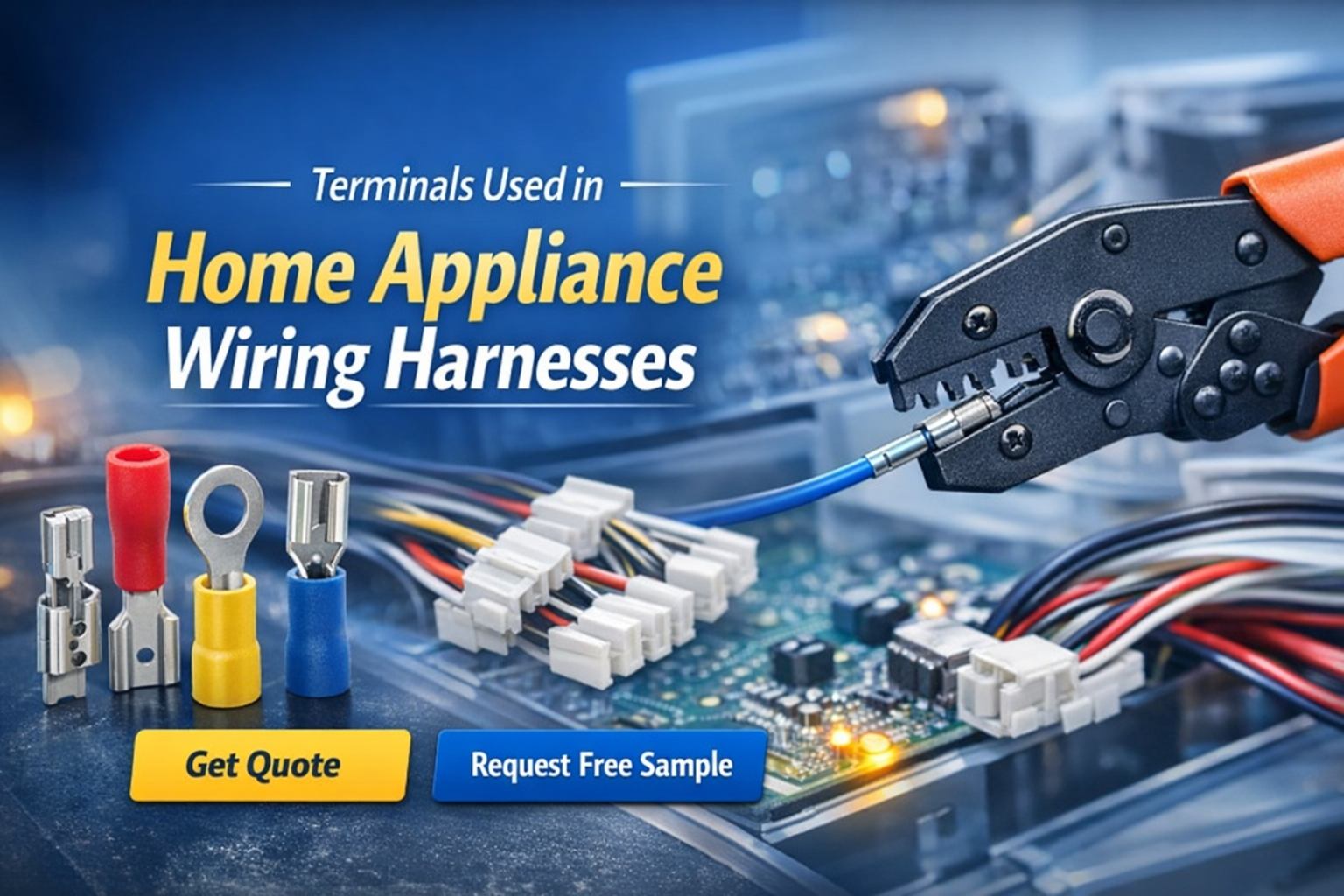
Home appliance wiring harnesses commonly use terminals such as quick disconnect (Faston), ring, spade, bullet, and pin terminals. These terminals are selected based on current requirements, temperature resistance, vibration conditions, and ease of assembly. Choosing the right terminal type, material, and crimping process is essential to ensure safe, durable, and efficient electrical connections.
Why Terminals Matter in Home Appliance Wiring Harnesses
Modern home appliances—such as washing machines, refrigerators, air conditioners, microwaves, and ovens—rely heavily on well-designed wiring harness systems. At the core of these systems are electrical terminals.
Although terminals may appear to be small components, they play a critical role in:
- Ensuring stable electrical conductivity
- Preventing overheating and electrical failure
- Supporting efficient assembly in mass production
- Allowing easy maintenance and replacement
A poorly selected or poorly crimped terminal can lead to:
- Intermittent connections
- Increased resistance and heat buildup
- Product failure or even safety hazards
For manufacturers, this directly impacts product reliability, warranty costs, and brand reputation.
Common Types of Terminals Used in Home Appliances
Understanding the different types of terminals is the first step in designing a reliable wiring harness.
1. Quick Disconnect Terminals (Faston Terminals)
These are the most widely used terminals in home appliances.
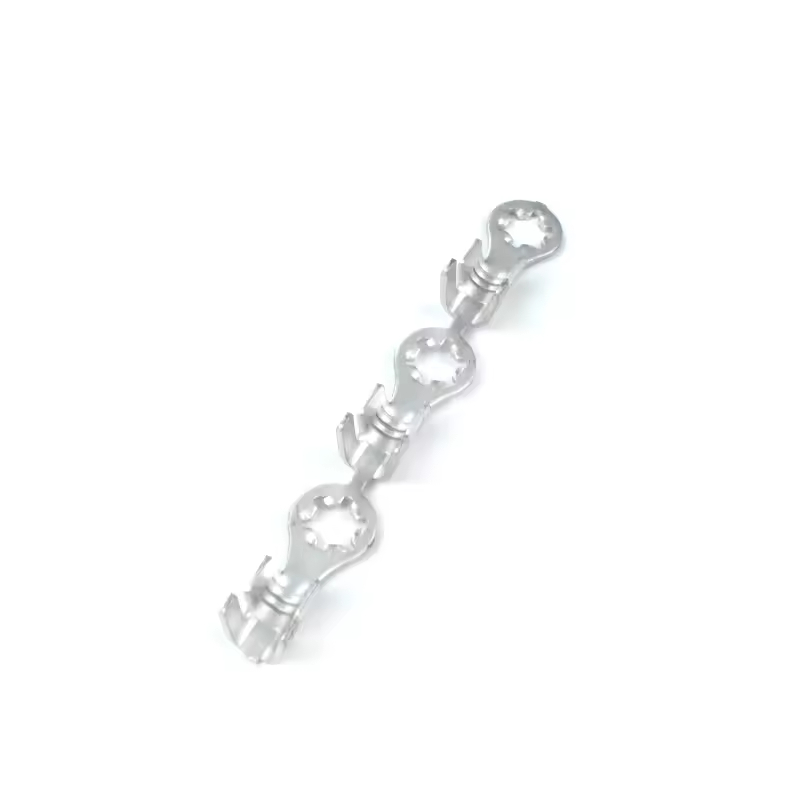
Key Features:
- Plug-and-play design
- Fast installation and removal
- No need for screws or soldering
Typical Applications:
- Internal wiring connections
- Control panels
- Heating elements
Why They Are Popular:
Quick disconnect terminals significantly reduce assembly time, making them ideal for high-volume appliance manufacturing.
2. Ring Terminals
Ring terminals provide one of the most secure and vibration-resistant connections.
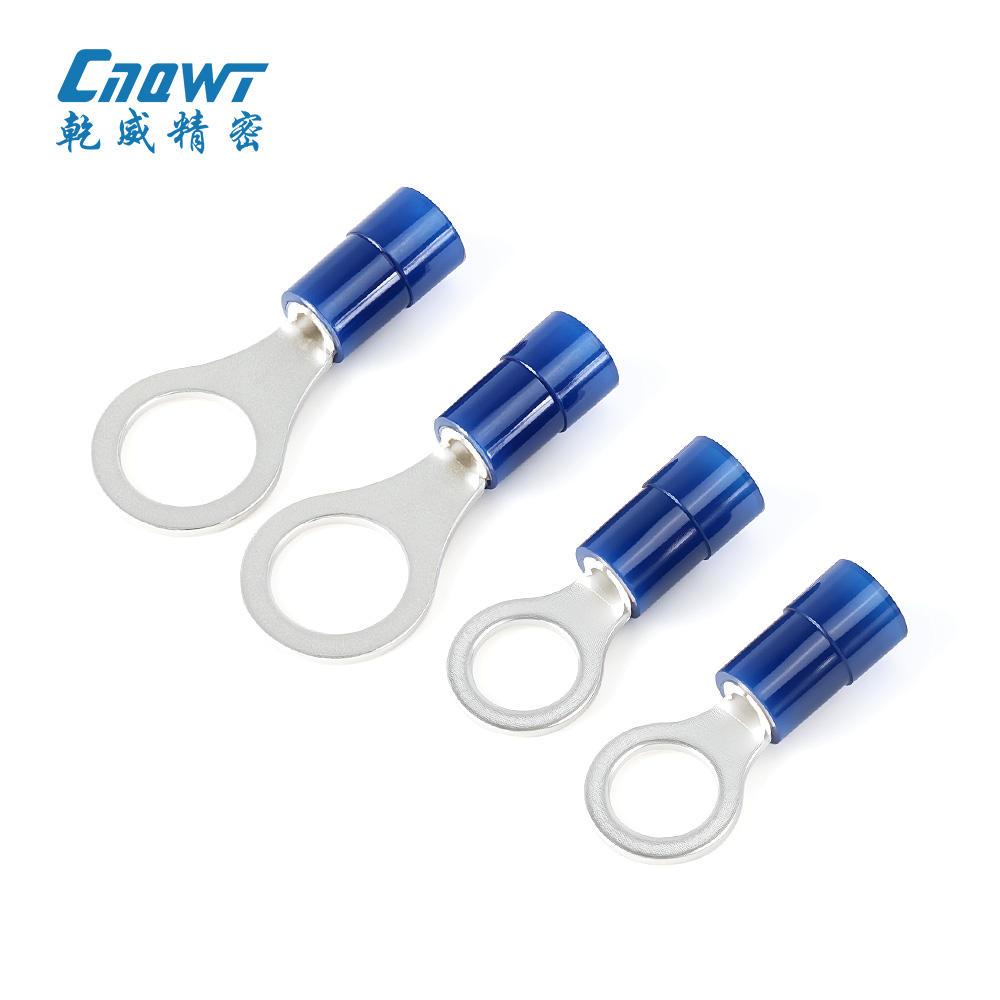
Key Features:
- Closed-loop design
- Fixed with screws or bolts
- Excellent mechanical stability
Applications:
- Grounding connections
- High-current circuits
- Compressors and motors
3. Spade Terminals (Fork Terminals)
Spade terminals offer a balance between security and convenience.

Key Features:
- Easier to install/remove than ring terminals
- Suitable for screw-type connections
Applications:
- Switches
- Terminal blocks
- Control units
4. Bullet Terminals
Bullet terminals are commonly used for quick inline connections.
Key Features:
- Male and female connectors
- Easy to connect/disconnect
Applications:
- Low to medium current circuits
- Internal wiring in smaller appliances
5. Pin Terminals
Pin terminals are designed for terminal block insertion.
Key Features:
- Compact design
- Prevents wire strand spreading
Applications:
- Control boards
- Tight wiring spaces
6. Flag Terminals (Right-Angle Terminals)
Flag terminals are specifically designed for space-constrained environments.
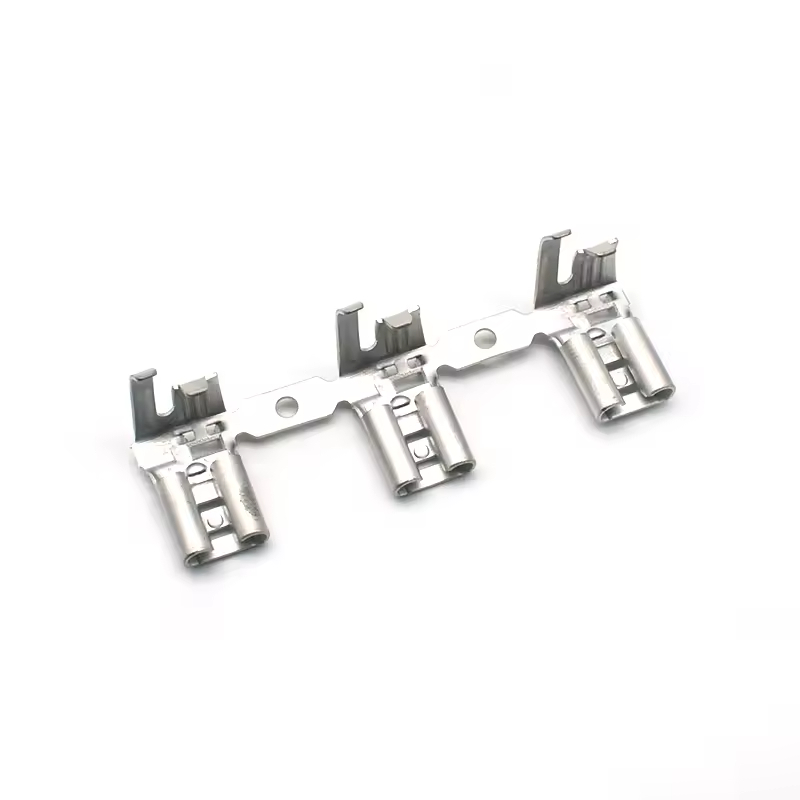
Key Features:
- 90-degree orientation
- Optimized for compact layouts
Applications:
- Tight appliance enclosures
- Areas with limited vertical space
Key Factors When Choosing Terminals for Home Appliances
Selecting the right terminal is not just about type—it requires a detailed evaluation of multiple engineering factors.
1. Current Rating and Electrical Load
Every terminal must handle the electrical load safely.
- Underrated terminals → overheating
- Overrated terminals → unnecessary cost
👉 Always match the terminal’s current rating with the appliance’s power requirements.
2. Temperature Resistance
Home appliances often operate under elevated temperatures.
Examples:
- Ovens and dryers → high heat
- Refrigerators → temperature fluctuations
Solution:
- Use heat-resistant materials
- Apply appropriate plating (e.g., nickel for high-temperature environments)
3. Vibration Resistance
Appliances with motors (washing machines, air conditioners) generate constant vibration.
Risks:
- Loose connections
- Mechanical fatigue
Solution:
- Use ring terminals or locking connectors
- Ensure proper crimping quality
4. Space Constraints
Modern appliances are becoming more compact.
Design Considerations:
- Limited installation space
- Complex wiring paths
Solution:
- Use mini terminals
- Apply flag terminals for tight layouts
5. Ease of Assembly
In mass production, efficiency is everything.
Best Choice:
- Quick disconnect terminals
Benefits:
- Faster assembly
- Reduced labor cost
- Lower error rate
Terminal Materials for Home Appliance Applications
Material selection directly impacts electrical performance and durability.
Common Terminal Materials
Electrolytic Copper
- Excellent conductivity
- Ideal for high-current applications
Brass
- Good mechanical strength
- Cost-effective
Phosphor Bronze
- Superior elasticity
- Excellent fatigue resistance
Plating Options
Tin Plating
- Most commonly used
- Good corrosion resistance
- Cost-effective
Nickel Plating
- Suitable for high-temperature environments
- Better oxidation resistance
Crimping vs Soldering in Home Appliance Wiring
Why Crimping Is Preferred
In the home appliance industry, crimping is the dominant connection method.
Advantages:
- Faster production
- Consistent quality
- Better resistance to vibration
- Gas-tight connection
When Soldering Is Used
- Repair work
- Low-volume production
👉 Conclusion: For mass production, crimping is the industry standard.
Common Problems in Appliance Terminals (And How to Solve Them)
1. Loose Connections
- Cause: poor crimping
- Solution: control crimp height and tooling
2. Corrosion
- Cause: improper plating
- Solution: use tin or nickel plating
3. Overheating
- Cause: incorrect current rating
- Solution: proper terminal selection
4. Wire Pull-Out
- Cause: insufficient crimp strength
- Solution: perform pull testing
Wiring Harness Design Considerations for Home Appliances
A well-designed wiring harness goes beyond terminal selection.
Key Considerations:
- Modular design for easy assembly
- Efficient wire routing
- Compliance with safety standards (UL, IEC)
- Cost-performance optimization
Automation Trends in Home Appliance Wiring Harness Manufacturing
To remain competitive, manufacturers are increasingly adopting automation.
Key Technologies:
- Automatic crimping machines
- Pre-assembled wiring harness modules
- Vision inspection systems
- Pull testing equipment
Benefits:
- Reduced labor cost
- Improved consistency
- Lower defect rates
Why High-Quality Terminals Are Critical
The quality of terminals directly determines the reliability of the entire appliance.
High-quality terminals provide:
- Stable electrical performance
- Consistent dimensions
- Reliable plating thickness
- Better crimping compatibility
Choosing the Right Supplier
Working with a professional manufacturer like Qianwei Precision ensures:
- High-conductivity raw materials
- Precision stamping and forming
- Strict quality control processes
- Custom terminal solutions for different appliance applications
For OEMs and wiring harness manufacturers, this translates to:
👉 Lower defect rates
👉 Improved product lifespan
👉 Reduced warranty costs
Conclusion
Terminals are small components—but their impact is massive.
To ensure reliable home appliance performance, manufacturers must align:
- Terminal type
- Material selection
- Crimping process
- Quality control
When these elements are properly managed, you achieve:
👉 Safe, efficient, and long-lasting electrical connections
👉Contact us today for your quote.
In today’s competitive market, the right terminal is not just a component—it’s a strategic advantage.
FAQs
1. What terminals are commonly used in home appliances?
Quick disconnect, ring, spade, bullet, and pin terminals are most common.
2. Why are quick disconnect terminals widely used?
They allow fast assembly and easy maintenance.
3. What is the best material for appliance terminals?
Electrolytic copper offers the best conductivity, while brass and phosphor bronze provide strength.
4. Can poor terminals cause appliance failure?
Yes, they can lead to overheating, loose connections, and system failure.
5. Are crimped connections better than soldered ones?
Yes, especially in high-volume and vibration environments.
6. How do I choose the right terminal size?
Match the terminal with wire gauge and current requirements.
7. What causes terminal overheating?
Excessive current or poor contact resistance.
8. Are insulated terminals necessary?
They are recommended for safety and protection.
9. How to improve wiring harness reliability?
Use high-quality materials, proper crimping, and strict inspection.
10. What standards apply to appliance wiring?
UL, IEC, and IPC standards are commonly followed.

